How Commerce Protocols Will Change the Way Your Customers Shop
28 January 2026

Roberta Johnston
SEO Lead
I'm an SEO specialist with over 8 years of experience helping brands grow through strategic, data-driven search optimisation. I've worked with large e-commerce websites and niche brands alike, developing a deep understanding of ranking algorithms, generative AI, and LLMs like ChatGPT, Perplexity AI, and Gemini. My expertise spans technical SEO, ensuring sites - whether a few dozen pages or 100,000+ - are crawled and indexed effectively.
Tags
Online shopping is going through a pretty major transformation.
Over the last three years, we've watched AI adoption move from a novelty to the daily norm. We aren't just asking ChatGPT for recipe ideas or to re-write our emails anymore; now it, and other AI tools like it, are asked to find, compare, define, explain and even buy things for us.
It's the latter point that's caught the attention of probably every ecommerce brand and retailer out there. Because now, Google and OpenAI have both created a standard protocol that gives AI agents the ability to do just that: complete purchases on behalf of users.
Let's take a look at what Universal Commerce Protocol (UCP) and Agentic Commerce Protocol (ACP) are - and what they might mean for the future of retail.
The "Common Language" of the AI Agent
We are already living in the "research and consideration" phase of AI shopping - two phases in the journey that used to be manual processes. Now, you can ask Gemini to find the best waterproof hiking boots for a wide foot, and it will give you a curated list - down to your shoe size and preferred materials.
But currently, for most of us, that's where the AI's job ends. You still have to click a link, navigate a merchant’s site, and manually go through the checkout process.
Agentic commerce changes that "final mile."
UCP and ACP are the protocols that allow an 'AI agent' to move past just suggesting a product to actually buying it. These protocols act as a common language between the AI agent and your store's backend. They allow the agent to verify real-time stock, apply your specific loyalty discounts, and securely complete the transaction - all without the user ever landing on your website.
Universal Commerce Protocol (UCP)
This is the open-source standard co-developed by Google with giants like Shopify, Walmart, and Target. It’s designed to be decentralised - the "HTTP of shopping" - allowing any AI agent to talk to any participating merchant.
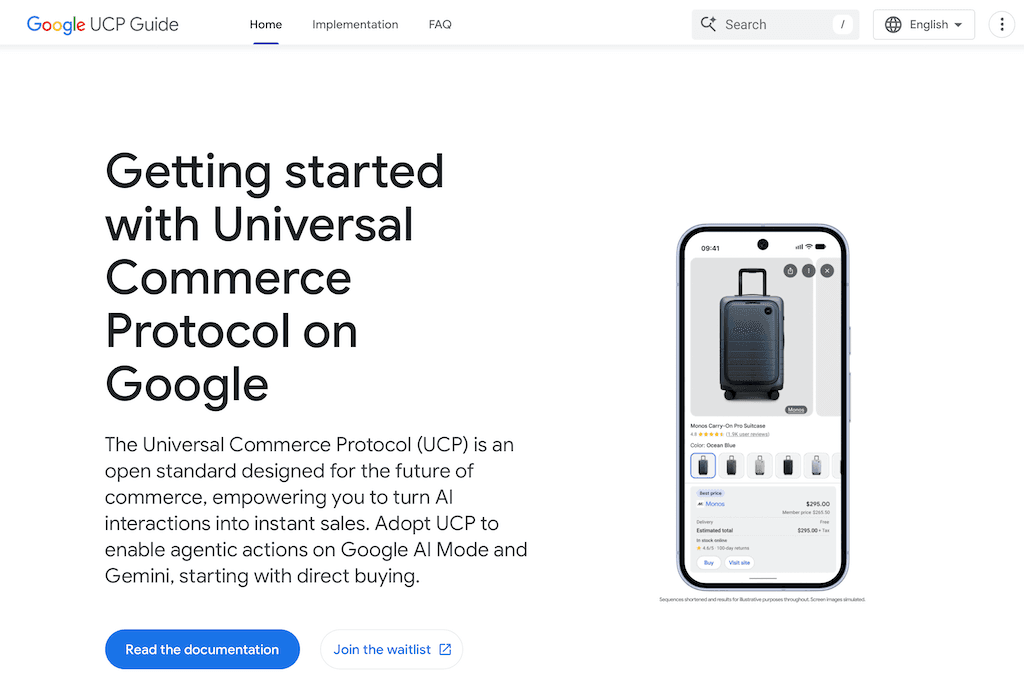
Source: Google UCP Guide
Agentic Commerce Protocol (ACP)
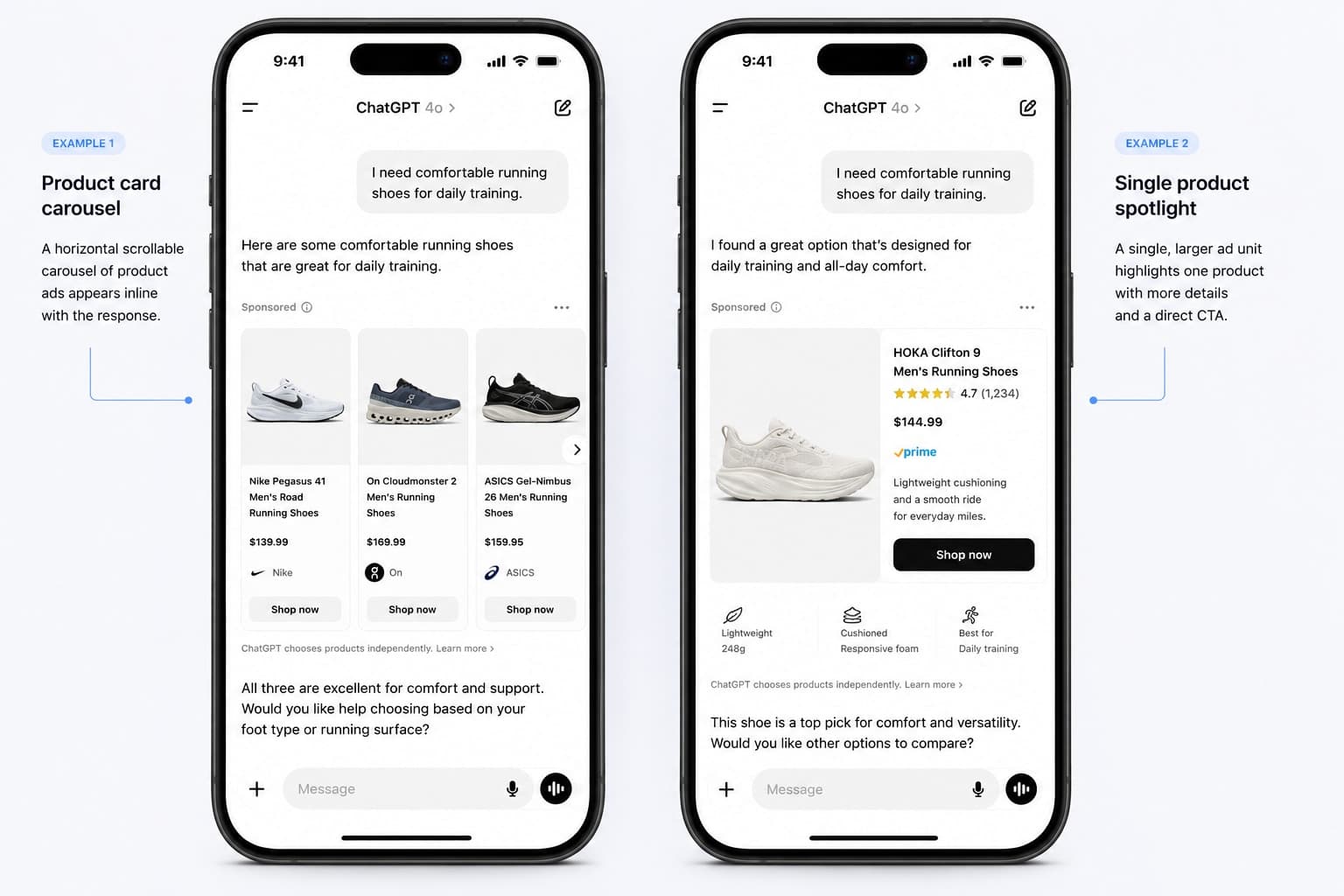
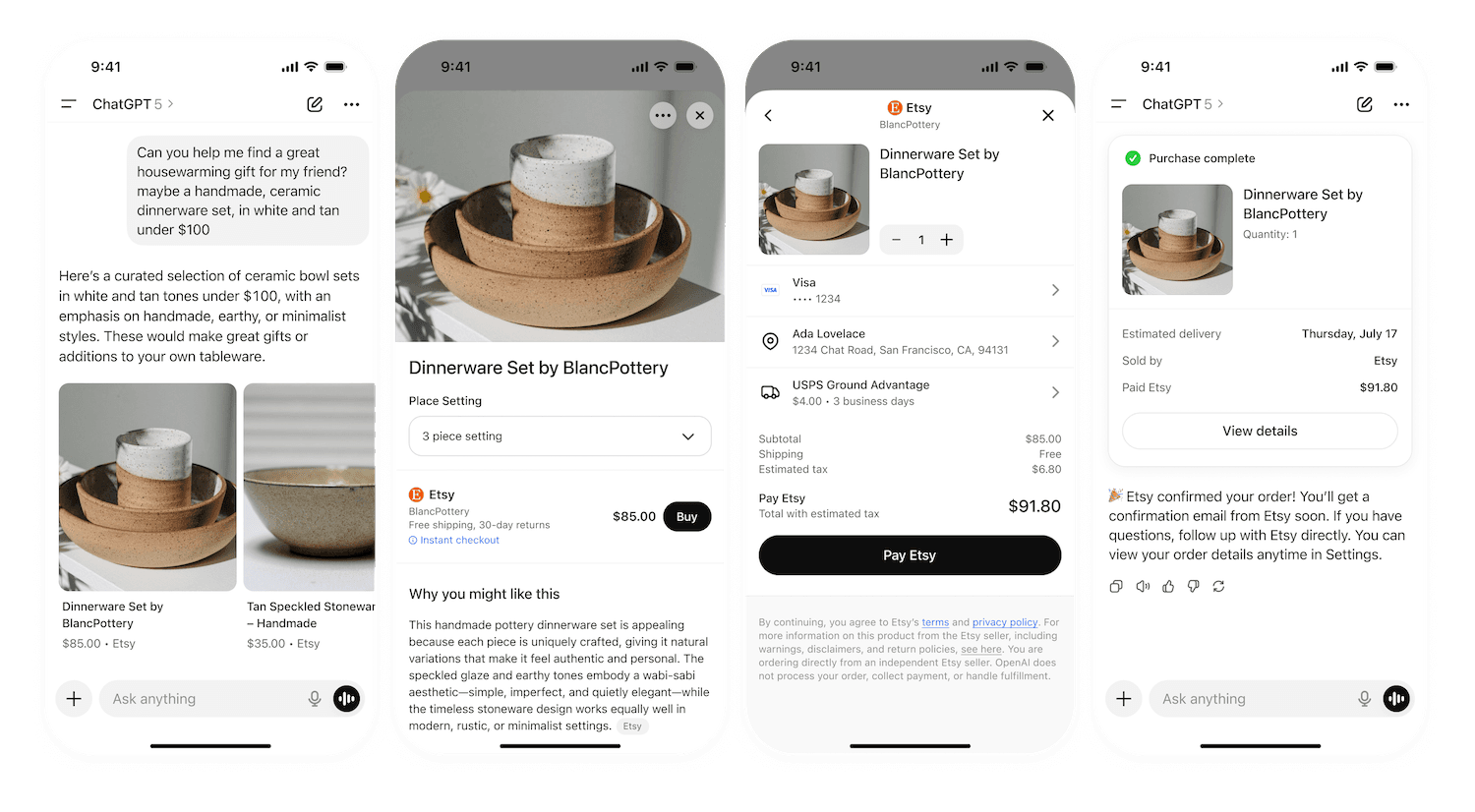
This is OpenAI’s streamlined version. It’s built primarily to turn ChatGPT into a shopping powerhouse, heavily integrated with Stripe to make the "text-to-buy" experience as frictionless as possible within their own ecosystem.
Source: OpenAI for Developers
How This is Landing in the US
Insights from National Retail Federation (NRF) - which our CEO Alain attended earlier this month - suggest that this isn't a "future" thing; it's a "now" thing.
In the US, where select retailers are already live with these protocols, the response has been telling. Early data shows that AI-driven transactions are converting at significantly higher rates because the friction of the "click-through" has been removed. Shoppers aren't affronted by it; they’re embracing the time saved.
How UCP and ACP Work
While they have different names, both protocols solve the same problem: they remove the need for a "human interface" (your website) to sit between a customer's intent and your checkout.
Google's UCP
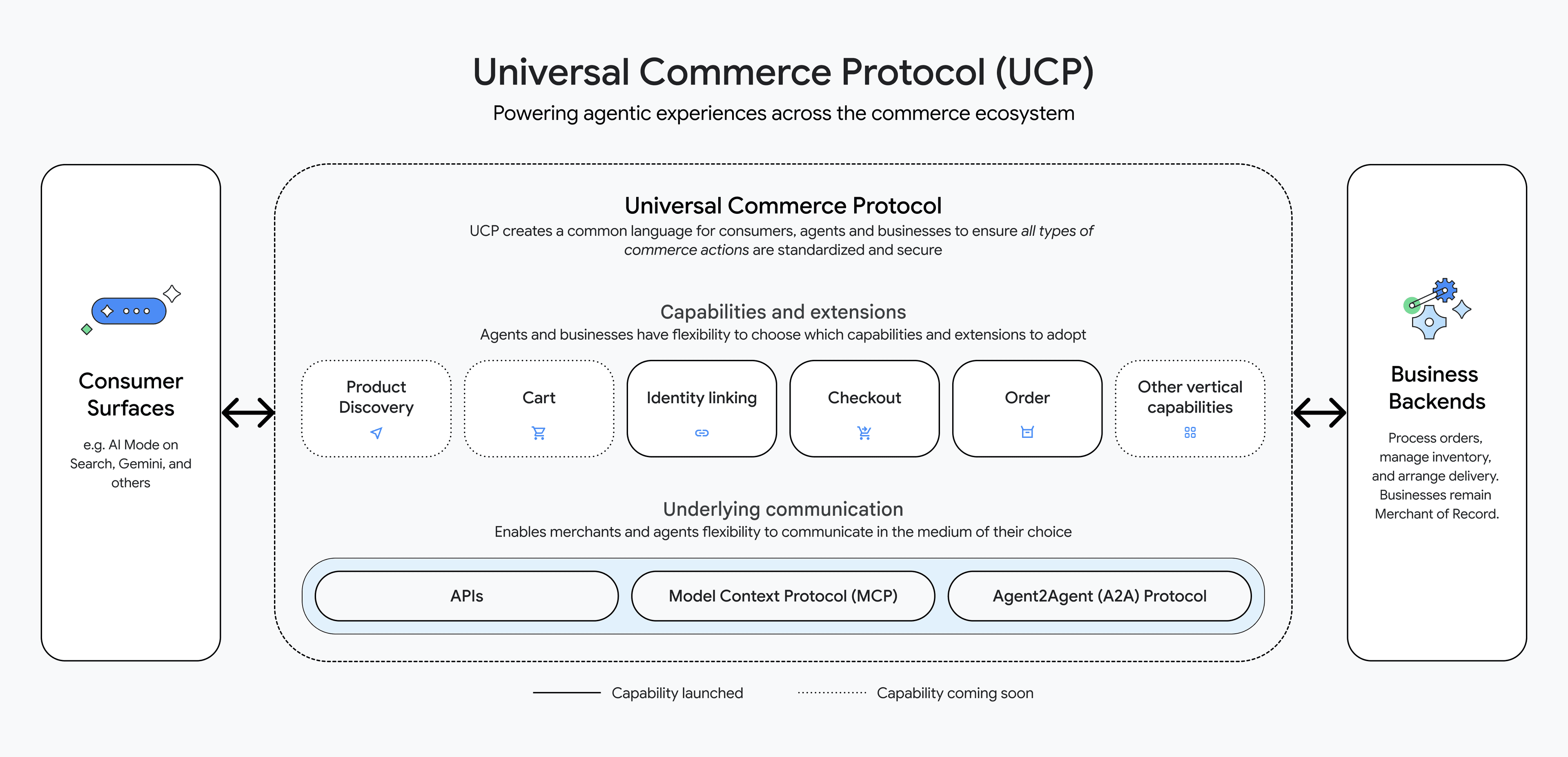
UCP functions as a bridge between "Consumer Surfaces" (like Google Search or Gemini) and "Business Backends" (your website or ERP system).
- Discovery & Inventory: Instead of crawling your site like an old-school bot, the protocol allows an agent to query your backend directly for real-time stock, pricing, and detailed attributes.
- Identity & Carting: UCP enables "Identity Linking," meaning the agent knows who the customer is and can securely pass that data to your cart.
- The Handshake: It uses underlying communication layers like the Model Context Protocol (MCP) and Agent2Agent (A2A) Protocol to ensure the instructions from the AI are translated perfectly into an order your system understands.
- Current Capabilities: As of early 2026, core features like Product Discovery and Checkout are already launched, with "Order" management and other vertical capabilities following close behind.
Source: Google for Developers Blog
OpenAI's ACP
OpenAI’s approach is more focused on collapsing the journey into a single conversation.
- Conversational Commerce: Within a single chat thread, ChatGPT can identify a product (e.g., a ceramic bowl set), surface the price, and offer an "Instant Checkout" button right in the UI.
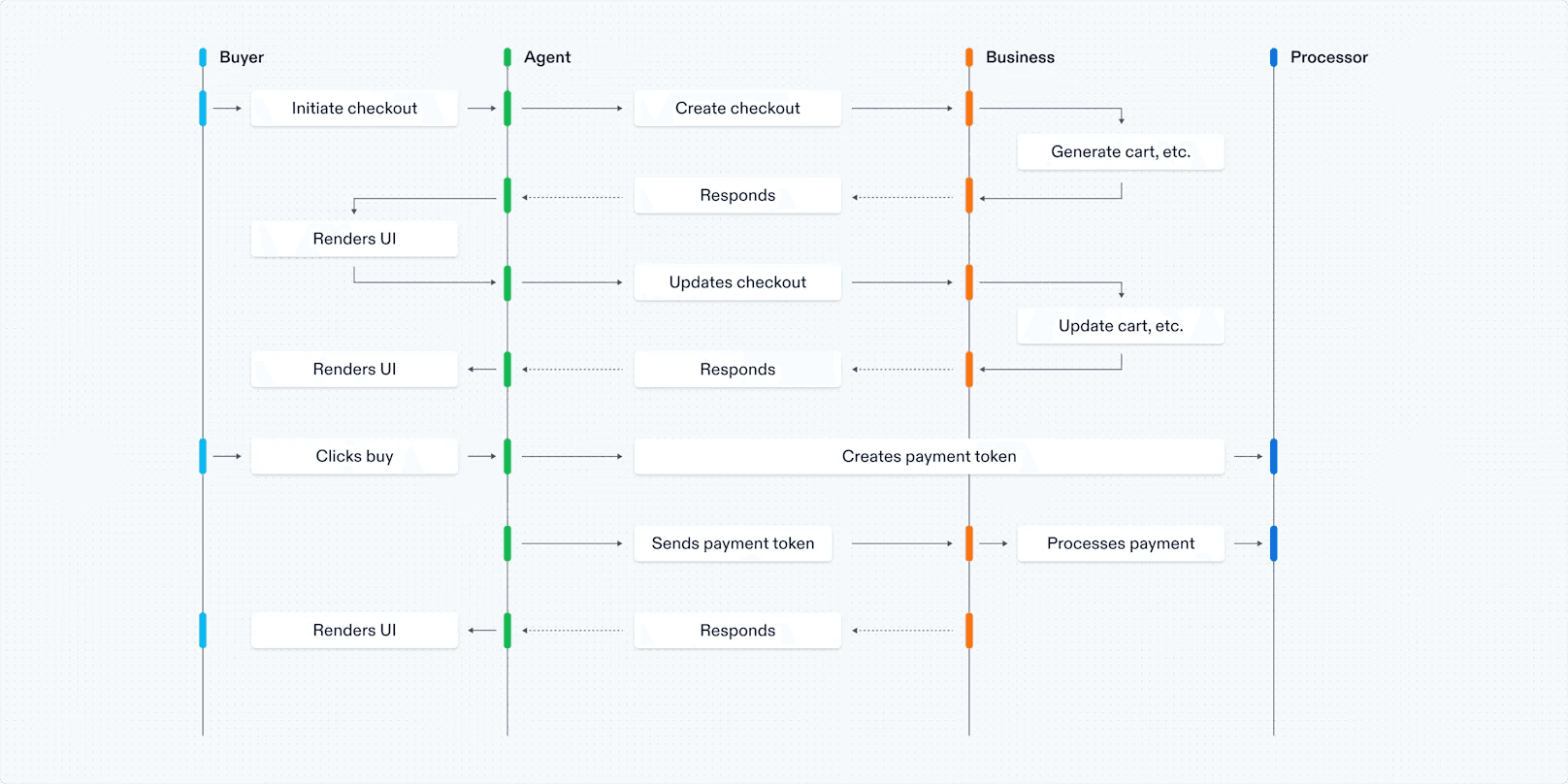
- The Stripe Integration: ACP relies heavily on a streamlined payment layer. Once the user hits "Pay," the protocol handles the shipping and payment details stored in their OpenAI/Stripe profile and passes a "Purchase Complete" confirmation back to the chat.
- Merchant Transparency: Even though the user never leaves the chat, the protocol still surfaces the merchant of record (e.g., Etsy) and estimated delivery times to maintain trust.
Source: Stripe
Zero-Click Transactions
The common thread here is permission. These protocols give an AI agent the "power of attorney" to act on behalf of the customer.
The protocol handles the verification, the payment, and the confirmation. For the retailer, the "sale" arrives in your dashboard just like any other order - the only difference is that the "referring source" wasn't a click from an ad or a search result, but a direct "handshake" from an AI agent.
It's Not All Panic, No Disco
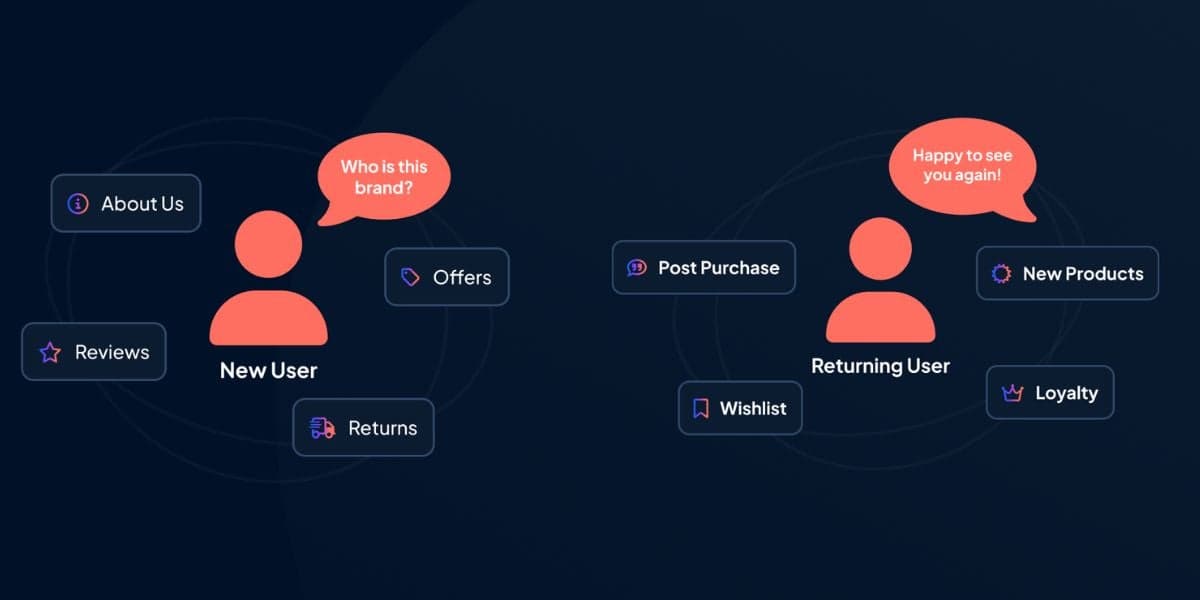
When a technology this significant enters the market, the immediate fear is often brand dissolution. If a customer never sees your homepage or your carefully curated photography, do you lose your connection to them?
It’s a valid concern, but history offers a useful lens. When ecommerce first arrived, people predicted the death of the physical storefront. It didn't happen. Instead, retail became "multi-mode". People shopped online for convenience and in-store for the experience.
We are seeing that same shift now. Agentic commerce is an additional frontier, not a replacement.
- The Inspiration Shopper: There will always be users who want to browse, discover new styles, and experience your brand’s "vibe" on your website.
- The Efficiency Shopper: There is now a growing segment that simply wants their AI agent to "reorder my usual coffee pods at the best price".
For retailers, the goal isn’t to choose between a website and an agent - it’s about ensuring your brand is present and functional in both worlds. Just as physical stores didn't dry up, your website will remain a vital touchpoint for those who value the experience of shopping.
But the thing is, websites aren't just for people anymore. They house the structured information that feeds the AI.
AI agents don't just "guess" what you sell; they rely on the clean, exhaustive product feeds and real-time inventory levels hosted on your site. If your website’s data house isn't in order, you become invisible to the agent. In 2026 and the foreseeable future, your data maturity is what determines whether an agent picks your brand or your competitor's.
The New Standard of Readiness
While the Universal Commerce Protocol and Agentic Commerce Protocol are still in their early stages of global rollout, the signals from the US market are undeniable. But this isn't a call to reinvent your entire business model; it's a call to audit your infrastructure.
As we move into this "multi-mode" reality, your website serves a dual purpose: it is a high-end experience for your human customers and a high-fidelity data source for their AI agents.
Whether a shopper is looking for inspiration on your homepage or sending an agent to find a specific SKU, the goal remains the same: providing value, reliability, and a seamless path to purchase.