What is Google Tag Gateway and why it matters for your tracking
20 April 2026

Ashleigh Petrie
COO
My background spans the full digital spectrum, from strategy through to execution but today my role is building the systems and team that deliver consistent, measurable performance for our clients. Over the years, I've grown our digital department from a solo function into a high-performing team, achieving Google Premier Partner status along the way. More importantly, we've built a culture rooted in accountability, clarity and continuous improvement.
Tags
If you’ve noticed your analytics and conversion data becoming less reliable over time, keep reading. Between ad blockers, browser privacy updates, and increasing restrictions on third-party tracking, it’s getting harder for tools like Google Analytics 4 and Google Ads to capture a complete picture of what’s happening on your website.
That’s where Google Tag Gateway comes in.
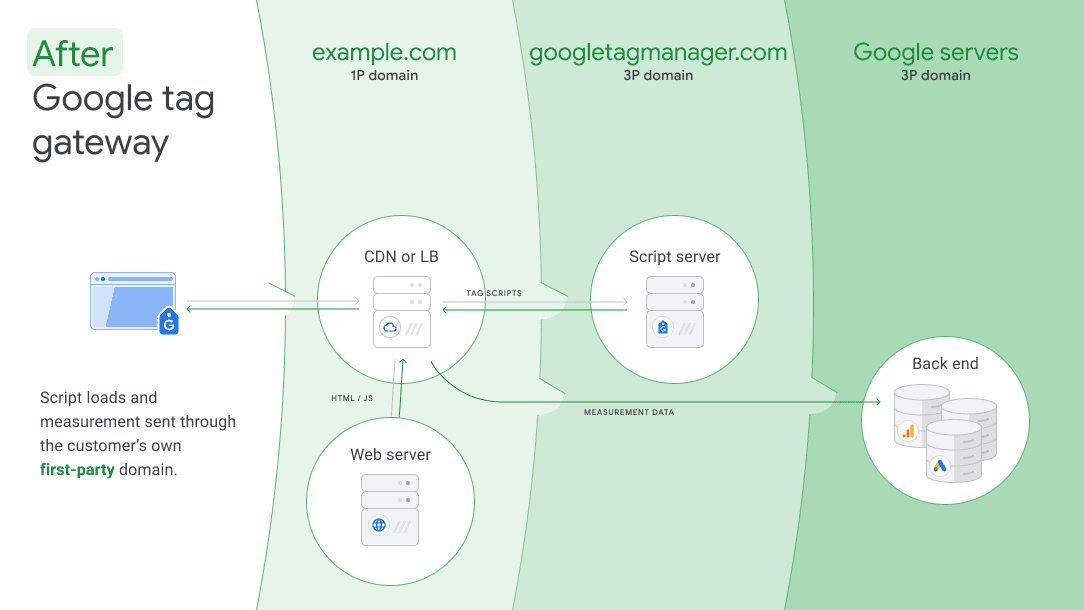
At a high level, Google Tag Gateway allows your Google tracking to run through your own website domain instead of sending data directly to Google’s servers. Instead of requests going to domains like google-analytics.com, they’re routed through your domain first creating a first-party tracking setup.
Why this is becoming important
Traditional tracking relies heavily on the user’s browser sending data directly to third-party domains. The problem is, browsers and extensions are increasingly designed to block or limit these requests - which leads to gaps in your data and underreported performance.
Google Tag Gateway helps solve this by shifting tracking into a first-party context. Because the requests come from your own domain, they’re far less likely to be blocked - meaning you capture more of the data that would otherwise be lost.
The key benefits of Google Tag Gateway:
More accurate data
By routing tracking through your own domain, you significantly improve the chances of data being collected successfully. That means a clearer, more complete picture of how users are interacting with your site.
Better campaign performance
More accurate data feeds directly into platforms like Google Ads, giving them stronger signals to optimise against. This typically leads to better attribution, smarter bidding, and more efficient use of your budget and ultimately, greater conversions.
Reduced reliance on third-party tracking
Google Tag Gateway is part of a broader shift towards a first-party data strategies. As privacy rules tighten and third-party tracking becomes less reliable, this approach helps future-proof your measurement.
Uses infrastructure you already have
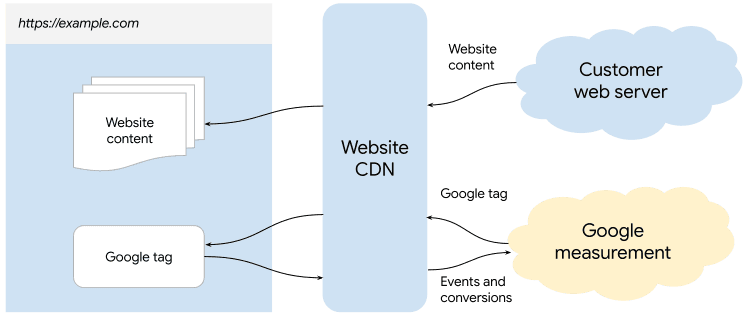
Unlike more complex tracking solutions, Google Tag Gateway can be implemented using your existing setup (like your CDN), making it a relatively straightforward upgrade with a strong impact.
What it’s replacing
In many cases, Google Tag Gateway replaces the need for a separate server-side tagging setup. It gives you a first-party way to serve and route Google tracking through your own domain, using infrastructure you likely already have, without the added complexity of managing a dedicated tagging server.
Why it’s worth considering
Google Tag Gateway is a practical, high-impact way to improve the reliability of your tracking in a world where data loss is becoming the norm. It helps you capture more accurate insights, make better marketing decisions, and stay ahead of ongoing privacy changes without the overhead of more complex tracking setups.
For most businesses using Google Analytics and Google Ads, it’s a smart next step toward more resilient, future-ready measurement.
Need help getting this set up?
If you’re looking to improve the accuracy of your tracking or want to explore whether Google Tag Gateway is the right fit for your site, we can help.
Our team can handle the full setup from CDN configuration through to Google Tag Manager updates and testing, ensuring everything is implemented correctly and working as expected.
Feel free to reach out if you’d like to chat it through or get started.