Why Brand Awareness is the Ultimate Growth Lever for Ecommerce
12 March 2026

Luzelle Botha
SEO Specialist
...
Tags
Let me be frank: if you are relying solely on paid ads to drive traffic without first building brand recognition, your profit margins are bleeding out.
The digital marketplace is wildly oversaturated. Consumers are overwhelmed by choice, which means familiarity breeds trust, and trust drives sales. Whether you're an established Kiwi retailer or a budding Auckland startup fighting for local market share, the degree to which consumers recognise and remember your brand is the ultimate deciding factor in your growth.
It’s no longer just about having a great product or a slick Shopify store; it’s about owning real estate in your target customer's mind. Let's break down the customer awareness journey, why it’s a make-or-break metric for your bottom line, and the exact playbook you need to build a market presence that converts.
What is Brand Awareness for Ecommerce? (And Why It Matters)
When people hear the phrase brand awareness, they often picture the obvious things first, a memorable logo, a polished website, maybe a slick colour palette.
And yes, those things matter, but they’re really just the surface.
At its core, brand awareness is about mental availability. When someone starts thinking about something they need, does your brand pop into their mind? Or do they immediately think of someone else?
It sounds simple, but that distinction makes a huge difference.
Think about what happens when someone says “running shoes.” For a lot of people, Nike appears almost instantly. That’s not because of a single clever campaign. It’s the result of years of consistent exposure to ads, sponsorships, products and conversations, all slowly earning a spot in people’s memory.
And that memory rarely forms overnight.
Unaided vs. Aided Recall
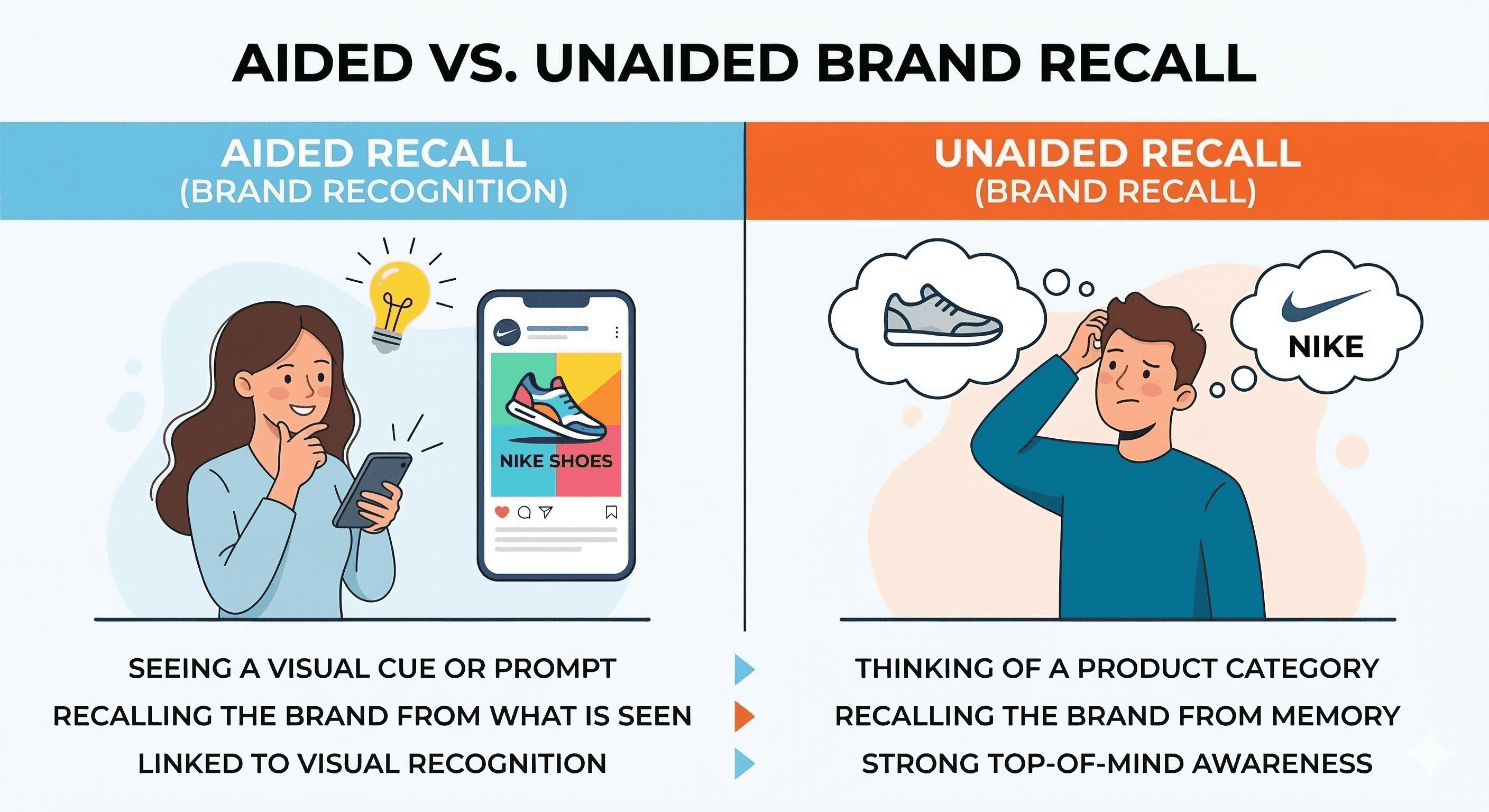
Marketers tend to talk about brand awareness in two flavours: aided recall and unaided recall.
Aided recall is the more common one. It’s when someone recognises your brand after seeing it. Maybe they scroll past one of your ads and think, “Oh yeah, I’ve seen these guys before.” The name rings a bell, even if they can’t quite remember where they encountered it.
It’s a good sign. Familiarity is starting to form. But unaided recall is where things get interesting.
This is when your brand shows up in someone’s mind without any prompting at all. They realise they need new hiking boots, or a desk for their home office, and your store is the first place they think to look.
No ad. No reminder. Just memory.
And when that happens, something powerful shifts. You’re no longer trying to capture attention in a crowded marketplace; you’re already part of the customer’s shortlist. That’s when brand awareness starts working for you, instead of you constantly working for it.
The Four Stages of Ecommerce Brand Awareness
Customers rarely jump from discovering a brand to buying from it immediately. Usually, awareness builds gradually, through repeated exposure and small moments of familiarity.
You can think of it as a progression.
Your Brand Isn’t on the Radar Yet
At the beginning, there’s zero awareness. The customer has never encountered your brand before. They might be exploring a product category or researching a problem, but you’re not yet part of the picture.
Customers Have Seen You Before
Eventually, recognition begins to form. They see your products in an ad or stumble across your website while browsing. They may not remember your name yet, but something about your brand feels familiar the next time they encounter it.
They Remember You When the Need Arises
From there, things shift into recall. When a need arises, your brand surfaces naturally in their mind. Instead of starting their search from scratch, they remember you and consider your store as one of the options.
You’re the First Brand They Think Of
And then, occasionally, you reach the final stage, top-of-mind awareness. At this point your brand becomes the default choice. Customers search for you directly, recommend you to friends, and return without needing persuasion.
That level of recognition is rare, but when ecommerce brands reach it, growth becomes much easier to sustain.

Why Brand Awareness is Important for Ecommerce Growth
A decade ago, many ecommerce brands could grow simply by increasing their ad spend. If the numbers worked, you turned up the budget and kept scaling.
That environment has changed. Competition is tougher, ad platforms are crowded, and customer acquisition costs continue to rise. Many retailers are now spending more each year just to maintain the same level of growth.
This is where brand awareness changes the equation.
When customers recognise your brand, hesitation drops. Familiarity builds trust, and trust makes it far more likely someone will complete a purchase instead of continuing to shop around. Over time, that recognition compounds. Customers return without needing to be re-acquired. They search for your brand directly. They recommend you to friends. Not every sale depends on another paid click.
There’s another advantage too: without brand awareness, most ecommerce stores compete on one thing - price. If a shopper has never heard of your brand, price becomes the easiest comparison point.
But when a brand is recognised and trusted, the decision shifts. Perceived quality, reliability, and brand identity begin to matter just as much as the price tag. And that’s when margins start to stabilise.

The Playbook: How Ecommerce Brands Build Real Visibility
Brand awareness isn’t built through a single campaign or platform. It’s the result of consistent visibility - showing up often enough, in the right places, that customers start to remember you.
That doesn’t happen accidentally. The brands that achieve it usually focus on a few key areas.
Dominate Digital Real Estate
Most discovery now happens online, which means your brand needs to appear repeatedly across the channels where customers research products.
For ecommerce businesses, that usually starts with search. Ranking for category keywords, product comparisons, and buying guides ensures your brand shows up when potential customers are exploring options. Even if they don’t buy immediately, they’ve now encountered your brand.
Paid media plays a complementary role. Well-targeted Google and social campaigns expand your reach beyond people actively searching. They introduce your brand earlier in the decision-making process.
Social media adds another layer. It keeps your brand visible between purchase cycles. A customer might not need a new outdoor table today, but if they keep seeing your brand’s content, they’re more likely to remember you when summer arrives.
In practical terms, most successful ecommerce brands focus on three things here:
- ranking for high-intent category searches through SEO
- running targeted paid campaigns to introduce their brand to new audiences
- maintaining a consistent presence on one or two core social platforms
The goal isn’t to be everywhere. It’s to appear often enough that customers start recognising your name.

Use Partnerships and PR to Expand Reach
Digital marketing tends to dominate ecommerce conversations, but brand visibility doesn’t have to come from advertising alone.
Partnerships can be one of the fastest ways to introduce your brand to new audiences.
For example, many ecommerce brands collaborate with complementary businesses - a home décor brand partnering with an interior designer, or a fitness retailer working with a local gym community. These partnerships allow brands to tap into audiences that already exist rather than building awareness from scratch.
Public relations can play a similar role. Product features in lifestyle publications, influencer mentions, and industry media coverage all reinforce credibility. When customers encounter a brand through a trusted third party, recognition and trust build faster.
Related: The Power of Customer Reviews in Ecommerce
For New Zealand retailers in particular, local exposure can be powerful. Sponsoring community events, collaborating with local creators, or partnering with well-known Kiwi personalities can dramatically expand brand familiarity.
Turn Your Website Into a Brand Experience
For many customers, your ecommerce website is the first real interaction they have with your brand.
And that experience shapes how they perceive you.
A slow, cluttered website makes a brand feel unreliable. A clear, fast, well-designed experience does the opposite.
That means brand awareness isn’t just a marketing problem. It’s also a design and experience problem.
Practical improvements here often include:
- ensuring the website loads quickly across mobile and desktop
- using consistent visual branding across pages
- highlighting your unique selling proposition clearly
- showcasing customer reviews and social proof
These details might seem small individually, but together they shape the overall perception of your brand.
When customers trust the experience, they’re far more likely to return.

Create Content That Builds Recognition
Content is one of the most underrated brand awareness tools in ecommerce.
Product pages convert buyers who already know what they want. Content attracts people earlier in the journey.
Buying guides, comparison articles, tutorials, and inspiration content help potential customers discover your brand while researching. Even if they don’t purchase immediately, you’ve established a presence in their decision-making process.
Over time, this type of content compounds. The more helpful resources your brand creates, the more opportunities customers have to encounter them.
For many ecommerce businesses, a small but consistent content strategy, even one or two well-written articles per month, can significantly expand visibility.
Strengthening the Omnichannel Effect
Brand awareness becomes significantly stronger when customers encounter your brand across multiple touchpoints.
This is where omnichannel strategies come in.
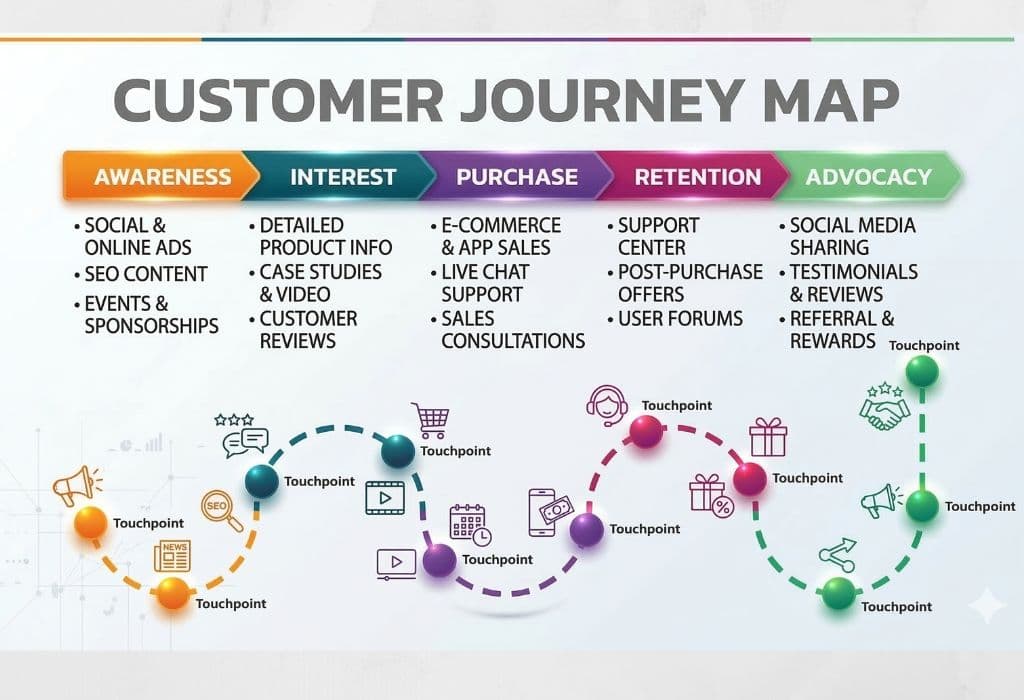
Imagine a customer seeing your Instagram ad while browsing on their phone. A few days later they notice your brand again while researching products on Google. Later still, they receive an email promotion featuring the same collection.
Each interaction reinforces the previous one.
But this only works if the experience feels consistent. The same tone, the same visual identity, the same core message should carry through every touchpoint.
Brands that manage this well often align three key areas:
- paid advertising campaigns
- organic content and social media
- the website and customer experience
When those elements support each other, recognition grows much faster.
Building a Brand Customers Remember
Brand awareness isn’t about vanity metrics or viral campaigns. It’s about building familiarity, trust, and recognition so customers think of you first when they’re ready to buy.
For e-commerce businesses, that recognition compounds over time, improving conversion rates, reducing acquisition costs, and fostering long-term loyalty.
Whether you're an Auckland startup or an established nationwide retailer, building strong brand visibility can transform how customers discover and choose your business.
If you want to understand how visible your brand really is, and where the biggest growth opportunities lie, the team at Blackpepper can help.