Ecommerce SEO Beyond Google: Exploring Alternative Search Engines
14 August 2024


Roberta Johnston
SEO Lead
I'm an SEO specialist with over 8 years of experience helping brands grow through strategic, data-driven search optimisation. I've worked with large e-commerce websites and niche brands alike, developing a deep understanding of ranking algorithms, generative AI, and LLMs like ChatGPT, Perplexity AI, and Gemini. My expertise spans technical SEO, ensuring sites - whether a few dozen pages or 100,000+ - are crawled and indexed effectively.
Tags
Anyone trying to sell anything on the internet knows how important it is to rank well on Google. After all, Google has been the go-to search engine for years, dominating the market and driving the majority of search traffic to websites - as at the time of writing this blog, the tech giant still boasts a 91.04% global search market share. But times are changing. With a recent antitrust ruling against Google and the rise of alternative search engines and platforms, the digital landscape is evolving rapidly.
At Blackpepper, we believe in staying ahead of the curve, and that means understanding where your customers are searching and making sure your brand is visible there. In this blog, we’re going to explore the growing relevance of alternative search engines, how they compare to Google, and whether it’s practical to invest in SEO for these platforms. Plus, we’ll dive into the world of social media, where platforms like Instagram and TikTok are becoming the new search engines for a younger audience.
Let’s dive in and take a look at ecommerce SEO beyond Google.
US Antitrust Ruling on Google’s Search Monopoly
Why look at other search engines at all if Google still has most of the search market, you ask? On one hand, there’s a growing trend of younger audiences (looking at you, Gen Z!) “searching” for products, services, restaurants and more on social media platforms. On the other hand, Google itself might not have a choice in relinquishing that market share.
In a landmark decision that could reshape the digital landscape, a federal judge recently ruled that Google violated U.S. antitrust laws by leveraging its market dominance to stifle competition. This ruling centres around Google's practice of securing its position as the default search engine on devices and browsers - like Apple and Safari - effectively shutting out competitors like Bing and DuckDuckGo. The decision is not just a legal blow to Google; it also signals potential shifts in how search engines might be presented to users in the near future.
For years, Google has been the undisputed king of search, controlling a massive share of the market. But with this ruling, we could see a loosening of Google's grip as regulators push for more competition. This could mean more visibility and opportunities for alternative search engines, which have struggled to gain traction in a Google-dominated world.
What does this mean for your ecommerce business? Simply put, the search landscape is likely to become more diverse. While Google will likely remain a key player, businesses that start optimising for other search engines now could gain an early advantage as these platforms grow in prominence. Whether it’s Bing, DuckDuckGo, or even niche engines like Ecosia, expanding your SEO efforts beyond Google might soon become a strategic necessity rather than just a nice-to-have.
Let’s take a closer look at how these search engine alternatives currently compare to Google.
Google vs Other Search Engines
While Google continues to dominate the search engine market, recent developments like the ruling in the antitrust case and the evolving digital landscape have brought other search engines into the spotlight. Let’s analyse some of these alternative platforms and how they compare to Google in terms of rankings, competition, and the practicality of SEO.
Bing
Bing is Google’s most significant competitor (sorry, SearchGPT, you’re not quite there yet!) in the search engine space. Although its market share is much smaller at 3.86% globally, Bing has a loyal user base and is particularly strong in certain demographics. Bing’s search algorithm places a slightly different emphasis on factors like social media influence and multimedia content, which can lead to varying rankings compared to Google.
For ecommerce businesses, optimising for Bing can be beneficial, especially since it powers Yahoo Search and Microsoft’s Cortana, as well as being integrated into the search functionality of Windows devices. The competition on Bing is generally less fierce than on Google, making it easier to achieve higher rankings. Additionally, Bing’s advertising platform, Microsoft Ads, often offers lower cost-per-clicks (CPCs) than Google Ads, providing a more cost-effective option for paid search campaigns.
However, it’s important to remember that, if Bing does gain some of Google’s market share, the competition might be more fierce than it is right now.

Yahoo
Yahoo Search is powered by Bing, so SEO efforts on Bing will often translate to Yahoo as well. Although Yahoo’s market share is even smaller than Bing’s at 1.24% globally, it still attracts a significant number of users, particularly in Japan and other specific markets. For businesses targeting these regions, ensuring visibility on Yahoo can be crucial.
Optimising for Yahoo involves similar strategies to Bing, focusing on high-quality content, strong backlinks, and a good user experience. Given Yahoo’s integration with Bing, achieving strong SEO results on Bing will naturally benefit your Yahoo rankings as well.
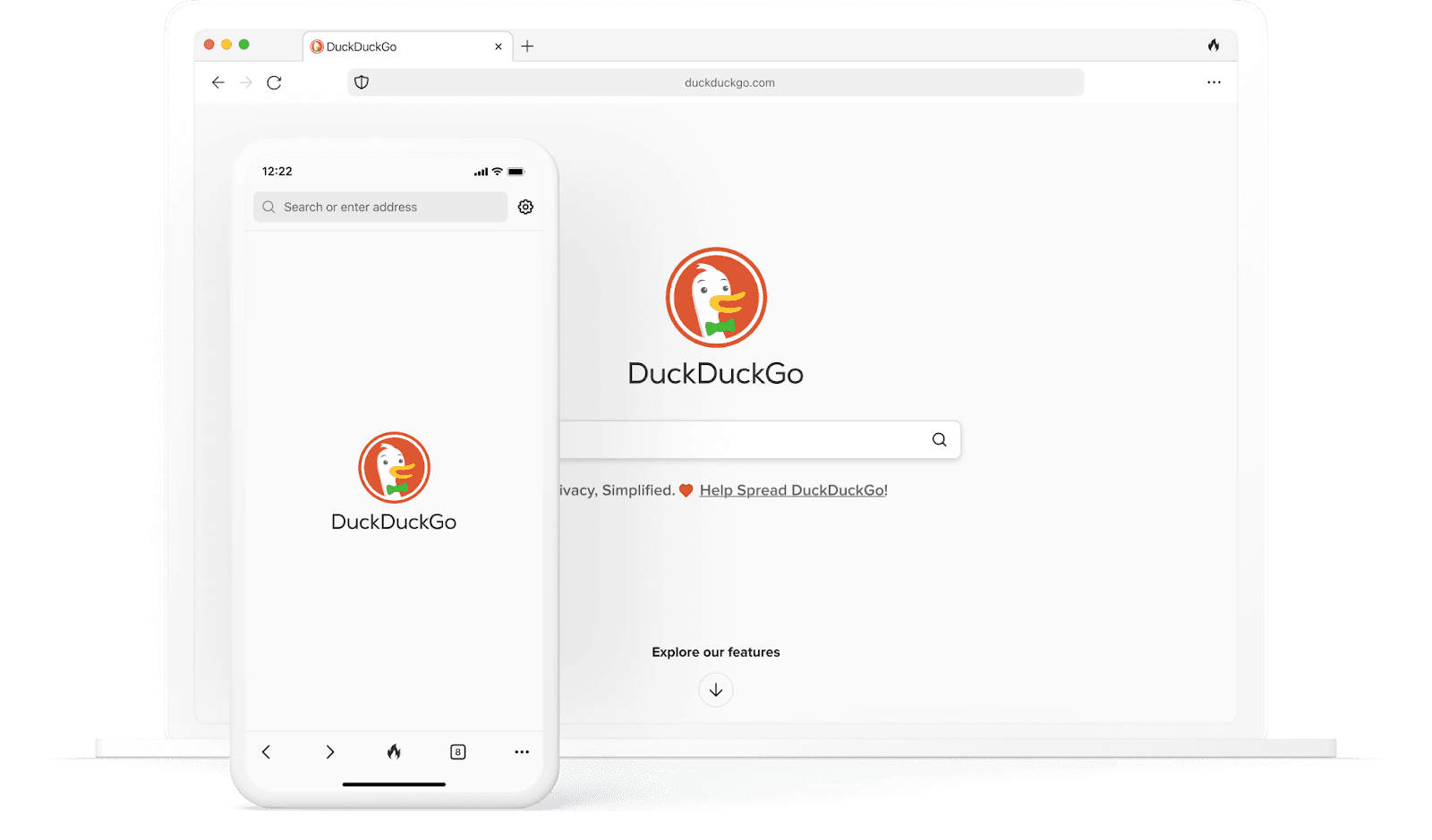
DuckDuckGo
DuckDuckGo is a privacy-focused search engine with a 0.62% global search market share that has gained popularity in recent years, particularly among users who are concerned about data privacy. Unlike Google, DuckDuckGo doesn’t track user searches or personalise results based on search history. This focus on privacy has attracted a growing user base, making it a relevant alternative to consider for SEO.
However, the competition on DuckDuckGo is less intense than on Google, which could provide an opportunity for businesses to stand out more easily. SEO strategies for DuckDuckGo should emphasise relevance and keyword optimisation, as personalised search factors are not a consideration. Additionally, businesses that prioritise privacy in their brand messaging may find a more receptive audience on DuckDuckGo.
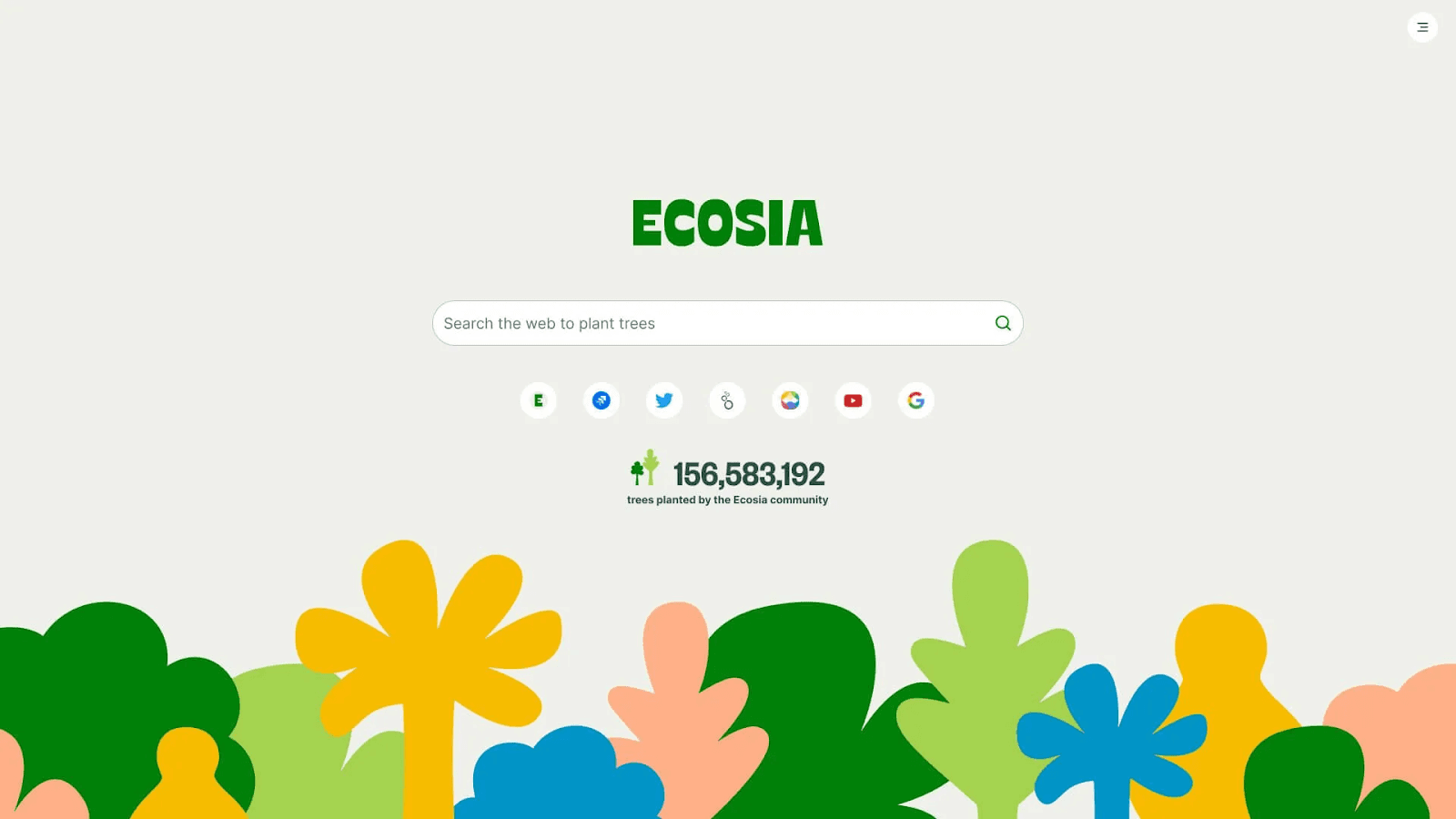
Ecosia
Ecosia is a niche search engine that plants trees with its ad revenue. Its environmentally-conscious mission has attracted a dedicated user base, particularly among eco-conscious consumers. While Ecosia’s market share is small, its unique selling point makes it an attractive platform for businesses that align with sustainability and environmental responsibility.
SEO on Ecosia is similar to that on Bing, as Ecosia uses Bing’s search results with a layer of its own modifications. For businesses targeting the eco-conscious market, optimising for Ecosia can enhance brand perception and reach a more targeted audience.

Other Search Engines
While Bing, Yahoo, DuckDuckGo, and Ecosia are the most notable alternatives, other search engines like Baidu (dominant in China, 0.91% market share) and Yandex (popular in Russia, 1.36% market share) are essential for businesses targeting those specific regions. SEO strategies for these platforms often require localisation and a deep understanding of the local market’s search behaviour.
Will AI Make SEO Obsolete?
With the rapid advancements in AI technology, including tools like OpenAI's GPT models and the upcoming SearchGPT, many are questioning whether SEO will become obsolete. The short answer is: not likely. While AI-driven tools are transforming the way people search and access information, SEO will continue to play a critical role in helping businesses remain visible in an increasingly crowded digital space.
AI tools like ChatGPT and the anticipated SearchGPT are indeed changing the game by offering more personalised and conversational search experiences. However, these tools still rely on vast amounts of web content, and optimising that content to ensure it’s easily discoverable by AI will be just as important as optimising it for traditional search engines.
In fact, as AI becomes more integrated into search technologies, the demand for high-quality, well-structured, and contextually relevant content will only increase. SEO strategies will need to evolve to consider how AI interprets and prioritises content, but the fundamental goal of making your content accessible and valuable to users will remain unchanged.
Should You Optimise for Other Search Engines?
Now that we’ve explored the various alternative search engines, let’s dive into the practicality of optimising for these platforms. While Google remains the dominant player, there are several factors to consider when deciding whether to invest in SEO for other search engines.
Is SEO the Same for All Search Engines?
First things first - what does SEO even look like for other search engines? While the core principles of SEO - such as keyword optimisation, quality content, and backlink building - apply across all search engines, there are some differences in how each platform ranks content. For instance, Bing places more emphasis on social signals and multimedia content, whereas Google prioritises factors like mobile-friendliness and page speed. DuckDuckGo, with its privacy-focused approach, doesn’t personalise search results based on user history, which means your SEO efforts need to focus more on general relevance rather than personalisation.
Keep Reading: SEO in 2024 - is Content Still King?
Each search engine has its own set of algorithms and ranking factors. Therefore, a one-size-fits-all approach may not yield the best results across different platforms. Tailoring your SEO strategy to the specific requirements of each search engine can give you a competitive edge, especially as the search landscape continues to diversify.
Let’s consider some key elements of optimising for other search engines.
Competition Levels
One of the primary benefits of optimising for alternative search engines is the generally lower level of competition compared to Google. On platforms like Bing and DuckDuckGo, fewer businesses are actively optimising their content, which means there’s a better chance of ranking higher with less effort. For ecommerce businesses, this could translate into capturing a niche audience that might be more difficult to reach on Google.
Read More: How to Do Competitor Analysis for SEO
For example, Bing has a smaller market share, but its audience tends to be slightly older and more affluent, making it an attractive option for businesses targeting that demographic. Similarly, DuckDuckGo’s user base is growing among privacy-conscious individuals, a segment that is likely to appreciate transparency and ethical business practices. By optimising your SEO strategy for these platforms, you can tap into these specific audiences with potentially lower competition and better results.

Cost vs. Benefit
The cost-benefit analysis of optimising for alternative search engines varies depending on your business goals and target audience. Since the competition is lower, achieving higher rankings on platforms like Bing or Yahoo can often require less time and resources compared to Google. This can be particularly beneficial for small to medium-sized businesses with limited SEO budgets.
Additionally, paid search advertising on Bing (through Microsoft Ads) typically has lower cost-per-clicks (CPCs) than Google Ads, allowing you to stretch your advertising budget further. While the overall search volume on these platforms is lower, the potential for a higher return on investment (ROI) makes them a worthwhile consideration.
However, it’s important to weigh these benefits against the fact that Google still commands the lion’s share of search traffic. For most businesses, Google will remain the primary focus of their SEO efforts, but dedicating a portion of your strategy to alternative search engines can provide a valuable complement to your overall approach.
Tools and Resources
Optimising for alternative search engines doesn’t require entirely new tools; many of the same SEO tools you use for Google can be adapted for Bing, Yahoo, and others. For example:
SEMrush and Ahrefs: Both tools provide data and insights for Bing and other search engines, allowing you to analyse keywords, track rankings, and monitor backlinks across multiple platforms.
Bing Webmaster Tools: This is a must-have for optimising your site on Bing. It provides valuable insights into how your site is performing on Bing, including search traffic data, crawl reports, and SEO suggestions.
DuckDuckGo Search Operators: While DuckDuckGo doesn’t offer a dedicated webmaster tool like Google or Bing, you can still use search operators to gather insights on how your content is performing and identify opportunities for improvement.
By leveraging these tools, you can effectively optimise your SEO strategy for alternative search engines without significantly increasing your workload.
While Google should remain a central focus of your SEO strategy, there’s a strong case for expanding your efforts to include alternative search engines. The lower competition, cost advantages, and access to niche audiences make these platforms a valuable complement to your overall SEO approach. It could be especially beneficial to start now, before Google makes any forced changes to their Search product and the competition on alternative search engines remains low!
SEO Beyond Search Engines: Social Media as a Search Platform
As we’ve discussed, expanding your SEO efforts to include alternative search engines like Bing and DuckDuckGo can be a smart move. However, the evolution of search doesn’t stop there. In 2024, the concept of search has broadened significantly, with social media platforms like Instagram and TikTok emerging as powerful search tools, especially among younger audiences.
This shift in search behaviour underscores the importance of meeting your customers where they are, which increasingly means optimising your presence on social media platforms.
The Rise of Social Media as a Search Tool
Traditionally, search engines like Google have been the primary way people find information online. But today, many users - especially Gen Z and younger Millennials - are turning to social media platforms for their search queries. Whether it’s looking for product recommendations, how-to guides, or brand inspiration, platforms like Instagram and TikTok have become integral parts of the search ecosystem.
Related: How is Gen-Z Influencing the Future of Retail?
Instagram, with its visual focus, has become a go-to for discovering products, trends, and brands. Users often search for hashtags, explore visual content, or browse through influencer posts to find what they’re looking for. TikTok, on the other hand, has revolutionised search by offering short, engaging video content that’s easily discoverable through its algorithm and hashtag system.
For ecommerce businesses, this means that optimising your content for these platforms is just as crucial as traditional SEO. The way your brand appears on social media can significantly impact how potential customers perceive and interact with you.
How Social Media Algorithms Differ from Traditional Search Engines
One key difference between social media platforms and traditional search engines is how their algorithms operate. While Google’s algorithm focuses on relevance, authority, and content quality, social media algorithms prioritise engagement and trends.
On Instagram and TikTok, the more engagement (likes, comments, shares) your content receives, the more likely it is to be shown to a wider audience. This means that creating content that encourages interaction is crucial. It’s not just about being found through search queries but also about appearing in users’ feeds and Explore pages based on their interests and behaviours.
While search engines like Google remain essential, social media has become an integral part of the search ecosystem. Platforms like Instagram and TikTok allow users to discover products, brands, and trends in ways that are different from traditional search engines. Understanding how these platforms function and how to optimise your content for them is becoming increasingly crucial for ecommerce businesses.
Go Where Your Customers Are
As we’ve explored throughout this blog, the search landscape in 2024 is far more diverse and complex than ever before. While Google remains the dominant search engine, the recent antitrust ruling and the growing popularity of alternative search engines like Bing and DuckDuckGo suggest that it’s time to broaden our SEO horizons. Coupled with the rise of social media platforms like Instagram and TikTok as powerful search tools, it’s clear that the way people search - and where they search - is evolving rapidly.
The key takeaway? Go where your customers are. While Google should still be a core component of your SEO strategy, it’s essential to consider the other platforms where your audience might be searching. By diversifying your SEO efforts to include alternative search engines and optimising your presence on social media, you can stay ahead of the curve and ensure your brand remains visible and relevant.
At Blackpepper, we understand that navigating this ever-changing digital landscape can be challenging. That’s why we’re here to help you create a comprehensive SEO strategy that not only focuses on Google but also taps into the potential of these alternative search engines and social media platforms. Our team of experts is ready to help you meet your customers wherever they are searching, ensuring your ecommerce business thrives in 2024 and beyond.