Shopify DotDev 2026: Key Takeaways
30 July 2026

James Lammas
Creative Director
Tags
We've moved fast in the Shopify space over the last year.
Nearly two decades of building our own ecommerce platform meant we could fast-track our way to Shopify Plus Partner status in just five months. We've taken on existing Shopify sites, fixed long-standing issues other agencies couldn't solve, and migrated stores over from other platforms.
That run of work is what took Alain and me to our first DotDev, in Toronto.
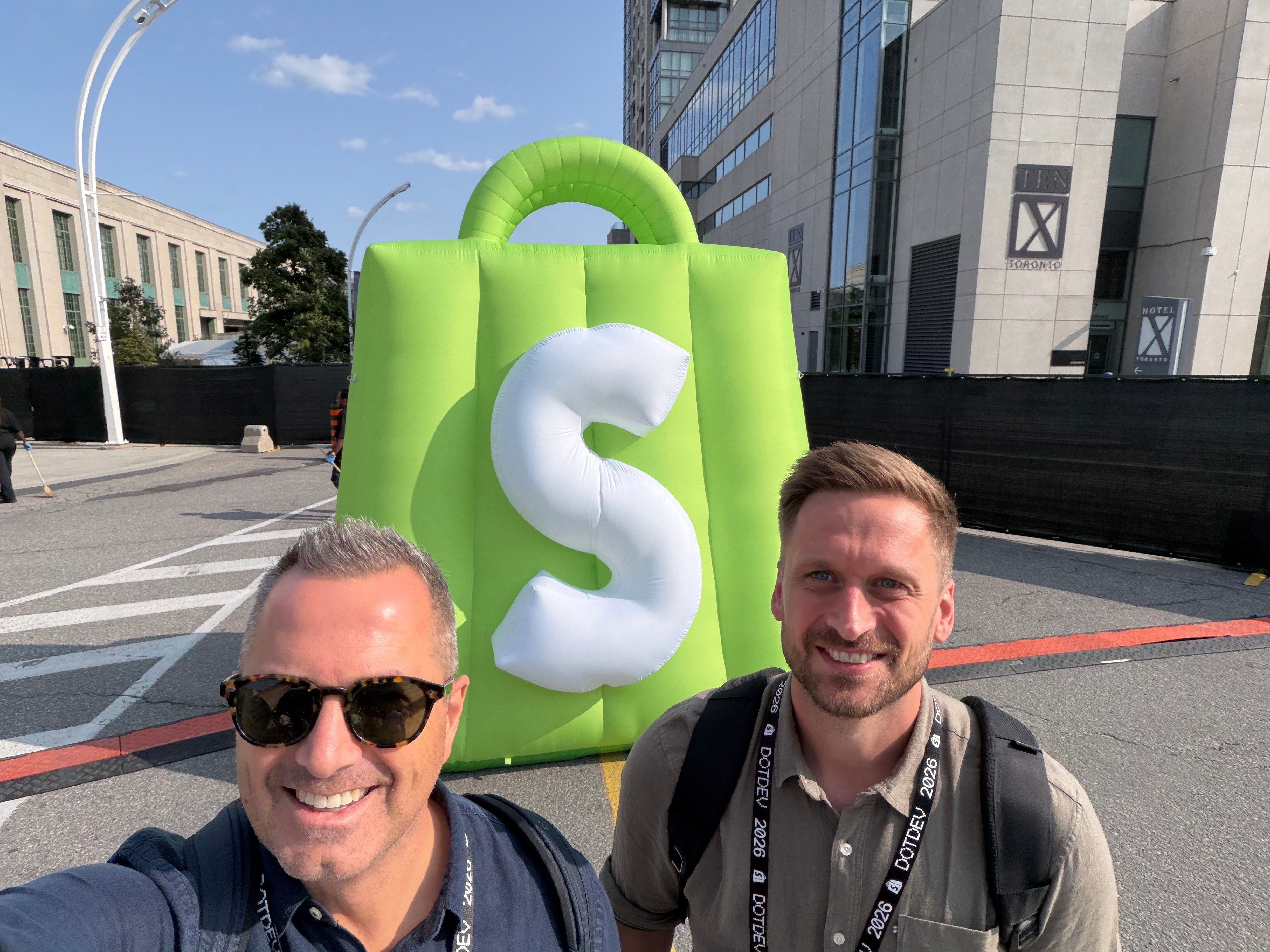
Shopify put on a genuinely good conference, and it made one thing clear: the last year hasn't just been about adopting an ecommerce platform. It's been about buying into a much bigger ecosystem, one built to push us and our clients forward. We heard from Shopify's CEO Tobi Lütke and President Harley Finkelstein, along with other agency and tech partners. Here's what stuck with us.
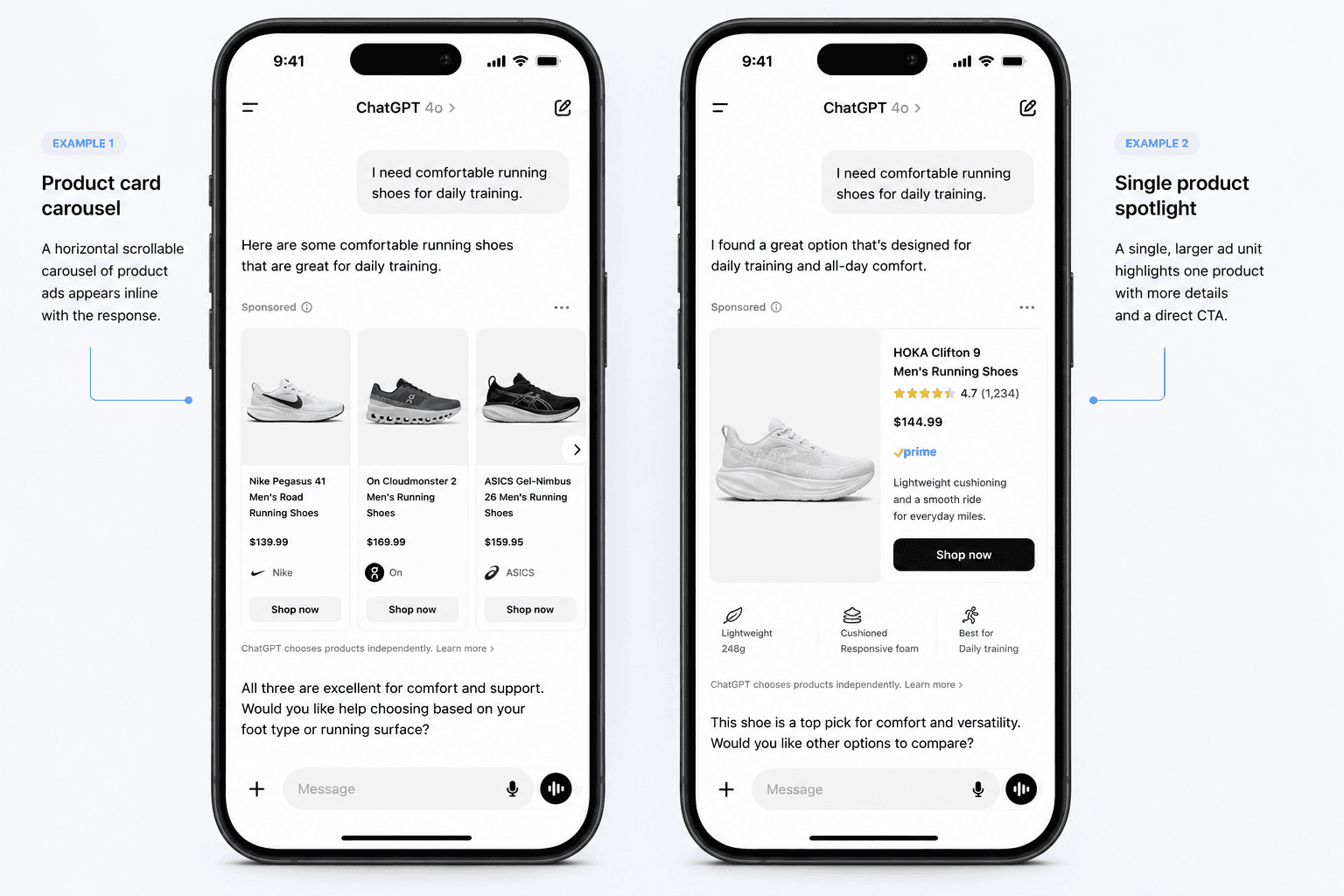
AI is changing how we all work, and how people shop. Agentic shopping got airtime, but sites and apps still play a huge part in how customers actually buy - Shopify mentioned apps generated 7X their own revenue in the last financial year. Shopify isn't trying to skip that experience altogether. They're building the infrastructure and inviting partners to build things that, until recently, weren't possible. That idea ran through the whole conference, from a few different angles.
River is Shopify's own internal AI system. Their team talks to it through Slack, shipping code, creating pull requests, and getting answers just by asking. Nearly everyone at Shopify uses it daily. But the takeaway for me wasn't "go build your own River." It was the philosophy behind it: keep things simple, don't be afraid to throw work away and start again as you learn more, and keep challenging what you think is possible. That mindset is what lets them attempt the "impossible" stuff.
UCP is the piece that makes all of that real. It's a protocol, and it's already live across millions of Shopify stores. The idea is simple: rather than every AI assistant, marketplace and app inventing its own way to browse products, build a cart and check out, they all speak the same language. Shopify's team took us through why commerce needed a protocol in the first place, and the honest answer was that agents were coming whether the plumbing existed or not. So they built the plumbing.
The part that got us thinking was everything sitting on top of it. The new Catalog API is becoming the foundation for product discovery and personalisation. Checkout Kit and the Extensible Checkout Platform handle the buying. Shop Pay is moving onto surfaces that aren't a Shopify storefront at all, AI assistants included. And there's already a CLI, so you can build against it now instead of waiting for it to settle. For our clients that means their catalogue can show up and sell wherever their customers already are, and we're not rebuilding checkout every time.
Liquid, the language Shopify themes are built in, is being rebuilt. It's more readable, and easier to work with, for us and for AI agents alike. The message was clear: a great developer experience is a great agent experience. Shopify are deliberately shaping the foundations so building with AI on Shopify only gets easier.
Vercel made the same point from a different angle. The future is building on high-quality blocks that already solve the problems they were built for, instead of everyone reinventing the basics from scratch, every time.
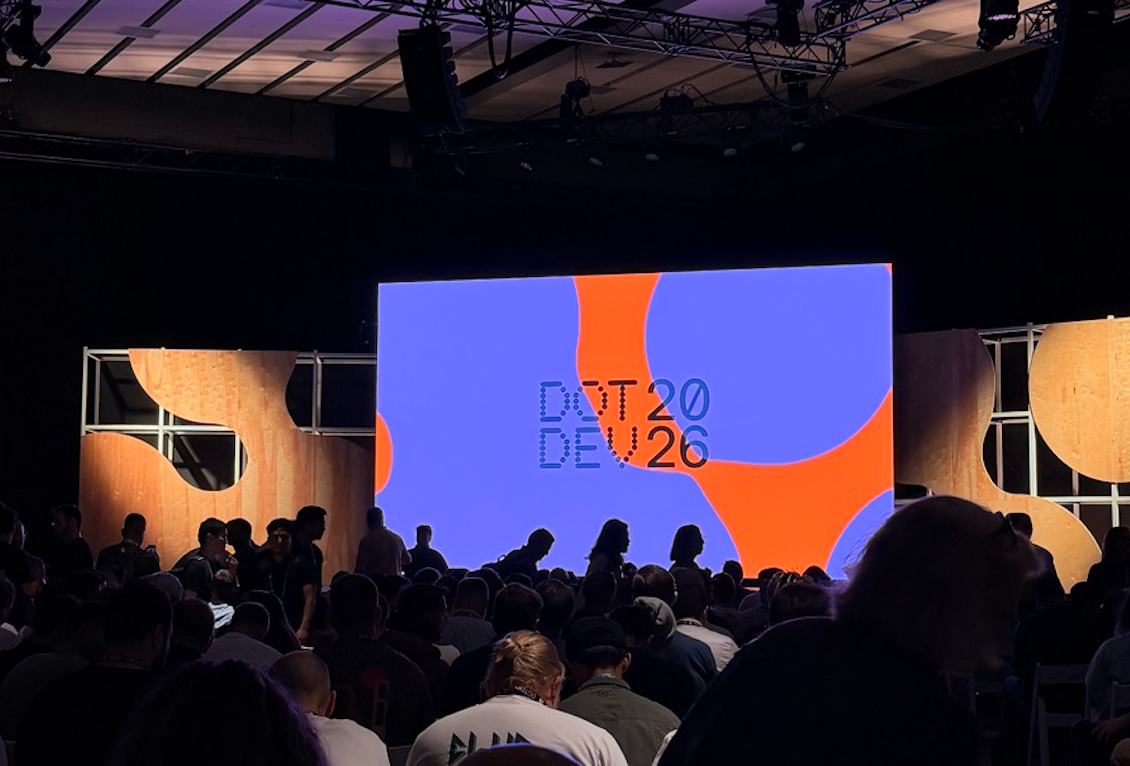
Put together, it all points the same way: Shopify is building the infrastructure for ecommerce with AI at the centre, so partners and merchants can move faster and more ambitiously than before. And Shopify's message was consistent: don't be afraid to explore what that makes possible. Try the things that felt out of reach a year ago. Don't get too attached to any one build, because the ground underneath keeps improving. It's their own value, "thrive on change," in action.
The line that's stuck with me most: the stuff people build on weekends for fun today are the multi-billion dollar companies of tomorrow.
That's reason enough to embrace the change and go find out what's possible.