Google vs DOJ: What the Antitrust Case Means for Retail
19 March 2025

Roberta Johnston
SEO Lead
I'm an SEO specialist with over 8 years of experience helping brands grow through strategic, data-driven search optimisation. I've worked with large e-commerce websites and niche brands alike, developing a deep understanding of ranking algorithms, generative AI, and LLMs like ChatGPT, Perplexity AI, and Gemini. My expertise spans technical SEO, ensuring sites - whether a few dozen pages or 100,000+ - are crawled and indexed effectively.
Tags
For more than two decades, Google has been the undisputed leader of search.
From organic rankings to Google Ads, Shopping, and Business Profiles, brands worldwide depend on Google to connect with customers.
But that dominance is now facing its biggest challenge yet.
The US Department of Justice (DOJ) vs. Google case is one of the most significant antitrust lawsuits in tech history. With Google found guilty of maintaining an illegal monopoly, there’s growing speculation about what this means for search, advertising, and online business as a whole.
But how much will really change? And what does it actually mean for Kiwi businesses that rely on Google to drive traffic and sales?
There's been a lot of chatter about this, so here’s what we know so far - and what to watch next.
What’s Happening?
The DOJ’s lawsuit against Google isn’t just about search rankings or ads - it’s about monopoly power and the way Google has used its dominance to control the internet as we know it.
The US government argues that Google has illegally maintained its position as the default search engine through multi-billion-dollar deals with companies like Apple, Samsung, and Mozilla.
These exclusive agreements ensure that Google is the first (and often only) search option available to users when they set up a new device or browser.
For context: Google paid Apple an estimated $18 billion to $20 billion in 2022 alone to remain the default search engine on iPhones. That’s nearly 16% of Apple’s annual profits coming directly from Google.
The DOJ claims these deals have eliminated fair competition, preventing smaller search engines - like Bing, DuckDuckGo, and Brave - from gaining market share.
Key developments so far:
- Google found guilty of monopolistic practices in September 2024 - the first major antitrust conviction against a tech giant in decades.
- The DOJ has proposed breaking up Google’s ad business and potentially divesting Chrome, arguing that these divisions have strengthened Google’s monopoly on search.
- Google Search’s future is under scrutiny. The DOJ argues that Google’s dominance allows it to control the flow of information, increase advertising prices, and prioritise its own services over competitors in search results.
- If successful, this case could reshape the entire digital ecosystem - but any major changes will take years to enforce.
This isn’t just a tech debate - it’s a legal battle with real implications for businesses that rely on Google’s ecosystem to be discovered by customers.
What This Means for Those That Depend on Google
For businesses in New Zealand and Australia, change won’t be immediate - but that doesn’t mean it won’t come.
While the legal battle unfolds in the US, global ripple effects are inevitable.
If Google is forced to break up parts of its business, reduce its market dominance, or open the door to real search competition, the way businesses rely on Google for visibility and advertising could shift.
Here’s what we’re watching:
Could Google’s Search Monopoly Weaken?
If Google is forced to break up parts of its business or allow more competition, we could see:
- A more competitive search landscape: Bing, DuckDuckGo, and emerging AI-powered search tools (like PerplexityAI and ChatGPT) could gain traction, giving businesses new ways to be discovered.
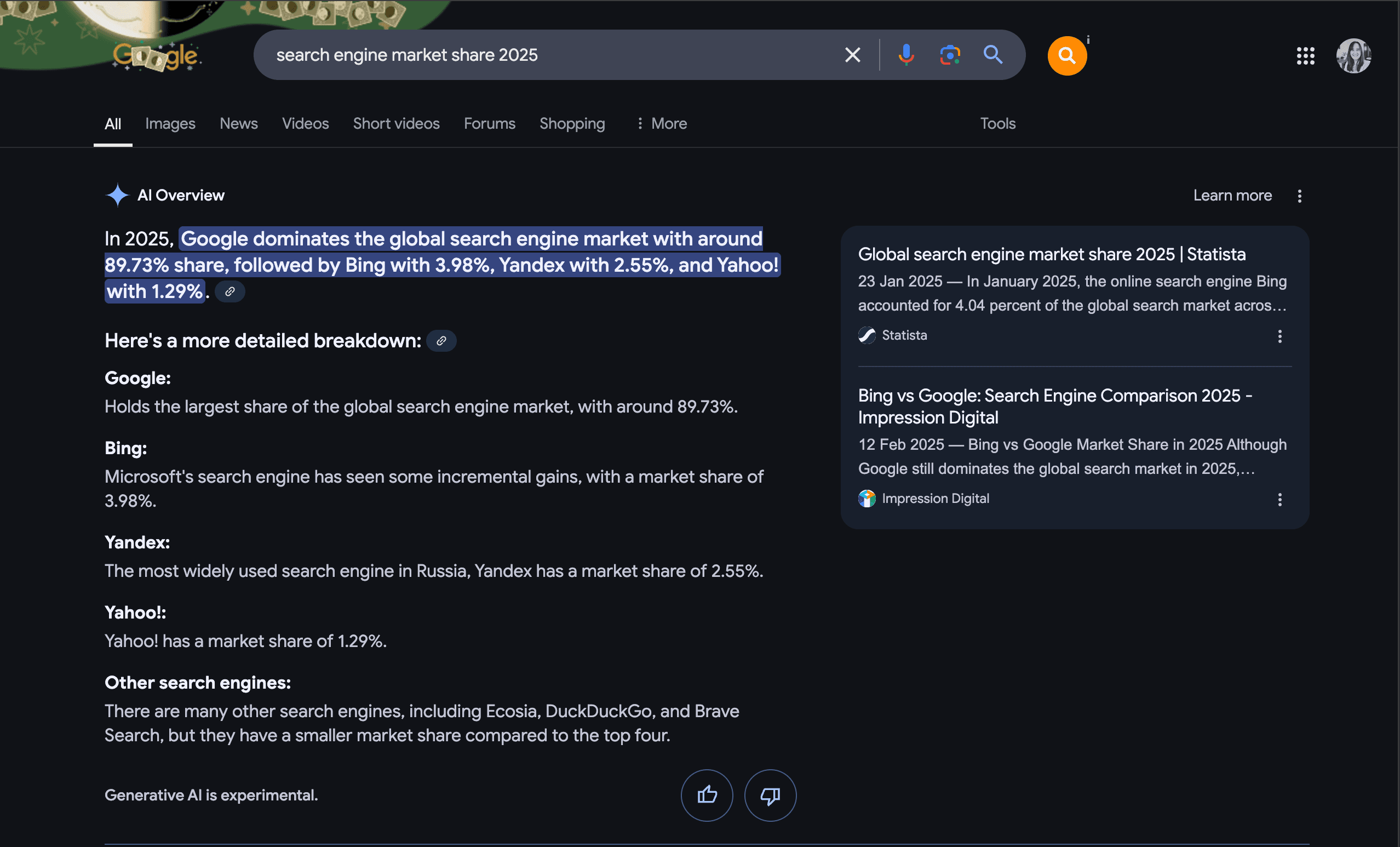
- A decline in Google’s overall market share: Right now, Google holds over 90% of the global search market, but if that stranglehold weakens, brands will need to diversify their SEO and paid search strategies beyond Google alone.
- New advertising opportunities on alternative platforms: Google Ads currently dominates the search advertising space, but increased competition could mean lower CPCs on other platforms and new advertising options for businesses willing to explore them.
- Potential disruptions in Google's ecosystem: Any restructuring of Google’s ad tech or search business could mean significant changes to its algorithm, ranking systems, and advertising policies - creating uncertainty for businesses relying heavily on Google’s services.
But let’s be clear: Google isn’t disappearing overnight.
Even in a worst-case scenario where the DOJ forces Google to make major changes, it would likely take years before businesses feel any direct impact.
That means Kiwi brands should focus on diversifying their digital presence now, rather than waiting for change to happen.
The Cost of Doing Business on Google Could Change
Many advertisers have already noticed rising costs for Google Ads in recent years, with CPCs continuing to climb due to intense competition.
If this case results in more competition for search traffic, we could see:
- This lawsuit could either push costs higher or introduce more competition that helps bring CPCs down.
- If search competition increases, Google may need to improve how organic search results function to retain users, potentially creating better visibility opportunities for smaller businesses.
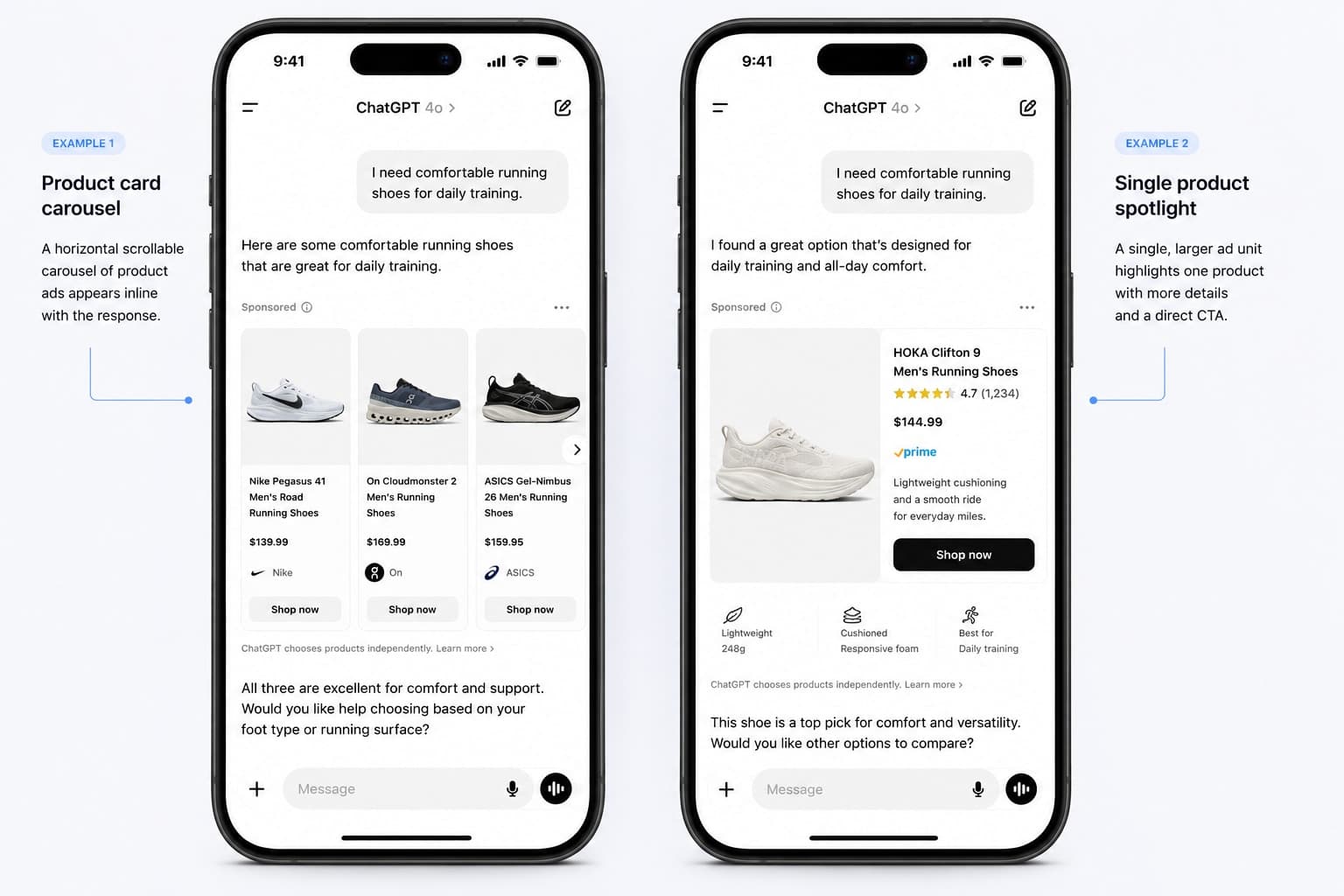
- The rise of AI-driven search tools (Google’s AI Overviews, Perplexity, ChatGPT-powered search) is already changing how users interact with search engines. Instead of clicking on websites, people are getting direct answers from AI summaries - further reducing Google’s dominance over website traffic.
For Kiwi businesses, this means one thing: staying adaptable. Google has dictated the rules of online visibility for years, but those rules are shifting.
Businesses need to keep a pulse on how users search and be ready to pivot.
Alternative Search Tools & Changing User Behaviour
Even before this lawsuit, search behaviour has been evolving fast - and not necessarily in Google’s favour.
- AI-powered search assistants (ChatGPT, PerplexityAI, Gemini) are growing, giving users a new way to find information without ever visiting a search engine.
- Social media is now a search engine. Gen Z shoppers rely on TikTok, Instagram, and YouTube for product discovery more than traditional search engines. This means brands that invest in social-first content will have an edge.
- Zero-click searches are skyrocketing. Google’s AI Overviews pull answers directly into search results, meaning fewer people actually click through to websites. This changes how businesses earn visibility and means brands need to optimise for more than just traditional organic rankings.
Google may still be the biggest player, but it’s no longer the only way businesses can connect with customers online.
So... What Should You Do Now?
If this lawsuit proves anything, it’s that search isn’t as unshakable as it once seemed.
For years, Google has dictated the online playbook - setting the rules for SEO, paid search, and digital visibility.
But as competition grows, search evolves, and alternative platforms gain traction, businesses need to think bigger than Google.
Diversify Your Search Presence
Google isn’t the only game in town anymore.
While it still dominates, alternative search engines like Bing, DuckDuckGo, Brave, and AI-powered tools like PerplexityAI are growing. If Google’s grip on the market weakens, other platforms will gain traction.
✅ Experiment with ad placements and SEO strategies on multiple search engines. Bing, for example, powers AI-driven searches in ChatGPT and Microsoft Copilot, meaning brands should consider optimising for non-Google search traffic.
✅ Keep an eye on AI-powered search tools. More users are finding answers through AI assistants rather than traditional search engines. Ensure your content is optimised for structured data, conversational queries, and AI-generated results.
Strengthen Your Brand’s Visibility (Outside of Search)
Search isn’t just happening on search engines anymore.
Social media platforms like TikTok, Instagram, YouTube, and Pinterest are now major search destinations - especially for younger shoppers. If Google’s market share declines, these platforms will only grow in influence.
✅ Invest in social commerce. Brands that build strong visibility on social platforms will have an advantage if search habits continue shifting away from Google.
✅ Own your audience. First-party data (email lists, SMS, loyalty programs) will help brands retain customers directly rather than relying solely on search traffic.
✅ Think beyond traditional SEO. Content marketing, influencer collaborations, and video-first strategies will help brands stay discoverable across multiple platforms.
Future-Proof Your Advertising Strategy
Paid search advertising is one of Google’s biggest revenue drivers - and it’s also where many businesses feel the pinch of rising costs.
If Google faces more competition, advertisers could see more affordable CPCs elsewhere. That means now is the time to start testing alternative ad platforms.
✅ Monitor CPC trends across multiple platforms. If Google’s grip weakens, Bing Ads, social ads, and emerging ad networks could become more cost-effective.
✅ Leverage first-party data. As advertising shifts toward privacy-focused targeting, brands that build their own audience lists (rather than relying on third-party data) will be best positioned to thrive.
✅ Prepare for AI-driven ad strategies. Google’s AI Overviews and zero-click searches are already changing how users interact with search ads. Expect smarter, more automated ad formats that prioritise intent over keywords.
Bottom Line? Be Ready for What’s Next.
Google may not disappear, but its monopoly on search is no longer guaranteed.
For businesses that rely on search traffic, paid ads, and Google’s ecosystem, the key to success isn’t waiting to see what happens - it’s staying adaptable, testing new platforms, and ensuring your brand remains visible across multiple touchpoints.
If Google is forced to evolve, so should your strategy. The brands that prepare now will be the ones that win in the long run.
Want to make sure your brand is ready for whatever comes next? Let’s talk.