Paid SMM in 2025: Product Discovery & Social Commerce
19 February 2025

Roberta Johnston
SEO Lead
I'm an SEO specialist with over 8 years of experience helping brands grow through strategic, data-driven search optimisation. I've worked with large e-commerce websites and niche brands alike, developing a deep understanding of ranking algorithms, generative AI, and LLMs like ChatGPT, Perplexity AI, and Gemini. My expertise spans technical SEO, ensuring sites - whether a few dozen pages or 100,000+ - are crawled and indexed effectively.
Tags
Social media isn’t just where people scroll anymore - it’s where they shop.
In 2024, we saw massive shifts in how brands advertise, how consumers discover products, and how purchases happen. Platforms like TikTok, Instagram, and Pinterest made in-app shopping smoother than ever, while AI-driven ad automation changed how businesses target and convert audiences.
And if last year was all about getting used to these changes, 2025 is the year retail brands need to fully lean in.
So, what’s changed? Here's a TL;DR:
- Social commerce is booming: more people are buying without leaving the app.
- Meta’s AI-powered Advantage+ Shopping is running the show, giving brands bigger reach but less manual control.
- Short-form video ads dominate: low-production, “real” content is beating polished, big-budget creatives.
- Brands are diversifying: TikTok, Pinterest, and Snapchat Ads are proving their worth, and those who rely solely on Meta are falling behind.
For retail brands, staying competitive in 2025 means rethinking paid social strategies. This isn’t a “set and forget” game - brands need to understand what works now, why, and where to focus their budgets for maximum impact.
Let’s break down what changed in 2024 and what retail brands need to prioritise in 2025 to stay ahead. 🚀
The Big Shifts in Paid Social in 2024
Last year wasn’t just another round of algorithm updates and ad format tweaks - paid social media changed in a big way. From AI running more of the show to more people buying without even leaving their feed, here’s what defined 2024 in paid social advertising.
1️⃣ Meta’s AI Took Over – for Better or Worse
Remember when setting up a Facebook ad meant carefully picking interests, setting audience exclusions, and tweaking your bid strategy? Yeah, Meta would prefer you forget all that.
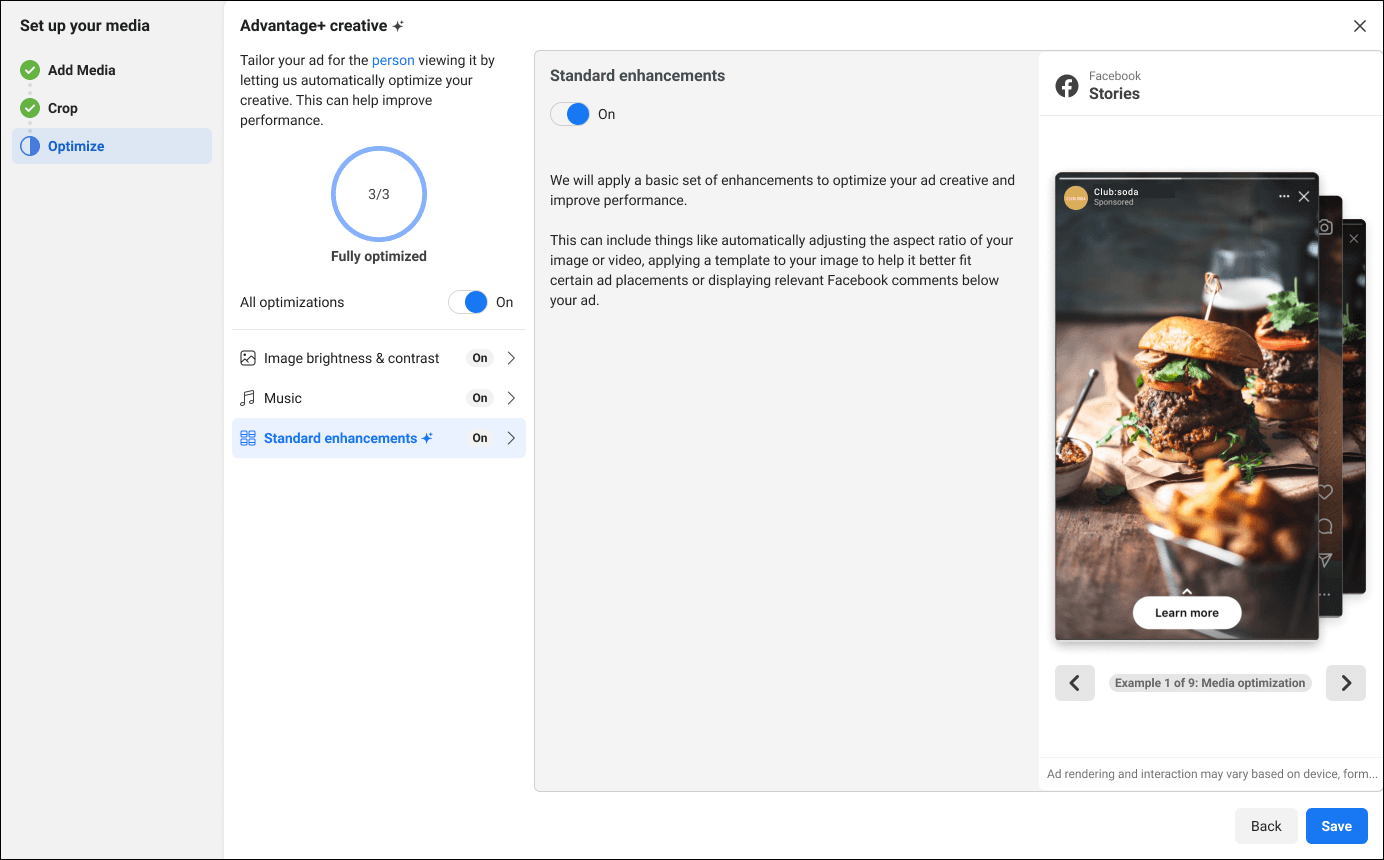
In 2024, Meta put its AI in charge.
Advantage+ Shopping Campaigns (ASC) went full throttle, automating:
✔️ Who sees your ads (audiences are built dynamically - no manual targeting needed)
✔️ Which creatives perform best (Meta’s AI decides in real-time)
✔️ How budgets are distributed (machine learning optimises for conversions, not just reach)
The results?
- Brands running Advantage+ campaigns saw a 32% increase in ROAS (return on ad spend) - good news for efficiency.
- Lower CPMs & setup costs - Meta’s AI figured out where to spend the budget faster than most manual campaigns.
But there was a catch.
- You lose control. With ASC, you don’t pick your audience - Meta finds them for you.
- Transparency is weaker. Who’s actually clicking? Hard to say.
What we learned:
Meta’s AI is powerful, but brands that combined AI-driven and manual campaigns had the best of both worlds: AI’s scale with human control.
2️⃣ In-App Shopping Became the New Norm
Social media isn’t just where people discover products anymore - it’s where they buy them too.
In 2024, 21% of shoppers globally made purchases directly inside social media apps. What's more, Over 55% of users aged 18 to 24 have made purchases via social media, highlighting its popularity among younger users - no surprise there, given what we saw in user behaviour overall last year (check out our blog on ecommerce trends for the year for more insight!).
Here’s what changed:
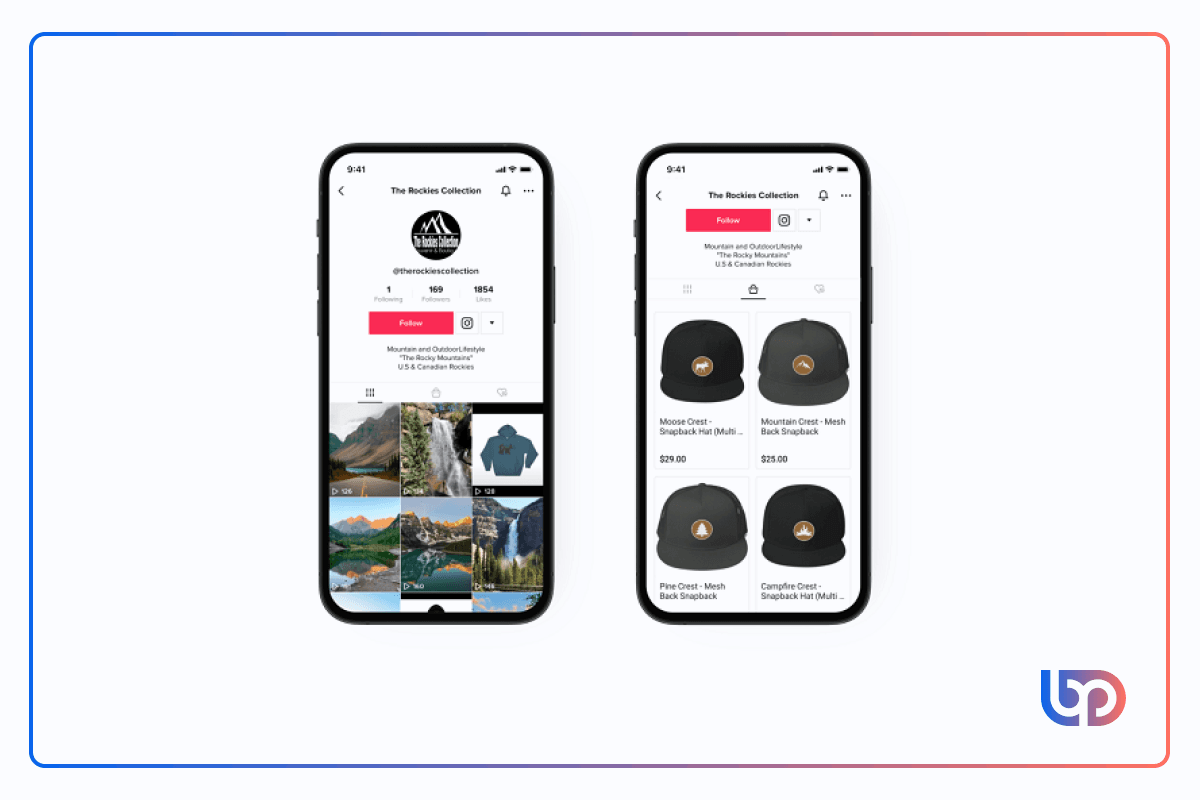
✔ TikTok Shop exploded, turning “for you” scrolls into impulse buys.
✔ Pinterest Shopping Ads helped high-intent shoppers buy instantly.
✔ Meta’s Instant Experience Ads boosted conversions by showing the right products to the right people—without ever needing to leave the app.
What this means for retail brands:
If your store isn’t optimised for social commerce, you’re probably losing customers to brands that are. The key is being visible and discoverable on the platforms your audience uses most.
What we learned:
Brands that made buying on social media seamless - with well-structured product feeds, great creative, and clear CTAs - saw higher conversion rates and fewer abandoned carts.
3️⃣ Video Ads Became a Must-Have (But Not the Polished Kind)
If you ran image-only ads last year, chances are your engagement rates saw some fluctuation.
Video is king, but here’s the twist: highly produced, overly polished brand videos didn’t perform as well as “real” content.
Short-form video ads now drive:
- Higher conversion rates than static image ads.
- More conversions when they feel “native” to the platform (i.e., shot on a phone, not in a studio).
What’s working?
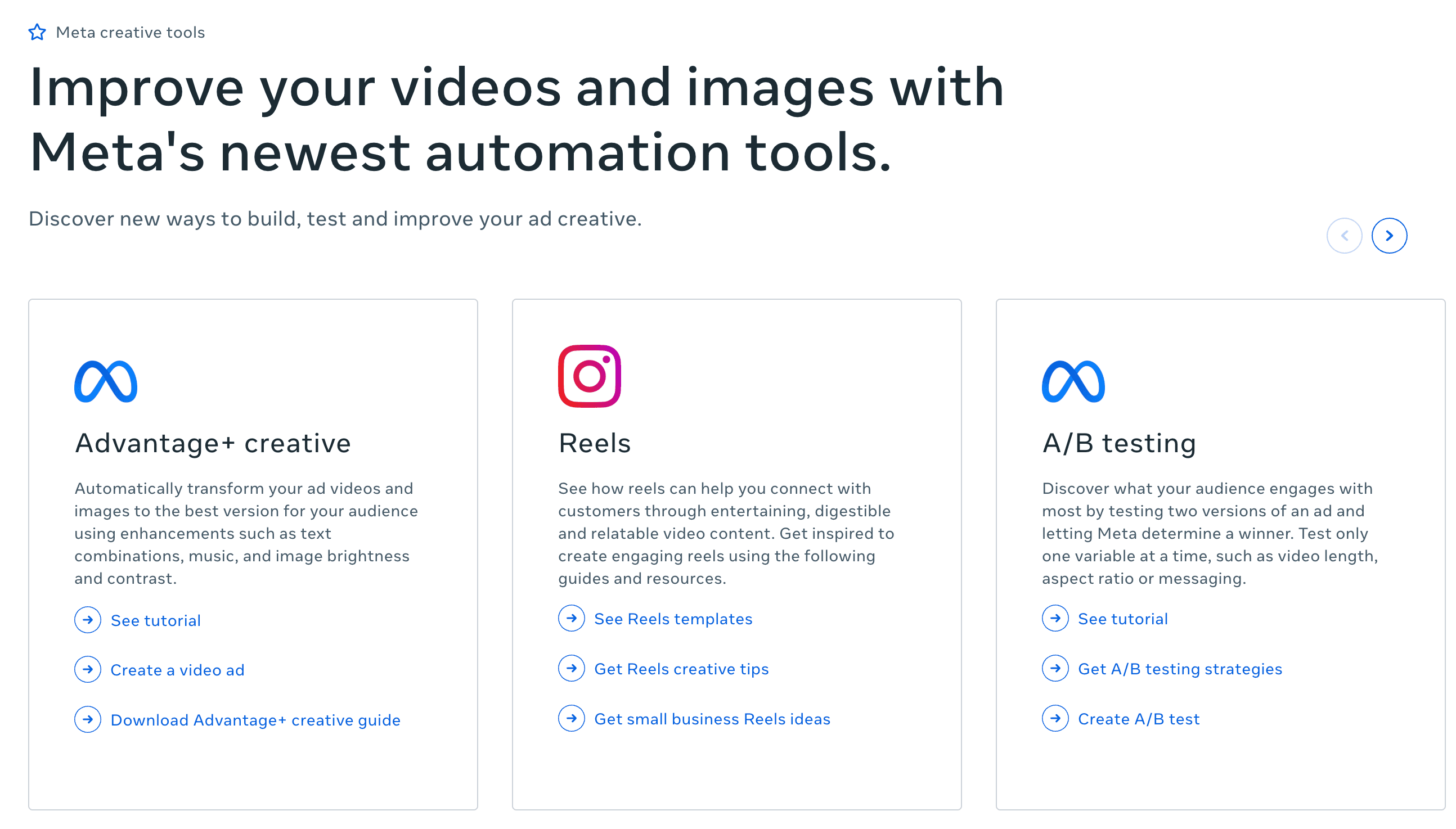
✔ TikTok-style ads: fast, snappy, and trend-driven.
✔ UGC (User-Generated Content): real people, real reactions.
✔ Influencer-led content: if it doesn’t feel like an ad, people watch.
What’s NOT working?
- Big-budget, agency-made videos that feel like TV commercials.
- Overly polished ads that scream “corporate.”
What we learned:
The best-performing video ads feel native, real, and low-key - brands that leaned into this won big in engagement and conversions.
4️⃣ TikTok, Pinterest & Snapchat Became Serious Contenders
For years, Meta & Google Ads were the default for ecommerce. But in 2024, brands started shifting budgets to TikTok, Pinterest, and Snapchat - and for good reason.
What changed?
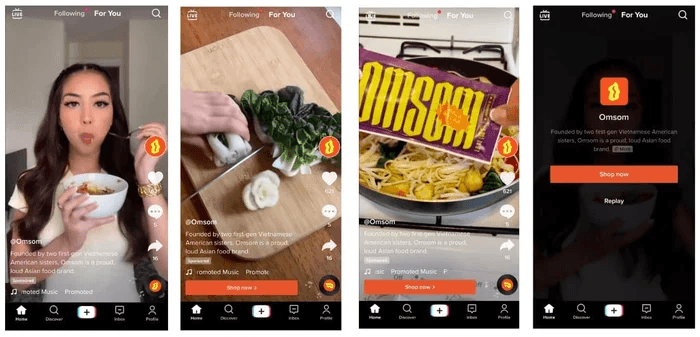
✔ TikTok Ads became essential for brands targeting Millennials & Gen Z.
✔ Pinterest Shopping Ads outperformed traditional search ads for home, beauty, and lifestyle brands.
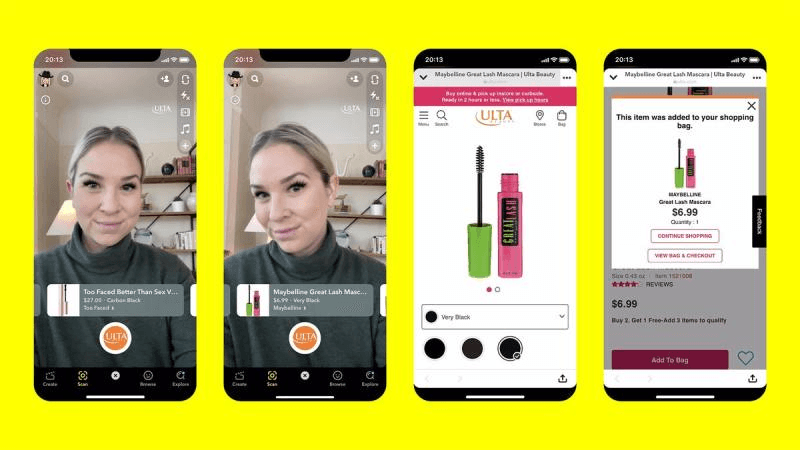
✔ Snapchat’s AR-powered ads let brands create interactive shopping experiences that felt more engaging than static banners.
The result?
Brands that diversified their ad spend across multiple platforms:
✔ Reached new audiences at lower CPMs.
✔ Had more control over fluctuating Meta ad costs.
✔ Discovered new, high-performing ad placements.
Key Takeaways from 2024
🚀 Meta’s AI-powered ad automation works - but don’t let go of manual control entirely.
🛍 In-app shopping & social commerce aren’t the future - they’re already here.
🎥 Short-form video ads are king, but keep them raw, real, and engaging.
📊 Retail brands that tested new platforms like TikTok & Pinterest gained a serious competitive edge.
With all of this in mind, what do retail brands need to focus on in 2025 to stay competitive? Let’s break it down. ⏭️
What Retail Brands Need to Focus on in 2025
If 2024 was the year of adjustment, then 2025 is the year of action.
Retail brands can’t afford to just “keep up” anymore - they need to get ahead. With social commerce booming, AI shaping paid ads, and new platforms challenging the status quo, brands need a clear strategy to stay relevant, profitable, and visible.
1️⃣ AI & Automation – Know When to Lean In, and When to Take Control
Meta’s AI isn’t going anywhere - in fact, it’s becoming more dominant. In 2025, brands need to decide: where should they trust AI, and where should they take back control?
What’s happening?
✔ Meta’s Advantage+ Shopping Campaigns (ASC) are running the show - more budget, more automation, more reach.
✔ AI-driven audience signals are replacing manual targeting - Meta decides who should see your ad.
✔ Performance Max (PMax) on Google works the same way - AI handles placements, bidding, and creative optimisation.
What this means for brands:
- AI is fantastic for scale: if you need to reach a wide audience fast, AI-driven campaigns will do it more efficiently than manual ones.
- Manual campaigns still have a place: if you want precise control over audiences, bid strategies, or messaging, you’ll need to keep manual elements in your ad strategy.
Key Takeaways:
✅ Split your budget - let AI handle prospecting, but keep manual campaigns for retargeting and niche audiences. Adjust the ratio as necessary (i.e., re-allocate when you see what works and what doesn't).
✅ Feed the AI good data - first-party data, clean product feeds, and strong creative assets all improve AI-driven campaign performance.
✅ Keep testing - don’t just assume AI campaigns will always work - brands that test manual vs. AI-driven campaigns find better performance balance.
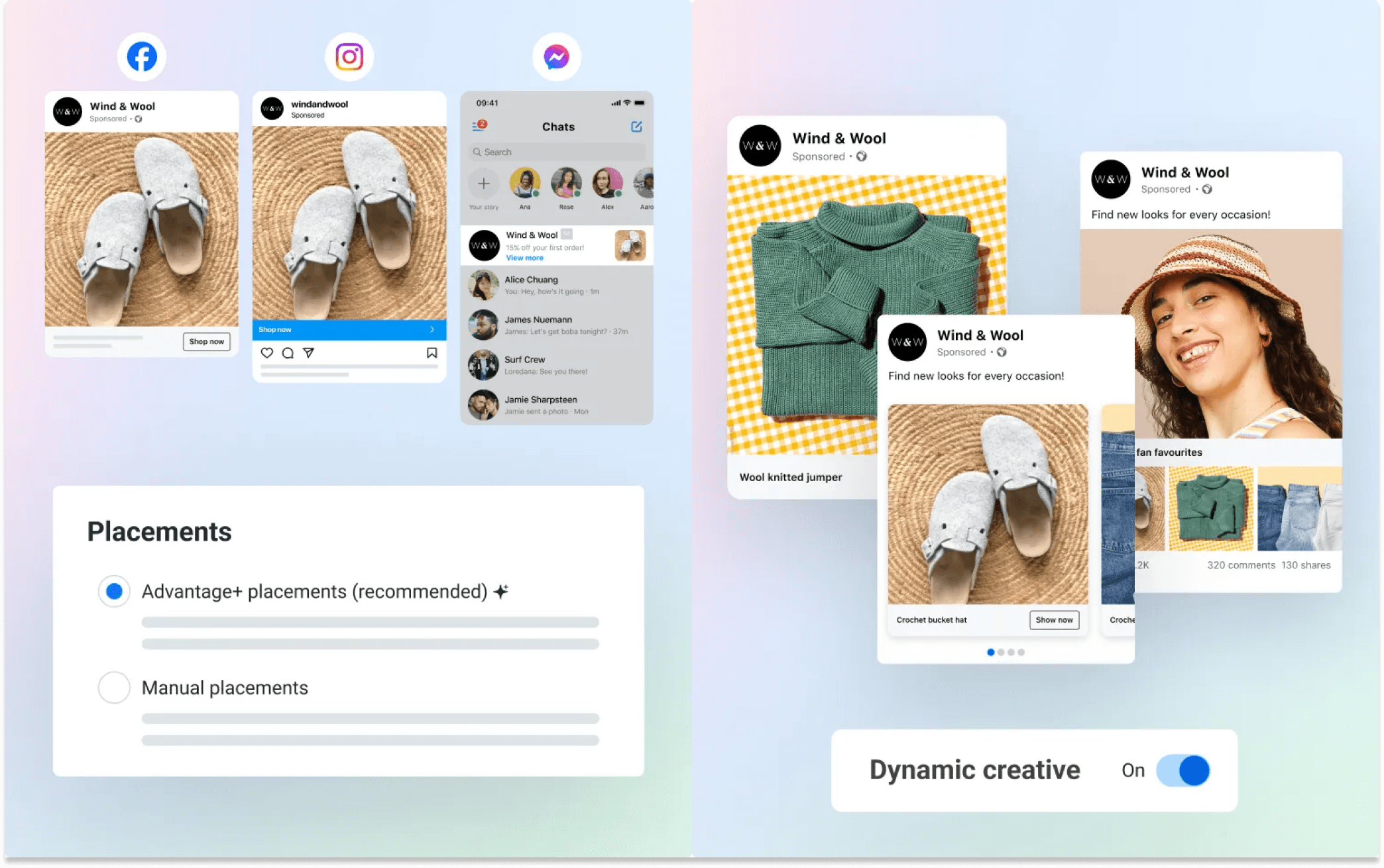
2️⃣ In-App Purchases – Stop Driving Traffic Away from Where People Want to Buy
People don’t want to leave the app they're on to make a purchase.
More brands are realising that forcing shoppers to click out to a website adds friction, and friction kills conversions. Social platforms know this too - so they’ve been making in-app shopping smoother, faster, and more appealing than ever.
What’s happening?
✔ More shoppers are buying directly inside social platforms. Social commerce in Australia alone is projected to grow by 12.3% annually, reaching US$1.83 billion in 2024. Meanwhile, 81% of consumers in the APAC region have already made purchases through social media.
✔ TikTok Shop, Meta Instant Experience, and Pinterest Shopping Ads are thriving. With APAC leading global in-app purchase revenue, projected to double from USD 93.48 billion in 2023 to USD 198.72 billion by 2030, platforms are optimising for faster, frictionless checkouts.
✔ Mobile shopping is bigger than ever. With 62% of APAC consumers preferring to shop on mobile, in-app purchases are now a default expectation, not a luxury.
What this means for brands:
- Retailers need to optimise for in-app sales. If you’re forcing shoppers to visit your website instead of letting them check out inside the platform, you’re losing potential revenue.
- Attribution is changing. Brands relying on traditional web analytics need to rethink their measurement - not every sale will come from a website visit anymore.
- Brands that don’t integrate with social commerce will struggle to convert impulse buyers.
Key Takeaways:
✅ Set up your product feed for social commerce - enable TikTok Shop, Pinterest Shopping, and Meta Instant Experience Ads.
✅ Test in-app vs. website conversions - if social commerce converts higher, prioritise those placements.
✅ Don’t ignore emerging platforms - if your audience is younger, trend-driven, or discovery-focused, test TikTok Shop & Pinterest Shopping Ads.
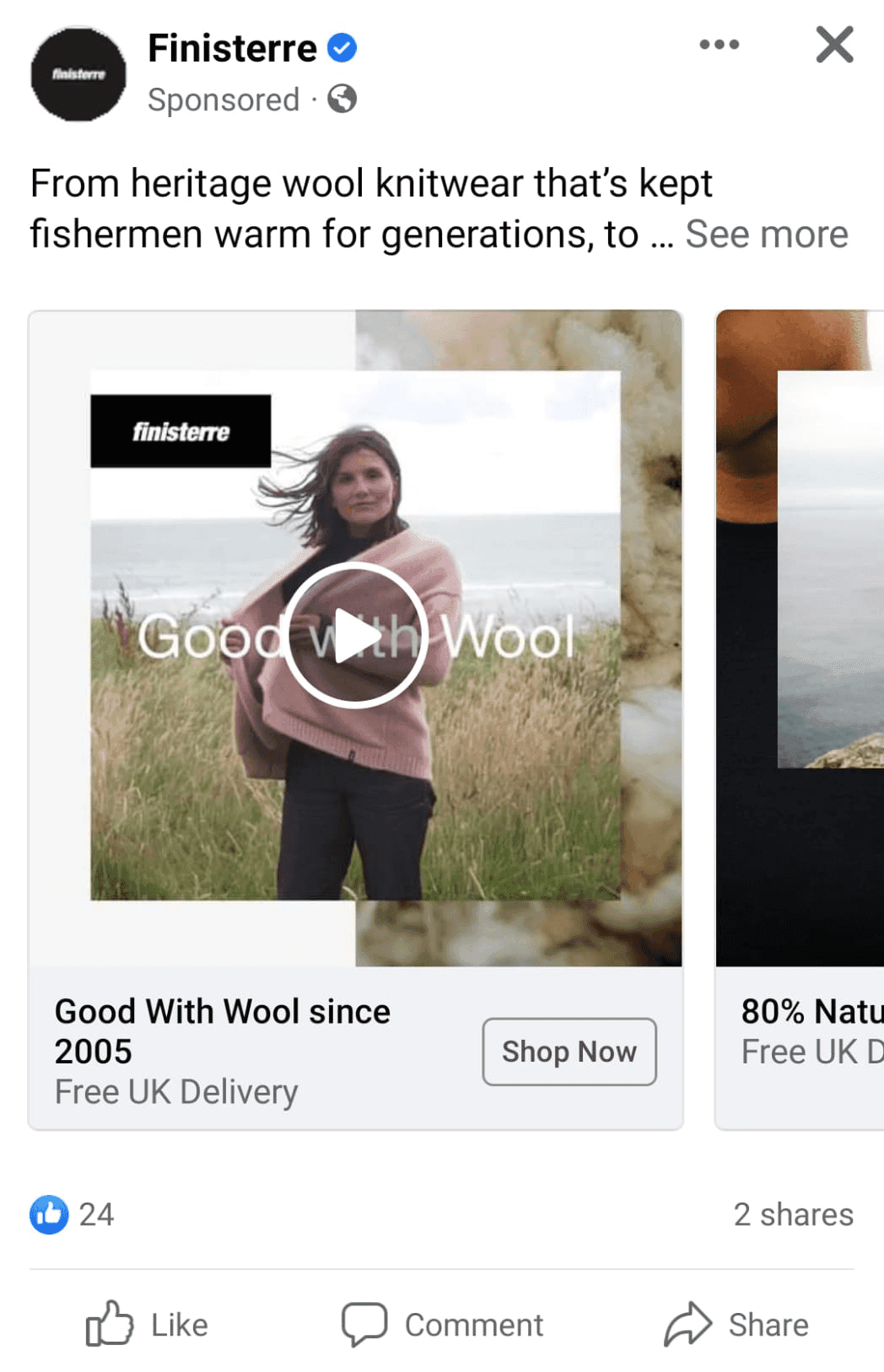
Example of Meta's Instant Experience Ads - Social Media Examiner
3️⃣ Short-Form Video - Why “Real” Content is The Way
If you’re still running highly polished, big-budget video ads, you might be wasting money.
Short-form video isn’t just “nice to have” anymore - it’s dominating ad performance. But the biggest shift? Raw, “real” content is winning over studio-quality production.
What’s happening?
✔ Short-form video ads generate over twice the engagement rates of static image ads**.**
✔ TikTok-style content outperforms traditional ad creatives across multiple platforms, including Meta and YouTube Shorts. Interestingly enough, videos under 90 seconds long have a 50% retention rate - you've got to grab attention within the first few frames to keep users watching.
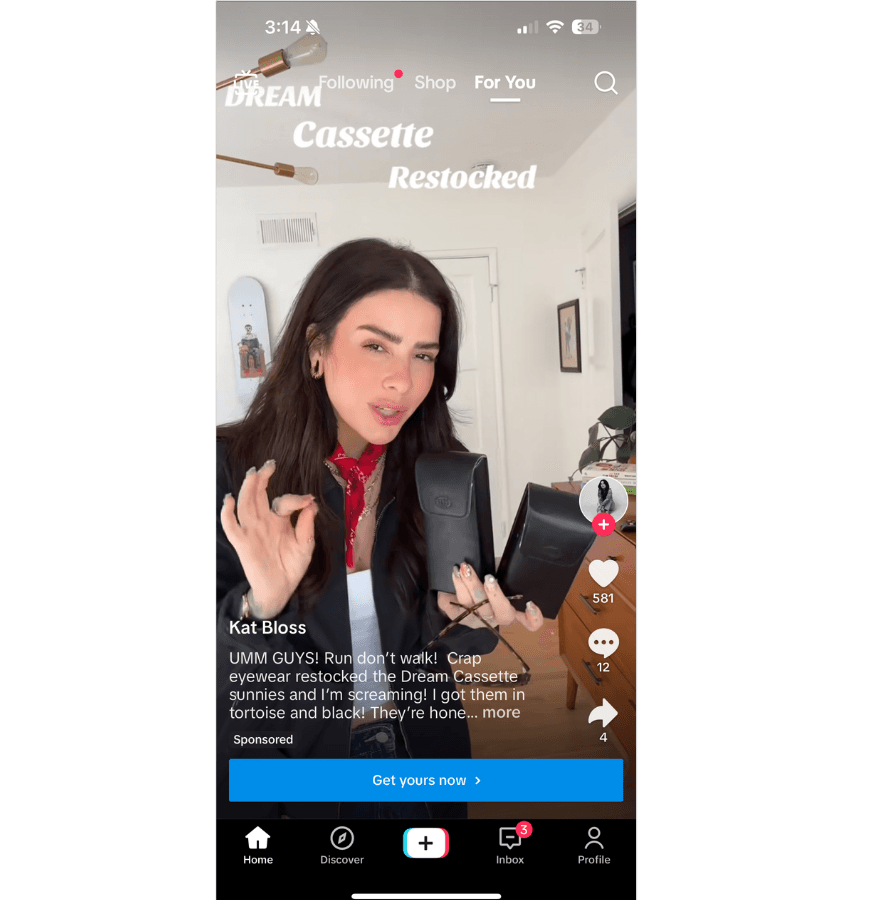
✔ Influencer-led and user-generated content (UGC) is getting better results than brand-made ads.
✔ More brands are ditching overproduced videos in favour of lo-fi, organic-looking content that feels native to the platform.
What this means for brands:
- Authenticity beats perfection - consumers are more likely to engage with ads that feel like organic content, not polished commercials.
- UGC is becoming a must-have - brands leveraging influencer-led content or customer-created videos are seeing higher engagement and trust.
- Video ads that mimic native content are performing better across all platforms, particularly for product discovery.
Key Takeaways:
✅ Test short-form video ads over static creatives: Reels, TikTok-style ads, and influencer-style content are converting better than static image ads.
✅ Ditch the over-polished videos: Low-production, casual-style videos drive better engagement and feel more relatable.
✅ Work with influencers and content creators: Their style of content feels more authentic and blends seamlessly into users’ feeds.
4️⃣ Diversifying Beyond Meta
For years, Meta and Google dominated ad budgets. But in 2024, brands started moving their spend elsewhere - and with good reason.
TikTok, Pinterest, and Snapchat have emerged as serious contenders, offering brands new ways to engage shoppers, lower CPMs, and reach different audiences.
What’s happening?
✔ TikTok Ads became essential for discovery. 61% of users say they’ve discovered new brands on TikTok, and the platform is one of the fastest-growing ad channels globally.
✔ Pinterest Shopping Ads continue to drive high-intent purchases. 90% of weekly Pinterest users say the platform helps them make buying decisions.
✔ Snapchat’s AR ads are making waves. Retailers are leveraging augmented reality try-ons and interactive product ads to engage shoppers in creative ways.
What this means for brands:
- Ad costs are rising on Meta, but other platforms offer cheaper CPMs - meaning better reach for less budget.
- Platforms like TikTok and Pinterest are better suited for certain industries - fashion, beauty, home decor, and lifestyle brands are seeing strong performance. These platforms are especially great for developing and growing brand awareness, making them excellent tools for SMBs in particular.
- Retailers who diversify see better long-term stability - spreading ad spend across platforms reduces dependency on any one channel.
Key Takeaways:
✅ Test TikTok, Pinterest & Snapchat Ads: see if these platforms work for your brand instead of relying solely on Meta & Google.
✅ Use platform-specific creative strategies: TikTok thrives on raw, engaging content, while Pinterest works better with high-quality lifestyle imagery. With AI-generated imagery flooding social apps right now, real, authentic product shots will help brands stand out.
✅ Don’t put all your eggs in one basket: platform diversification can lower ad costs and future-proof your brand’s paid social strategy.
5️⃣ First-Party Data – Why Data Ownership is More Important Than Ever
If there’s one thing brands can’t afford to ignore in 2025, it’s first-party data - and this isn’t just about social media. Paid Search, Organic Search, and Display Advertising are all being reshaped by stricter data privacy regulations, making owned data more valuable than ever.
With third-party cookies on their way out and platform-driven attribution becoming more opaque, brands that own and leverage their own customer data will have a serious competitive advantage across all digital marketing channels.
What’s happening?
✔ Third-party cookie tracking is disappearing across all platforms. Google is phasing out cookies by the end of 2025 (maybe... probably) making traditional retargeting, audience tracking, and cross-platform attribution harder.
✔ This isn’t just a social media issue: Google Ads and Organic Search are impacted too. Changes to Google’s Privacy Sandbox mean brands relying on cookie-based tracking will see gaps in their measurement and targeting across search ads, display, and remarketing.
✔ Social platforms are adapting with privacy-first solutions. Meta’s Conversions API, TikTok’s First-Party Data Solutions, and Google’s Enhanced Conversions help brands track performance while complying with new privacy laws.
What this means for brands:
- First-party data is now the foundation of performance marketing across all channels. Brands that own their customer lists, email subscribers, and purchase history will have better ad targeting, audience segmentation, and measurement - whether for social ads, Google Ads, or SEO strategy.
- Privacy-first tracking is essential. Brands that integrate server-side tracking, Google’s Enhanced Conversions, Meta Conversions API, and privacy-compliant attribution tools will avoid data gaps and improve ad efficiency.
- Relying on platform data alone isn’t enough anymore. Whether it’s Google’s AI-driven search ads or Meta’s AI-powered targeting, businesses need direct customer relationships to build accurate, privacy-compliant audience targeting.
Key Takeaways:
✅ Invest in first-party data collection: build email lists, loyalty programs, and CRM databases to own your audience across multiple marketing channels.
✅ Implement privacy-first tracking solutions: integrate Google Enhanced Conversions, Meta Conversions API, and TikTok’s data tools to maintain performance measurement across paid and organic channels.
✅ Test cookieless retargeting strategies: experiment with engagement-based remarketing, server-side tracking, and channel-specific first-party data collection to future-proof your ad strategy.
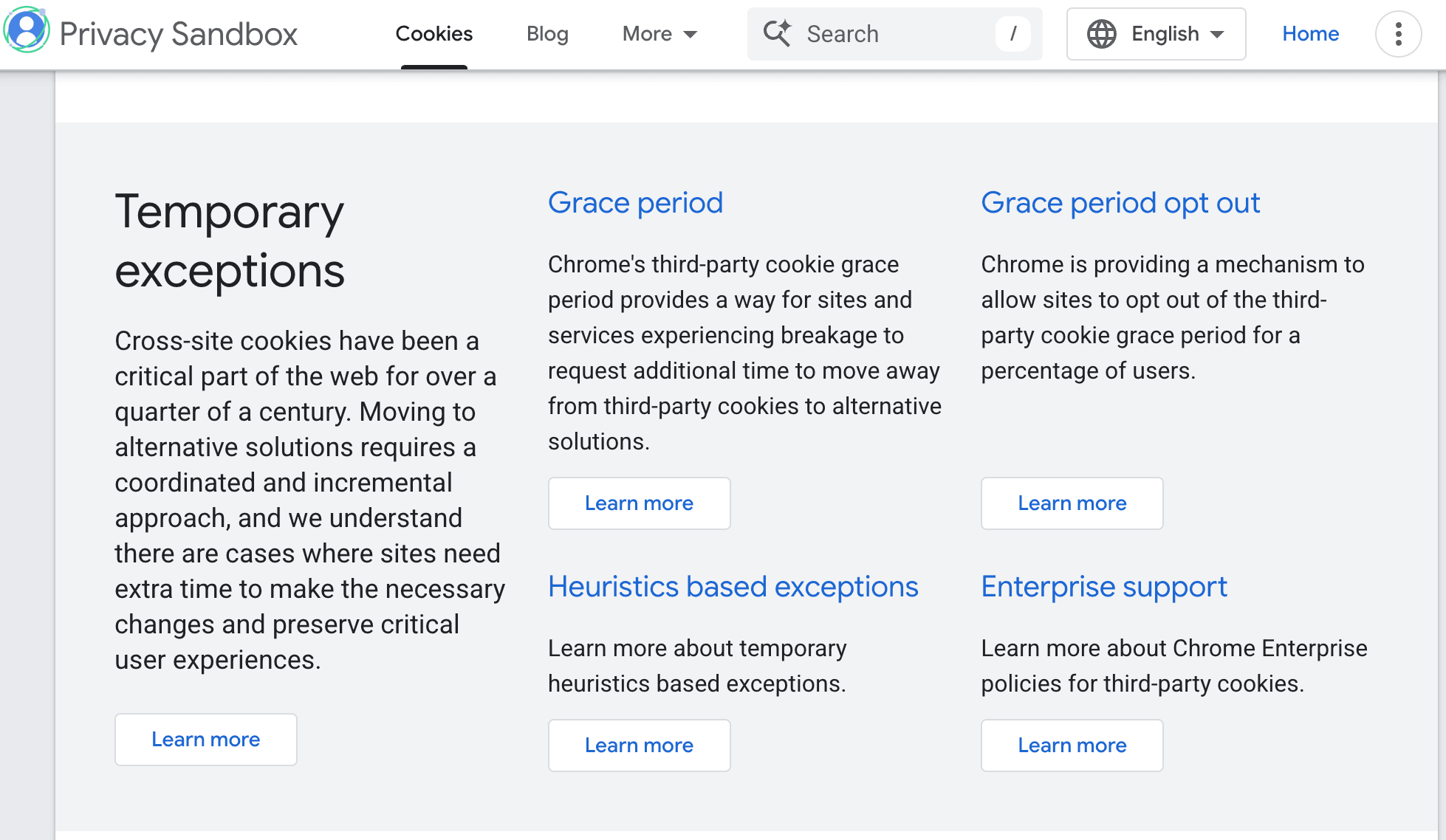
Google on the grace period provided for a smoother transition to a first-party cookie world
Paid Social in 2025 & What Comes Next
Retail brands that embrace these shifts and adapt their paid social strategy won’t just keep up - they’ll thrive.
Here’s what matters most:
- AI and automation are here to stay: but brands should balance automation with manual control for better audience insights and smarter budgeting.
- Social commerce is no longer optional: shoppers are buying inside the app, and brands that don’t optimise for in-app purchases will lose conversions to those who do.
- Short-form video is the future of ad creative: low-budget, authentic content is driving higher engagement and conversions than polished, agency-made ads.
- Diversifying beyond Meta is a smart move: TikTok, Pinterest, and Snapchat ads offer new opportunities, grow brand awareness, lower CPMs, and find new high-intent audiences.
- First-party data is more valuable than ever: privacy updates are changing the game, and brands need direct customer relationships to maintain ad efficiency across all digital channels.
🚀 Need help future-proofing your paid social strategy?
Blackpepper helps brands navigate the ever-changing world of digital marketing - from AI-driven campaigns to data-first advertising strategies.
Let’s talk. Whether you're looking to scale your ad performance, diversify your strategy, or optimise your creative approach, we’re here to help.