Q1 2025 Retail & Ecommerce Wrap-Up
20 April 2025

Roberta Johnston
SEO Lead
I'm an SEO specialist with over 8 years of experience helping brands grow through strategic, data-driven search optimisation. I've worked with large e-commerce websites and niche brands alike, developing a deep understanding of ranking algorithms, generative AI, and LLMs like ChatGPT, Perplexity AI, and Gemini. My expertise spans technical SEO, ensuring sites - whether a few dozen pages or 100,000+ - are crawled and indexed effectively.
Tags
After a massive sprint through Black Friday, Christmas, and every promo in between, it’s no surprise Q1 2025 has felt a little... steadier.
Retailers across New Zealand and Australia have spent the start of the year catching their breath - and getting a real read on how shoppers are thinking, feeling, and spending.
And there’s good news: while things are still cautious out there, it’s clear that consumers are spending - they’re just getting smarter (and choosier) about where their dollars go. For brands who are ready to meet them where they are - online, in-store, on socials, and everywhere in between - there are real opportunities ahead.
Here's what we learned from Q1 - and what retailers should have on their radar to turn 2025 into a year of sustainable wins.
The State of Retail: Two Economies at Play
If Q4 2024 was all about moving stock fast, Q1 2025 has been about moving smarter. Across both New Zealand and Australia, we’ve seen consumers recalibrate - still willing to spend, but doing it with sharper priorities.
In New Zealand, there were early signs of recovery:
- Retail sales volumes lifted +0.9% in Q4 2024 (seasonally adjusted) - the first quarterly gain in a year.
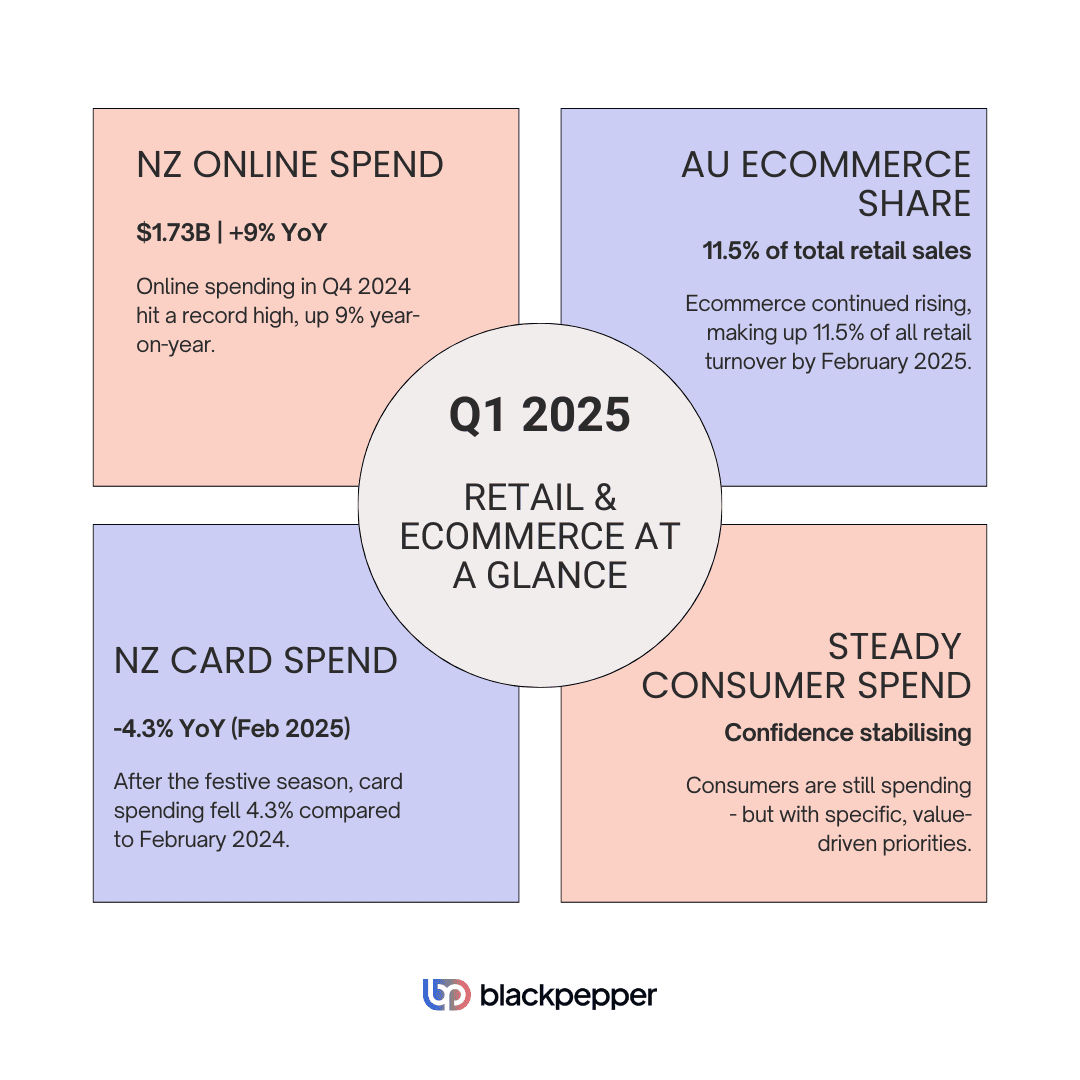
- Online spending hit NZ$1.73 billion across October to December, up +9% year-on-year, according to NZ Post.
- But February 2025 card transactions dipped -4.3% YoY, showing that after the festive season, shoppers tightened up again.
In Australia, the story looked a little stronger:
- Retail sales volumes climbed +1.0% quarter-on-quarter in Q4 2024, the biggest lift in over two years.
- January and February 2025 turnover kept momentum going, up around +3.7% year-on-year across both months.
- Ecommerce’s share of total retail nudged higher too, reaching 11.5% by February.
The big takeaway? Confidence hasn’t roared back yet - but it’s stabilising. Shoppers are still buying, just a little more carefully, and brands that can tune into what matters most to them (value, flexibility, relevance) are the ones most likely to stay front of mind.
The Rise of the Messy Middle Shopper
If there’s one thing Q1 has made clear, it’s that the traditional shopping journey is well and truly out the window.
Today’s consumers aren’t following neat funnels from discovery to purchase - they’re looping between exploring options, weighing them up, getting distracted, coming back, and eventually (maybe) committing.
Google calls it the “messy middle” - and it's getting messier by the day.
In New Zealand, online transaction volumes hit record highs in Q4, but the average basket value dropped - showing that while people are shopping, they're doing it in smaller, more considered bursts.
The messy middle is getting messier. Brands that stay visible and helpful throughout the journey are the ones winning loyalty.
The same pattern played out across Australia too, where consumers spent steadily on essentials and affordable luxuries, but pulled back sharply on bigger ticket items.
And it’s not just how people buy that's changing - it's where they spend their attention, too. Google’s research points to four dominant behaviours shaping consumer decision-making today:
- Streaming content
- Scrolling social feeds
- Searching for information
- Shopping across platforms
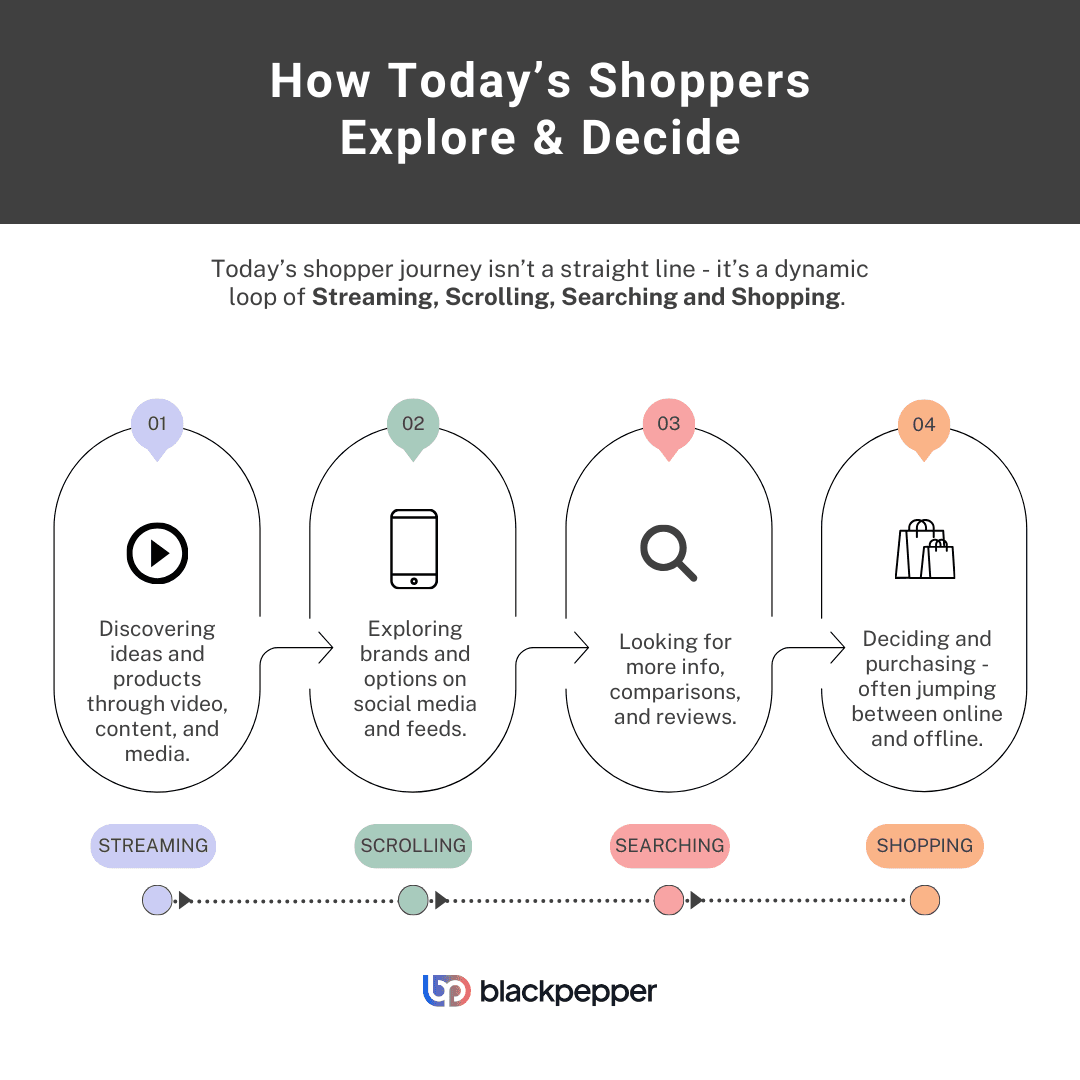
In other words, brands aren’t just competing at the checkout anymore - they're competing across screens, platforms, and endless moments of distraction. Building a consistent, relevant presence across Streaming, Scrolling, Searching and Shopping touchpoints isn't just smart - it’s essential.
Looking slightly ahead, it’s also worth noting that the way consumers discover brands is evolving fast.
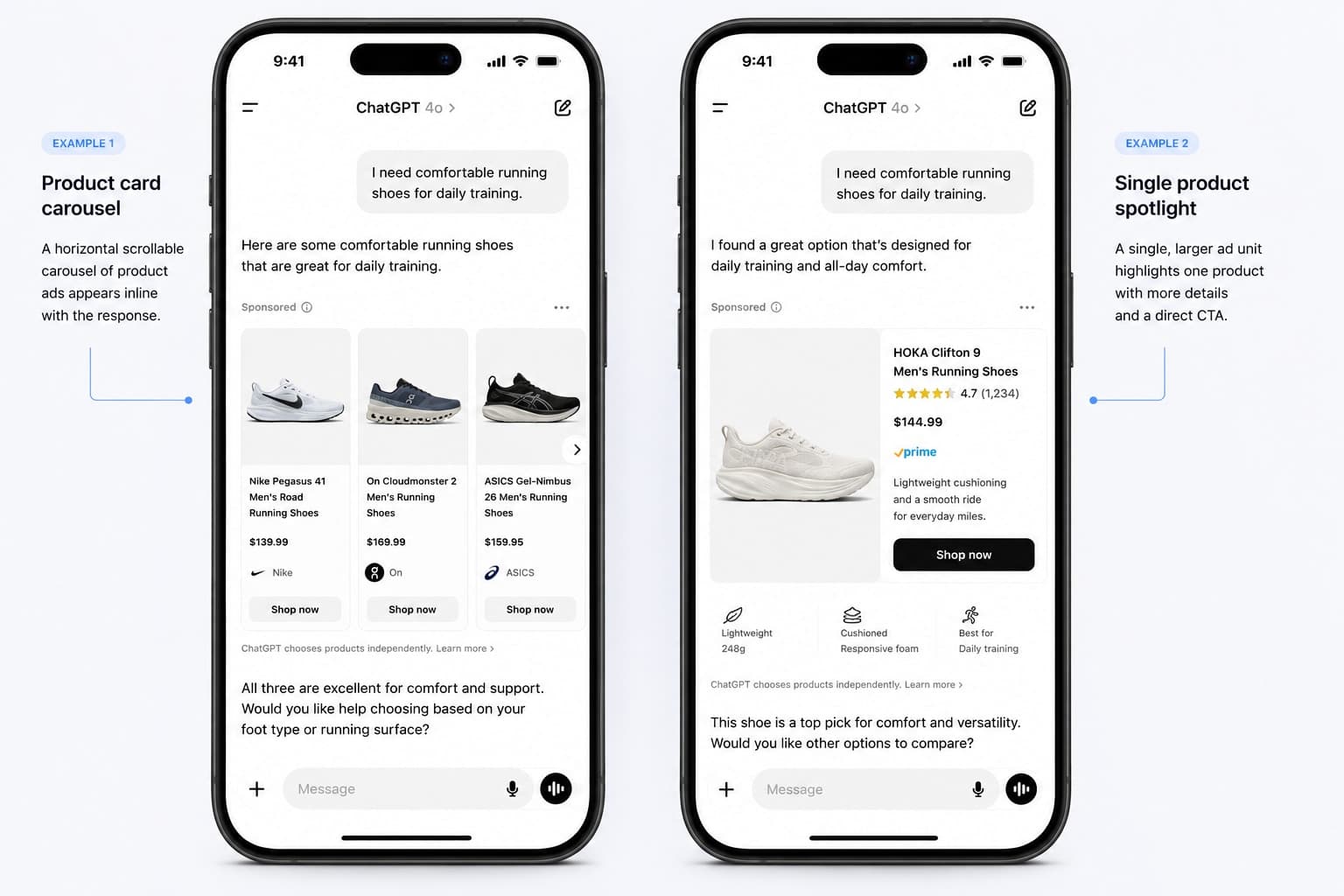
With AI-driven tools like ChatGPT, Perplexity, and Google's AI Overviews starting to reshape search experiences, traditional SEO and rankings are no longer the whole story.
Being present, helpful, and authoritative - wherever consumers are looking - will matter more than ever.
This shift is part of what’s now being called “Generative Engine Optimisation” - or GEO. Here's how it works.
Category Performance: The Winners and Losers
While overall spending patterns have steadied, not every category came out of Q1 looking the same. Some sectors found new momentum, while others felt the weight of consumer caution.
Gaining Momentum:
- Electronics and appliances (+5.1% volume growth in NZ Q4 2024) - helped along by Black Friday deals and consumers upgrading tech before tightening belts.
- Clothing, footwear and accessories (+4.5% turnover growth in AU Jan 2025) - smaller discretionary spends that still feel like a treat.
- Hospitality and dining (steady growth across NZ and AU) - suggesting a shift toward valuing experiences, not just things.
Losing Steam:
- Grocery spending (NZ) - a slight dip in volume over Q4 2024 as households became more selective, switching between brands and retailers to stretch budgets.
- Household goods (AU) - after a big run on furniture, appliances and homewares during end-of-year sales, spending dropped sharply (-4.4% MoM in January).
It’s a reminder that even in tougher climates, people still want to spend - but they're funnelling their dollars into the categories that offer either immediate value or emotional payoff. Understanding those priorities is key to where (and how) brands show up next.
Ecommerce vs In-Store: Both on The Rise
While the way we shop keeps evolving, one thing’s clear: ecommerce isn’t slowing down - but in-person retail is far from dead.
In New Zealand, online shopping hit fresh highs in Q4 2024, with spending up +9% year-on-year and a record 18.3 million online transactions recorded. Australia saw similar momentum, with ecommerce making up 11.5% of total retail sales by February.
At the same time, bricks-and-mortar shopping is quietly regaining ground. Tourism recovery, big live events, and a growing appetite for in-person experiences have pulled more people back into physical spaces - especially in food, dining, and experiential retail.
It all adds up to one simple truth: being strong in one channel isn’t enough anymore.
The retailers leading the pack are the ones showing up seamlessly across online, in-store, mobile, and everything in between - wherever (and however) consumers want to find them.

Key Lessons for Q2
Q1 showed us that the retailers winning right now aren’t the ones chasing clicks - they’re the ones building real, flexible connections with their customers, wherever they are.
Heading into Q2, here’s what smart brands should have on their radar:
Optimise for value, not just volume
Shoppers are happy to spend - but they’re savvier, hungrier for deals, and looking for value they can actually feel.
That means creating irresistible bundles, offering loyalty rewards that matter, and showing total transparency on pricing and delivery. It’s about giving people a reason to choose you, not just hoping they do.
(Need inspiration for building loyalty? Check out our guide to driving repeat purchases and loyalty programs for ecommerce.)
✅ Loyalty programs only work when they feel personalised, valuable, and consistent
✅ Surprise and delight moments matter more than point hoarding
✅ Don’t just reward purchases - reward behaviours like engagement and feedback
Build omnipresence across Streaming, Scrolling, Searching and Shopping
Being everywhere at once sounds overwhelming - but it's about being smart, not scattered.
Align your messaging across channels, use smart paid and organic strategies, and make sure you’re discoverable wherever your customers are exploring.
(We unpacked what great omnichannel marketing looks like right here.)
A true omnichannel experience means:
✅ Seamless journeys between platforms (e.g. TikTok to website)
✅ Unified messaging and tone across paid, organic, email, and search
✅ Having the infrastructure to support the experience (CX, tech, data)
Stay present throughout the messy middle
The decision journey is longer and loopier than ever. Retailers need strategies that aren’t just about the last click - they’re about nurturing attention, offering useful content, and guiding customers back through the consideration cycle.
(We shared practical strategies for nurturing customers through today’s shopping funnels in this blog.)
✅ Shoppers need reassurance and reminders - not pressure
✅ Use strategic remarketing, content sequencing, and post-click support
✅ Think of “funnel friction” as an opportunity to build trust
Adapt for the AI-powered consumer journey
AI discovery is already changing the way people search - and brands that build strong, credible content ecosystems now will be the ones surfacing in AI Overviews, chatbots, and zero-click environments later. It's not just about ranking anymore - it’s about visibility across the whole new frontier.
(For a closer look at how AI is reshaping search, check out SEO in 2025: The Future of Search.)
Quick Takeaways:
✅ Google’s AI Overviews are changing what it means to “rank”
✅ Generative Engine Optimisation (GEO) is about context, credibility, and citations
✅ Visibility now includes chatbot responses, summaries, and zero-click results
✅ Helpful content, structured data, and strong internal linking are more important than word count
✅ You need to optimise for both users and machines (search engines, AI models, etc.)
Discovery is no longer about climbing search rankings - it's about being helpful, credible, and visible wherever the journey starts.
Make promotions feel purposeful, not panicked
Heavy discounting may shift short-term stock, but it can also dilute brand loyalty if overused. Focus promotions around key events, clear value narratives, and rewards for loyalty - not blanket fire sales.
(We explored smarter ways to stay top-of-mind through seasonal promotions right here.)
✅ Time your campaigns around customer behaviour, not just calendar events
✅ Tie promotions to customer lifecycle stages and personalisation
✅ Being remembered is more valuable than being the cheapest
Think beyond quick wins - build for sustainable momentum
Q2 isn’t about scrambling for instant growth. It’s about building trust, relevance, and brand stickiness that sets you up for stronger trading conditions later in 2025. Play the long game - and invest where it counts.
(Our 2025 ecommerce predictions offer more insight into where the real opportunities lie in this article.)
✅ AI, performance media, and omnichannel are intersecting more than ever
✅ Consumer expectations are rising (especially around speed and personalisation)
✅ Sustainable growth comes from aligning performance with brand-building
✅ Your tech stack, data, and CX need to be working together

Careful Optimism for the Road Ahead
In Q1, we all had to find our feet again - which makes Q2 all about building real momentum.
Shoppers are still out there - exploring, scrolling, searching, and buying - but brands need to work smarter to stay visible, relevant, and trusted at every touchpoint.
The retailers who lean into smarter strategies now (balancing value, visibility, and agility) will be the ones setting themselves up for real wins later in 2025.
Change isn’t a challenge. It’s an opportunity. Let's help you make the most of yours.