Q3 Ecommerce Insights: Key Learnings for Q4
24 October 2024

Roberta Johnston
SEO Lead
I'm an SEO specialist with over 8 years of experience helping brands grow through strategic, data-driven search optimisation. I've worked with large e-commerce websites and niche brands alike, developing a deep understanding of ranking algorithms, generative AI, and LLMs like ChatGPT, Perplexity AI, and Gemini. My expertise spans technical SEO, ensuring sites - whether a few dozen pages or 100,000+ - are crawled and indexed effectively.
Tags
As we move into the most critical period of the ecommerce year, Q4, it’s time to take stock of the insights from Q3 that can shape your strategies and ensure your business is well-prepared for the busy sale season. From Black Friday and Cyber Monday to Christmas and Boxing Day, the last few months of the year offer huge revenue opportunities - if you know how to capitalise on them.
At Blackpepper, we’ve been closely monitoring the latest trends and data from Q3 and past sales periods to provide you with actionable insights that will help your brand thrive during this period. In a time when consumer behaviour is constantly evolving, economic factors are creating new challenges, and competition is fiercer than ever, you need a strategy that’s agile, data-driven, and focused on meeting your customers where they are.
In this blog, we’ll break down the key takeaways from Q3 and show you how to leverage these insights to make the most out of Q4. Whether you’re planning your Black Friday campaigns, optimising your website for higher conversions, or looking for ways to stand out in the busy holiday season, these learnings will set you up for success.
Let’s dive into the numbers, trends, and strategies that can transform your Q4 into your most profitable quarter yet.
Q3 Consumer Behaviour Shifts
In Q3, we saw some notable shifts in consumer behaviour that are sure to impact how ecommerce brands approach the busy sales season in Q4. With rising economic pressures, consumers are being more selective with their purchases, prioritising value and convenience over impulse buying. But even with the cost of living crisis tightening wallets, ecommerce is still seeing growth.
According to the NZ Post Business IQ Report, transaction volumes grew by 17% year-over-year, though customers are taking longer to make purchasing decisions due to economic uncertainty. Consumers are actively searching for value, and promotions are becoming a critical driver of purchasing decisions. In fact, longer sale periods - like the extended Black Friday/Cyber Monday events - are training customers to wait for the best deals, making price-sensitive marketing strategies more essential than ever.
But it’s not all about price - Think with Google reports that customers are also looking for convenience, which means your checkout process, delivery options, and mobile experience need to be smooth and seamless.
Economic Impact on Consumer Spending
One of the largest influencers on consumer behaviour in Q3 has been the ongoing economic pressure caused by inflation and rising living costs. You'll likely have seen dozens and dozens of videos, articles and social media threads about the "cost of living crisis" - something both Kiwis and Aussies have had to deal with.
The NZ Post Business IQ Report highlights how discretionary income has dropped drastically, leading consumers to adopt more strategic buying behaviours. While households once had a 28% savings rate during the pandemic, this has now plummeted to just 0.9%.
With less disposable income, shoppers are delaying purchase decisions and are far more price-sensitive than before.
The knock-on effect is clear: brands must ensure that their promotions and pricing strategies meet this heightened focus on value. What's more, the extended consideration periods show that consumers are now doing more research before making a purchase, meaning ecommerce businesses need to focus on offering competitive pricing and clear value propositions.
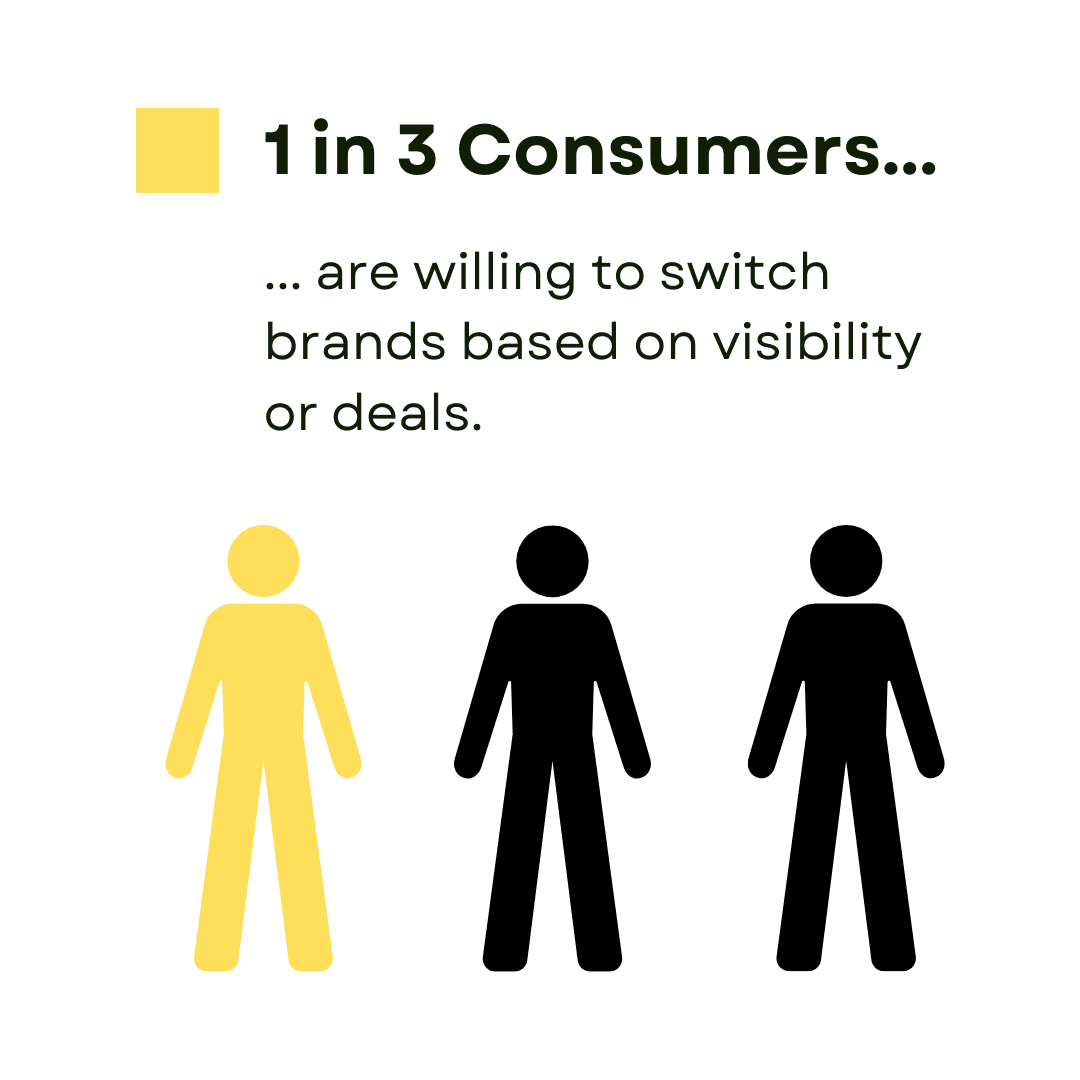
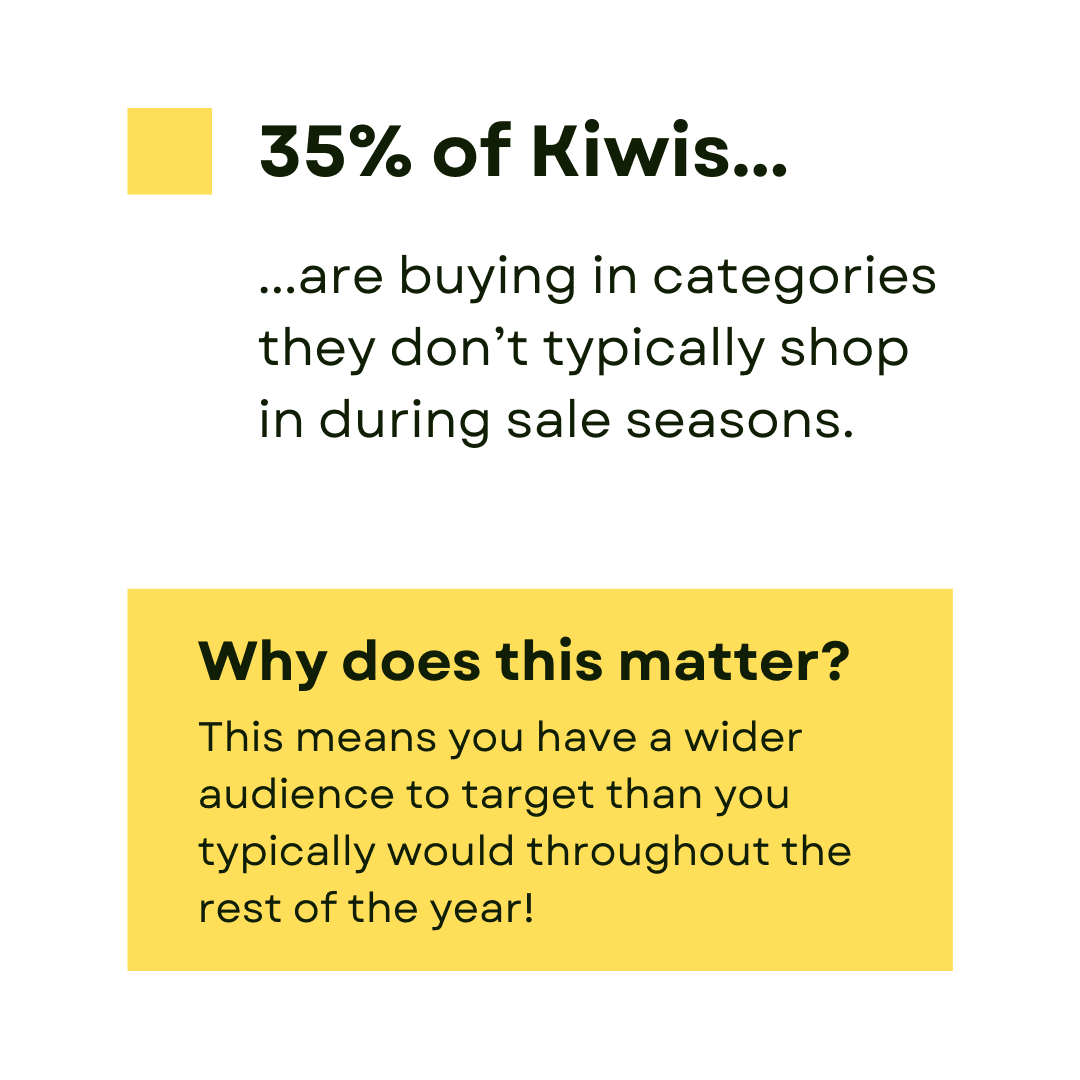
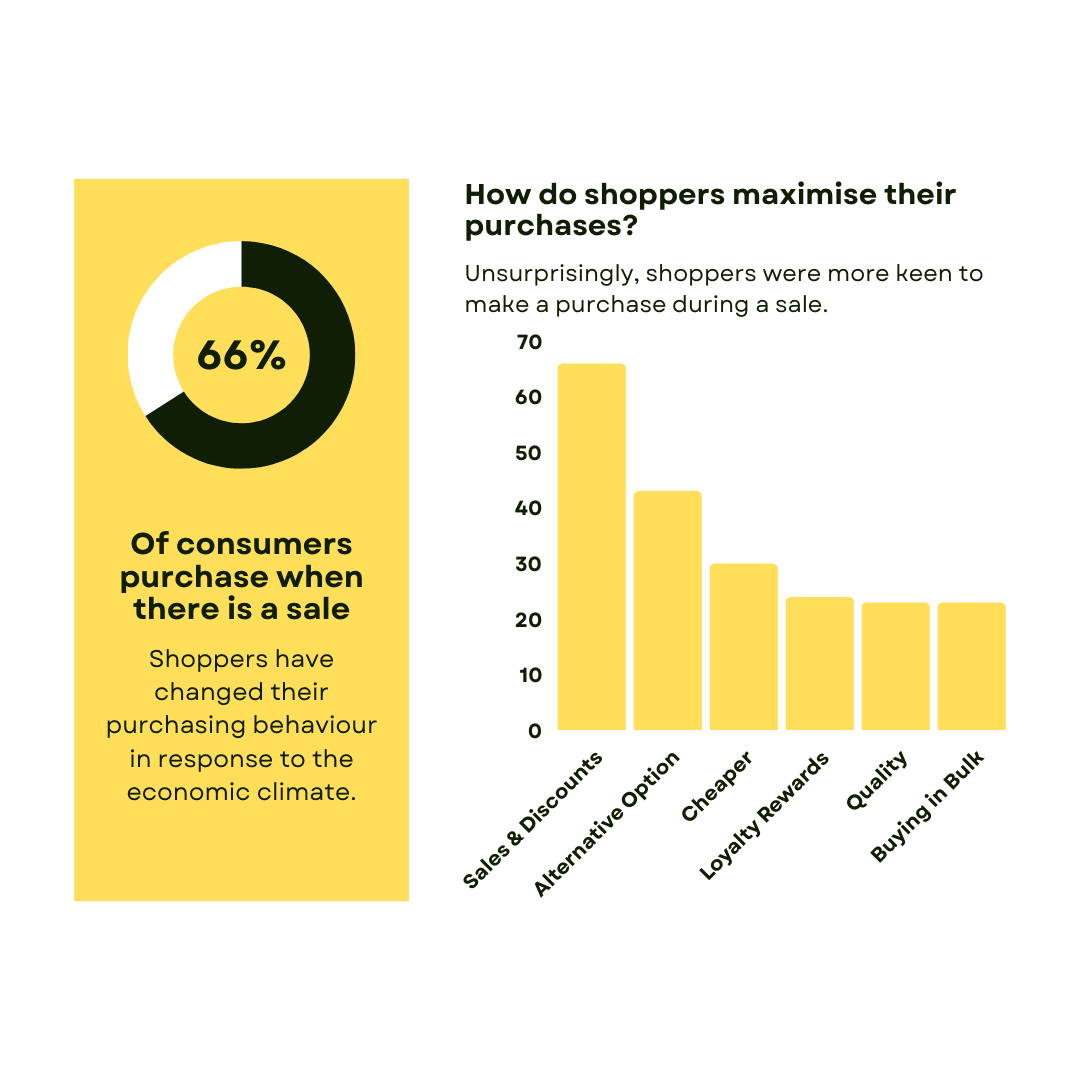
To better illustrate the changes in consumer behaviour we’ve seen throughout Q3, here are a few key stats you should take note of:
Evolving Shopping Behaviours and Consumer Trends
As we head into Q4, understanding the shifts in consumer behaviour is critical for ecommerce brands aiming to make the most of peak season sales. The economic climate, coupled with advances in digital technology, has reshaped the way consumers interact with brands, make purchasing decisions, and engage across multiple channels.
Value-Based Shopping is Now the Norm
With the economic uncertainties that have plagued New Zealanders for the past two years, consumers are increasingly driven by the value they perceive in a product. But value doesn’t just mean low prices - shoppers are considering product quality, brand reputation, and longevity, along with any discounts or offers available, to name a few.
Though Kiwis have less money to spend on non-essential items, the desire to shop doesn't decrease. Instead, consumers may look to find the best option at the best prices - or, at least, those with flexible payment options.
According to the Retail Radar Report, 60% of consumers expect brands to provide more flexible payment options such as buy-now-pay-later schemes, especially during sales seasons. For ecommerce brands, offering these options can enhance the perceived value of the product, making it easier for customers to justify their purchases.
To capitalise on this, ecommerce brands should prioritise clear value propositions across their products, ensuring that promotional messaging highlights not just the discounts but also the product's quality and long-term benefits. Product descriptions become absolutely paramount here.
Omnichannel Shopping is Here to Stay
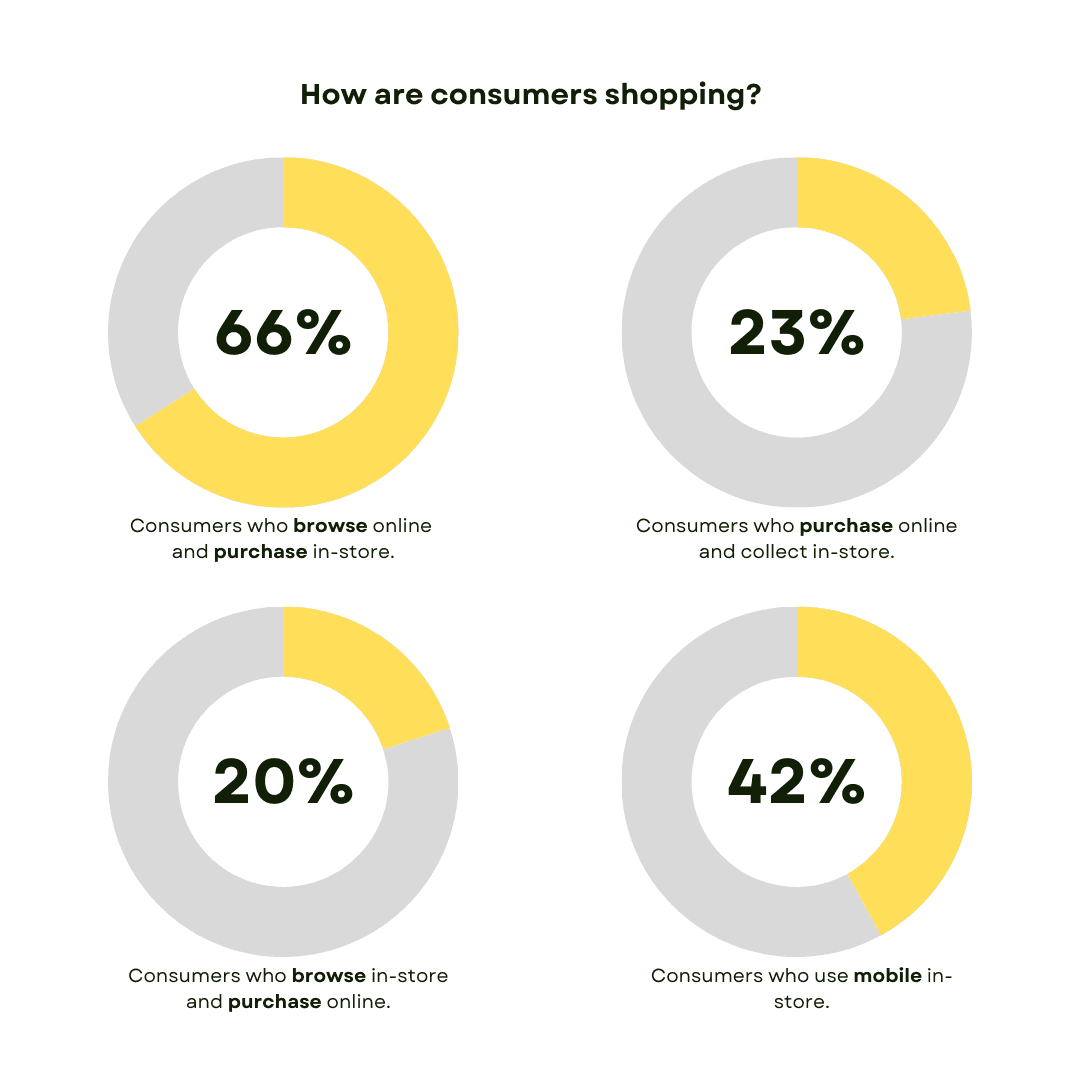
Consumers today no longer see a distinction between online and offline shopping; they expect a seamless experience across all channels. According to a Google Consumer Insights report, 64% of shoppers begin their journey on one device but complete it on another. This means that businesses must provide an omnichannel strategy that allows customers to move between devices, platforms, and even physical stores without friction.
Keep Reading: What is Omnichannel Marketing?
To stay competitive in Q4, brands need to create integrated customer experiences that blend in-store, online, and mobile shopping. This could mean offering in-store pickup for online purchases or syncing loyalty programs across all platforms to provide a unified customer experience.
Mobile-First Shopping
Now more than ever, consumers are starting their shopping journeys on mobile. According to NZ Post's eCommerce Insights, over 70% of Kiwis begin their purchasing process on mobile devices, highlighting the growing importance of mobile optimisation. From product discovery to checkout, every step needs to be optimised for mobile to ensure a smooth shopping experience.
However, 48% of shoppers still abandon their carts due to complex mobile checkout processes, making it essential to provide intuitive, fast, and secure mobile payment options. Brands should focus on streamlining mobile UX to reduce friction and increase conversions during the busy Q4 shopping season.

Social Commerce is Rising
The influence of social media on ecommerce has grown exponentially. 57% of shoppers now report making purchases directly through social media platforms, especially Instagram and TikTok, according to Google's Consumer Insights. Social media is no longer just a place to discover new products; it’s a platform for making direct purchases.
Additionally, 45% of Gen Z and 38% of Millennials say they are influenced by social media when making purchasing decisions. Partnering with influencers and creating shoppable content is a powerful strategy for ecommerce brands looking to boost conversions in Q4. Think "lifestyle" image and video content, where would-be buyers can see a product in action or in use.
Ethical and Sustainable Shopping is Growing
As shoppers become more environmentally conscious, sustainability and ethics are becoming key factors in purchase decisions. According to Retail Radar, 62% of consumers prefer to buy from brands with transparent environmental practices. This trend is more prominent in younger generations, who are willing to pay more for eco-friendly products or shop with brands that align with their values.
What's more, 30% of consumers now prioritise products with longer lifespans, preferring to invest in higher-quality items over cheaper, short-term purchases, per NZ Post's data. Brands should emphasise their sustainability efforts, whether through eco-friendly packaging or promoting the longevity of their products, as this can be a critical deciding factor for customers during the peak shopping season.
Overseas Competition: The Rise of Temu and Shein
In addition to the evolving consumer behaviour trends, local ecommerce retailers face increasing competition from global giants like Temu and Shein. These fast-growing international platforms are known for offering incredibly low prices, free shipping, and a vast array of products, making it difficult for smaller, local brands to compete on price and variety alone.
You'll likely have seen one or both of these sites when doing your own online shopping; aggressive (and sometimes against Google's policies) bidding strategies in paid ads mean that both Temu and Shein frequently appear in the search results for product-related queries. Their seemingly enormous marketing budgets mean that they are very visible in the search results, taking valuable search real estate away from local brands.
According to data from NZ Post's Ecommerce Insights report, a significant percentage of New Zealand consumers are turning to overseas platforms like Shein for more affordable options, especially in categories like fashion and homeware. These platforms are gaining popularity due to their aggressive pricing strategies, frequent sales, and fast shipping options.
The appeal of platforms like Shein and Temu is particularly strong among younger consumers, who may value affordability and convenience above brand loyalty. Shein’s user base, for example, grew by 54% in the last year, with much of its growth coming from consumers aged 18-35. This poses a challenge to local brands, as these platforms are able to meet consumer demands at prices that smaller, domestic retailers struggle to match.
What Can Local Ecommerce Brands Do About This?
While competing directly on price is difficult, local brands can leverage their unique selling points to capture a loyal customer base. Here’s how:
Emphasise Local Value: Promote the benefits of shopping locally, such as faster shipping times, easier returns, and supporting local businesses. Highlight your connection to the local community, as many consumers still prefer to support homegrown brands when given the choice.
Quality Over Quantity: Shein and Temu are known for their lower-quality goods, which means local brands can focus on offering better quality, more sustainable, and ethically sourced products. As we noted earlier, many consumers are increasingly prioritising sustainability and product longevity, which local brands are well-positioned to offer.
Exclusive Offers and Personalisation: One of the ways to compete with global giants is to offer exclusive promotions, loyalty programs, and personalised shopping experiences that go beyond what these larger platforms can provide. For example, on-site personalisation can make a significant impact on customer engagement and retention.
Strong Post-Sales Support: Customer service is often an area where local businesses can outshine global competitors. Offering fast, responsive, and personal customer support can foster trust and build long-term relationships, something that international platforms struggle to do at scale.
Industry-Specific Performance and Sales Growth in Q3
During Q3, various industries saw unique performance patterns, and these can offer significant insights into how brands should strategise their efforts for Q4. While some sectors saw steady growth, others experienced substantial spikes in both ad spend and search volume. Understanding these shifts can help brands better prepare for the busy holiday season.
Let's take a look at some key industries that saw growth, with major potential for a very successful "silly season".
Women's Clothing
One notable growth sector was women’s wear, which experienced a 21% increase in ad spend during Q3. This was paired with a modest yet promising 2% growth in search volume. This indicates that brands within this space are investing more heavily in paid promotions, and with the holiday season approaching, there’s still time to capitalise on these trends.
Key Takeaway for Q4: Brands that sell women's clothing or apparel should continue leveraging targeted ad campaigns, especially as we move into the peak sales period. Pairing paid ads with SEO efforts could yield even greater visibility during high-traffic periods like Black Friday and Boxing Day.
We always encourage our clients to use the power and potential of both channels, ensuring they have a comprehensive marketing strategy in place to cater to all potential traffic channels.

Beauty and Personal Care
The beauty and personal care sector saw a 15% increase in search volume, driven by the ongoing self-care trend. Skincare and makeup products, in particular, continue to be top of mind for consumers as they prioritise health and wellness, especially in an era where the “self-care” movement shows no signs of slowing down.
Key Takeaway for Q4: For ecommerce brands in beauty and personal care, doubling down on promotions that speak to self-care and wellness, combined with the right influencer partnerships, could drive significant sales. With the current "wellness trend" all the rage on social media, this sector could remain stable for some time.
This sector thrives on personalisation and loyalty programs - consider creating bundles or exclusive holiday sets to attract gift shoppers.
Related: Driving Repeat Purchases - Loyalty Programs for Ecommerce
Athletic Footwear
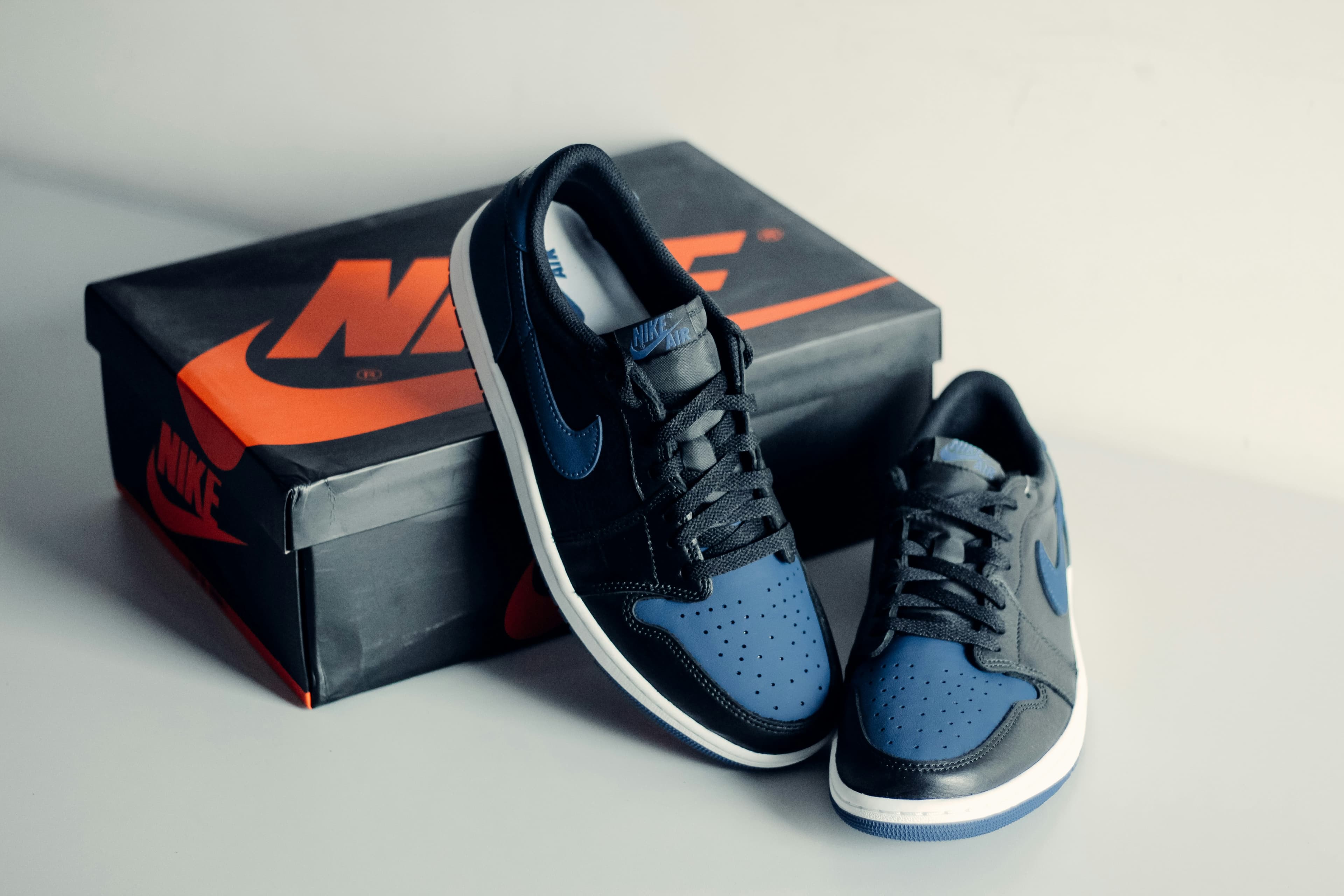
Athletic footwear reported a 16% spike in search volume as more consumers seek branded, comfort, performance, and fashion-forward options for both everyday wear and fitness. The trend toward athleisure continues to push search traffic for both big brands and smaller niche players.
Key Takeaway for Q4: Retailers in this sector should lean into the ongoing athleisure trend with promotions focused on performance and comfort. Offering flash sales during key moments like Black Friday or Cyber Monday can help capture attention in a highly competitive market.
Read More: Top Tips & Tricks for a Winning Black Friday 2024
What Does This Mean for Q4?
Based on the data from Q3, it’s clear that sectors such as beauty, footwear, and fashion are showing resilience and potential growth. As we move into Q4, the opportunity to leverage discounts, product bundles, and strategic ad placements is critical.
For these growing sectors, the holiday season is a time to step up both online visibility and on-site personalisation to capture a wide range of shoppers. Consider tailoring your strategies with a mix of discount-driven promotions for price-sensitive buyers, while also ensuring your organic reach through search optimisation and social media is strong enough to attract shoppers who are still in the research phase.
For ecommerce brands, Q4 presents not only a significant revenue opportunity but also the chance to build customer loyalty that extends beyond the holiday season. Keep testing and refining your approach to see what resonates best with your audience during these peak sales periods.
Optimising for Peak Season Events
As we approach the major shopping events in Q4 - Black Friday, Cyber Monday, and Christmas - ecommerce brands need to sharpen their focus on optimising their strategies across multiple channels. With the stakes high, taking advantage of peak season trends and consumer behaviour can significantly impact your bottom line.
Black Friday & Cyber Monday Trends
According to the NZ Post Business IQ Report, online spending in New Zealand is expected to increase by 5% year-over-year, translating to more than $1.6 billion in online sales in Q4 2023 alone. This surge is a clear sign that promotions and deals remain a top priority for value-conscious consumers, who are increasingly turning to online shopping for their holiday purchases.
To stand out during these competitive events, retailers need to offer compelling promotions that speak directly to this demand for value. Flash sales, bundle offers, and time-limited discounts are key tactics for driving urgency. Additionally, offering perks like free shipping can increase your click-through rates (CTR) by 5-10% , making it a relatively low-cost feature that can yield significant results.
Several high-impact ecommerce features can make a big difference when optimising for peak events:
Product Ratings & Customer Reviews: Consumers trust peer reviews. Sites that prominently feature ratings and reviews tend to build credibility faster, which can increase CTR and overall engagement.
Free Shipping: As mentioned, free shipping continues to be a major draw for online shoppers. In fact, 72% of shoppers are more likely to make a purchase if free shipping is available during the checkout process.
Smart Bidding & Performance Max Campaigns: Brands using Google’s Performance Max campaigns are seeing up to 18% more conversions with a similar CPA (cost per acquisition). We'll cover more on this in a sec but, essentially, this tool uses automation and machine learning to optimise bids across Google’s ad network, helping retailers get more out of their budgets.
Q4 Impact & Strategies
Q4 is the time to pull out all the stops. Plan your Black Friday, Cyber Monday, and Christmas promotions to capture the attention of value-driven customers. As the NZ Post Business IQ report highlighted, Kiwi shoppers are favouring deals more than ever, making it crucial to offer value-added features such as discount codes, loyalty points, and early access promotions for subscribers.
The Role of AI and Automation in Ecommerce Marketing
AI might be old news by now, but AI-driven marketing is rapidly transforming how retailers approach peak sales seasons like Black Friday and Cyber Monday. From enhancing personalisation to creating more targeted ad campaigns, AI is becoming a game-changer for businesses looking to improve performance and maximise conversions.
The “Power Pair” of Google’s Search and Performance Max
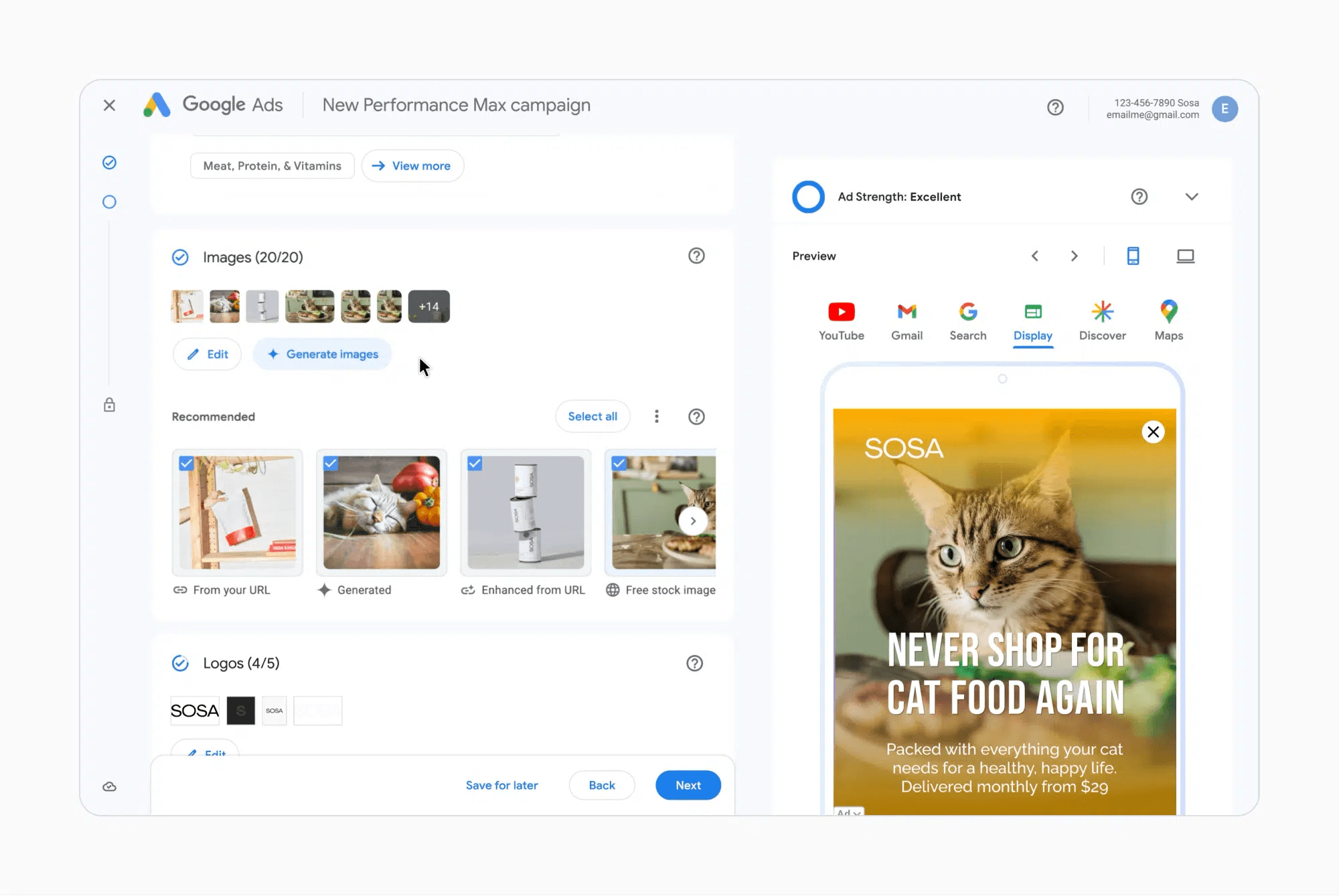
One of the most effective ways ecommerce brands can leverage AI is through Google’s Search and Performance Max campaigns. These AI-powered tools use machine learning to automate and optimise ad performance across various Google properties, including Search, YouTube, Display, and Gmail.
According to Google's Unwrap Success: Peak Season Strategies report, retailers using AI-driven search strategies alongside Performance Max can achieve 35% more conversions during peak shopping periods. This automation saves time and boosts performance by ensuring the right ads reach the right consumers at the right moment.
For ecommerce businesses, this means smarter bidding, better-targeted ads, and higher returns during busy times of the year when competition for visibility is fierce.
Personalised Shopping Experiences
Personalisation has never been more critical, especially as Q4 approaches. According to insights from Google’s Think Retail report, ecommerce brands that prioritise personalisation see higher conversion rates and stronger customer loyalty. AI is enabling businesses to deliver tailored shopping experiences based on consumer preferences, past behaviours, and real-time data. From recommending products based on browsing history to delivering personalised email content, AI-driven personalisation is shaping the way customers engage with online retailers.
At Blackpepper, we’ve seen firsthand the impact of personalisation. In a recent blog covering the Retail Innovation Conference, we explored how brands using AI for personalisation saw up to 71% of consumers expecting tailored experiences as part of their shopping journey. This is particularly true during the holiday season when customers are inundated with options. Personalisation helps cut through the noise by presenting them with relevant, targeted offers that drive conversion.
Q4 Impact: Optimising with AI
As we head into Q4, ecommerce businesses should look to incorporate AI and automation tools to stay competitive. From capturing valuable customer data to automating performance campaigns, AI allows you to streamline your marketing processes while maximising impact.
This holiday season, consider using AI to enhance customer experiences, whether by automating email marketing with tailored recommendations or fine-tuning your bidding strategies to reach shoppers where they’re most likely to convert. Better yet, let us do it for you!
Making the Most of Q4 with the Right Strategies
As we’ve explored throughout this blog, Q4 is a crucial period for ecommerce brands, and the stakes have never been higher. From the rise of AI-driven marketing and personalisation to navigating mobile-first shopping and increasing competition from global giants like Shein and Temu, there’s a lot to keep on top of. The strategies we’ve highlighted - optimising for Black Friday and Cyber Monday, leveraging Performance Max, and responding to evolving consumer behaviour - are just the tip of the iceberg.
However, the insights and strategies we’ve covered here are based on some fantastic industry data. We highly recommend taking the time to explore the full reports from sources like NZ Post’s Business IQ Report and Google’s Think Retail report. These documents delve even deeper into the trends shaping the ecommerce landscape and can help you understand consumer behaviour effectively as we enter the busiest time of the year.
At Blackpepper, we know firsthand how hectic the lead-up to the holiday season can be. With so many moving parts to juggle - marketing campaigns, inventory management, promotions, and more - it’s easy to feel overwhelmed. That’s where we come in. Whether you need help optimising your marketing strategies, leveraging AI tools, or improving your overall ecommerce performance, we’re here to help you make the most of the "silly season."
Lean on our expertise to ensure you’re not just surviving but thriving during the most competitive quarter of the year. Get in touch with our team to discuss how we can support your ecommerce growth during Q4 and beyond.