Why CTR Matters (But Isn’t Everything) in Ecommerce
7 May 2025

Roberta Johnston
SEO Lead
I'm an SEO specialist with over 8 years of experience helping brands grow through strategic, data-driven search optimisation. I've worked with large e-commerce websites and niche brands alike, developing a deep understanding of ranking algorithms, generative AI, and LLMs like ChatGPT, Perplexity AI, and Gemini. My expertise spans technical SEO, ensuring sites - whether a few dozen pages or 100,000+ - are crawled and indexed effectively.
Tags
CTR is Important - But Not on Its Own
Click-through rate (CTR) is one of the most visible metrics in digital marketing. It tells you how often people are clicking on your listings or ads - and by extension, how compelling your content is in the moment that matters most.
For ecommerce brands, CTR is especially important. It’s a signal of how well your product pages, ads, and search results are performing before the customer even hits your site.
If people aren’t clicking, you’re not even in the race.
But CTR on its own is misleading. A high CTR doesn’t always mean success. A low one doesn’t always mean failure. And the story it tells changes dramatically depending on where it’s being measured: whether that’s organic search, Google Shopping, or paid social.
In this blog, we’re breaking down why CTR still matters for ecommerce growth, what it can reveal about your digital storefront, how to analyse it in context, and where ecommerce brands often misread what it’s actually telling them.
Why CTR Still Matters in Ecommerce Marketing
CTR isn’t just a traffic stat - it’s a reflection of how well your digital storefront is performing in the wild.
For ecommerce brands, every click is a potential customer walking through your virtual doors.
Whether it’s an organic result, a Google Shopping ad, or a Meta campaign, CTR gives you early feedback on whether your messaging is cutting through. It’s not just about getting seen - it’s about winning attention.
(PS: You should read our blog on Q1 2025 - we cover why winning attention is so important!)
In SEO
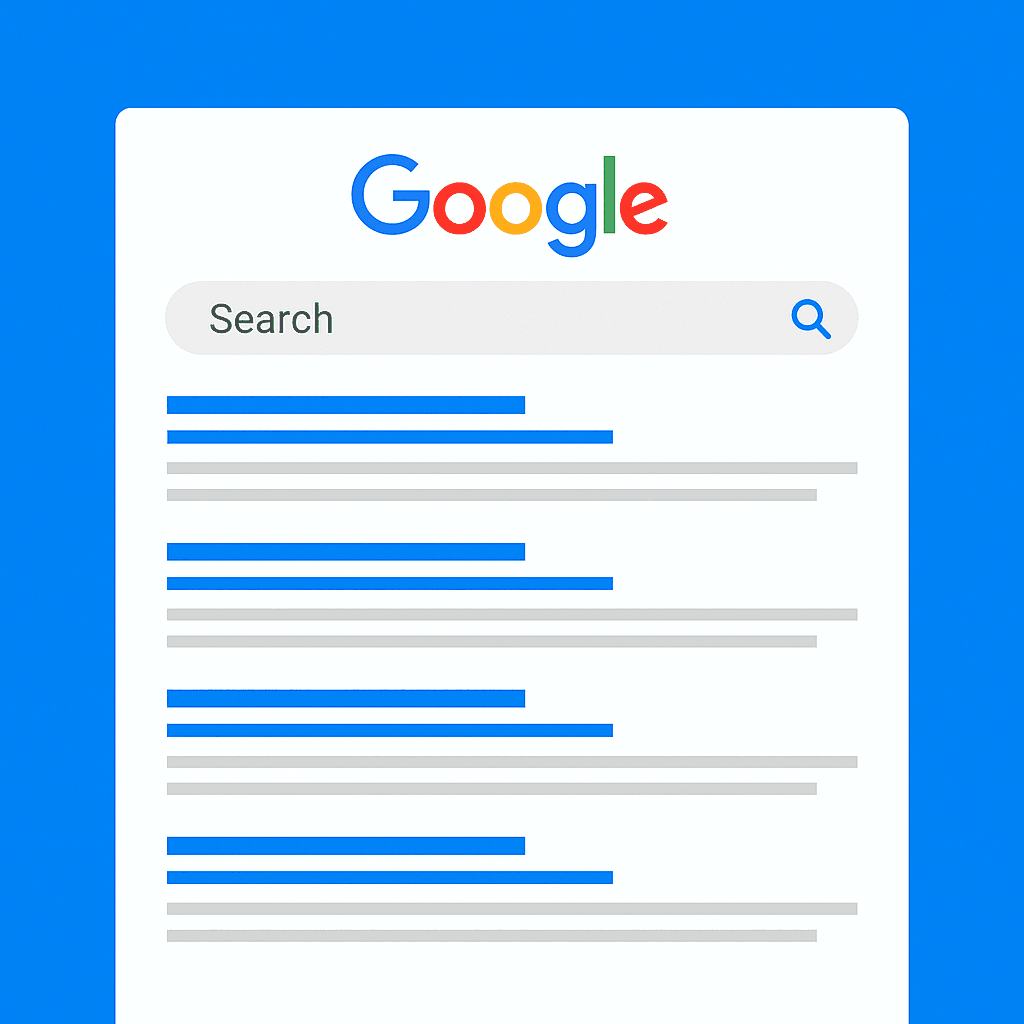
When you optimise for search - through SEO, search engine optimisation - you're trying to grow your visibility in organic search results. That means showing up when people are actively looking for products like yours.
But showing up is only half the battle.
Click-through rate tells you how effective your listings are at earning attention. A strong CTR means your title tags, meta descriptions, and product schema are aligned with what users want - and compelling enough to get clicks over competitors.
In this context, CTR is a feedback loop for your SEO efforts: it's a signal that you're targeting the right queries and delivering value. And if your organic result consistently gets clicked more than others in the same position, Google may interpret that as a signal of relevance - nudging your rankings over time.
This makes CTR a performance and visibility lever in organic search.
In Paid Search
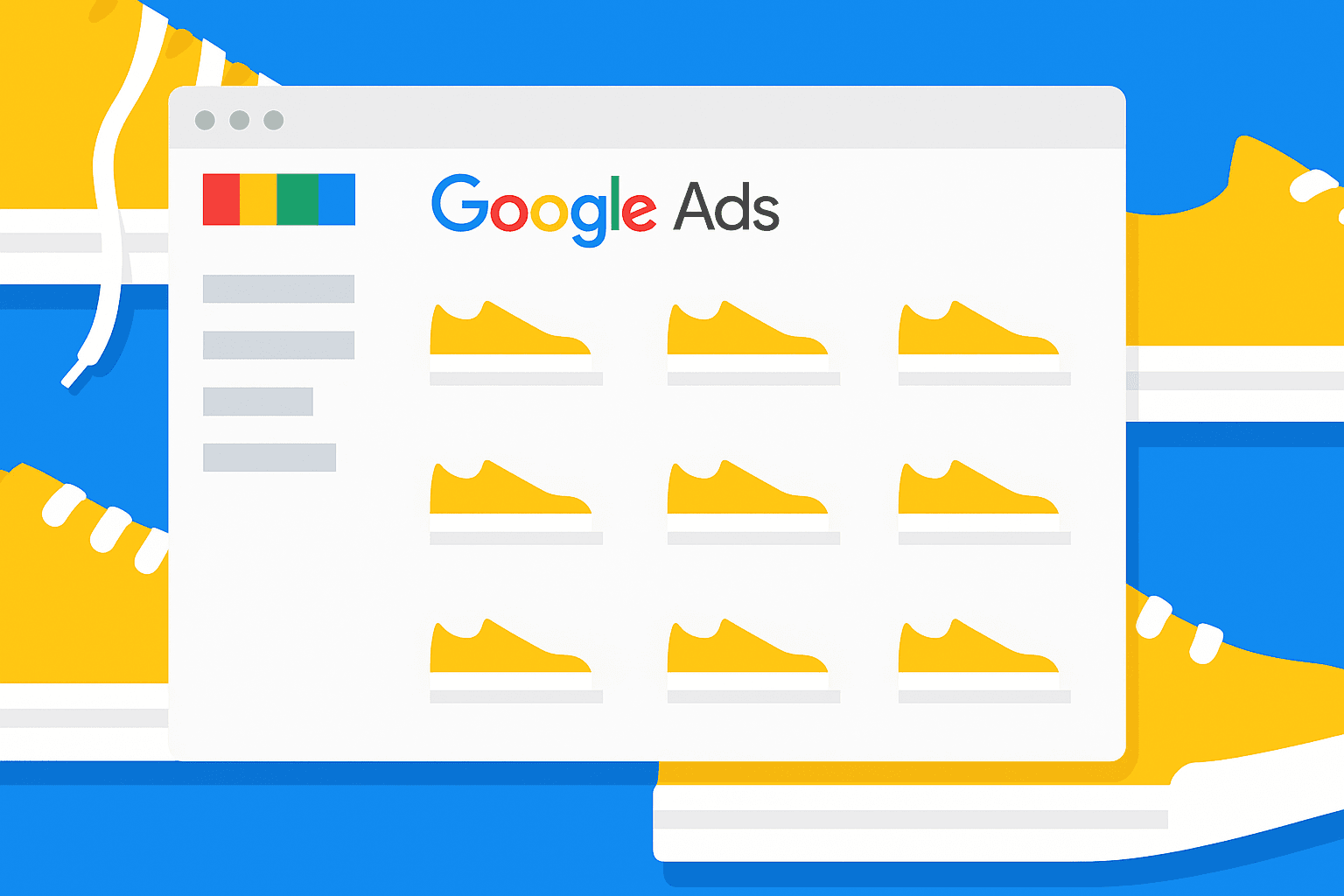
If you’re running Google Ads, click-through rate plays a big role in how your ads perform.
It directly impacts your Quality Score, which in turn affects your Cost Per Click (CPC) and Ad Rank - the position your ad appears in the search results.
A strong CTR tells Google that your ad is relevant and helpful to users, which can lead to lower costs and better placement - even if competitors are bidding more. That makes CTR one of the rare metrics that can reduce spend and improve visibility at the same time.
For ecommerce brands operating with tight margins and high competition, even small improvements to CTR can compound.
Better CTR often leads to more affordable traffic, stronger conversion potential, and better return on ad spend (ROAS) - all without needing to increase budget.
In Ecommerce Specifically
Search results and shopping feeds are brutal.
Dozens of options, minimal real estate, and a few seconds to stand out. CTR is the fastest way to understand if your product, price, and presentation are working - or if they’re getting lost in the noise.
It also reflects buyer psychology. Are users reacting to urgency (“Only 3 left”), trust signals (“NZ owned”), or pricing cues? Are they clicking because they recognise your brand - or because your copy cuts through?
These small data signals help your teams adjust listings, ads, or product details in real time to stay competitive.
What CTR Can Reveal About Your Performance
CTR doesn’t just tell you how many people clicked. It gives you clues about why they did - or didn’t. These patterns can reveal gaps in your messaging, positioning, pricing, or even your audience targeting.
High Impressions, Low CTR
This is one of the clearest red flags.
Your ads or listings are being seen - but not clicked. That typically points to a disconnect between what’s being shown and what users are actually looking for.
Either way, it’s a signal: your visibility is fine, but your pitch isn’t landing.
• In SEO, this might mean your title tag is too generic, irrelevant, or lacks urgency. It could also suggest poor targeting - ranking for the wrong keywords altogether.
• In paid search, you might be using broad match too aggressively or letting low-performing queries drain budget. Ad copy that doesn’t reflect the user’s intent can also tank CTR.
• In Google Shopping, common culprits include pricing that's out of step with competitors, weak product imagery, or missing review stars.
High CTR, Low Conversion Rate
This one stings.
Your ad or listing looks great - people are clicking - but few are buying. Often, this suggests a mismatch between the promise and the landing page experience.
The takeaway? CTR without conversion isn’t success - it’s leakage.
• In SEO, this could point to clickbait-style meta copy that doesn’t reflect the actual product or content on the page. It drives curiosity, not conversions.
• In paid search, it might be a problem with keyword intent. You’re getting clicks from people who are curious, not ready to buy, or your ad groups are too loosely themed.
• In Google Shopping, the product might look competitive at a glance, but fail to meet expectations on delivery cost, variant availability, or description detail once clicked.
Low CTR, High Conversion Rate
Here’s a hidden gem!
If your CTR is low but the people who do click convert well, you may be targeting a very qualified - but small - audience. Or you might be buried low on the page, only getting clicks from people truly motivated to buy.
The goal here is to scale carefully: lift CTR without diluting quality. Turn a quiet win into a high-volume channel.
• In SEO, it might mean your rankings are lower down, but those who do scroll past the first couple of results and click are finding exactly what they want. It could also suggest strong brand recall and awareness. There’s room to test meta content and climb the page.
• In paid search, this often happens with exact match keywords or niche terms - traffic volume is low, but the buying intent is spot-on.
• In Google Shopping, your product may lack visibility in key product carousels, but still convert when surfaced. A budget or bid tweak could bring it to life.
By the way, did you know you could list your products in Google Shopping for free? Have a read through our guide to find out how!
CTR Means Nothing Without Context
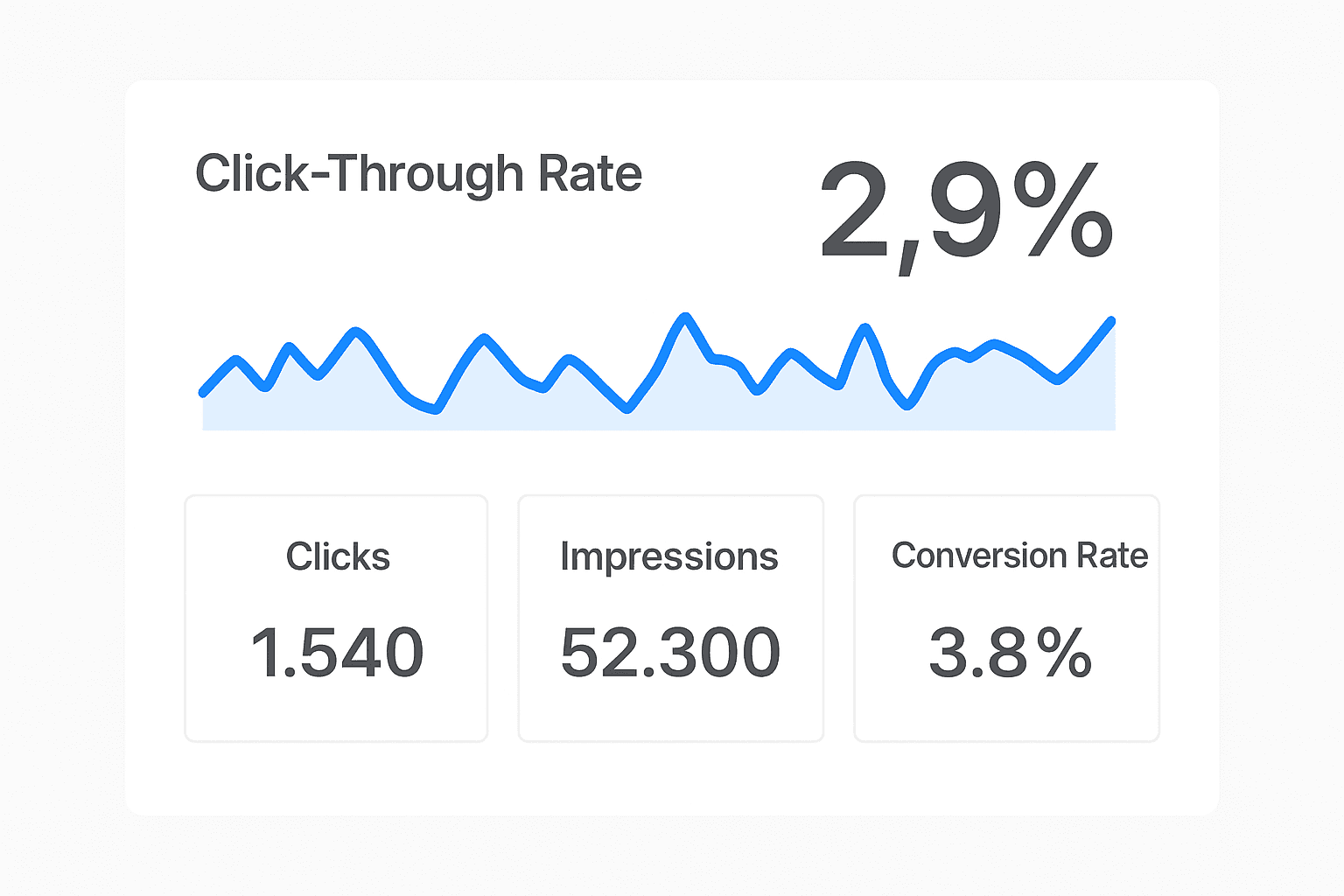
Click-through rate gives you the what but not the why.
That’s why ecommerce brands should never view CTR in isolation. To understand what’s really going on, you'll need to evaluate CTR in conjunction with other metrics across SEO, Shopping, and paid ads.
Conversion Rate (CVR)
We know, we're throwing around a lot of acronyms! But this one is equally as important as CTR.
CVR gives you the “did it work?” answer. It measures how many users took meaningful action (usually a sale) after clicking - and it’s essential for identifying gaps between interest and outcomes.
Are the people clicking your ad or listing actually buying? A high CTR with a low CVR is a warning sign: you’re drawing interest, but not driving action. For an ecommerce business, that’s the difference between window shopping and real revenue.
In paid search (Google Ads), CVR is one of your most important performance metrics. A high CTR but poor CVR often signals intent mismatch, weak landing pages, or irrelevant audience targeting.
In organic search, CVR is a little less straightforward, but still powerful. You’ll need to dig into Google Analytics to analyse performance by landing page or traffic source - and cross-reference this with your Search Console data for CTR insights.
If you’re seeing great CTR but low conversions, it’s time to audit your landing pages, offers, shipping info, or targeting strategy.
Engagement Rate & Time on Page
In Universal Analytics, you might’ve used bounce rate to gauge post-click behaviour - but in GA4, it’s been replaced with engagement rate and engaged sessions.
These help you understand whether visitors are interacting with your site, not just landing and leaving.
Low engagement with a high CTR often means there’s a mismatch between your listing or ad and what the user finds after the click.
Time on page and scroll depth can help you identify friction points - whether it’s product info, layout, load time, or device-specific issues.
💡 Tip: Don’t just rely on one platform. Use a combination of GA4, Search Console, Google Ads, and Merchant Center Next to track performance across each campaign type you're running.
Impressions and Average Position
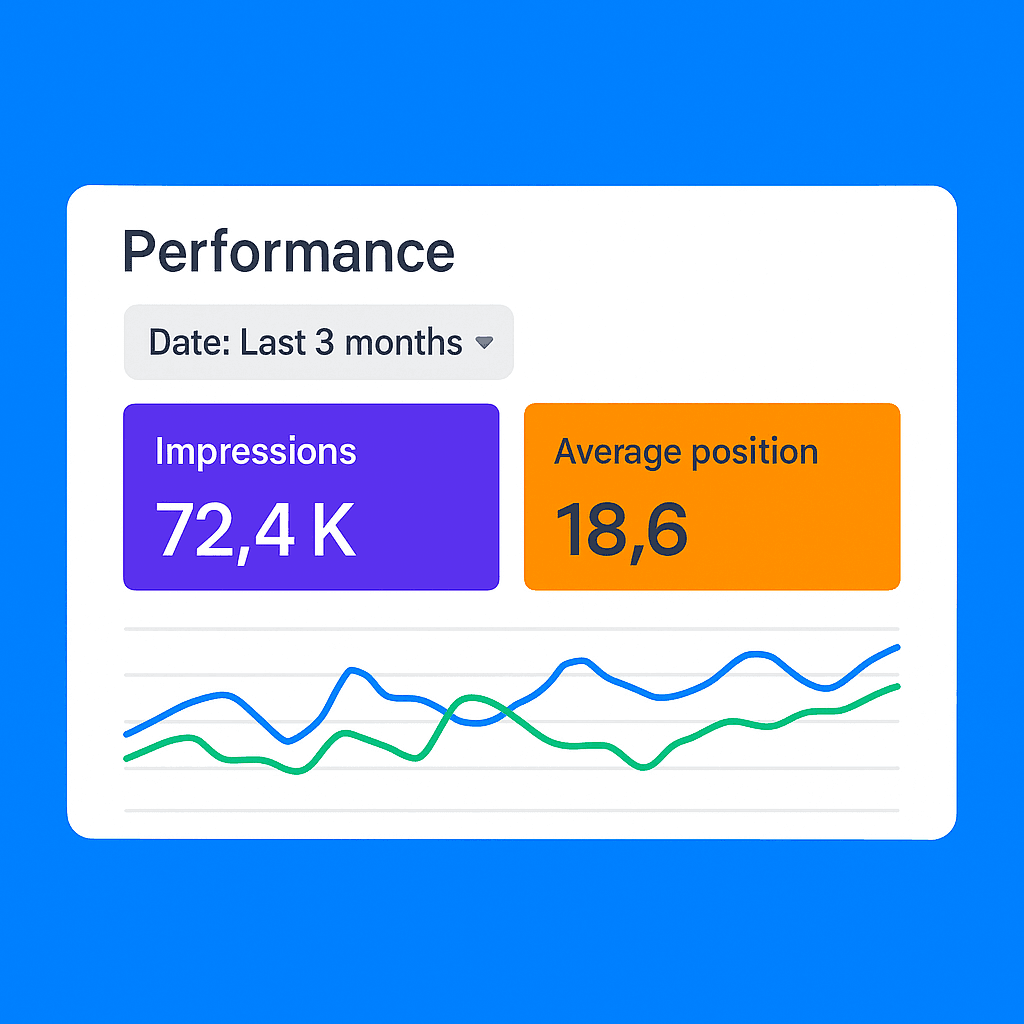
CTR can’t exist without impressions and visibility metrics help you unpack how often and where your content appears.
• Impressions are available in both Google Ads and Search Console. They help identify opportunity gaps, like keywords with high impressions but low clicks.
• Average position is an organic search metric, but it’s worth a health warning: Search Console averages this across every keyword your site shows up for, whether it’s relevant or not.
This can skew the true picture of performance.
For better insights, filter by individual URLs in Search Console or use a dedicated rank tracking tool to get accurate, query-specific positioning. Tools like SE Ranking, SEMrush, or partnering with a technical SEO team (ahem, like us) can surface far more actionable insights.
Return on Ad Spend (ROAS)
This is where CTR meets commercial reality. High CTR doesn’t mean much if the clicks don’t turn into profitable sales.
In Google Ads, ROAS tells you how efficiently your campaigns are driving revenue. Even if CTR is strong, high cost-per-click (CPCs) or low conversion rates can wreck profitability.
For Shopping campaigns, ROAS helps you determine whether you’re attracting bargain-hunters or genuine buyers. Pair it with product-level CTR to find your highest-return items.
💡 Tip: Watch for campaigns with high CTR but underwhelming ROAS - these often need tighter targeting, bid adjustments, or pricing strategy tweaks.
If your Google Ads campaigns have been underwhelming in general, check out our guide that looks at five reasons it might not be working.
Traffic Volume and User Behaviour
Sometimes, CTR tells part of a broader traffic story. While the following metric types aren’t direct performance metrics, they can give helpful signals when layered with CTR - especially when evaluating homepage banners, sale landing pages, or returning seasonal traffic.
When looking at your CTR, pair it with:
• Page views to see where people are entering and exploring,
• Sessions to understand overall site health and volume trends,
• New vs. returning users to see whether your content is drawing new interest or re-engaging past customers.
But Wait, What About Paid Social?
If you’re running ads on platforms like Meta (Facebook and Instagram) or TikTok, you’ve probably seen CTRs that look wildly different from search.
Sometimes they’re much higher but that doesn’t mean they’re better. It just means the context is completely different.
In paid social, users aren’t actively searching for products. They’re being interrupted mid-scroll. That means CTR here is driven by creative, audience targeting, and placement - not intent.

Why CTR Behaves Differently in Paid Social
• Higher CTRs are common, because good creative can attract curiosity clicks - even from users who weren’t in a buying mindset.
• Engagement-based traffic doesn’t always convert. Social platforms reward attention-grabbing content, but that doesn’t always mean it brings in revenue.
• Audience fatigue can tank CTR over time. If you’re seeing declining CTR in Meta ads, it might be time to refresh your creative or switch up your offer.
What to Watch Alongside Paid Social CTR Figures
Think of paid social CTR as a creative feedback loop, not a performance KPI on its own. It tells you if your ad stops the scroll - not if it drives a sale.
When analysing CTR on paid social, it’s crucial to pair it with:
• Landing page views - to ensure users are actually loading the site.
• Add to carts, initiate checkouts, and purchases - to assess real commercial intent.
• Frequency and CPM - to understand how often users are seeing your ad and what it’s costing to reach them.
Does That Mean You Should Ignore CTR in Paid Social?
Definitely not - but treat it differently.
In search, CTR is more tightly linked to purchase intent. In social, it’s an engagement metric. Don’t expect CTR to mean the same thing across every platform; use it as a signal, not a scoreboard.
CTR is Only Part of the Picture
Click-through rate is a valuable metric - but only when you understand the story behind it.
For ecommerce brands, that story changes depending on the platform, the campaign, and the customer’s intent. High CTR isn’t always good. Low CTR isn’t always bad. What matters is what it means in context - and how it connects to the metrics that actually move the needle: conversion rate, engagement, ROAS, and revenue.
We work with ecommerce brands every day to cut through the noise. Our full-house team knows what works - because we’ve seen it in action. If you’re seeing strong visibility but underwhelming performance, or you’re not sure what your CTR is really telling you, we can help make sense of it and guide the right next move.
Pop us a message to get the conversation going!