10 Must-Have Features for Ecommerce Sites
12 June 2025

Roberta Johnston
SEO Lead
I'm an SEO specialist with over 8 years of experience helping brands grow through strategic, data-driven search optimisation. I've worked with large e-commerce websites and niche brands alike, developing a deep understanding of ranking algorithms, generative AI, and LLMs like ChatGPT, Perplexity AI, and Gemini. My expertise spans technical SEO, ensuring sites - whether a few dozen pages or 100,000+ - are crawled and indexed effectively.
Tags
Online shoppers have high expectations.
A few years ago, a fast homepage and a decent cart were enough. Not anymore.
Today’s shoppers aren’t just more digitally savvy - they’re navigating the internet in entirely new ways. From AI-powered search results to social-first discovery and multi-device journeys, the average user doesn’t follow a linear path.
And they don’t need a reason to bounce. They’ll leave because a filter’s broken, your site loads slowly, or your checkout button is too hard to find.
And it’s not just Gen Z driving these habits. Since COVID, older demographics are just as fluent in online shopping - with high standards to match. They want answers fast. They expect personalisation. They assume checkout will be easy. And if it’s not? They’re gone.
In other words: Online shoppers now carry a whole set of invisible expectations. If your ecommerce site doesn’t meet them, you’re not just missing sales, you’re eroding trust before you’ve had a chance to earn it.
In this blog, we break down the 10 must-have features every ecommerce store needs in 2025, and more importantly why they matter. Each section goes beyond the obvious to unpack the role that speed, clarity, UX, trust and personalisation play in modern buying decisions.
Jump ahead:
1. Fast, Mobile-First Performance2. Intuitive Navigation, Filtering & Search3. Trust Signals Where They Matter Most4. Persistent, Clear Cart & Checkout UI5. Responsive Support & Live Chat6. Personalisation & Smart Recommendations7. Loyalty Programs & Value-Driven UX8. SEO & Content Infrastructure9. High-Performing Product Pages (PDPs)10. Seamless Cross-Device Experience
1. Fast, Mobile-First Performance
More than half of users will abandon a mobile site if it takes more than 3 seconds to load - and 79% say they won’t come back if they’ve had a bad experience.
👉 Think with Google: Why Marketers Should Care About Mobile Page Speed
That’s not just a speed stat - that’s a sales killer.
In 2025, mobile isn’t just part of the ecommerce experience, it is the experience. Shoppers compare prices while standing in-store, browse during their commute, or check out from their couch. If your site lags or breaks under that pressure? They won’t wait around - they’ll bounce.
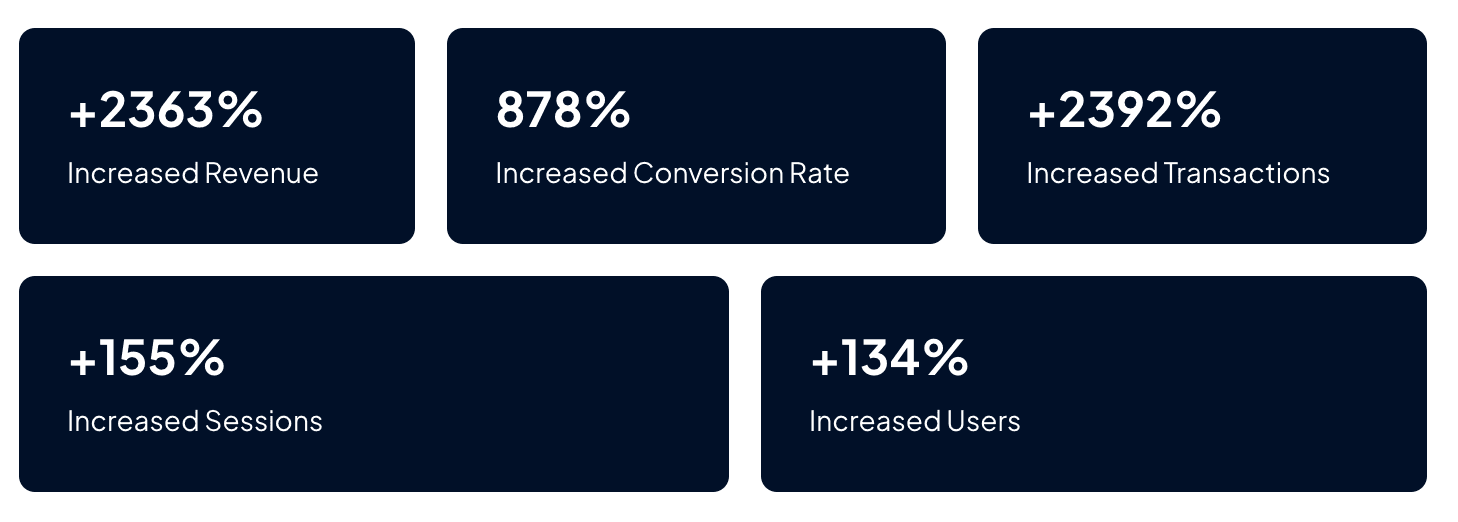
We saw this firsthand with Kings Plant Barn. Their old site buckled under traffic, had long load times, and failed to deliver a consistent mobile experience. The result? High bounce rates, low conversions, and frustrated users.
After a performance-focused rebuild on our development platform, Cody, we optimised page speed, prioritised mobile UX, and streamlined design across devices. The payoff? Dramatically improved speed, engagement, and sales.
Kings Plant Barn: Blackpepper Case Study
But it’s not just about load times. Mobile-first means:
• Responsive layouts that adapt to all screen sizes
• Tap-friendly navigation and clearly visible CTAs
• Smart image and asset compression that maintains visual quality
• Prioritising above-the-fold content so users can act fast
Mobile speed and usability aren’t "technical nice-to-haves" - they’re conversion tools. If you’re not prioritising them, your competitors probably are - and your users have already left to find out.
2. Intuitive Navigation, Filtering & Search
If users can’t find what they’re looking for fast, they won’t stick around to hunt for it. It doesn’t matter how good your products are; if your menus are confusing, your filters are clunky, or your search is broken, people will bounce.
And bounce they do. According to the Baymard Institute, 76% of ecommerce sites fail basic navigation and category UX testing - not because their designs are ugly, but because users couldn’t complete simple tasks like finding a product or narrowing down options effectively.
Shopping online is often intent-led. People come in hot, looking for something specific - a gift, a size, a colour, a solution to a problem. If your store doesn’t help them narrow it down quickly, they’ll find one that does.
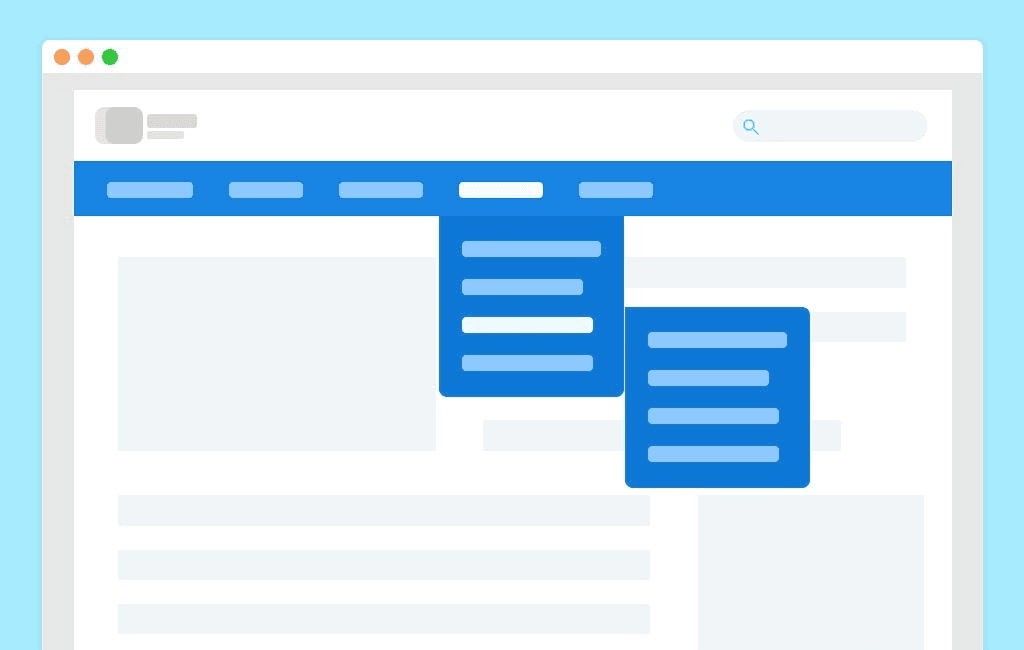
Great navigation isn’t just about the menu. It’s:
• Search that actually works - with typo-tolerance, smart autocomplete and relevant suggestions.
• Filters that make sense - size, colour, price, brand, stock level, and more.
• A clean, consistent layout - especially on mobile, where dropdowns and hidden elements often cause drop-offs.
• Speed and clarity - no more endless filter reloads or dead-end “no results found” messages.
One of the most common complaints we see in UX audits is: “I couldn’t find the thing I was looking for.”
That’s not a content issue, it’s a navigation one. And it’s costing sales.
A streamlined nav and smart filtering setup helps reduce friction, improves product discovery, and nudges customers closer to checkout - especially when your range is large or varied.
3. Trust Signals Where They Matter Most
Even if you’ve nailed UX and product range, a lack of trust will kill the sale. And the catch? Most users won’t tell you that’s why they left. They’ll just disappear.
Trust signals aren’t just about logos and payment icons; they’re about making your brand feel legit, helpful, and transparent from the moment someone lands.
Customers don’t just want to buy - they want to feel confident doing it.
What trust looks like in 2025:
• Clear shipping & returns info before checkout
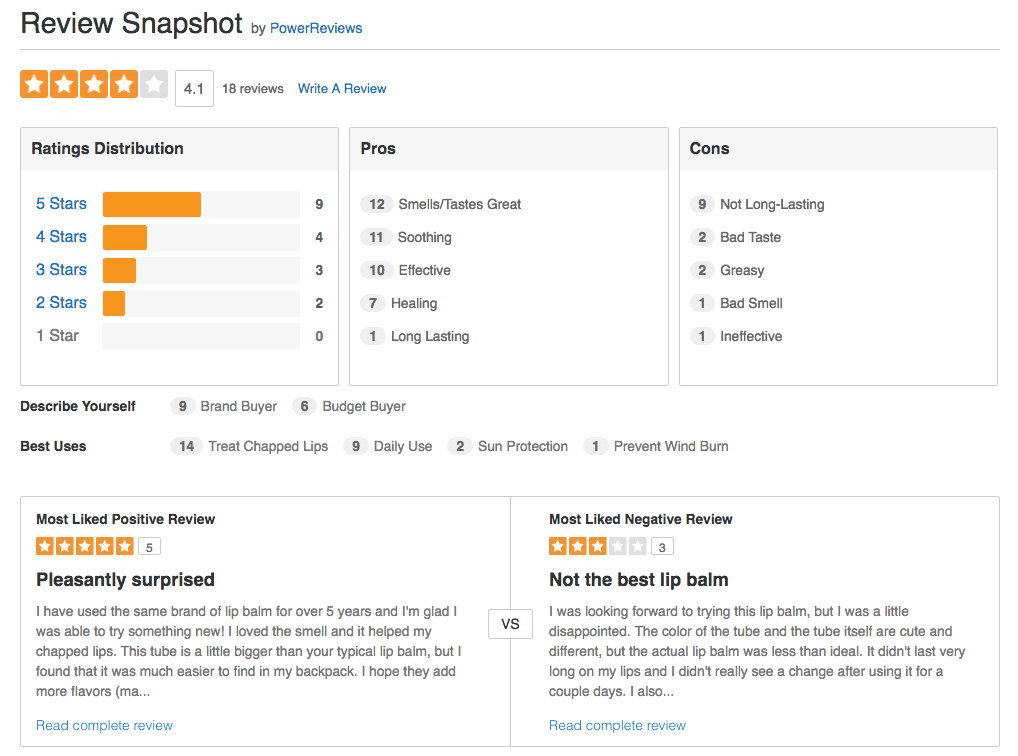
• Visible reviews and ratings right where people need them (on the product page, not buried in tabs)
• Contact details or live chat options, even if it’s just a responsive email or bot
• Badges for payment security or sustainability if relevant - but only if they’re real
98% of consumers consider reviews an essential resource when making purchase decisions, and 45% won't buy a product if there are no reviews available.
👉 PowerReviews - The Ever-Growing Power of Reviews (2023 Edition)
It’s not about tricking users into converting, it’s about giving them every reason to believe they’re in good hands. Transparent, helpful info builds trust. And trust builds conversions.
If customers are squinting for your returns policy or Googling whether you’re legit, your site isn’t doing its job.
4. Persistent, Clear Cart & Checkout UI
If customers can’t find the cart - or lose it halfway through - it’s game over.
Today’s shoppers are impatient (and rightly so). They expect online stores to behave more like apps: instant, intuitive, and always “on.” That means:
• A cart icon that’s always visible, with real-time updates
• Progressive checkout flows that don’t break when users jump tabs or log in
• A cart that remembers them – even if they leave, swap devices, or come back in a week
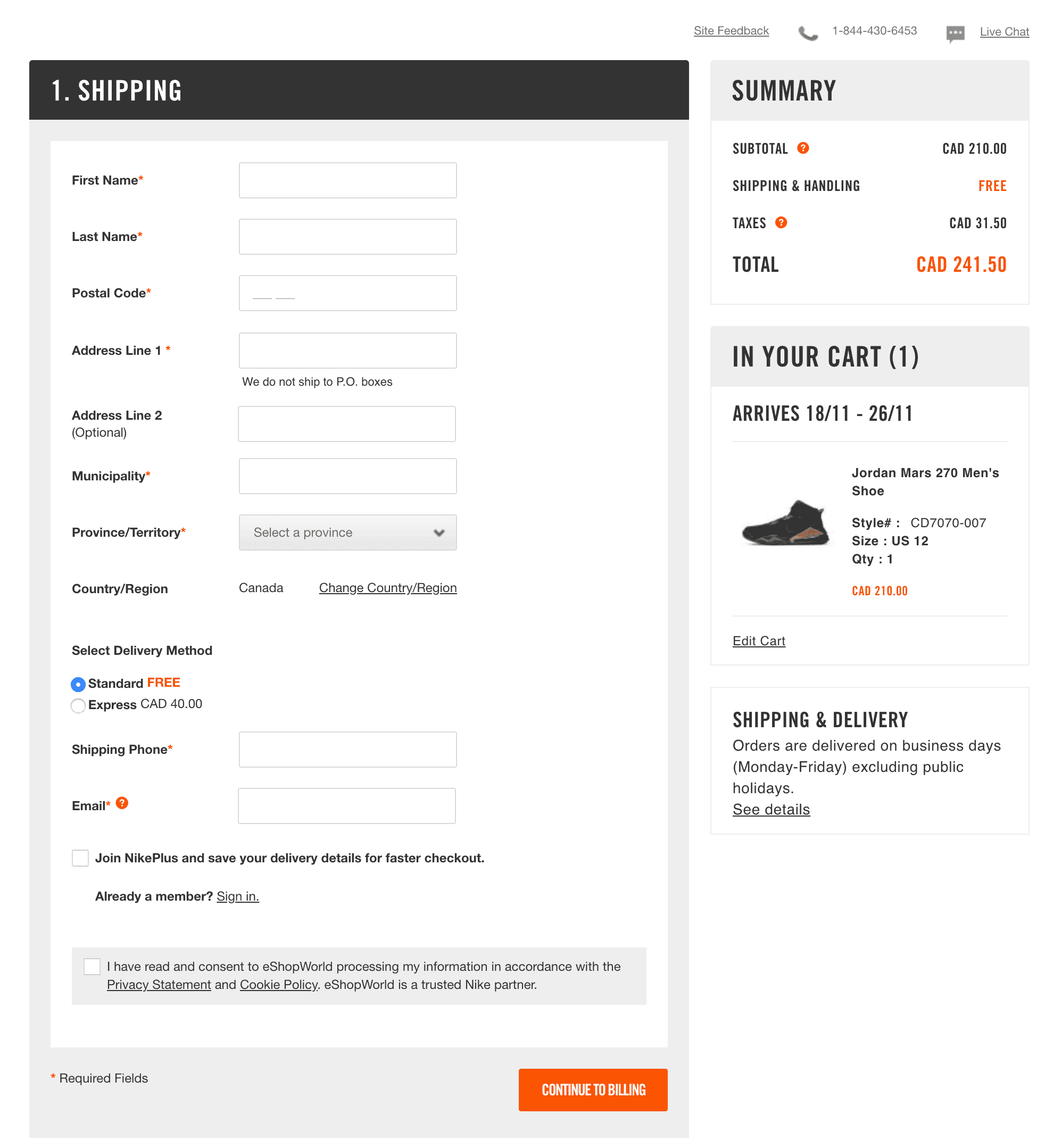
This isn’t a bonus feature anymore: it’s a baseline expectation. The average cart abandonment rate across ecommerce is 70.19%, with poor UX and surprise costs among the top causes.
The moment friction enters the process - like a login wiping out the cart, or the checkout button being hidden in a cluttered interface - customers start thinking twice.
One extra click. One missing item. One confusing field. That’s all it takes to lose the sale.
What to get right:
• Auto-save carts across sessions and devices
• Real-time updates without page reloads
• Guest checkout options with clear, simple form fields
• Checkout progress indicators (e.g., “Step 2 of 3”) to reduce drop-offs
People don’t want to wrestle with your checkout - they want to glide through it. And when it works seamlessly, they’re far more likely to come back again.
5. Live Chat or Responsive Support
In 2025, customer service isn’t just a post-sale function, it’s part of the buying journey itself. Whether it’s a quick sizing question, delivery estimate, or product comparison, today’s users expect instant clarity.
Essentially, shoppers want answers. If they can’t get them fast, they’ll go elsewhere.
That’s where live chat, smart FAQs, and responsive messaging come in. And no, it doesn’t always have to be staffed 24/7 - but it does need to work when your users need it most.
Live chat can increase sales conversion by up to 20%. More importantly, a lack of support creates doubt. And in an online world, doubt = bounce.
Think about it:
• A user’s deep in checkout but unsure about shipping time.
• Another can’t tell if a product is available in-store.
• Someone wants to know if your return policy applies to gift items.
Without real-time or near-real-time support, that friction grows. And with no one to ask? The sale is lost.
Even if they don’t use it, just seeing a live chat icon boosts trust. And when they do use it? That’s your chance to build loyalty before the first purchase is even complete.
6. Smart Recommendations and Personalisation
It's seems like an impossible thing to accomplish, but... Users don’t want to search. They want the site to know what they’re looking for.
Welcome to the era of hyper-personalised commerce where users expect their shopping experience to feel tailored, relevant, and intuitive from the second they land.
Personalisation isn’t just a bonus anymore - it’s table stakes. In fact, 71% of consumers expect companies to deliver personalised interactions, and 76% get frustrated when this doesn’t happen. We saw this last year at the Online Retailer convention in Sydney.
Why is this such a high stat? Users are overwhelmed. They’re bombarded with options and decisions. The brands that stand out are the ones that reduce friction and increase relevance at every click.
Think:
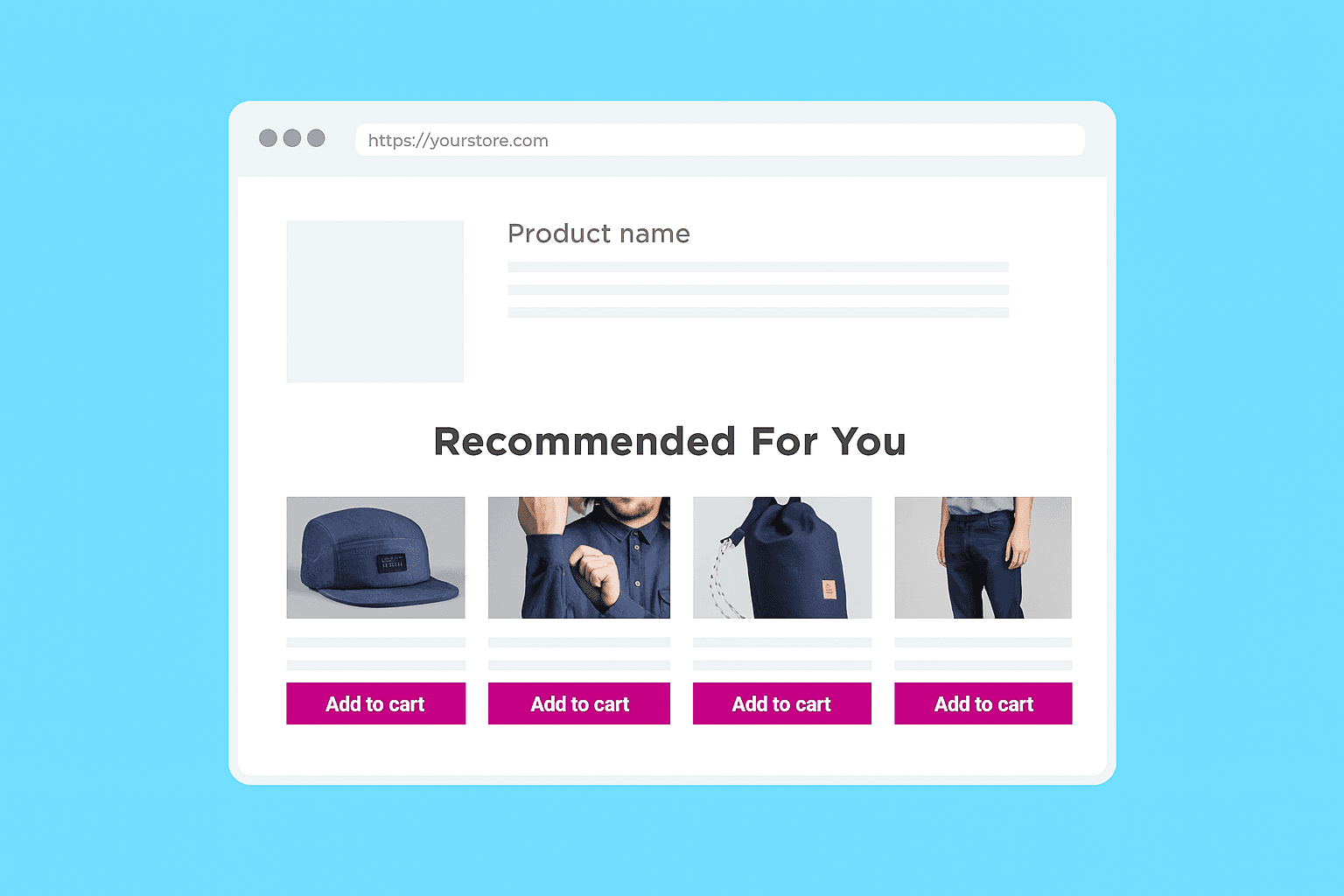
• “You might also like” cross-sells based on what’s in their cart
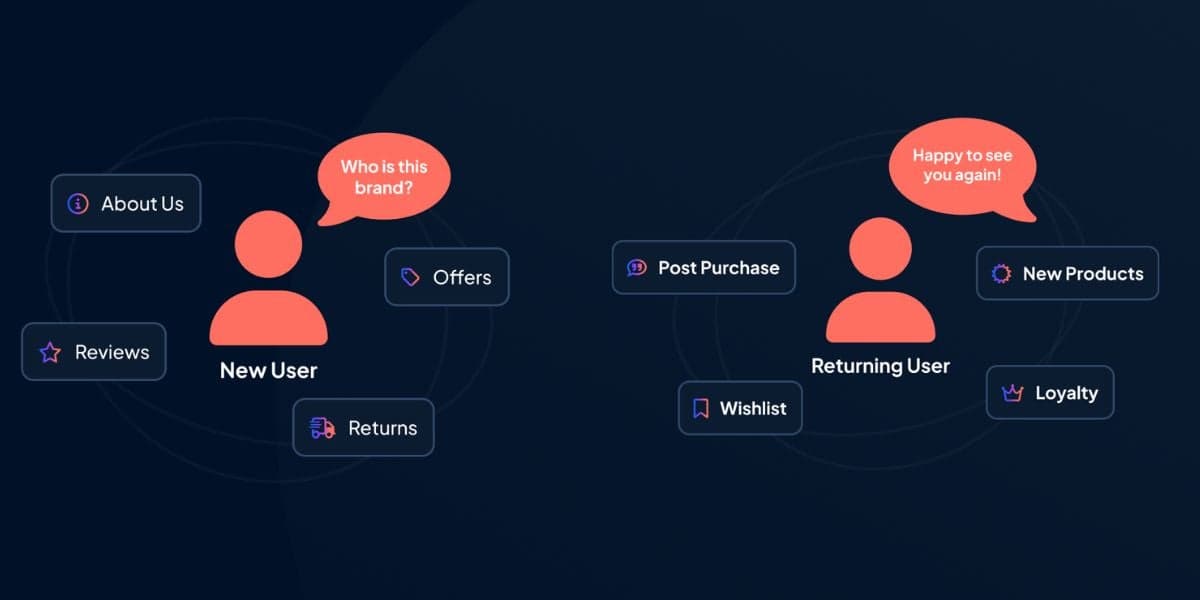
• Personalised homepages or product feeds for returning visitors
• Size recommendations based on purchase history
• Email campaigns that respond to their actual browsing behaviour
Done right, it shortens the path to purchase and makes the whole shopping experience feel smarter, simpler, and more enjoyable.
7. Loyalty Programs and Value-Driven Purchases
Loyalty isn’t just about points; it’s about purpose, perks, and personal relevance.
Today’s ecommerce shoppers want more than a good product. They’re choosing brands that reward loyalty, align with their values, and make repeat shopping feel like a smart decision, not just a habitual one.
In fact, 81% of consumers say that holding a loyalty program membership influences their likelihood of making a purchase from that brand, and 78% are more likely to shop with a brand whose loyalty program they belong to, even if a competitor is more convenient.
Why does that matter to you?
Acquisition is expensive. Retaining customers is 5x cheaper than acquiring new ones. But retention only works if your post-purchase experience gives people a reason to return.
Plus, brand switching is easier than ever. Without a meaningful hook, shoppers will jump ship for price, convenience, or novelty.
• Make loyalty benefits visible upfront - not hidden in small print
• Tie rewards to actions that matter, like reviews, referrals, or purchase frequency
• Offer more than discounts - convenience, exclusivity, and emotional value go further
• Let your brand values shine through - especially if they resonate with your audience (e.g. eco-friendly shipping, support for local makers)
8. Integrated SEO and Content Features
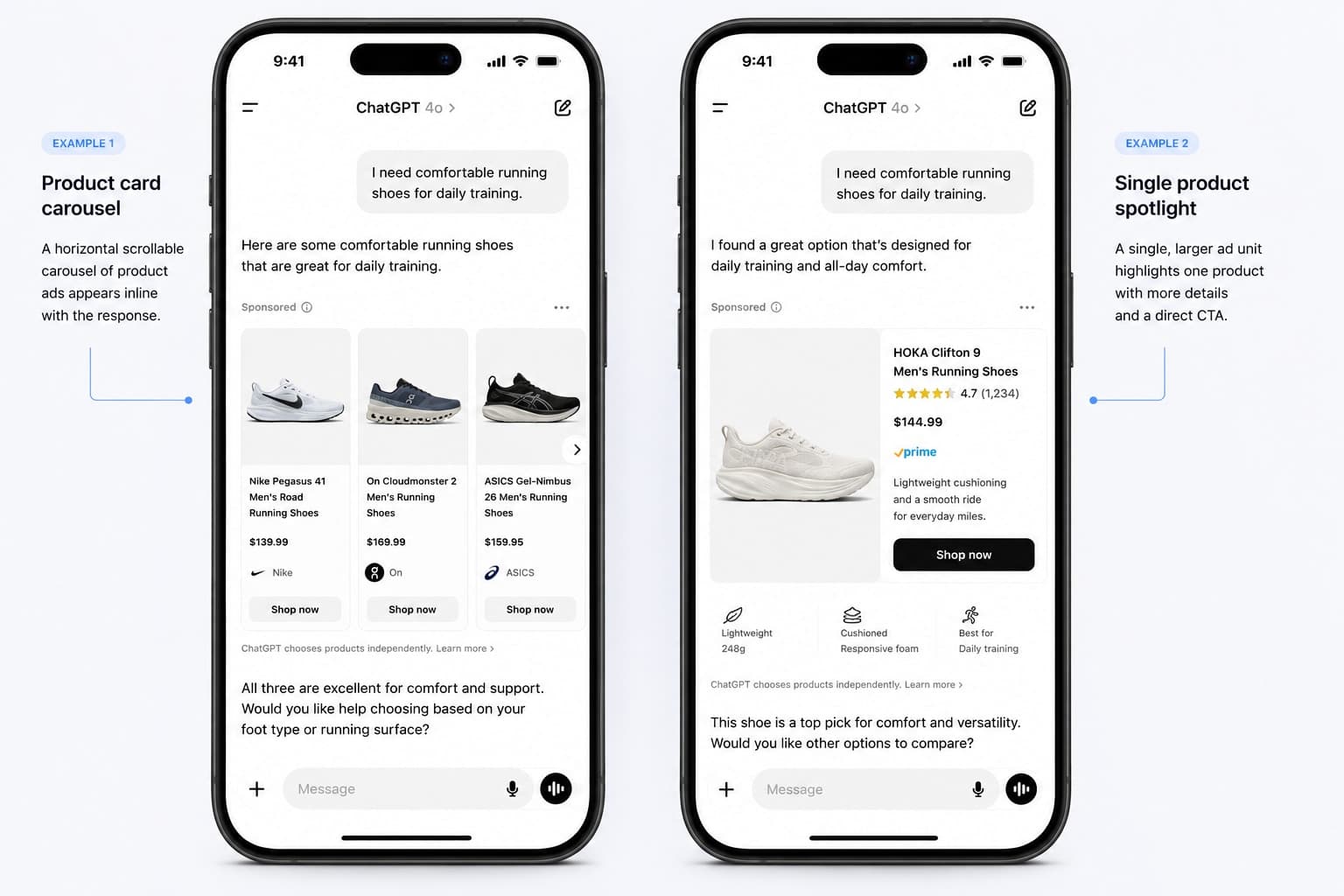
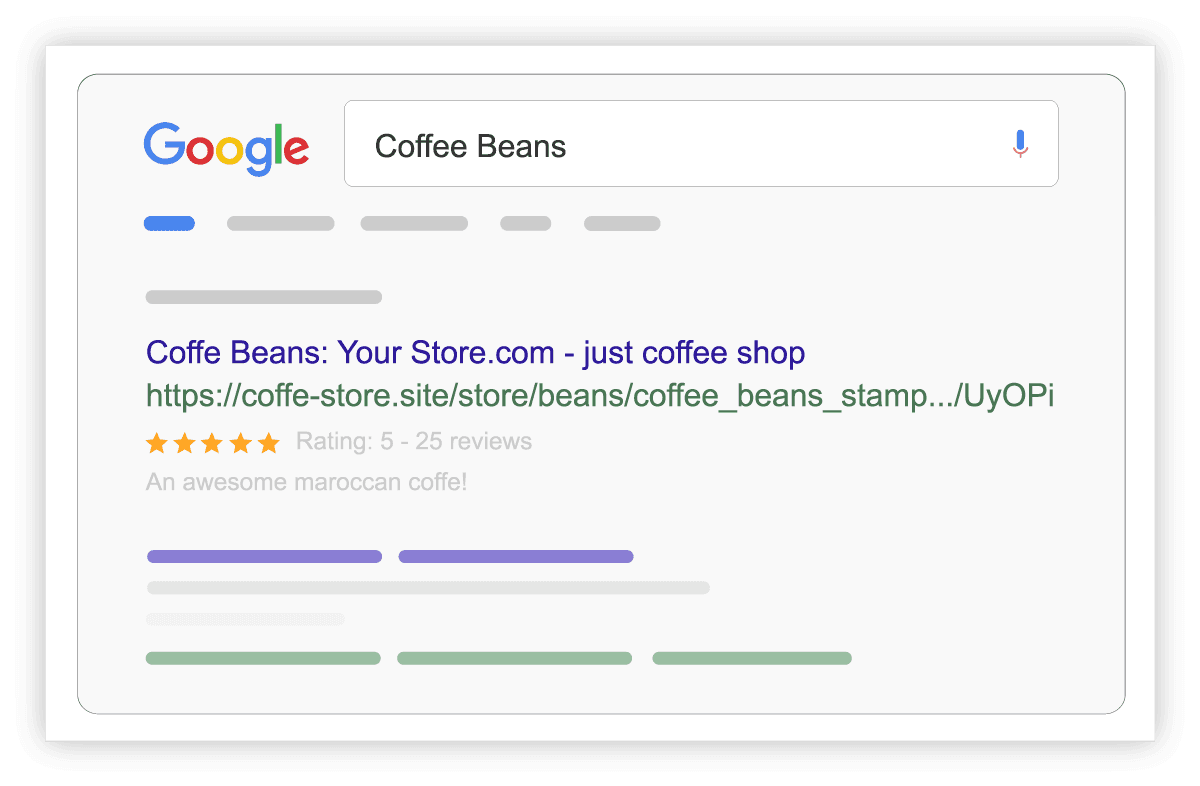
68% of online experiences start with a search engine, did you know that? So, if you’re not visible when users search... you’re not even in the running - especially now, with AI Overviews, Shopping carousels, and content-rich SERPs dominating the page.
And for ecommerce brands, especially in competitive categories, being visible when someone searches is often the difference between a browser and a buyer.
People can’t buy from you if they can’t find you. But that visibility has to be built in - not bolted on later.
That means search engine optimisation, aka SEO.
The thing is, ecommerce SEO isn’t just about chucking in keywords and calling it a day. Search engines (AI bots and shoppers) expect rich content, structured data, and technically sound experiences that load fast, feel intuitive, and speak to user intent.
What's more, being ecommerce means most shoppers won’t find you through your homepage - they’ll land on a category or product page first. If that page isn’t optimised, fast, and helpful? They’ll leave.
What to prioritise:
• Search-optimised category structures and URLs
• Unique, helpful content on PDPs and collection pages
• Schema markup for visibility in Shopping and AI-rich results
• Room for editorial content like how-to guides and seasonal roundups
• Solid technical SEO that avoids duplication, crawl issues, and thin content
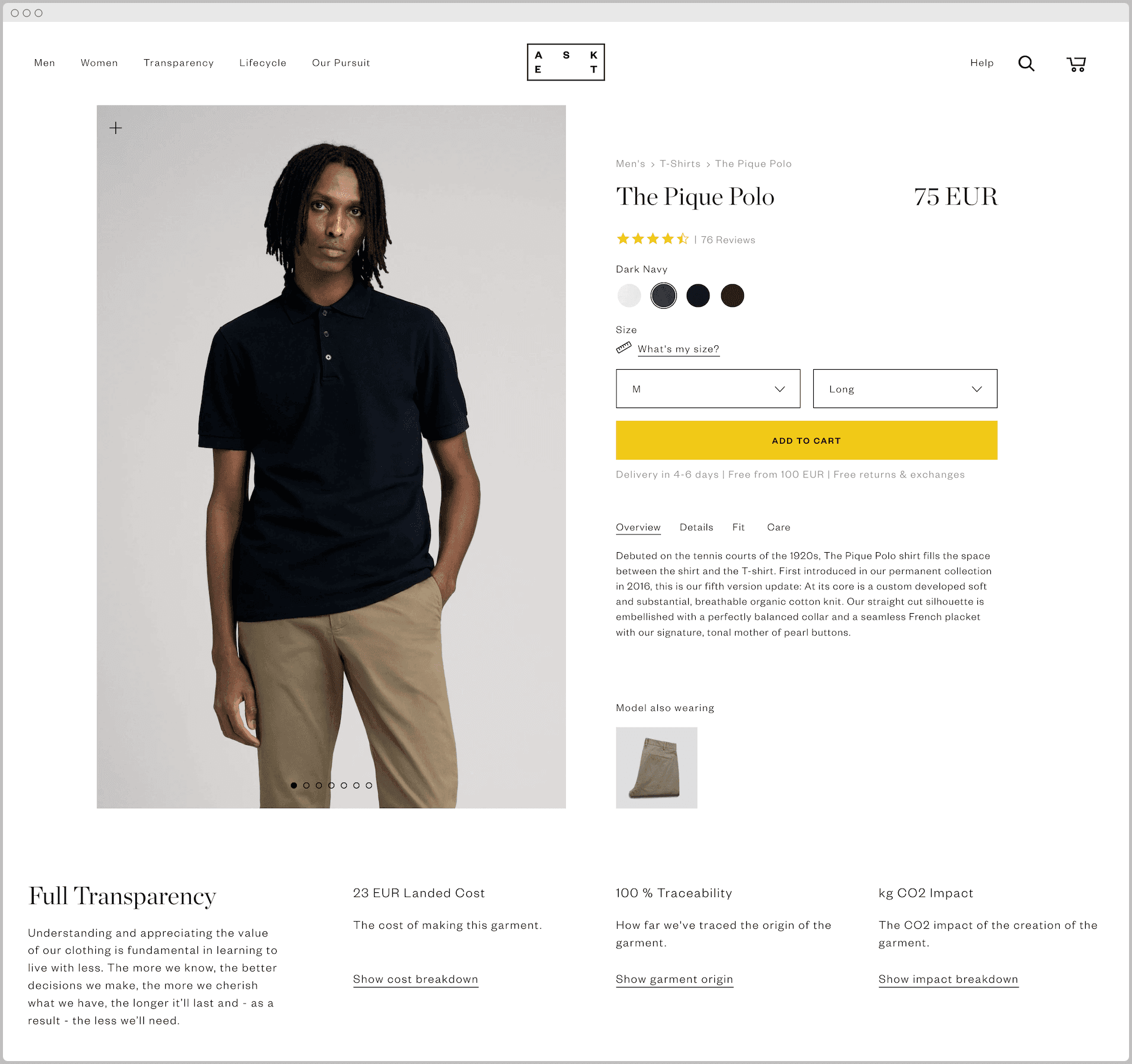
9. UX-Friendly PDPs Built to Be Landed On
Your product pages are your homepage now, so they better hold up.
With organic search, Shopping ads, social discovery and AI-powered recommendations driving traffic, most users no longer start their journey on your homepage. Instead, they land directly on a product detail page (PDP) - and decide in seconds whether to trust you, stay, or bounce.
That means every PDP needs to work harder: not just to convert, but to inform, reassure, and guide the user forward.
By treating PDPs like landing pages, not just product listings, you can convert traffic from organic search, email, and paid ads alike, especially important in competitive categories where users often compare multiple options.
What to prioritise:
• Clear, benefit-led product information (not just specs but real-world selling points)
• Helpful size/fit/help guides that reduce hesitation and cut down on returns
• Delivery and returns info, upfront and easy to find
• High-quality images and lifestyle video from multiple angles, in real use
• Social proof like reviews and ratings to boost confidence
• In-stock visibility and urgency cues (“Only 3 left!” or “Shipping from Monday”)
• Cross-sell prompts and complementary product links
• Sticky CTAs (e.g. “Add to Cart” stays visible as users scroll)
10. Seamless Experiences, Everywhere
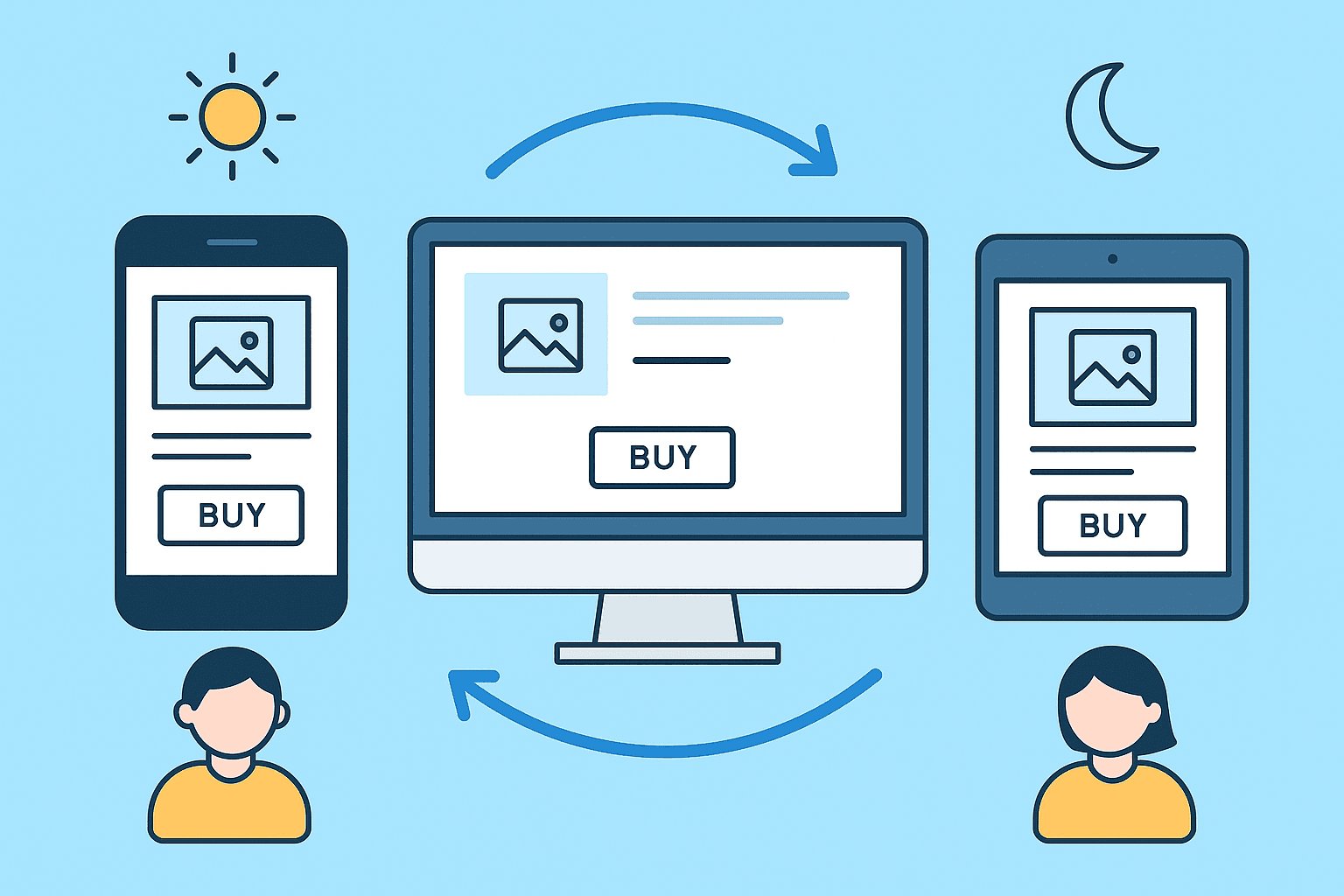
Shoppers don’t just browse on one device. They start on mobile in the morning, flick through on desktop during lunch, and maybe come back on a tablet that night. And throughout that journey, they expect one thing: consistency.
That means if they’ve added something to their cart, signed in, or browsed a few products, those actions shouldn’t disappear just because they’ve switched devices or returned a few days later.
Common frustrations that drive shoppers away:
• “I added this to my cart earlier - why is it gone?”
• → Failing to persist carts across devices or sessions can kill conversions.
• “I had to log in twice, and then it didn’t remember my address.”
• → Login loops, forgotten info, or over-complicated forms signal poor UX.
• “I found the perfect gift on my phone, but couldn’t find it again later on desktop.”
• → Lack of wishlist/favourites functionality or poor internal search creates drop-off.
• “I gave up because it was too hard to check out on mobile.”
• → Clunky mobile checkout = abandoned sales. Always.
What seamless actually looks like:
✅ Persistent carts that follow users across logins and devices
✅ Auto-saving checkout progress - so users can pick up where they left off
✅ Smart guest checkouts that don’t demand unnecessary info
✅ Wishlist/favourites tools for saving products and coming back later
✅ Live syncing across mobile, tablet, and desktop
✅ No surprise resets, no redoing steps, no lost momentum
Is Your Online Store On Par?
These 10 must-haves aren’t just features; they’re expectations. And if your site isn’t delivering, customers won’t either.
At Blackpepper, we help ambitious brands go beyond the basics. We design it. We build it. We market it. All in-house. All in sync.
So if your ecommerce store is due for a smarter, faster, more future-proof experience - we’re your team.
👉 Let’s chat about what’s next.