Backlinks vs Brand Mentions: What Authority Looks Like in 2025
24 July 2025

Roberta Johnston
SEO Lead
I'm an SEO specialist with over 8 years of experience helping brands grow through strategic, data-driven search optimisation. I've worked with large e-commerce websites and niche brands alike, developing a deep understanding of ranking algorithms, generative AI, and LLMs like ChatGPT, Perplexity AI, and Gemini. My expertise spans technical SEO, ensuring sites - whether a few dozen pages or 100,000+ - are crawled and indexed effectively.
Tags
Remember the good old days when SEO felt... simpler?
You know, when a link was just a link, and the goal was to collect 'em like trading cards. If you're still thinking that's the whole game, buckle up. The digital playground is now powered by AI, and the rules of authority are getting a seriously interesting makeover.
For years, building authority online primarily meant one thing: acquiring backlinks. These digital "votes of confidence" were the cornerstone of proving your website was a trustworthy, relevant source in Google's eyes.
But with the rapid rise of AI-powered tools like Gemini, GPT, Perplexity, and Google's very own AI Overviews, the game has fundamentally changed.
Is it still all about backlinks, or are brand mentions in the age of AI the new gold standard for online authority? (Spoiler alert: It's a bit of both, but not in the way you might think!).
Jump Ahead (because TL;DR)
- The OG Authority Builders: Backlinks were (and still are!) your website's digital "votes of confidence" in the SEO game.
- What's a Backlink Anyway? A quick refresher on why one website linking to yours has always been a big deal for credibility.
- The AI Tsunami: AI-powered search (think Gemini, GPT, AI Overviews) isn't just ranking pages; it's synthesising answers and looking for truly quotable sources.
- Backlinks Still Matter (But Differently): They're far from dead, but the focus has shifted from acquiring to genuinely earning high-quality, product-centric links.
- The New Gold Standard: AI Citations: Being cited by AI tools is the ultimate digital endorsement, even if it doesn't always lead to a direct click for e-commerce brands.
- Brand Awareness: The Ultimate Payoff: Consistent visibility across traditional and AI search builds mindshare, trust, and ultimately drives purchasing decisions and customer loyalty for your e-commerce brand.
- What Does All This Mean? Authority in 2025 is a powerful blend of earning quality backlinks and optimizing for AI citations to boost overall brand awareness.
The OG Authority Builders: Backlinks and the SEO Game
For what feels like eons in internet years, the North Star of SEO has been all about acquiring backlinks.
These digital "votes of confidence" from other websites were the bedrock. They told search engines, loud and clear, that your site was a trustworthy, relevant source.
Think of it like a popularity contest, but for websites - the more quality votes you had, the more authority Google (and the rest of the gang) traditionally bestowed upon you.
Back in the day, Google's PageRank algorithm pretty much put backlinks on the map. It wasn't just about showing up; it was about proving you were the real deal.
So, naturally, we chased guest posts, crafted killer content hoping for links, and some even dabbled in... well, let's just say "less ethical" tactics to score those precious endorsements. (Don't worry, no one's doing that anymore.)
What Exactly is a Backlink Anyway?
Before we dive deeper, let's make sure we're all speaking the same language.
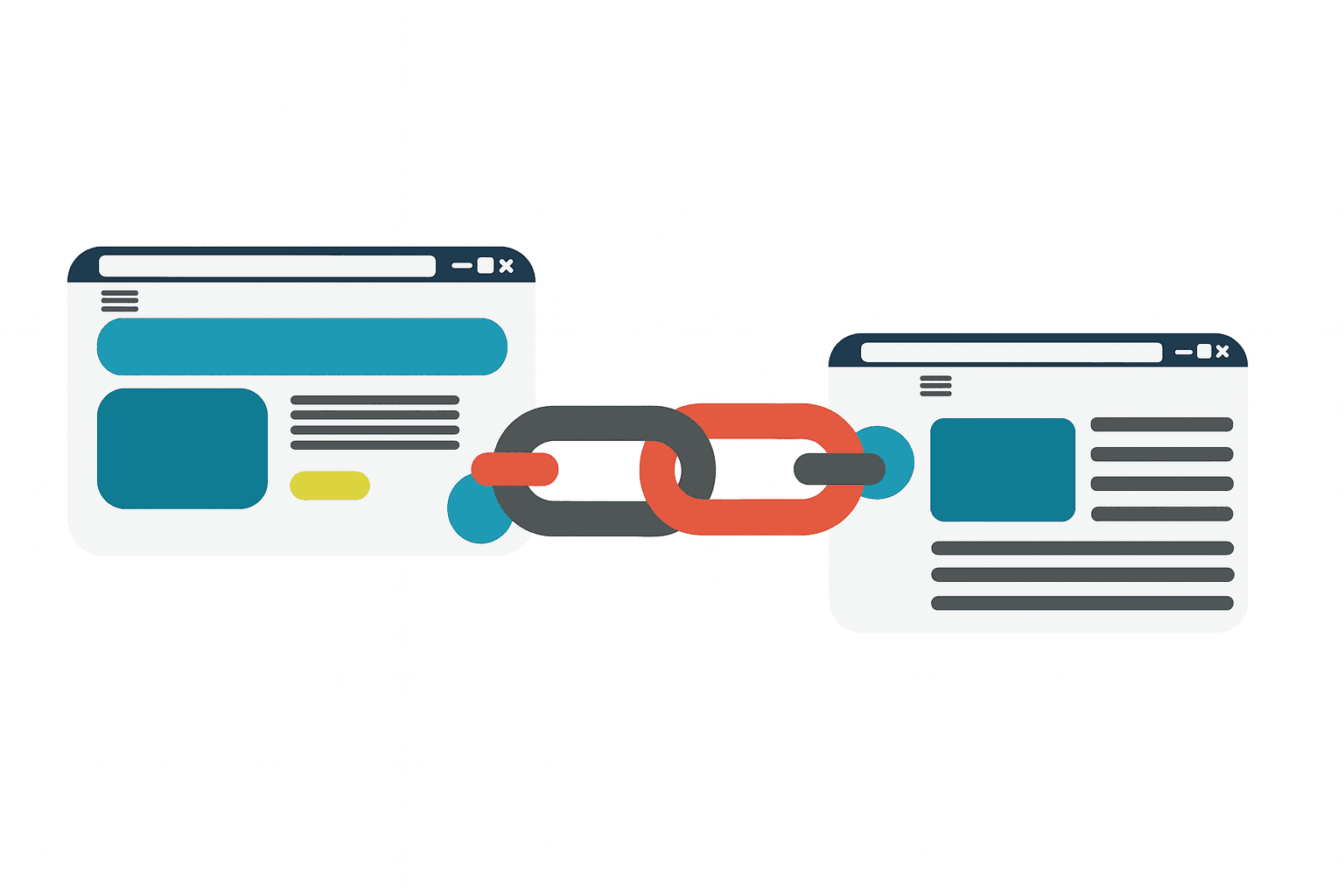
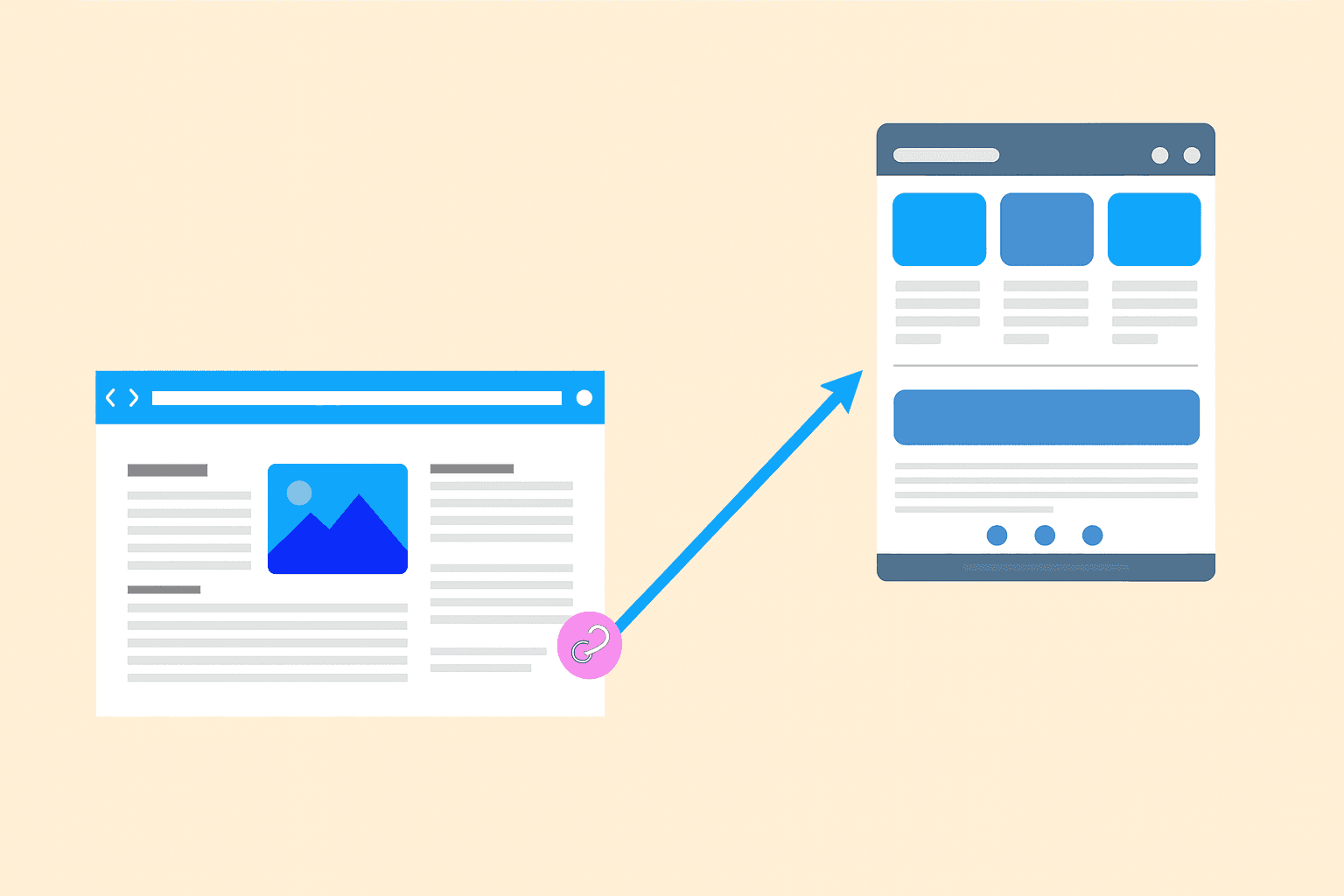
Simply put, a backlink is when one website links to another. If Blackpepper.co.nz publishes an article and includes a clickable link to, say, a cool new report on Google's AI, that link from our site to the report's site is a backlink.
In the world of SEO, these aren't just hyperlinks; they're essentially digital endorsements.
When a reputable site links to yours, it's a signal to search engines that your content is valuable, credible, and worth pointing to. Historically, the more high-quality backlinks you accumulated, the higher your site might rank in search results, building your online authority. Easy, right?
The AI Tsunami: How Authority is Shifting
Now, imagine that Google isn't just a giant librarian meticulously indexing books based on how many times they're referenced.
Instead, picture a super-smart, incredibly chatty AI assistant that reads everything, understands the nuances, and then synthesises information into direct, helpful answers.
That, my friends, is the world we're increasingly living in, thanks to the likes of Gemini, GPT, Perplexity, and Google's very own AI Overviews.
This isn't just a minor update; it's a fundamental shift. These AI powerhouses don't just "crawl" and "rank" in the old-school sense. They delve deeper. They're looking beyond simple link counts to understand context, assess expertise, and identify unique insights.
They're asking, "Who truly knows their stuff here? Who's saying something genuinely new or insightful?"
This seismic shift means the focus isn't just on technical link signals anymore. Instead, it's increasingly about creating content that AI trusts and, crucially, cites.
Your new credibility factor? It's still about earning those natural links, absolutely, but now it's equally about becoming that go-to, quotable source that AI models want to reference in their responses.
Backlinks Still Matter, But With a Nuance
After all that talk about AI, you might be thinking, "So, do I just ditch my link-building efforts and start writing manifestos for ChatGPT?"
Absolutely not! Let's be crystal clear: backlinks are not dead. Far from it.
Even in the rapidly evolving landscape of 2025, backlinks still matter significantly for traditional SEO rankings. They remain a super strong signal of trust and relevance for search algorithms like Google's.
Think of them as foundational. While AI is adding new layers to authority, the ground floor is still built on those digital endorsements. Surveys and industry data consistently show that a high-quality, relevant backlink profile continues to be a cornerstone of visibility.
However, here's the nuance: the shift isn't about whether backlinks matter, but how you get them.
The game has moved decisively from mere "acquiring" to genuinely "earning" those links naturally. It’s no longer just about the number of links you accumulate, but the genuine reason someone linked to you.
So, how do you "earn" them in today's world?
Create Irresistible, Product-Centric Content
Think beyond just selling. Develop in-depth product guides, "how-to" tutorials (e.g., "How to choose the right blender for your kitchen," "Complete guide to setting up your smart home devices"), or insightful comparison reviews that genuinely help your customers.
Content that solves a problem or provides unique value around your products attracts natural links.
Leverage Digital PR for Product Features
Get your products mentioned and linked to in reputable online publications, gift guides, "best of" lists, and influencer reviews. This involves proactive outreach to journalists and bloggers who cover your niche.
For example, if you sell sustainable fashion, aim for features in eco-conscious lifestyle blogs or news outlets.
Collaborate and Partner Smartly
Work with complementary businesses, influencers, or affiliates in your niche. A joint campaign, a featured product in an influencer's review, or an affiliate partnership can naturally lead to high-quality, contextual backlinks.
Offer Unique Data or Tools
If your ecommerce brand collects unique data (e.g., "Top 2025 Ecommerce Trends for X Product Category" based on your sales data) or offers a valuable free tool (like a size calculator or product configurator), others will be keen to reference and link to it.
Engage with Industry Resources
Look for "resource pages" or "roundup posts" in your industry ("best [product type] of 2025," "[niche] tools list") and politely suggest your relevant product or guide for inclusion.
In essence, it’s about making your products and associated content so good, so authoritative, and so genuinely helpful that others want to link to it because it adds value for their own audience.
The New Gold Standard: AI Citations and Brand Mentions
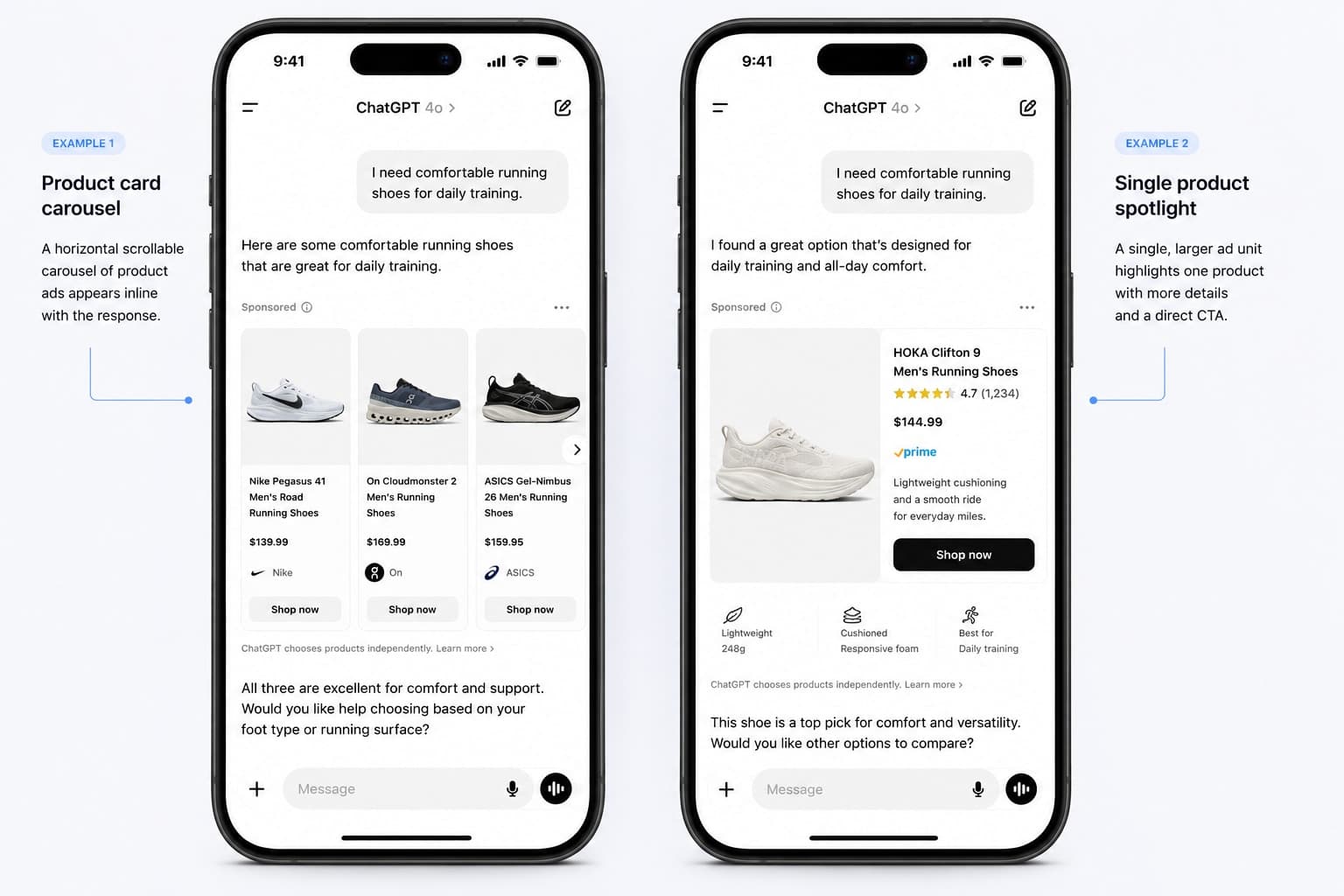
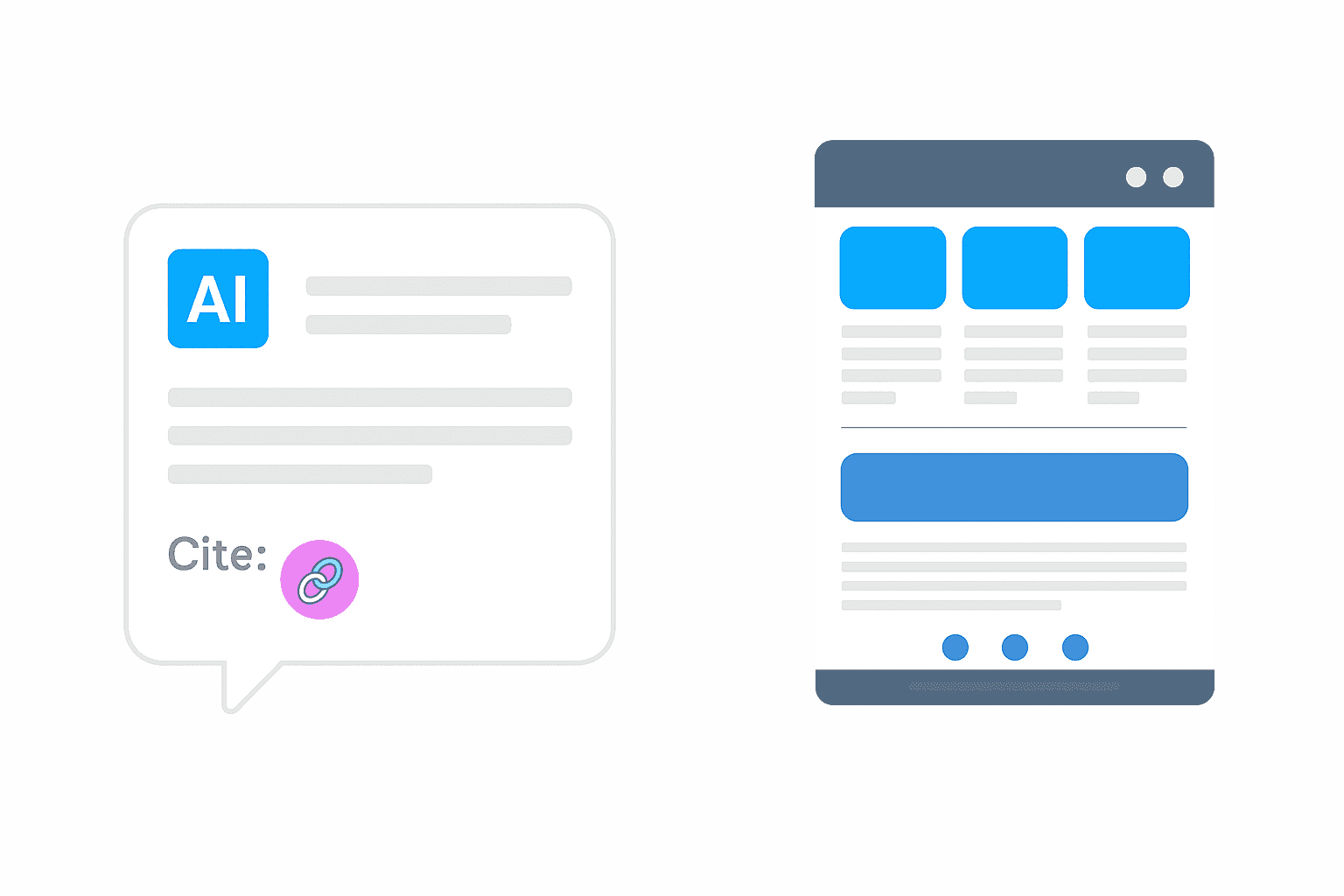
With the rise of AI-powered search, the concept of "visibility" isn't just about ranking #1 anymore. It's about being the trusted source that AI tools like Gemini, GPT, Perplexity, and Google's AI Overviews choose to cite.
Being mentioned in generative responses is fast becoming the new gold standard for authority.
Why are AI citations the big deal for ecommerce? Because these AI powerhouses don't just "crawl" and "rank" web pages. They synthesise answers, often drawing on multiple sources to provide a direct, concise response to a user's query.
They're looking for content that's factual, clear, easy to understand, and - crucially for ecommerce - rich in unique, product-centric information.
Studies show that product-related content, especially in-depth comparisons, specifications, and reviews, is frequently cited by AI.
This means being cited by AI tools should be a HUGE focus for your brand right now.
It's the ultimate "digital endorsement" in the AI era. These models prefer authoritative domains and, importantly, they heavily reference "earned" third-party content - comprehensive product reviews on reputable sites, mentions in expert roundups, or unique data presented in a clear format.
Optimising for AI Citations
So, how do you make your ecommerce content AI-citation-ready?
Welcome to the world of Generative Engine Optimisation (GEO). It’s all about helping AI understand and trust your valuable product information:
Be Specific and Direct
AI loves concise, self-contained answers.
Structure your product descriptions, FAQs, and guides to answer common questions directly and clearly. Think "Will this fit in a car cup holder?" or "Is this blender dishwasher safe?"
Leverage Structured Data (Schema Markup)
This is non-negotiable. Use Product schema to tag your item name, brand, description, price, and availability. Use Review schema for ratings and customer feedback, and FAQPage schema for those rapid-fire Q&A sections on product pages. This "speaks" directly to AI.
Showcase High-Quality Visuals with Alt Text
AI is getting smarter with image understanding - just look at Google Lens. Ensure you have multiple product angles, lifestyle shots, and close-ups. Crucially, every image needs descriptive alt text (e.g., "red insulated stainless steel water bottle for hiking") so AI can understand what's in the image and its relevance.
Prioritise Reviews and UGC
Real customer reviews and user-generated content (UGC) are gold. Not only do they build trust with human shoppers, but AI models also heavily factor them into their synthesis. Make sure reviews are prominent on product pages and tagged with schema.
Create "Citable" Content
Beyond product pages, think about blog posts that compare products, offer buying guides, or explain uses. Break down information into short, focused paragraphs, bullet points, and clear headings (H2, H3) that make it easy for AI to extract specific passages.
Focus on E-E-A-T (Experience, Expertise, Authoritativeness, Trustworthiness)
While traditionally for human content, AI also prioritises sources that demonstrate genuine authority. For ecommerce, this means showcasing expert reviews, product certifications, strong customer service policies, and clear brand information.
Brand Awareness: The Ultimate Authority Payoff
Alright, let's connect the dots. All this talk about backlinks and, especially, those shiny new AI citations ultimately funnels into one powerhouse outcome for your ecommerce brand: brand awareness.
Think about it: when your brand is consistently seen, cited, and referenced - whether it's by a human blogger or an AI assistant - you build something invaluable: mindshare.
This isn't just a fluffy marketing term; it's the absolutely crucial first step in every consumer's purchasing decision.
Why Awareness Wins the Race for Ecommerce
The Trust Factor
In a crowded online marketplace (and it gets more crowded by the day), consumers gravitate towards brands they know and trust. Seeing your brand pop up in an AI Overview, or being linked from a reputable review site, instills that vital sense of credibility. It gives your products a massive "head start" even before a click.
Familiarity Breeds Sales
High brand awareness means your brand is top-of-mind. When a potential customer needs a new [product category your brand sells], they're far more likely to recall and seek out your brand over an unknown competitor.
This familiarity influences purchase intention, even if an AI Overview didn't deliver an immediate click – that exposure built a powerful connection.
The Loyalty Loop
Brands with strong awareness often cultivate deeper customer loyalty and drive repeat purchases. Known brands are perceived as less risky, leading to more confident buying decisions and a higher Customer Lifetime Value (CLV) over time.
Beyond the Click: Evolving Your Ecommerce KPIs
This new landscape means that fixating solely on website traffic or individual clicks from a specific source is no longer enough.
Your success metrics need to evolve to capture this broader influence.
For ecommerce brands in 2025, look beyond immediate conversions to these strategic KPIs:
- Branded Search Volume: How many people are actively searching for your brand name or specific products? An increase here directly signals growing awareness and demand.
- Direct Traffic: Users who type your URL directly or use a bookmark. This indicates strong brand recall and a direct intent to visit your store.
- Social Mentions & Share of Voice (SOV): Are people talking about your brand on social media, forums, or review sites? How much of the conversation in your niche are you dominating compared to competitors? (And importantly, what's the sentiment of those mentions?)
- Customer Acquisition Cost (CAC): Strong brand awareness can actually reduce your CAC over time. When customers already know and trust you, you spend less to convince them to convert.
- Customer Lifetime Value (CLV): This is the holy grail. Loyal customers, fostered by strong brand awareness, lead to higher CLV - the total revenue a customer is expected to generate throughout their relationship with your brand.
- Brand Surveys: Don't underestimate direct feedback! Regularly survey your target audience to gauge unprompted brand recall ("Name a [product type] brand") and prompted recognition ("Do you recognise [Your Brand Name]?").
Brand awareness is the ultimate authority payoff because it funnels into customer trust, loyalty, and ultimately, sustainable revenue growth for your business.
It's about playing the long game, establishing your brand as an undeniable force in the market.
What Does All This Mean?
It's clear that brand authority is no longer a singular pursuit, confined to just accumulating backlinks. Instead, it's a powerful, dual-pronged strategy that embraces both the tried-and-true and the cutting-edge.
Your mission is two-fold: Continue to build a strong, high-quality backlink profile through genuine content, valuable products, and strategic relationships. But equally, and crucially, focus on becoming an undeniable, quotable source for the rapidly evolving world of AI-powered search.
This means optimising your product content, FAQs, and guides to be easily understood, trusted, and cited by AI models.
If you're ready to navigate this new authority landscape and make your ecommerce brand impossible for AI (and humans!) to ignore, let's chat about future-proofing your holistic SEO and GEO strategy today!