Blackpepper's 2025 Ecommerce Predictions
1 February 2025

Roberta Johnston
SEO Lead
I'm an SEO specialist with over 8 years of experience helping brands grow through strategic, data-driven search optimisation. I've worked with large e-commerce websites and niche brands alike, developing a deep understanding of ranking algorithms, generative AI, and LLMs like ChatGPT, Perplexity AI, and Gemini. My expertise spans technical SEO, ensuring sites - whether a few dozen pages or 100,000+ - are crawled and indexed effectively.
Tags
Ecommerce is on the brink of yet another transformative year.
With global ecommerce expected to exceed US $7.5 trillion in sales by 2025 - this year! - the stakes for online retailers have never been higher. Brands that fail to evolve risk being left behind in a landscape defined by fierce competition, changing consumer behaviours, and rapid technological advancements.
Is your business keeping up?
At Blackpepper, we’ve been reflecting on the trends, challenges, and opportunities shaping the ecommerce industry. In this blog, we’re diving into our predictions for 2025, informed by years of experience and conversations with leaders across retail and ecommerce.
From AI-driven personalisation to the growing importance of "search everywhere optimisation", these insights are designed to help businesses like yours prepare for and navigate the year ahead.
PS: This post is pretty long...Prefer a quick look at something specific? Jump ahead 👇🏼
- What Did We Learn in 2024?
- What Does All This Mean?!
- Our Predictions for 2025
- Brand Building as a Primary Focus
- Social Commerce is Still on the Rise
- Search Engine Visibility Still Matters. A Lot
- Take Up as Much SERP Real Estate as Possible
- Mix Up Your Marketing
- …But It’s Not Just Your Marketing
- Why Your Tech Stack Matters
- User Experience (UX) is VITAL
- Master Visual Assets & On-Site Personalisation
- Intuitive Navigation & Seamless Experiences are a Must
- Don’t Just Invest in Marketing in 2025 – Invest in Marketing Partners
- The Future of Ecommerce in 2025
What Did We Learn in 2024?
2024 taught us a lot about adaptability in ecommerce. From the rise of hyper-personalisation to the way consumers search and shop, it was a year of eye-opening shifts for online retailers.
Here’s what stood out the most.
Personalisation Became Non-Negotiable
In 2024, personalisation wasn’t just a “nice-to-have” - it became an absolute must.
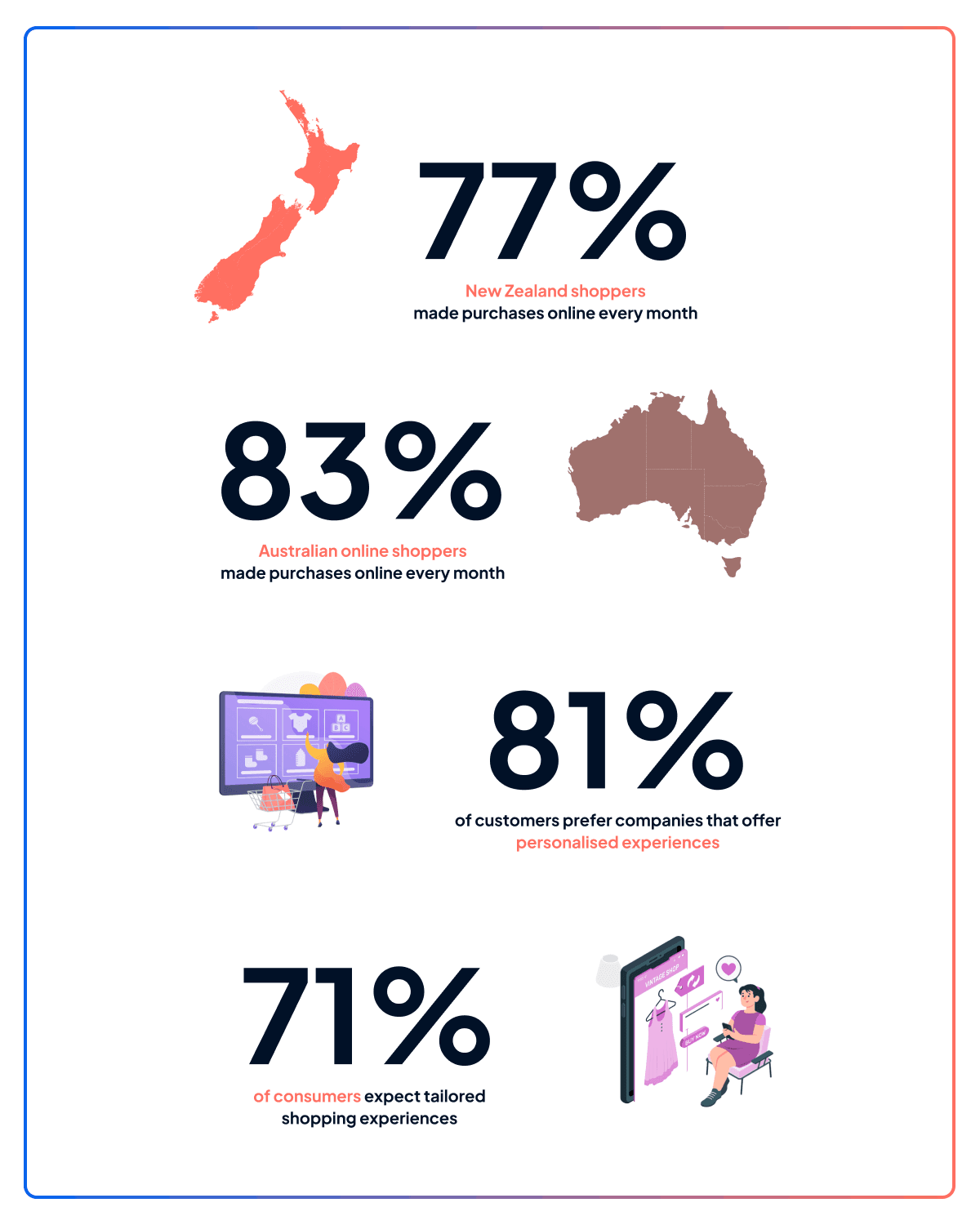
With 53% of Australian shoppers saying they’d jump ship to another brand if their digital experience didn’t hit the mark, it’s clear the stakes are high. And when you think about how 83% of Aussies and 77% of Kiwis were shopping online every month, there’s no room for a “one-size-fits-all” approach anymore.
The Retail Innovation Conference & Expo our team attended last year put it perfectly: personalisation and AI are the secret sauce for staying competitive in today’s rapidly evolving ecommerce world.
Customers want to feel seen, heard, and catered to - whether it’s through tailored product recommendations, personalised search results, or ads that actually make sense for them.
Why does it matter so much? Because 81% of customers prefer brands that go the extra mile to offer a personalised experience. It’s not just about selling products; it’s about making your customers feel valued.
And here’s the kicker: the brands that nailed this in 2024 weren’t just building customer loyalty - they were boosting their sales, too.
For businesses here in NZ and Australia, personalisation is a game-changer. It’s how you cut through the noise, build real connections with your audience, and ultimately keep them coming back for more.
If you’re not tailoring the experience for your customers, someone else will - and they’ll happily take your customers with them.
Search Habits Are Changing
Remember when Google was the starting point for shopping? Well, times have changed.
In 2024, we saw a massive shift in how people discover brands and products - and social media platforms were at the heart of it. For younger audiences, especially Gen Z, platforms like TikTok, Instagram, and YouTube became the go-to places to find what they’re after.
In fact, 24% of Aussies now say social media is where they first stumble upon new products, though global stats put this figure even higher for both the discovery and research phases of the shopping journey.
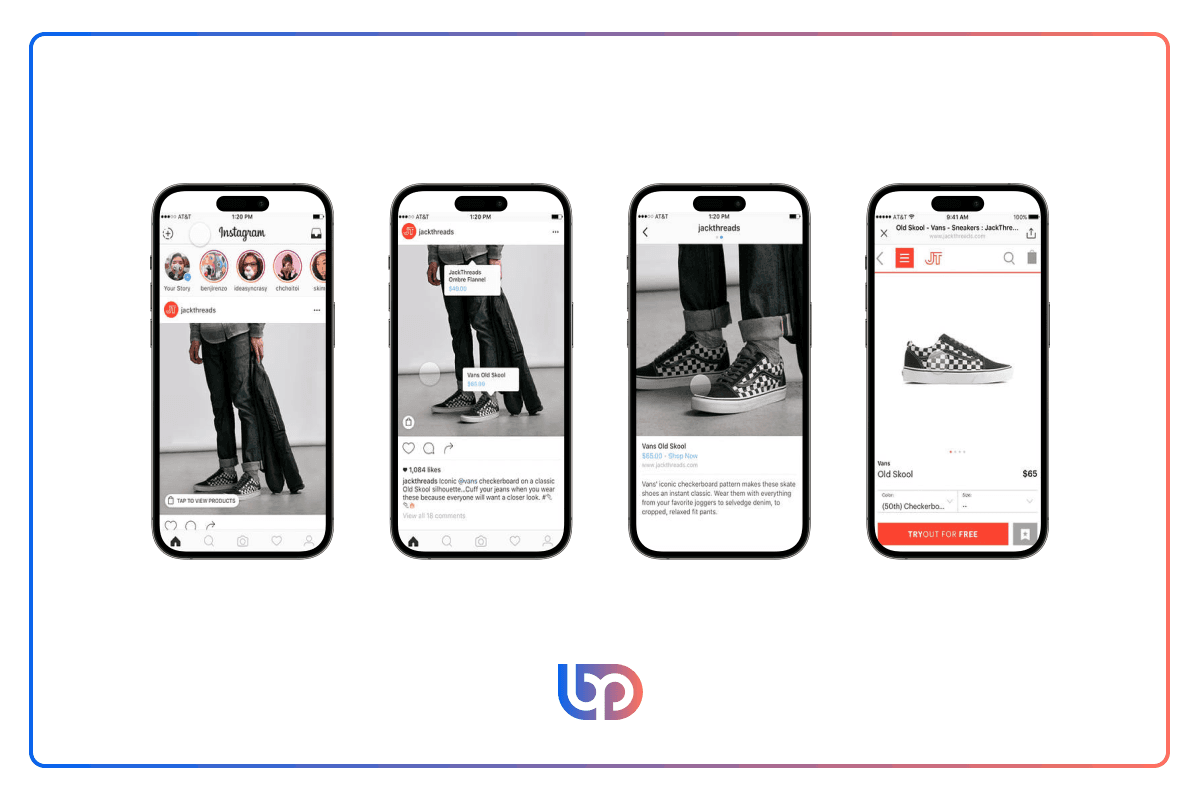
It’s no longer just about posting pretty pictures; it’s about creating a seamless discovery-to-purchase journey right there in the app.
But this shift isn’t just happening on social media. The way users interact with on-site search has evolved too - in fact, 43% of users go straight to the search bar!
People are getting smarter and more specific about what they’re looking for, often skipping the homepage entirely to type their queries straight into the search bar.
We’ve seen this firsthand. Using our proprietary platform, Cody, we developed powerful on-site search tools to help brands capitalise on this behaviour, delivering relevant results faster and turning searches into sales.
AI has played a big role here as well. Platforms like Google rolled out AI Overviews, reshaping search results with smarter, more personalised recommendations - and other search engines are following suite.
This isn’t just a trend; it’s the new normal. For businesses in NZ and Australia, staying ahead means embracing these changes, meeting customers where they’re searching, and investing in tools that make discovery seamless.
Whether it’s social media, on-site search, or AI-powered engines, the brands that thrive are the ones making it easy for their audience to find - and fall in love with - their products.
AI Took the Wheel
Artificial intelligence didn’t just make waves in 2024 - it completely transformed ecommerce experiences. From smarter search results to hyper-personalised shopping journeys, AI worked behind the scenes to make online shopping faster, easier, and more engaging for customers.
One standout shift was how AI-powered tools completely changed traditional product discovery. AI-driven search capabilities became more intuitive, helping shoppers find exactly what they were after with fewer clicks.
Platforms like Google integrated AI-powered overviews, making it easier for users to get the information they needed at a glance - though this also led to zero-click searches, which accounted for nearly 65% of all searches last year. This shift challenged brands to rethink their strategies for pulling in traffic and converting browsers into buyers.
AI also reshaped how ecommerce sites delivered personalised experiences. On-site recommendations became sharper, offering shoppers tailored suggestions based on their browsing habits and purchase history.
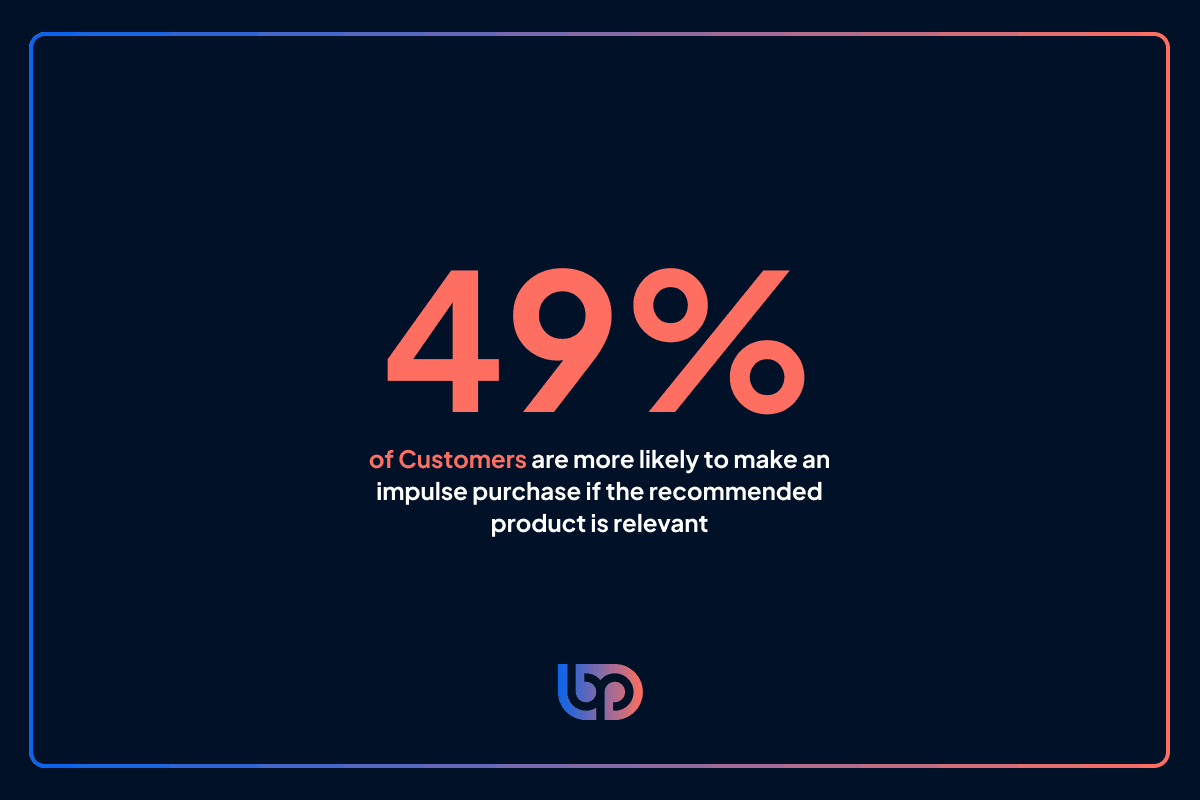
According to a recent study, 49% of customers said they were more likely to make impulse purchases when recommendations felt relevant - a testament to how impactful AI-driven personalisation can be.
In terms of customer service, AI chatbots took things to the next level. Tools powered by generative AI resolved customer queries faster, with an 85% accuracy rate. This gave businesses the dual advantage of keeping shoppers happy while reducing operational costs.
But perhaps the biggest win for shoppers was the rise of AI-enhanced visuals. From virtual try-ons to product visualisation, AI made it easier for customers to feel confident in their purchases. With most shoppers saying they trust images over product descriptions, these tools bridged the gap between digital and in-store experiences.
As AI continues to evolve, one thing’s clear: it’s not just transforming ecommerce - it’s shaping the future of how your customers shop.
AI's Use on Mobile Devices
2024 marked a turning point in the way AI became part of our everyday lives - right at our fingertips.
With tools like Apple’s ChatGPT-powered AI assistants and Google’s Gemini AI, smartphones became more than just devices; they became personal AI hubs, helping users navigate everything from simple tasks to complex queries.
For Apple users, Apple Intelligence seamlessly integrated ChatGPT into iOS 18.1 or later devices, making advanced AI-powered tools intuitive and accessible. Need an instant summary of a meeting, tailored recommendations, or quick search answers? Your iPhone’s got you covered.
On the Android side, Google’s Gemini AI assistant stepped up with multitasking capabilities that let users interact across apps in a single prompt. Think context-aware replies, smarter notifications, and multitasking made effortless.
This partnership between AI tools and smartphone giants has fundamentally shifted how people access information. Traditional search engines are no longer the first stop for answers - AI assistants are. Tools like ChatGPT are now household names, with user adoption growing faster than nearly any tech platform in history.
Here’s the kicker: these AI assistants rely on search engine indexes and large language models (LLMs). If your website isn’t optimised and AI-friendly, you’re at risk of falling off the radar.
Structured data, high-quality content, and SEO tailored to AI-driven SERPs are now more crucial than ever to ensure your site is visible, relevant, and part of the conversation.
As AI tools like ChatGPT and Gemini continue to change how customers search and shop, they’re also reshaping what it means to build a successful brand.
It’s no longer enough to just be visible - you need to be memorable, trustworthy, and aligned with customer values. That’s where brand awareness becomes your biggest asset.
Brand Awareness Is More Important Than Ever
If there’s one thing last year hammered home, it’s this: brand awareness is the foundation of ecommerce success.
Why? Because it’s far easier - and more cost-effective - to have customers seek you out than to spend time and money chasing them. In 2024, 77% of consumers said they were more likely to purchase from brands they recognised, proving that awareness directly impacts buying decisions.
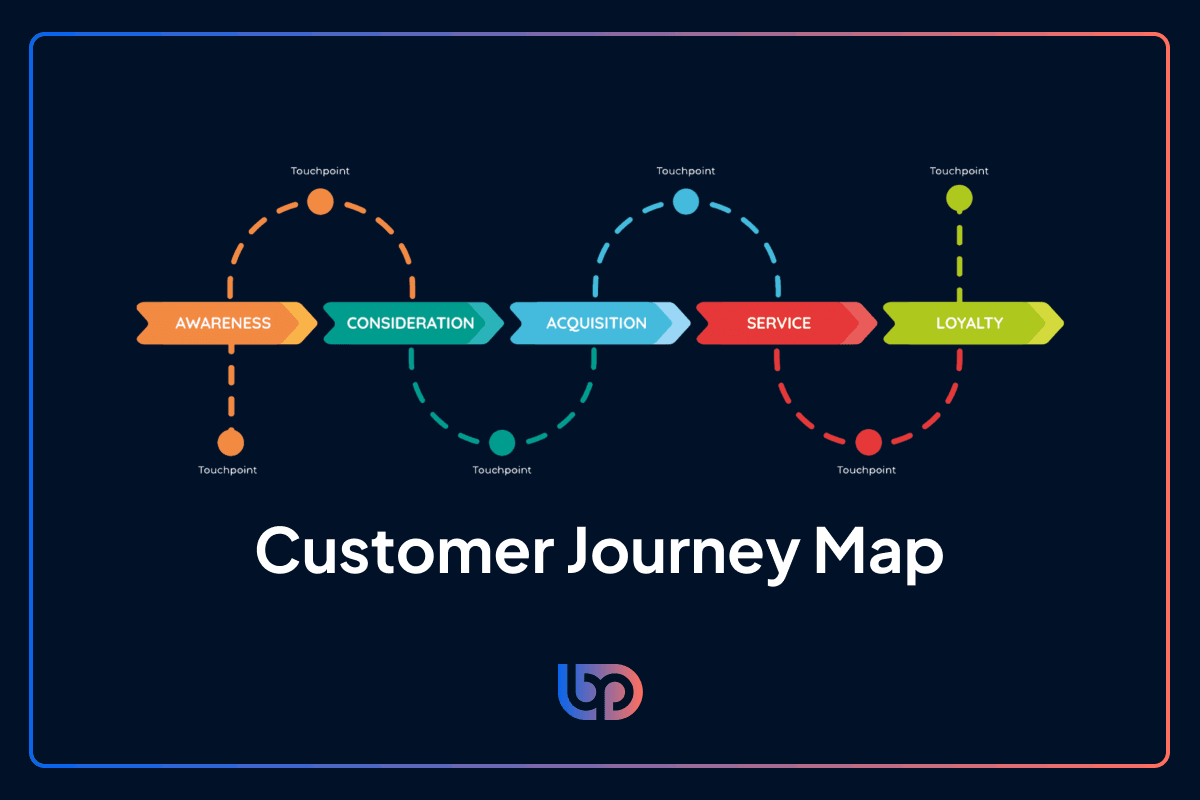
With customer journeys becoming increasingly complex, spanning multiple touchpoints across social media, search engines, and even physical stores, visibility is everything.
Research shows that 70% of Gen Z shoppers use Instagram and TikTok as their primary discovery platforms. If your branding isn’t strong and consistent across these channels, you risk losing out to competitors who’ve mastered their omnichannel game.
But here’s the catch: visibility alone won’t cut it anymore. Today’s consumers are savvier, with 80% admitting they compare prices, read reviews, and consider ethical factors like sustainability before committing to a purchase.
This is why leading brands are doubling down on value-adds, like loyalty programs, transparent communication, and social responsibility initiatives.
In 2024, businesses that leaned into authentic, omnichannel branding saw the rewards in traffic and sales growth.
For 2025, the lesson is clear: focus on creating memorable, value-driven branding and experiences that resonates with customers - and they’ll keep coming back for more.
The SMB Struggle Against Retail Giants
For small-to-medium businesses, 2024 was tough. Competing with global giants like Temu and Shein was a monumental challenge.
These players not only offer unbeatable variety and aggressive pricing, but they’re also supported by massive international shipping networks that smaller businesses simply can’t match. Add to that Google seemingly favouring big brands in search rankings, and SMBs found themselves fighting an uphill battle to stay relevant and visible.
It’s not all doom and gloom, though. SMBs that leaned into authenticity, community support, and hyper-local marketing found ways to carve out their niche amidst the noise.
Major Legal Cases Could Reshape Ecommerce
Big tech was under the microscope in 2024, with Google facing off against the DOJ in a court case that could have ripple effects across the entire online infrastructure.
Why? Because Google’s Chromium framework doesn’t just power Chrome - it underpins browsers like Edge, Brave, and Firefox too. Any changes to Google’s dominance could reshape how businesses approach marketing and customer engagement.
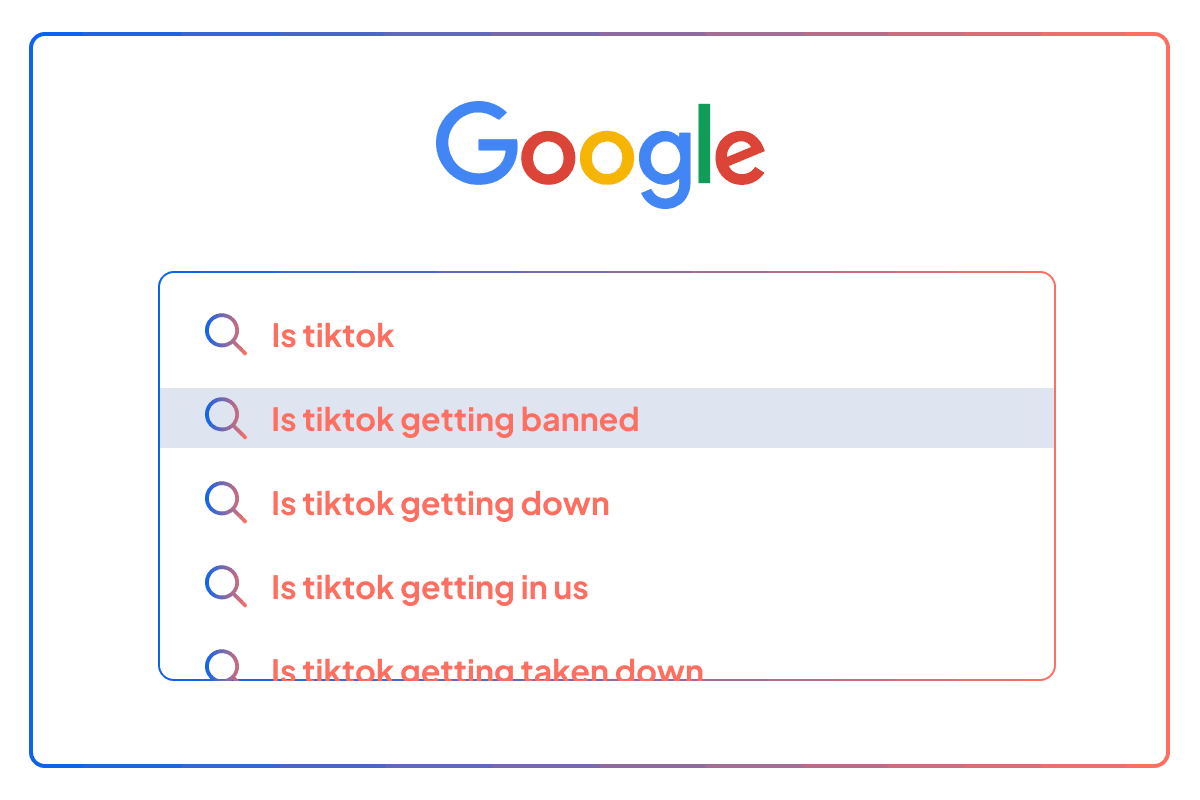
Add to that the ongoing case against TikTok in the US, and it’s clear that government actions and external mediators are becoming powerful players in the marketing world. It’s also a big reason why diversifying your marketing mix is critical.
Whether it’s experimenting with platforms like SearchGPT, investing in TikTok and Meta, or exploring niche channels, businesses can’t afford to put all their eggs in one basket anymore.
The Death of Third-Party Cookies
If 2023 saw the writing on the wall, 2024 made it official: third-party cookies are on their way out.
This has been a major shift for marketers, forcing brands to rethink how they obtain and use user data. First-party data strategies, stronger CRM systems, and ethical data collection became top priorities for businesses that wanted to keep up.
Gen Z Changed the Game
Finally, let’s talk about Gen Z - the generation that’s redefining retail.
With their preference for ethical brands, transparent communication, and seamless digital experiences, this demographic had a massive impact on how businesses approached marketing in 2024. They don’t just shop for products; they shop for brands they believe in.
And if you’re not aligning with their values? They’ll let you know by shopping elsewhere - or on TikTok, where they’ve discovered their new favourite brand.
What Does All This Mean?!
From the challenges small businesses faced competing against global giants like Temu and Shein, to the ripple effects of major legal battles like Google vs. the DOJ and TikTok’s regulatory hurdles, it’s been a year of change.
The takeaway? Success in 2025 isn’t just about keeping up - it’s about staying ahead, staying visible, and putting the customers' needs first.
Our Predictions for 2025
2025 is shaping up to be a pivotal year for ecommerce.
With customers becoming increasingly selective about where they shop and how they spend, retail brands will need to adapt quickly - or risk falling behind. The focus isn’t just on attracting attention; it’s about building trust, creating value, and making every interaction count.
At Blackpepper, we’ve been keeping a close eye on the trends shaping this new era of ecommerce, and we’re confident in one thing: this is the year to invest in smarter, more strategic marketing.
Brand Building as a Primary Focus
In 2024, brand building proved to be a cornerstone of ecommerce success, and its importance will only grow in 2025.
With customers increasingly scrutinising their spending due to economic uncertainty, brands need to stand out - not just with their products, but with the value and trust they bring to the table.
Why Is This Important in 2025?
The cost-of-living crisis has changed how people shop. Consumers aren’t spending less overall, but they are becoming more deliberate about where their money goes.
A study found that over 70%of shoppers prefer purchasing from brands they recognise and trust, while 80% say price, availability, and reviews are deciding factors when choosing where to shop.
This means that being a familiar, trusted brand isn’t just a bonus - it’s a necessity. Brands that consistently reinforce their values, maintain clear communication, and offer real benefits (like loyalty programs or sustainable practices) will have a competitive edge.
Social Commerce is Still on the Rise
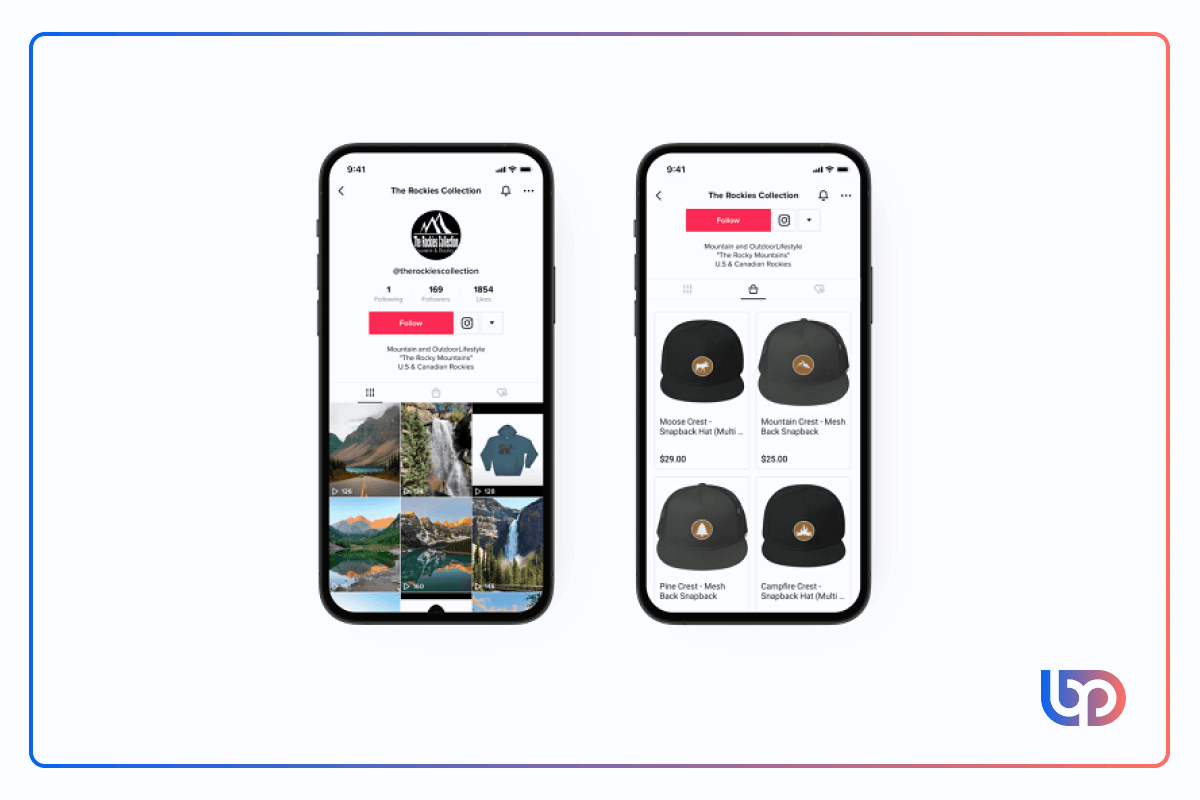
Social media has evolved from being a discovery tool to a complete sales channel. In 2024, platforms like Instagram, TikTok, and YouTube became critical for driving product discovery and sales.
This trend will only strengthen in 2025.
Why Is This Important in 2025?
Younger demographics, especially Gen Z and Millennials, are changing the way ecommerce brands engage with their audience.
49% of Gen Z shoppers prefer to discover brands on TikTok, while 70% trust social media influencers over traditional ads. Social commerce combines discovery and purchasing into one seamless experience - something today’s customers increasingly expect.
Additionally, features like Instagram’s Shopping tab, TikTok’s direct-buy functionality, and YouTube’s product tags are making it easier than ever for customers to shop directly from their feeds.
What Does This Mean for Ecommerce Brands?
For retailers, investing in organic and paid social media marketing (SMM) is non-negotiable. YouTube, Instagram, and Reels are expected to dominate, while TikTok continues to gain traction despite ongoing regulatory issues in the US.
In New Zealand, Facebook remains a stronghold for certain demographics, particularly women aged 24-35. Brands need to tailor their strategies to these audiences while ensuring their social commerce setups are seamless - from easy purchasing flows to personalised ads that align with customer interests.
Social media isn’t just for selling - it’s a space to grow brand awareness, build trust, and turn one-time buyers into loyal advocates. In 2025, the brands that thrive will be the ones that embrace this evolution fully.
Search Engine Visibility Still Matters. A Lot
Google's search engine market share may have dropped below 90% for the first time in 10 years, but search engines remain a powerhouse for online discovery.
With 68% of all online experiences starting on a search engine, visibility in this space is still critical for success in 2025.
At the same time, the rise of AI-powered assistants like Apple’s ChatGPT partnership and Google’s Gemini is reshaping how customers find information. These tools are fast becoming household names, challenging traditional search engines for informational-style queries.
In 2025, visibility isn’t just about ranking - it’s about being relevant, discoverable, and accessible on the platforms and devices your customers rely on.
Why Is This Important in 2025?
Search engines remain the primary tool for product discovery, with organic search accounting for 53.3% of website traffic on average.
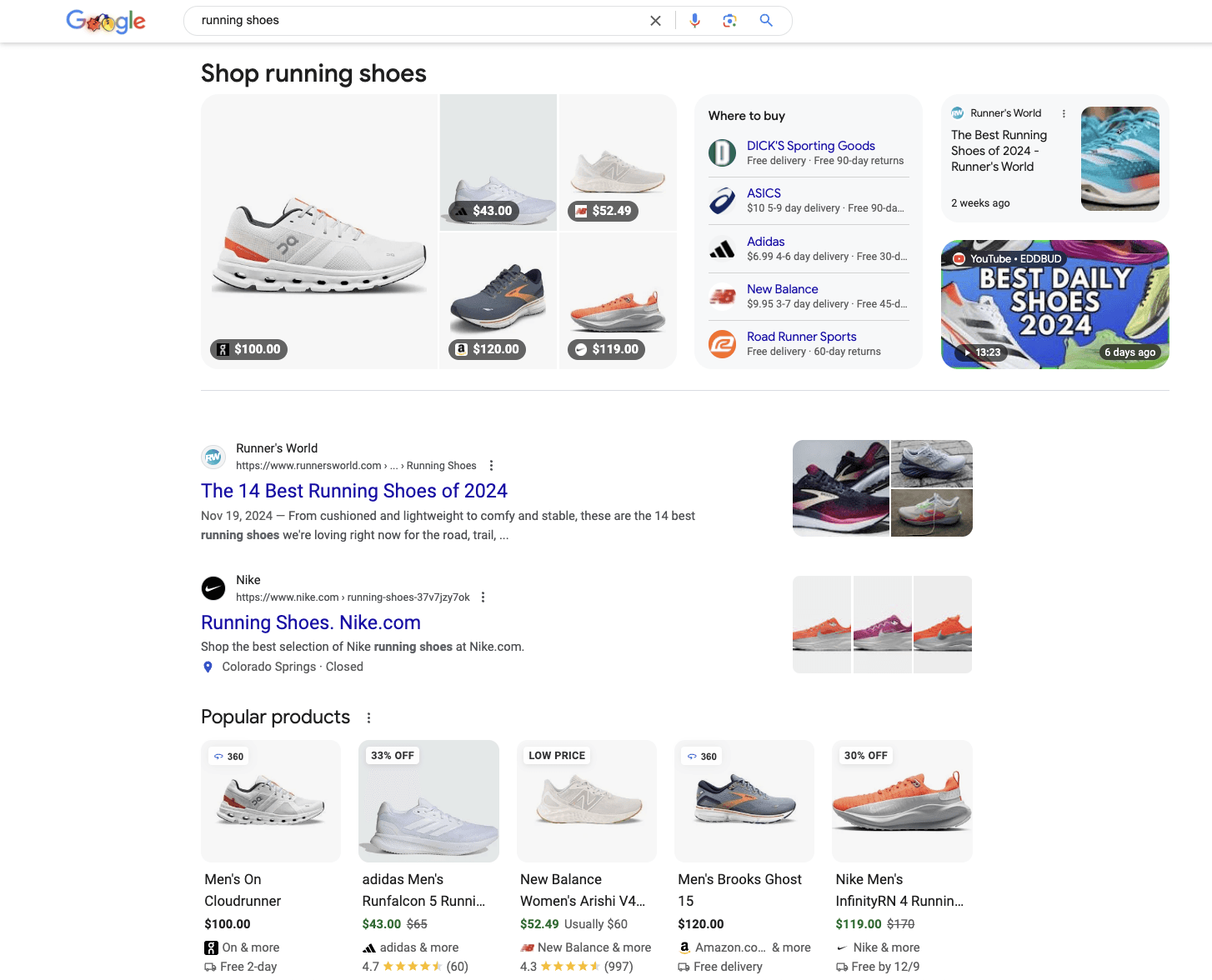
However, the way people interact with search engines is evolving. Tools like Google’s AI Overviews and product snippets now deliver highly personalised, rich results, catering to specific customer needs directly in the SERP.
The flip side? Without optimisation for these features, brands risk being overlooked altogether.
Structured data, local SEO strategies, and AI-friendly (but written for humans!) content optimisations are more critical than ever.
On the other hand, AI-powered assistants are becoming a complementary force, offering users convenience and precision by pulling data directly from search engine indexes and large language models (LLMs).
These assistants are especially appealing for voice assistant (Google, Alexa, Siri) and mobile users, who increasingly rely on voice or on-the-go queries.
The result? A highly dynamic search landscape where customers’ touchpoints are no longer limited to traditional search engines.
What Does This Mean for Ecommerce Brands?
To thrive in 2025, ecommerce brands must master the dual challenge of optimising for search engines and AI-powered assistants.
Here’s what that looks like:
- Optimising for AI-Driven SERPs: Tools like Google’s AI Overviews, carousels, and product snippets are transforming how search results are displayed. Structured data, product descriptions and rich metadata are essential for securing visibility in these new formats.
- Adapting for AI Assistants on Mobile: With tools like ChatGPT on iOS and Gemini on Android pulling directly from search engines, brands must ensure their content is AI-friendly. This means clear, concise answers, FAQ-style content, and well-structured pages that assistants can easily parse.
- Balancing Intent Across Platforms: Search engines remain crucial for transactional and product-related searches, while AI assistants excel at answering informational queries. Balancing content for both informational queries (how-to guides, reviews) and transactional searches (buy, shop) ensures brands capture customers at every stage of the sales funnel.
- Enhancing Local SEO for Assistants and Search Engines: AI assistants increasingly prioritise location-based results. Brands with brick-and-mortar stores should ensure their local listings are optimised and accurate to capture local search opportunities.
The Big Picture
SEO isn’t just a tactic - it’s a long-term strategy for awareness, visibility, and trust.
While it may not always be a direct revenue driver, its impact on conversions across all touchpoints is undeniable. For ecommerce brands in 2025, investing in SEO means securing a foothold in a hyper-personalised, competitive search landscape.
Take Up as Much SERP Real Estate as Possible
Search Engine Marketing (SEM) continues to be a vital tool in the ecommerce marketer’s arsenal.
While SEO focuses on organic visibility, SEM drives paid exposure, ensuring your brand remains visible even in the most competitive spaces.
In 2025, SEM isn’t just about running ads - it’s about running smarter campaigns that adapt to evolving audiences and new technologies.
Why Is This Important in 2025?
As search engines, particularly Google, continue to evolve their features, SEM is absolutely essential for ecommerce brands to maintain visibility.
Marketplace-like SERPs (think Google’s Shopping tab, which now mirrors Amazon Marketplace) mean that product visibility for commercial and transactional searches is more competitive than ever. And with 65% of search engine users clicking on ads that directly meet their intent, brands can’t afford to miss out.
What's more, AI-powered ad targeting is taking SEM to the next level. By analysing user behaviour, these tools predict customer intent with greater accuracy, ensuring your ads reach the right audience at the right time.
This not only boosts conversion rates but maximises ROI for your PPC budget.
What Does This Mean for Ecommerce Brands?
For ecommerce brands, SEM in 2025 is about more than just bidding on keywords. It’s about precision and synergy with other strategies like SEO.
Here’s what that looks like:
- Diversify Your Ad Types: Performance Max campaigns are expected to remain a core focus, combining ad types across Google’s ecosystem. But don’t stop there—test new features and formats as search engines roll out updates to stay ahead of competitors.
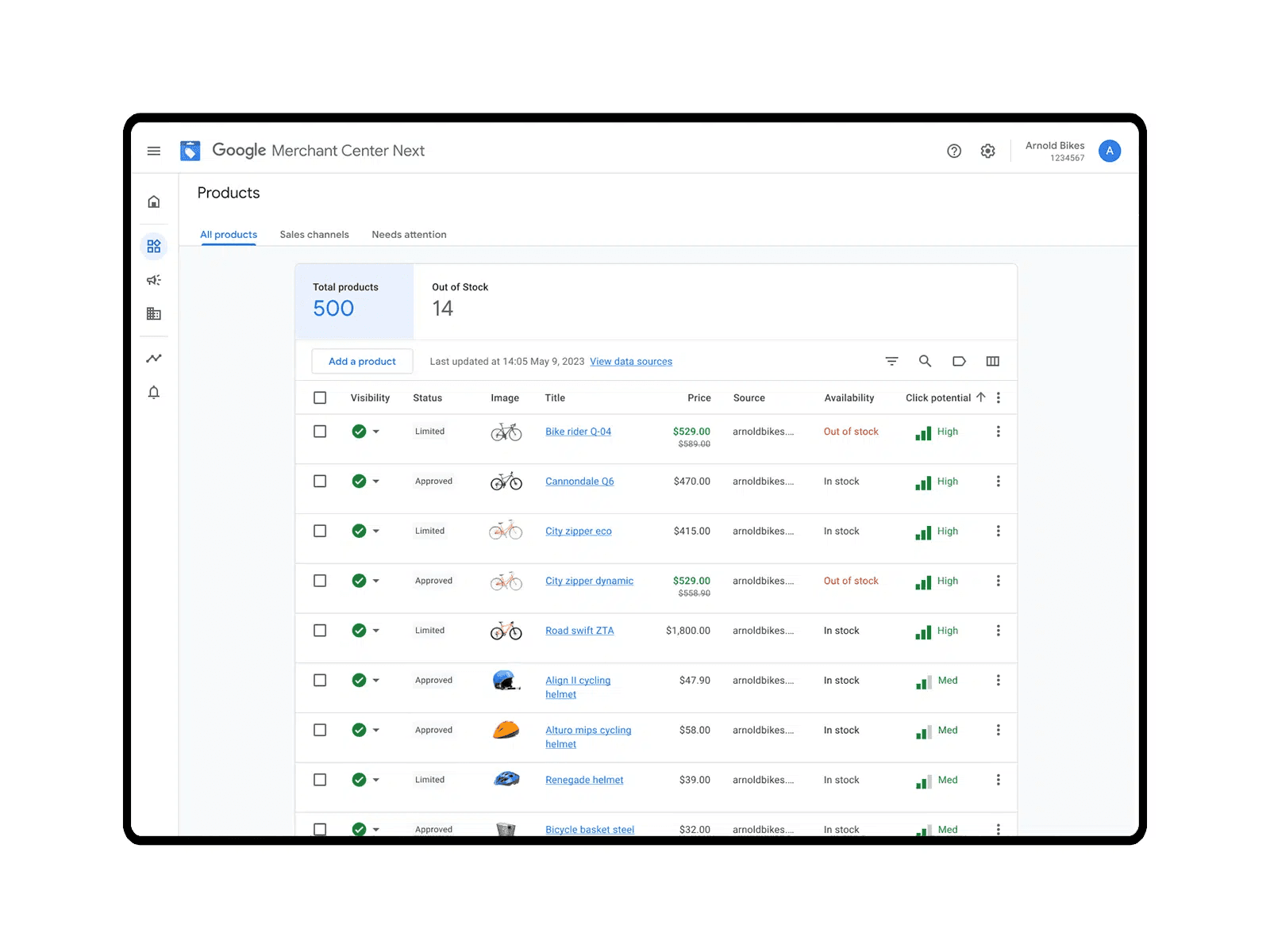
- Prioritise Product Details and Descriptions: Optimising images, descriptions, and structured data ensures your products appear in the right filters and for long-tail keywords, which are increasingly vital for niche search queries.
- Combine SEM and SEO Efforts: SEM and SEO are most effective when working in harmony. While SEM drives instant traffic and visibility, SEO supports long-term growth. Together, they deliver the greatest ROI.
- Adapt to Audience Shifts: Monitor your PPC budget allocation. Depending on your target audience, you may need to adjust between SEM and SMM to capture attention effectively across platforms.
Mix Up Your Marketing
Ecommerce in 2025 isn’t about sticking to one strategy - it’s about creating a well-rounded marketing mix that taps into multiple channels and techniques.
Email Marketing: A Lucrative Channel
Email marketing continues to be a goldmine for ecommerce brands. Why? Because it allows you to stay connected with customers who already know and trust your brand.
With segmentation and personalisation tools now more advanced than ever, brands can deliver dynamic email content tailored to each recipient, from product recommendations to special offers.
Best of all, email is one of the most cost-effective channels in your marketing mix. It’s a direct line to your audience, helping you nurture long-term relationships and drive repeat purchases.
Affiliate Marketing: Low-Cost, High Potential
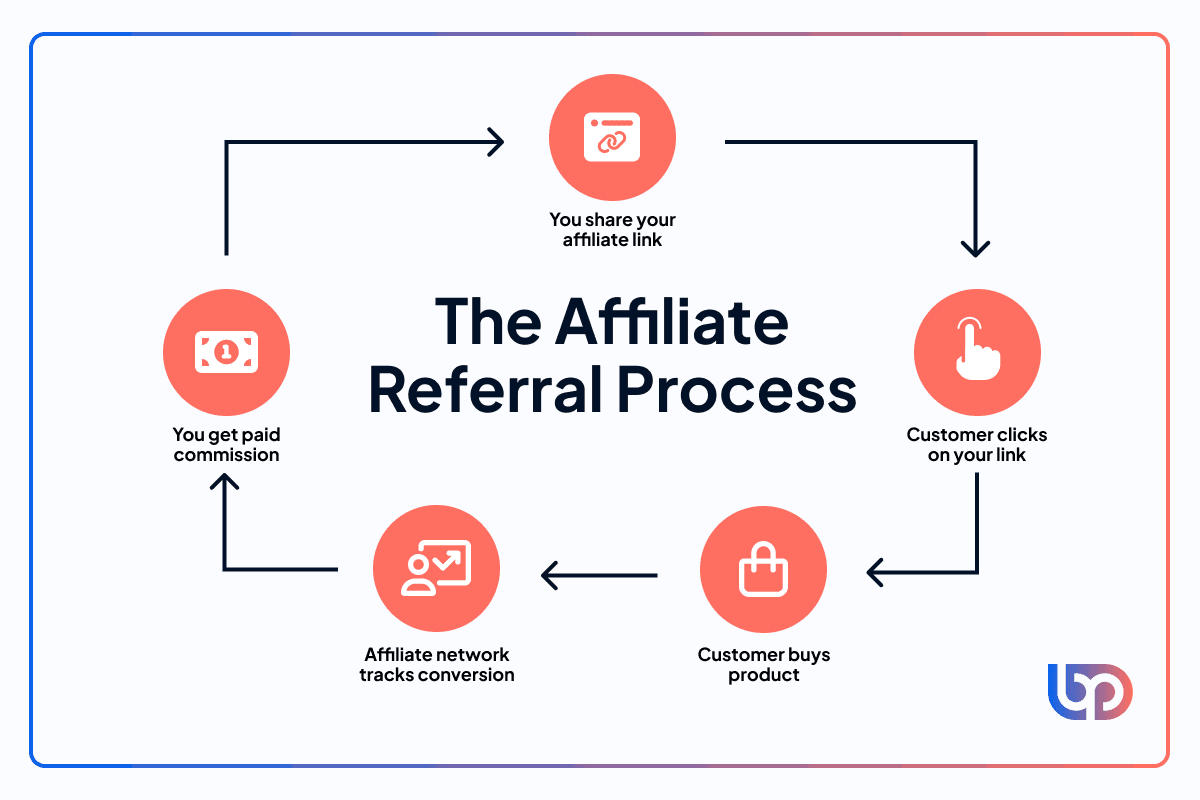
Affiliate marketing is a no-brainer for brands looking to expand their reach without breaking the bank. By partnering with affiliates - whether they’re bloggers, influencers, or referral platforms - you can tap into new audiences with minimal upfront cost.
Think beyond directory listings: referral programs that reward customers for bringing in new business can boost loyalty while attracting fresh leads.
It’s a win-win strategy that combines affordability with scalability, making it an essential tool in your 2025 marketing mix.
…But It’s Not Just Your Marketing
In 2025, success doesn’t rest solely on your marketing strategies - it’s deeply intertwined with the tools, platforms, and experiences that underpin your online presence.
From your tech stack to your visual assets, every aspect of your business plays a role in driving conversions and building trust. This year, brands need to focus on more than just promotion - they need to get their foundations right.
Why Your Tech Stack Matter
Your tech stack is the backbone of your ecommerce business - it’s the collection of tools, software, and platforms that power everything from your website to your marketing, sales, and customer management.
Think of it as the digital toolkit that keeps your operations running smoothly and ensures your customers get a seamless shopping experience.
Using outdated tools or platforms that don’t keep up with industry changes - like AI, Large Language Models (LLMs), or personalisation features - will hold you back. A poor Content Management System (CMS), for example, can make or break your site’s ability to rank in search engines.
But it’s not just about SEO. Your CMS and other tools should integrate seamlessly with product and stock management systems, CRMs, and sales platforms.
This integration ensures efficiency, scalability, and the ability to adapt as your business evolves in an increasingly competitive market.
User Experience (UX) is VITAL
Poor user experience (UX) is a deal breaker - for users and search engines.
UX refers to how users interact with your website, app, or platform and whether those interactions are smooth, intuitive, and satisfying. A great UX can drive conversions, improve customer retention, and even boost your search rankings, while a poor UX can do the exact opposite.
Search engines like Google prioritise user experience as a critical ranking factor. Slow load times, clunky navigation, or unresponsive designs aren’t just frustrating for customers - they can result in penalties that drop your site down the search engine results page (SERP).
For example, Google’s Core Web Vitals measures loading speed, interactivity, and visual stability - all elements that contribute to a positive UX.
Additionally, social networks are factoring UX into their algorithms. Platforms like Facebook and Instagram reward ecommerce brands that provide seamless shopping and browsing experiences by boosting their visibility in feeds and ads.
Mobile UX: The Non-Negotiable
With mobile commerce continuing to dominate, a mobile-optimised experience is more critical than ever.
Over 62% of global ecommerce sales are expected to come from mobile devices by 2027. If your site isn’t fast, responsive, and easy to use on a smartphone, you risk losing a massive chunk of potential sales.
For some brands, investing in a mobile app can enhance the shopping experience even further.
Apps allow for features like push notifications, in-app offers, and personalised recommendations - all of which can drive engagement and loyalty. But even if an app isn’t part of your strategy, your mobile site must deliver a frictionless journey, from discovery to checkout.
What Does Great UX Look Like in 2025?
- Speed: Customers expect your site to load in under 2 seconds - anything longer, and you risk losing them.
- Navigation: Menus and site architecture should guide users effortlessly. Avoid cluttered designs or confusing layouts.
- Responsive Design: Whether users are on a desktop, tablet, or smartphone, your site should adjust seamlessly to their screen size.
- Streamlined Checkout: Simplify the purchase process with features like autofill, multiple payment options, and guest checkout.
- Accessible and Inclusive Design: Your site should be usable by everyone, including those with disabilities. Features like alt text for images, high-contrast designs, and keyboard navigation make a big difference.
Customers expect fast, intuitive, and mobile-friendly interactions, and failing to deliver means they’ll move on to a competitor.
Master Visual Assets and On-Site Personalisation
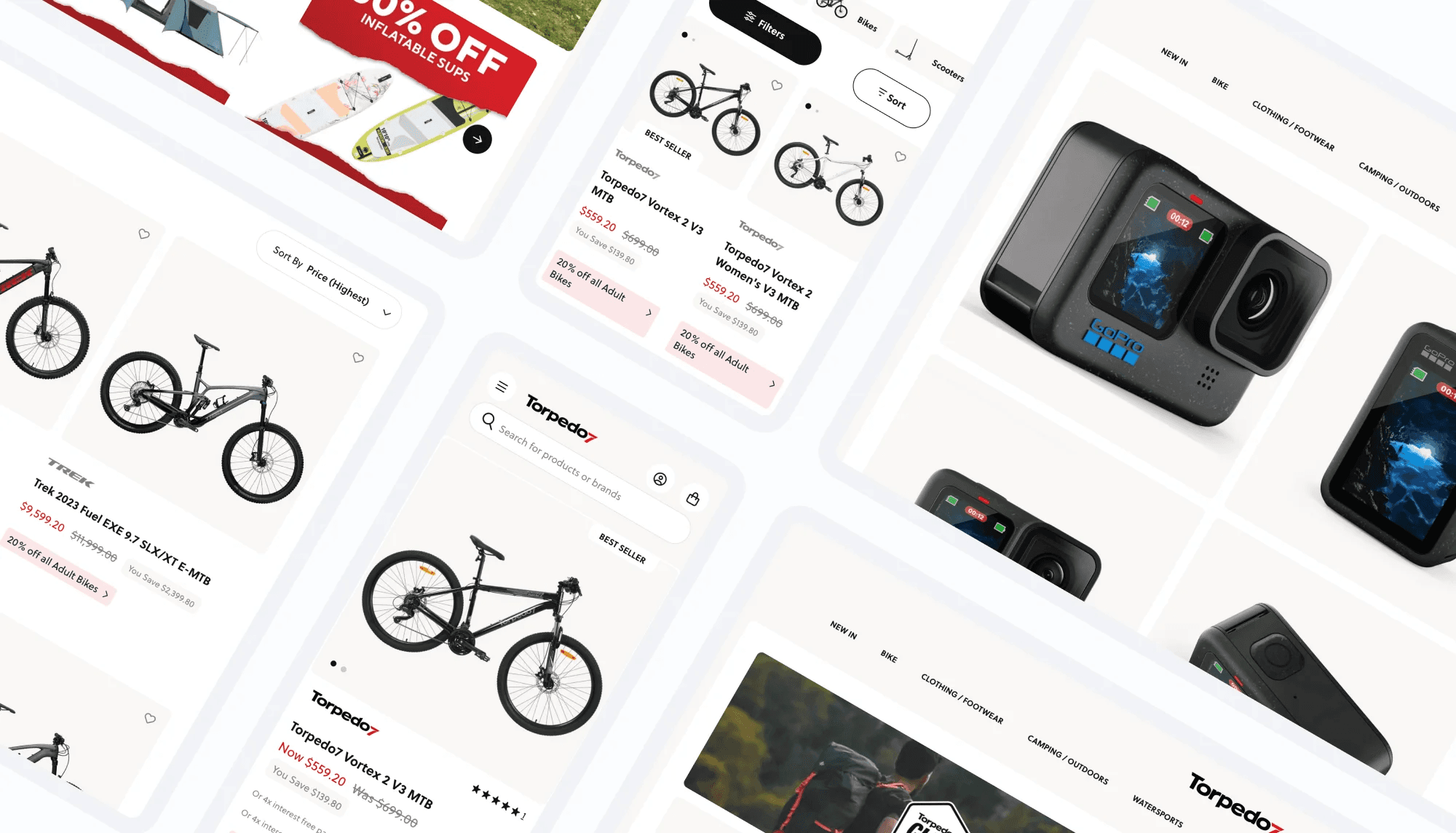
In 2025, visuals are doing more than just catching attention - they’re building trust. Customers want to clearly see what they’re buying, especially in online shopping.
Low-resolution images? Forget it. They don’t just look outdated - they scream unprofessional and untrustworthy.
Research shows that 67% of shoppers trust high-quality visuals over product descriptions, so investing in high-quality images and videos isn’t optional - it’s essential.
Tools like zoom functionality, 360-degree product views, and even augmented reality (AR) features can give customers the confidence they need to click "buy."
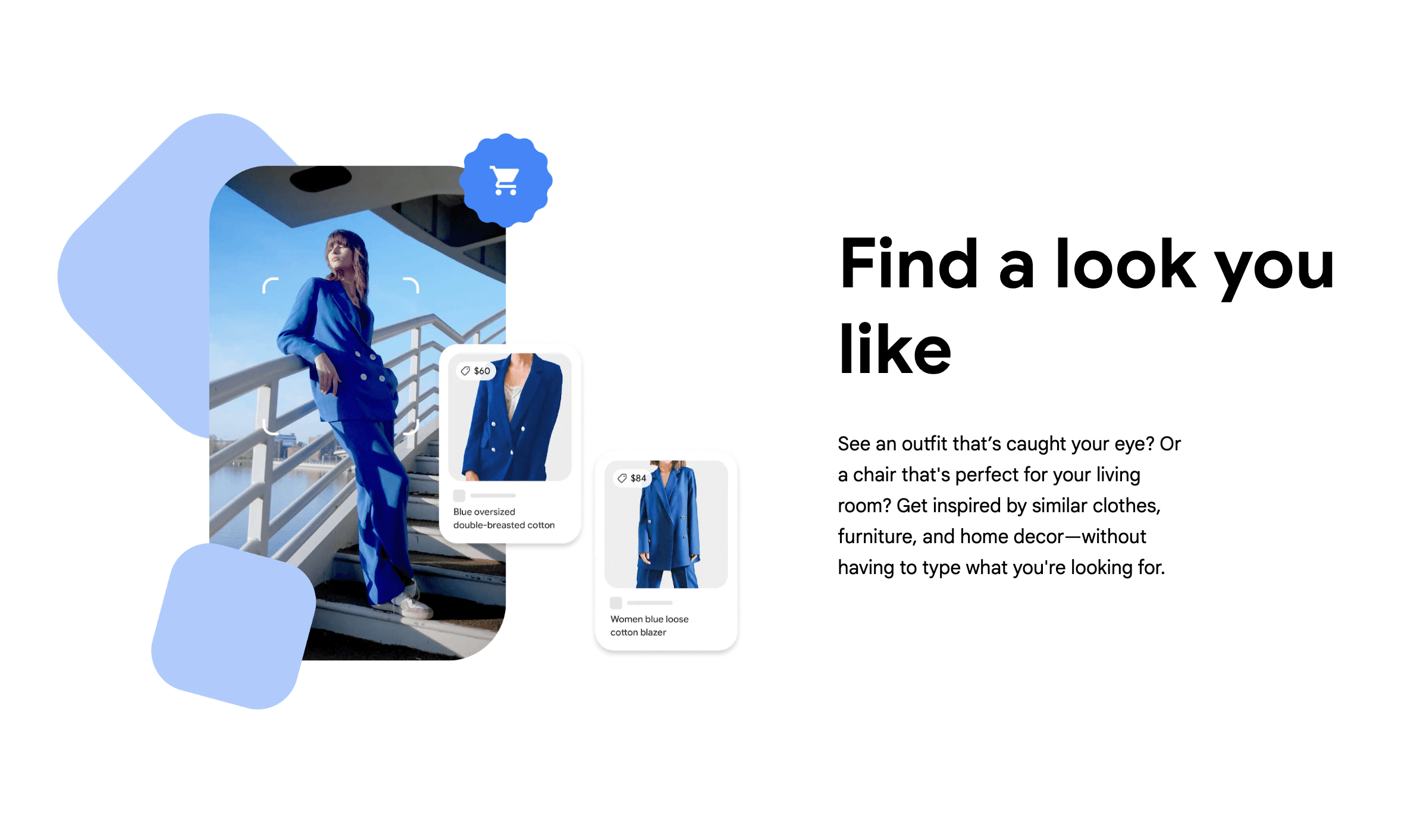
And don’t forget about image search. As AI-powered search tools like Google Lens grow in popularity, optimising images with proper alt tags, file names, and structured data can make your products discoverable in an entirely new way.
What About On-Site Personalisation?
2025's Online shoppers expect their experience to feel just as personal as one-on-one service in a store. Thanks to advancements in AI, on-site personalisation is now smarter and more dynamic than ever.
From tailored product recommendations to personalised promotions, brands can use AI to create experiences that feel unique to each customer.
And the payoff? Well, 91% of customers say they're more likely to shop with brands that provide relevant recommendations and offers.
Even email campaigns can benefit from hyper-personalisation. Imagine email content that dynamically updates based on the customer’s latest browsing or purchasing behaviour. It’s the kind of thoughtful touch that turns one-time buyers into loyal customers.
Intuitive Navigation and Seamless Experiences are a Must
Customers don't just browse anymore - they multitask.
Whether they’re shopping from a smartphone on the go or jumping between tabs during their lunch break, your website needs to deliver a frictionless experience.
If your site’s navigation feels clunky, unintuitive, or overwhelming, you risk losing them to a competitor.
A staggering 88% of online consumers say they won't to return to a site after a bad experience.
And let’s not forget cart abandonment - slow loading times, overly complicated menus, or too many clicks to checkout are some of the biggest culprits behind that dreaded statistic.
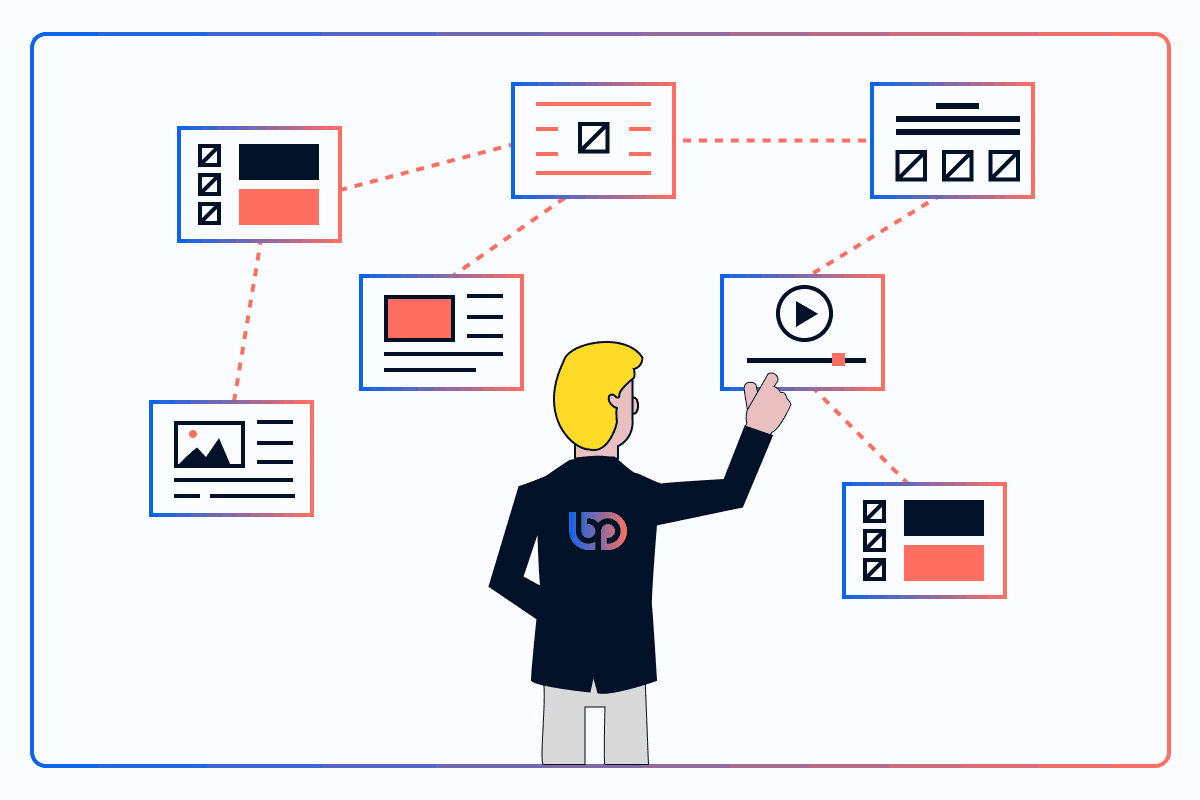
What Does Seamless Navigation Look Like in 2025?
- Clear Menus: Your navigation menu should be simple and intuitive. Categories and subcategories should feel natural to explore, with no guesswork involved.
- Streamlined Checkout: Customers expect a frictionless checkout process. Features like autofill for payment details, multiple payment options (including digital wallets like Apple Pay or Google Pay), and guest checkout are essentials.
- Fast Load Times: Every second counts. Prioritising speed isn’t just for UX - it’s now a ranking factor in Google’s algorithm, too.
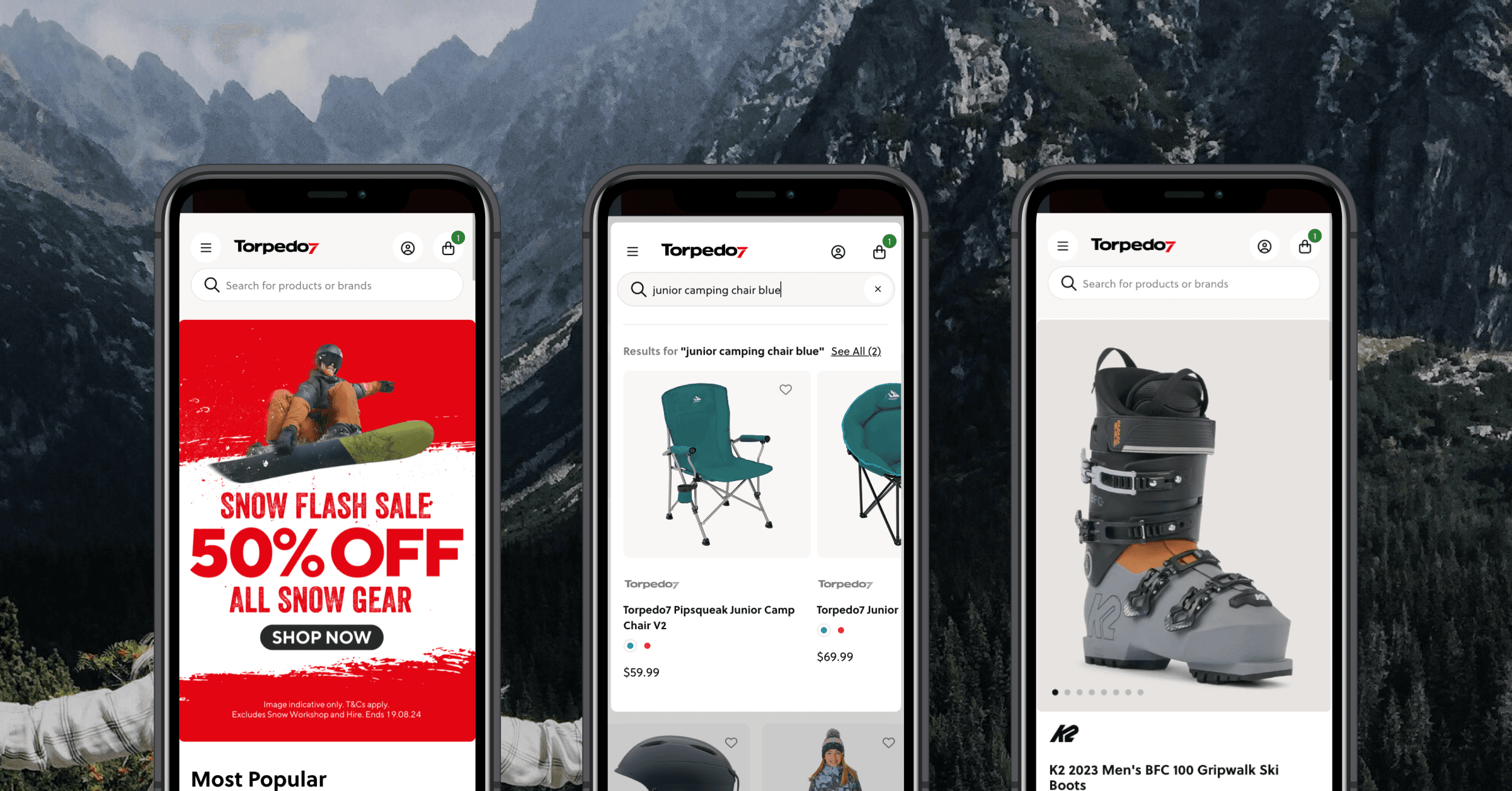
- Search Functionality: A smart search bar isn’t a nice-to-have - it’s a must. Features like autocomplete, filtering options, and suggestions for misspelled queries can make all the difference.
Improving site speed by 0.1s can grow conversions by 8.4% & average order value (AOV) by 9.2%
Mobile Navigation: Another Non-Negotiable
Mobile navigation deserves special attention. Since more than 62% of global ecommerce sales are projected to come from mobile devices by 2027, your site’s mobile usability can make or break your success.
Focus on:
- Tap-Friendly Designs: Buttons and links need to be large and spaced appropriately to avoid accidental clicks.
- Sticky Navigation Bars: Keep menus, search bars, or the cart button accessible at all times.
- Responsive Design: Your mobile site should look and feel just as polished as your desktop version - if not more so.
Don’t Just Invest in Marketing in 2025 – Invest in Marketing Partners
The ecommerce landscape in 2025 will be more competitive than ever. With fast-paced changes in technology, shifting consumer habits, and real-world events shaping the tools your customers use - and the way they spend - keeping up will be a challenge for even the most prepared retailers.
And that’s before you factor in the competition from bigger local brands and global giants offering fast, cheap, or even free international shipping.
So, how can your brand stand out, stay visible, and drive meaningful engagement in such a crowded marketplace?
The answer isn’t just investing in marketing - it’s investing in the right marketing partner.
Why Partnering with Experts is a Smart Move
Running a business is already hard enough. Add in the complexity of marketing in today’s ever-changing digital environment, and it’s easy to see why businesses fall behind.
Letting experienced professionals handle your marketing doesn’t just free up your time - it ensures that your strategy, tools, and execution are all optimised for results.
For Larger Retail Brands
Even if you’re a major retail brand with chain stores, international presence, and a robust internal marketing team, there are some advantages that an external partner brings.
An external agency provides:
- Fresh perspectives that challenge your internal biases.
- Access to the latest tools and industry best practices.
- A team of specialists with expertise across all facets of marketing, from SEO to personalisation, who are always on top of the latest trends.
For SMBs
For small-to-medium businesses (SMBs), marketing is often the last investment made and the first expense cut when times are tough.
But here’s the reality: stopping marketing can have immediate and long-term consequences, and it could take years to recover. Studies show that consistent marketing during challenging times is key to maintaining visibility, keeping customers engaged, and driving steady growth.
It’s Not About Us - It’s About You
This isn’t a sales pitch.
We’re not saying “Choose Blackpepper!” - we’re saying choose someone. Find a marketing partner who understands your industry, has a proven track record of delivering results, and genuinely cares about your business’s growth (...it's purely coincidental we check all those boxes, promise.)
Why? Because the online space is changing too fast to go it alone.
Without a trusted partner, it’s nearly impossible to stay up to speed, adapt to new tools and strategies, and make the most of what’s available - on top of running your actual business.
Whether you’re looking for help with your tech stack, personalisation efforts, or simply staying visible in search engines, the right partner can make all the difference.
The Industry Perspective
To explore the key trends shaping ecommerce in 2025, we sat down with Blackpepper's Kat Stephenson (Head of Digital & Business Development) and Jaz Myles (Client Service Director & Operations Lead) to discuss the biggest challenges, missed opportunities, and strategies that will define success this year.
Looking Back: What was the biggest challenge for retail brands in 2024?
💬 Jaz: "In 2024, the biggest challenge for retail businesses was the increasing cost of digital advertising and the saturation of online marketplaces - especially as platforms like Google and Meta continually adjusted their algorithms, driving ad costs up.
During Black Friday, for example, aggressive bidding strategies by major players like Temu and Shein significantly increased CPCs, making it much harder for smaller retailers to reach customers profitably."
💬 Kat: "Marketing budget cuts were also a major challenge. With the cost of living crisis affecting consumer spending, retailers had to scale back large omnichannel campaigns in favour of smaller, conversion-driven strategies.
At the same time, the rise of short-form video content made it resource-intensive just to stay relevant online. Retailers were stuck between increasing content demands and shrinking budgets, making visibility a real struggle."
Heading into 2025, what do you see as the biggest obstacle for retail brands trying to compete online?
💬 Kat: "AI - and how brands are (or aren’t) using it - is going to be a defining factor this year. From personalisation and automation to virtual fitting rooms and AI-powered chatbots, the brands that leverage AI to create a better shopping experience will come out on top.
Brand loyalty has weakened in recent quarters, with customers switching to cheaper alternatives or retailers offering a superior experience. If you’re not actively engaging and delighting your customers, you risk losing both new and repeat purchases."
💬 Jaz: "In 2025, the biggest challenge for retailers will be differentiation. With so many brands offering similar products, standing out will require more than just competitive pricing or great product photography.
Consumers are looking for personalised experiences, stronger brand engagement, and a real sense of community. To succeed, businesses need to shift from transactional selling to relationship-building - leveraging first-party data, loyalty programs, and customer-driven content to create meaningful connections.
We touched on the importance of loyalty programs in our Online Retailer Sydney 2024 Wrap-Up, and it’s becoming even clearer that brands offering real value beyond the purchase will earn customer loyalty in 2025."
What would you say is the biggest missed opportunity for retail businesses in their marketing strategies?
💬 Kat: "This one’s hard for retailers to hear, especially after a tough few years, but not investing in brand-building has long-term consequences. Cutting brand awareness efforts can slow sales and make it significantly harder to rebuild brand recall and loyalty later.
Retailers need to focus on both brand-building and performance marketing, and agencies need to get clearer on how they measure the impact of both."
What do you see as the most overlooked opportunity for e-commerce growth right now?
💬 Jaz: "Retention marketing is massively overlooked. Many brands pour their budget into customer acquisition but don’t put enough effort into keeping customers engaged post-purchase.
Another untapped opportunity? Emerging platforms. Many brands are laser-focused on Instagram and Facebook, but TikTok Shop and niche marketplaces are growing fast, particularly in the US - and we know that trends from the US often flow down to APAC markets.
Brands that move early into emerging platforms can gain a competitive edge."
How do you think a strong marketing partner can help retail businesses overcome these challenges?
💬 Kat: "Retailers need to work with their marketing partners to ensure complete alignment on priorities and goals, and both need to be realistic about what’s achievable.
A great marketing partner doesn’t just execute marketing tasks - they help businesses make smarter, data-driven decisions that result in increased sales and revenue. That means refining the targeting, messaging, and channel mix to ensure an omni-channel strategy that works across every touchpoint."
Why do you think SMBs, in particular, struggle to compete with larger brands, and how can they level the playing field?
💬 Kat: "SMBs don’t have the resources that bigger brands do, so they can’t splash out on big-budget advertising or dedicate full teams to different marketing roles. But what they do have is agility.
Unlike larger brands - who often have to jump through layers of approvals - SMBs can move fast, pivot when something isn’t working, and quickly capitalise on social media trends. AI and automation can also reduce repetitive tasks, freeing up time for strategy and customer engagement."
💬 Jaz: "SMBs often struggle because they don’t have the budgets, logistics infrastructure, or tech resources that larger brands do. Big retailers can afford deep discounts, free shipping, and large-scale advertising, which makes it harder for smaller businesses to compete.
But SMBs have an advantage: agility. Where larger companies have layers of approvals and rigid processes, SMBs can pivot quickly, adapt to social trends, and engage customers in more authentic, personal ways.
One of the biggest opportunities SMBs should focus on is customer loyalty."
The numbers back it up - 92% of people say they’ll stay loyal to a brand if it offers them something of value.
How can small ecommerce businesses compete with larger players in terms of digital marketing and customer acquisition?
💬 Kat: "The great thing about digital marketing is that even small businesses can target their ideal audience with precision. Content marketing across social, organic search, and email is just as powerful for SMBs as it is for large brands.
Automation and AI can help scale without increasing overheads. Affiliate marketing and programmes like "refer a friend", as well as encouraging customer reviews and shares on social media, are fairly easy to implement but hugely impactful as people trust their friends’ recommendations."
With so much focus on AI, automation, and tools in 2025, how can retail businesses balance tech-driven strategies with a human touch?
💬 Jaz: "The key is to use AI and automation to enhance, not replace, human interactions.
AI should handle repetitive tasks - like chatbots for common queries, automated product recommendations, and merchandising - while retailers prioritise human-led experiences where they matter most.
For example, AI chatbots are great for quick responses, but when a customer has a complex issue, they need an easy way to speak to a real person. Businesses that make it difficult to reach human support risk frustrating customers and losing sales."
What role does data play in creating effective e-commerce experiences, and how can retail businesses leverage it better?
💬 Jaz: "Data is the backbone of any successful ecommerce strategy, yet many businesses fail to use it effectively.
Beyond marketing, rich product data is critical. The more detailed, accurate, and structured your product data is, the better AI-powered tools and search engines can serve your customers. Making sure your structured data is optimised will help with search visibility, recommendations, and overall site performance."
What advice would you give to a retail business hesitant to invest in marketing or one facing declining sales, especially during uncertain economic times?
💬 Kat: [on marketing] "Start small with a few tests, but be clear on your goals and how you’ll measure success. If you’re running Google Shopping Ads, don’t advertise everything - start with your top sellers or highest-margin products.
If you’re focusing on social media, plan content ahead of time to stay consistent. Engagement matters - follow relevant industry leaders, comment on their posts, and interact with your audience to boost visibility."
💬 Jaz: [on declining sales] "Focus on your existing customers first. Instead of constantly chasing new traffic, re-engage past buyers, refine the customer experience, and increase average order value.
Most importantly, stay agile - if something isn’t working, pivot quickly. The brands that will succeed in 2025 are those that adapt fast and focus on building long-term customer relationships, not just one-time sales."
If you could make one recommendation to retail brands looking to strengthen their digital presence this year, what would it be?
💬 Kat: "Have a solid social media strategy that supports both brand-building and performance marketing.
Paid ads are critical for re-engaging past visitors and driving conversions, but building brand awareness, trust, and credibility through consistent organic content is just as important.
Customers need to remember you, trust you, and engage with your brand - otherwise, they’ll just click on the next ad they see."
The Future of Ecommerce in 2025
As we step into 2025, one thing is clear: retail brands that don’t evolve will struggle to compete.
The biggest challenges this year - rising ad costs, AI-driven search, changing consumer expectations, and the push for differentiation - require businesses to rethink their approach. It’s no longer enough to rely on transactional marketing and one-time sales.
Ecommerce in 2025 isn’t just about selling products - it’s about building trust, creating value, and forming long-term relationships with customers.
🚀 Is your business ready for what’s next? Talk to us about how we can make 2025 the best year for your brand yet!