Choosing the Right CMS for Your Ecommerce Website
21 February 2024

Roberta Johnston
SEO Lead
I'm an SEO specialist with over 8 years of experience helping brands grow through strategic, data-driven search optimisation. I've worked with large e-commerce websites and niche brands alike, developing a deep understanding of ranking algorithms, generative AI, and LLMs like ChatGPT, Perplexity AI, and Gemini. My expertise spans technical SEO, ensuring sites - whether a few dozen pages or 100,000+ - are crawled and indexed effectively.
Tags
Choosing the right CMS for your ecommerce website is one of the most important decisions a business owner can make. A reliable Content Management System (CMS) acts as the backbone of your digital storefront and can determine how well it performs, as well as how well your company can scale.
With so many options out there, it’s crucial to carefully consider both your needs, the current and potential future needs of your business, and the capabilities of the CMS you’re considering. Factors like cost, customisation, scalability, customer support, and even SEO capabilities all play a vital role in what your chosen CMS can do for your business.
In this blog, we’ll help you learn more about what a CMS is, what sort of features and functions you might want to consider when making your choice, and provide a closer look at popular CMS platforms - including Blackpepper’s own!
What is a CMS?
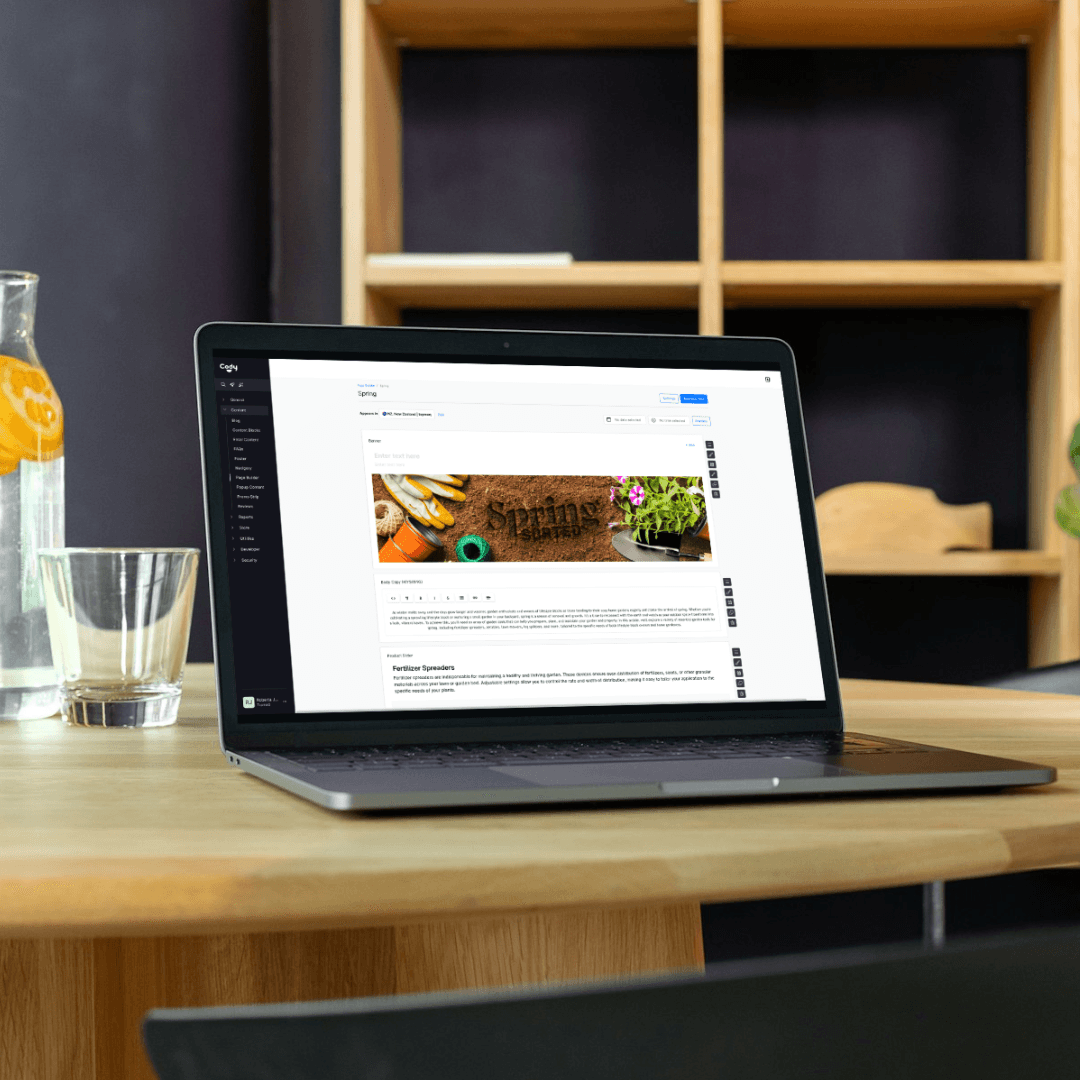
CMS stands for Content Management System, and at its core, it's a digital powerhouse designed to streamline the creation, modification, and management of digital content.
In simpler terms, a CMS acts as the beating heart of your website, providing an intuitive interface that empowers you to control and organise your content without diving into the intricacies of coding. Whether you're updating product details, publishing blog posts, or tweaking the layout, a CMS makes these tasks accessible, even for those without a background in web development.
Think of it as the engine that powers your online presence, allowing you to focus on crafting a compelling brand narrative and engaging user experience rather than wrestling with the technical intricacies of web development.
Types of Ecommerce CMSs
Navigating the diverse landscape of CMS options can feel impossible, especially if you’ve not dealt or worked with one before. Each CMS comes with its own set of features, strengths, and considerations. Let's break down the main types you're likely to encounter on your quest for the perfect fit.
1. Open-Source CMS
Open-source CMS platforms, like WordPress and Drupal, offer a vibrant community-driven environment. They are prized for their flexibility, allowing extensive customisation and a plethora of plugins. However, this freedom comes with a learning curve and may require more hands-on maintenance.
2. SaaS (Software as a Service) CMS
SaaS CMS solutions, such as Shopify and BigCommerce, provide a user-friendly, hosted experience. These platforms are known for their simplicity and come bundled with essential features. While they offer convenience, customisation might be limited, and costs can scale as your business grows.
3. Proprietary CMS
Proprietary CMS, like Blackpepper's Cody, offer a balance of flexibility and support. Tailored to meet specific business needs, these platforms often provide advanced features, scalability, and dedicated support. They are ideal for businesses seeking a customised and robust solution.

Why It's Important to Choose the Right CMS
Choosing the right Content Management System (CMS) for your ecommerce store is not just a technical decision; it's a strategic move that can profoundly impact the trajectory of your online business. Picture your CMS as the digital engine powering your storefront, steering the efficiency, adaptability, and growth potential of your ecommerce venture.
An efficient CMS serves as the backbone of your daily operations. It simplifies tasks, streamlines workflows, and ensures that your team operates at the peak of its productivity. An intuitive interface and seamless functionalities contribute to a work environment where tasks are accomplished with ease.
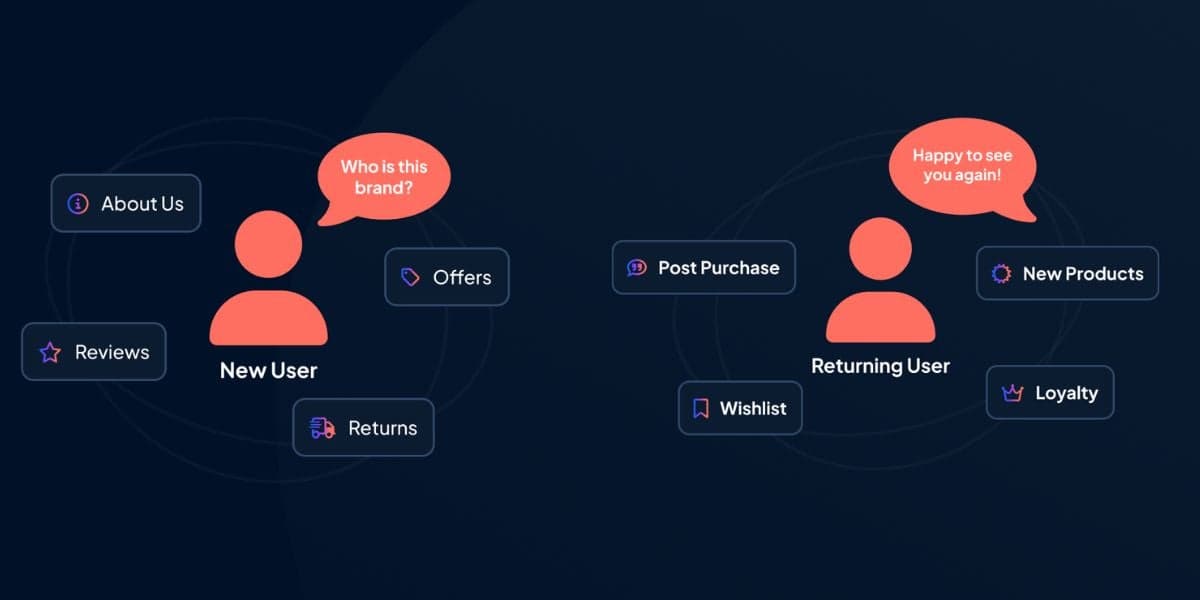
The user experience on your ecommerce platform is directly linked to the choice of your CMS. An optimal CMS provides a user-friendly interface, facilitating smooth navigation and enhancing the overall interaction between your customers and your online store. A positive UX translates to customer satisfaction and retention.
Related: How Colour Choices Affect Website Conversions
Your ecommerce journey is a continuous evolution, and your CMS should be a reliable companion on this growth path. A scalable CMS anticipates and accommodates the expansion of your product lines, increasing website traffic, and evolving business needs. It's a foundational element that grows with you, eliminating the need for frequent platform changes.
The right CMS will ensure optimal security for sensitive user information and processing checkouts, be optimised for mobile devices, and provide you with a competitive edge. Overall, it should be your business's best tool, the platform that lays the foundation for success.
Factors to Consider When Choosing a CMS
While we’ve established how important it is to choose the right CMS and covered three broad types of CMSs you can find in the market. But knowing this doesn’t make your decision any simpler. Let’s take a look at a couple of important factors to consider when choosing your CMS:
Ease of Use
The hallmark of an effective CMS is its user-friendliness. Opt for a platform with an intuitive interface, ensuring that you and your team can efficiently manage your online store without grappling with a steep learning curve. Balancing robust features with accessibility sets the stage for a smoother operational experience.
Core Functionality
Define your ecommerce requirements explicitly. A robust CMS should seamlessly support essential features like product management, inventory tracking, and secure payment gateways. Evaluate the core functionality to ascertain that it aligns precisely with your business functions and goals.
Rules and Permissions
As your ecommerce venture expands, varying levels of access become inevitable. A flexible CMS that accommodates diverse rules and permissions empowers your team without compromising security. This adaptability fosters a collaborative environment and streamlines workflow as responsibilities evolve.
Platform Limitations
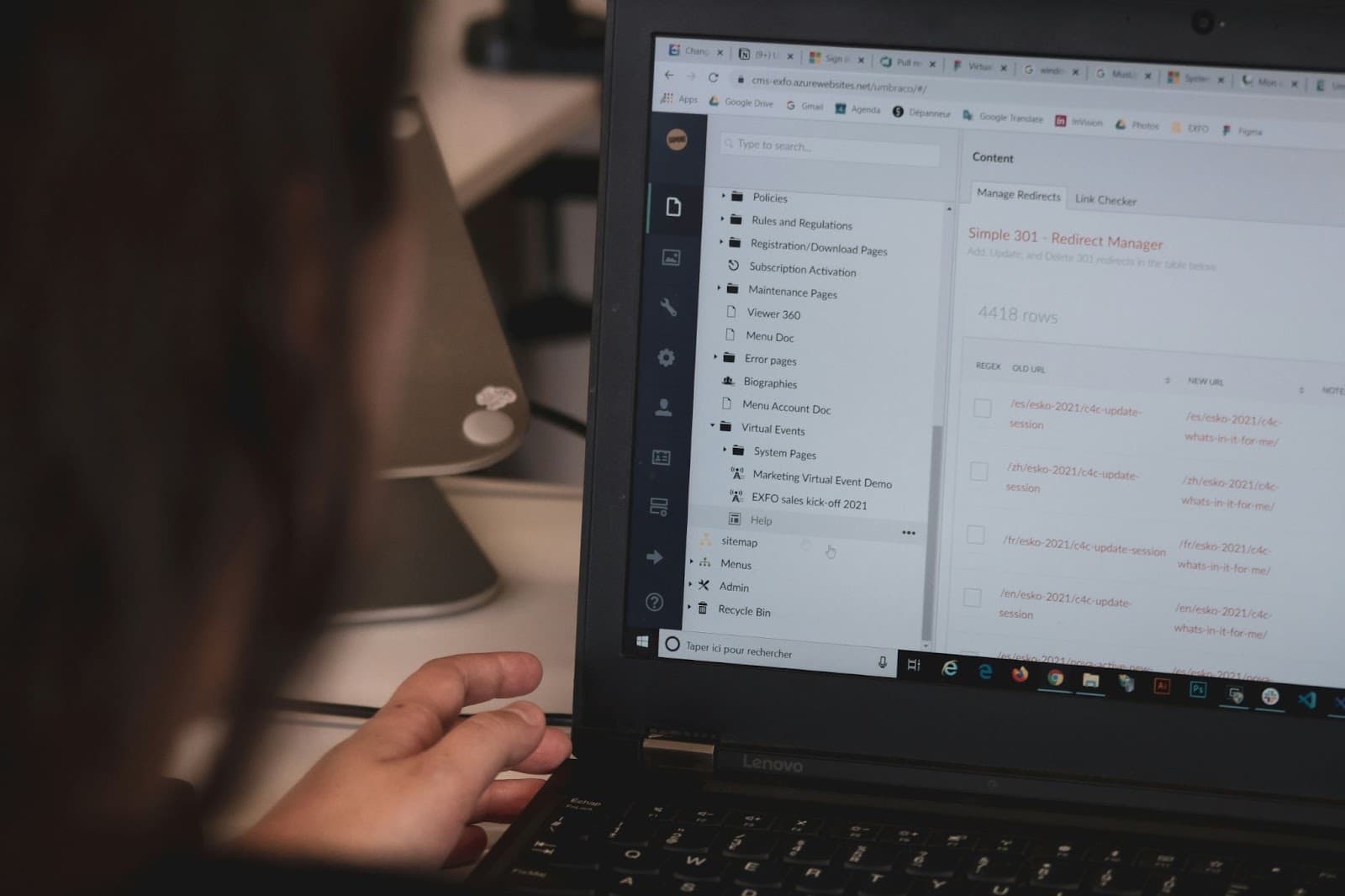
Every business is unique, and CMS platforms may cater to specific business sizes or industries. Scrutinise potential limitations of the CMS candidates to ensure alignment with your current business scale. A platform with growth potential ensures that it grows alongside your business, adapting to changing needs.
UX and UI
User experience (UX) and user interface (UI) design are pivotal elements for engaging online shoppers. Prioritise a CMS that facilitates seamless navigation, visually appealing design, and an overall delightful shopping experience. Investing in a superior UX/UI ensures customer satisfaction, encouraging repeat visits.
Read More: When and Why You Should Revamp Your Online Store
Hosting Options
Determine your hosting preferences. While some CMS platforms come with integrated hosting, others provide flexibility in choosing hosting providers. Evaluate hosting options based on your performance and security requirements, ensuring a hosting environment that aligns seamlessly with your business goals.
Hosting Types:
Managed Hosting: Ideal for companies seeking day-to-day management delegation to hosting providers. Streamlines hardware and software maintenance.
Self-Hosting: Suitable for those opting to manage and control their own web servers. Offers independence but requires hands-on server management.
Cloud Hosting: Utilises network-connected computers, allowing resource sharing. Provides scalability, with users paying for required resources.
SaaS Hosting: Hosting providers offer server space for a subscription fee. Allows flexibility with monthly or annual payment options.
Mobile Compatibility
In an era dominated by mobile users, prioritising a CMS with responsive and mobile-friendly design is non-negotiable. Ensuring a seamless experience across devices expands your reach and caters to the preferences of a diverse audience.
Related: What is Mobile-First Indexing?
Scaling Opportunities
Think long-term. Opt for a CMS that not only meets your current needs but also accommodates your growth trajectory. A scalable solution allows you to expand product offerings, handle increased traffic, and adapt to evolving market trends. Future-proofing your ecommerce endeavour ensures sustained success.
SEO Enhancements
Boosting online visibility is a strategic imperative. Ensure your chosen CMS supports SEO-friendly practices, enabling you to optimise product pages, meta tags, and URLs effortlessly. This commitment to SEO enhancements positions your online store for prominence in search engine results, enhancing discoverability.
Read More: How Long Does SEO Take to Work?
CMS Spotlight: Cody by Blackpepper
We’re probably a little biassed, but we at Blackpepper think that our proprietary platform, Cody, is one of the best CMS you can find on the market today. Cody is not just a platform; it's a strategic ally designed to empower ecommerce businesses with unparalleled control, flexibility, and performance. We’ve helped ecommerce brands big and small achieve great success through Cody.
Here’s why we think it’s right for your ecommerce business, too!
Scalability Redefined
Cody is engineered to grow seamlessly alongside your ecommerce ambitions. Whether you're a budding startup or an established enterprise, Cody adapts to the scale of your business. As your product catalogue expands, Cody ensures that your online store evolves without compromising on speed or efficiency.
User-Centric Design
Usability is a cornerstone of Cody's design philosophy. The intuitive interface simplifies content management, allowing you to make updates, add products, and refine your website effortlessly. This user-centric approach ensures that managing your online store remains a stress-free and empowering experience.
Performance Optimisation
Speed is not just a luxury; it's a necessity in the ecommerce landscape. Cody prioritises performance optimisation, ensuring that your ecommerce website loads swiftly. This not only enhances user experience but also contributes to higher search engine rankings.
Related: The Impact of Website Speed on User Experience and SEO
Tailored Customisation
One size rarely fits all in ecommerce. Cody distinguishes itself through its extensive customisation capabilities. Tailor your online store to align with your brand identity, incorporating unique features that set you apart from the competition.
Agile Product Management
Efficient product management is at the core of successful ecommerce. Cody streamlines product updates, inventory management, and order processing, providing an agile framework that keeps your online store dynamic and responsive.
Read More: Best Practices for Writing Purchase-Worthy Product Descriptions
SEO-Friendly Architecture
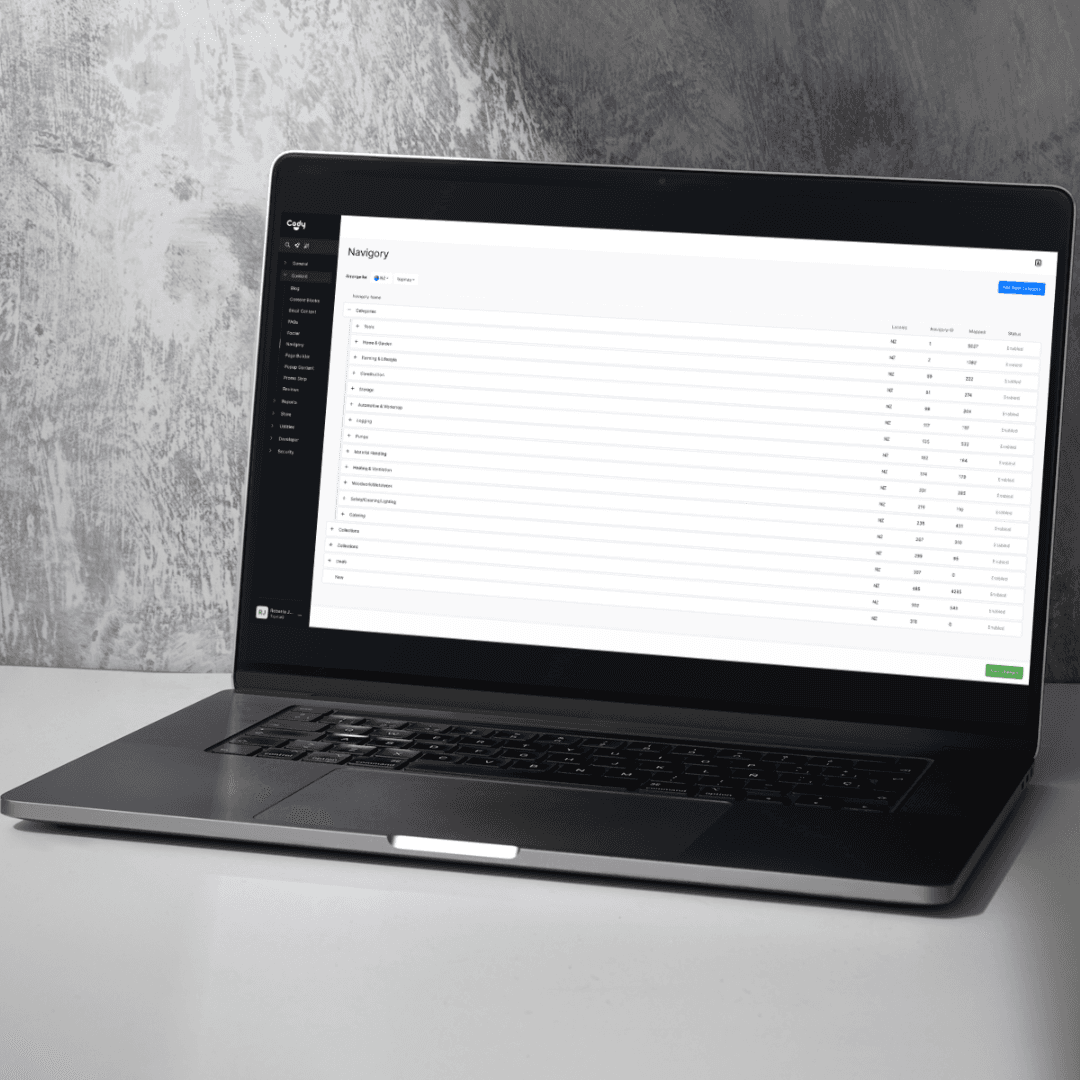
Visibility in search engine results is a crucial element of ecommerce success. Cody's SEO-friendly architecture empowers you to optimise your content effortlessly, ensuring that your products are discoverable by your target audience.
Keep Reading: The Importance of Logical URL Structures
Multi-Channel Integration
Ecommerce success often involves reaching customers across multiple channels. Cody facilitates seamless integration with various sales channels, allowing you to expand your reach without the complexity of managing disparate systems.
Cody vs Major CMS Platforms
Let's take a closer look at how Cody stacks up against major CMS platforms:
Versus WordPress
While WordPress is a popular choice, Cody offers a more specialised and ecommerce-centric approach. Cody provides a tailored solution that doesn't require extensive plugins for ecommerce functionalities, streamlining your online store's operation.
Versus Shopify
Shopify may be renowned for its simplicity, but Cody brings a unique blend of simplicity and flexibility. Cody offers more extensive customisation options, enabling you to create a truly distinctive online store.
Versus Magento
Magento is known for its scalability, but Cody matches and surpasses this scalability without the same level of complexity. Cody ensures that your ecommerce website can grow seamlessly while maintaining an intuitive user experience.
Cody's advantage lies in its holistic approach to ecommerce, where every feature and capability is meticulously crafted to contribute to your online success.

Find Your CMS Today
The significance of choosing the right CMS extends beyond mere functionality. It impacts your user experience, search engine rankings, scalability, and the ability to stand out in a crowded digital marketplace. By understanding the unique needs of your ecommerce business, you lay the foundation for sustained success.
As you embark on your ecommerce journey, remember that the right CMS is more than a tool; it's a catalyst for growth, innovation, and customer satisfaction. Whether you're a burgeoning startup or an established enterprise, the journey to ecommerce excellence begins with a thoughtful choice of CMS.
At Blackpepper, we're not just shaping ecommerce; we're redefining it. We’ve helped major ecommerce businesses, both local and international, achieve phenomenal results with their ecommerce efforts. And we’ve seen firsthand how the adaptability, customisation, scalability and superior functionality of Cody has been a direct determining factor in those results.
So, choose your CMS wisely. Choose Cody.