Does Time of Year Influence Purchasing Behaviour?
5 June 2025

Roberta Johnston
SEO Lead
I'm an SEO specialist with over 8 years of experience helping brands grow through strategic, data-driven search optimisation. I've worked with large e-commerce websites and niche brands alike, developing a deep understanding of ranking algorithms, generative AI, and LLMs like ChatGPT, Perplexity AI, and Gemini. My expertise spans technical SEO, ensuring sites - whether a few dozen pages or 100,000+ - are crawled and indexed effectively.
Tags
Spoiler: Yes - and it’s probably influencing yours, too.
Ever noticed how sunscreen starts flying off the shelf before summer even arrives? Or how Mother’s Day gift guides start making the rounds as early as March, not May?
That’s no accident - and it’s not just clever marketing. The truth is, when people buy is often shaped less by logic and more by seasonal patterns, cultural rhythms, and event-driven habits. And in New Zealand and Australia, those rhythms don’t always line up with global marketing calendars.
Understanding how time of year affects your customers' behaviour isn't just interesting - it's essential to staying visible, relevant, and profitable.
Let's look at how real-world factors like weather, national holidays, cultural trends, retail events and more shape purchase intent locally and in Australia - and how your marketing strategy should flex to match.
Because when you time it right, your brand isn’t just another option: it’s the one they’ve already been thinking about.

Seasonal Shifts Hit Differently Down Here
Forget the textbook idea of seasons dictating behaviour in neat, predictable waves. In New Zealand and Australia, seasonality doesn’t follow global marketing rules - it follows local lifestyle patterns.
Sure, it’s warmer from December to February. But the real consumer shift comes from what people are doing in that warmth: winding down for the holidays, heading to the beach, clocking off early, or stretching paycheques across six+ weeks of a busy summer.
Likewise, “back to school” isn’t just a pencil promo. It’s a return to structure after a long, often expensive break. It’s when ecommerce picks up again - and when shoppers become more intentional.
And winter? It’s less about chilly sunshine and sleeting rain, and more about:
• Staying home and upgrading the space
• Cooking more, ordering in less (or vice-versa if winter is their down time!)
• Buying items that offer comfort, warmth or practicality
• Tapping into EOFY (in Australia especially) where spend is driven by tax-savvy decisions
• Cracking out (or forking out for) the snow gear and hitting the slopes
Seasonality here is tied to how people live*, not just how the weather* feels*.*
For seasonal retailers, this is even more pronounced.
Demand surges and drops can feel more extreme - but that doesn’t mean you should disappear between peaks. Consistent visibility, strong content foundations, and smart campaign timing are what keep you top of mind all year. We’ve broken that down here if you missed it.
The trick isn’t just switching out your products - it’s shifting your campaign tone, channel mix and spend timing to match what real people are doing in the moment.
Holidays, Events and the Retail Calendar
Public holidays and retail events can shift buying behaviour drastically - especially when they come with emotional weight, cultural significance, or once-a-year urgency.
In New Zealand and Australia, we’ve got a few heavy hitters that aren’t just dates on a calendar - they’re retail moments with built-in intent.
• King’s Birthday (June): A mid-year long weekend that often coincides with winter promos or EOFY sales.
• Matariki (June/July, NZ): A uniquely Kiwi moment, not traditionally retail-focused, but increasingly tied to themes of reflection, family and local support.
• ANZAC Day: Commemorative, yes but also a time for brands to show respect, pause promotions, or focus on storytelling and values.
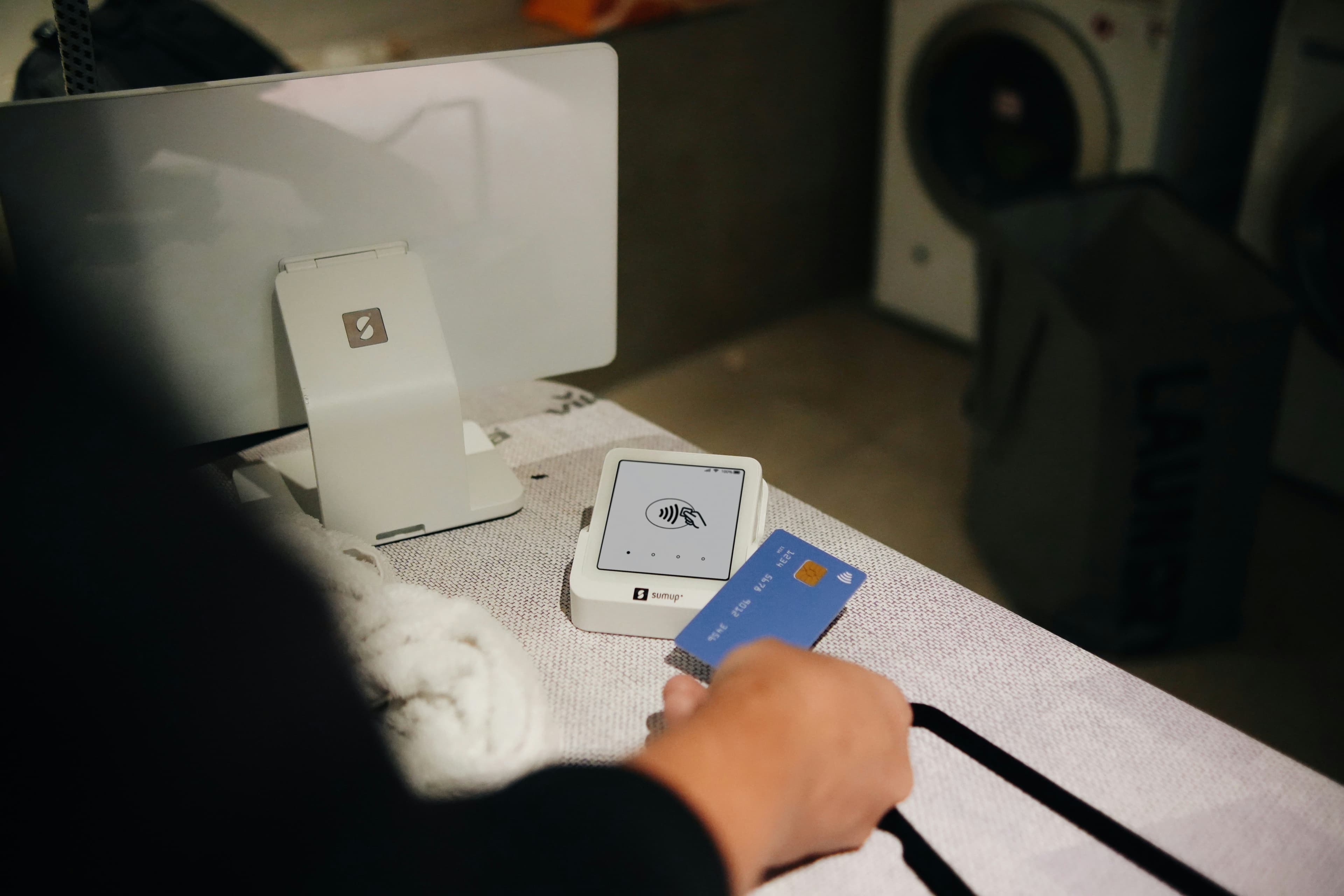
• Black Friday & Cyber Monday: Gaining traction year on year, these global events are now a massive signal to start holiday shopping.
• Boxing Day: Still the biggest sales day in NZ and AU - but consumer behaviour is changing, with more people shopping earlier or expecting extended sales.
• Back to School / Uni: A retail driver not just for stationery, but for clothing, tech, and lifestyle products.
And don’t forget Mother’s Day, Father’s Day, Valentine’s, and even Singles’ Day. These can supercharge buying intent - but only if you’ve primed your audience early enough to matter.
The strongest campaigns don’t just “launch” on the day. They build visibility, desire and awareness weeks beforehand.
Knowing which events actually influence your audience is key. Not every brand needs to go big on Valentine’s. But if you’re in gifting, fashion, home, or food and bev? These dates might be more than just opportunities - they could be Q2 or Q4 lifelines.
Cultural Rhythms & Shopper Psychology
Beyond the calendar and climate, buying behaviour is also deeply influenced by how we live, work, and socialise - and in New Zealand and Australia, that often looks a little different.
Take how we shop.
• Kiwis and Aussies aren’t impulse buyers en masse. We like to research, compare, ask mates, and then make a call. That means your brand needs to show up across that journey, not just at the end of it.
• Trust matters. Reviews, reputation, recognisability - they all play a part. Especially for higher-ticket or niche products.
• We’re proud of buying local. “NZ Made” and “Aussie Owned” aren't just feel-good labels - they’re powerful triggers, especially around Matariki, ANZAC Day or during peak news coverage of global economic shifts.
• Digital discovery is visual. Platforms like YouTube, TikTok and Instagram increasingly shape purchase intent - not just for Gen Z. If your product isn’t visible there, you might be out of the conversation altogether.
Then there’s the psychology of collective behaviours:
• “Treat yourself” moments often spike in winter, when moods dip and people lean into comfort.
• Spending surges follow pay cycles, public holidays, and even sporting events. (A big win for the All Blacks? Expect jersey sales.)
• Tight wallets shift priorities. In tougher months, we’ve seen users turn to bundles, essentials, and brands that offer loyalty or value - not just the cheapest deal.
Read more: Q1 2025 - Retail & Ecommerce Wrap-up
And of course, broader economic pressures play a role too.
• In both NZ and Australia, the cost of living crisis reshaped shopper priorities.
• We’re still seeing more value-driven searches, more time spent comparing, and a rise in delay-or-deferral behaviour - particularly for non-essentials.
• Brands that show transparency, flexibility (think: buy now pay later, generous returns, rewarding loyalty and exclusive offers), and real customer care are more likely to win trust - and wallet share.
Understanding what motivates your audience seasonally - emotionally and practically - is where great marketing (and sales) starts.
This isn’t about stereotypes. It’s about recognising that timing, tone, and touchpoints need to reflect local habits and current realities - not just global marketing playbooks.
Why Your Strategy Needs to Move with the Calendar
It’s one thing to understand when people are most likely to shop.
The real edge comes from knowing how to align your strategy across every channel - before, during and after those moments.
Here’s how we look at it.
SEO is Your Long Game
You can’t “turn on” visibility at the last minute.
SEO success means building authority, content, and trust months ahead of time - so when your audience starts searching, you’re already there.
From seasonal products and gifting pages to evergreen resources that match weather-driven needs (hydration in summer, warmth in winter, etc.), you need to earn that visibility before you need it.
Read more: 5 Reasons Your SEO Campaign Isn't Working
It’s not just about ranking or being cited - it’s about being remembered when the scrolls begin and the wallets open.
Ads & EDMs are Your Sprint Team
When a sales day, holiday, or trend is peaking, your paid channels should kick into high gear.
Think:
• Targeted promos that align with current conditions
• Email campaigns that acknowledge local context
• Retargeting campaigns that nudge browsers who aren’t ready to buy - until the timing is right
These time-sensitive tactics only work when they’re grounded in strategy and supported by long-term visibility.
And Your Website Needs to Hold Up Its End
Seasonal spikes don’t just test your strategy - they test your site.
• Is it fast and mobile-friendly?
• Can users find what they want quickly (especially if they’re rushing to buy a gift or jumping on a promo)?
• Does your UX make buying feel seamless – or like a chore?
Even the best ad or SEO strategy can’t make up for a clunky checkout or a confusing nav menu.
Your site is your store. Make sure it’s not turning people away at the door.
Build Loyalty That Lasts Beyond the Sale
Seasonal surges can win you new customers. But it’s what happens after that makes the real difference.
• Reward repeat customers with loyalty perks
• Keep them warm with helpful EDMs that aren’t just sales pitches
• Personalise their experience based on past purchase behaviour
The cost of acquiring customers keeps rising. Retention strategies that give people a reason to come back will always be worth the effort - especially when things slow down again.
Timing Isn’t Everything - But It Changes Everything
Whether it’s the seasons, school terms, paydays, or public holidays, when people choose to shop is rarely random. In New Zealand and Australia, local rhythms shape how, where, and why buyers convert - and the brands who align with those rhythms always have the edge.
Great marketing doesn’t just show up. It shows up at the right time.
That means:
✔️ Building brand visibility before the moment hits
✔️ Creating content that resonates with season-specific needs
✔️ Running campaigns that match where your customers are - and what they’re thinking about
✔️ And having a website experience that makes action feel easy
Because when the timing’s right and the experience matches, your brand becomes the obvious choice.