Email Database Segmentation: What is It and Why Does It Matter?
29 August 2024

Roberta Johnston
SEO Lead
I'm an SEO specialist with over 8 years of experience helping brands grow through strategic, data-driven search optimisation. I've worked with large e-commerce websites and niche brands alike, developing a deep understanding of ranking algorithms, generative AI, and LLMs like ChatGPT, Perplexity AI, and Gemini. My expertise spans technical SEO, ensuring sites - whether a few dozen pages or 100,000+ - are crawled and indexed effectively.
Tags
Email marketing is one of the most powerful tools in an ecommerce business’s arsenal - but its true potential is unlocked when it’s backed by smart segmentation.
Simply blasting out the same message to your entire database might get you some clicks, but it’s not likely to drive the kind of engagement or sales you’re aiming for. Segmentation allows you to break down your email list into targeted groups, delivering content that resonates with each specific audience. The result? Higher open rates, better click-through rates, and ultimately, more conversions.
At Blackpepper, we understand that effective email marketing is about more than just hitting “send.” It’s about knowing your customers and speaking directly to their needs and interests. In this blog, we’ll delve into what email segmentation is, how to implement it, and why it’s a crucial strategy for any ecommerce business looking to make the most of their EDMs.
What is Email Segmentation?
Email segmentation is a powerful marketing strategy that involves dividing your email list into smaller, more focused groups, or segments, based on specific criteria. Rather than sending the same email to every subscriber, segmentation allows you to tailor your messaging to different audience subsets, making your communication more relevant and effective.
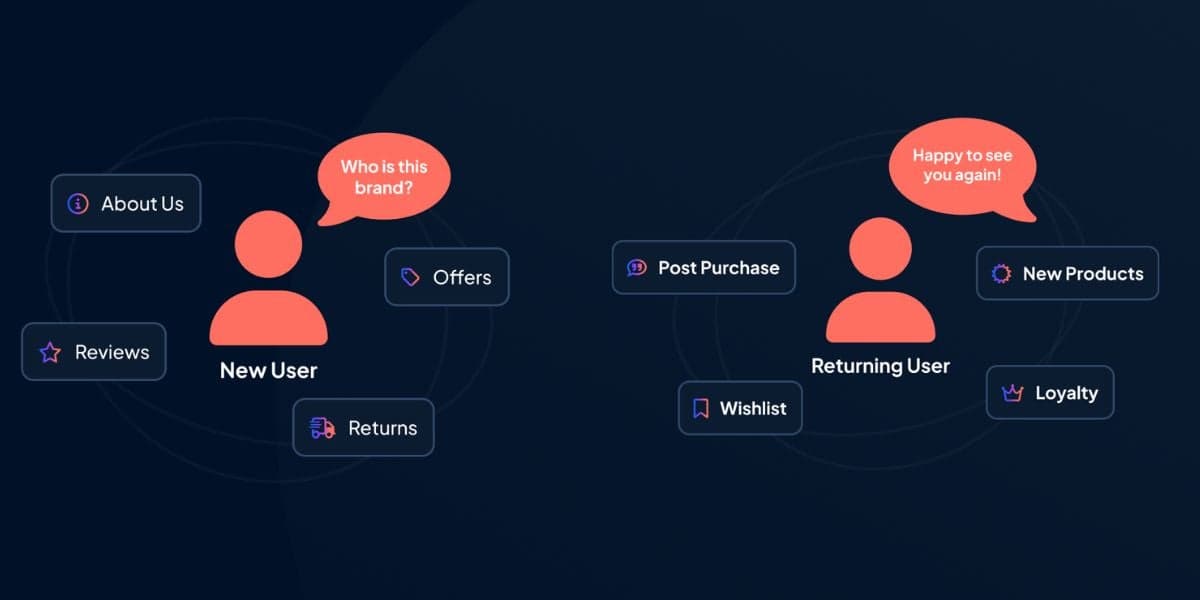
Think of it this way: your email list is likely made up of a diverse range of customers, each with their own preferences, behaviours, and needs. By segmenting this list, you can create personalised campaigns that speak directly to each group’s interests. For example, you might send one set of emails to customers who frequently purchase a particular product category, while another set might target subscribers who haven’t made a purchase in a while.
Related: How to Nurture Customers through the Shopping Funnel
Segmentation can be based on a variety of factors, such as demographics (age, gender, location), purchase history, engagement levels, or even browsing behaviour. The key is to identify the criteria that matter most to your business and use them to craft messages that resonate with each segment.
For ecommerce businesses, this approach can lead to more meaningful interactions with your customers, resulting in higher open rates, better click-through rates, and ultimately, more conversions. By delivering the right message to the right person at the right time, you’re not just sending emails - you’re creating valuable connections that drive results!

What is the Difference Between Email Lists and Segments?
When diving into email marketing, it's essential to understand the distinction between an email list and segments within that list. While these terms are often used interchangeably, they refer to different aspects of your email marketing strategy, each serving a unique purpose.
Email Lists
An email list is a broad collection of contacts that have opted in to receive communication from your business. This list is usually where most email marketing campaigns start. It might include a wide range of subscribers - from first-time visitors who signed up for a newsletter to loyal customers who have made multiple purchases.
The challenge with using a single email list is that it lumps all of these different individuals together, regardless of their specific interests or behaviours.
Email Segments
Segments, on the other hand, are subgroups within your broader email list, created based on specific criteria. These criteria could be anything from demographic details like age and location, to behavioural factors like past purchase history or engagement with previous emails. By creating segments, you can tailor your messages more precisely, ensuring that each group receives content that is relevant to them.
For example, within your email list, you might have one segment for customers who have purchased within the last month, another for those who have abandoned their carts, and yet another for subscribers who haven’t engaged with your emails in a while. Each of these segments would receive different types of content aimed at moving them further along in their customer journey.
Why the Distinction Matters
Understanding the difference between a general email list and specific segments is crucial for effective email marketing. While your email list gives you a broad audience to communicate with, segments allow you to refine your messaging and target specific groups more effectively. This leads to more personalised and engaging campaigns, higher open rates, better click-through rates, and, most importantly, increased conversions.
Keep Reading: Remarketing vs Retargeting - Are They the Same Thing?
For ecommerce businesses, this means you can send promotions to customers who are more likely to act on them, re-engage customers who might be drifting away, and nurture new subscribers into loyal customers - all by utilising the power of segmentation.
How Do You Segment a Mailing List?
Now that we’ve covered what email segmentation is and how it differs from a general email list, let’s get into the nuts and bolts of how to actually segment your mailing list.
Effective segmentation requires a strategic approach, combining data collection, analysis, and the right tools to create meaningful groups within your audience. Here’s a step-by-step guide to help you get started:
1. Identify Your Segmentation Criteria
The first step in segmenting your mailing list is deciding what criteria you’ll use to create your segments. The criteria you choose will depend on your business goals and the type of customers you’re targeting. Here are some common segmentation criteria for ecommerce businesses:
Demographics: Segment your list based on age, gender, location, or income level. This is useful for targeting specific products or promotions to the right audience.
Behavioural Data: Look at how customers interact with your website and emails. Segments can be based on past purchase history, browsing behaviour, or engagement with previous campaigns. For example, you might create a segment for customers who frequently purchase from a specific category, or for those who have abandoned carts.
Psychographics: This involves segmenting based on lifestyle, interests, or values. For example, if you sell eco-friendly products, you could create a segment for customers who have expressed interest in sustainability.
Engagement Levels: Segment your list based on how actively subscribers engage with your emails. You might have a segment for highly engaged customers who open and click through your emails regularly, and another for those who haven’t interacted in a while.
Customer Journey Stage: Consider where each customer is in their journey with your brand. New subscribers might need a welcome series, while loyal customers could be targeted with exclusive offers or loyalty rewards.
2. Collect and Analyse Data
To segment your email list effectively, you need access to reliable data. Start by gathering information from your ecommerce platform, CRM system, and email marketing tools. Look for patterns in your data that can help you identify meaningful segments.
Once you have the data, analyse it to understand your audience better. For example, you might notice that customers in a certain age group tend to purchase a specific type of product, or that subscribers who click on your emails frequently are more likely to make repeat purchases.
Pro Tip: Regularly update your data and review your segments to ensure they remain relevant. As customer behaviour and preferences change, your segmentation strategy should evolve too.
3. Use the Right Tools
The effectiveness of your segmentation efforts depends largely on the tools you use. Most email marketing platforms - like DotDigital, our own omni-channel partner, or the likes of MailChimp and Klaviyo - offer segmentation features that allow you to create and manage segments based on various criteria. Look for tools that integrate well with your existing systems, so you can easily pull in data from your CRM, ecommerce platform, and other sources.
Some advanced tools also offer automation features, allowing you to set up triggers that automatically add or remove subscribers from segments based on their behaviour. This can save you time and ensure your segments are always up to date.
Pro Tip: Consider using AI-driven tools that analyse customer behaviour and automatically create segments for you. These tools can identify patterns you might not have noticed and suggest new ways to segment your list.
4. Create and Test Your Segments
Once you’ve identified your criteria and gathered your data, it’s time to create your segments. Start by building a few key segments that align with your business goals. For example, you might create a segment for customers who have made a purchase in the last 30 days, or for subscribers who have shown interest in a specific product category.
After creating your segments, test them with targeted email campaigns. Monitor the performance of each segment to see how it responds to your content. This will give you insights into what works and what doesn’t, allowing you to refine your segmentation strategy over time.
Pro Tip: A/B testing within segments can help you determine the most effective messaging, subject lines, and offers for each group. This data-driven approach ensures that your campaigns are as effective as possible.
Related: Top 10 Analytics Metrics for Ecommerce Websites
5. Monitor and Adjust Your Segmentation Strategy
Segmentation isn’t a one-time task - it’s an ongoing process. Regularly review your segments to ensure they’re still relevant and effective. As your business grows and your customer base evolves, you may need to create new segments or adjust existing ones.
Keep an eye on the performance of your email campaigns and use the data to refine your segmentation strategy. The goal is to continuously improve your targeting to deliver more personalised and impactful messages to your audience.
Why Should You Segment Your Email List?
In today’s crowded digital marketplace, one-size-fits-all marketing approaches are no longer effective. Customers expect personalised experiences that cater to their specific needs and interests, and email segmentation is one of the most powerful tools ecommerce businesses have to meet these expectations.
Here’s why you should make email segmentation a key part of your marketing strategy:
1. Increased Engagement
When your emails are tailored to the specific interests and behaviours of your customers, they are more likely to open, read, and interact with them. Segmented campaigns have been shown to achieve significantly higher open and click-through rates compared to non-segmented ones. By delivering content that resonates with each segment, you can keep your audience engaged and interested in what you have to offer.
For example, a customer who regularly purchases athletic wear is more likely to engage with an email highlighting new arrivals in that category than a generic promotion. Segmentation allows you to tap into these interests, making your emails more relevant and compelling.
2. Higher Conversion Rates
Targeted emails don’t just lead to better engagement - they also drive higher conversion rates. When your messaging is aligned with the recipient’s needs or past behaviour, they are more likely to take the desired action, whether that’s making a purchase, signing up for a webinar, or taking advantage of a special offer.
For ecommerce businesses, this can translate into more sales and higher average order values. For instance, sending a personalised discount to customers who have abandoned their carts can encourage them to complete their purchase, boosting your overall conversion rate.
Read More: How to Improve Ecommerce Website Conversion Rates
3. Better Customer Retention
Personalisation isn’t just about making a sale - it’s about building lasting relationships with your customers. By sending relevant and timely content, you show your customers that you understand and value their preferences, which fosters loyalty and keeps them coming back.
Segmented email campaigns can help you nurture these relationships over time. For example, you can send exclusive offers to your most loyal customers, or re-engagement campaigns to those who haven’t interacted with your brand in a while. This kind of targeted communication can strengthen customer loyalty and increase repeat business.
4. Improved Deliverability
Sending irrelevant content to your entire list not only leads to lower engagement but can also harm your email deliverability. When recipients don’t find your emails relevant, they’re more likely to mark them as spam or unsubscribe, which can negatively impact your sender reputation.
By segmenting your list and sending more targeted emails, you reduce the risk of being flagged as spam. This helps ensure that your emails reach the inboxes of your intended recipients, rather than being filtered out.
5. Efficient Use of Resources
Segmentation allows you to focus your marketing efforts on the most promising segments of your audience, ensuring that your resources are used efficiently. Instead of wasting time and money on broad campaigns that may or may not resonate with your audience, you can invest in targeted campaigns that are more likely to deliver a strong return on investment (ROI).
For example, instead of offering a blanket discount to your entire list, you could target high-value segments with personalised offers that are more likely to convert. This not only maximises your ROI but also helps you build stronger relationships with your most valuable customers.
6. Enhanced Audience Insights for Other Marketing Channels
One of the often-overlooked benefits of email segmentation is the valuable insights it provides about your audience, which can be leveraged across other marketing channels. By analysing how different segments respond to various messages, you can gain a deeper understanding of your customers’ preferences, behaviours, and pain points.
These insights can inform your strategies in other areas, such as social media advertising, content marketing, and paid search campaigns. For example, if a specific segment of your email list shows a strong interest in eco-friendly products, you might decide to create more social media content or targeted ads that highlight your brand’s sustainability efforts.
Moreover, understanding which segments are most engaged with your emails can help you tailor your messaging across all touchpoints, ensuring consistency and maximising the impact of your overall marketing strategy. This cross-channel alignment not only reinforces your brand message but also helps you deliver a more cohesive and personalised experience for your customers, no matter where they interact with your brand.
Email database segmentation is more than just a marketing tactic - it’s a strategic approach that can transform your ecommerce business. By segmenting your email list, you’re not only making your campaigns more relevant and engaging but also driving tangible results like higher conversion rates, better customer retention, and improved deliverability. In a competitive marketplace, these advantages can make all the difference.
Blackpepper is passionate about helping ecommerce businesses unlock the full potential of their email marketing efforts. Whether you’re looking to segment an existing database or need insights on building a new one, we’re here to provide expert guidance and support.