GEO: What is it & How it Works
28 March 2025

Roberta Johnston
SEO Lead
I'm an SEO specialist with over 8 years of experience helping brands grow through strategic, data-driven search optimisation. I've worked with large e-commerce websites and niche brands alike, developing a deep understanding of ranking algorithms, generative AI, and LLMs like ChatGPT, Perplexity AI, and Gemini. My expertise spans technical SEO, ensuring sites - whether a few dozen pages or 100,000+ - are crawled and indexed effectively.
Tags
The Search Shift Has Already Begun
Search isn’t what it used to be. In fact, it’s not even just search anymore.
The rise of AI tools like ChatGPT, Perplexity, and Google’s Gemini means that the way people find information - and make purchase decisions - is changing fast.
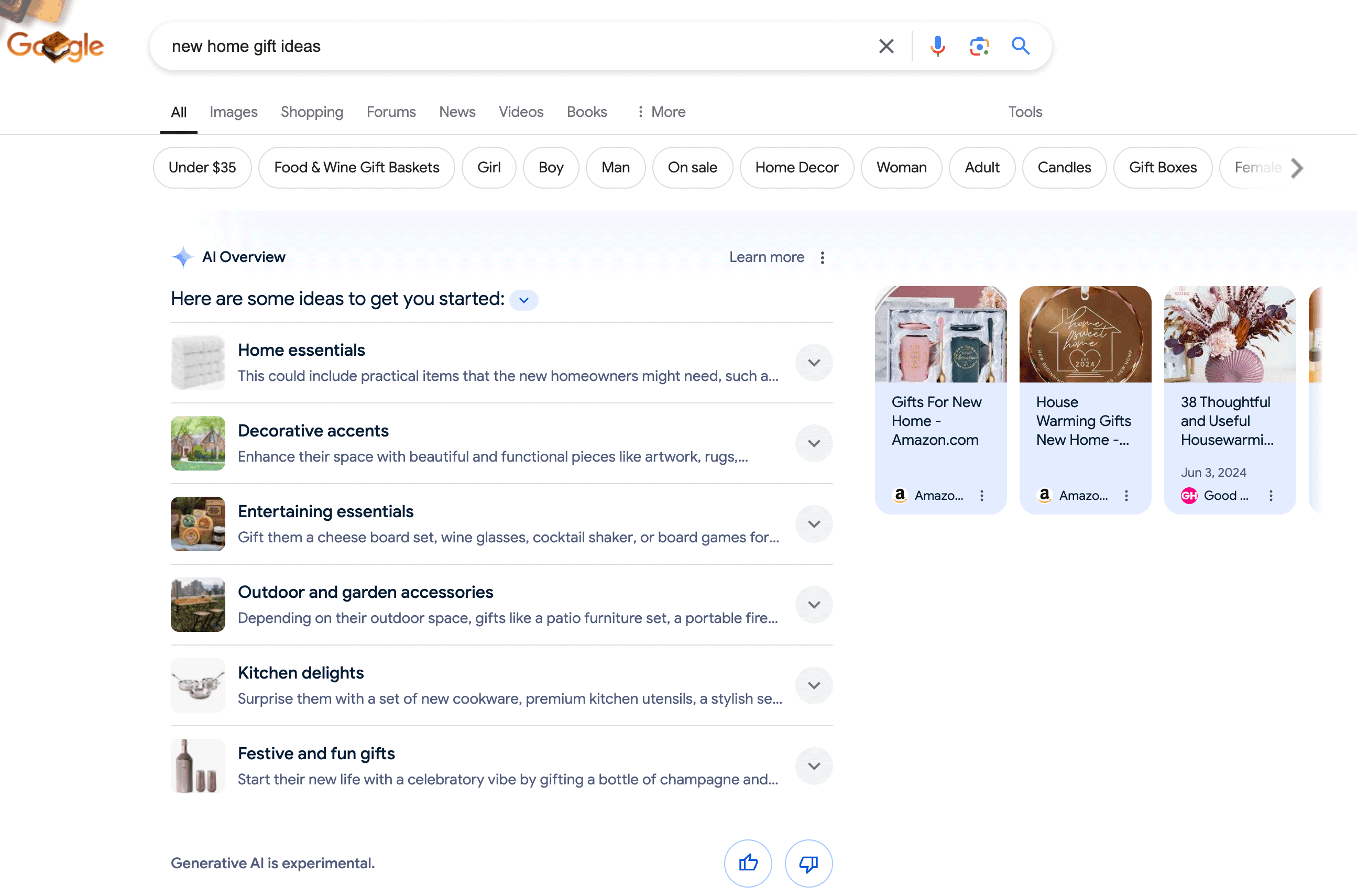
At the same time, Google’s own AI Overviews have begun transforming its traditional results pages, turning what used to be a list of links into an AI-curated summary of answers.
For businesses, this marks the beginning of something big. If your brand isn’t showing up in these answers - or the tools generating them - you risk losing visibility altogether.
Enter Generative Engine Optimisation (GEO): the next evolution of search strategy.
Let's break down what GEO actually is, how AI is reshaping online discovery, and what your ecommerce brand needs to be thinking about right now to stay ahead.

What is Generative Engine Optimisation (GEO)?
GEO stands for Generative Engine Optimisation, and it's exactly what it sounds like: the process of making sure your brand, content, and products are visible to AI-driven tools and search experiences.
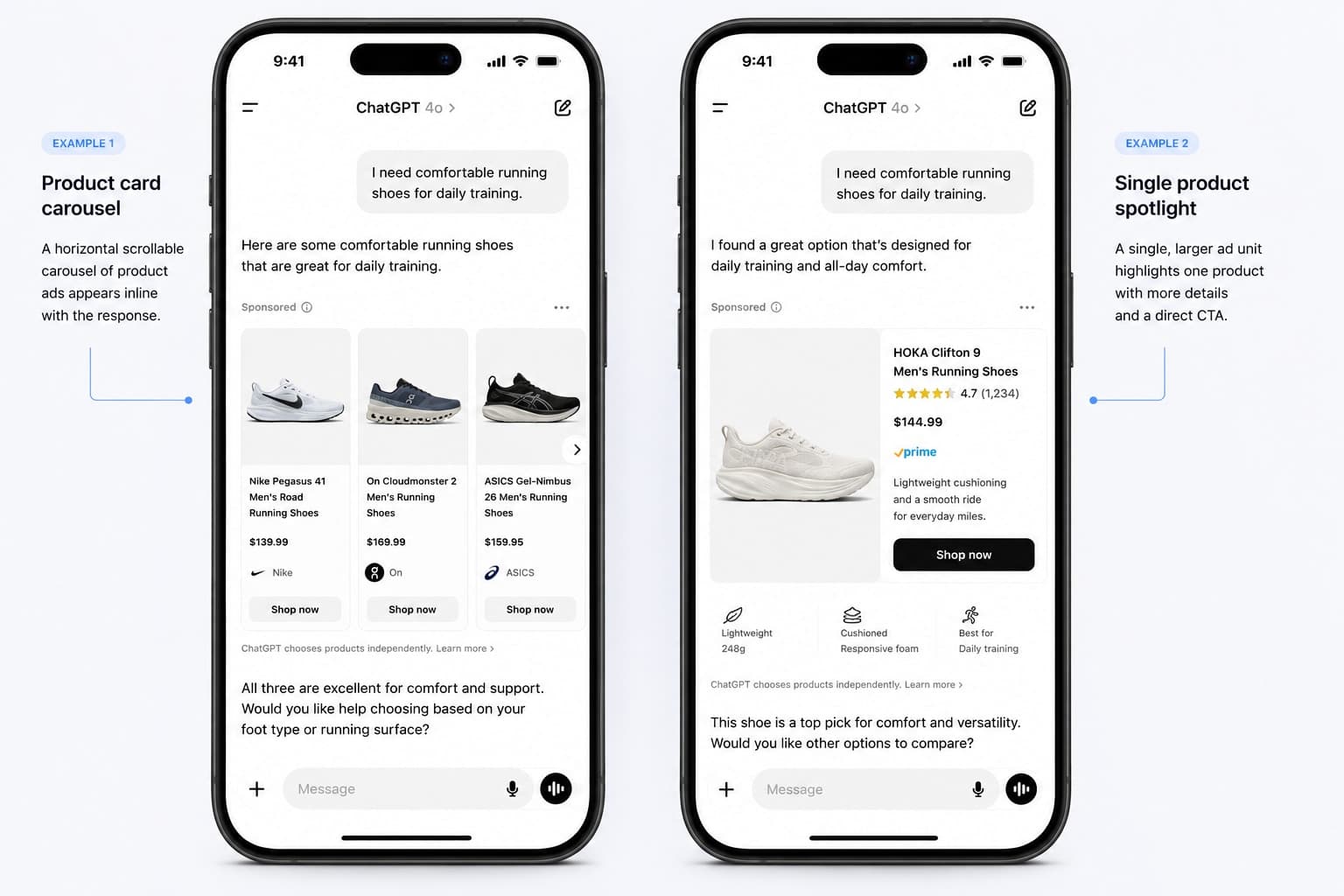
Unlike traditional SEO, which focuses on ranking in search engine results pages (SERPs), GEO is about showing up in AI-generated answers - think Google’s AI Overviews, ChatGPT responses, Perplexity summaries, and even voice assistants like Siri and Alexa.
Search Engine Roundtable
These platforms don’t “rank” websites the way Google traditionally has. Instead, they pull from multiple sources across the web, summarise them using large language models (LLMs), and present concise, direct answers.
If your content isn’t structured and optimised for these new engines, you might get skipped altogether.
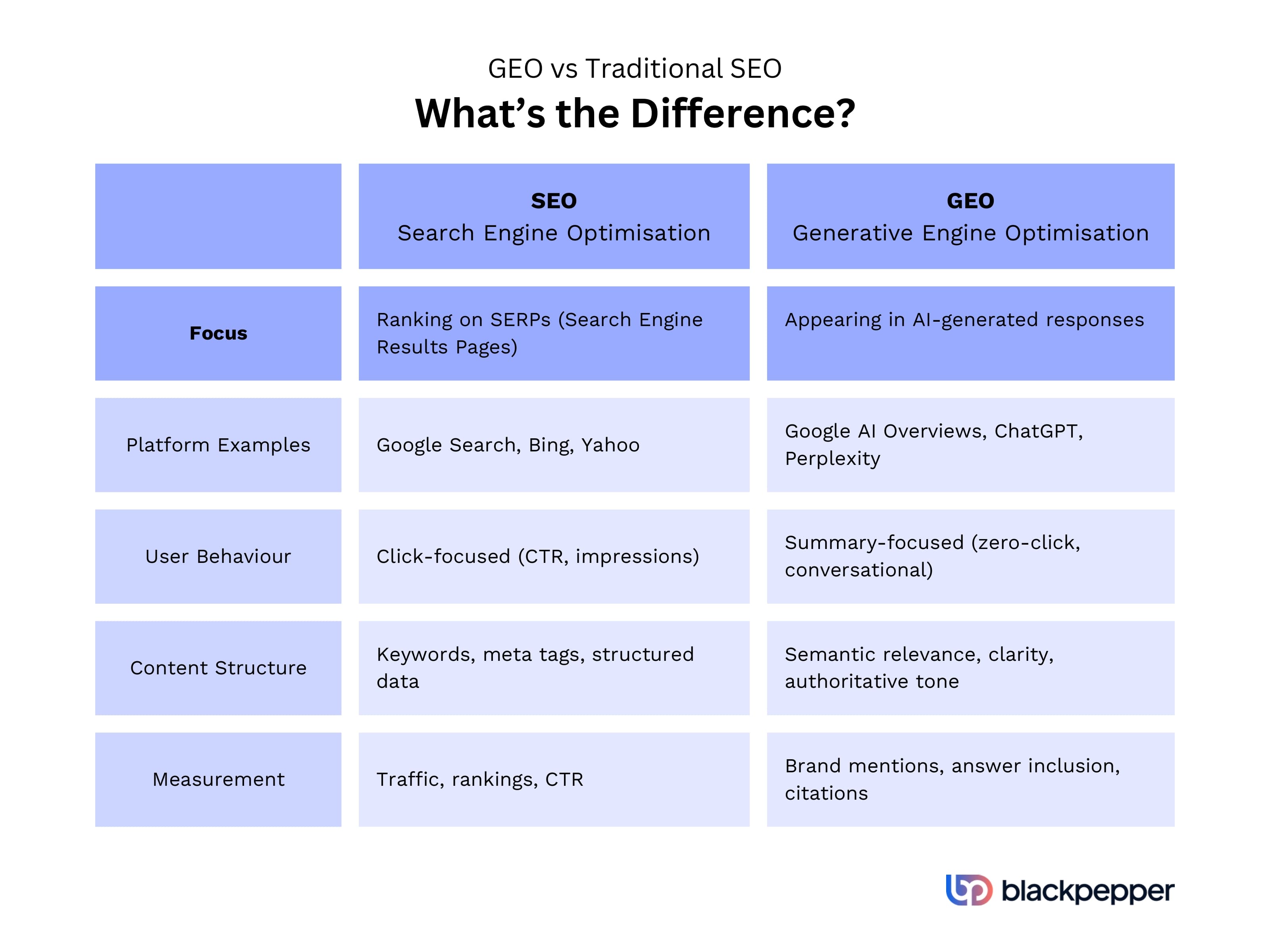
In short? GEO doesn’t replace SEO - it builds on it.
It’s the natural evolution of search strategy in a world where AI is now the interface between users and content.
Ranking vs Citations: A New Way to Think About Visibility
In traditional SEO, success is usually measured by ranking - the higher your site appears in search results, the more clicks and traffic you get.
But in generative search experiences, ranking doesn’t exist in the same way.
There’s no list of blue links to scan through. Instead, AI models generate answers by pulling content from multiple sources - and they don’t always tell you where it came from.
This is where citations come into play.
A citation is when your brand or website is referenced in an AI-generated response - either explicitly (with a link or brand mention) or implicitly (by using your content to inform an answer).
And in this new landscape, being cited is often more important than being ranked.
Why Citations Matter:
- They build trust. When AI tools reference your site or brand, it positions you as an authority in your space.
- They drive brand visibility. Even if users don’t click through to your site, your brand becomes part of the conversation.
- They influence user choices. If your product or service is mentioned in a summary, it’s more likely to be considered.
In this new world of zero-click results and conversational search, citations are the new currency of visibility.
That’s why modern optimisation efforts (like GEO) are focused not just on how high you rank, but how and where your brand is being mentioned across AI and search platforms.
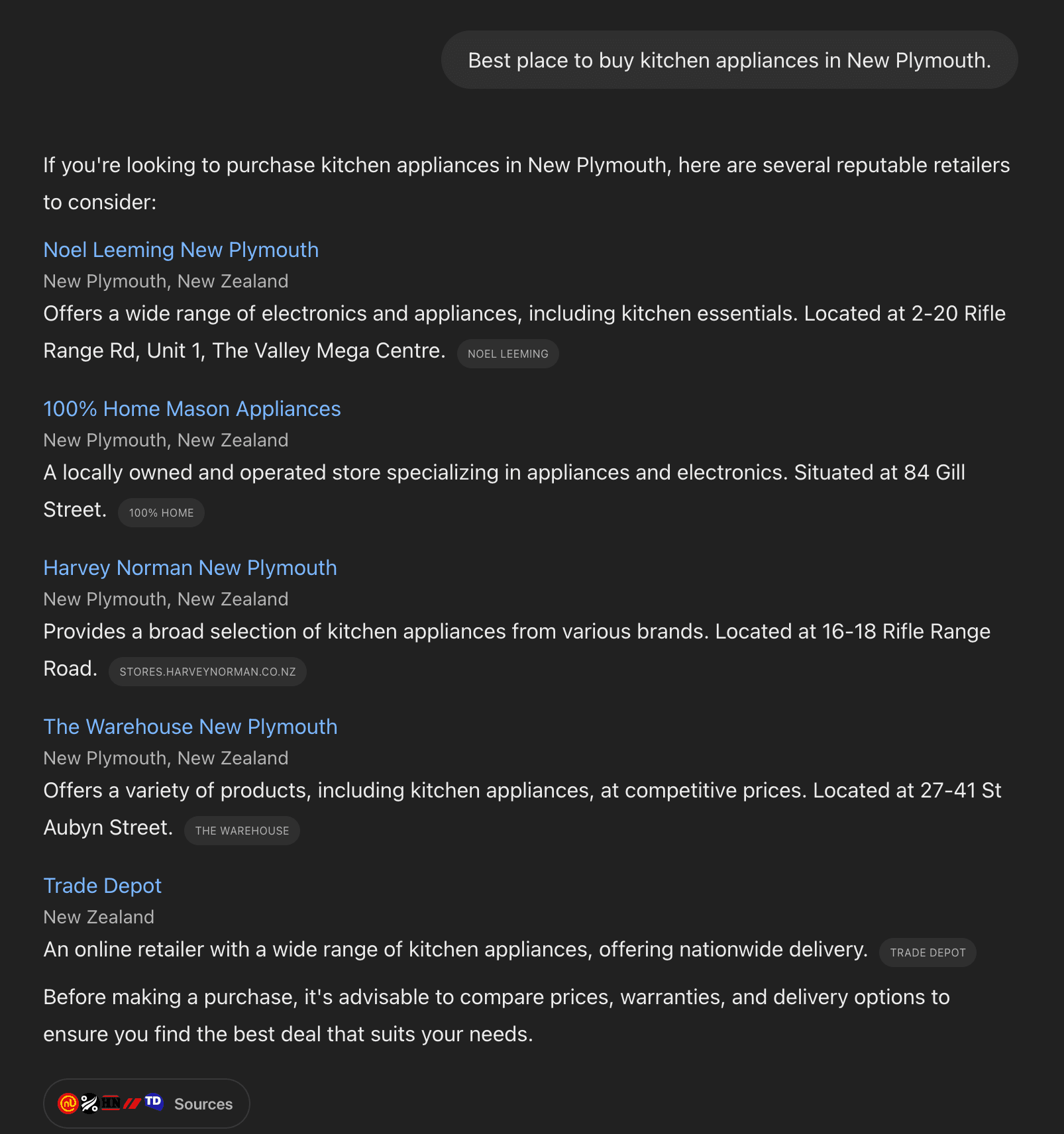
How AI Is Changing Search Behaviour (And What That Means for You)
Search engines aren’t just answering questions anymore - they’re solving problems in real time.
Thanks to AI-powered tools like Google’s Search Generative Experience (SGE), Perplexity, and even ChatGPT’s web browsing mode, users no longer need to sift through a dozen links to find what they’re looking for.
Instead, they ask a question and get a detailed, conversational answer - often complete with comparisons, product suggestions, and summaries.
That shift is changing the way people discover products and brands.
Here's how:
1. Search Journeys are Shorter
People are getting answers faster, and in fewer steps.
Where they may have once visited multiple websites, now they can get a confident answer in seconds.
That means fewer clicks, fewer impressions - and fewer chances to win them over with a traditional landing page.
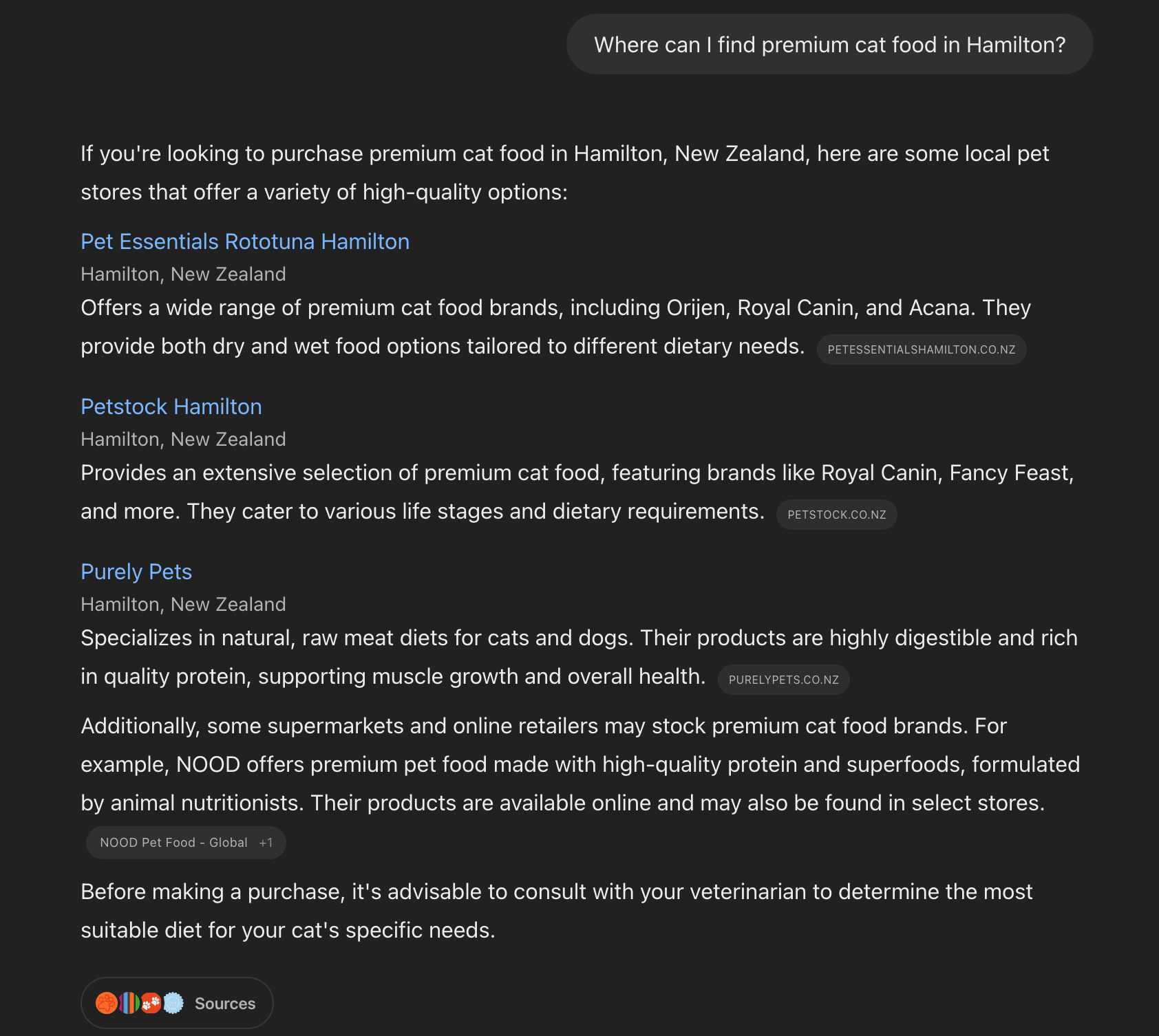
2. Product Discovery is Happening Inside AI Tools
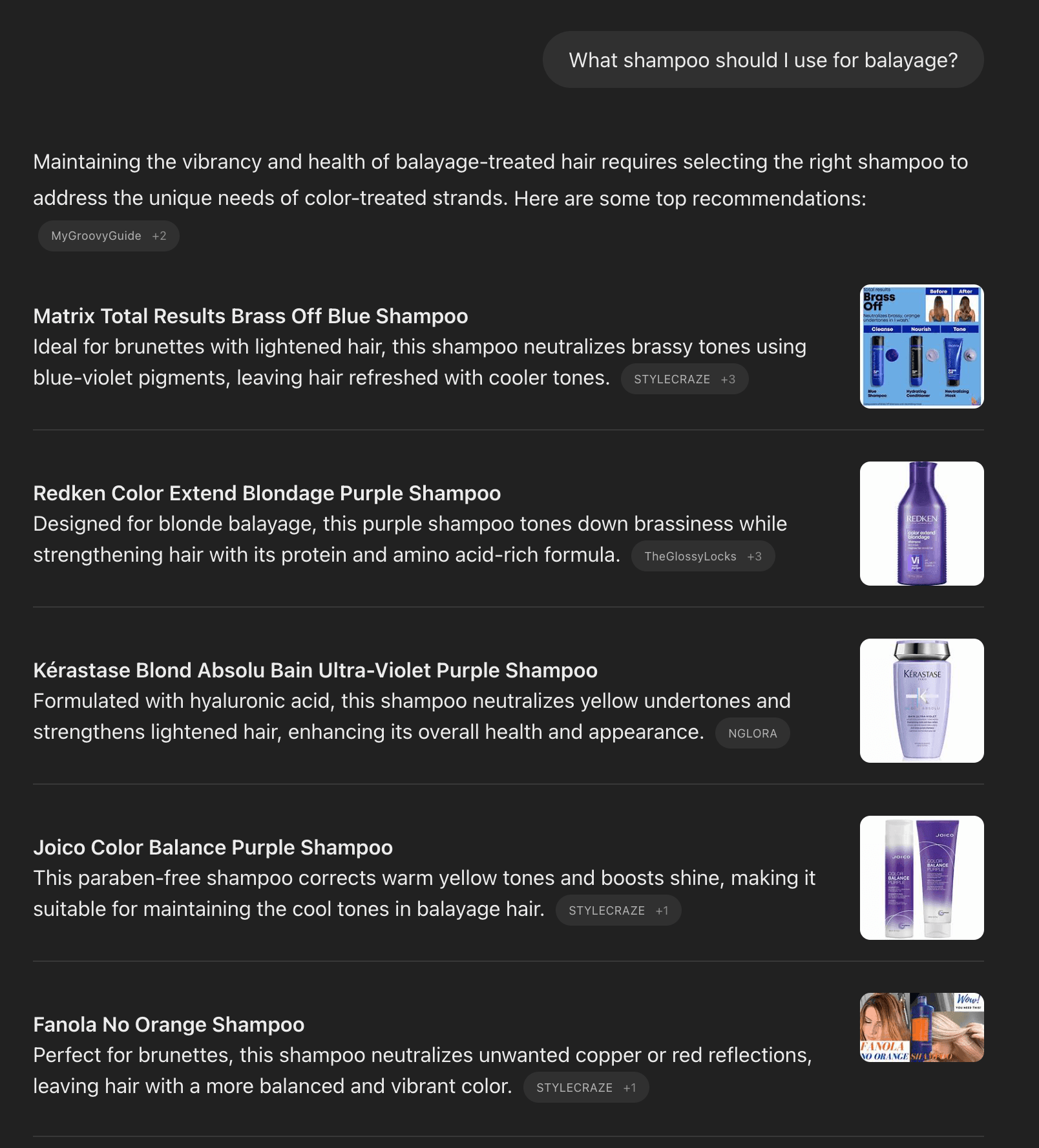
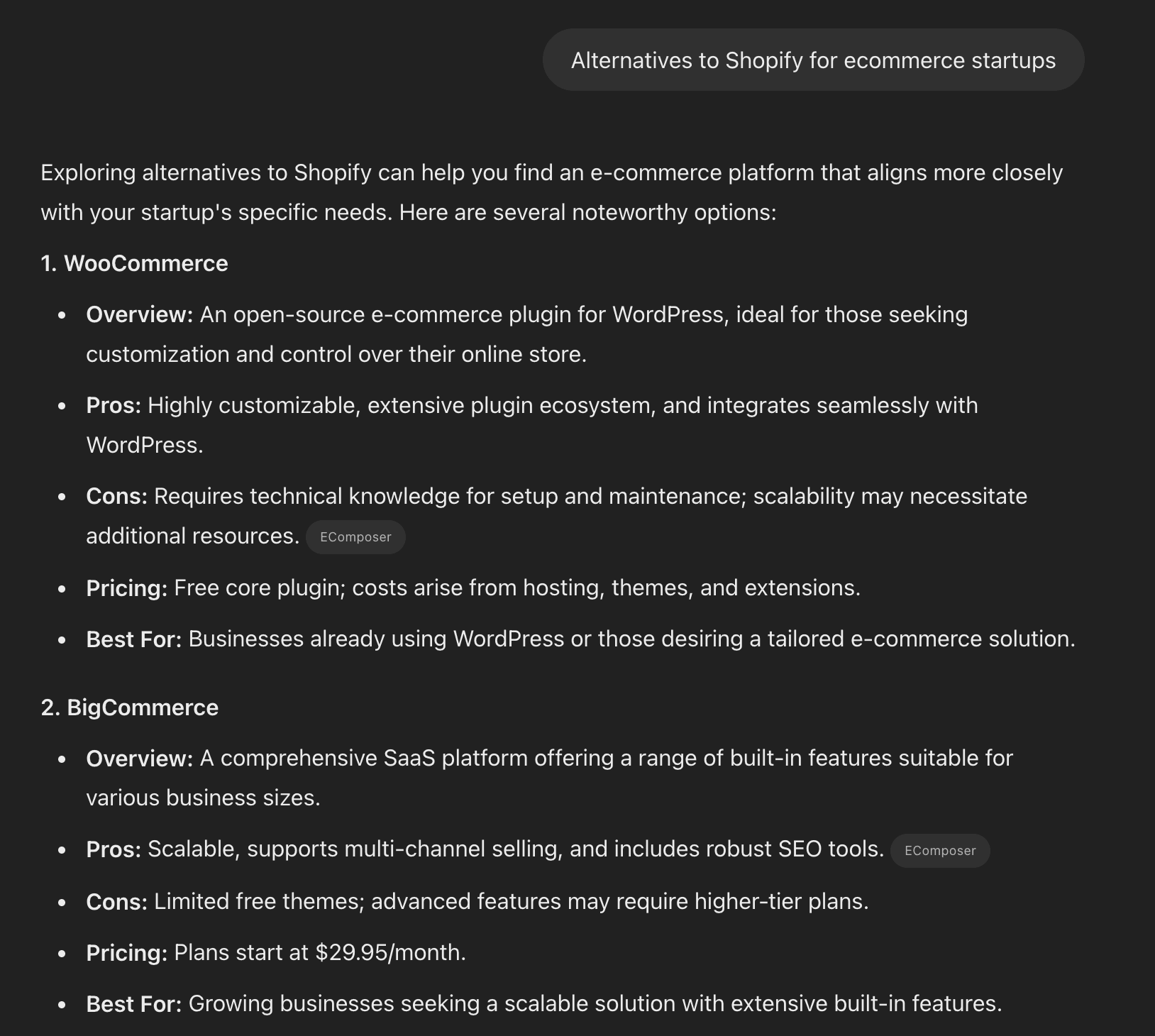
Shoppers are using tools like Google AI Overviews, Perplexity, and Gemini to ask things like:
- “What’s a good gift under $100 from NZ brands?”
- “What’s the best shampoo for fine blonde hair?”
- “Which ecommerce platforms are best for a startup?”
These tools pull together recommendations and content from across the web - often using sources without linking out. So if your brand isn’t being cited, you’re not even in the running.
3. Branded Search is Being Replaced by Thematic Search
Instead of looking up specific brands or websites, users are searching by topic, intent, or need - and relying on AI to make recommendations. For example:
- “Best eco-friendly sneakers in NZ” replaces “Allbirds”
- “Alternatives to Xero for small business accounting” replaces branded searches
This is great news for emerging or challenger brands - but only if your content is optimised for these types of searches.
4. Local Search is Now Hyper-Personalised
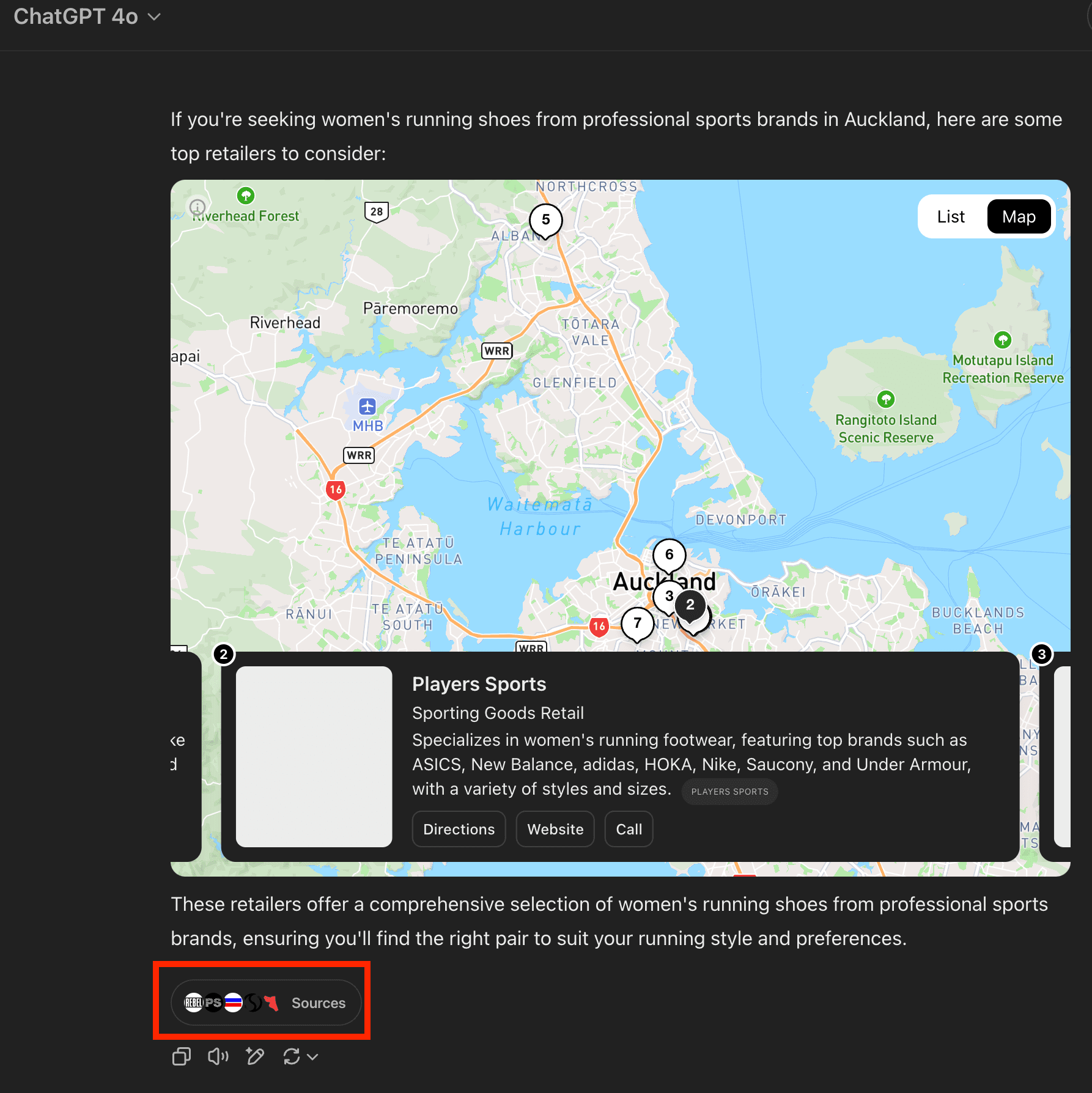
AI tools aren’t just showing the best result - they’re showing the best result near you.
That means location-based content, schema elements and metadata are more important than ever. If your product or service is relevant to a specific city, region or country, generative engines need clear signals to include you in local recommendations like:
- “Where to buy sustainable beauty products in Wellington”
- “Best pizza near me open late”
- “Hairdressers with good reviews in Christchurch”
If your local SEO isn’t sorted - or worse, if Google can’t confidently verify where you’re located - you’re likely to be excluded from the answer entirely.
Core Pillars of GEO (What Brands Need to Focus On)
GEO isn’t about chasing traffic - it’s about being the right answer.
These AI tools don’t just crawl content; they interpret, summarise, and recommend. That means brands need to move beyond old-school SEO tricks and focus on what actually matters to generative engines.
Structured Data & Schema Markup
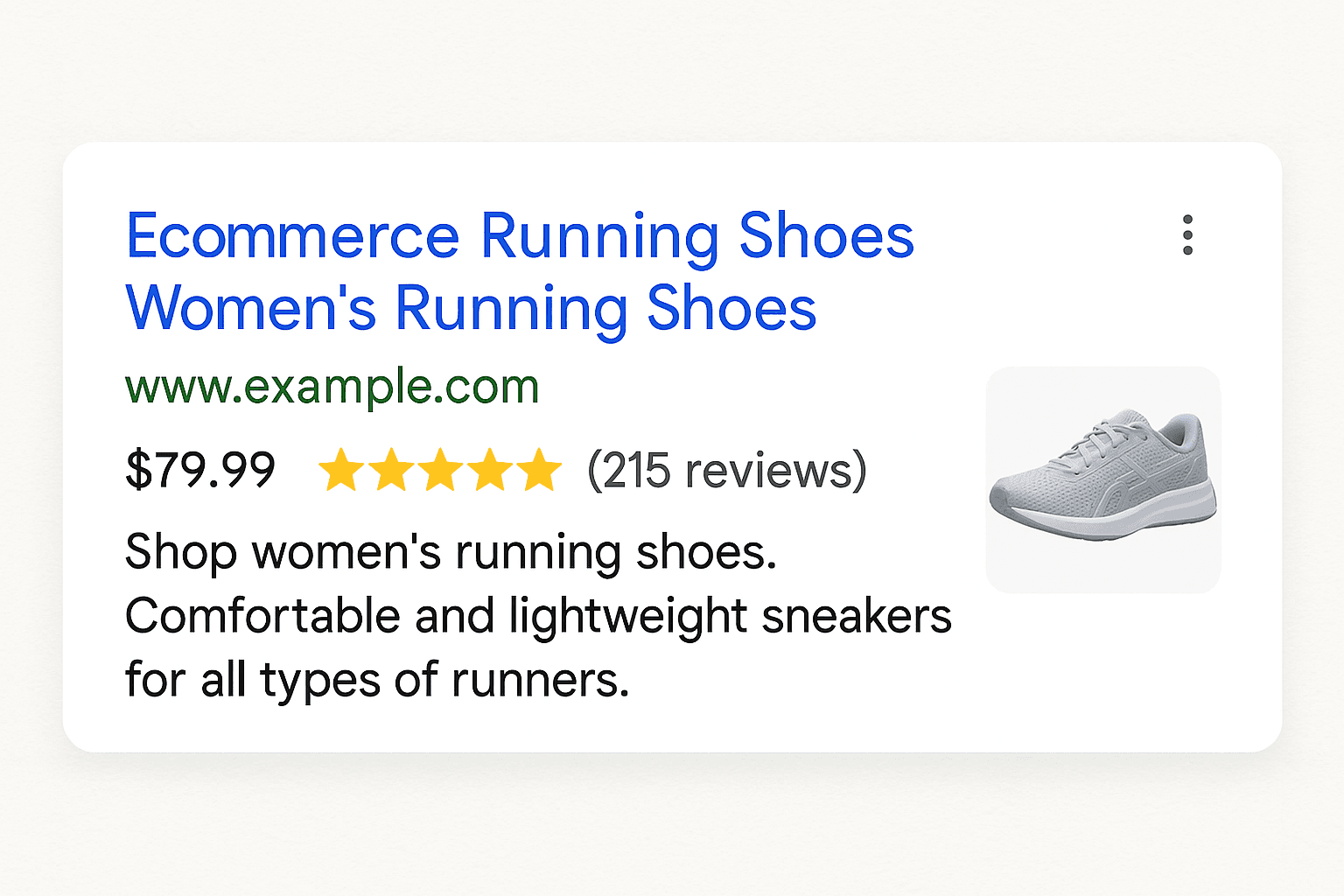
Structured data is what allows AI tools to understand your content at a glance. It’s how you tell Google:
- “This is a product”
- “This is the review score”
- “Here’s the price, brand, and availability”
Without it, you’re relying on generative engines to guess what your content is about - which means you’re less likely to be cited or included in product comparisons.
From product schemas to FAQ markup, structured data is one of the fastest ways to help generative tools surface the right information, from the right source (you).
Topical Depth & Semantic Relevance
Gone are the days of targeting a single keyword with a single page.
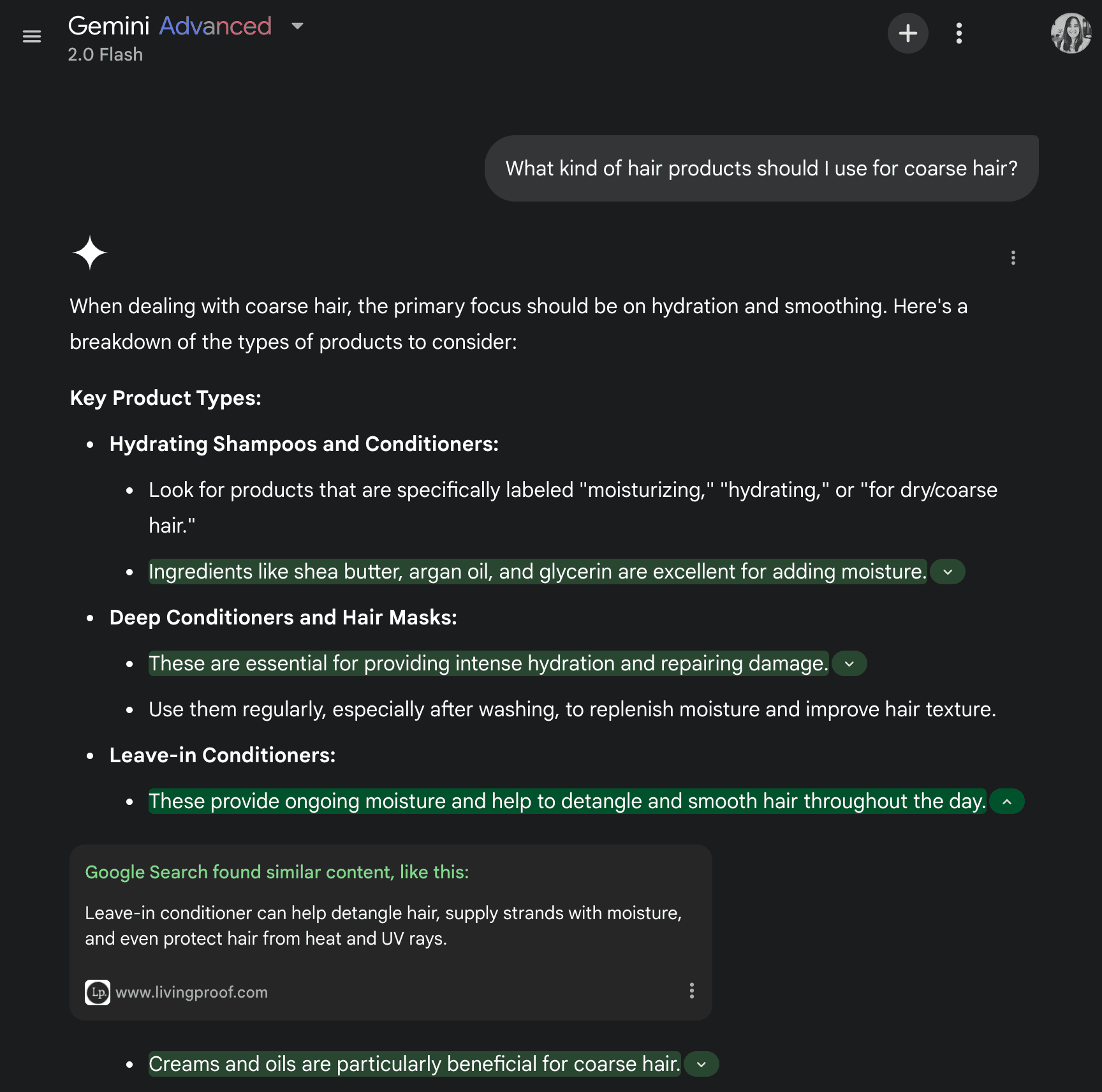
AI tools look for topic coverage, not keyword stuffing. That means:
- Building clusters of related content (e.g. a main guide with supporting blogs)
- Using semantic language (like “moisturising”, “hydrating”, “anti-frizz” instead of repeating “shampoo”)
- Writing to inform and educate, not just to rank
Generative engines assess how well you cover a subject, how current your content is, and how it compares to others. Thin content = low confidence = no citation.
Content Clarity & Contextual Accuracy
AI summarises, compares, and cross-checks information. So if your content isn’t clear, accurate, and easy to interpret, you’re going to get skipped.
That means:
- Writing in plain, accessible language (like this!)
- Organising content with headings, lists, FAQs, and visual structure
- Including stats, sources, and examples to support your claims
Think of it this way: if AI tools are pulling answers from 10 sources, make sure your content is the one they trust to get it right.
Brand Reputation & Digital Footprint
It’s not just what’s on your site - it’s what’s around your site.
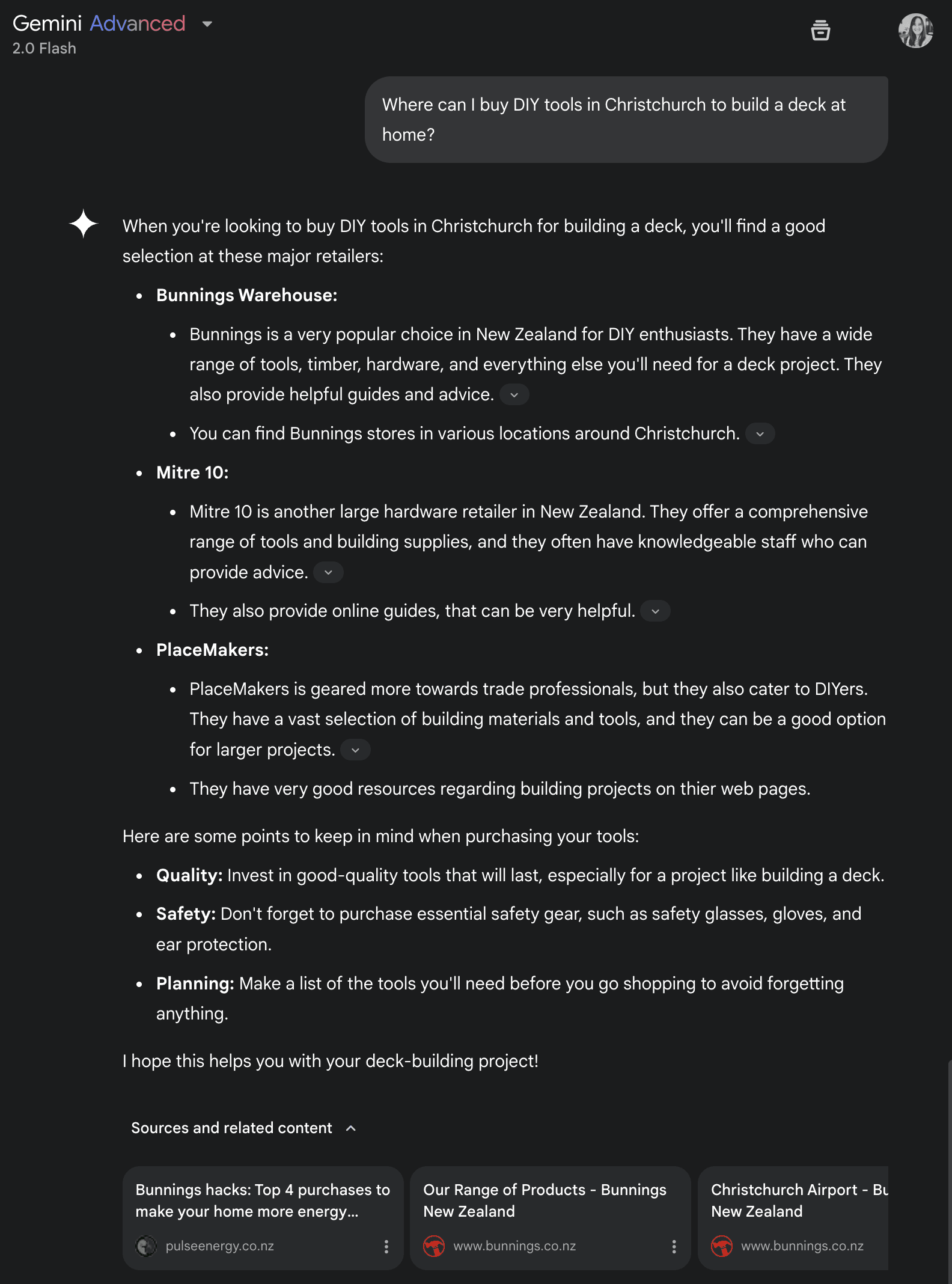
Mentions, reviews, backlinks, and third-party signals help generative engines assess whether your brand is trustworthy and credible. They also help reinforce your authority in specific niches.
That’s why citations often go to:
- Brands with a strong content presence across multiple platforms
- Products with lots of high-quality reviews and user feedback
- Businesses that are consistently talked about online
If you’re not building your digital footprint, AI won’t know you exist.
🧠 Worth noting: GEO doesn’t just improve visibility in AI tools like ChatGPT or Google SGE - it also overlaps with voice search, social search, and future AI-powered discovery models.
This is about future-proofing how your brand gets found.
So, Where Does That Leave You?
Generative Engine Optimisation isn’t just a trend - it’s where search is heading.
Whether it’s Google’s AI Overviews, ChatGPT, Perplexity, or even voice assistants like Alexa and Siri, the way people discover products and services is evolving fast. And while the fundamentals of SEO still matter, the rules of the game are changing.
Plus, as generative search grows, so too does the need to track new performance signals - like citation volume, branded mentions, and share of voice across AI responses. It’s not just about rankings and clicks anymore.
But here's the thing: you don’t need to overhaul your entire strategy overnight. Instead, smart brands are starting to shift their focus now - building content with more depth, improving technical signals, and investing in the kind of digital footprint that makes AI take notice.
And that’s exactly where we come in.
How Blackpepper Helps Brands Stay GEO-Ready
At Blackpepper, we’re already helping ecommerce brands adapt to this new era of search.
From optimising structured data and strengthening content signals to building out trust indicators and ensuring your products are actually eligible to show up in AI responses - we handle the heavy lifting.
We’re also actively tracking changes to AI Overviews, testing how different engines source their information, and refining our SEO strategies to align with how real users are searching (and converting) in 2025.
We know that visibility doesn’t just mean “ranking” anymore - it means being the source, the citation, and the recommendation.
So if you’re ready to stop chasing rankings and start building real AI-ready visibility, let’s talk about what’s possible for your brand.