Google Ads & SEM in 2025 – What Retail Brands Need to Know
12 February 2025

Roberta Johnston
SEO Lead
I'm an SEO specialist with over 8 years of experience helping brands grow through strategic, data-driven search optimisation. I've worked with large e-commerce websites and niche brands alike, developing a deep understanding of ranking algorithms, generative AI, and LLMs like ChatGPT, Perplexity AI, and Gemini. My expertise spans technical SEO, ensuring sites - whether a few dozen pages or 100,000+ - are crawled and indexed effectively.
Tags
Google Ads has changed - a lot.
For years, search engine marketing (SEM) success was all about finding the right keywords, bidding strategically, and optimising ad copy.
But in 2025, the game is shifting towards understanding the customer journey, audience intent, leveraging AI, and making the most of first-party data.
The biggest takeaway? Paid search is looking a lot like organic search; Google is targeting similar behavioural and user-based signals to deliver results, on both sides of the SERP**.**
Last week, we covered how SEO is moving away from keyword-heavy strategies and focusing on content, credibility, and visibility beyond Google.
On the paid side of search, a similar evolution is happening:
✔ Keywords are taking a backseat to audience signals and user intent (think location, interests and search activity across more than just Google).
✔ AI ismakingcampaignmanagement and strategy smarter (but less manual).
✔ First-party data is a must for targeting.
✔ Google Shopping is an even bigger opportunity than before.
📢 So, what should ecommerce brands focus on to stay competitive?
Paid search isn’t just about bidding on keywords anymore - it’s about understanding your audience, the customer journey, feeding the right data into Google’s machine learning, and showing up where customers are actually searching.
🚀 Let’s break it all down.
TL;DR: Key Takeaways for Retail Brands in 2025
- Google Ads is targeting user behaviour, intent signals, and engagement patterns. Keywords still matter, but knowing who your customers are, how they browse, and what drives conversions is way more important.
- Google’s Performance Max (PMax) campaigns are now fully AI-driven, optimising placements across Search, YouTube, Display, Discover, Gmail, and Maps. This means less manual control but better results - if you feed Google the right data.
- With privacy changes limiting traditional tracking, owning your customer data is crucial. Tools like Enhanced Conversions help brands collect valuable insights in a privacy-friendly way, making ads more effective and targeted.
- Shopping ads are bigger than ever, and success depends on how well your product feed is optimised. High-res images, detailed descriptions, and structured data are key to getting noticed in Google’s Free Listings and Paid Shopping Ads.
- Google is constantly rolling out new AI features - brands that test, adapt, and refine their approach will see the best results. Whether it’s incrementality testing, creative testing, or budget optimisation, continuous experimentation is a must.
1️⃣ The Shift from Keywords to Audience Intent & Signals
For years, Google Ads revolved around keyword bidding - the more refined your keywords, the better your chances of appearing in front of the right audience.
But in 2025, Google’sapproach is shifting to include user intent, behavioural signals, and first-party data.
Google is using machine learning and audience signal insights alongside bidding strategies to determine who sees your ads, when, and where.
Why is This Happening?
📢 AI is reshaping Google Ads → Instead of focusing only on search terms and product data, Google is now analysing user behaviour across its ecosystem (Search, YouTube, Gmail, Display, and more) to predict who is most likely to convert.
📢 Privacy changes are limiting traditional tracking → With third-party cookies being phased out, first-party data - information you collect directly from your customers - is now your most valuable asset.
📢 Google's machine learning models are advancing → Audience signals serve as an input for the Google algorithm and help optimise your campaigns for better performance by identifying the audiences most likely to convert.
What This Means for Retail Brands:
Audience Signals Are Key
Google looks at signals from users based on behaviour, not just search terms. Engagement patterns, purchase history, and browsing habits all contribute to Google’s decision-making on who sees your ads.
💡 Example: If someone watches multiple product reviews on YouTube, browses competitor sites, and engages with similar brands, Google may show them your ad - even if they never searched for your specific product.
First-Party Data Is Your Competitive Edge
As third-party cookies disappear, brands that own and leverage their own customer data will dominate.
Google encourages businesses to feed their ad strategy with first-party insights - this means optimising with customer data, building strong CRM lists, and using conversion tracking tools like Enhanced Conversions.
💡 How to use first-party data effectively:
✔ Segment your audience → Use existing customer data to create high-intent audience lists.
✔ Integrate Enhanced Conversions → Google’s privacy-first tracking matches first-party data with Google signals to improve tracking accuracy (source).
✔ Sync CRM & ad data → Brands using customer match targeting (email lists, past purchases) are seeing higher engagement and ROI.
Performance Max is Changing the Game
Google’s Performance Max (PMax) campaigns are built around audience signals and product data rather than traditional keyword matching.
Instead of targeting users only when they search, PMax uses:
✔ Product feed data → To match ads with high-intent shoppers
✔ User signals → To show ads at different stages of the buying journey and find users that convert
✔ AI-powered placement optimisation → To distribute budget efficiently across channels
💡 Why this matters
- PMax delivers strong conversion performance, but brandsneedtooptimise their first-party data and product feeds to fully benefit.
- Feed quality directly impacts performance → Brands with strong product data, high-quality images, and structured attributes see better conversions.
- AI-driven ad placement means losing manual control → Brands that focus on providingthebestinput data (audience signals, product details) will outperform those that don't.
The Big Picture: Keywords, Audiences, Product Feeds
In today’s Google Ads ecosystem, bidding on the right keywords isn’t enough - brands must:
✔ Leverage audience signals & first-party data to identify and target high-intent users.
✔ Use AI-powered tools like Enhanced Conversions & Customer Match to improve tracking accuracy.
✔ Optimise Google Shopping feeds & Performance Max campaigns for better visibility across multiple channels.
✔ Understand the customer journey and audience intent, not just search terms.
Retail brands that embrace this shift will see stronger results, better ROI, and higher engagement.
Those that don’t? They risk wasting ad spend on an outdated strategy that doesn't deliver optimal results.
Is your SEM strategy ready for this new era? Let’s dive deeper into the next big trend: Google’s AI-powered Performance Max campaigns.
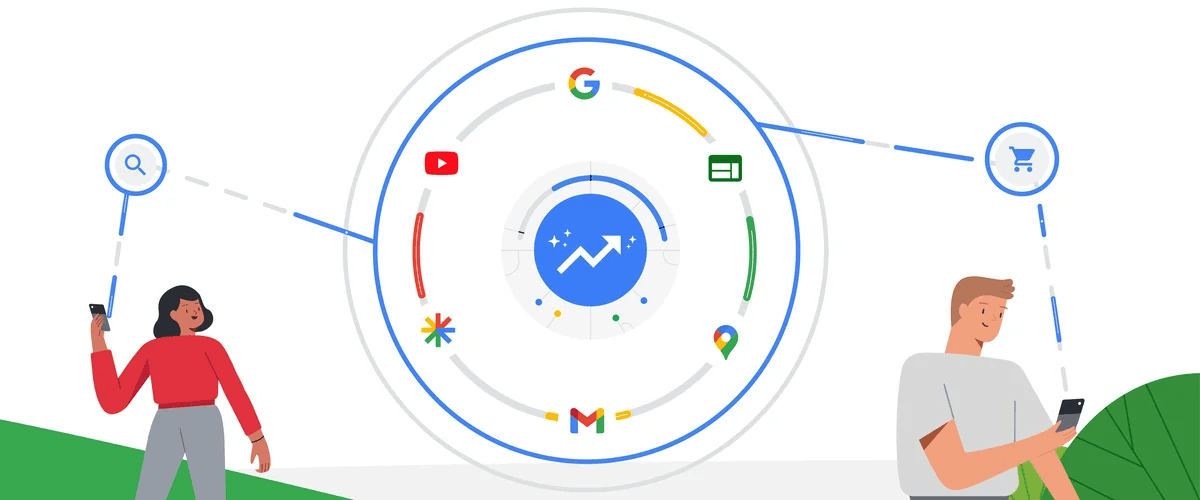
2️⃣ Performance Max (PMax) Took Over – and It's Here to Stay
In 2025, Performance Max (PMax) campaigns have become a cornerstone of Google Ads, offering an AI-driven approach that streamlines advertising across multiple channels.
By harnessing Google's machine learning capabilities, PMax optimises ad placements across Search, YouTube, Display, Discover, Gmail, and Maps, ensuring a broader reach and more efficient budget allocation.
Key Features of PMax
- AI-Driven Efficiency: PMax campaigns use advanced AI to automate and optimise ad placements, reducing the need for manual adjustments and allowing for more strategic focus.
- Comprehensive Channel Integration: By consolidating advertising efforts across various Google platforms, PMax ensures that your ads reach potential customers wherever they are in the Google ecosystem.
- Dependence on Quality Data: The effectiveness of PMax campaigns heavily relies on well-optimised product feeds and robust audience signals. Integrating high-quality first-party data enhances targeting precision and overall campaign performance.
What This Means for Retail Brands
Enhanced Performance with Limited Transparency
Many retailers have reported that PMax campaigns outperform traditional search campaigns in terms of conversions and reach.
However, the AI-driven nature of PMax can lead to challenges in understanding the specifics of ad placements and performance metrics. It's essential to trust the system while continuously monitoring overall results.
Focus on Data Quality
Success with PMax necessitates a strong emphasis on the quality of your product feeds and audience data.
Ensuring that your product information is accurate, comprehensive, and up-to-date will allow the AI to make the most effective decisions.
Similarly, leveraging first-party data to create detailed audience profiles will enhance targeting accuracy.
Using the Store Quality Program
Google's Store Quality program recognises merchants who consistently provide exceptional shopping experiences.
Participating in this program can improve your store's visibility and performance within the Google ecosystem. Maintaining high standards in areas such as shipping, returns, user ratings, and website quality is crucial to benefit from this program.
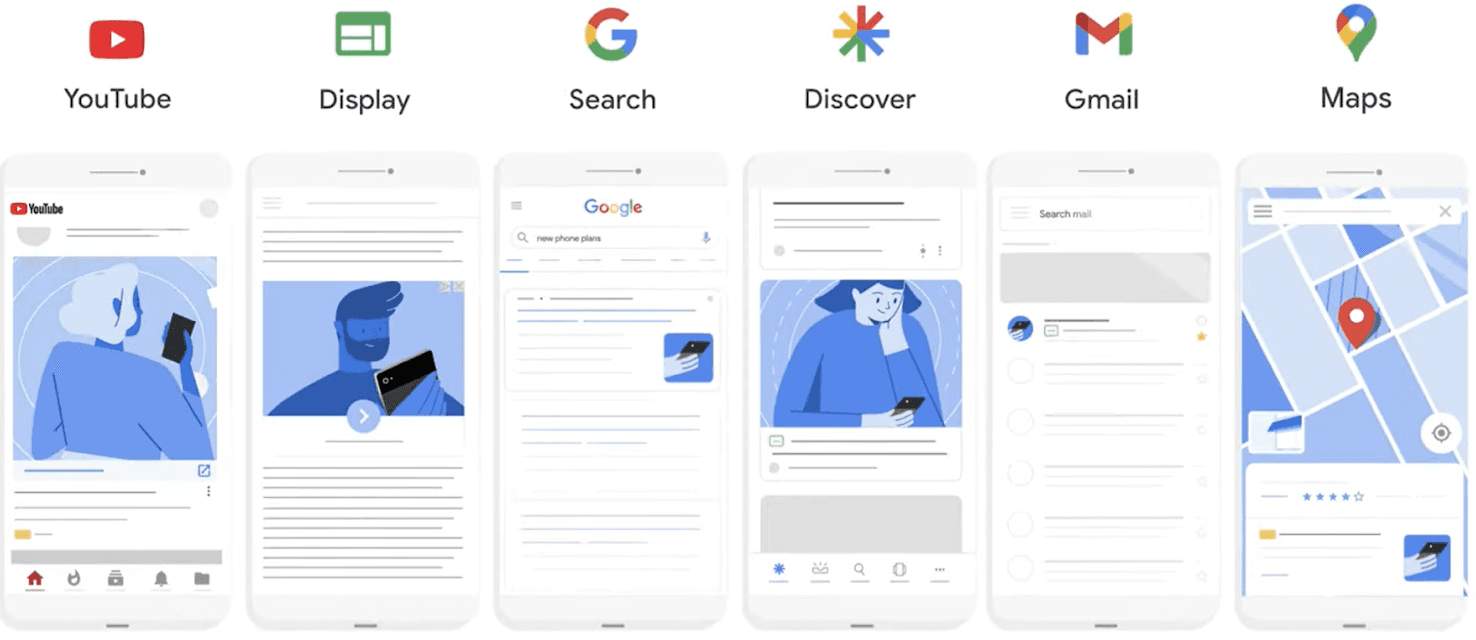
3️⃣ Demand Gen (Formerly Discovery Campaigns) – Awareness Over Conversions
Demand Gen campaigns have evolved to become a powerful tool for brand awareness, especially with the introduction of video and carousel ads on YouTube.
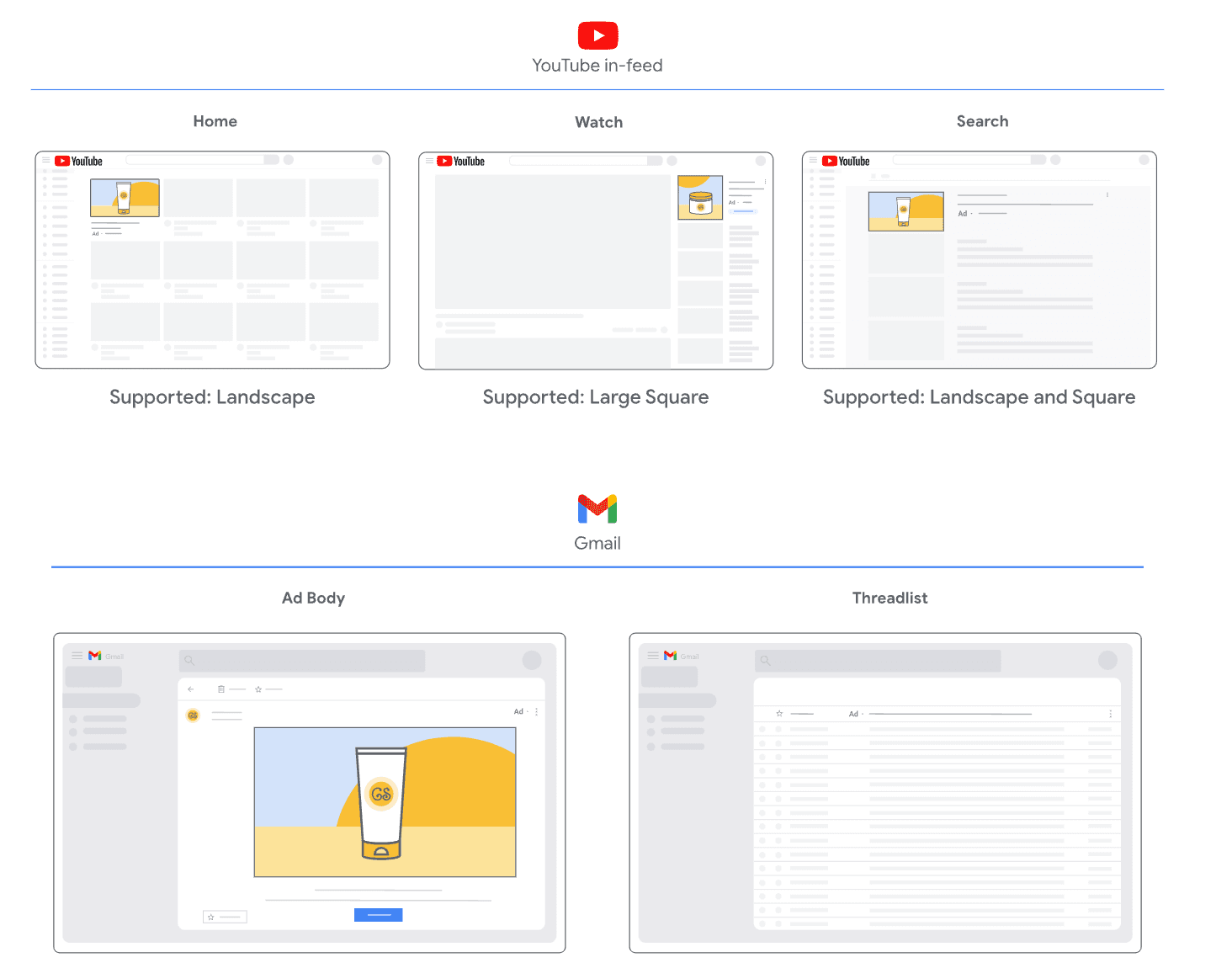
These campaigns are designed to captivate audiences across Google's most visually immersive platforms, including YouTube, Discover, and Gmail.
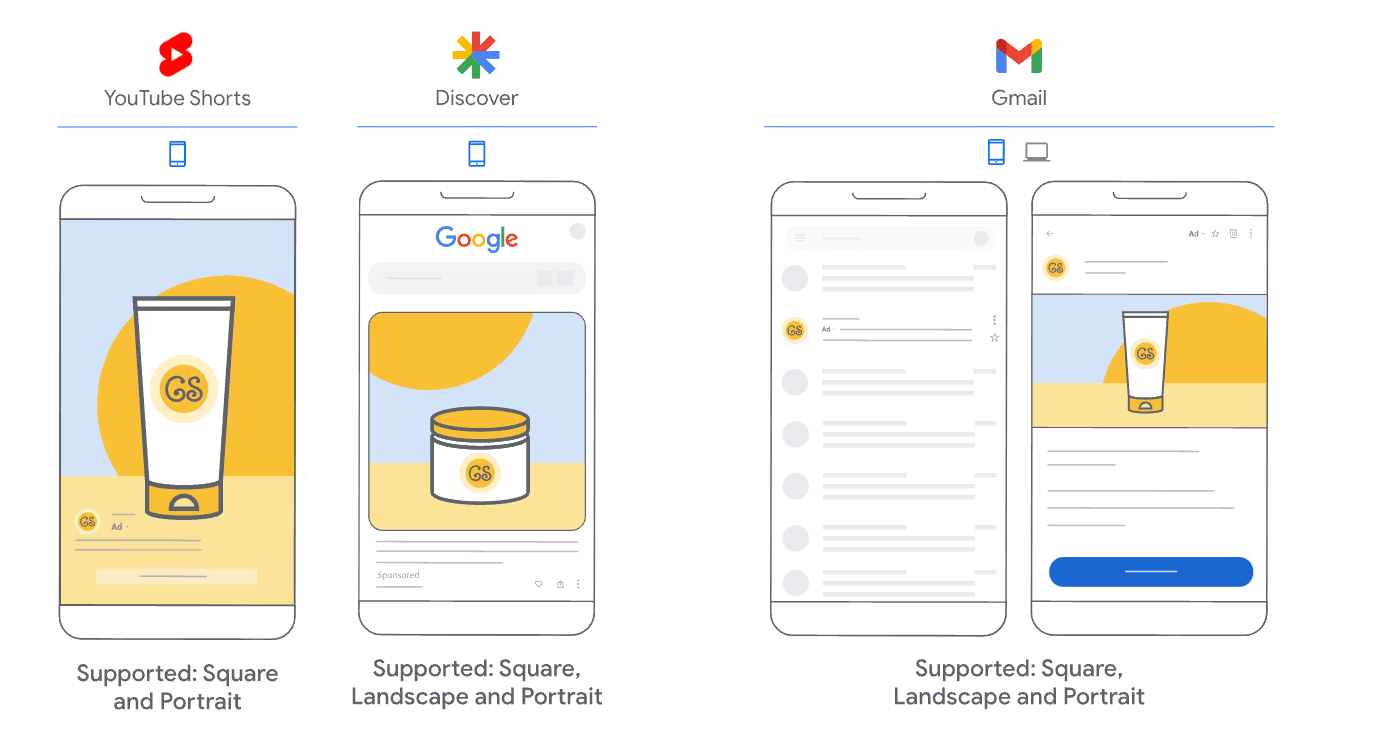
Demand Gen campaigns now support video and carousel ads, allowing brands to showcase their products and stories in more dynamic and engaging formats.
By leveraging platforms like YouTube, Discover, and Gmail, Demand Gen campaigns can connect with potential customers during their daily routines, making them ideal for top-of-funnel marketing efforts.
What This Means for Retail Brands
If your primary objective is to increase brand visibility and engage new audiences, Demand Gen campaigns are a valuable asset. They excel at creating initial interest and planting the seeds for future customer relationships.
For campaigns focused on driving immediate conversions, Performance Max (PMax) campaigns may be more effective due to their AI-driven optimisation across multiple channels.
However, integrating both Demand Gen and PMax can provide a comprehensive strategy, nurturing leads through awareness and guiding them toward conversion.
4️⃣ The Role of Social Media & Zero-Click Searches in Paid Search
Social media platforms have become pivotal in product discovery.
Consumers often encounter new products through targeted ads, influencer endorsements, and organic posts on platforms like Instagram, TikTok, and Facebook. In fact, 24% of Australians say social media is where they first find new products - and we can assume that New Zealand sees similar trends.
Critically, however, when it comes to making purchasing decisions, Google remains the primary destination.
Consumers frequently turn to Google to compare prices, read reviews, and finalise their purchases. This behaviour underscores the importance of maintaining a strong presence on both social media and search platforms to effectively guide consumers through the sales funnel.
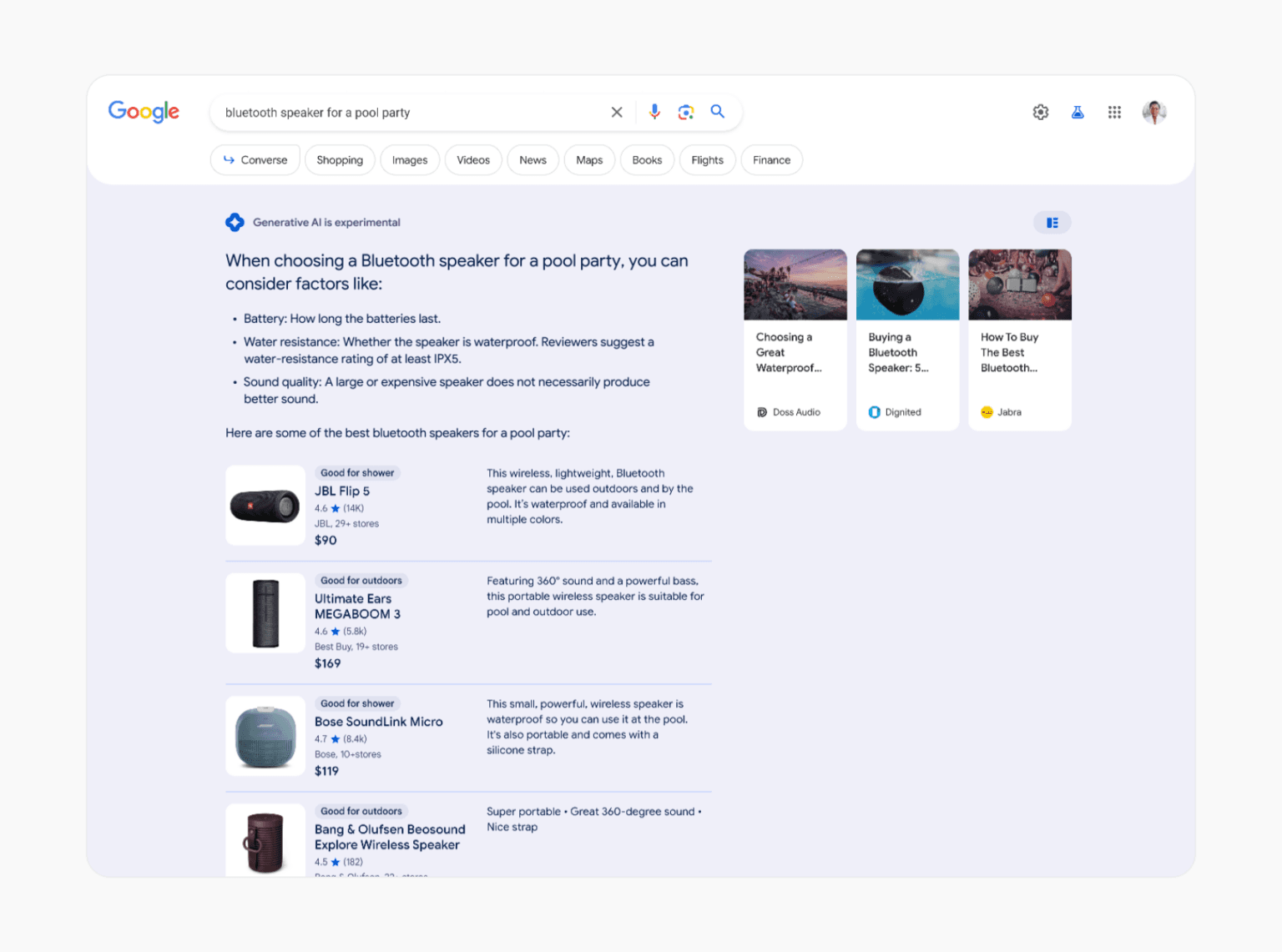
At the same time, the rise of AI Overviews and zero-click searches is reshaping the search experience.
Zero-click searches occur when users find the information they need directly on the search results page, without clicking through to any website. These accounted for 65% of all searches carried out on Google last year.
Google's AI-generated summaries provide users with immediate answers directly on the search results page, reducing the need to click through to external websites. While this enhances user experience, it poses challenges for both organic and paid search strategies, as ads may be seen but not clicked.
What This Means for Retail Brands
It's essential to assess how zero-click searches are affecting your Google Ads performance.
While your ad may be viewed, the prevalence of zero-click behaviour could influence click-through rates and overall engagement.
To maximise visibility and engagement, integrate your Google Ads efforts with your organic and social media strategies.
An omnichannel approach ensures a seamless and consistent customer experience across all touchpoints, catering to the modern consumer's journey.
5️⃣ Recommendations for 2025: How Retail Brands Can Stay Ahead
If there's one thing we know for sure about Google Ads in 2025, it’s this: change is constant.
AI is running the show, user behaviour is shifting, and what worked last year won’t necessarily work this year.
So, how do you stay ahead of the curve?
You test, adapt, and refine - while keeping a close eye on how Google’s AI, automation, and audience-driven targeting are evolving.
Here’s where retail brands should focus their energy in 2025:
✅ Optimise Your Product Feed
Your Google Merchant Centre feed is the backbone of any successful Shopping campaign - and yet, so many brands neglect it.
If your product feed is missing data, has low-quality images, or isn’t structured correctly, you’re basically handing your competitors the win.
📌 Why this matters
- Google uses your product feed to decide when and where to show your ads - bad data = bad performance.
- High-quality, conversion-focused product descriptions give Google’s AI more context, meaning better ad placements.
- Google’s AI-powered image generation tool can enhance visuals and make your products stand out in a competitive SERP.
💡 Pro Tip: Run regular audits on your product feed - if you’re still using the same data you set up 12 months ago, you’re probably leaving money on the table.
✅ Leverage AI & Machine Learning
Google is all in on AI, and brands that embrace it now will have a serious competitive edge.
📌 How AI can boost your Google Ads performance:
- Performance Max (PMax) campaigns use machine learning to optimise placements in real time, maximising visibility across Search, YouTube, Display, Discover, Gmail, and Maps.
- Google’s AI-driven bidding strategies take the guesswork out of budget allocation, ensuring spend is used efficiently.
- Smart creative testing - Google can now generate ad variations, allowing brands to see what resonates best with their audience.
💡 What you should do: Stay curious and experimental - test new AI features as they roll out and track performance changes. AI can automate the heavy lifting, but it’s still up to you to guide the strategy.
✅ Test, Test, Test!
If you’re not actively testing, you’re falling behind.
Google Ads in 2025 is all about understanding what works, where your audience is engaging, and how different channels contribute to conversions.
📌 Where to focus your testing efforts:
- Incrementality testing → Understand how each ad channel influences sales (it’s not just about last-click conversions!).
- Creative testing → Different ad formats, messaging angles, and visuals can drive very different results.
- Audience testing → Google's AI is great, but feeding it better audience data makes it even more effective.
💡 Pro Tip: Don’t just assume what worked last quarter will work this quarter. Set up A/B tests, tweak your campaigns, and stay on top of trends.
✅ Know Your Audience
The brands that truly understand their customers are the ones that win - simple as that.
📌 How to refine your audience strategy:
- Leverage first-party data - your own customer insights will always be more valuable than third-party estimates.
- Consider in-person activations - pop-up events, store launches, and influencer collabs can provide valuable consumer insights.
- Use segmentation to personalise your ad messaging - not all customers behave the same way, so why target them with a one-size-fits-all campaign?
💡 Final Takeaway: The brands that win in 2025 will be the ones that combine AI-driven automation with a deep understanding of their customers.
The Future of Google Ads in 2025
Google Ads in 2025 is a different beast: AI is in charge, audience signals and user intent are crucial, and first-party data is the key to better performance.
Brands that don’t evolve with these changes? They’ll struggle to keep up.
At Blackpepper, we don’t just keep up with Google’s constant changes - we stay ahead of them. We’ve helped brands across New Zealand and Australia navigate Performance Max, optimise their product feeds, and use AI-driven tools to get better ROI.
📢 Want to make sure your Google Ads strategy is set up for success? Let’s talk.