Google Lens: How Visual Shopping Works
3 July 2025

Roberta Johnston
SEO Lead
I'm an SEO specialist with over 8 years of experience helping brands grow through strategic, data-driven search optimisation. I've worked with large e-commerce websites and niche brands alike, developing a deep understanding of ranking algorithms, generative AI, and LLMs like ChatGPT, Perplexity AI, and Gemini. My expertise spans technical SEO, ensuring sites - whether a few dozen pages or 100,000+ - are crawled and indexed effectively.
Tags
Search isn’t what it used to be - and neither are shoppers.
Forget the days of typing “blue winter jacket men’s medium” into Google and scrolling through 10 pages of results. Today, people are pointing their phones at something they like, tapping a screen, and boom - finding it online instantly.
That’s the power of Google Lens. It’s not a new gimmick - it’s a serious shift in how people discover, compare, and buy products. And it’s changing the game for ecommerce brands that want to stay visible, competitive, and relevant.
We're gonna break down how Google Lens works, what visual search really means for online retailers, and what steps you can take to actually benefit from it.
Spoiler: it’s not just about good photos (but that’s part of it too).
What is Google Lens?
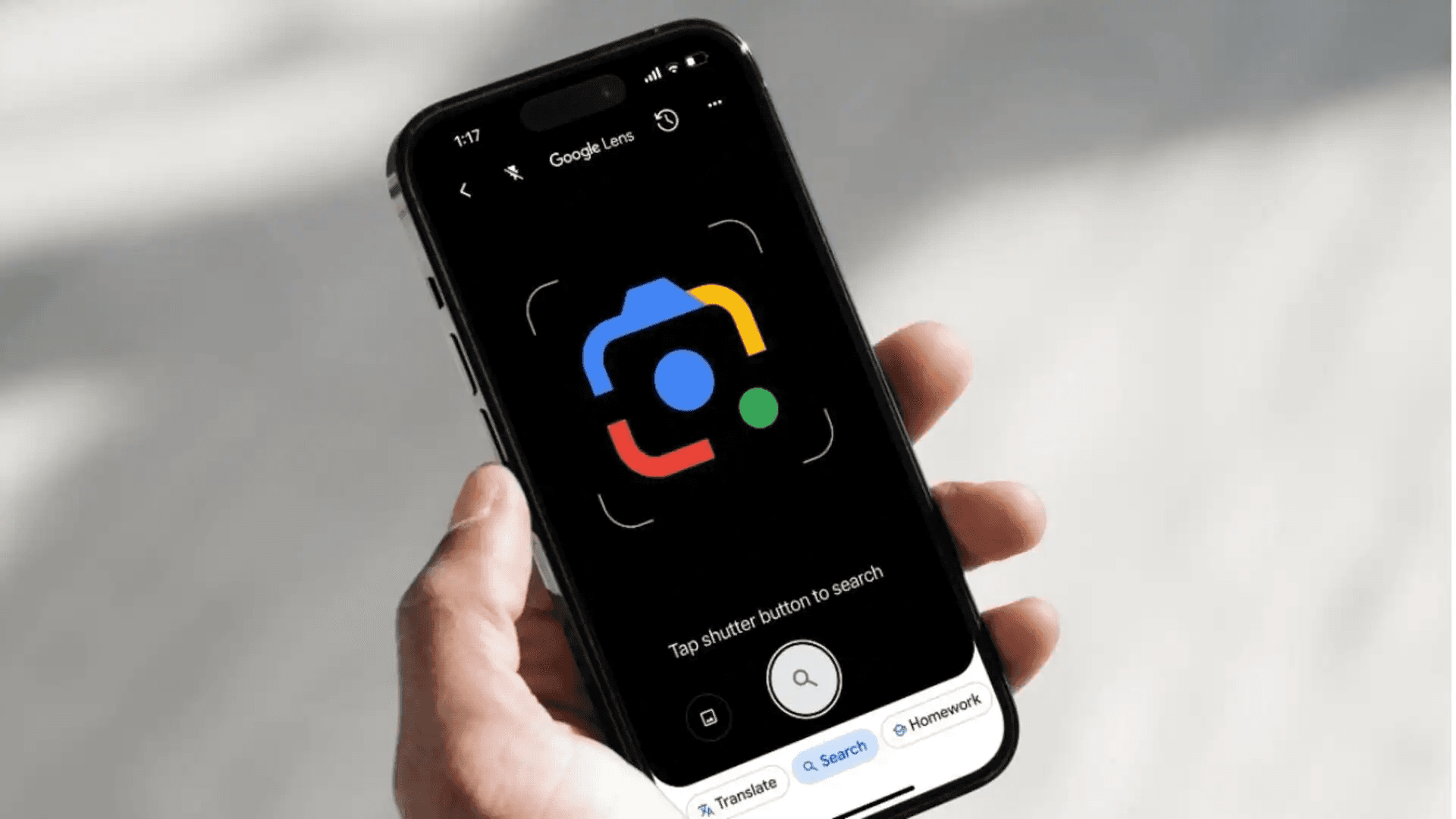
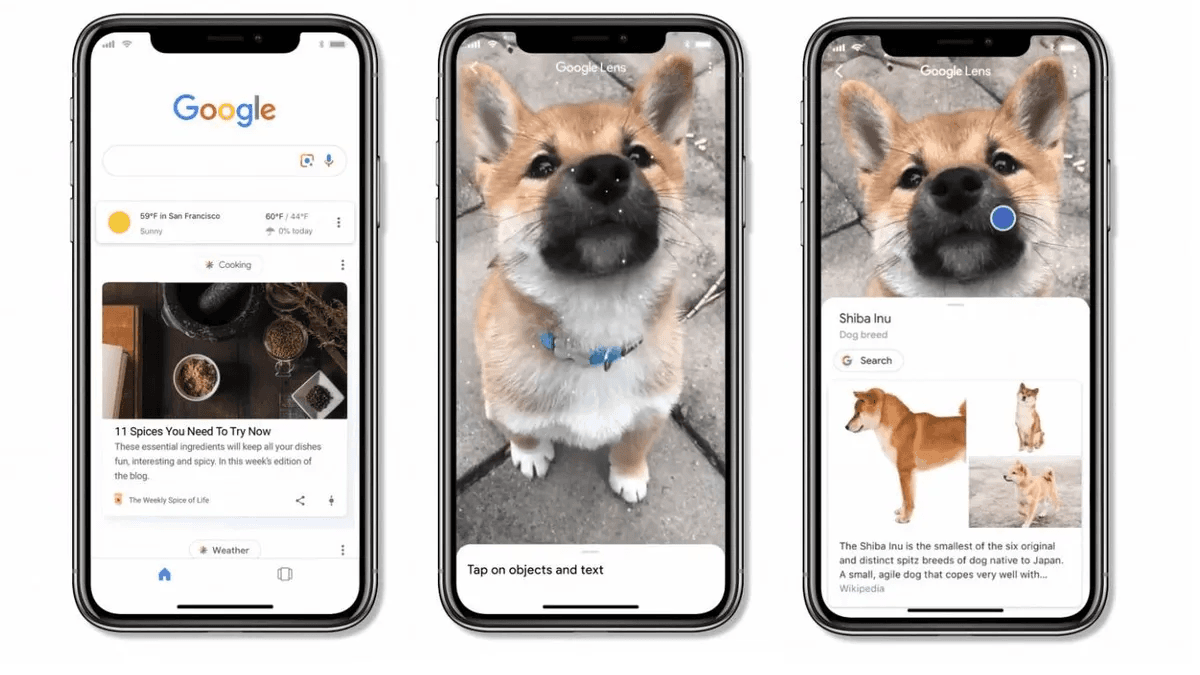
At its core, Google Lens lets people search using images instead of words.
Snap a photo of a product, upload a screenshot, or even point your camera at something in real time - Lens will scan the visual info, identify what it’s seeing, and return search results.
Cnet
That could mean matching it to:
• Product listings (with buy buttons)
• Similar items across retailers
• Local stores where it’s in stock
• Related search queries or content
It’s not just novelty tech either. As of 2024, Lens processes over 20 billion visual searches a month. That’s a lot of people skipping the keyword and going straight to the camera.
What's more, users aren’t just using it to look - they’re using it to shop.
Visual search is frictionless, fast, and feels native to how younger audiences already consume content and discover products (think TikTok, Pinterest, IG).
For ecommerce brands, Google Lens is one of the clearest signs yet that discovery is moving beyond the search bar - and it’s time to catch up.
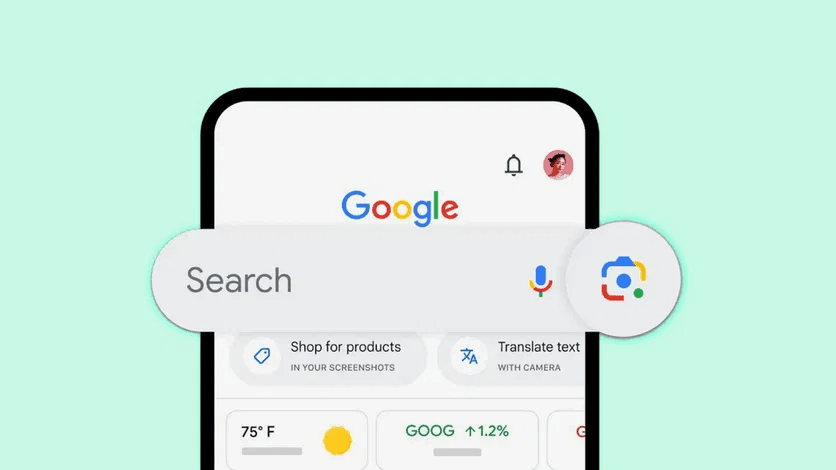
Search has been changing for a while - why does this matter?
Visual search isn’t just another tech trend - it’s a shift in behaviour. And like any shift, the brands that adapt early are the ones who benefit most.
1. You’re competing in more places than you realise
Shoppers don’t just “Google it” anymore.
They point their camera at something, long-press a screenshot, or scan a shelf in-store. Platforms like Google Lens, Pinterest Lens, and even TikTok are blurring the lines between search and inspiration.
That means your product isn’t just competing in a category - it’s competing in moments. And if your content isn’t showing up, someone else’s will. Your biggest competitor might not even be on your radar yet, until they’re in your customer’s camera frame.
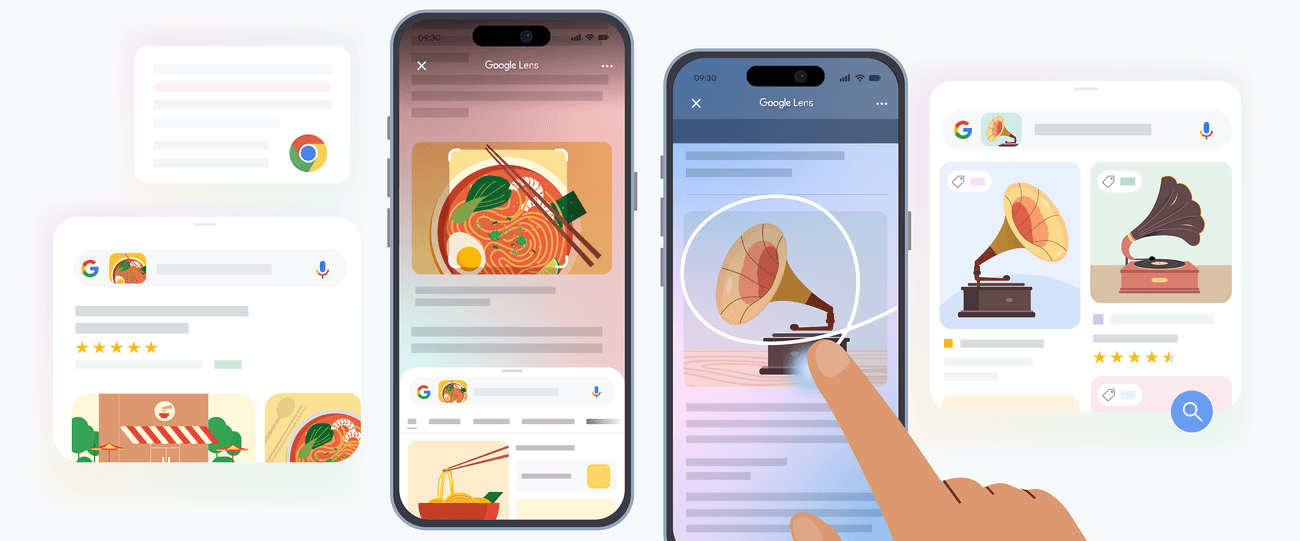
2. Discovery is increasingly happening outside your site
In 2025, product journeys are rarely linear.
A customer might:
• Spot your product in someone else’s Instagram story
• Screenshot it
• Open Google Photos, long-press, and get Lens results
• Compare price and reviews across 3 retailers
• Finally, land on your page to buy (if you're even indexed properly 👀)
You don’t get to choose where discovery happens. But you do get to choose whether or not you’re discoverable.
Optimising for Lens isn’t just for DTC (direct-to-consumer) - it’s critical for marketplaces and comparison-heavy categories like fashion, furniture, appliances, beauty, tech, and more.
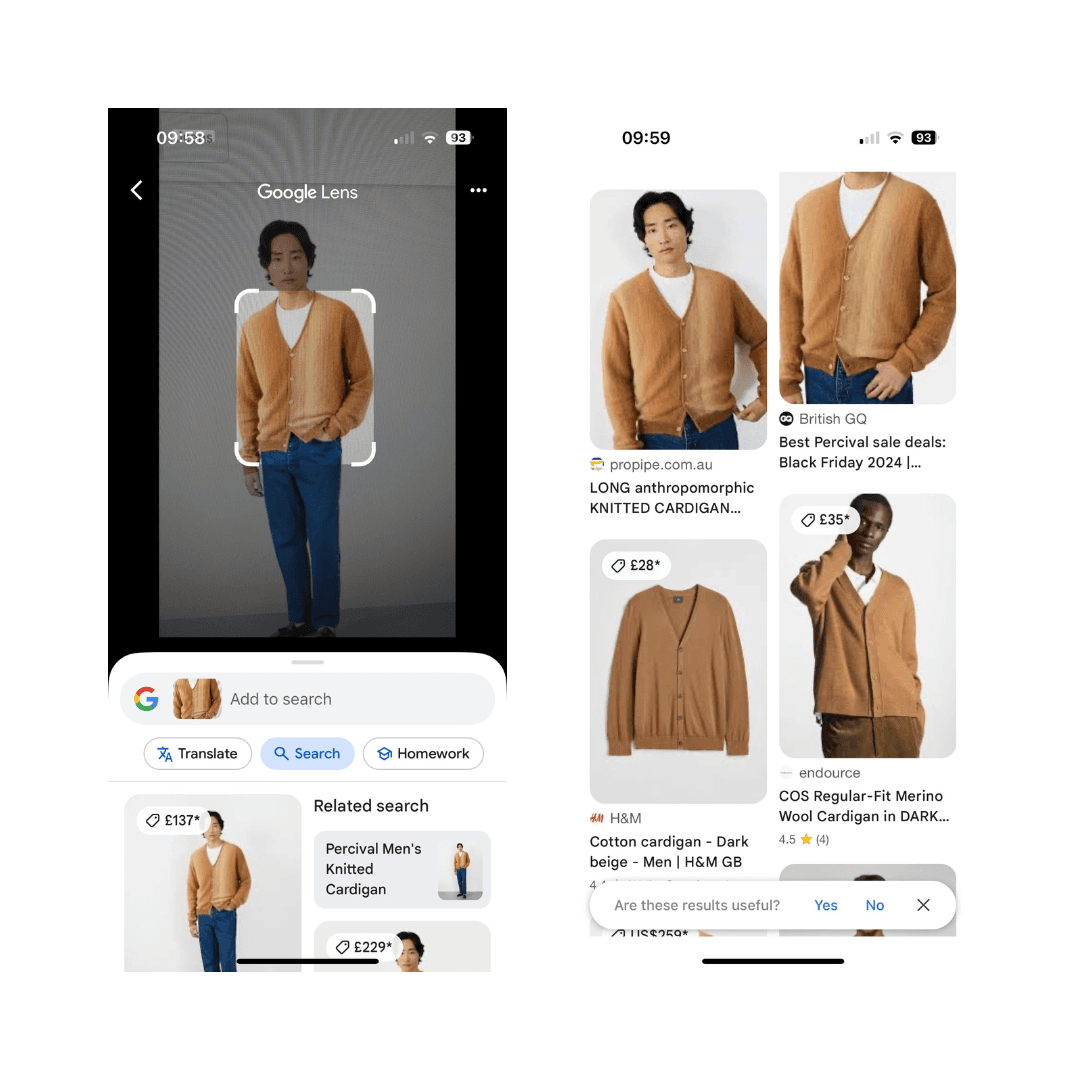
DataFeedWatch
3. It’s not just about aesthetics - it’s about data
Image recognition is clever, but it still relies on context. Without the right data layers, your visuals are just… pictures.
To get products matched correctly and ranked in results, brands need to nail the technical foundations:
• Descriptive alt text that mirrors user intent
• Clear image sitemaps
• Properly implemented schema, aka structured data (Product, Offer, Review, Breadcrumbs)
• Clean file structures and filenames (no more IMG_4837.jpg)
Think of every product image as a mini landing page. The difference is, you don’t control when or where someone lands there - so it needs to work hard on its own.
4. It connects the dots between online and in-store
Google Lens makes physical products scannable. That has massive implications for omnichannel retailers.
• Someone in-store sees a product they like? They can scan to find colours, sizes, reviews and availability.
• See something they like at a friend’s house or on the street? They can find it (and buy it) in a few taps.
• Run local inventory ads or enable store pickup? Even better - you’ve just turned real-world interest into online sales.
This is how “research online, purchase offline” (ROPO) starts to reverse - and how online visibility can drive foot traffic and real-world revenue, too.
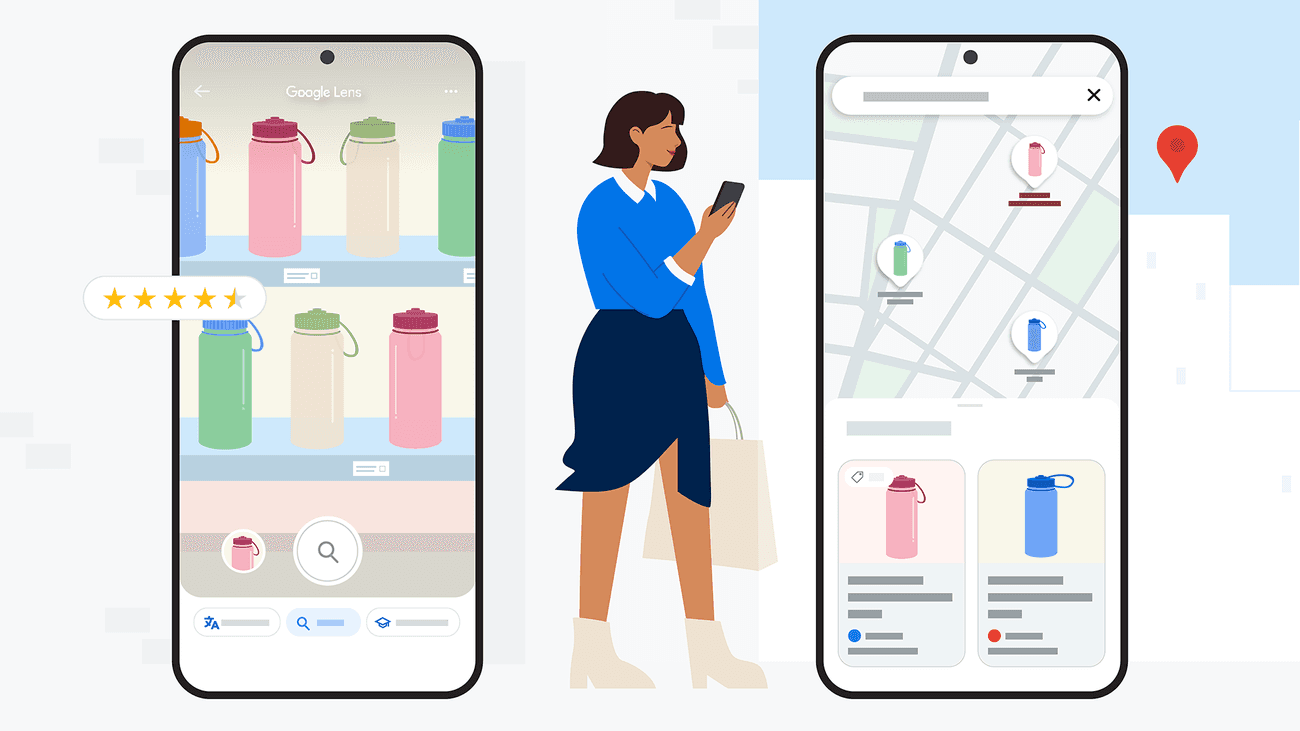
TL;DR - if your product purchases can be visually driven, you need to be appearing in visual search results. How? Here's what we recommend.
How to Optimise Your Site for Visual Search
Spoiler: it’s not just about having pretty pictures. It’s about making your images understandable - both to users and to the tech crawling your site.
1. Use high-quality, scannable images
Blurry, shadowy, or inconsistent imagery doesn’t just turn off users - it also makes it harder for tools like Lens to match your product accurately.
• Use clean, clutter-free shots (especially for your primary image)
• Include multiple angles and lifestyle imagery where possible
• Keep a consistent background (white or light grey works best for most categories)
• Avoid text overlaid on images unless it’s part of the product (e.g. a book cover)
2. Add detailed and accurate alt text
Alt text (short for “alternative text”) is a written description of an image that appears in the HTML of your site.
It’s primarily used for accessibility - helping screen readers describe images to users who are visually impaired - but it also gives search engines important context about your visuals.
In other words: it helps Google understand what’s in your images.
Instead of this:
alt="Image"
Try this:
alt="White ceramic mug with cork base, 300ml size, eco-friendly kitchenware"
Make sure your alt text reflects actual user intent - what people would search for if they were looking at that item.
3. Implement schema markup
Structured data helps search engines interpret and categorise your content. For ecommerce, this means using the Product schema (with fields like name, image, description, brand, offers, and aggregateRating) and complementary types like:
• BreadcrumbList for site hierarchy
• Review and Offer for product credibility
• ItemAvailability and price for shopping-related info
Good structured data doesn’t just help Lens, it can also improve your eligibility for enhanced search results like rich snippets and merchant listings.
4. Create and submit an image sitemap
If your image content is buried or dynamically loaded, it may never get crawled. Image sitemaps solve that by explicitly pointing Google toward your visual assets.
Make sure to:
• Use absolute URLs
• Submit the sitemap via Google Search Console
• Include images that appear on key product, category, or landing pages
5. Keep filenames descriptive and clean
Avoid auto-generated image names like IMG_4812.jpg. Use something that reinforces the product and its context, like linen-blend-midi-dress-black-front.jpg.
It might feel like a small detail, but when it comes to search engines, context is everything. Every little clue helps.
Where Visual Search Is Headed (And Why It Matters Now)
Visual search isn’t a gimmick - it’s Google’s future-proofing strategy for a world beyond the keyword.
And the signs are already here:
• Google is blending Lens results into traditional search results more often
• It’s testing features like “Search by Photo” in local listings
• Newer shopping journeys don’t start with “what is this?” — they start with “where can I buy this?”
That means your product image could be the entry point to a sale. Or... it could be invisible.
This is about visibility in a changing search landscape
Being found through Lens isn’t just about tech novelty. It’s about:
• Owning more of the SERP, especially for visual-led products
• Reaching users earlier in their buying journey
• Future-proofing your brand as search evolves beyond text
And when AI tools like ChatGPT and Gemini start using visual data in product recommendations? You’ll want your assets to be optimised and ready.
Ready for Visual Search?
If your ecommerce site isn’t optimised for visual search yet, you’re not just missing a trend. You’re missing shoppers.
At Blackpepper, we help ecommerce brands stay visible across every stage of the search journey - keywords, content, and now, camera-led discovery.
From technical SEO and structured data to visual optimisation that actually drives sales, we’ve got the tools (and the team) to get your products seen.
Let’s make sure your images work as hard as your headlines.
Get in touch and let’s future-proof your search visibility!