Google’s Indexing Process: How To Get Your Website Indexed
10 March 2023
Tags
Briefly mentioned in our previous blog “Easy Ways to Start Up SEO for E-Commerce Businesses”, indexing is not only an important aspect of SEO but a concept all e-commerce businesses should be aware of. If you want your web pages to appear and rank on Google search results you must ensure they are getting indexed. When a page is indexed, this means Google has identified the page, analyzed its content and stored it in its index (similar to an index in a library). Google’s index contains millions and millions of data which Google picks from when users make search queries.
Before covering the quick and easy ways to ensure your website is indexed we will cover how Google’s indexing process works.
Google’s Indexing Process
Before your website is indexed and appears on Google search results, it needs to go through three steps: discovered, crawled and indexed.
Discovered
This is when Google identifies new and updated pages on the site by following internal links and the submitted XML sitemaps. Once Google has identified the pages, it will then queue them for crawling.
Crawled
After discovering pages, Google goes on to crawl each new and updated page. When Google crawls the page, this means it is analysing the content and assessing how valuable it is to users. At this stage, the page/pages will not appear on Google search results.
Indexed
Once the content is analysed, Google will index those perceived as valuable to users. Web pages that are indexed are now part of Google’s database and will appear on search results when users search for relevant keywords. Indexing is crucial to ensure your website and its pages rank and is visible to users. If a website/web page is not indexed - users will not be able to find your business and pages on search results.
4 Tips & Tricks To Get Your Website Indexed
Having indexability problems can have a negative impact on your website and can cause your rankings and traffic to drop. To avoid this problem, here are 5 quick tips you should consider to improve your website indexability.
Create Unique Content & Update It Regularly
Ensure your website and key landing pages have unique and optimised content available. The content will allow Google better understand the purpose of your website and page further improving its ability to rank. Producing content on a regular basis signals to Google that your website is continuously improving, therefore, will need to be crawled more frequently.
Create & Submit Sitemap
Create and submit an XML sitemap that includes all important categories, subcategories and product pages. An XML sitemap is a perfect way to tell Google what URLs are important and should be crawled and indexed. Sitemaps can be submitted in Google Search Console.
Block Pages You Don’t Want Crawled
You may come across pages that include sensitive information you do not want Google to crawl and index such as login, checkout, payment and user detail pages. To prevent them from being picked up by Google, ensure you Implement noindex tags.
Fix Any Errors
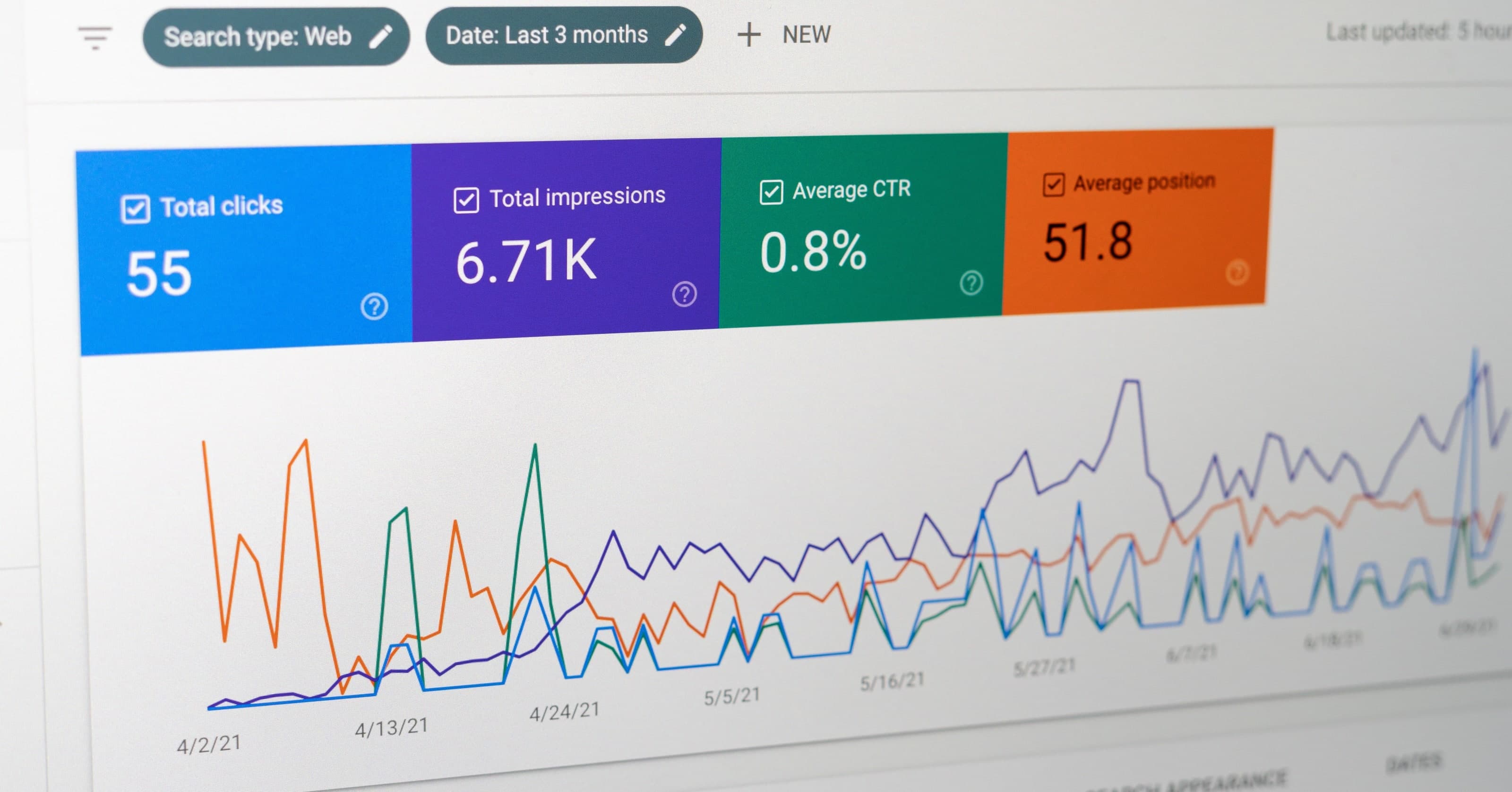
Google Search Console is a useful tool to monitor any alerts and errors your website may face. It is important to check in on these alerts and fix any crawl errors. Crawl errors can limit your site's indexability, the most common errors seen are server errors, robots.txt errors and 404 errors. Ensure these errors are resolved quickly to make sure all important pages are getting crawled and indexed correctly.
The indexability of your site plays an important role in the ability of your website to appear on Google search results. At Blackpepper, our SEO team specialise in indexing and can provide guidance to ensure all important pages are appearing and ranking in search results. Feel free to contact us for a free quote today.