Google’s Latest Algorithm Update: What You Need to Know
12 September 2024


Roberta Johnston
SEO Lead
I'm an SEO specialist with over 8 years of experience helping brands grow through strategic, data-driven search optimisation. I've worked with large e-commerce websites and niche brands alike, developing a deep understanding of ranking algorithms, generative AI, and LLMs like ChatGPT, Perplexity AI, and Gemini. My expertise spans technical SEO, ensuring sites - whether a few dozen pages or 100,000+ - are crawled and indexed effectively.
Tags
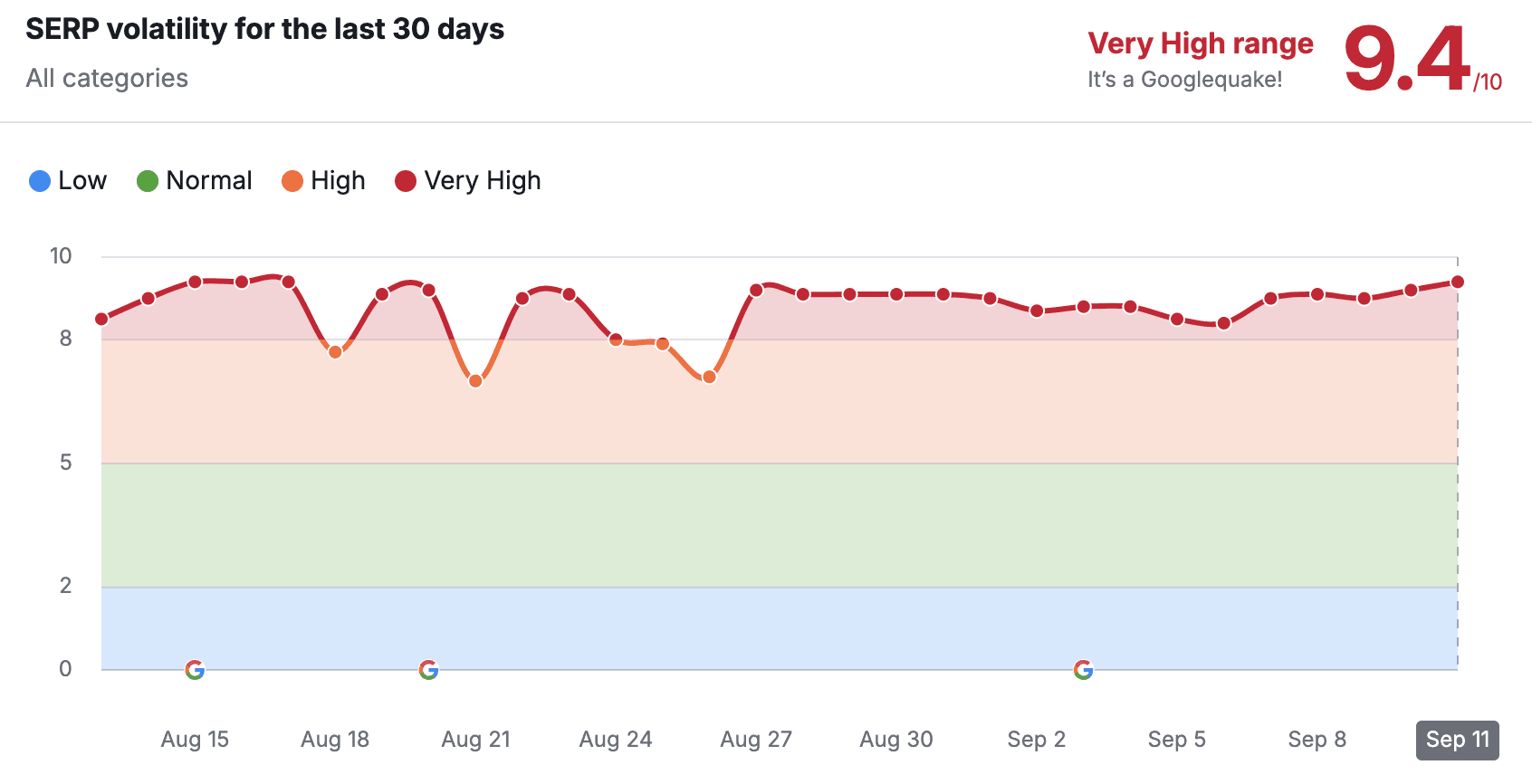
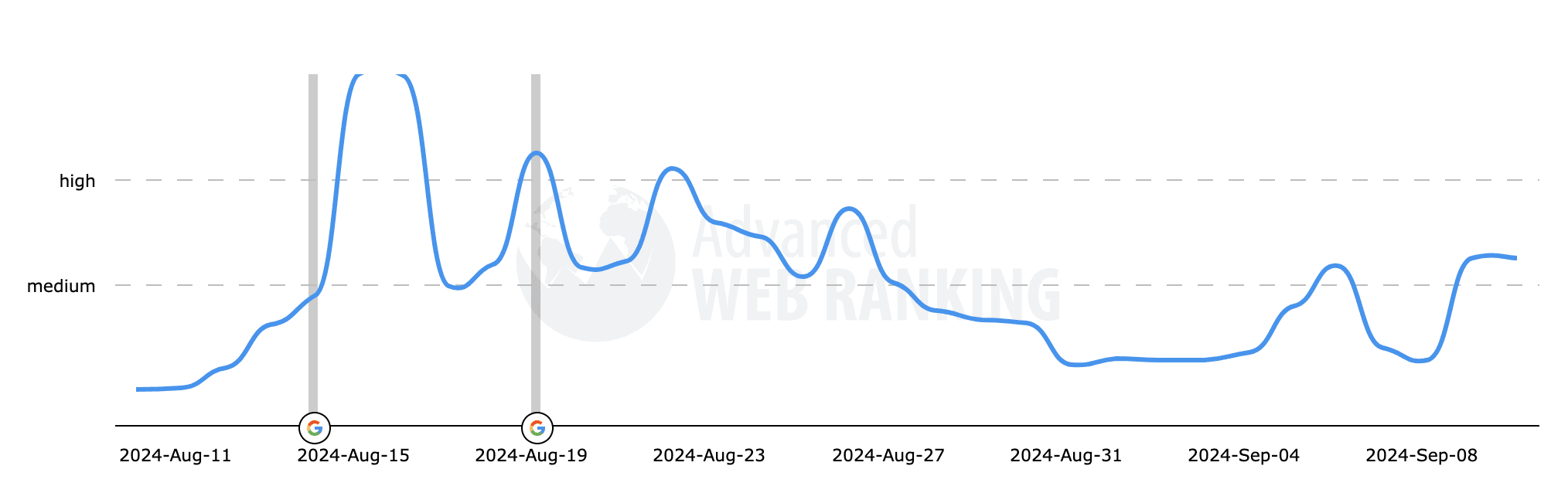
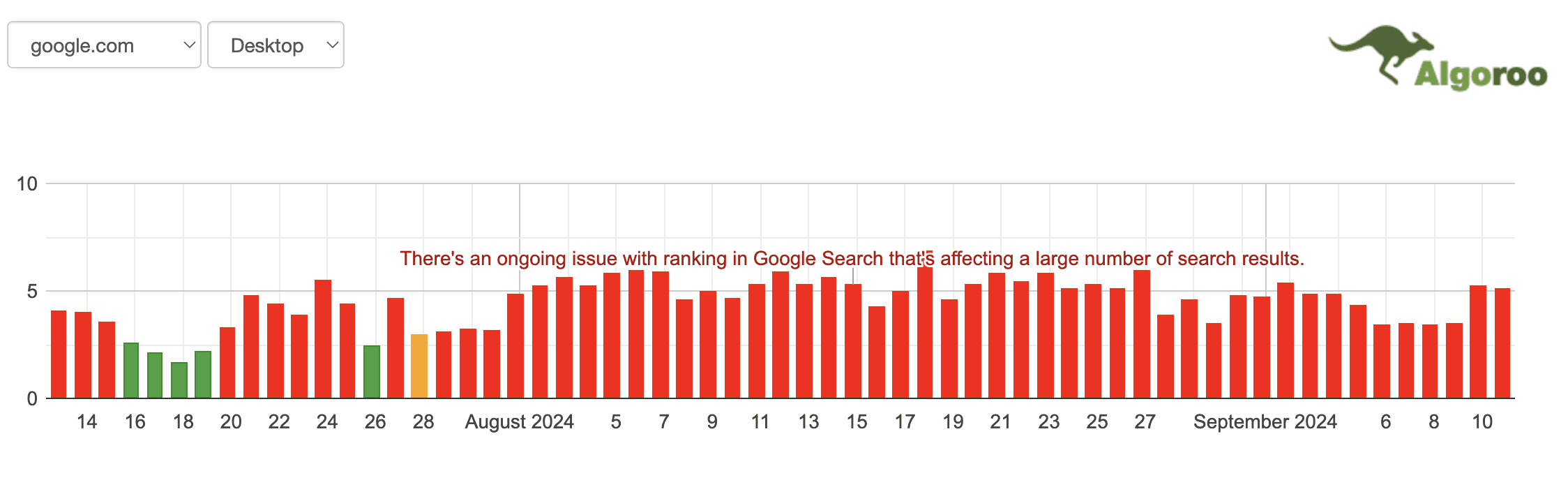
Google’s search algorithm updates are notorious for shaking up the rankings, and the latest update is no different. The core algorithm update released on 15 August and officially completed its roll-out on 3 September 2024. Unofficially, we have yet to see the search engine results pages (SERPs) stabilise, with numerous sites across almost every vertical still seeing some degree of fluctuation in their traffic and rankings.
Whether you're seeing fluctuations in your rankings or noticing changes in your competitors, understanding what’s happening under the hood can be a game-changer.
Let's break the latest update done to get a better understanding of the potential impact it's had on your site.
What’s the Latest Algorithm Update About?
The latest core update, which rolled out in August 2024, follows Google's ongoing mission to improve the quality of search results. Google is constantly evolving its ranking algorithm to provide more relevant, authoritative, and useful results to users.
While Google rarely reveals specific details about its updates, the impact can be felt across industries, and we’ve been seeing signs of volatility in the SERPs.
Key Points of This Update:
Focus on quality and relevance: Google continues to prioritise high-quality content that is authoritative and answers user queries.
User experience: There’s a continued emphasis on mobile-friendly sites, fast loading times, and accessibility.
Freshness and context: As with previous updates, fresher content and contextually relevant information tend to rank better.
What Does the Data Show So Far?
According to the latest data from industry monitoring tools like SEMrush and RankRanger, this update has caused significant volatility in rankings across a wide range of sectors.
Search Engine Roundtable reports a "heated" level of ranking fluctuations, with websites experiencing both surges and declines in visibility. Some industries, particularly in ecommerce and informational queries, have seen the largest shifts. Sites that have not prioritised user-first content or adhered to Google’s best practices may be seeing negative impacts.
How Does This Affect Your Website?
If you’ve noticed fluctuations in your website’s traffic or rankings, this algorithm update might be the reason. It’s not uncommon to see both positive and negative changes following a core update, and the key is to respond strategically.
1. Review Your Content**:** Google continues to focus on quality. Ensure that your content is authoritative, well-researched, and genuinely helpful to users.
2. Check Technical SEO**:** Website performance factors like site speed, mobile usability, and structured data remain critical. Any issues here could be holding your site back.
3. Analyse Your Backlinks**:** High-quality backlinks from authoritative sites can help maintain your rankings. If you’ve relied on spammy or irrelevant links, your site may be penalised.
What Should You Do If You’ve Been Impacted?
If your site has been negatively affected, don’t panic. Algorithm updates can take time to fully settle, so here’s what you can do to recover:
1. Conduct an SEO Audit**:** Assess where your site stands in terms of content quality, technical SEO, and user experience. Identifying and addressing weaknesses is a critical first step.
2. Focus on Content**:** Make sure your content is not only relevant but also the best answer to user queries. Refresh old content and remove any low-value pages that might be dragging your site down.
3. Stay Patient**:** Recovery from an algorithm update takes time. Focus on long-term strategies, not quick fixes.
We have several resources available to help you start making efforts in recovery - take a look at our guides below, or reach out to our team for hands-on support:
- What are Google Algorithm Updates?- Building Backlinks for SEO: Quality vs Quantity- SEO 2024: Is Content Still King?- What is Structured Data Markup?- What Keywords Should You Be Targeting?- Why Regular Technical Audits are Crucial for Ecommerce Websites- How Do Search Engines Work?
The August algorithm update is another reminder that SEO is an ongoing process, and staying ahead means continually optimising for quality, relevance, and user experience.
If this blog feels like SEO gobbledygook or you’re unsure where to start, don’t worry - Blackpepper’s SEO experts are here to help. Whether you're recovering from an algorithm hit or simply want to future-proof your site, we’ve got the experience to keep your site performing at its best.