Has SnapChat Made a Comeback?
6 November 2025

Roberta Johnston
SEO Lead
I'm an SEO specialist with over 8 years of experience helping brands grow through strategic, data-driven search optimisation. I've worked with large e-commerce websites and niche brands alike, developing a deep understanding of ranking algorithms, generative AI, and LLMs like ChatGPT, Perplexity AI, and Gemini. My expertise spans technical SEO, ensuring sites - whether a few dozen pages or 100,000+ - are crawled and indexed effectively.
Tags
It's more than just disappearing messages.
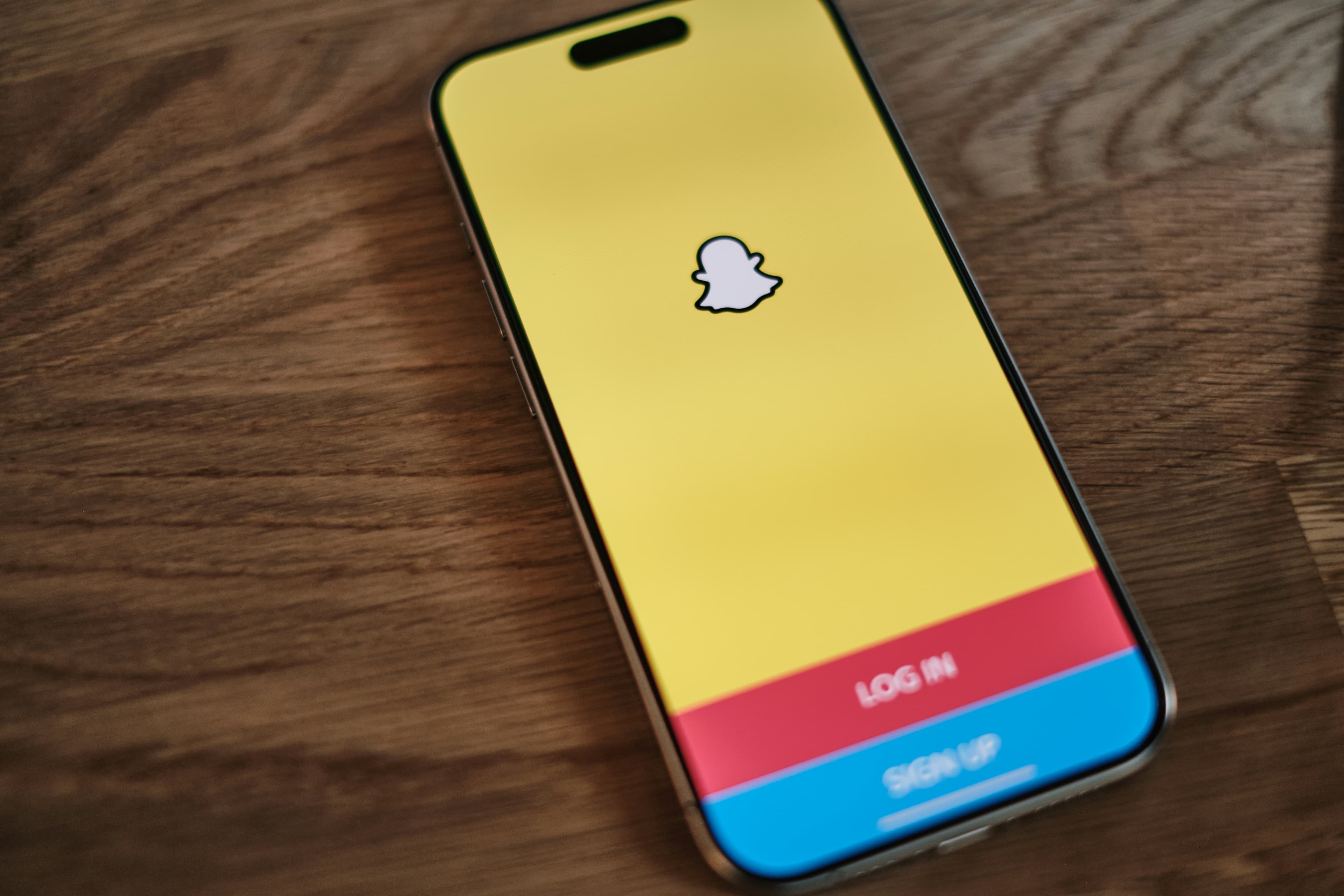
That's right - Snapchat's back, and it looks like it's here to stay.
Originally launched as "Picaboo" (yuck - but it explains the logo) in July 2011, this social media app grew pretty quickly in popularity, garnering over 50 million "snaps" per day by the end of 2012.
And then it kind of... fizzled out, for a while. Instagram and TikTok made competition fierce, and Snapchat suffered.
But now it's back - and we think your brand's all the luckier for it.
Snapchat's Rise & Fall
In 2011, social media was just becoming a thing.
MySpace was already pretty dead, Facebook was all the rage, and Instagram resonated immediately. But when Snapchat entered the scene, it brought something new and fresh: the ability to have private chats with close friends using images or short videos and fun "filters."
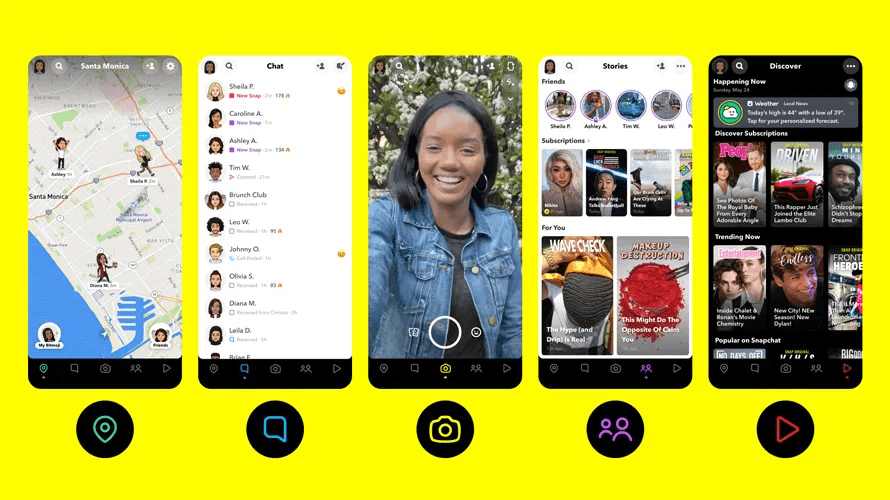
These filters worked with a then-groundbreaking technology called Augmented Reality (AR), which quickly became the platform's most unique - and best - feature.
Unfortunately, that wasn't enough. The platform suffered competition from global giants like Instagram and TikTok, which were focused on public sharing and viral trends.
Snapchat realised it couldn't win the public feed war.
Its strategic pivot was brilliant: if you can't beat 'em, double down on what makes you different from them. It doubled down on private connection, community, and its proprietary AR technology.
This transformed it into a major visual discovery and AR commerce platform, setting it apart from the noise and public performance anxiety of traditional social media.
What Do the Figures Say?
- Snapchat reaches nearly 95% of Kiwis aged 13-24 and 75% of those aged 13-34. This is the Gen Z and millennial audience with immense, combined global spending power.
- This audience is highly engaged, opening the app an average of over 35 times per day. This deep habit indicates they are highly receptive to native content.
- Globally, over 453 million people around the world use the app daily, proving its scale is far beyond just a niche.
- While local user data is still ramping up, the NZ community is strong at over 1.5 million monthly users, and the platform has established itself globally as a shopping audience where discovery leads to direct action.
Augmented Reality Today
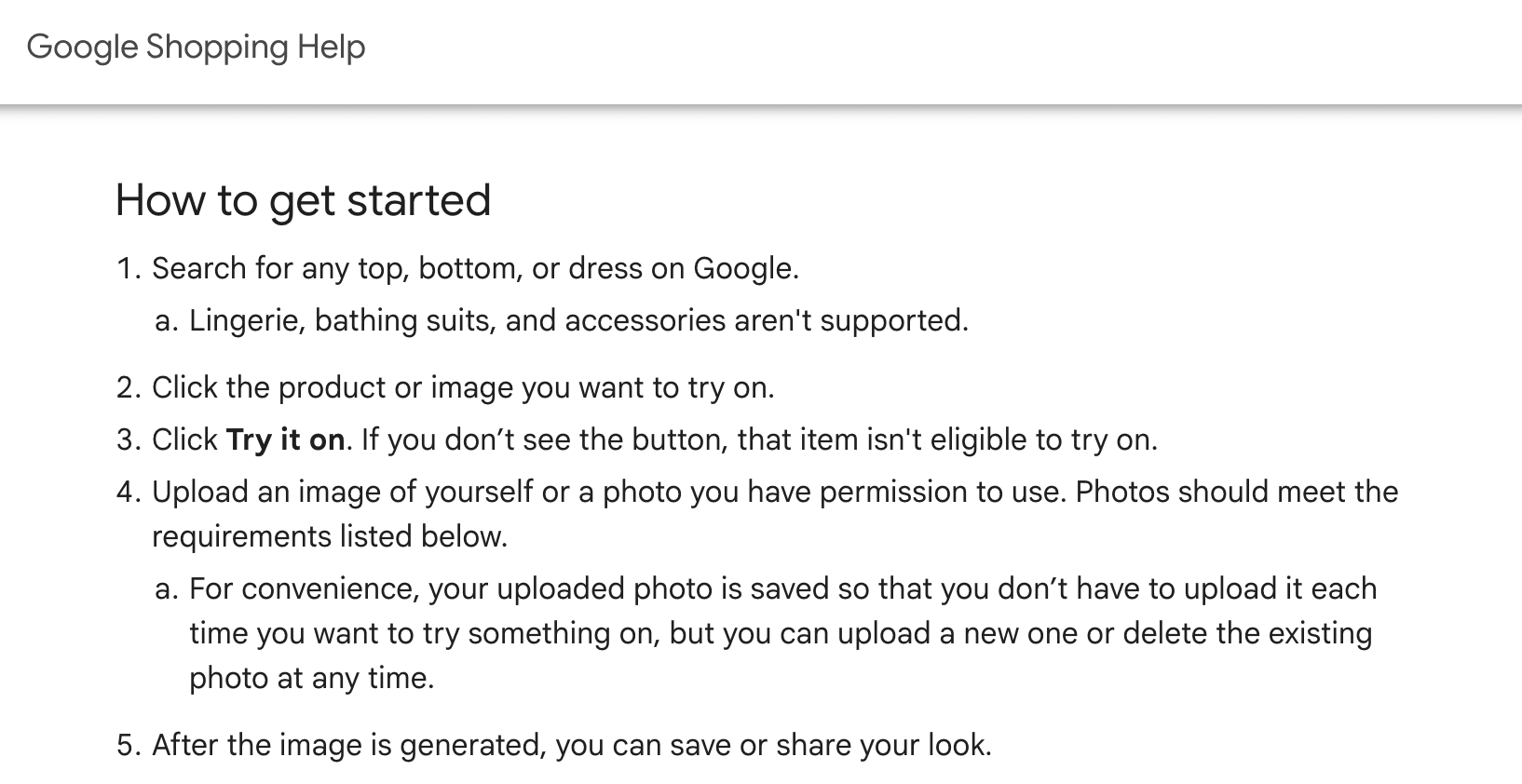
Now, AR isn't exactly a new technology anymore. In fact, these days, you can get it directly in the search results with Google's "try on" functionality in Shopping. (While not currently live in NZ or AUS, it's coming. Soon.)
See a jumper you love but don't want to commit before you know what it looks like on? Easy-as - just upload a picture of yourself and Google's AI will put it on for you, generating a new image so you can try before you buy.
The same goes for filters - it's something most platforms do in some shape or form. And we're not talking about the filters of old, black and white, grayscale, or sepia. We're talking about incredible AR that morphs faces, places objects virtually in rooms and even alters what your voice sounds like in video audio and voice overs.
What's more, apps like Tiktok allow users to create their own filters, giving UGC (user-generated content) an entirely new meaning and bringing creators' visions to life.
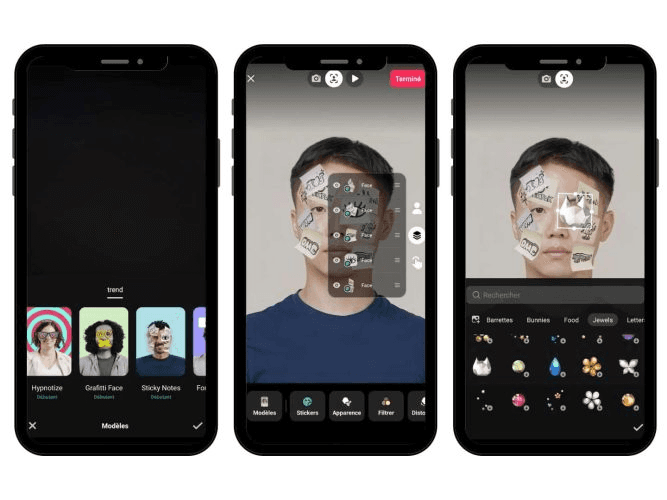
Filter Maker
So...How Did Snapchat Bounce Back?
The resurgence didn't come from reinventing AR; it came from perfecting how and why their audience uses it.
The groundwork Snapchat laid for AR technology (though I don't think they planned this) actually became the reason it survived long-term, specifically because other platforms commercialised the technology for public trends and viral fame.
TikTok and Instagram used AR for performance and entertainment, creating an environment focused on what other users were doing. Snapchat zagged.
It drilled down into the unique appeal of authenticity, privacy, and connection - all core values for Gen Z and millennial audiences. This allows the AR try-on experience to feel private and natural, eliminating the pressure of public performance.
Another benefit of this early foundation is their technology ecosystem. The Camera Kit API allows brands and developers to easily integrate Snapchat's powerful AR try-on features directly into their own apps and websites. This focus on offering AR tools for ecommerce brands is what transforms the platform from a fun app into a serious revenue channel.
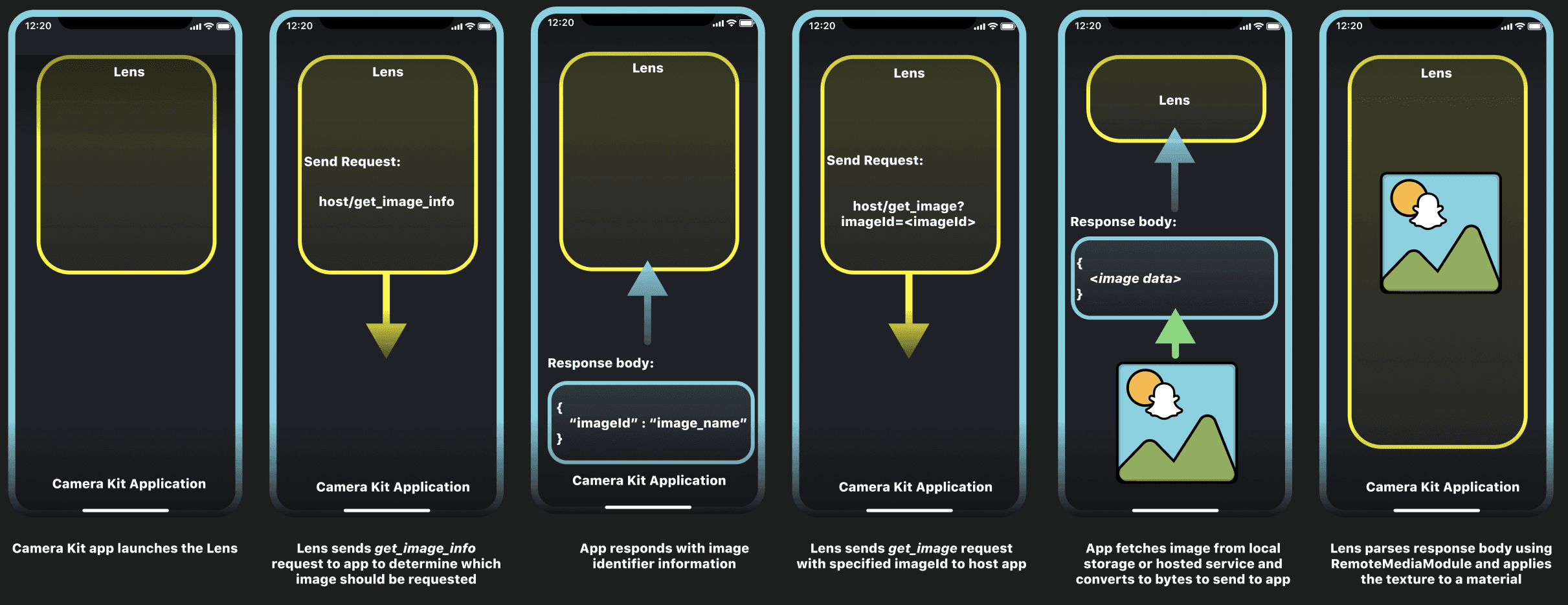
Snap for Developers
Advertising on Snapchat
At over 1.5 million users, New Zealand's Snapchat user base is huge.
This is a highly engaged audience made up of younger people who have a significant spend power, or are predicted to have high spend power in the near future (think double income, no children households, university students, etc.). And they all want one thing: genuine, authentic, unstructured and non-corporate experiences.
Snapchat has many ad formats that advertisers and brands can use, but given the nature of the user base here in NZ, we think just three should be on your radar:
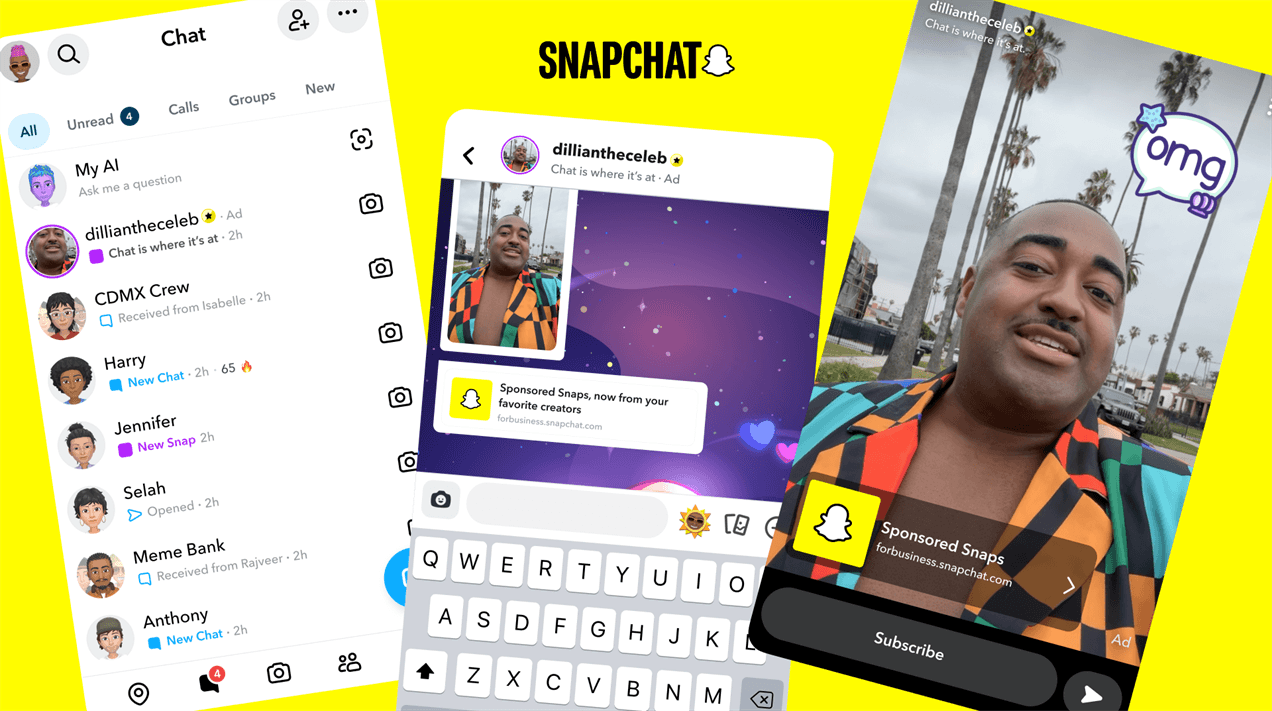
Snap Ads: The Full-Screen Powerhouse
- These are vertical, full-screen video or image ads that take over the user's screen between content. They are inherently immersive and built for speed.
- Snap Ads encourage a direct swipe-up action, making them a powerful tool for driving immediate traffic to a product page or a collection. This is your primary engine for driving top-of-funnel conversion and lead generation.
Catalogue/Collection Ads: Dynamic Retargeting
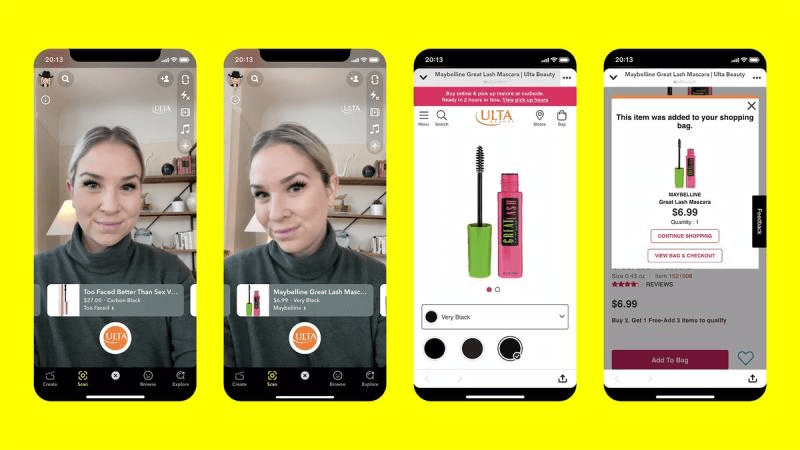
- These are dynamic ad formats that pull directly from your product feed. They showcase multiple products in one swipeable format.
- These are absolutely essential for retargeting users who have visited your site or abandoned a cart. They dynamically show personalised, relevant products from your catalogue, making them highly effective lower-funnel tools.
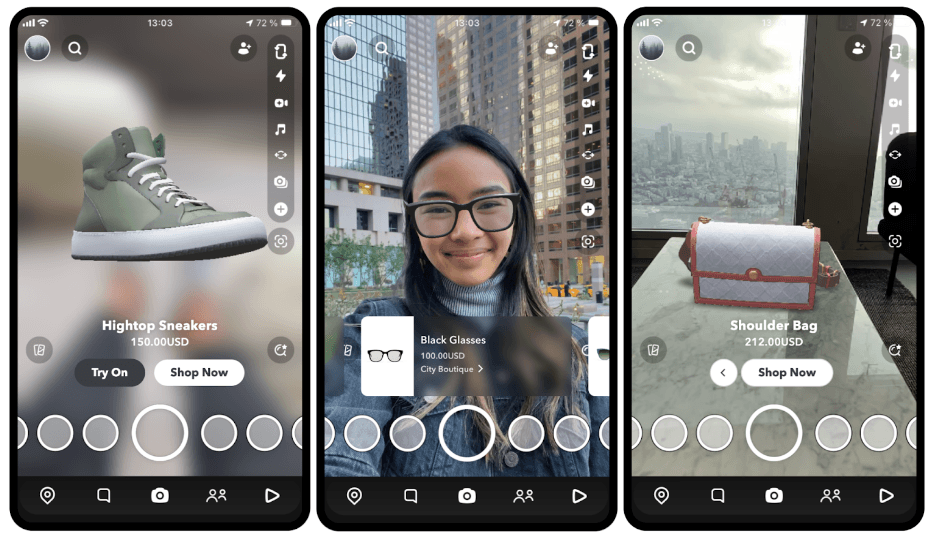
Augmented Reality (AR) Lenses: The Ultimate Try-On
- This is the game-changer - filters that place virtual items in the user's camera view, allowing them to virtually "try on" products or place furniture in their own rooms.
- This isn't just a cool feature; it’s a conversion multiplier. Globally, products with 3D/AR content see an average of 94% higher conversion rates, and using it can help decrease returns by 25%. It eliminates guesswork and builds instant purchase confidence.
Our Advice on Winning the Visual Conversation
Long story short? Your ads must behave like snaps
You can have the perfect product and the right ad format, but if your creative doesn't feel native to the platform, you'll fail. Snapchat's audience values authenticity, and they instantly reject anything that looks too polished or corporate.
Ditch the Studio, Embrace Lo-Fi
Polished studio content almost always underperforms.
Your creative should feel like User-Generated Content (UGC) - spontaneous, unscripted, and filmed vertically on a phone. Ads that feel native achieve significantly stronger view-through rates.
Vertical & Sound-On is Mandatory
Snapchat is a mobile-first, vertical platform. Every ad must be shot 9:16 vertical to utilise the full screen, and you must design for sound-on.
Two-thirds of Snaps are played with the sound on, so audio is a core part of your message.
Capture Attention Instantly
Keep it simple, clear, and fast. Because users scroll quickly, your key message or product should be visible and attention-grabbing within the first three seconds.
The Power of Interaction
Move past passive viewing. Use AR Lenses to lower the barrier to trial, or add interactive elements like polls and quizzes to your Stories to turn content consumption into a two-way conversation.
Lean on Expertise
Don't treat Snapchat like another platform for cross-posting your Instagram content. The nuances of vertical video, AR integration, and performance ad formats require specialised experience.
Like any channel, you need an experienced set of hands driving your campaigns, or it'll just be another wasted spend.
Snap Your Way to More Revenue
If Gen Z and younger millennials aren't your target audience right now, they soon will be. Today's viewers are tomorrow's buyers, and Snapchat could be your foot in the door.
From building awareness to allowing users to virtually try on your products, it's a platform that puts what you offer right into your customers hands. It offers a powerful combination that no other platform can perfectly replicate: a concentrated Gen Z/millennial audience, high engagement, and unique AR technology that builds purchase confidence and lowers returns.
Think Snapchat's a potential goldmine? Let's chat!