How Do Search Engines Work?
15 January 2025

Roberta Johnston
SEO Lead
I'm an SEO specialist with over 8 years of experience helping brands grow through strategic, data-driven search optimisation. I've worked with large e-commerce websites and niche brands alike, developing a deep understanding of ranking algorithms, generative AI, and LLMs like ChatGPT, Perplexity AI, and Gemini. My expertise spans technical SEO, ensuring sites - whether a few dozen pages or 100,000+ - are crawled and indexed effectively.
Tags
Originally published in July 2023, this blog has been updated to reflect the latest data available.
If you’re running a business, chances are you’ve wondered how to get your website noticed online. Search engines like Google are the bridge between your business and potential customers, helping them find exactly what they need - and ideally, leading them to your site.
But how do these platforms decide which websites to show at the top of their results, and how can you ensure yours is among them?
In this blog, we’ll walk you through how search engines work, step by step. You’ll learn how they crawl and index your website, assess its relevance, and rank it in search results.
We’ll also explore how advancements like AI and conversational search are transforming the search landscape - and what this means for your business.
Let's dive in!

Search Engines at a Glance
Search engines have come a long way from simple query results to rich, AI-driven experiences. But understanding how they work at their core is still essential for businesses aiming to stay visible.
At their core, search engines are like digital librarians. They organise the vast amount of information on the internet and connect users with the most relevant content for their queries.
Whether it’s Google, Bing, or DuckDuckGo, all search engines work towards the same goal: helping users find what they’re looking for as quickly and accurately as possible.
For businesses, this means search engines are often the first touchpoint between you and your potential customers. In fact, 68% of online experiences start with a search engine, making it crucial for your website to appear when your audience is searching for solutions you offer.
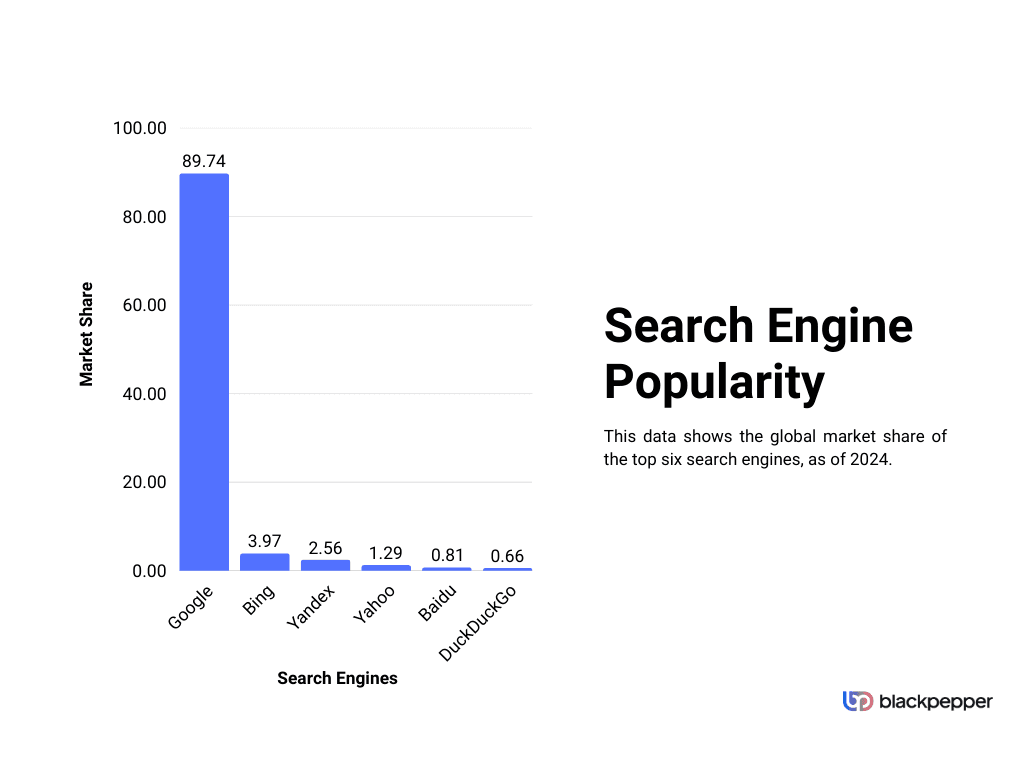
While Google dominates the global search engine market with a ~90% of market share, it’s not the only player. Search engines like Bing and DuckDuckGo serve niche audiences, offering unique features like enhanced privacy or rewards programs.
In some regions, alternative search engines even take the lead - so it’s worth considering how your business appears on platforms beyond Google.
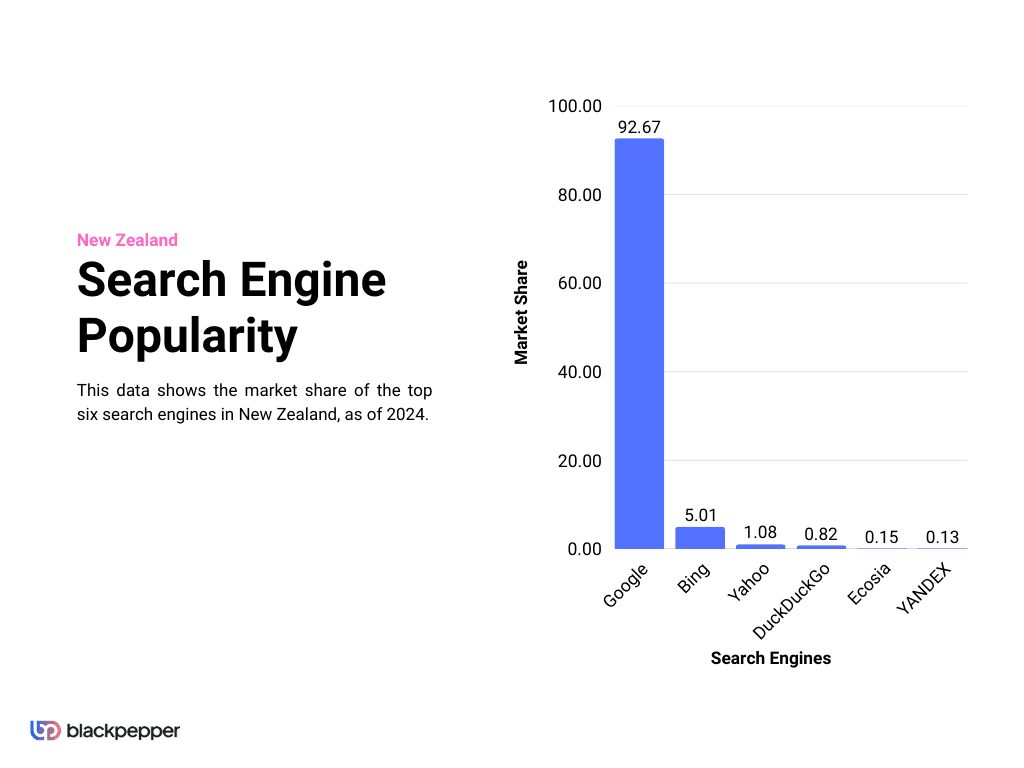
In New Zealand, Google remains the most popular search engine:
Globally, figures look slightly different:
The Four Core Stages of Search Engines
To understand how search engines work, think of them as meticulous organisers with four key tasks: crawling, indexing, ranking, and retrieving.
Here’s what each stage means for your website:
1. Crawling: Discovering Your Content
Search engines use bots - often called “spiders” or “crawlers” - to explore the internet, visiting billions of web pages. Their mission? To discover and catalogue new or updated content.
Crawlers navigate your site by following links, scanning your HTML, and analysing metadata.
For your business, this means ensuring your site is easy to navigate. Clear site architecture, working links, and an up-to-date sitemap help crawlers understand your content without missing key pages.
If you launch a new product page but don’t link it properly within your site or submit an updated sitemap, crawlers might miss it - and potential customers. Ensuring all pages are accessible and connected is key.
2. Indexing: Organising the Information
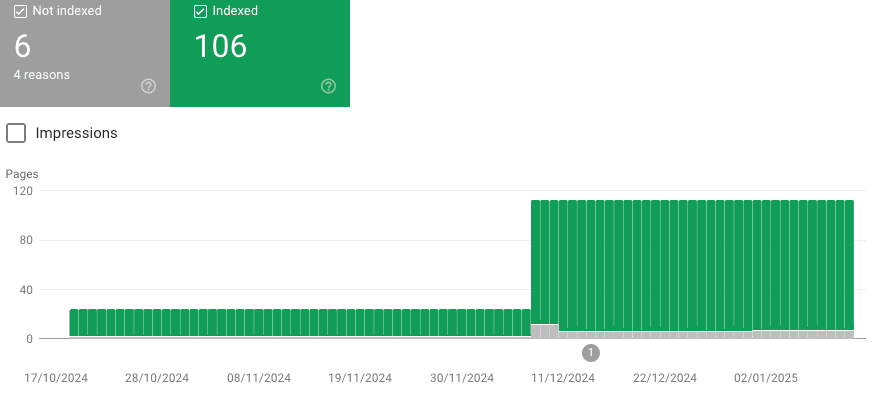
Once a crawler visits your site, it analyses the content and stores the data in the search engine’s massive database - its “index.” During this stage, search engines assess text, images, videos, and metadata to understand what your page is about and determine its relevance for future queries.
Think of indexing as shelving a book in the right section of a library. If your content isn’t indexed, it can’t appear in search results.
For Google, this process involves advanced AI tools like BERT and MUM, which help the engine understand language nuances and the relationships between topics.
This makes it more effective at matching pages to complex or conversational queries.
3. Ranking: Deciding What’s Most Relevant
When someone types in a search query, search engines sift through their index to find the best matches. Using complex algorithms, they evaluate factors like relevance, quality, and user experience to rank results.
For your website, this stage is critical. The higher your page ranks, the more likely it is to be seen and clicked.
Search engines like Google have thousands of signals and systems they use to determine the order of the SERPs (search engine results pages), evaluating hundreds of factors to rank pages based on relevance and quality.
Some of the most important ranking factors include:
- Content quality: Is your page informative, original, and helpful?
- Personalisation: Does the content align with the user’s preferences, location, and search history?
- User experience: Is your site fast, mobile-friendly, and easy to navigate?
- Online footprint: Factors like brand awareness, your product range, and overall site authority can influence rankings.
- Competitor activity: What are others in your industry doing to rank higher?
Google’s AI tools like RankBrain also help refine results by analysing how users interact with them. For instance, if many people click on a specific result and stay on that page, it signals to Google that the content is valuable, boosting its rank.

What Happens When a Search is Conducted?
Every time someone types a query into a search engine, an incredible process unfolds behind the scenes to deliver the most relevant results in mere seconds.
Here’s what happens step by step:
1. Query Interpretation
When a user enters a search term, the search engine’s algorithms spring into action to analyse the query. They work to understand the user’s intent - whether they’re looking for information, a specific website, or to make a purchase.
This involves examining the words, context, and even related searches to interpret what the user truly wants.
2. Retrieving Information from the Index
Once the search engine deciphers the query, it searches its index - a massive database of web pages, keywords, and metadata. This index is built from all the content crawlers have discovered and stored.
The goal is to find pages that match the intent and keywords of the search as closely as possible.
3. Ranking the Results
This is where the magic of search engine algorithms comes in.
The indexed pages are ranked based on factors such as:
- Relevance to the query/search intent: How well does the page match the search terms?
- Content quality: Is the content helpful, original, and authoritative?
- User experience: Does the site load quickly and work well on mobile devices?
- Backlink authority: Are other reputable sites linking to this page?
- Personalisation and location: Is the content tailored to the user’s preferences or geographic area?
- Competitor activity and brand presence: How does the page stack up against others in the same space?
These factors are weighted differently depending on the user’s search, ensuring that the most valuable pages appear at the top.
4. Displaying the Results
Finally, the search engine presents the ranked pages on the Search Engine Results Page (SERP).
These results often include a mix of traditional links, featured snippets, videos, and AI-enhanced overviews. The goal is to provide users with a range of options that best address their query.
How SEO Fits In
Search Engine Optimisation (SEO) plays a critical role in this process.
By optimising your website to address relevant search intent, high-quality content, and technical best practices, you increase your chances of being indexed, ranked higher, and prominently displayed on the SERP.
This process might sound complex, but understanding it is essential for businesses aiming to improve their online visibility and connect with more customers.
4. Retrieving: Delivering Results
The final step is delivering search results to the user.
Search engines like Google and Bing now use AI and large language models (LLMs) to better understand the context of queries and deliver richer, more accurate results. This includes AI Overviews, featured snippets, image packs, and more.
New players like ChatGPT and SearchGPT are also shaping the retrieval stage by offering conversational, tailored responses that mimic natural dialogue.
These tools complement traditional search engines by addressing niche needs, like brainstorming or problem-solving.
To compete in this evolving landscape, your content needs to stand out not just for its relevance but for its ability to engage users. Incorporating multimedia, offering quick answers, and aligning with user intent are all critical.

Search Intent: The Backbone of Search Engines
Understanding search intent is one of the most important aspects of how search engines work - and for businesses, it’s a game-changer.
Search engines aim to provide results that align with the user’s purpose, which means your website needs to meet the right intent to appear in relevant searches.
What is Search Intent?
We have covered this topic extensively in our blog - read it here!
Search intent refers to the reason behind a user’s query. Is someone searching for information? Looking for a specific website? Or ready to make a purchase?
By identifying intent, search engines can deliver results that best match the user’s needs.
There are three main types of search intent:
Informational Intent
Users are seeking answers or insights. These searches often start with “how to,” “why,” or “what.”
- Example Query: “How do search engines work?”
- Content Opportunity: Blogs, guides, and explainer videos that provide detailed and helpful answers.
Navigational Intent
Users know where they want to go and are searching for a specific site or page.
- Example Query: “Facebook login” or “Blackpepper website.”
- Content Opportunity: Ensure your homepage or key landing pages are optimised for branded terms.
Transactional Intent
Users are ready to take action, like buying a product or signing up for a service.
- Example Query: “Buy SEO services in NZ.”
- Content Opportunity: Product pages, service descriptions, and strong calls-to-action.
Why Search Intent Matters for Your Business
Search engines are designed to prioritise content that aligns with user intent. If your website isn’t meeting the right intent, it could be overlooked - even if it’s ranking for relevant keywords.
For example, a blog answering “What is SEO?” won’t rank for a user searching for “Buy SEO tools,” because the intent is informational, not transactional.
This is why aligning your content with intent is key to driving the right traffic to your site.
Modern Features of Search Engines
Search engines have come a long way from simple lists of blue links. Today, they offer rich, interactive features designed to deliver faster, more relevant, and visually engaging results.
For businesses, these modern features represent both opportunities and challenges when it comes to standing out.
AI and Conversational Search
Artificial intelligence (AI) is reshaping how search engines interpret and respond to queries. Google’s AI Overviews, part of its Search Generative Experience (SGE), combine traditional search with conversational answers, making results feel more natural and intuitive.
Tools like ChatGPT and SearchGPT are also redefining the search experience by offering detailed, dialogue-like responses to user queries.
Content that answers questions clearly, concisely, and in a conversational tone is more likely to be featured in AI-driven search results. Adding structured data and focusing on E-E-A-T (Experience, Expertise, Authoritativeness, Trustworthiness) further boosts visibility.
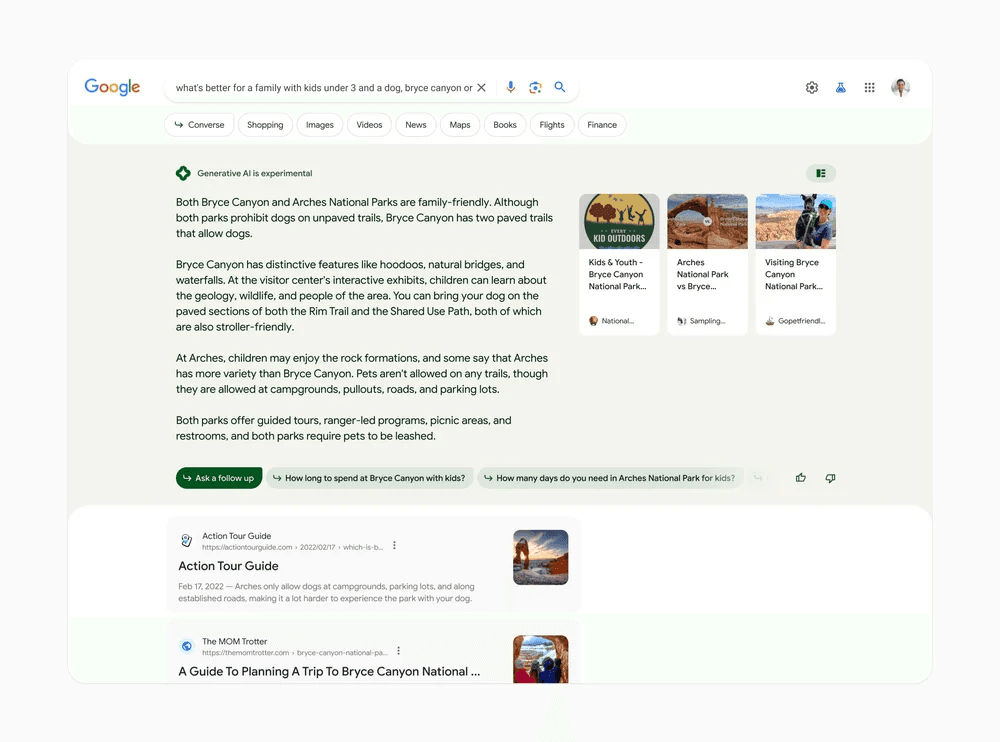
Source: Google
Rich Results and SERP Features
Search Engine Results Pages (SERPs) are no longer limited to plain text links. Modern SERPs include SERP features like:
- Featured Snippets: Quick answers displayed at the top of the page.
- Knowledge Panels: Summaries of key information about businesses, people, or topics.
- Image and Video Carousels: Visual results tailored to the query.
- Local Packs: Maps and business listings for location-based searches.
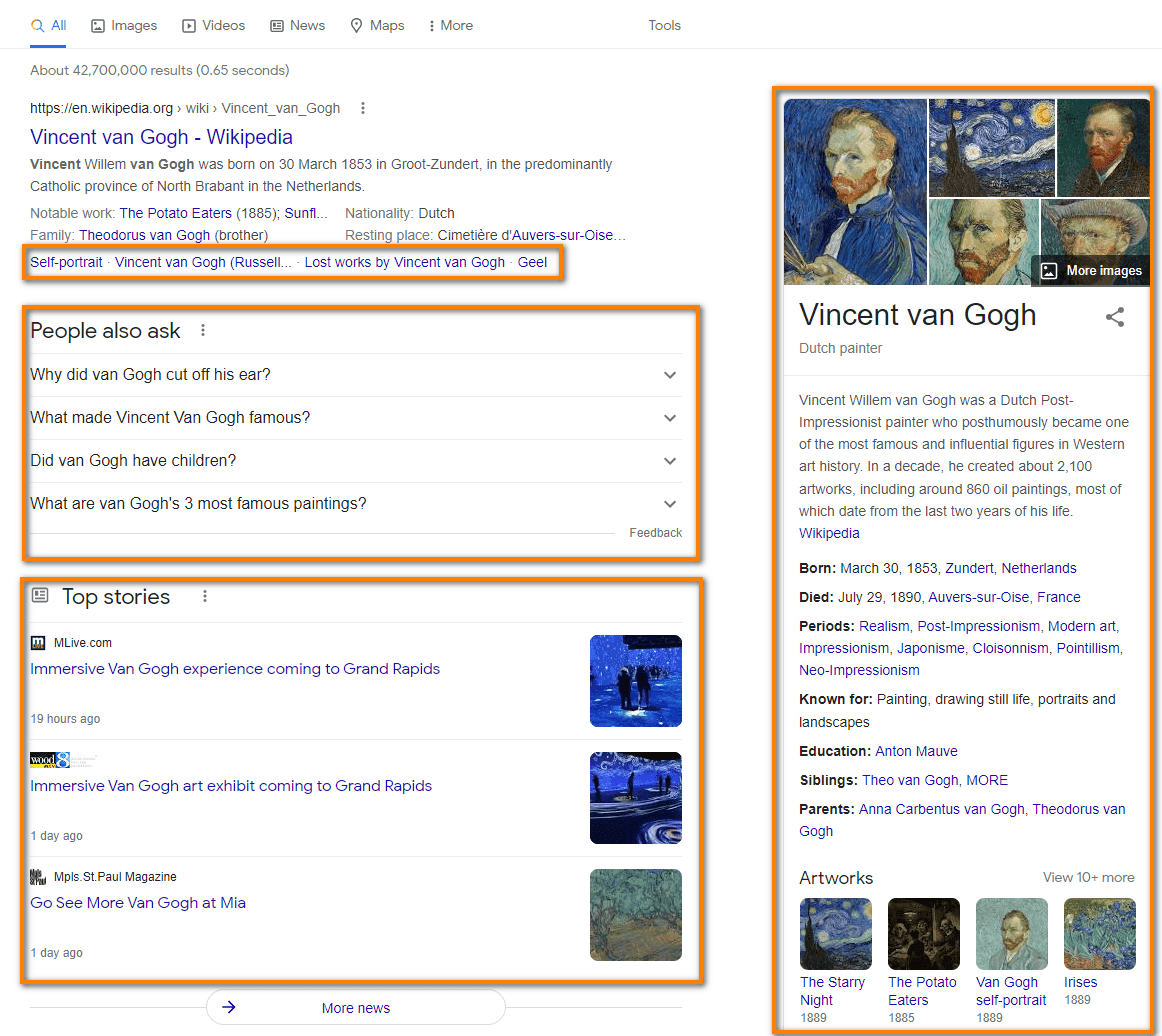
Source: Ahrefs
Voice and Visual Search
The rise of smartphones and smart devices has made voice and visual search increasingly popular.
Tools like Google Lens allow users to search using photos, while voice assistants like Siri and Alexa enable hands-free queries.
Optimising for voice and visual search requires concise, conversational content and descriptive alt text for images. For local businesses, ensure your Google My Business profile is up to date to capture voice searches for “near me” queries.
Personalisation and Location-Based Results
Search engines now tailor results based on a user’s preferences, location, and search history. For instance, a query for “pizza restaurants” will show results near the user’s current location, while past searches may influence the type of content displayed.
Pro tip: Local SEO is more important than ever. Make sure your business details, like address and operating hours, are consistent across directories to improve your chances of appearing in local searches.
Search is Evolving - Are You?
Understanding how search engines work is essential for business owners aiming to increase their online visibility.
From the moment a user types in a query to the instant they click on your site, search engines like Google, Bing, and emerging tools like ChatGPT ensure that the journey is as seamless as possible.
As search technology evolves, personalisation, AI, and rich search results are setting new standards for user expectations. Businesses that adapt by optimising their content, leveraging local SEO, and staying informed about AI advancements will thrive in this dynamic environment.
At Blackpepper, we’re here to help you navigate these complexities and make search work for your business. Let’s start optimising today!