How Does PPC and SEO Work Together?
22 January 2025

Roberta Johnston
SEO Lead
I'm an SEO specialist with over 8 years of experience helping brands grow through strategic, data-driven search optimisation. I've worked with large e-commerce websites and niche brands alike, developing a deep understanding of ranking algorithms, generative AI, and LLMs like ChatGPT, Perplexity AI, and Gemini. My expertise spans technical SEO, ensuring sites - whether a few dozen pages or 100,000+ - are crawled and indexed effectively.
Tags
Originally published in August 2023, this blog has been updated to provide the latest insights.
In 2025, the competition ecommerce businesses face isn't just fierce - it's relentless.
Customers today are spoiled for choice, with more brands vying for their attention than ever before. So, how do you stand out?
By using the dynamic duo that’s often overlooked: SEO and PPC.
These two powerhouse strategies aren’t just complementary - they’re indispensable for building visibility, driving traffic, and ultimately, boosting sales. But here’s the thing: it’s not just about running ads or ranking organically. The real magic happens when these two strategies come together.
Curious about how SEO and PPC can supercharge your marketing efforts? Keep reading - we’re about to break it all down and reveal why this partnership is the key to staying ahead in today’s competitive landscape.
What’s the Difference Between SEO and PPC?
Before we get into how these strategies work together, it’s crucial to understand what sets them apart.
SEO (Search Engine Optimisation):
At its core, SEO is about earning visibility in organic search results. By "organic", we mean any result listed in a search engine that isn't marked as sponsored.
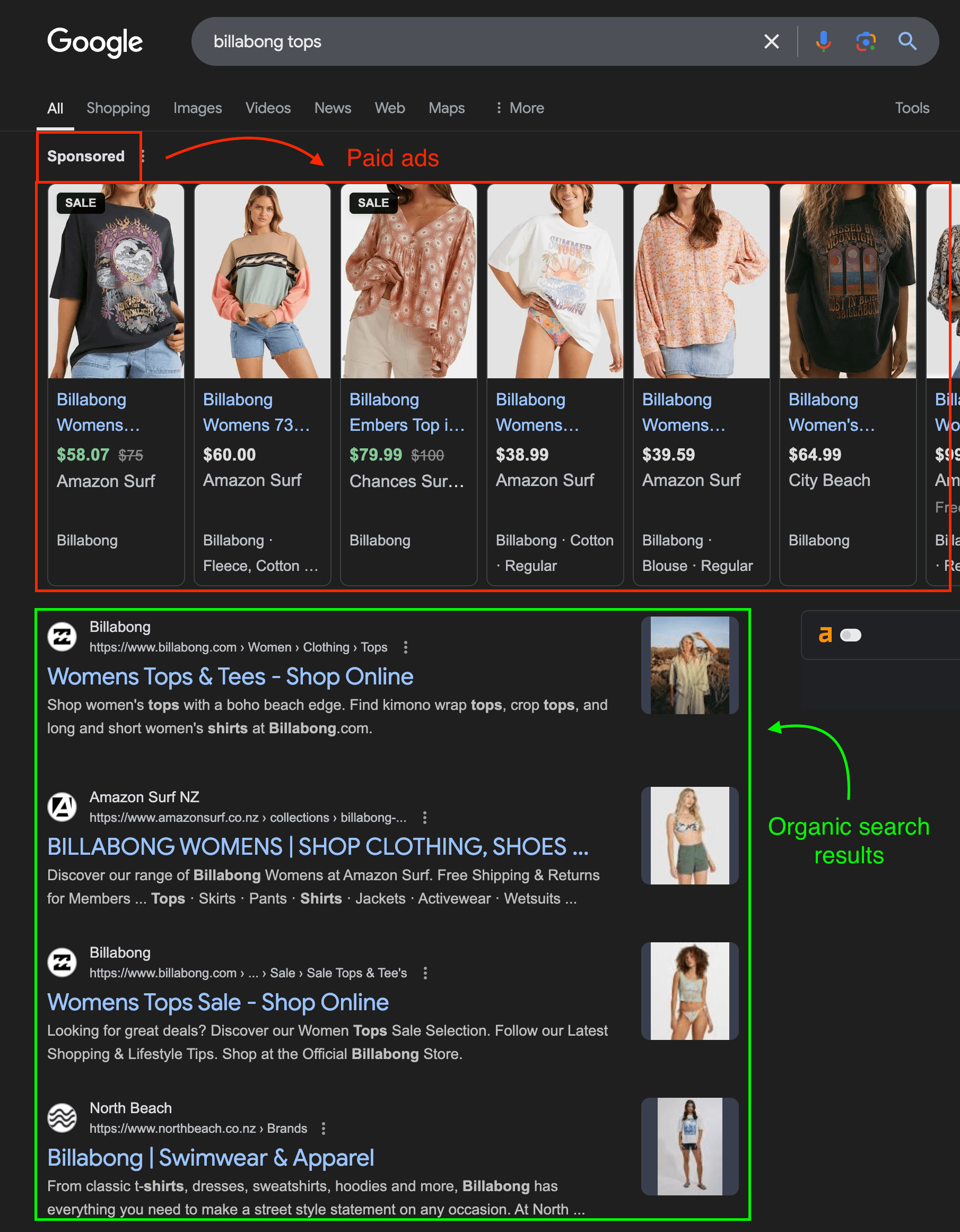
SEO involves optimising your website and content to rank higher on search engines like Google. The goal? To attract users searching for relevant products, services, or information.
Key components of SEO include:
- Intent Optimisation: Ensuring your content matches what your audience is searching for.
- Technical SEO: Enhancing your website’s structure and speed for better crawlability.
- Content Marketing: Creating valuable, engaging content that resonates with your audience.
- Backlinks: Building credibility through links from authoritative sources.
PPC (Pay-Per-Click):
PPC, on the other hand, is all about instant visibility.
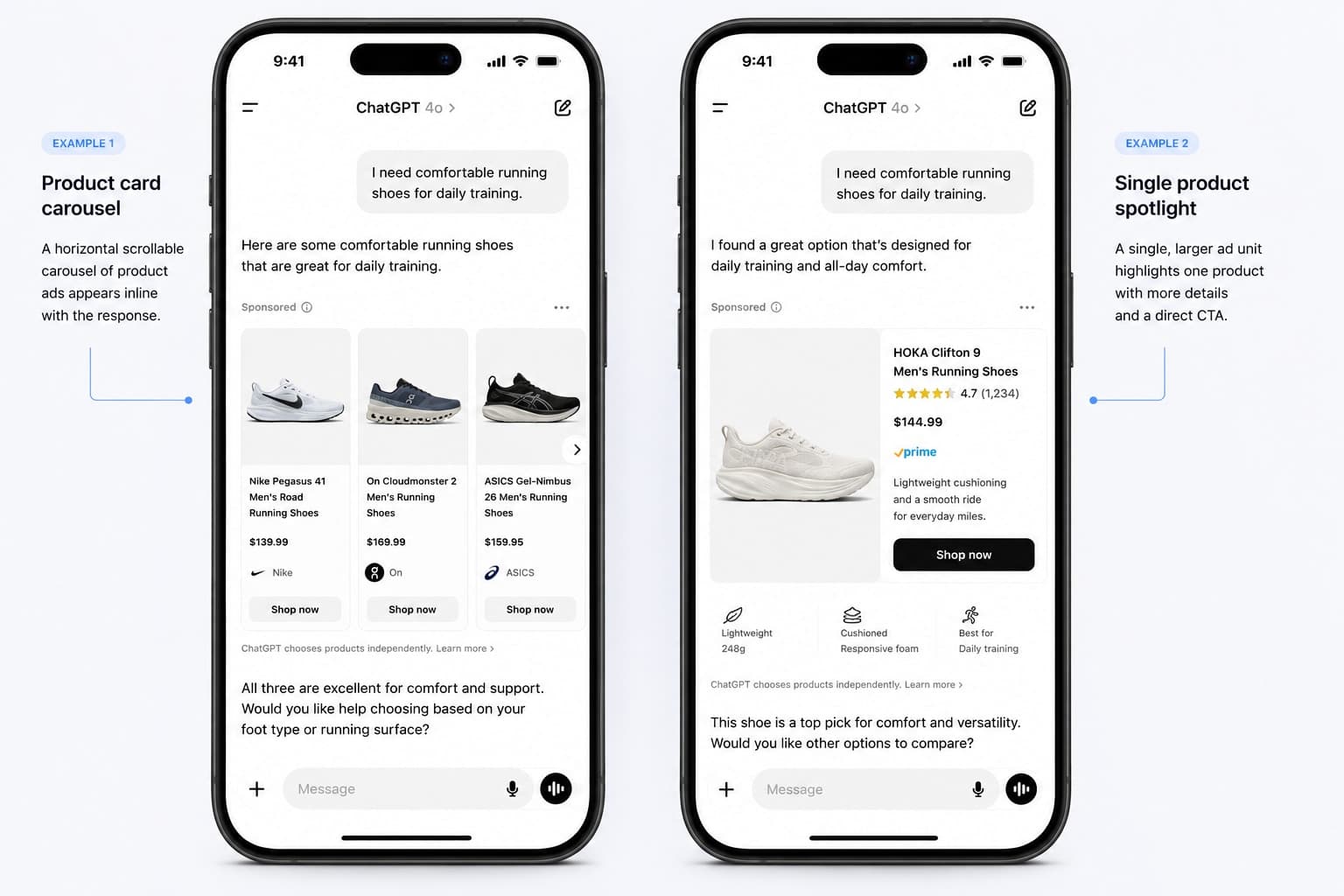
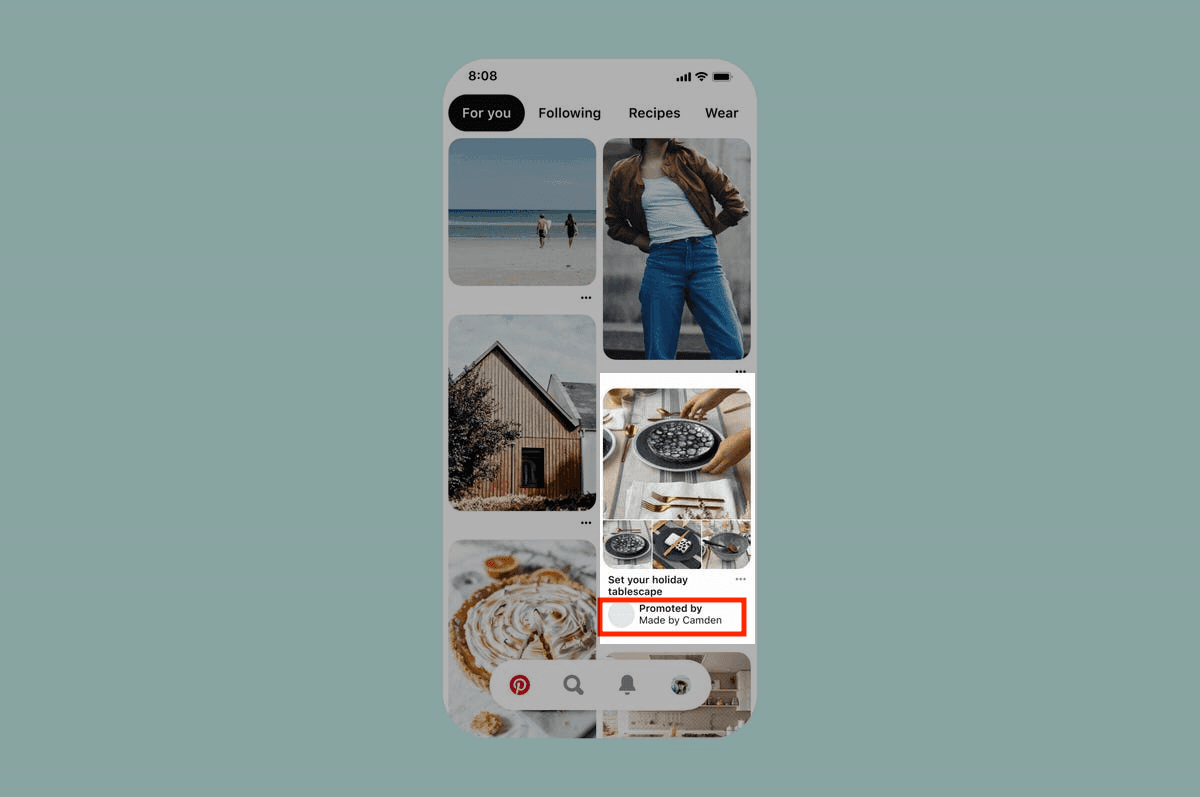
With PPC, you pay for your ads to appear at the top of search engine results or across platforms like Instagram, TikTok, or Pinterest. These ads are often labeled as “Sponsored” or “Ad” and target specific keywords or audience segments.
Source: Pinterest
Key components of PPC include:
- Bidding: Determining how much you’re willing to pay for clicks on specific keywords or search terms.
- Ad Quality: Crafting engaging ads that entice users to click.
- Targeting: Using demographics, behaviours, and interests to reach the right audience.
- Budget Management: Allocating funds effectively for maximum ROAS (return on ad spend).
While SEO focuses on building long-term credibility and traffic, PPC delivers immediate results.
Both have distinct roles in your digital marketing strategy, but the true potential lies in how they can amplify each other.
How SEO and PPC Work Together
While SEO and PPC are effective as standalone strategies, their true potential is unlocked when they’re combined. Together, they form a cohesive digital marketing powerhouse that drives better results than either can achieve on its own.
Maximising Visibility Across the SERP
Both SEO and PPC have their unique challenges, but when used together, they enhance your brand’s visibility on the search engine results page (SERP) in ways that neither can achieve alone.
SEO: With SEO, you focus on building long-term visibility by ranking for relevant keywords organically. However, achieving and maintaining high organic rankings takes time, consistent effort, and adherence to Google’s ever-evolving algorithmic standards.
PPC: Paid search campaigns, on the other hand, provide an opportunity for immediate exposure. But success isn’t guaranteed - factors like cost-per-click (CPC), ad quality, keyword competition, and even the relevance of your product or service all influence your ad’s placement and performance. It’s not a "shortcut" to visibility but rather a strategy that complements your organic efforts.
When used in tandem, these strategies offer powerful benefits.
1. Greater SERP Real Estate
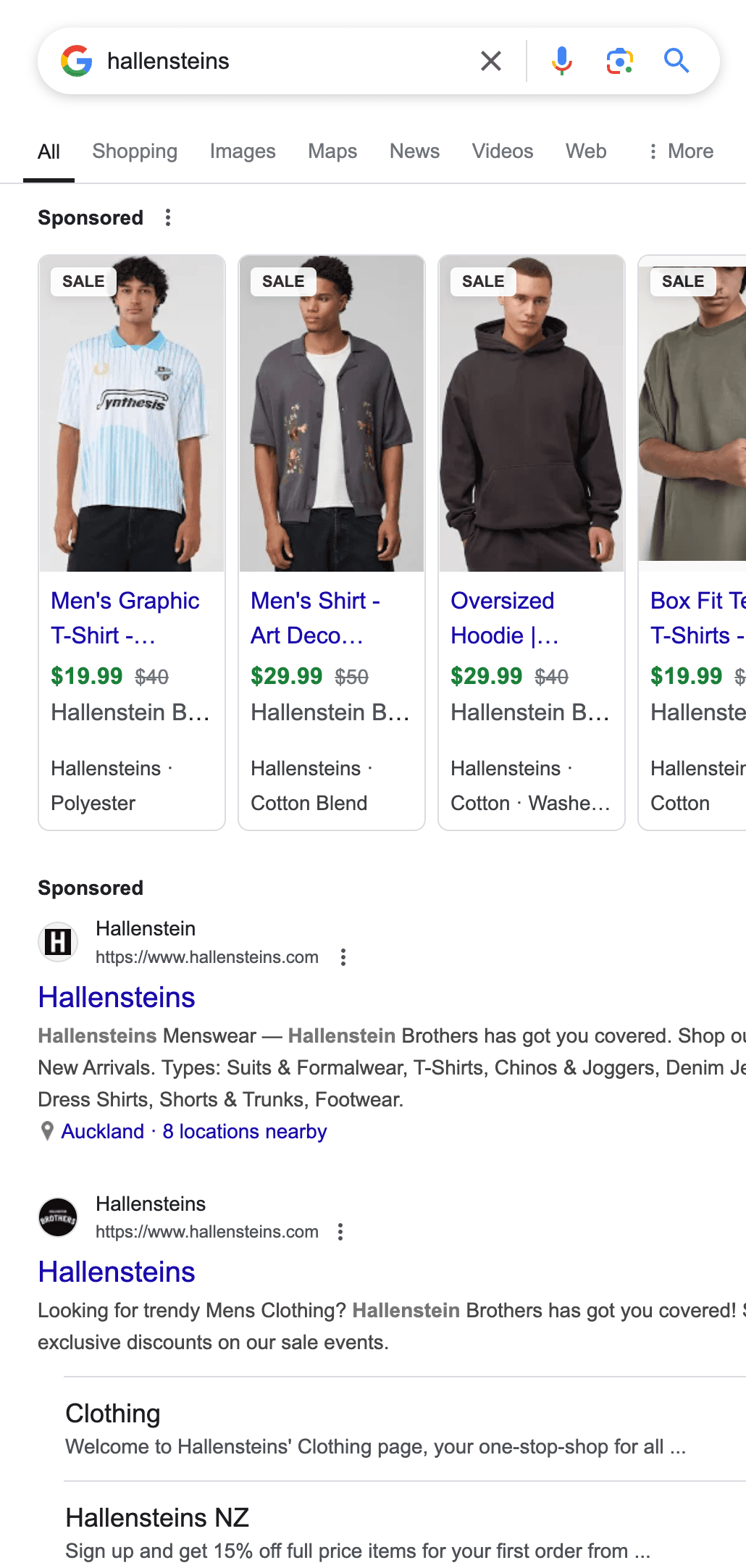
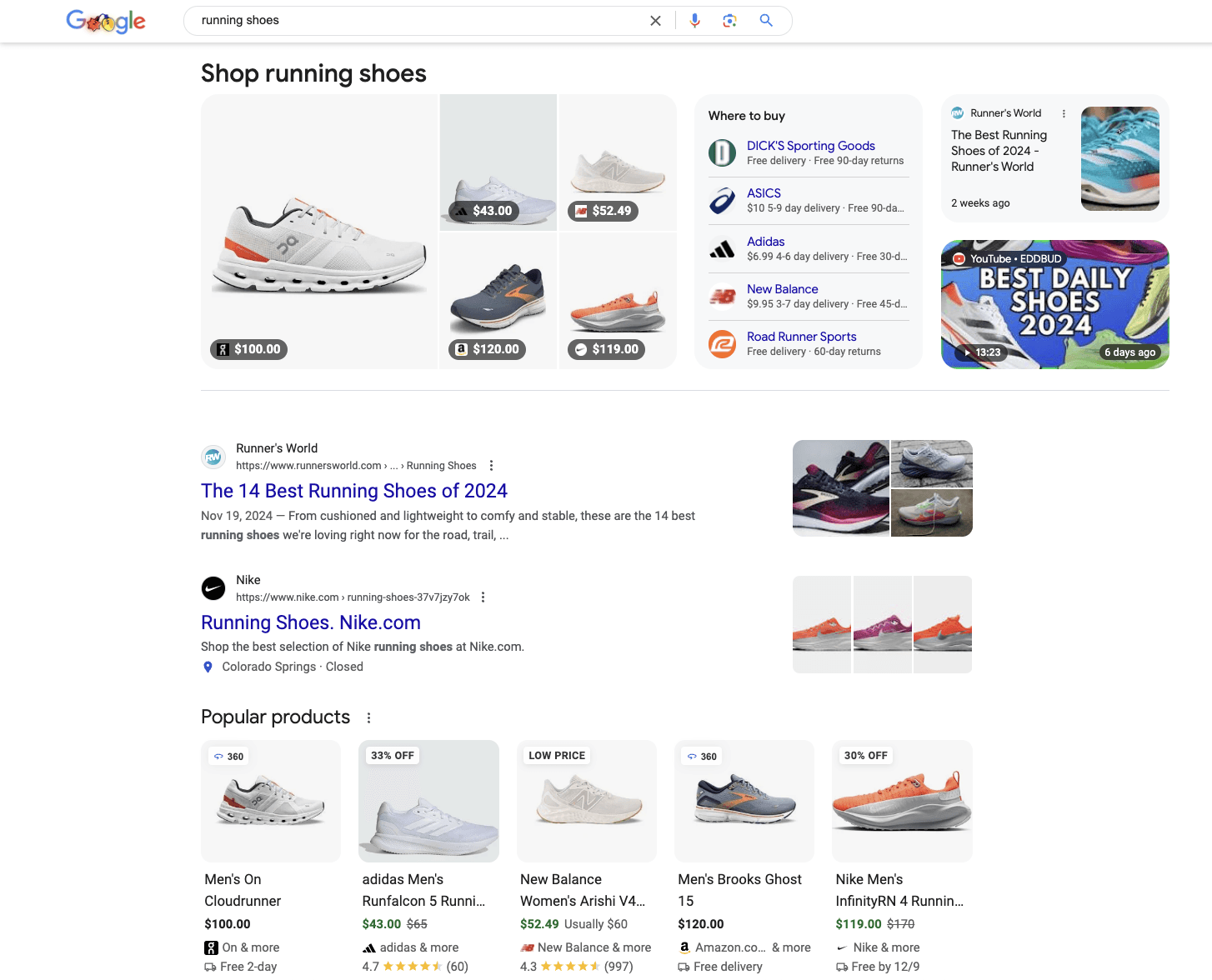
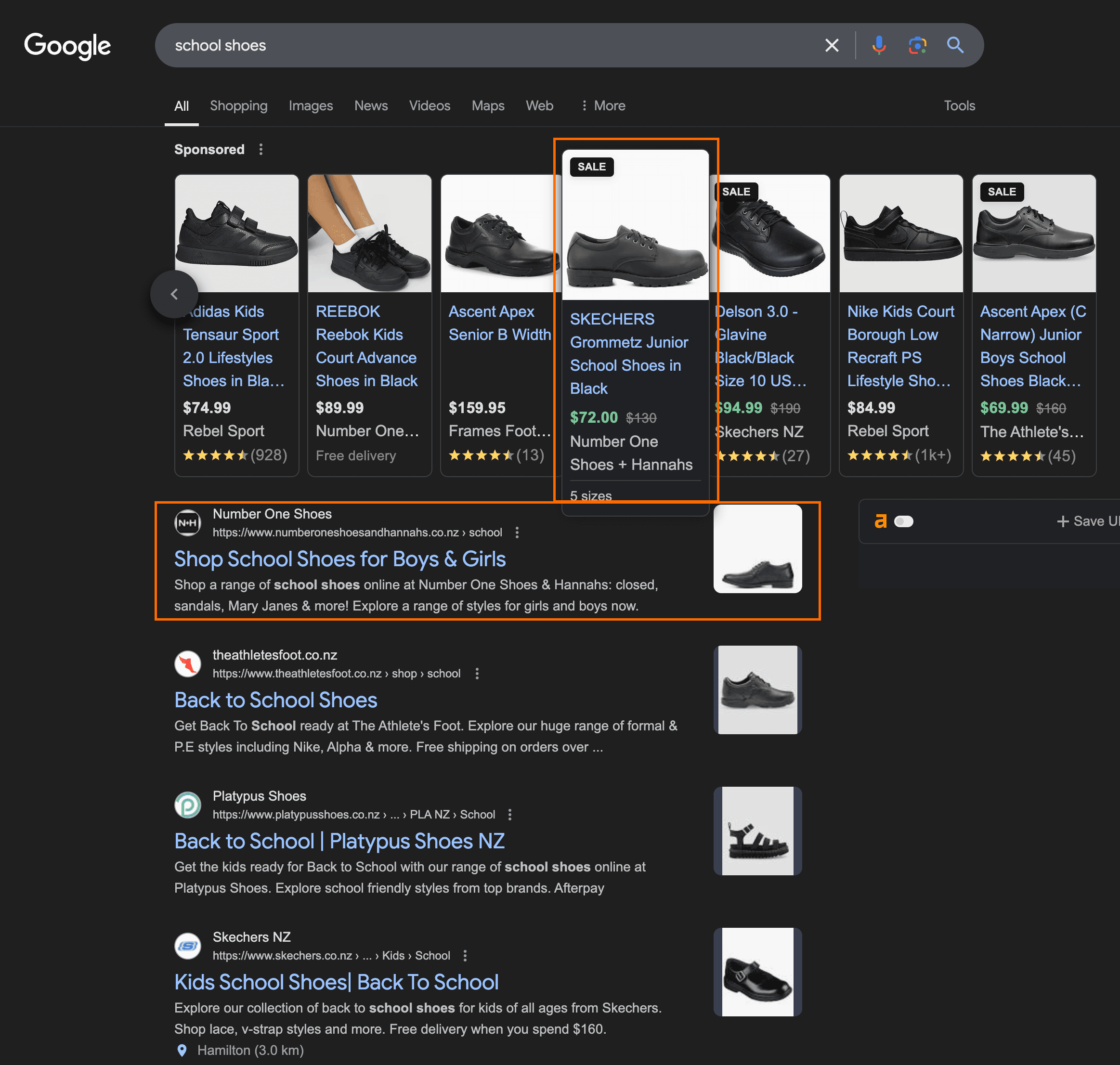
By combining organic rankings with PPC ads, your brand can occupy multiple spots on the same SERP. For example:
- A search for "eco-friendly sneakers" could display your ad at the top, followed by your organic listing a few results down.
- This dual presence makes your brand appear more authoritative, trustworthy, and competitive.
2. Meeting Users at Every Intent Level
- PPC ads target high-intent users ready to make a purchase or take immediate action.
- Organic listings cater to users in research or discovery mode, offering them informative content to guide their decision-making.
- Together, these channels ensure you’re visible to users regardless of where they are in their journey.
3. Reduced Competitor Advantage
If you’re not running PPC campaigns, competitors could bid on your branded keywords, effectively taking a portion of your potential traffic.
This tactic, known as "brand bidding," allows competitors to appear at the top of search results when users search specifically for your brand. As a result, they could siphon off a portion of your potential traffic - users who were actively looking for your products or services.
By integrating SEO and PPC strategies, you create a dual-layer defence for your brand’s visibility.
PPC campaigns ensure your ads appear prominently for branded searches, while strong organic rankings reinforce your presence below the ads. This combination reduces the risk of competitors overtaking your spot and builds trust with searchers by consistently showcasing your brand across multiple areas of the SERP.
Moreover, running PPC campaigns on your branded terms can be cost-effective. Branded keywords typically have lower competition and cost-per-click (CPC) rates, ensuring high ROI while safeguarding your traffic.
This strategy not only protects your brand but also drives quality traffic to your site - users who are already familiar with or interested in your offerings.
Why Does This Dual Approach Work?
Google’s SERP layout prioritises relevance, user intent, and paid placements.
SEO ensures you have a stable, consistent presence in the organic results over time. PPC adds a layer of agility, allowing you to capture attention quickly - even when new competitors or trends emerge.
When your brand dominates the SERP with both ads and organic listings, you increase visibility, establish trust, and stay top-of-mind for your audience.
Data Sharing for Smarter Campaigns
One of the most valuable aspects of using both SEO and PPC is the wealth of data these channels generate.
While each operates on its own principles, combining insights from both creates a clearer picture of your audience, their behaviour, and the most effective strategies to reach them.
SEO Data:
SEO provides valuable insights into long-term trends and user behaviour that help you fine-tune your overall strategy.
By analysing organic search performance, you can uncover:
- High-performing keywords: By understanding which keywords consistently drive traffic, you can optimise content to target these terms more effectively.
- Top-ranking pages: Knowing which pages attract the most organic traffic reveals what resonates with your audience and helps you build more of the content they love.
- User intent trends: Identifying seasonal patterns or shifts in user behaviour enables you to adjust your strategy to align with the evolving needs and interests of your audience.
By digging deep into these insights, an experienced SEO team can shape a strategy that not only improves rankings but also creates content that aligns perfectly with searcher intent.
PPC Data:
Paid search campaigns provide unique insights that can drastically improve your SEO efforts, thanks to the data and testing capabilities PPC offers.
With PPC campaigns, you can uncover:
- High-converting keywords: Paid campaigns allow you to quickly test which keywords drive the most conversions, offering valuable data that can inform organic content optimisation.
- Audience behaviour patterns: Ads provide immediate feedback on which demographics and interests respond best to your messaging, helping to refine audience targeting for both paid and organic content.
- Ad performance trends: Analysing which ad creatives and copy generate the best results can provide insights into the type of messaging that resonates with your target audience - guiding the creation of organic content that aligns with those preferences.
- Real-time data: PPC campaigns offer fast feedback on the effectiveness of keywords, landing pages, and calls-to-action. This real-time data allows for agile optimisation, providing clear direction for both paid and organic strategies.
With PPC, you gain a testing ground to experiment with different strategies, and the insights garnered can be leveraged to sharpen your overall marketing approach.

How This Collaboration Drives Results
By sharing data across channels, you create campaigns that are smarter, more targeted, and better aligned with audience needs. For example:
- An ecommerce brand running a PPC campaign for a summer sale could use organic keyword insights to craft ad copy tailored to what users are already searching for.
- Meanwhile, insights from PPC could help identify new content topics or improve existing SEO efforts by focusing on terms with high ROI.
When there is synergy between PPC and SEO strategies, the result isn’t just smarter campaigns - it’s a more cohesive, data-driven approach to your overall digital marketing strategy.
Strengthening Brand Awareness and Recall
SEO and PPC aren’t just about driving traffic - they play a critical role in strengthening brand awareness and recall.
When you run both strategies in tandem, you're effectively increasing your brand's exposure across multiple touchpoints in the search results.
For PPC, having your ads visible at the top or alongside organic results helps your brand make an immediate impact. Meanwhile, SEO boosts your presence in organic search, ensuring you show up in relevant queries even after the paid ads have faded.
This combination keeps your brand in front of potential customers at multiple stages of their decision-making process.
But here's why this is so important: brand recall is crucial for consumer decisions.
In today’s market, consumers have endless options, and often, the brands they remember are the ones they choose. That’s where a dual strategy of SEO and PPC can work wonders.
Both strategies, when used together, allow you to stay front-of-mind for your audience across different touchpoints. This matter because:
Increased Brand Visibility = Higher Recall
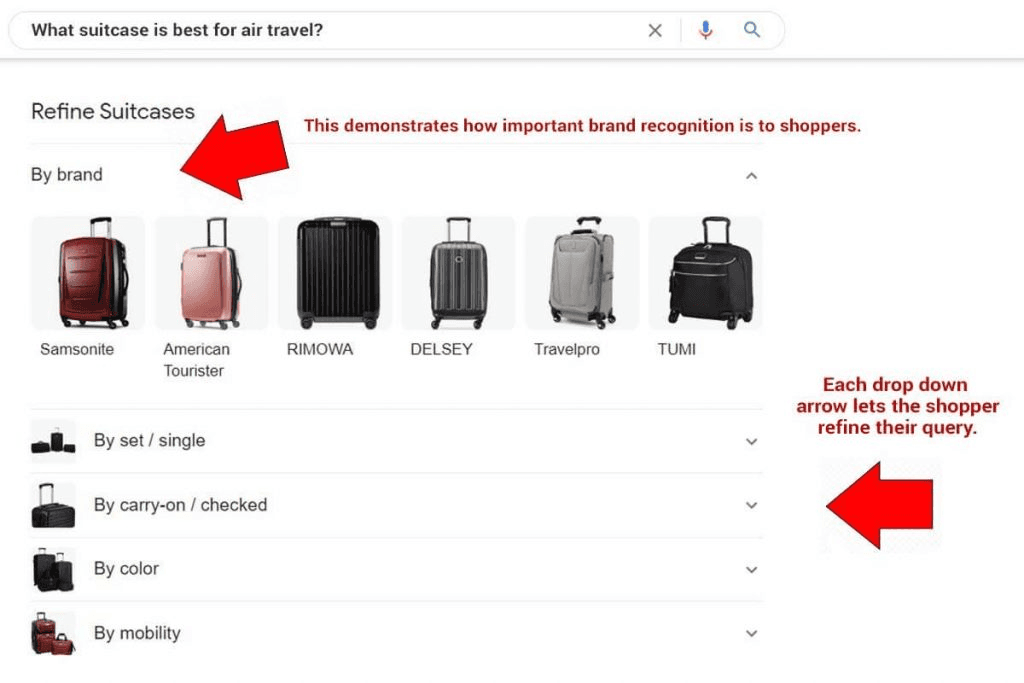
Recent studies confirm that brand familiarity significantly influences consumer purchasing decisions. Consumers are more likely to choose brands they recognise and trust.
By consistently appearing in both organic and paid search results, your brand’s visibility strengthens, leading to greater recall and, ultimately, higher conversion rates.
Reduced Perceived Risk
Familiarity doesn’t just breed trust; it also reduces perceived risk.
Research has shown that when consumers are familiar with a brand, they feel more confident in their purchase decisions. In fact, consumers are more likely to buy from brands they know because they associate those brands with reliability and quality.
Whether it’s through your organic SEO efforts or PPC ads, the goal is the same: make your brand a familiar, trusted name in your industry.
More Touchpoints, More Opportunities for Recognition
Both SEO and PPC increase your chances of appearing across multiple touchpoints in the customer journey, making it more likely that your brand will stick in their memory.
This "omnipresence" is crucial, as it significantly boosts your chances of being the brand a consumer thinks of when it’s time to make a purchase. A 2022 study showed that brand familiarity plays a key role in mobile phone purchasing decisions, with consumers preferring brands they know.
The more often customers encounter your brand across various platforms, the higher the chances of converting them into loyal buyers in the long run.
By leveraging both SEO and PPC, you ensure that you're never too far out of sight - enhancing both short-term sales and long-term brand loyalty.
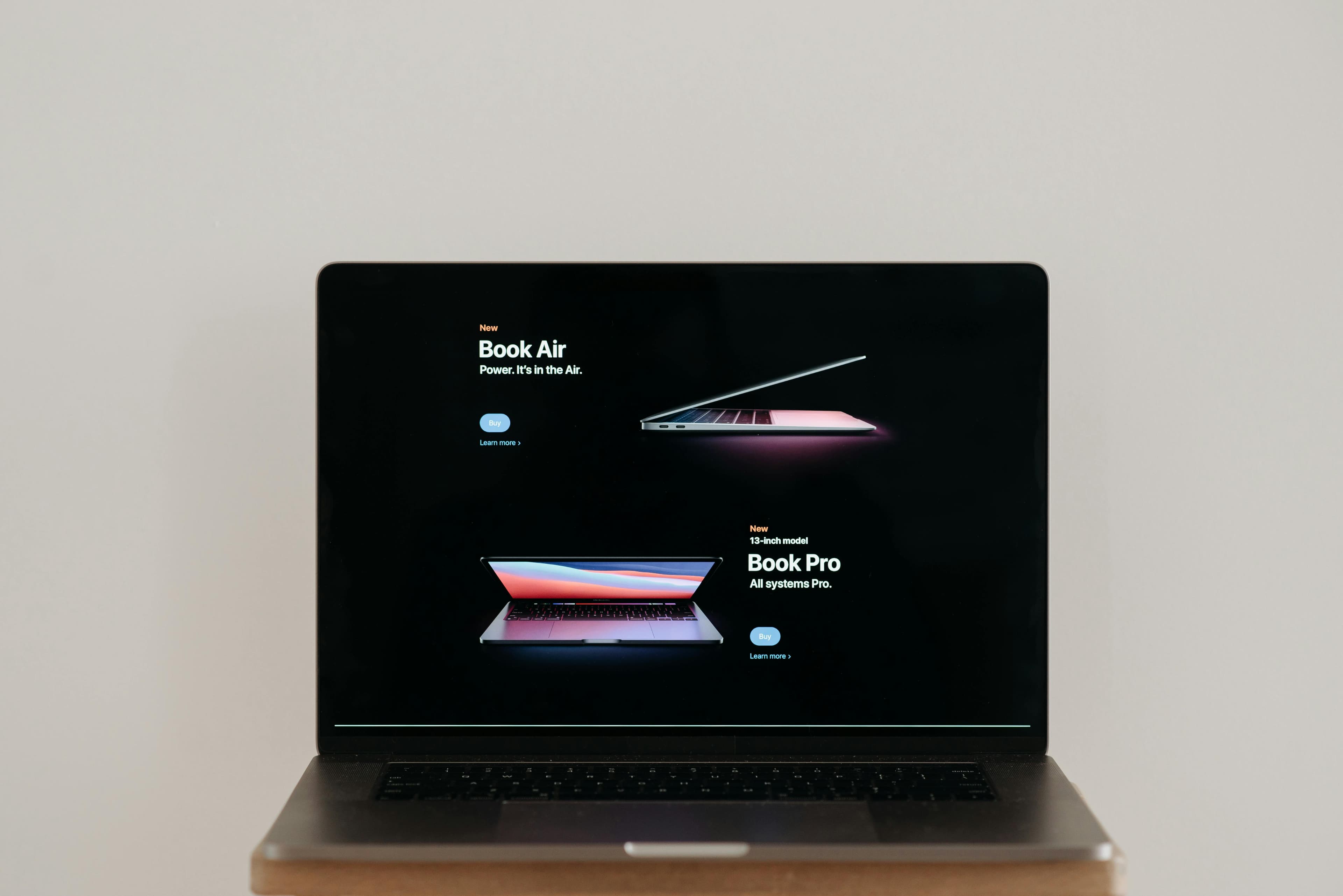
There isn't a single logo in this image... but we all know who that is. 👀
Supporting All Stages of the Customer Journey
One of the most compelling reasons to combine SEO and PPC is the ability to effectively support every stage of the customer journey - from awareness through to consideration and conversion.
When it comes to omnichannel marketing, it's about meeting your customers where they are, at the right time, with the right message. And that's where the synergy of SEO and PPC really shines.
Awareness Stage: Introducing Your Brand
In the awareness stage, consumers are just beginning their journey. They have a problem or need but may not yet know who can solve it.
This is where PPC ads, especially those on Google, YouTube, and social platforms like Instagram and TikTok, can make an immediate impact. Ads can push your brand in front of new audiences who might not have discovered you organically.
Simultaneously, SEO works its magic by ensuring your brand shows up in relevant search queries when customers are looking for solutions.
For example, when someone searches for "best organic skincare products," your well-optimised content can surface, beginning to build trust in the consumer’s mind even before they click through.
By appearing in both paid and organic search results, you’ve increased the likelihood of being noticed by new audiences, improving brand recognition and recall (as discussed in the previous section).
Consideration Stage: Nurturing Interest and Engaging Your Audience
Once consumers are aware of your brand, they move to the consideration stage, where they’re evaluating different options. This is where both SEO and PPC work together to nurture interest.
While PPC ads can target users with more specific messaging (for example, offering a limited-time discount or a unique selling point), SEO ensures that your content answers their questions and positions your brand as a solution.
With high-quality content - blogs, reviews, product guides, and case studies - your SEO strategy can continue to provide valuable touchpoints throughout their decision-making process.
Additionally, remarketing through PPC is incredibly effective in this stage. Consumers who have interacted with your brand through PPC ads or SEO-rich content can be retargeted with highly relevant, specific ads, keeping your brand top-of-mind as they evaluate their options.
Conversion Stage: Turning Interest into Action
By the time consumers reach the conversion stage, they’re almost ready to make a purchase.
SEO continues to play a role, but now, PPC takes the lead. This is when you use targeted ads (e.g., Google Shopping, Performance Max campaigns, or Facebook retargeting ads) to entice users who are already in the final stages of decision-making to convert.
Offering promotions or limited-time offers through your PPC channels can nudge users to make a quicker decision. Meanwhile, SEO ensures that when users search for your product or service specifically, they find your site ranking high and delivering an optimised, frictionless path to purchase.
Post-Purchase Stage: Retaining and Re-Engaging Customers
Even after the purchase, SEO and PPC can continue to work together to engage and retain customers.
For example, remarketing ads can encourage customers to share their experiences or check out related products. Meanwhile, SEO can continue to fuel customer retention by providing valuable post-purchase content such as FAQs, reviews, and how-to guides.
Omnichannel marketing ensures that your brand stays top-of-mind, enhancing the overall customer experience and fostering long-term loyalty.
By leveraging both SEO and PPC throughout the customer journey, you're able to meet customers at every stage, making it easier for them to discover, engage with, and purchase from your brand.
The synergy between the two channels creates a seamless and integrated experience that drives results - not just today but throughout the entire buying process.
Source: brodieclark
Outpacing Competitors
In today's highly competitive digital landscape, staying ahead of the competition requires more than just showing up on the search engine results pages (SERPs) - it means dominating them.
And that’s where combining SEO and PPC becomes a game-changer.
1. Increasing Your SERP Real Estate
Both SEO and PPC contribute to your brand’s visibility in the search results, but combining the two gives you prime real estate in the SERPs - something your competitors will likely be eyeing as well.
While PPC ads show up at the top of the page (and sometimes even at the bottom), SEO can help your organic results rank high right underneath them.
By holding both the top and bottom spots on the page for your target keywords, you create a more dominant presence that competitors simply can’t ignore. When your brand is visible across multiple placements, it reinforces your message and builds trust with potential customers, nudging them to choose your brand over others.
Not only does this approach give you more visibility, but it also limits the opportunities for your competitors to dominate the SERPs. When they see you everywhere, they’ll be less likely to click through and more likely to turn to another platform.
2. Keeping Your Brand at the Top of Mind
When consumers are searching for a product or service, they often see multiple brands competing for their attention.
Consumers today are highly value-conscious and have more choices than ever before - especially with global retailers (Temu, to name one of the most prominent) offering a wide variety of options. This means your competitors are always just a click away.
By using both PPC and SEO, you can ensure that your brand stays at the top of mind throughout the entire decision-making process.
Paid ads give you immediate visibility when consumers first begin their search, while SEO works in the background to reinforce your brand’s relevance and authority over time. Together, they help you stay ahead, ensuring your brand stays in front of your target audience at every turn.
3. Competitive Bidding and Brand Protection
A major issue facing many ecommerce brands is the ability for competitors to bid on your brand’s name in paid search campaigns.
This means that your competitors can appear at the top of the SERPs with ads targeting your brand name, potentially stealing valuable traffic away from you.
In most cases, PPC campaigns - such as Google Ads - can be used to safeguard your brand by bidding on your own brand terms. This ensures that when people search specifically for your brand, your ads appear at the top of the results, capturing traffic and reducing the chances of competitor poaching.
However, brand bidding strategies aren’t always a necessity for every business.
For instance, we manage Google Ads for a leading New Zealand fashion retailer with such strong brand awareness and loyalty that they don’t allocate any advertising budget to brand terms.
Instead, they focus entirely on highly competitive non-brand terms. The primary reason this strategy works? A robust SEO foundation.
Their organic rankings for brand terms ensure that they dominate the SERPs naturally and consistently for brand-related searches, without the need for paid support.
This highlights the crucial interplay between SEO and PPC: a dedicated SEO strategy not only supports long-term organic visibility but can also reduce the dependency on PPC for brand protection. Together, these strategies create a balance, allowing businesses to allocate advertising budgets toward growth opportunities while maintaining control over brand-related searches.
By leveraging both SEO and PPC, ecommerce brands can protect their turf from competitor encroachment and strategically position themselves as the most authoritative option for brand-related queries - whether through organic or paid results.
4. Diversifying Your Strategy to Stay Ahead
Last but not least, combining SEO and PPC helps mitigate risks and diversifies your marketing efforts.
If one channel hits a rough patch (due to changes in algorithms, policy updates, or rising CPC costs), the other can pick up the slack. This helps keep your brand visible and reduces reliance on any single strategy.
For example, if Google makes an algorithm change that impacts your organic rankings, your PPC ads can still ensure you’re visible and driving traffic while you work on adjusting your SEO strategy.
Likewise, if you’re experiencing rising CPC costs, a solid SEO foundation can help provide a steady stream of organic traffic and sales, allowing you to scale back on paid ads without sacrificing visibility.
In short, combining SEO and PPC isn't just about increasing your visibility; it's about future-proofing your strategy and making sure your brand has the flexibility and staying power to outpace the competition - no matter what the digital landscape throws your way.
Why SEO and PPC Are Non-Negotiable
SEO and PPC are no longer optional - they’re essential for staying competitive, reinforcing your brand, and driving consistent growth.
Ignoring either one of these strategies puts your brand at a serious disadvantage. Here’s why:
1. Competitive Threats: Defending Your Market Share
The digital world is a battlefield, and your competitors are always looking for ways to grab your market share.
In particular, they’ll capitalise on any gap in your visibility. Without PPC, competitors can dominate the search results, especially for branded terms, by bidding on your keywords.
If you’re not bidding on your own brand name, your competitors will gladly step in and claim the top spots. Not only does this take away traffic you should be getting, but it also erodes your brand’s visibility.
A study by Adthena found that 50% of advertisers engage in competitive bidding on pure brand terms. Additionally, one-third of all brand queries experience competitive brand bidding.
Meanwhile, SEO helps to establish your authority in the digital space. Without a strong organic presence, your competitors can quickly overshadow you, especially in industries with high competition like retail, fashion, or technology.
Together, SEO and PPC work hand-in-hand to defend your digital turf, ensuring you dominate both paid and organic spaces on the SERPs.
2. Brand Reinforcement: Staying Top-of-Mind
Consumers today are bombarded with choices, and brand loyalty is at an all-time low. That’s why it’s so important to stay consistently visible. SEO and PPC ensure that your brand is constantly reinforced in the minds of potential customers.
By running PPC ads, you’re ensuring immediate visibility, helping prospects discover and engage with your brand right from the start.
On the other hand, SEO builds long-term credibility and trust. When people see your brand across both paid and organic results, it strengthens their perception of your brand, builds recognition, and improves recall.
Source: NoGood
3. The Cost of Pausing Campaigns: Don't Hit the Brakes
Many businesses make the mistake of pausing their PPC campaigns or scaling back on SEO efforts during off-peak seasons or when they face budget constraints.
But this is where they go wrong: Pausing your campaigns can lead to a significant drop in visibility, website traffic, and ultimately, sales.
In fact, a Nielsen study shows that it takes three to five years of solid and consistent brand-building effort to recover from not advertising. What's more, the data showed that brands lose an average 2% of future revenue for every quarter they stop advertising.
SEO doesn’t deliver instant results - it’s a long-term strategy that requires ongoing effort and commitment. Taking a break from your SEO activities can result in losing hard-earned rankings to your competitors.
But it’s not just inactivity that puts your organic visibility at risk; algorithm updates, like those Google frequently releases, can wreak havoc on a site’s rankings overnight.
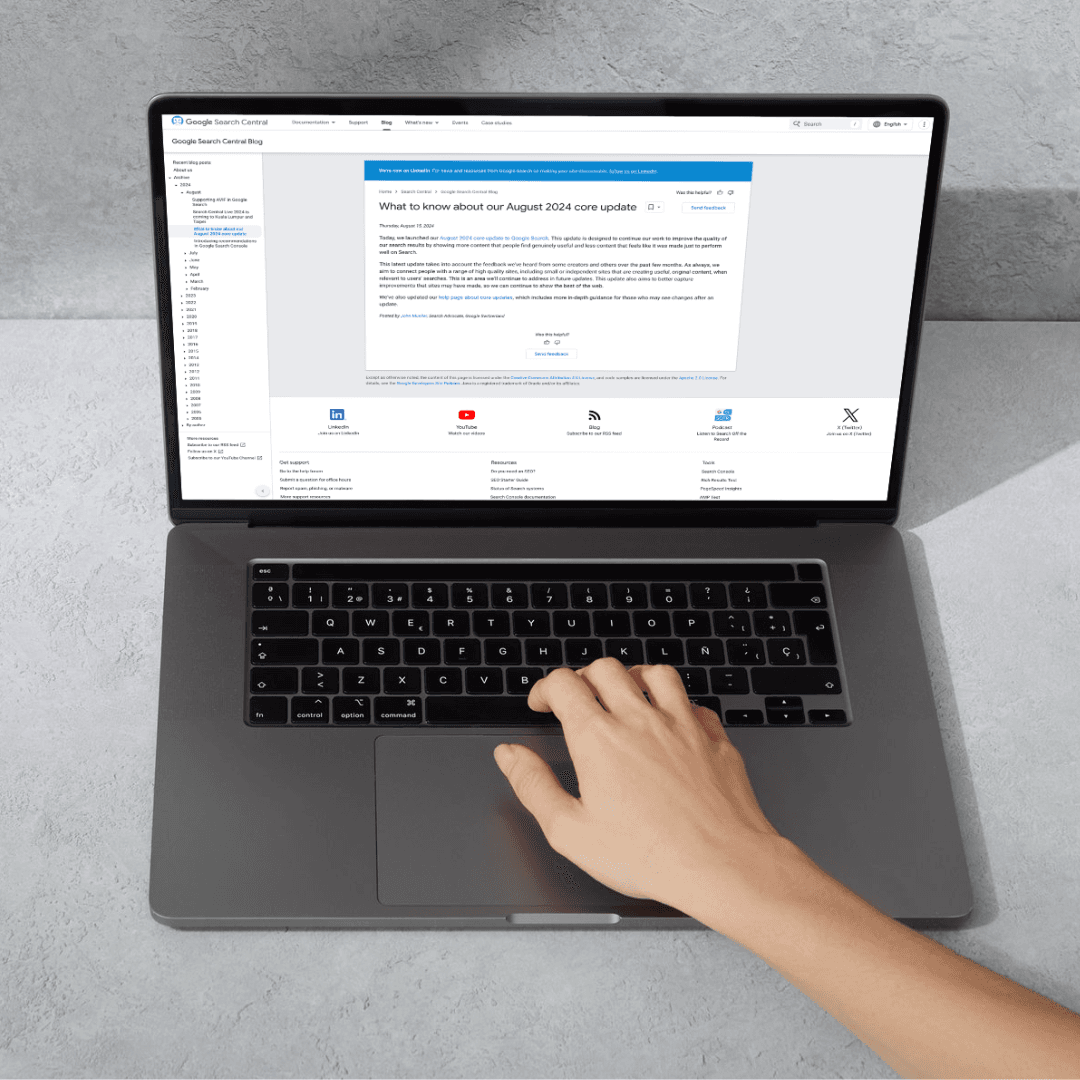
Google’s core updates are designed to improve the quality and relevance of search results, but they can also cause significant fluctuations in rankings, even for well-established websites.
Major retailers with robust SEO strategies and historically solid rankings have seen their organic visibility take a dive after core updates if their content, technical structure, or user experience no longer aligns with Google's evolving standards.
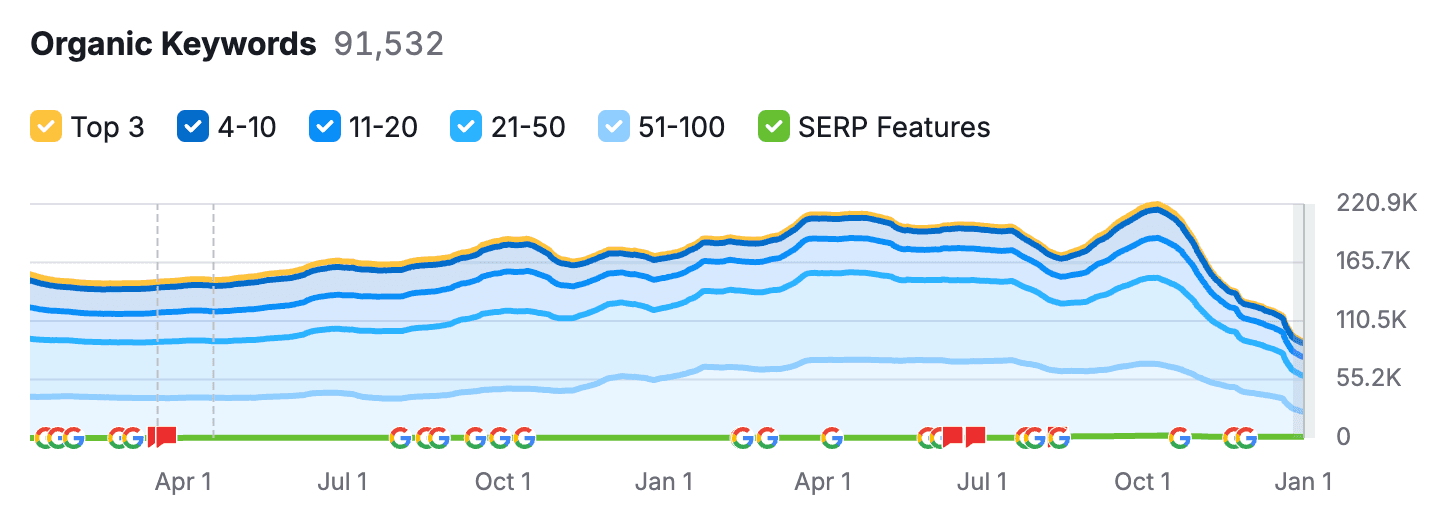
This graph shows the organic keyword rankings for a major online retailer in New Zealand. After the latest algorithm updates in December 2024, their rankings plummeted - despite a strong brand following.
This underscores why consistent SEO efforts are essential - not just to build and maintain rankings, but to adapt to algorithm changes and remain competitive.
Ongoing SEO ensures your site stays optimised, responds to updates, and avoids losing ground to competitors who continue to invest in their strategies. After all, SEO isn’t a one-time project; it’s a dynamic process that evolves alongside search engines and user behaviour.
Similarly, pausing your PPC campaigns means you’re losing out on immediate visibility. In today’s competitive environment, visibility is currency, and once it’s gone, it’s tough to reclaim.
4. Proven ROI from Integrated Campaigns
The power of combining SEO and PPC can’t be overstated. According to a case study by WordStream, businesses that run both paid and organic campaigns tend to see a 25% higher conversion rate compared to those who rely on just one channel.
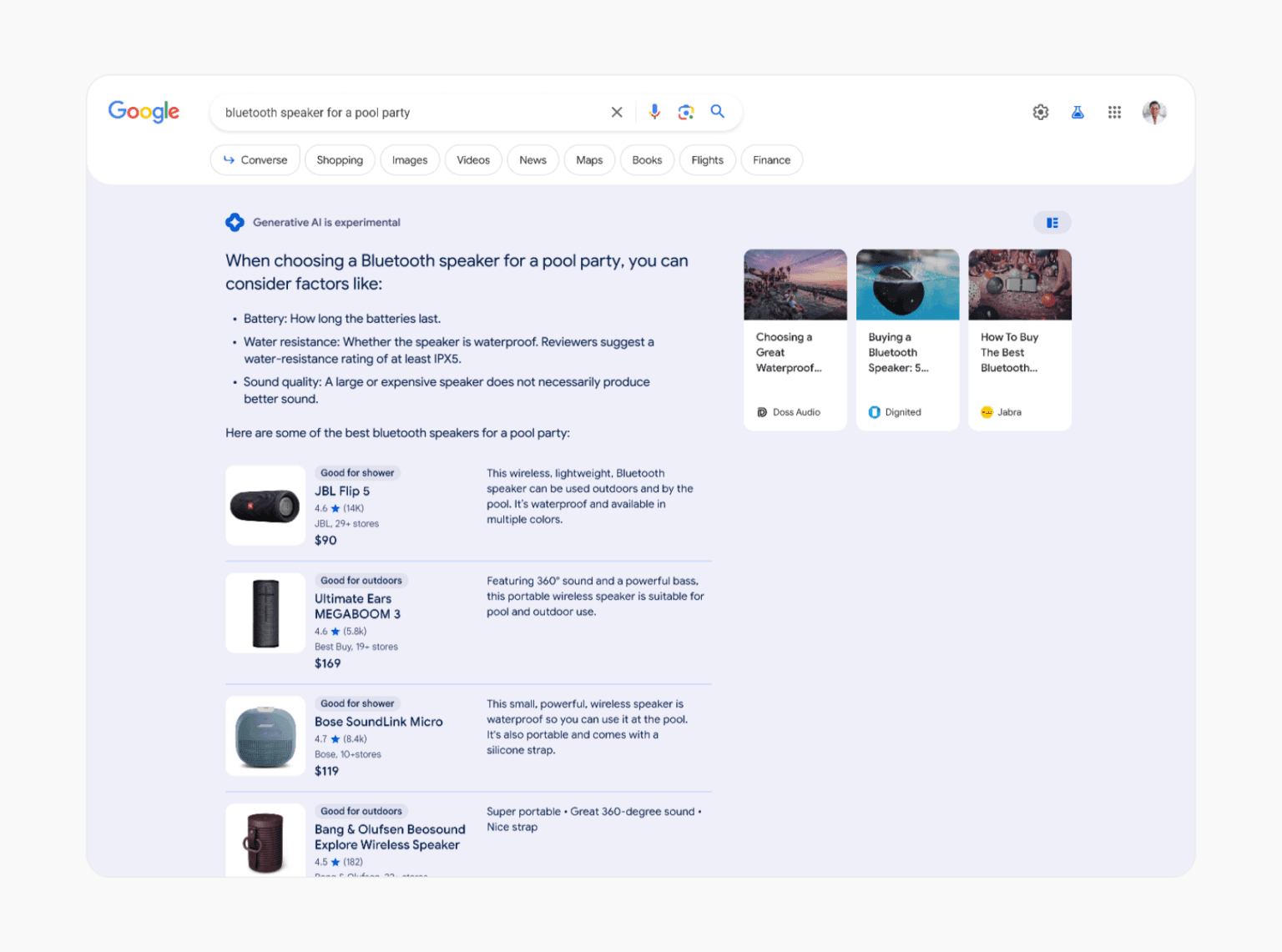
Furthermore, studies by Google reveal that paid ads and organic listings work synergistically.
Consumers who see a brand across both paid ads and organic search results are 68% more likely to click through to that brand’s site compared to those who only see the organic listing.
This shows that having a strong PPC and SEO presence doesn’t just improve visibility - it also drives higher engagement and conversions.
Ultimately, the combination of both strategies ensures that your brand remains consistently visible, competitive, and top-of-mind for your target audience.
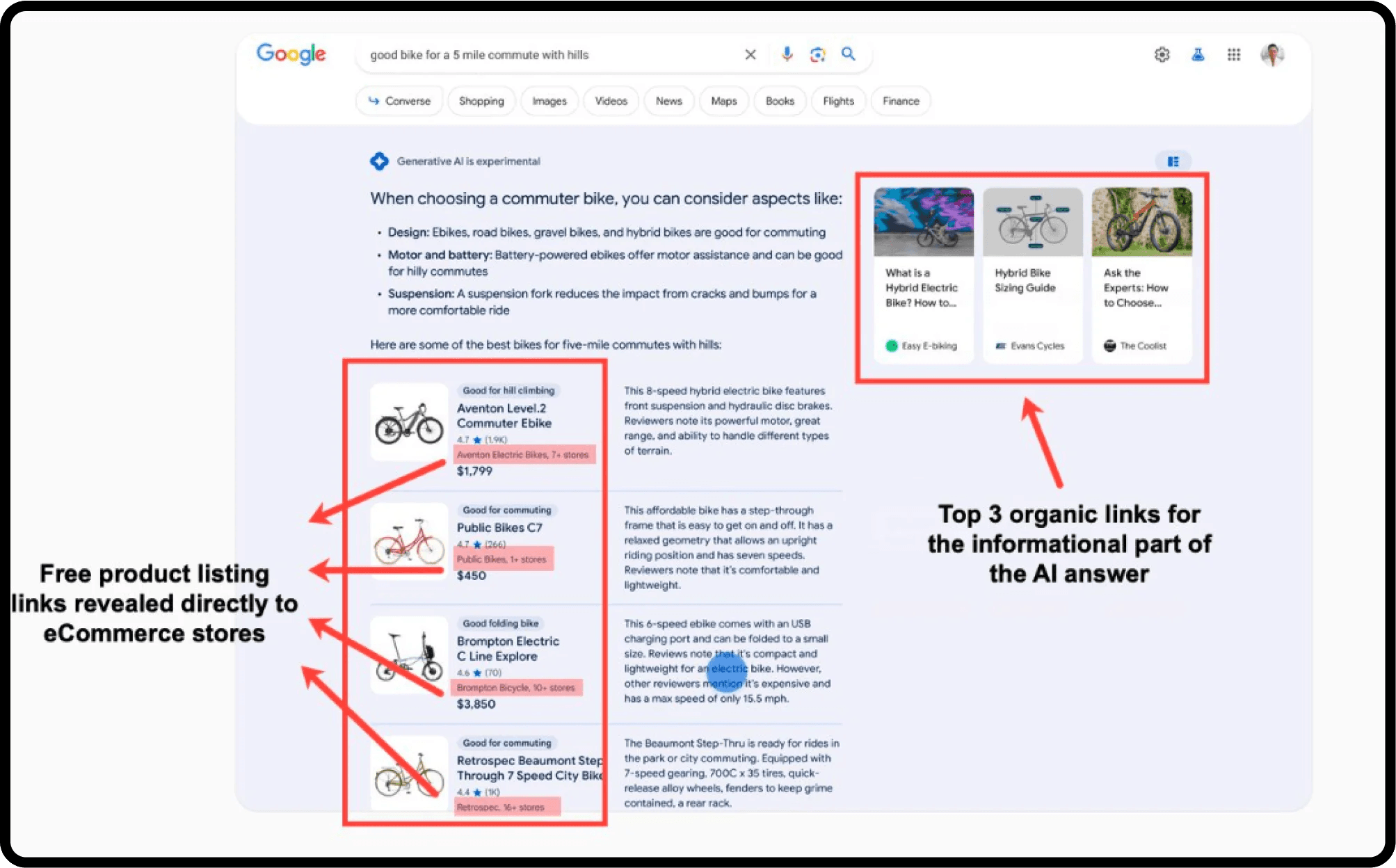
Source: Search Engine Land / Google
The Power of SEO and PPC Together
In 2025, digital marketing is more competitive than ever, and standing out requires more than just one strategy.
The marriage of SEO and PPC is non-negotiable for businesses looking to maintain a dominant presence across the search landscape. Together, these channels provide complementary benefits that not only boost visibility, but also enhance brand recall, support each stage of the customer journey, and reinforce your competitive edge.
Pausing or neglecting either strategy leaves room for competitors to step in, making it critical to keep both channels running in tandem. When executed correctly, the combination of organic rankings and paid ads gives your brand the kind of exposure that drives both short-term sales and long-term growth.
At Blackpepper, we understand the nuances of SEO and PPC, and how to make both work harmoniously for your ecommerce brand. Contact us today to learn more about how we can help you stay ahead of the competition.