How to Do Competitor Analysis: A PPC Guide
19 June 2024

Roberta Johnston
SEO Lead
I'm an SEO specialist with over 8 years of experience helping brands grow through strategic, data-driven search optimisation. I've worked with large e-commerce websites and niche brands alike, developing a deep understanding of ranking algorithms, generative AI, and LLMs like ChatGPT, Perplexity AI, and Gemini. My expertise spans technical SEO, ensuring sites - whether a few dozen pages or 100,000+ - are crawled and indexed effectively.
Tags
In the fast-paced world of digital marketing, staying ahead of your competition is crucial, especially when it comes to Pay-Per-Click (PPC) campaigns. Whether you're running ads on Google, Meta (Facebook and Instagram), TikTok, or even LinkedIn for those in the B2B space, understanding what your competitors are doing can make the difference between a mediocre campaign and a highly successful one.
But how exactly do you get this competitive edge? The answer lies in competitor analysis. By examining your competitors' strategies, you can uncover insights that help you optimise your own campaigns, improve your ad performance, and ultimately, drive more traffic and conversions to your site.
In this guide, we'll dive deep into the world of PPC competitor analysis. We'll cover everything from identifying your competitors and understanding why this analysis is so crucial, to the best tools and techniques for dissecting their strategies. Plus, we’ll share some top tips to help you stay on top of your game. Whether you're a seasoned marketer or just getting started with PPC, this guide will equip you with the knowledge you need to outsmart your competition and boost your campaign results.
Let's get started!
What is Competitor Analysis in PPC?
Competitor analysis in PPC is all about scrutinising your competitors' paid advertising strategies to glean insights and opportunities for your own campaigns. Think of it as a detective mission where you gather intel on what your rivals are doing - what keywords they’re targeting, the types of ads they’re running, their bidding strategies, and how they’re engaging with the audience.
But why is this important? By understanding your competitors' tactics, you can identify what works and what doesn’t in your industry - and also, what’s missing. This knowledge allows you to refine your own strategies, ensuring that you’re not just keeping up, but leading the pack.
Related: 5 Reasons Your Google Ads Campaign isn’t Working
How Do You Identify Your Competitors?
Before diving into the analysis, you need to know who your competitors are. These could be direct competitors offering similar products or services, or indirect competitors who target the same audience with different offerings. Here’s how you can identify them:
1. Search Engine Results Pages (SERPs): Conduct searches using your target keywords and note the companies appearing in the paid ad spaces.
2. Industry Reports and Tools: Use tools like SEMrush, Ahrefs, and SpyFu to find competitors that rank for the same keywords.
3. Social Media Channels: Look at the ads that appear on platforms like Facebook, Instagram, and LinkedIn when you search for related terms or follow industry hashtags.
4. Customer Feedback: Pay attention to what your customers are saying. Sometimes, they’ll mention other brands or solutions they’ve considered.
Once you’ve identified your competitors, you can move on to analysing their PPC strategies.

Why is Competitor Analysis so Important for PPC Campaigns?
Understanding your competitors' PPC tactics can provide several key advantages:
- Benchmarking: See where you stand in comparison to your competitors. Are you spending more or less? Are your ads more or less effective?
- Keyword Insights: Discover new keywords that you might not have considered. If your competitors are targeting certain keywords, it’s worth exploring why.
- Ad Copy and Creative Ideas: Analysing the messaging and visuals your competitors use can inspire your own campaigns. You can identify what resonates with your shared audience and tailor your ads accordingly.
- Bidding Strategies: Understanding how much your competitors are willing to pay for certain keywords can help you adjust your bidding strategy to be more competitive.
- Identifying Gaps: Find areas where your competitors are not investing heavily, presenting an opportunity for you to dominate that space.
Related: Top 5 Digital Marketing Trends for 2024
Competitor analysis isn’t a one-time task; it’s an ongoing process. Regularly reviewing and updating your findings ensures you stay ahead of the curve.
Now that we’ve established why competitor analysis is crucial, let's explore when you should be conducting this analysis for maximum impact.
When Should You Do Competitor Analysis?
Conducting competitor analysis isn't a one-and-done task; it’s an ongoing process that should be integrated into your regular PPC strategy reviews. However, there are specific times when competitor analysis is particularly beneficial:
Before Launching a New Campaign:
Before you roll out a new PPC campaign, take a deep dive into your competitors' strategies. This will give you a solid understanding of the competitive landscape and help you set realistic benchmarks and expectations.
When You Notice Performance Changes:
If you see a sudden change in your campaign performance - either positive or negative - it’s time to investigate. Competitors might have adjusted their bids, launched new ads, or targeted new keywords that are affecting your results.
Related: 5 Ways to Improve Social Media Engagement
Regular Intervals:
Make competitor analysis a part of your routine. Conducting quarterly or biannual reviews ensures you stay updated on any shifts in your industry’s competitive dynamics.
Entering a New Market:
When expanding your business into a new geographic area or introducing a new product or service, understanding the competitive landscape is crucial. Competitor analysis will help you tailor your approach to fit the new market conditions.
Read More: How is Gen-Z Influencing the Future of Retail?
Seasonal Campaigns:
For businesses that rely heavily on seasonal sales (like retail during the holidays), conducting a competitor analysis before and after the season can provide insights into effective strategies and prepare you for future campaigns.
By integrating regular competitor analysis into your PPC strategy, you can stay agile and adapt to changes in the market, giving you a competitive edge.

What Should Your Analysis Include?
To get the most out of your competitor analysis, it’s important to focus on several key areas:
Keywords:
Identify the keywords your competitors are bidding on. Use tools like SEMrush, Ahrefs, and SpyFu to find these keywords and understand their search volumes and costs. Look for high-performing keywords you might be missing out on and identify any negative keywords that could save you money.
Ad Copy and Creatives:
Analyse the messaging and visuals your competitors use in their ads. Pay attention to headlines, calls-to-action (CTAs), and the overall tone. This will help you understand what resonates with your target audience and inspire your own ad creations.
Landing Pages:
Examine the landing pages your competitors use for their ads. Look at the design, content, and conversion elements. A well-optimised landing page can significantly improve ad performance, so take note of what works and what doesn’t.

Bidding Strategies:
Try to gauge your competitors’ bidding strategies. Are they bidding aggressively on certain keywords? Understanding their approach can help you adjust your own bids to be more competitive.
Budget and Spend:
Estimate your competitors’ ad spend. Tools like AdBeat can provide insights into how much competitors are investing in their PPC campaigns. This information can help you set realistic budget goals and allocate your resources effectively.
Performance Metrics:
Whenever possible, analyse your competitors’ performance metrics, such as click-through rates (CTR), conversion rates, and cost per click (CPC). These metrics can provide benchmarks for your own campaigns and highlight areas for improvement.
By focusing on these areas, you’ll gain a comprehensive understanding of your competitors’ PPC strategies, allowing you to make informed decisions and enhance your own campaigns.
PPC Competitor Analysis Tools
To conduct an effective competitor analysis, you'll need the right tools. Different platforms have their unique tools and features that can help you gather valuable insights. Here’s a rundown of some of the best tools for analysing PPC competitors across different ad platforms:
Google Ads Competitor Analysis Tools
SEMrush:
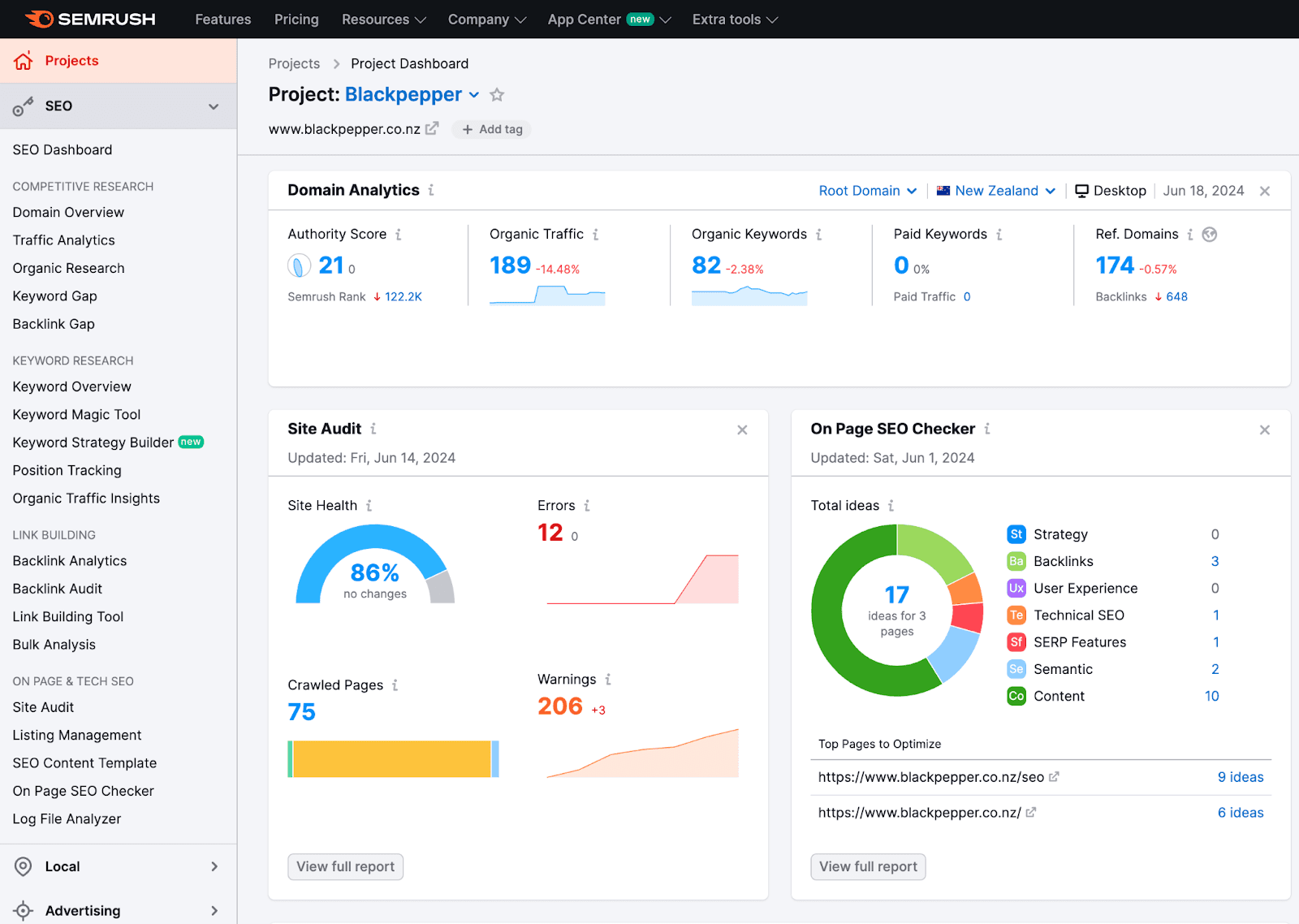
SEMrush is a comprehensive tool that allows you to see which keywords your competitors are bidding on, their ad copy, and their estimated ad spend. You can also track your competitors' performance over time.
Ahrefs:
Known primarily for SEO, Ahrefs also offers robust features for PPC analysis. You can identify the keywords your competitors are using, view their ad copies, and analyse their landing pages.
SpyFu:
SpyFu specialises in competitive intelligence for Google Ads. It shows you the keywords your competitors are bidding on, their ad history, and how much they’re spending. SpyFu also provides insights into your competitors' most profitable keywords.
Google Ads Auction Insights:
Within your Google Ads account, the Auction Insights report provides data on how your ads perform compared to your competitors. It offers metrics like impression share, average position, and overlap rate, helping you understand where you stand.

Facebook Ads Competitor Analysis Tools
Facebook Ad Library:
Facebook’s Ad Library is a free tool that allows you to see the ads that any page is currently running. This can help you understand your competitors’ messaging, creative strategies, and the type of campaigns they’re investing in.
AdEspresso:
AdEspresso offers a detailed analysis of Facebook ads, providing insights into ad copy, design, and performance metrics. It also allows you to spy on your competitors' ads and strategies.
Emplifi, formerly Socialbakers:
Emplifi, formerly known as Socialbakers, is a social media analytics tool that can be used to analyse Facebook ads. It provides competitive insights into ad performance, audience engagement, and ad spend.
Instagram Ads Competitor Analysis Tools
Instagram Ad Library:
Similar to Facebook’s Ad Library, Instagram’s Ad Library allows you to see active ads from any business profile. This helps in understanding the ad creatives and messages competitors are using.
Hootsuite Ads:
Hootsuite’s Ads tool offers robust Instagram ad analytics. You can track competitor ad performance, view engagement metrics, and analyse ad strategies.
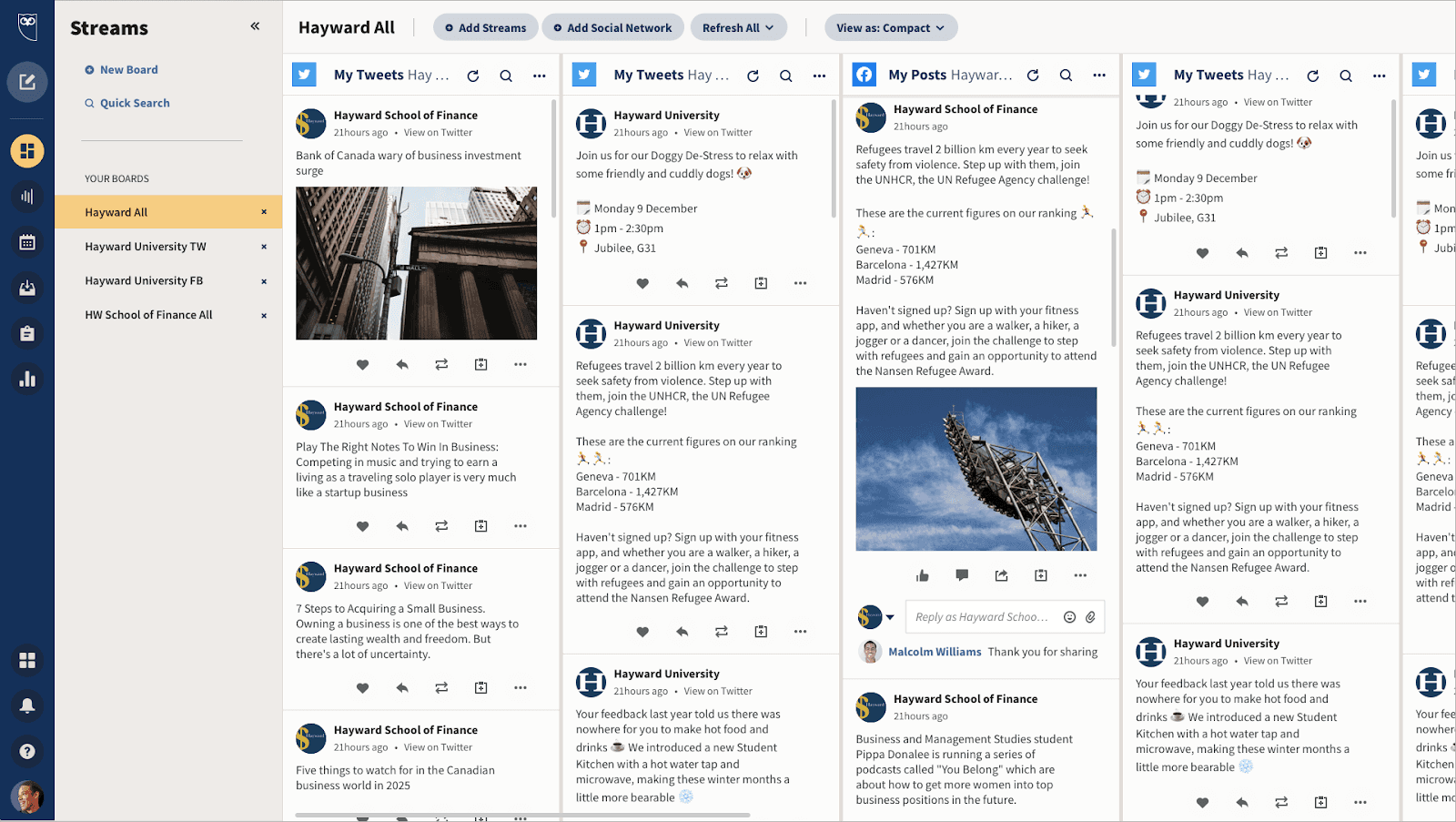
Image Source: G2
Sprout Social:
Sprout Social provides detailed analytics for Instagram ads, including competitor analysis. It offers insights into ad performance, audience engagement, and competitive benchmarks.
Pinterest Ads Competitor Analysis Tools
Pinterest Ad Manager:
Pinterest’s Ad Manager provides detailed analytics for your own ads, which can be used to gauge competitive performance indirectly by benchmarking.
Pinoculars:
Pinoculars is a tool specifically for Pinterest that tracks your competitors' activity. It provides insights into their pin performance, ad strategies, and engagement metrics.
Tailwind:
Tailwind offers comprehensive analytics for Pinterest, including competitor analysis. It tracks pin performance, ad engagement, and provides insights into competitors’ ad strategies.
TikTok Ads Competitor Analysis Tools
TikTok Ads Library:
TikTok’s Ad Library allows you to view active ads on the platform, providing insights into your competitors' ad creatives and strategies.
Keep Reading: TikTok Advertising - What You Need to Know
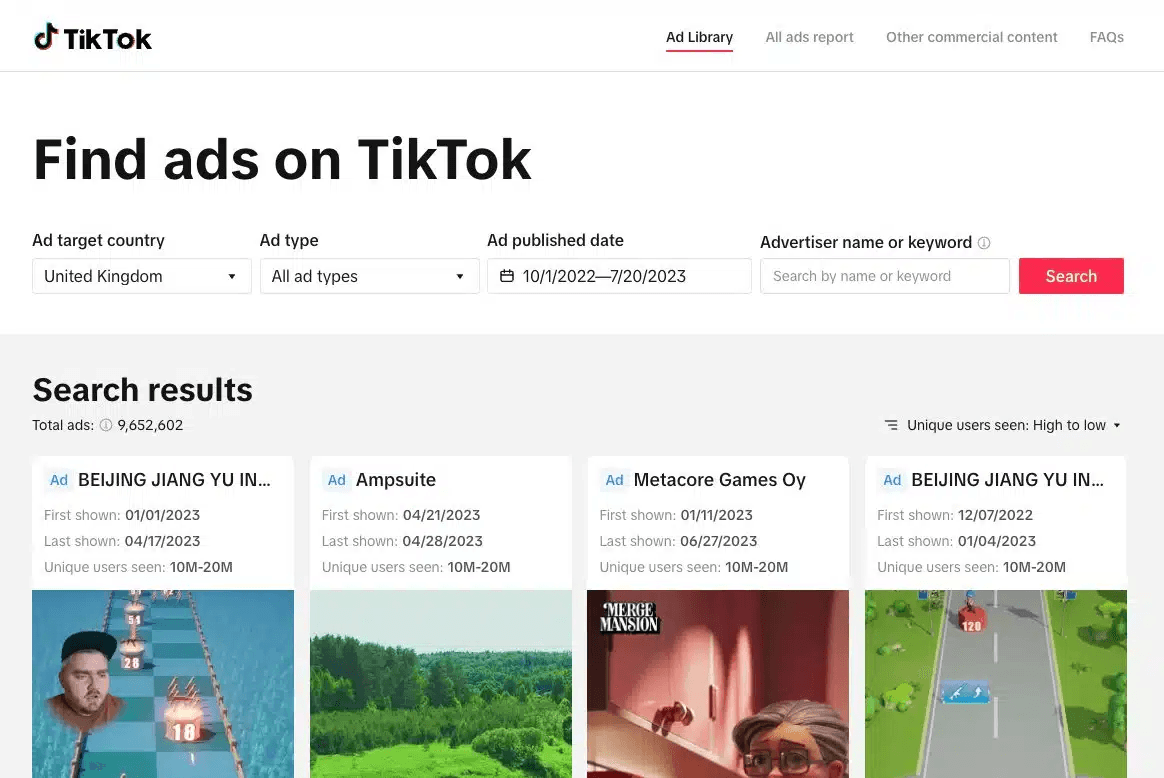
Image Source: Search Engine Land
TikTok Analytics:
TikTok’s built-in analytics tools offer insights into your own ad performance and can be used to benchmark against industry standards to understand competitor strategies.
Brandwatch:
Brandwatch provides social listening tools that include TikTok. It offers insights into competitor ad performance, trending content, and engagement metrics.
LinkedIn Ads Competitor Analysis Tools
LinkedIn Campaign Manager:
While LinkedIn doesn’t offer as many third-party tools, its Campaign Manager provides detailed analytics and insights into your own ads. You can use this data to benchmark against industry standards and gather competitive insights.
Kompyte:
Kompyte tracks your competitors' digital marketing strategies, including their LinkedIn ads. It provides insights into ad copy, creative strategies, and engagement metrics.
Other Useful Tools for PPC Analysis
AdBeat:
AdBeat aggregates data from multiple ad networks, providing insights into your competitors’ ad spend, creatives, and placement strategies. It covers Google, Facebook, and other major ad platforms.
SimilarWeb:
SimilarWeb provides competitive analysis across various digital channels, including paid search and social media. It shows you the traffic sources of your competitors, their top-performing keywords, and their ad strategies.
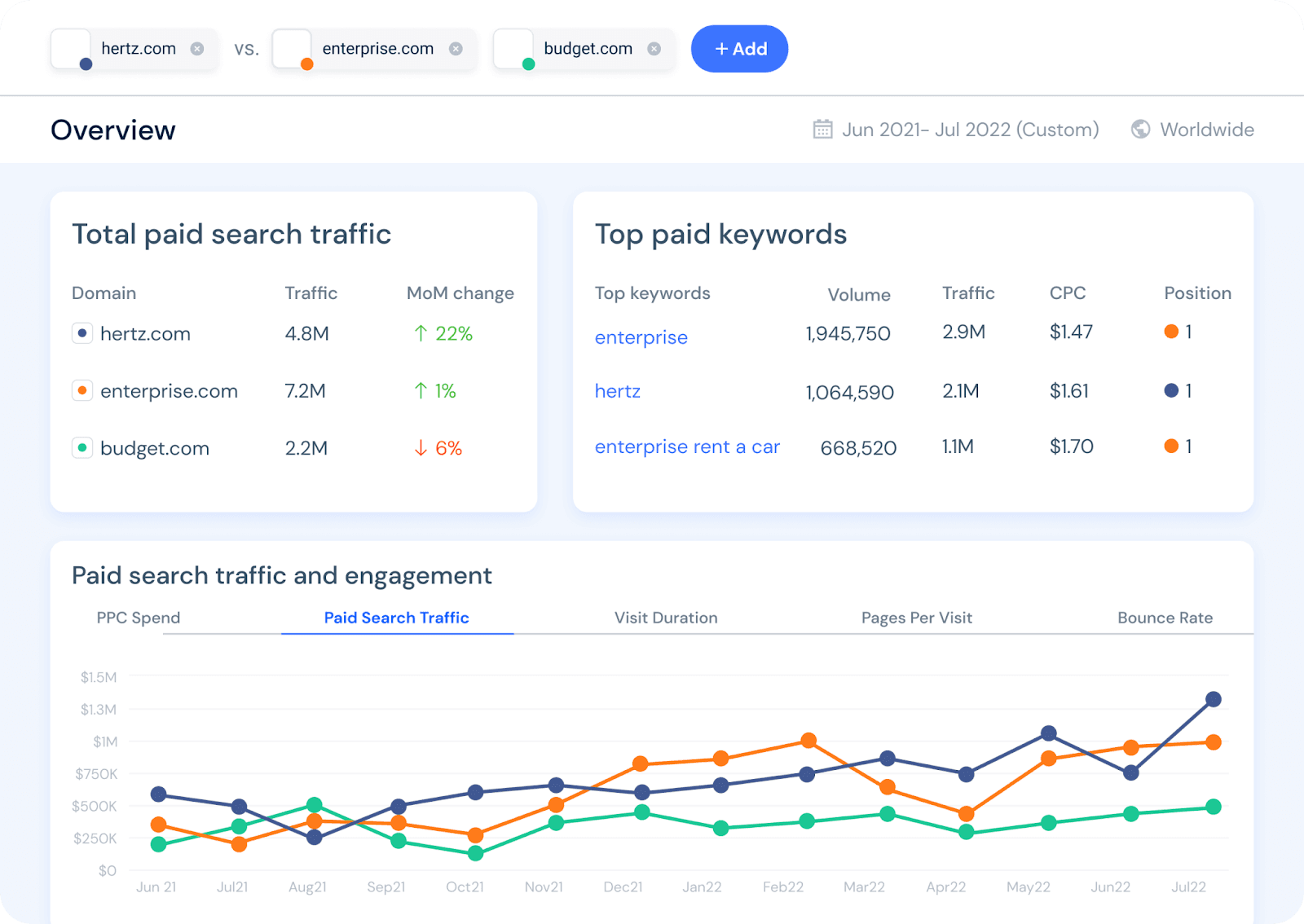
Image source: SimilarWeb
Moat:
Moat, purchased by Oracle, focuses on display ads, providing insights into the creatives and placements your competitors are using. It’s particularly useful for analysing display campaigns across different networks.
Using these tools, you can gather comprehensive data on your competitors' PPC strategies, allowing you to refine your own campaigns and stay ahead in the competitive landscape.
Top Tips for Conducting Effective PPC Competitor Analysis
Conducting PPC competitor analysis requires strategic thinking and a keen eye for detail. Here are some top tips to ensure your analysis is effective and actionable:
1. Regularly Monitor Competitors
The digital marketing landscape is always changing, and your competitors' strategies will evolve over time. Set up a regular schedule to review your competitors' PPC activities. This could be weekly, monthly, or quarterly, depending on the intensity of your industry.
2. Analyse Competitor Ad Copy and Creative
Study the ad copy and creative elements that your competitors use. Pay attention to headlines, descriptions, call-to-action phrases, images, and videos. Identify patterns and trends that seem to work well, and consider how you can incorporate similar elements into your campaigns.
3. Examine Landing Pages
The user experience doesn’t end with the ad. Click through your competitors' ads to analyse their landing pages. Look for elements such as layout, content, calls-to-action, and overall user experience. A well-optimised landing page can significantly impact conversion rates, so take notes on what works and what doesn’t.
4. Identify Keyword Gaps
Use tools like SEMrush or Ahrefs to perform a keyword gap analysis. This will help you identify keywords that your competitors are ranking for, but you are not. By targeting these keywords, you can capture additional traffic that you might be missing.
5. Track Performance Metrics
Keep an eye on key performance metrics such as click-through rates (CTR), conversion rates, and cost per acquisition (CPA). Understanding these metrics will help you gauge the effectiveness of your competitors' PPC campaigns and benchmark your own performance.

6. Leverage Automated Tools
Manual tracking can be time-consuming and prone to error. Leverage automated tools like SpyFu, AdEspresso, and Kompyte to continuously monitor your competitors. These tools can provide real-time insights and alerts, helping you stay ahead of the competition.
7. Understand Audience Targeting
Research how your competitors are targeting their audience. Look into demographic, geographic, and psychographic data to see if they are focusing on a niche that you might be overlooking. Understanding their audience targeting strategies can help you refine your own approach.
8. Analyse Ad Spend
Tools like SpyFu and SEMrush can give you estimates of your competitors' ad spend. By understanding how much they are investing, you can gauge the level of competition and adjust your budget accordingly. This insight can also help you identify whether your competitors are prioritising brand awareness, lead generation, or another objective.
9. Study Seasonality and Trends
Competitor activity can vary based on seasonality and market trends. Pay attention to when competitors ramp up their ad spend or introduce new campaigns. This can provide clues about industry trends and help you plan your own marketing calendar more effectively.
10. Collaborate with Your Team
PPC competitor analysis is not a one-person job. Involve your marketing team, data analysts, and even sales teams to gather different perspectives. Collaboration can lead to more comprehensive insights and innovative strategies.

By following these tips, you'll be well-equipped to conduct thorough and effective PPC competitor analysis. This will not only help you understand your competitors better but also refine your own strategies to achieve better results in your PPC campaigns.
Master Your Advertising Campaigns
Competitor analysis in PPC is a crucial component of a successful digital marketing strategy. By understanding who your competitors are, what they are doing, and how you can differentiate yourself, you can create more effective campaigns that drive better results.
Remember, the key to outperforming your competitors is continuous monitoring and adaptation. And while you can do this yourself, leveraging the expertise of an agency like Blackpepper can provide you with the insights and strategies needed to stay ahead in the game. With our comprehensive PPC services, we can help you not only understand your competitive landscape but also dominate it.
Contact us today to learn how we can help you achieve your marketing goals.