How to Get Your Products on Google Shopping (For Free!)
6 March 2025

Roberta Johnston
SEO Lead
I'm an SEO specialist with over 8 years of experience helping brands grow through strategic, data-driven search optimisation. I've worked with large e-commerce websites and niche brands alike, developing a deep understanding of ranking algorithms, generative AI, and LLMs like ChatGPT, Perplexity AI, and Gemini. My expertise spans technical SEO, ensuring sites - whether a few dozen pages or 100,000+ - are crawled and indexed effectively.
Tags
Imagine getting your products in front of shoppers actively searching for them - without spending a cent on ads. Sounds too good to be true, right?
Well, Google’s Free Shopping Listings make this possible.
This hidden gem in the ecommerce space gives retailers a free ticket to Google’s Shopping tab, meaning your products can show up in searches without needing a paid ad campaign.
✅ It’s free.
✅ It’s easy to set up.
✅ It gets your products seen by more people.
So why aren’t more brands using it? Simple - most don’t even know it exists. But here’s the kicker: Free Shopping Listings aren’t just an extra perk, they’re a game-changer.
Google is evolving how people discover and buy products. If your products aren’t showing up, you’re missing out on free exposure and potential sales.
So, how do Free Listings work? Why should you prioritise them? And how can you make sure your products show up? Let’s dive in.
What Are Google’s Free Shopping Listings?
Most retailers know about Google Shopping Ads - those sponsored product listings that appear at the top of search results.
But what many don’t realise is that Google also offers a free way to get your products seen: Free Shopping Listings.
What are they?
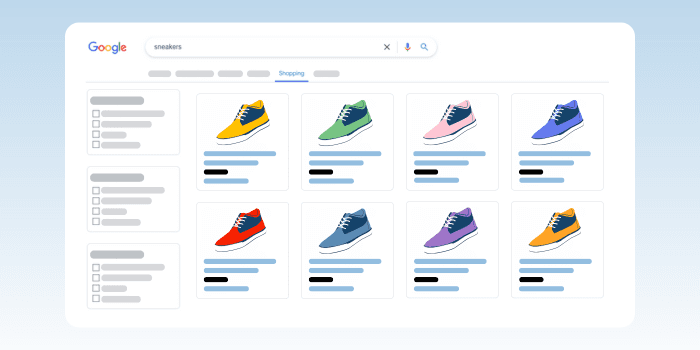
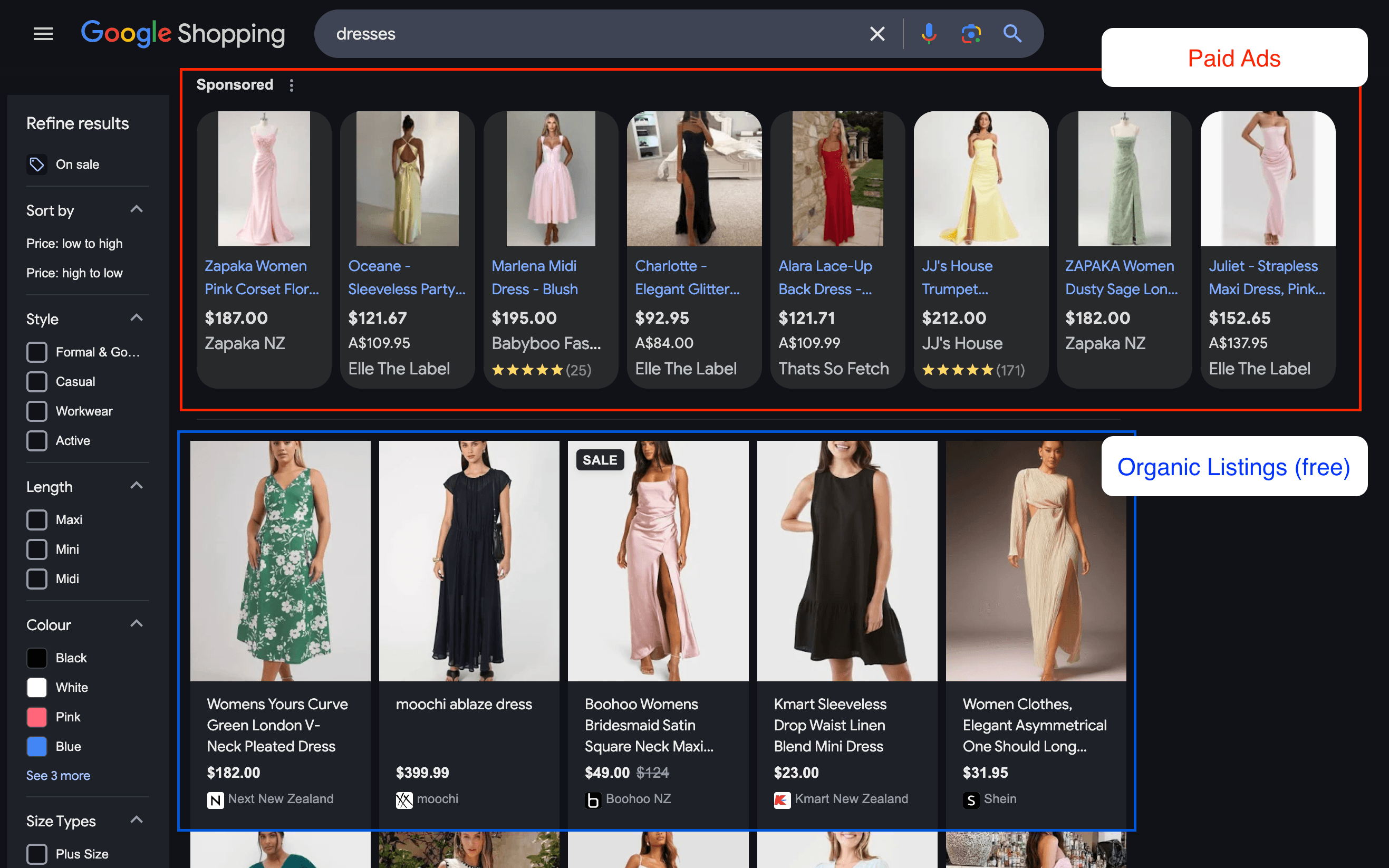
Google’s Free Shopping Listings are organic product placements in Google’s Shopping tab, Search, Images, and even Maps. They let retailers showcase their products without needing to pay for clicks or impressions.
Think of them as cousins of Google's traditional "10 blue links" - they're just a different kind of search result!
Where can your products appear?
✅ Google Shopping Tab (Organic Section) – Products show up below paid Shopping Ads, but still get strong visibility.
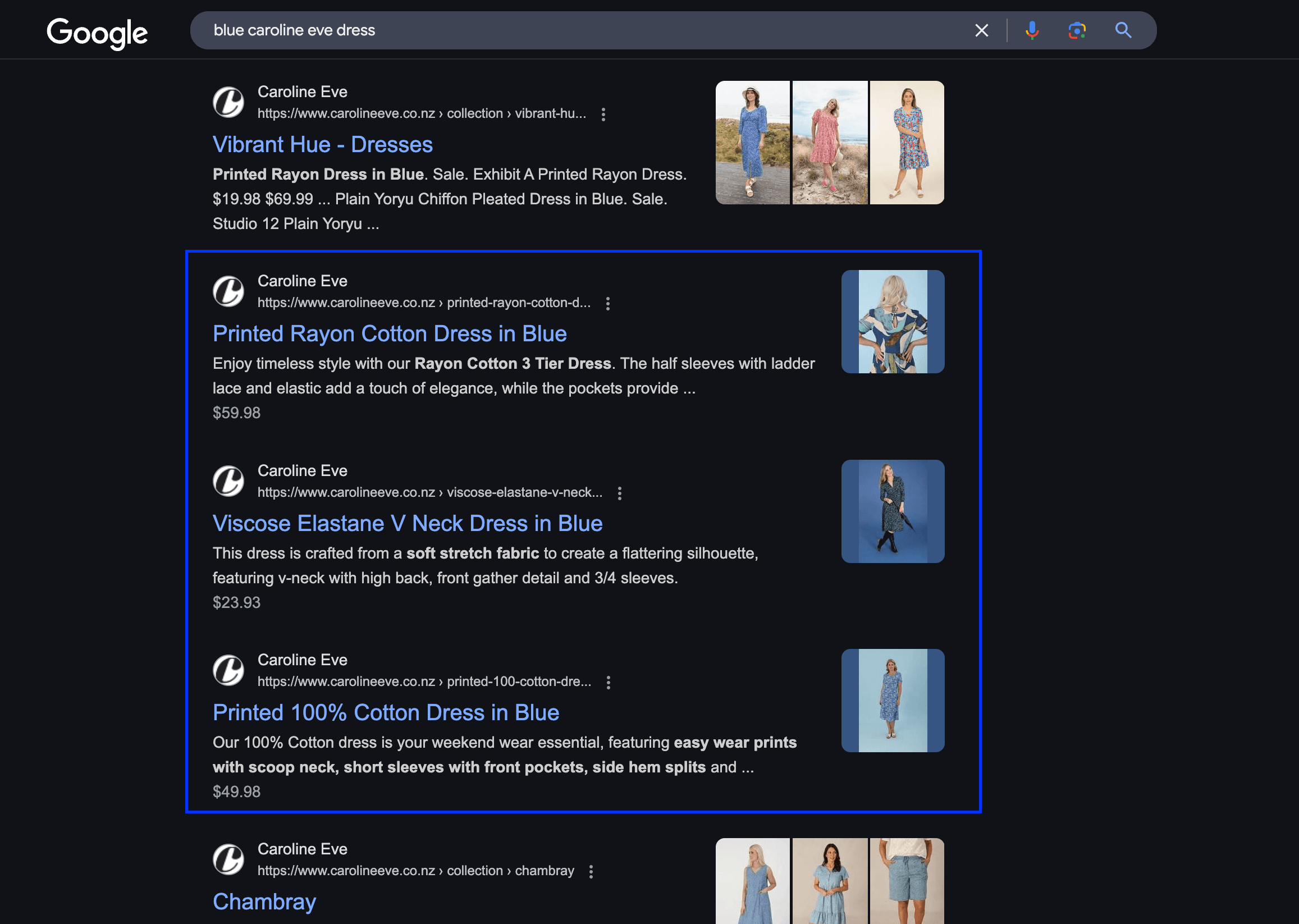
✅ Google Search (Surfaces Across Google) – Free product listings can appear in image carousels, rich snippets, and AI-powered product recommendations.
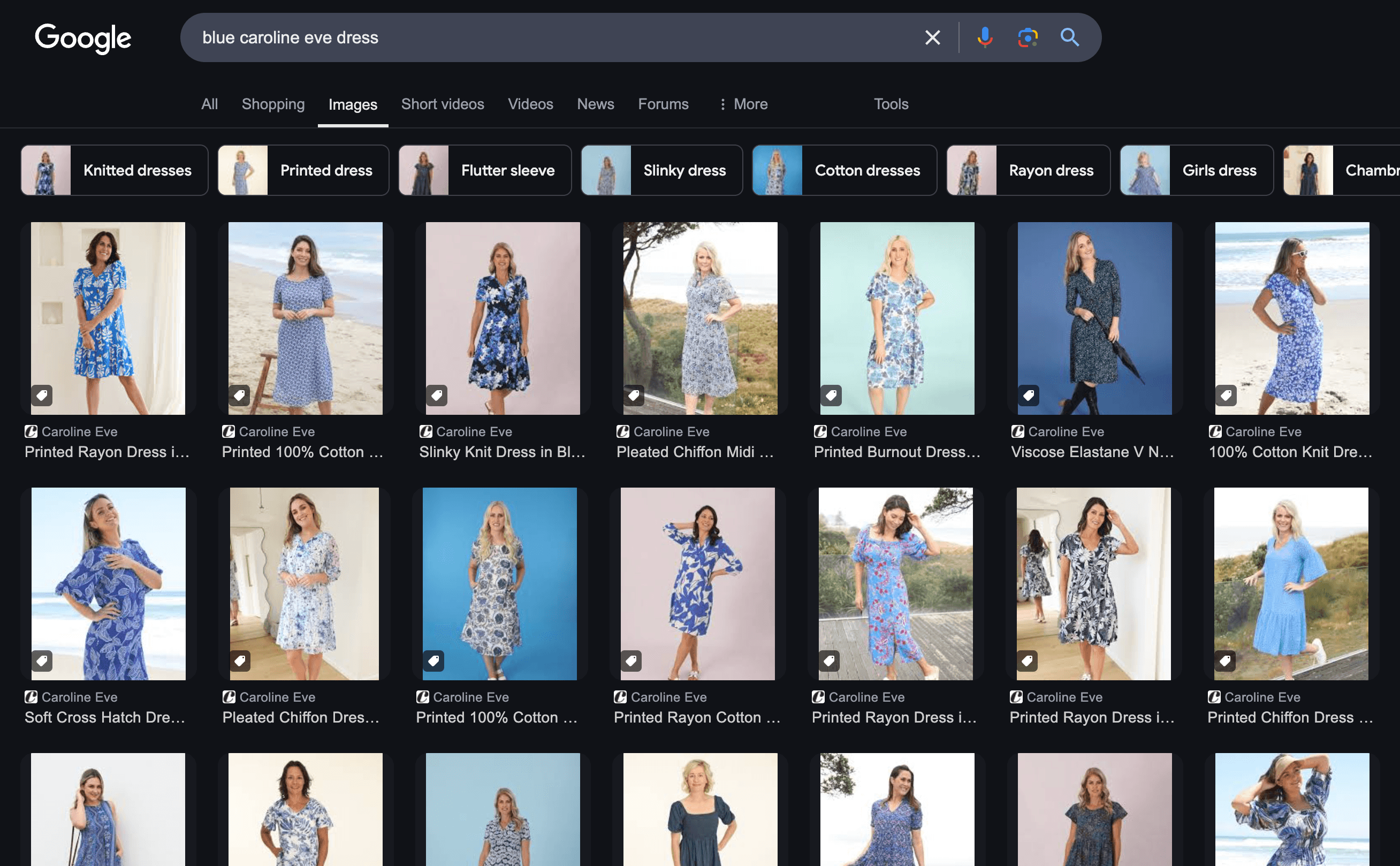
✅ Google Images & Lens – If someone searches via Google Images or Lens, Free Listings increase the chances of your product appearing in visual search results.
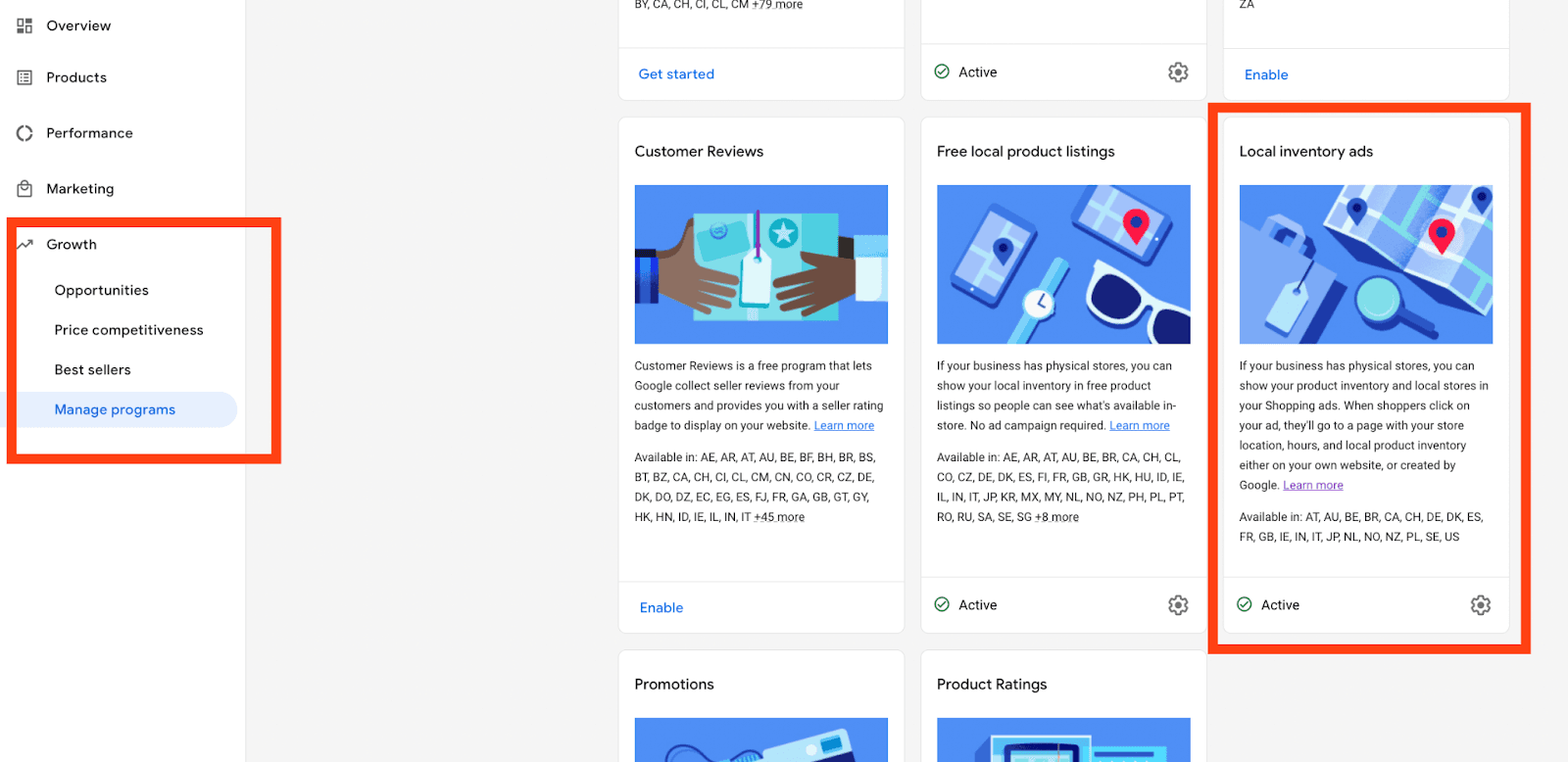
✅ Google Maps (for Local Inventory) – If you sell in physical stores, Free Listings help local shoppers find your products in stock nearby.
Think of it like free real estate on Google: it’s not just about ranking in regular search results anymore. If you’re an ecommerce retailer, your products should be here.
What’s the catch?
Sounds too good to be true? Well, there’s no hidden cost - but to get the best results, you need to set it up properly.
Google primarily ranks Free Listings based on your product feed, but SEO factors like structured data, website relevance, and authority can also influence visibility.
That means retailers already working on their SEO have a head start!
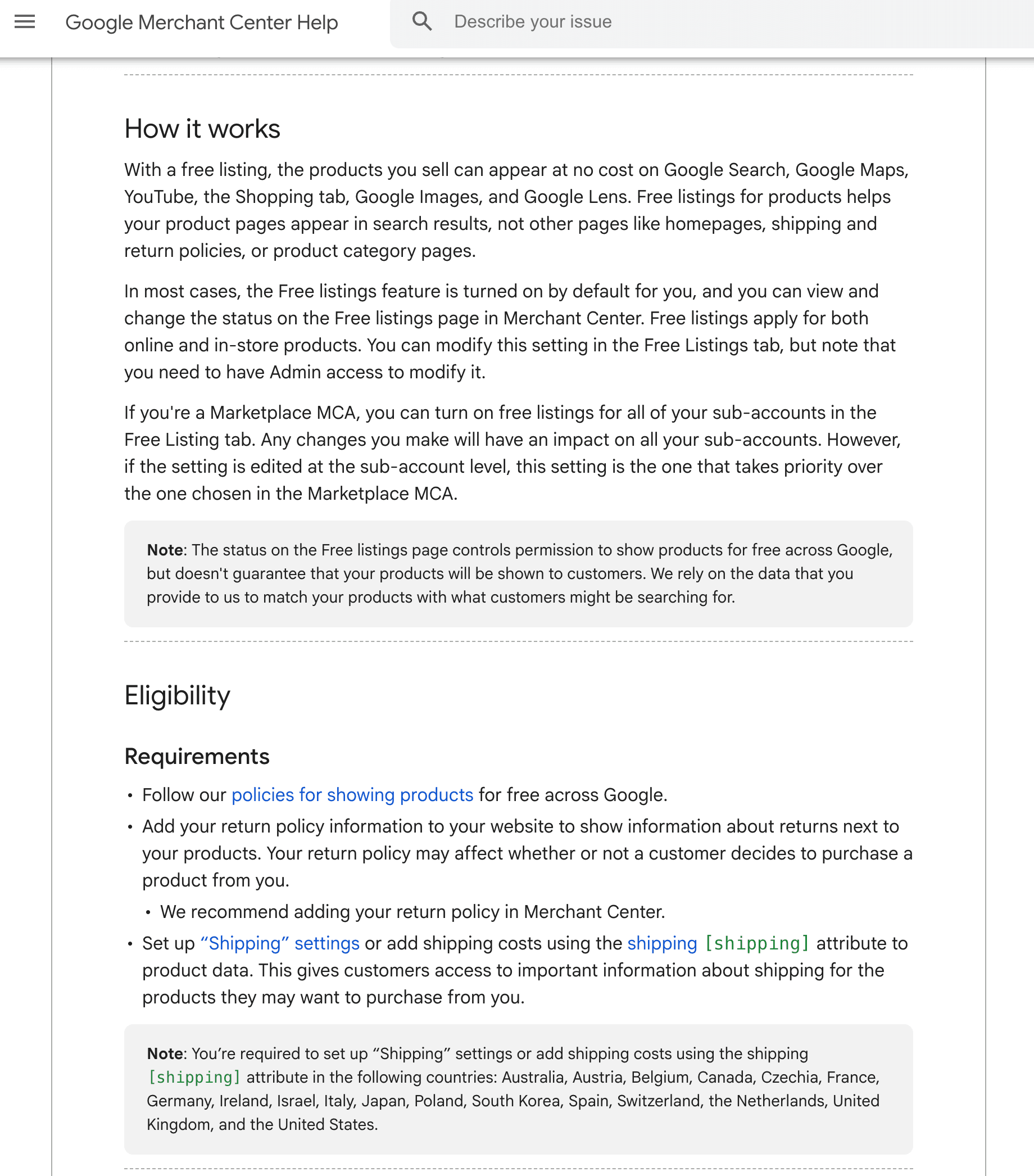
How to Set Up Free Product Listings
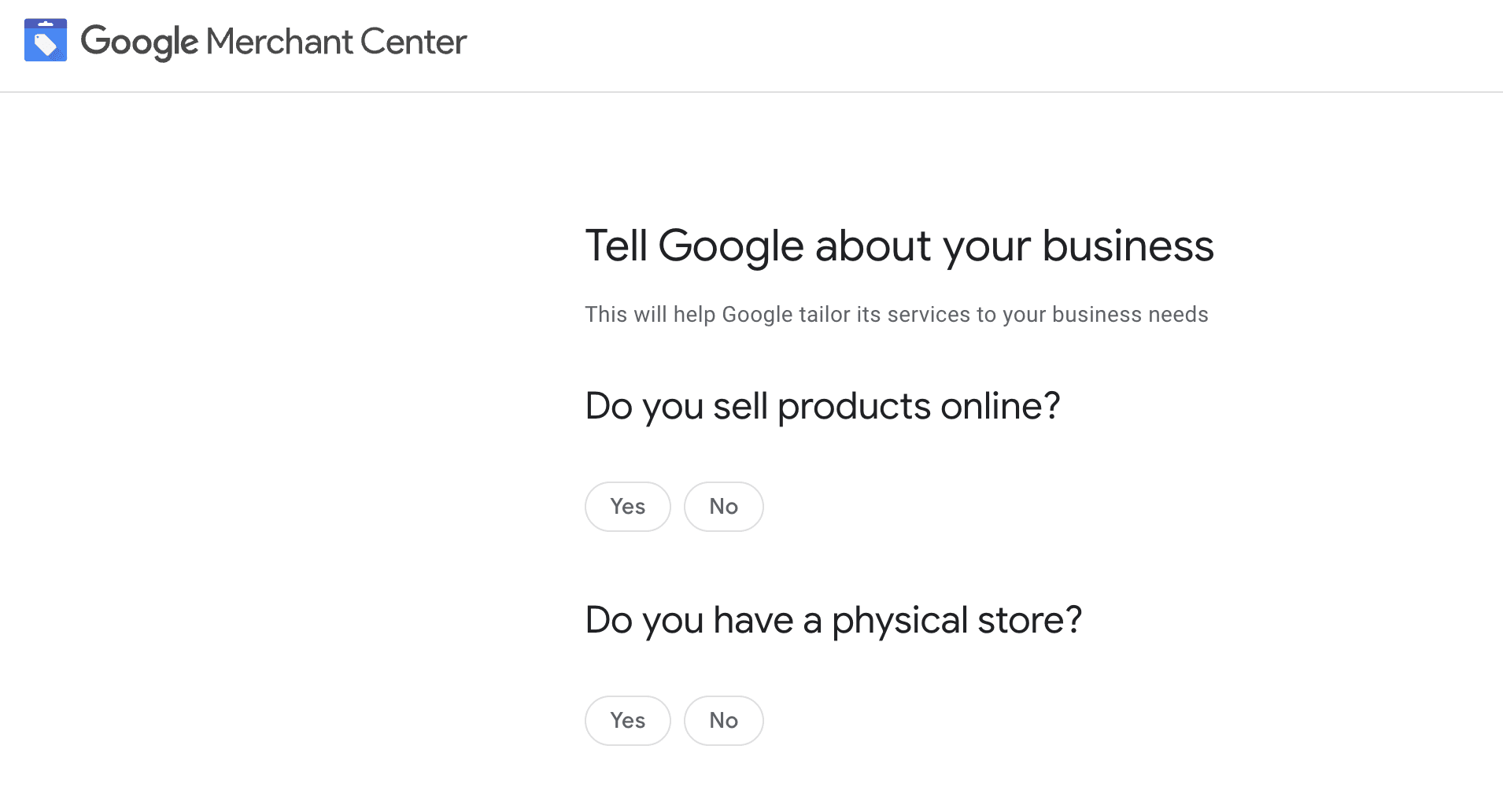
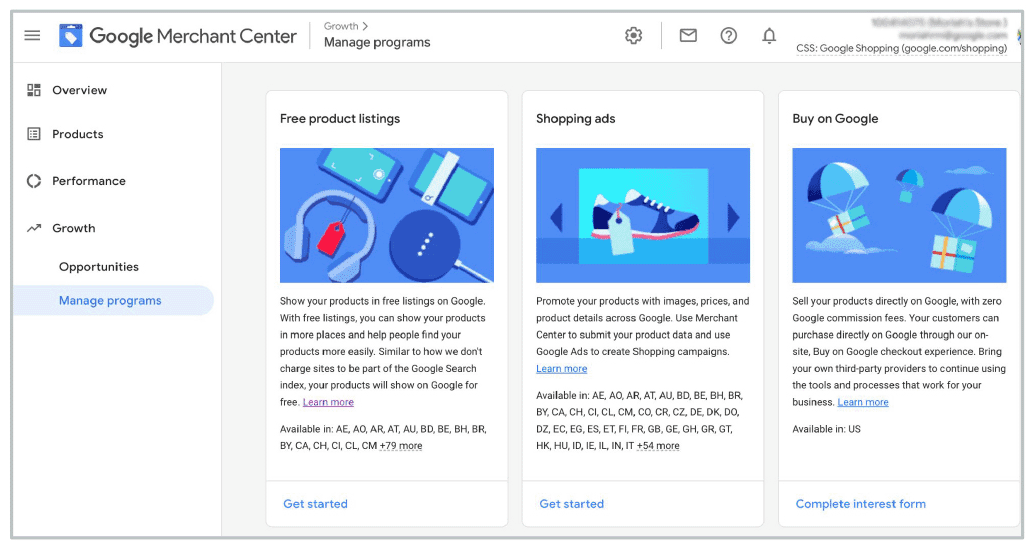
Step 1: Set Up & Verify Your Google Merchant Center Account
✅ Sign up for Google Merchant Center (GMC). This is where Google pulls your product data from.
✅ Verify & claim your website. This confirms that you’re the rightful owner of the products you’re submitting.
✅ Enable “Surfaces Across Google.” This is the setting that qualifies your products for Free Listings.
✅ Sync your product feed. This is how Google gets your product info, images, and pricing.
Already running Google Shopping Ads? You’re halfway there. Free Listings use the same product feed as paid ads, so it’s a quick win for retailers already set up in GMC.
Step 2: Optimise Your Product Feed (SEO for Free Listings)
Google ranks Free Listings based on product data quality - so if your feed isn’t optimised, you won’t rank well.
Here’s what matters most:
📌 Product Titles → Clear, descriptive, and keyword-optimised (but natural).
📌 Product Descriptions → Write like a human! Include key product details without keyword stuffing.
📌 High-Quality Images → Google prioritises listings with professional, clear visuals.
📌 GTINs & Attributes → Unique product identifiers (GTIN, MPN, brand) help Google match your products correctly.
📌 Price, Stock Accuracy & Delivery/Shipping Info → Google penalises listings with inconsistent or missing data.
Treat your product feed like an SEO asset. Well-structured data = better rankings in Free Listings.
Step 3: Monitor Performance & Optimise Regularly
Once your products are live, tracking their performance isn’t as straightforward as paid campaigns, but there are still ways to measure visibility and engagement.
Here’s how to monitor your Free Listings effectively:
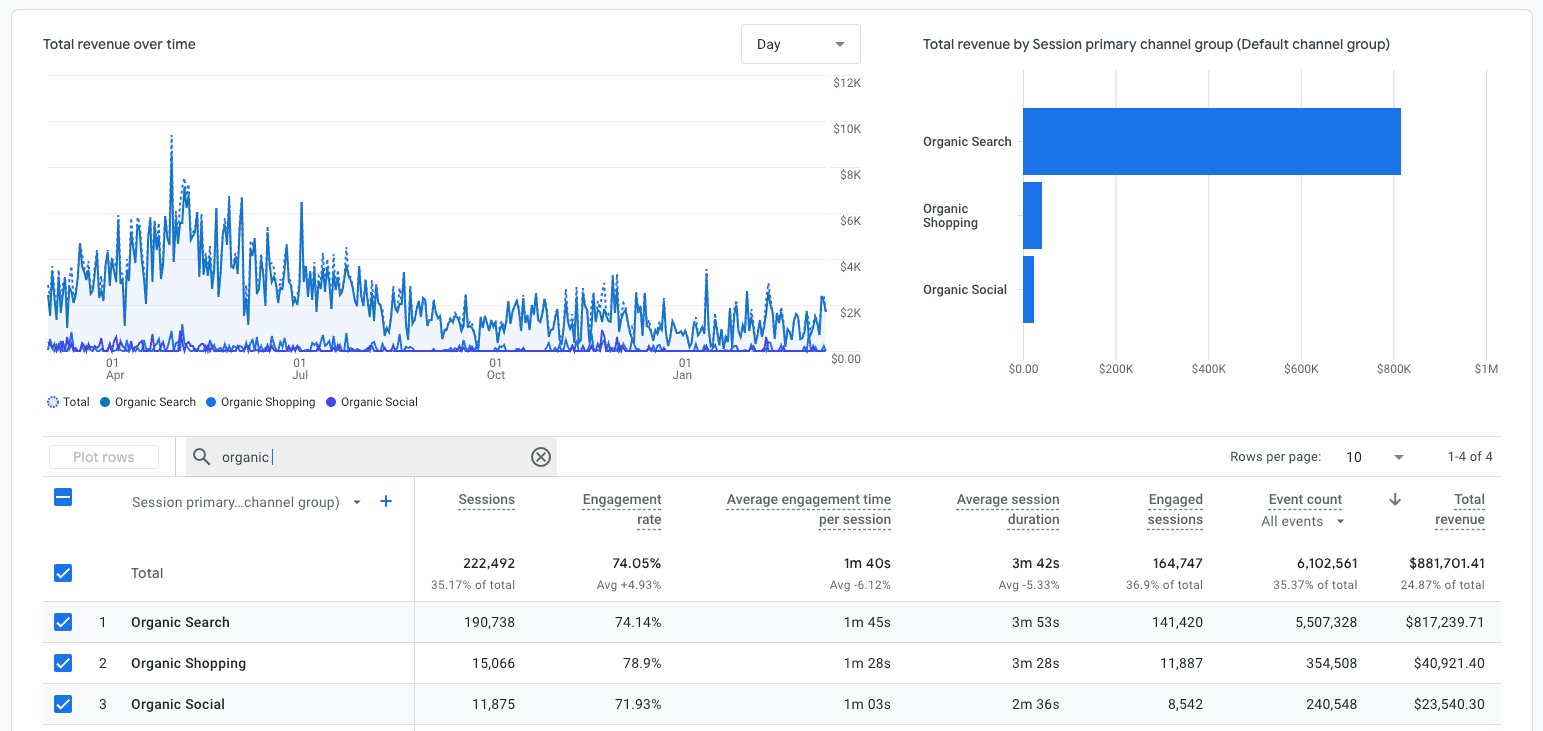
1. Google Analytics 4 (GA4) → Track Organic Shopping Traffic & Conversions
- GA4 tracks Free Listings under “Organic Shopping” traffic.
- Navigate to Acquisition > Traffic Acquisition and filter by source/medium to see how much traffic is coming from Organic Shopping.
- Ecommerce tracking in GA4 can show you sales & conversion data from Free Listings.
2. Google Search Console (GSC) → Check Individual Product URLs
- Search Console doesn’t directly track Free Listings, but it shows how product URLs are performing in organic search.
- Look for click-through rates, impressions, and ranking positions to gauge whether Google is surfacing your products.
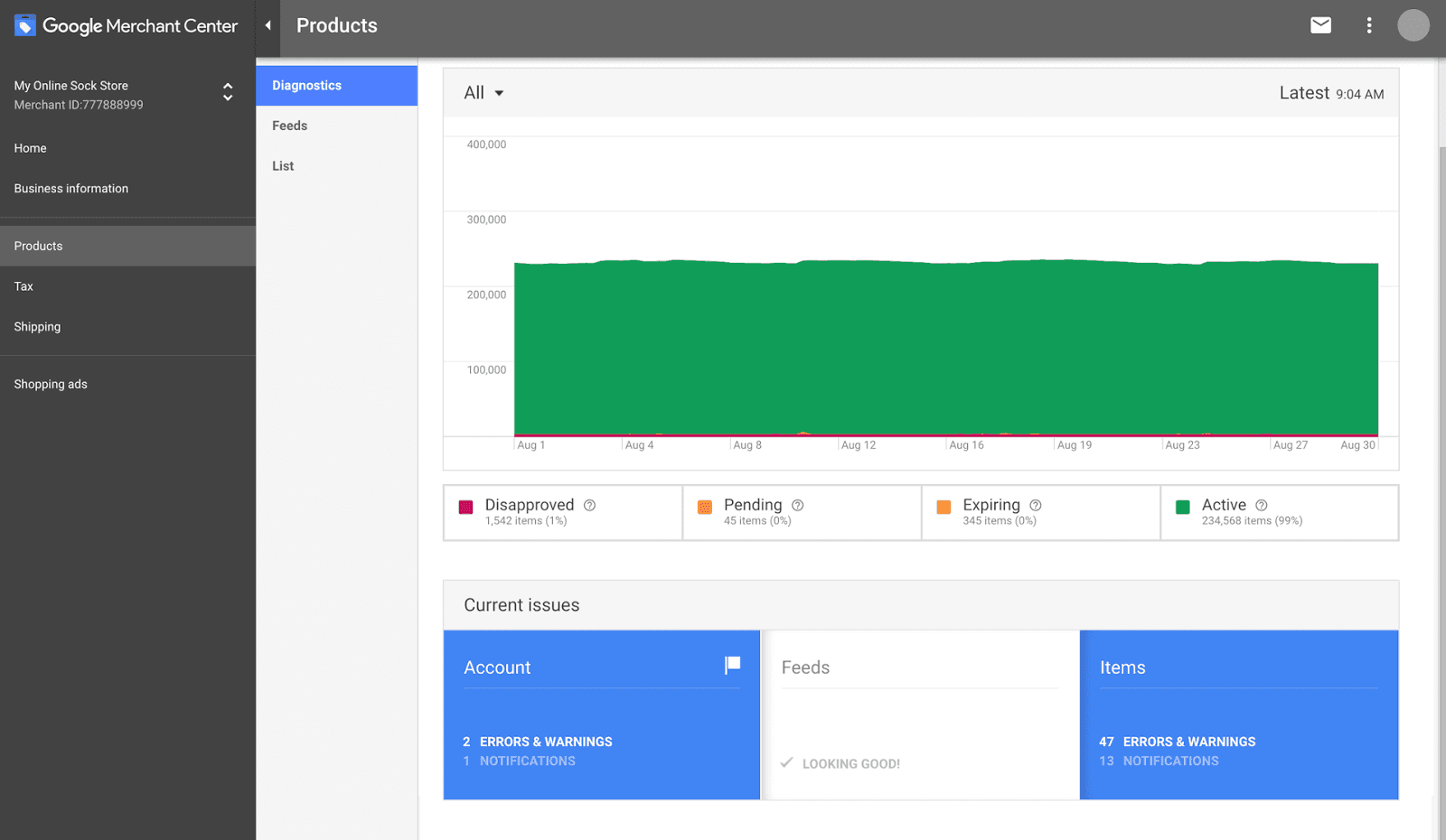
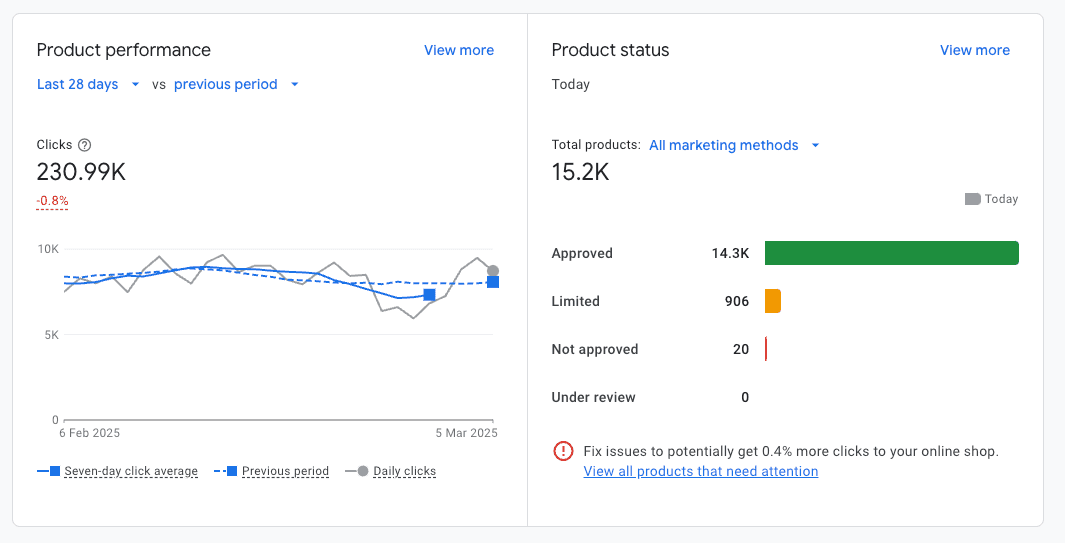
3. Google Merchant Center (GMC) → Product Feed Health & Eligibility
- GMC doesn’t provide deep analytics for Free Listings, but it alerts you to issues like missing attributes or disapprovals that could impact ranking.
- The “Products” section in GMC helps identify which items are active, inactive, or disapproved.
If your product isn’t getting impressions, it might be:
✔ Missing key product data (e.g., GTIN, brand, price).
✔ Not optimised well for search intent.
✔ Lacking structured data on the website.
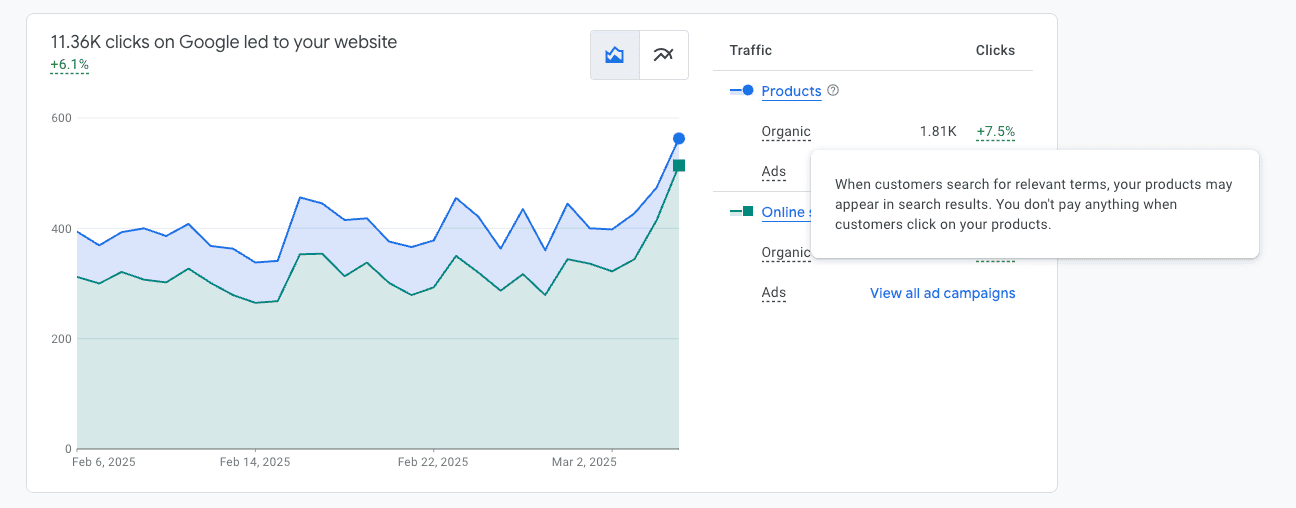
The Benefits of Free Shopping Listings
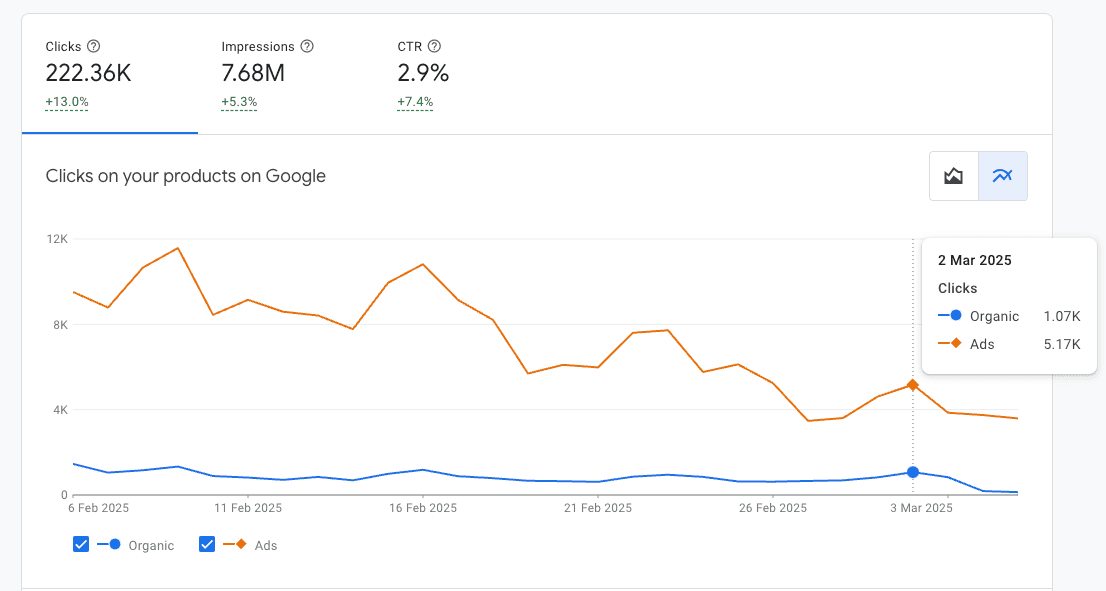
If you’re already running Google Ads or investing in SEO, Free Shopping Listings are a no-brainer. They give your products extra visibility without additional ad spend, helping you reach more shoppers at zero cost.
But here’s what makes them so valuable in 2025:
1. Completely Free Traffic & Exposure
Let’s start with the obvious: you don’t have to pay to be listed.
Unlike Google Ads, where every click costs money, Free Shopping Listings place your products in front of shoppers without requiring a budget.
This means:
✔ More opportunities to reach buyers – without increasing acquisition costs.
✔ An always-on approach – your products are listed 24/7, even when ad budgets are paused.
✔ A smart strategy for SMBs – brands without large ad budgets can still get into Google Shopping.
Think of it this way: Google is essentially giving you free advertising space - why wouldn’t you take advantage of it?
2. More Visibility = More Sales (Without Relying on Paid Ads)
Even if you’re running Google Ads (PMax, Shopping Ads, etc.), Free Listings act as a second touchpoint, increasing the chances of conversion.
Scenario: A shopper searches for a product. They see your paid ad but don’t click. Later, they return to Google Shopping, and guess what? Your product is still there - this time, as a Free Listing.
This keeps your brand visible and makes it easier for customers to find you without clicking on a competitor.
✔ Extra exposure without extra spend.
✔ Your products remain visible even when ads aren’t running.
✔ If a shopper doesn’t click on your ad, they might still see your product in Free Listings.
Google’s AI factors in past interactions - so even if a user doesn’t click today, your product could still show up for them later in Free Listings.
3. Free Listings Work Hand-in-Hand with SEO & Paid Ads
Free Listings don’t replace SEO or Google Ads, but they enhance both.
Here’s how:
SEO Boost:
- Google cross-references your website content with your Free Listings. If your product pages are optimised, Google may rank them higher in search results.
- Structured data & schema markup can increase Free Listing visibility.
Paid Ads Synergy:
- Products appearing in Free Listings can be used in retargeting campaigns (users who engage with them may later see your ads).
- Running both Paid Shopping Ads & Free Listings increases product exposure.
If you’re already optimising your product data for SEO or running Google Ads, Free Listings give you an additional opportunity to appear in search results - without extra spend.
4. Future-Proof Your Ecommerce Strategy
Google is evolving into a shopping-first search engine. AI, visual search, and personalised results are shaping the future - and Free Listings are a key piece of this shift.
Why this matters:
- Zero-click searches are rising. More users are finding what they need without ever clicking through to a website. Google’s AI pulls product details directly from Free Listings, meaning if you’re not there, you’re invisible in these results.
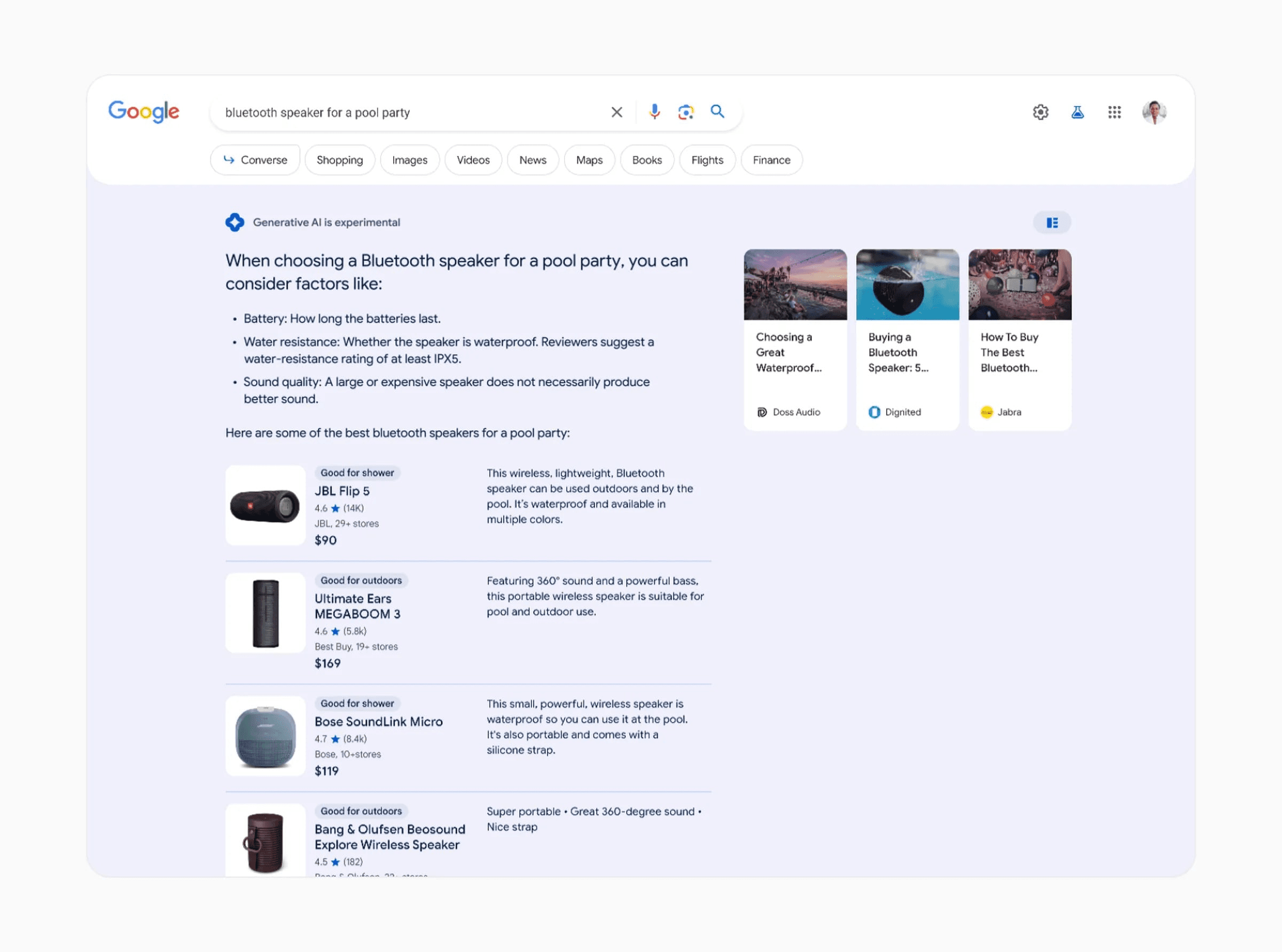
- Google’s AI-powered shopping experiences are surfacing Free Listings in new ways. Whether it’s AI Overviews, product carousels, or visual search recommendations, ranking in Free Listings means more chances to be discovered - even without a search query.
- Your products will integrate with Google’s latest ecommerce features. As Google rolls out new shopping-focused AI tools, products in Free Listings will be more likely to appear in future updates, like AI-powered comparison tools and personalised recommendations.
How is AI Changing Free Shopping Listings?
Google is no longer just a search engine - it’s becoming a discovery engine. And with AI taking centre stage, Free Shopping Listings are evolving, too.
So what does this mean for retailers? More personalised search experiences, smarter product recommendations, and greater visibility for well-optimised listings.
AI-Powered Shopping is Changing How Products Are Discovered
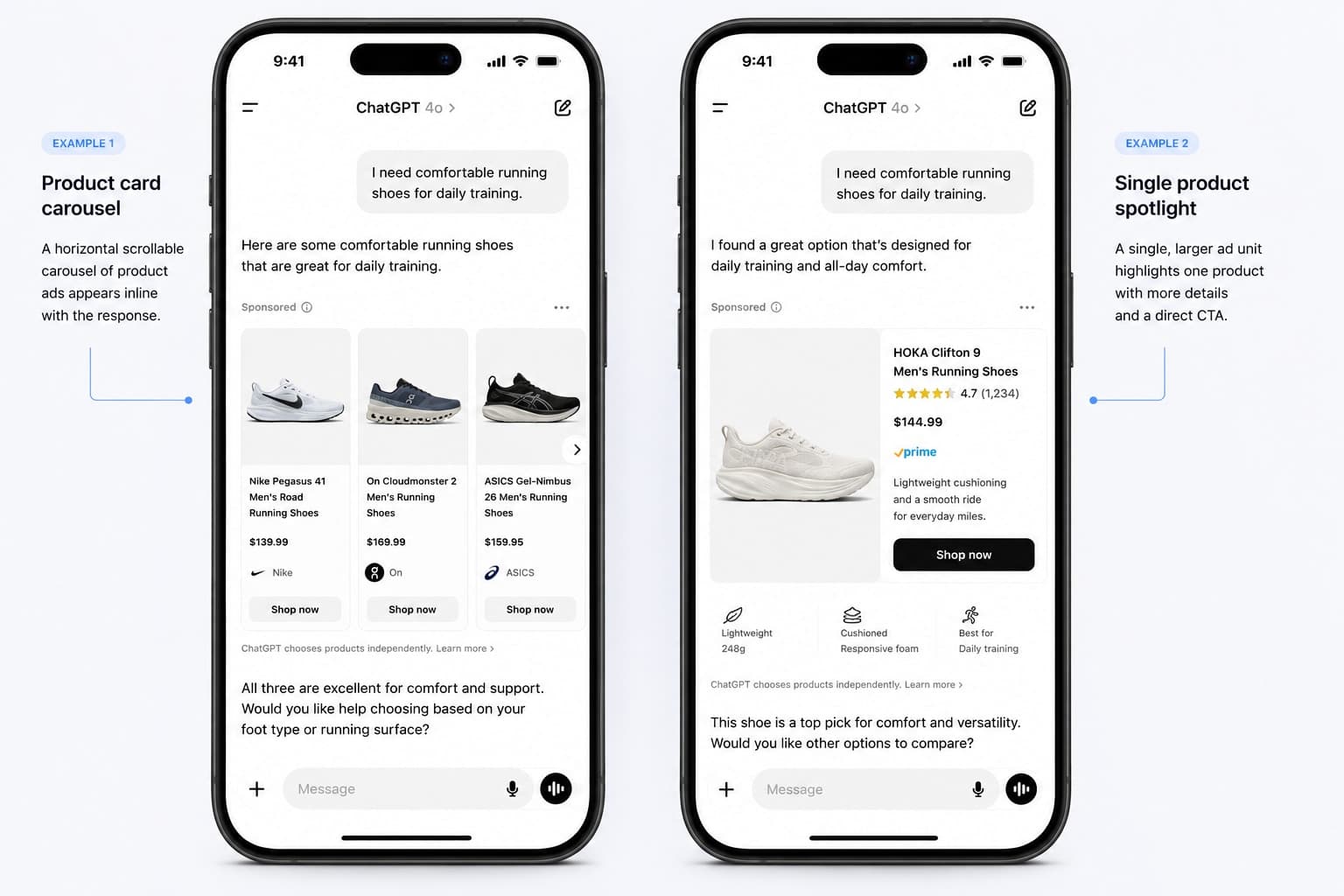
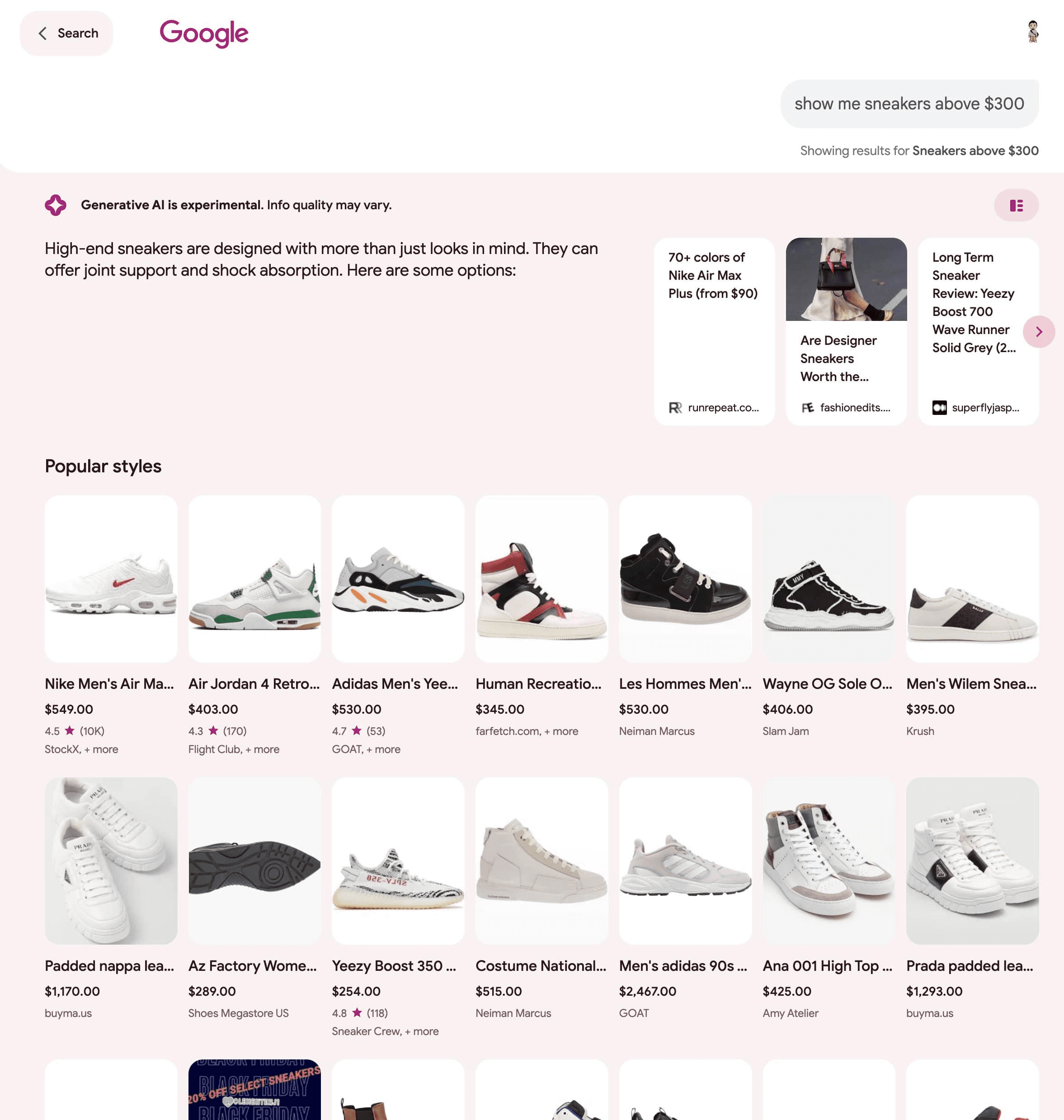
Google is pushing AI-generated product suggestions like never before. Instead of waiting for users to search, AI is proactively surfacing relevant products based on past behaviour, shopping patterns, and even visual search.
How Free Listings Benefit from AI:
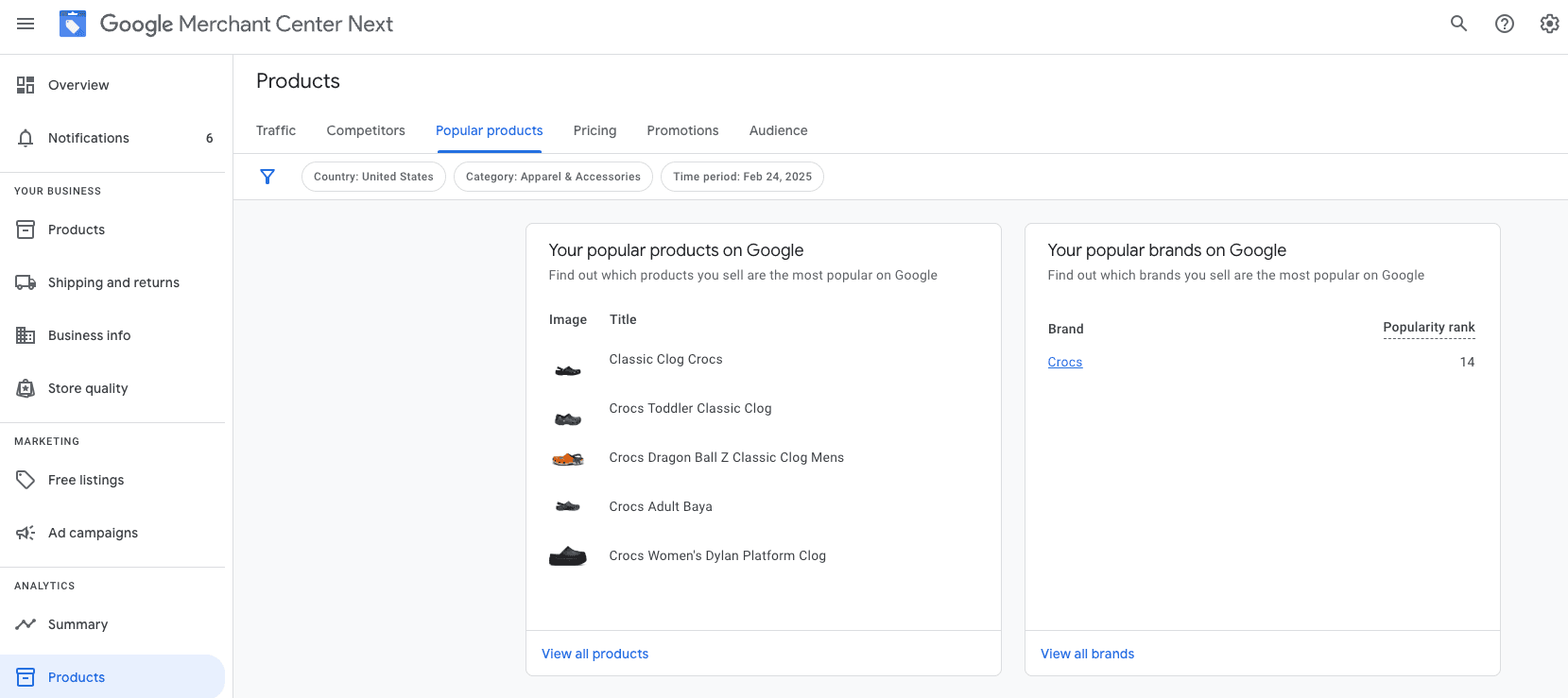
✔ Products in Free Listings now appear in more dynamic placements, like AI Overviews and personalised search results.
✔ Google’s Vision & Lens Matching can pull Free Listings into image-based search queries, connecting products with real-world searches.
✔ Personalised product recommendations give Free Listings an extra boost - Google’s AI prioritises showing users products they’re most likely to engage with.
What this means for retailers: If your products are ranking in Free Listings, they could automatically be featured in AI-powered shopping experiences.
SE Ranking
Zero-Click Shopping: The New Reality
We’ve already talked about zero-click searches - where users find answers without needing to visit a website. But now, this trend is impacting shopping, too.
What’s happening?
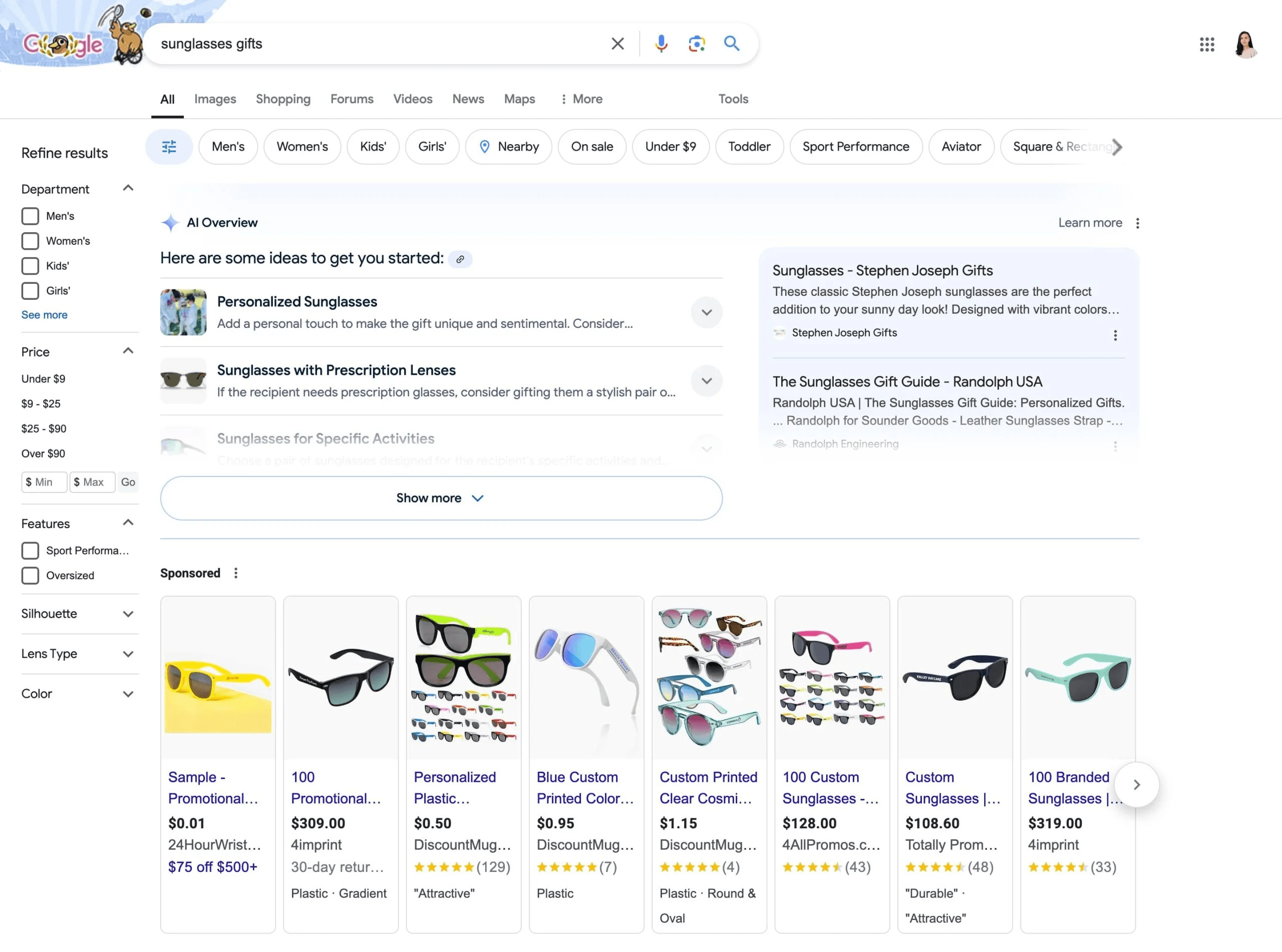
- Google is pulling more product details into search results, meaning users get what they need - without clicking through.
- Free Listings are a direct source of this data. If your product is optimised, Google might surface it in an AI-generated product carousel or instant recommendation.
Even if users don’t click, Free Listings still give you exposure. That brand familiarity can increase conversions later. Harder to track but (in case you forgot), these listings are FREE!
SE Ranking
The Rise of Localised & Personalised Free Listings
AI isn’t just changing what products get shown - it’s changing who sees them.
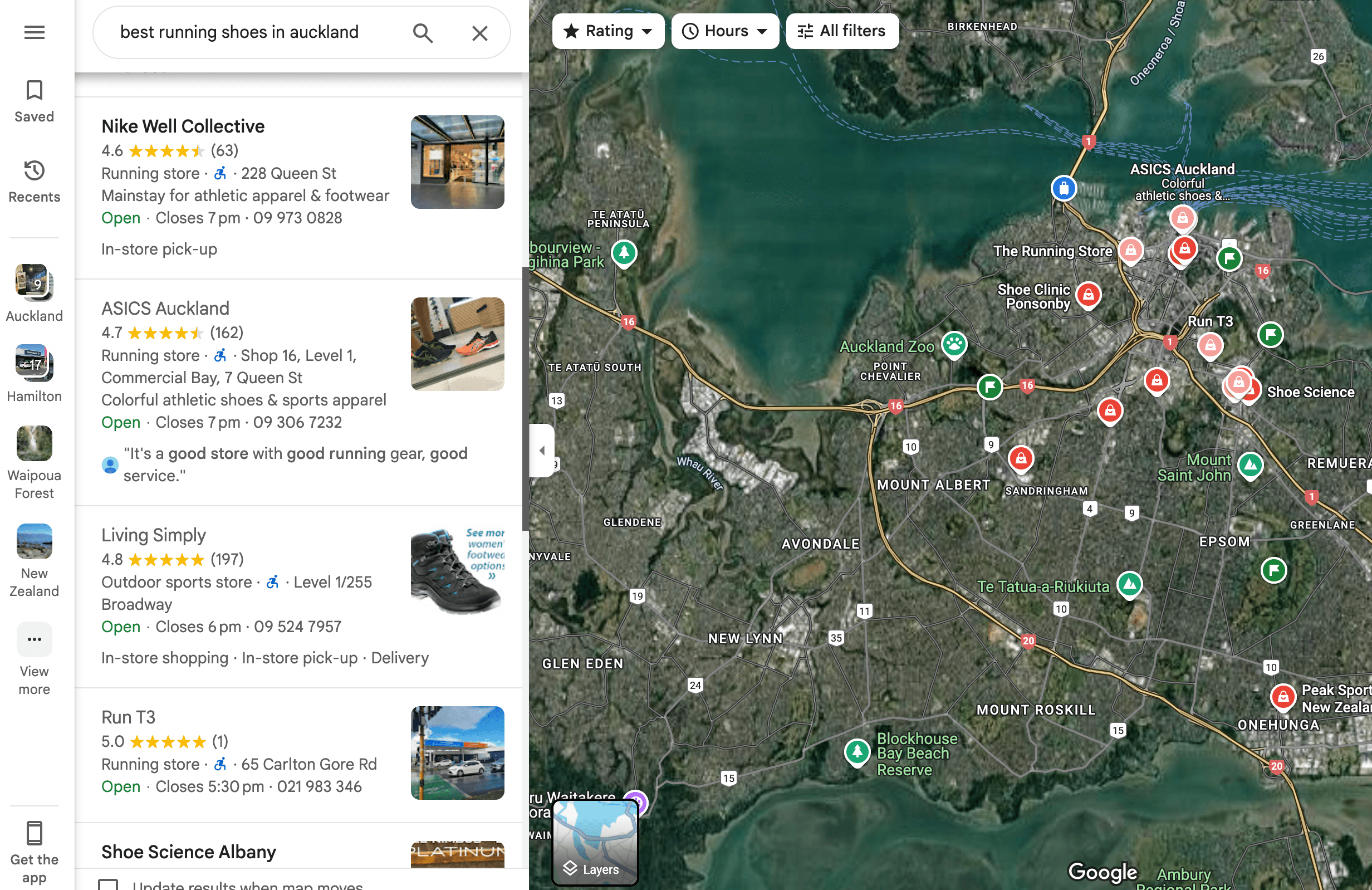
Google is using location data to personalise Free Listings. If a shopper is looking for a product nearby, Free Listings prioritise local stock availability.
Scenario: A user in Auckland searches for “best running shoes near me.” If your product ranks in Free Listings and you have a local presence, there’s a higher chance Google will display your listing over a national retailer.
What this means:
✔ Local retailers gain an edge - if their listings are optimised for local inventory.
✔ Personalisation is making Free Listings more powerful - Google tailors search results to what users are most likely to buy.
Virtual Try-Ons & AI Shopping Assistants
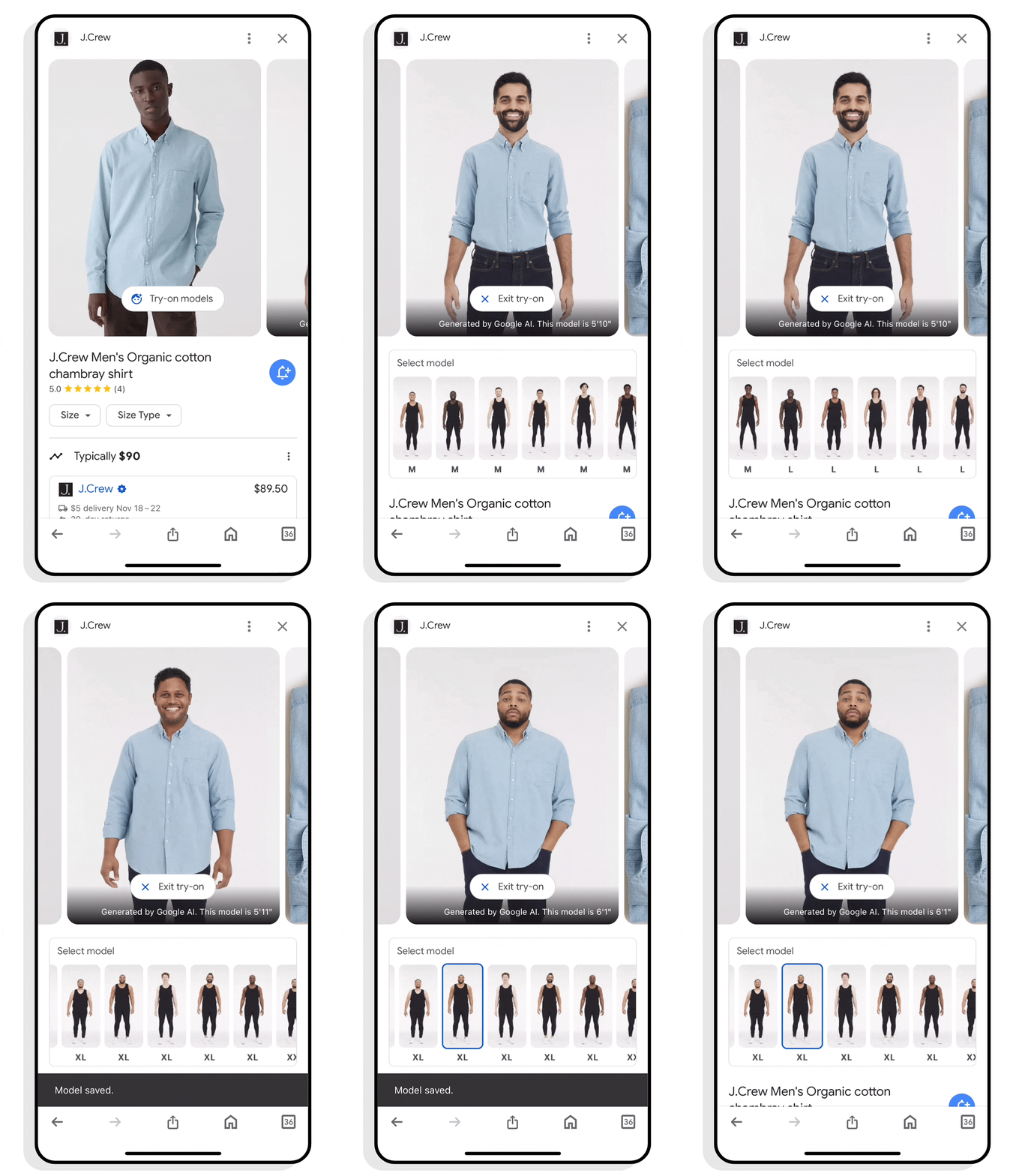
Google is making online shopping more interactive with AI-driven tools like virtual try-ons, AI-powered product comparisons, and visual search enhancements.
What’s new?
- Virtual Try-Ons (VTOs): Google now lets users see how clothing fits on different body types - before they buy.
- AI-Powered Product Descriptions: If your product is in Free Listings, Google’s AI may rewrite descriptions to better match a search query.
- AI-Generated Style & Comparison Suggestions: Shoppers can ask AI for alternatives, price comparisons, or styling tips - and Free Listings are part of that ecosystem.
Why This Matters
If your products appear in Free Listings, they’re eligible for these AI-powered shopping experiences. That means more engagement, visibility, and chances for users to interact with your brand - even before they click!

The Caveats: What You Need to Know Before Relying on Free Listings
Google’s Free Shopping Listings are a no-brainer for visibility - but like anything in ecommerce, there are trade-offs.
Here’s what brands need to consider before putting all their eggs in the Free Listings basket.
Google Controls the Presentation of Your Product Data
Unlike your own website, Google can modify how your products appear.
What can change?
- Product Titles & Descriptions: Google may rewrite these to better match a user’s search intent.
- Image Cropping & Selection: Google may prioritise different images based on performance.
- AI-Generated Comparisons: Your product might be automatically compared with competitors.
What this means: You don’t have 100% control over how your products appear in Free Listings. Google’s AI is optimising for user experience, not necessarily your branding.
Your Products Will Appear Next to Competitors
Free Listings don’t operate in isolation - your products will be shown alongside similar listings from other retailers.
What to watch out for:
- Competing on Price: If a competitor is offering the same product for less, they may win more clicks.
- Direct Brand Comparisons: Google might highlight features or pricing differences between products, even if they’re slightly different.
- Loss of Exclusivity: If you have a unique product, this might not be a problem. But if your product is widely available, you’ll be competing directly on visibility, pricing, and reviews.
What this means: If you sell widely distributed products, consider your pricing strategy and USPs to stand out from competitors.
If your competitors are also in Free Listings, the brands with the best product data, pricing strategy, and compelling images will stand out.
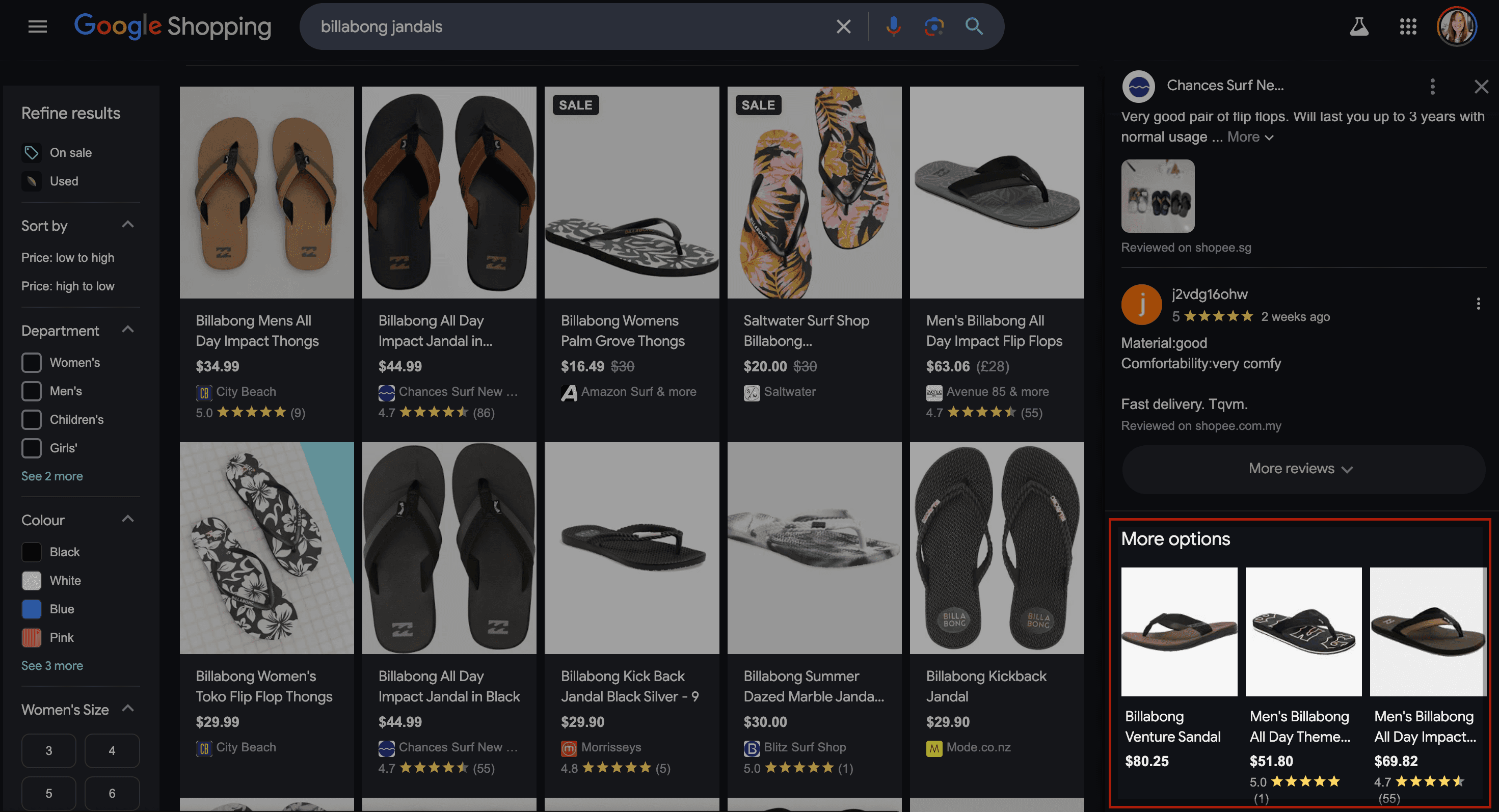
Limited Performance Tracking & Insights
Unlike Google Ads, Free Listings don’t give you deep data on how users interact with your products.
Tracking limitations:
- No clear ranking position tracking: Google doesn’t provide a ranking report for Free Listings.
- Limited click & engagement data: You need GA4 & GSC workarounds to measure Organic Shopping traffic.
- Lack of conversion insights: Free Listings don’t tell you why a user didn’t click or convert.
What this means: Brands need to use multiple tracking sources (GA4, GSC, and GMC) to get a full picture of performance.
No Control Over Placement or Positioning
Free Listings appear below paid ads. No matter how optimised your product is, advertisers will always get premium placement.
- Your product could rank well, but still be pushed down by paid ads.
- Google prioritises “high intent” users - meaning your product may only show up for relevant queries.
What this means: Free Listings don’t replace Google Ads. If you want prime real estate at the top of Google Shopping, a combination of Free Listings + Paid Shopping Ads is ideal.
Product Approvals & Compliance Still Matter
Even though Free Listings don’t cost money, your products must still meet Google’s policies.
Common issues that can get your Free Listings disapproved:
🚨 Missing or incorrect GTINs: Google requires unique identifiers for most products.
🚨 Restricted product categories: Some industries (like supplements, medical devices, alcohol) have stricter requirements.
🚨 Inaccurate pricing or stock info: If Google detects inconsistencies, your listing may be removed.
What this means: Brands need to regularly audit their product feed in GMC to ensure their listings remain active and visible.
So… Why Wouldn’t You Opt In?
Here’s the thing - if your brand is already running Google Ads, working on SEO, or optimising a product feed, most of the work is already done.
- Free Listings require no extra budget and minimal effort to set up.
- Competition is nothing new in the ecommerce space - brands compete in search ads, SEO, and marketplaces every day.
- The real benefit of Free Listings is that it costs nothing to gain extra exposure.
If you’re looking for a low-effort way to maximise your visibility on Google, there’s no reason NOT to take advantage of Free Shopping Listings.
Want to Maximise Your Google Shopping Presence?
Google’s Free Shopping Listings aren’t just an optional extra - they’re a smart, easy way to get more eyes on your products.
They don’t replace SEO or Paid Shopping Ads, but they complement both, giving brands an additional touchpoint in search results without any extra ad spend.
Getting Free Listings set up is simple - but if you want to maximise their impact, optimise your feed, and track performance effectively, that’s where expertise makes the difference.
Want to ensure your products rank well in Free Listings and Paid Shopping? Let’s talk about optimising your Google Shopping strategy today.