How to Nurture Customers through the Shopping Funnel
7 August 2024

Roberta Johnston
SEO Lead
I'm an SEO specialist with over 8 years of experience helping brands grow through strategic, data-driven search optimisation. I've worked with large e-commerce websites and niche brands alike, developing a deep understanding of ranking algorithms, generative AI, and LLMs like ChatGPT, Perplexity AI, and Gemini. My expertise spans technical SEO, ensuring sites - whether a few dozen pages or 100,000+ - are crawled and indexed effectively.
Tags
If you're running an ecommerce business, you know that getting visitors to your site is only half the battle. The real challenge is turning those visitors into loyal customers. That’s where nurturing comes in. At Blackpepper, we believe in guiding your customers through every step of their shopping journey, ensuring they have the best experience possible and ultimately convert into paying customers.
In today's rapidly evolving digital landscape, the traditional shopping funnel has transformed into a more dynamic and complex journey. Understanding this modern shopping journey and how to effectively nurture your customers through it is key to driving conversions and building lasting relationships.
In this blog, we’ll explore what the traditional shopping funnel looks like, how it has evolved in 2024, and practical strategies to nurture your ecommerce customers effectively.
Understanding the Shopping Funnel
In the traditional sense, the shopping funnel is a model that describes the stages a customer goes through before making a purchase. These stages typically include:
Awareness: The customer becomes aware of a product or service.
Interest: The customer shows interest by seeking more information.
Consideration: The customer evaluates different options.
Intent: The customer shows an intention to buy.
Purchase: The customer completes the purchase.
Loyalty: The customer returns for repeat purchases.
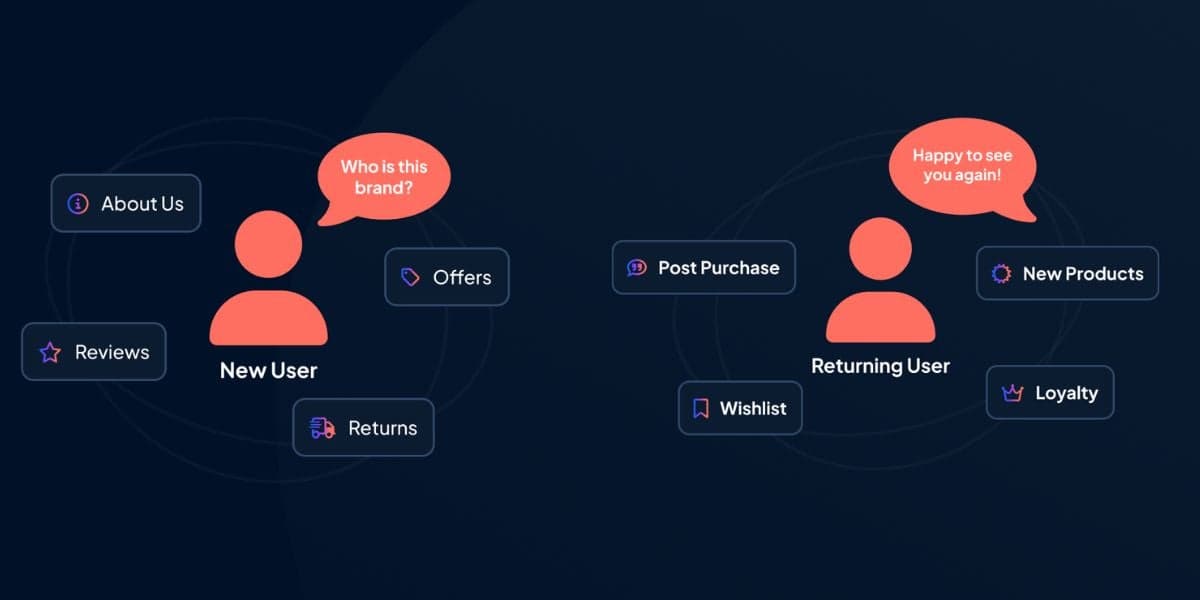
However, in 2024, the shopping journey has evolved into something far more complex and less linear. Customers no longer follow a straight path from awareness to purchase. Instead, they interact with brands across multiple touchpoints and channels, often revisiting earlier stages of the funnel before making a decision. This means that the traditional funnel model is now more of a dynamic journey with various entry and exit points.
To successfully navigate this modern shopping journey, it’s crucial to understand that each customer's path may be unique. They might discover your brand on social media, read reviews on third-party sites, receive an email from you, and then finally make a purchase through your mobile app. Recognising and optimising for these varied touchpoints is essential for nurturing customers effectively.
The Modern Shopping Journey in 2024
Today's shopping journey is a multifaceted experience that extends beyond the traditional funnel. In 2024, customers expect seamless interactions across various channels and personalised experiences that cater to their individual needs.
The key to understanding the modern shopping journey is recognising the importance of omnichannel experiences. Customers no longer rely on a single channel to interact with your brand. They might browse products on their desktop, check reviews on their smartphone, and complete a purchase on a tablet. This means that every touchpoint needs to provide a consistent and cohesive experience.
Personalisation plays a crucial role in the modern shopping journey. Customers expect brands to understand their preferences and deliver relevant content and offers. This involves using data to anticipate their needs and tailor the shopping experience accordingly. Personalisation can range from product recommendations based on past purchases to targeted email campaigns that address specific customer segments.
Related: Driving Repeat Purchases - Loyalty Programs for Ecommerce
Moreover, customer experience has become a significant differentiator. Providing an exceptional customer experience at every stage of the journey can set your brand apart from the competition. This includes everything from user-friendly website design and intuitive navigation to responsive customer support and hassle-free returns.
Essentially, the modern shopping journey in 2024 is about creating an omnichannel, personalised, and exceptional experience for your customers. By focusing on these aspects, you can nurture customers effectively and guide them towards making a purchase.
6 Strategies to Nurture Customers Through the Shopping Journey
Nurturing customers through their shopping journey requires a strategic approach that engages them at every stage. Here are some effective strategies to help you guide your customers towards making a purchase:
Create Engaging Content
Engaging content is crucial at every stage of the customer journey. At the awareness stage, blog posts, videos, and social media content can help attract attention and build interest. During the consideration stage, detailed product guides, comparisons, and customer reviews can aid in decision-making. Post-purchase, content like user guides, tutorials, and newsletters can enhance the customer experience and encourage loyalty.
By providing valuable and relevant content, you can keep customers engaged and informed, helping them move seamlessly from one stage of the journey to the next.

Utilise Email Marketing
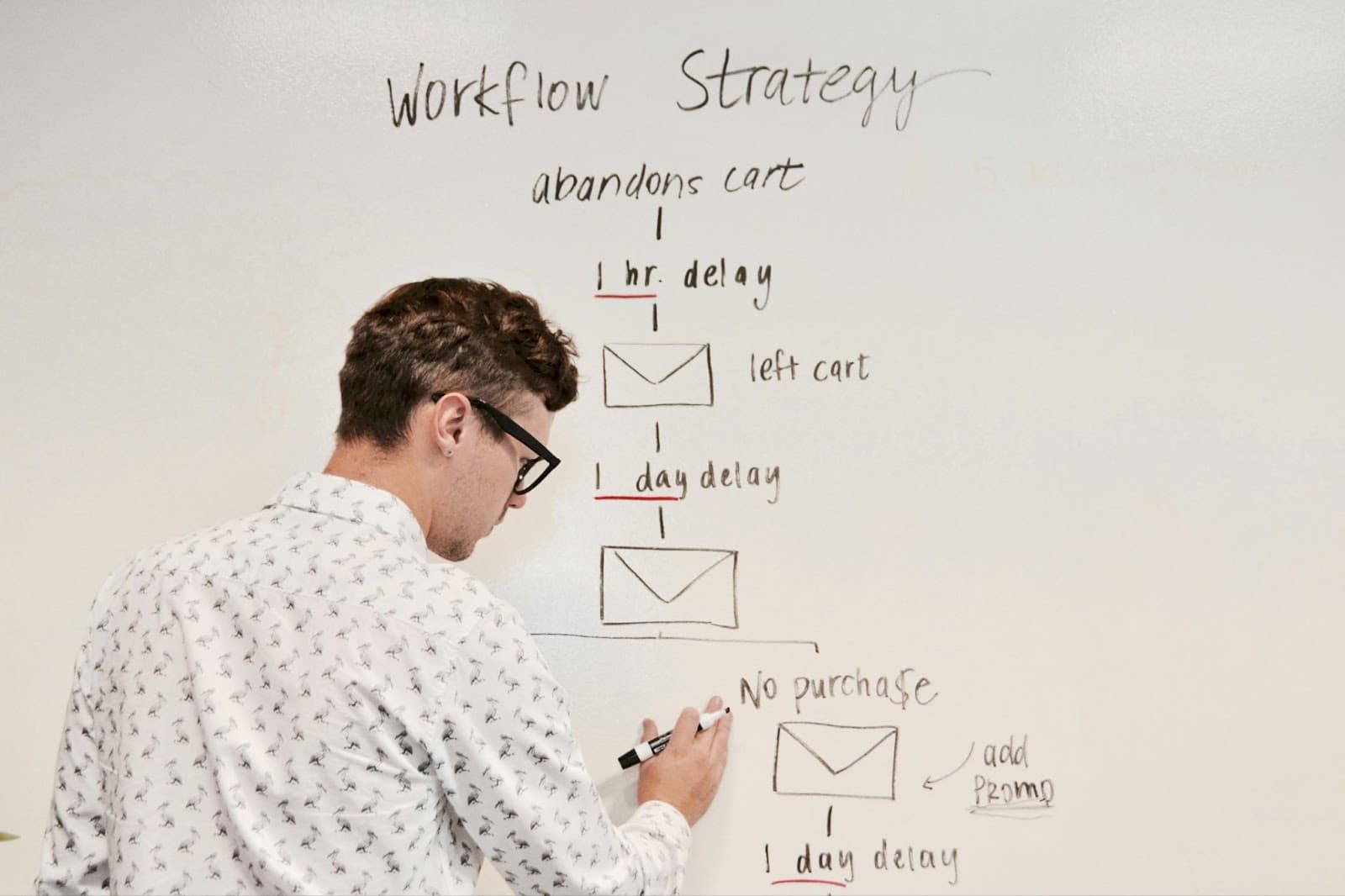
Email marketing remains one of the most effective tools for nurturing customers. Create personalised email campaigns that provide value at each stage of the journey. For instance, welcome emails can make a great first impression on new subscribers, while cart abandonment emails can encourage customers to complete their purchases. Personalised product recommendations based on past behaviour can also boost engagement and conversions.
Regularly segmenting your email list based on customer behaviour and preferences can help ensure that your messages are targeted and relevant, increasing the likelihood of conversions.
Leverage Social Media
Social media is a powerful platform for engaging with customers. Use it to share engaging content, respond to customer inquiries, and gather feedback. Social media contests, user-generated content, and influencer partnerships can also help nurture relationships and build brand loyalty.
Related: The Power of Social Persuasion through Social Media
By actively participating in social media conversations and providing valuable content, you can keep your brand top-of-mind and create a community of loyal customers.
Implement Retargeting Campaigns
Retargeting campaigns allow you to re-engage visitors who have left your site without making a purchase. Use retargeting ads to remind them of the products they viewed, offer special discounts, or highlight customer testimonials. This strategy can significantly increase the chances of converting these visitors into customers.
Setting up retargeting campaigns on platforms like Google Ads and Facebook Ads can help you reach potential customers across the web and bring them back to your site.
Read More: Remarketing & Retargeting - Are They the Same Thing?

Offer Personalised Recommendations
Personalisation is key to nurturing customers effectively. Use data and analysis tools to provide personalised product recommendations based on browsing behaviour, purchase history, and preferences. Personalised experiences can significantly improve customer satisfaction and increase conversion rates.
Implementing personalisation on your website and in your marketing campaigns can help create a more relevant and engaging shopping experience for each customer.
Enhance Customer Support
Excellent customer support is crucial for nurturing customers. Offer multiple channels for support, such as live chat, email, and phone. Ensure your support team is knowledgeable, responsive, and empathetic. Great customer support can turn a one-time buyer into a loyal customer.
Providing timely and helpful assistance can enhance the overall customer experience and build long-term relationships with your customers.
Measuring Success and Optimising Your Strategies
To ensure your customer nurturing strategies are effective, it’s essential to measure their success and continuously optimise your approach. Here are some key steps to help you achieve this:
Track Key Metrics
Monitoring the right metrics is crucial for understanding the impact of your nurturing efforts. Key metrics to track include:
Conversion Rate: The percentage of visitors who complete a desired action, such as making a purchase. This metric helps you understand how well your strategies are driving conversions.
Customer Lifetime Value (CLV): The total revenue a business can expect from a single customer account. Tracking CLV can help you assess the long-term value of your nurturing efforts.
Engagement Rates: Metrics such as email open rates, click-through rates, and social media interactions indicate how well your content and campaigns resonate with your audience.
Bounce Rate: The percentage of visitors who leave your site after viewing only one page. A high bounce rate might indicate that your site or content isn’t engaging enough.
Customer Retention Rate: The percentage of customers who continue to buy from you over a specified period. This metric helps you gauge the effectiveness of your loyalty and retention strategies.
Keep Reading: Top 10 Analytics Metrics for Ecommerce Websites

Use Analytical Tools
Utilise a variety of tools to gather and analyse data:
Google Analytics: Offers insights into site traffic, user behaviour, and conversion tracking.
CRM Systems: Tools like HubSpot or Salesforce can track customer interactions, manage email campaigns, and provide detailed analytics.
Email Marketing Platforms: Platforms like Mailchimp or Klaviyo offer analytics on email campaign performance, helping you understand engagement and conversion rates.
Social Media Analytics: Native analytics tools on platforms like Facebook, Instagram, and TikTok can provide insights into your social media performance.
Keep Reading: 5 Ways to Improve Social Media Engagement
Optimise Based on Data
Regularly review the data you’ve collected to identify areas for improvement. Here are some tips for optimising your strategies:
A/B Testing: Conduct A/B tests on your email subject lines, ad creatives, landing pages, and other elements to determine what works best.
Customer Feedback: Gather feedback through surveys, reviews, and direct interactions to understand customer preferences and pain points. Use this feedback to refine your approach.
Content Updates: Regularly update your content to keep it relevant and engaging. Refresh old blog posts, create new guides, and ensure all information is up-to-date.
Personalisation Enhancements: Continuously refine your personalization efforts based on customer data. Tailor your recommendations, emails, and ads to match evolving customer preferences.
Performance Review: Set regular intervals (monthly, quarterly) to review your performance metrics and adjust your strategies accordingly. This helps ensure you’re always improving and staying aligned with your business goals.
Continuous Improvement
Remember, optimising your customer nurturing strategies is an ongoing process. Stay agile and be ready to adapt to new trends, technologies, and customer behaviours. Regularly update your knowledge, experiment with new tactics, and keep an eye on industry best practices - or, leverage the skills and experience of an established ecommerce agency like Blackpepper!

Turn Clicks into Customers
Nurturing your customers through the shopping journey is more important than ever in 2024. By understanding the modern shopping journey and implementing effective strategies, you can enhance customer experiences and drive more conversions. However, we know that managing all these aspects can be overwhelming - especially when you’re trying to run a successful business!
That's where Blackpepper comes in. We specialise in helping ecommerce businesses like yours navigate the complexities of customer nurturing. From creating engaging content and personalised campaigns to leveraging social media and implementing retargeting strategies, our team of experts can do the heavy lifting for you.
We stay ahead of the latest trends and technologies to ensure your business is always at the forefront of the digital landscape. Let us help you turn your site visitors into loyal customers with tailored strategies that fit your unique needs.