Is ChatGPT a Real Google Contender?
18 December 2024

Roberta Johnston
SEO Lead
I'm an SEO specialist with over 8 years of experience helping brands grow through strategic, data-driven search optimisation. I've worked with large e-commerce websites and niche brands alike, developing a deep understanding of ranking algorithms, generative AI, and LLMs like ChatGPT, Perplexity AI, and Gemini. My expertise spans technical SEO, ensuring sites - whether a few dozen pages or 100,000+ - are crawled and indexed effectively.
Tags
The way people search for information is changing rapidly, and artificial intelligence tools like ChatGPT are shaking up the digital landscape.
These AI-driven tools offer an alternative to traditional search engines, providing quick, conversational answers to a wide variety of queries. But does this mean ChatGPT is positioned to dethrone Google, the search giant that has shaped how we access information for over two decades? Or is this shift more about expanding the search experience, with users embracing tools like ChatGPT for specific tasks while still relying on Google for others?
In this blog, we’ll take a closer look at the current landscape, examine real-world usage data, and share insights on where we think search is headed next.
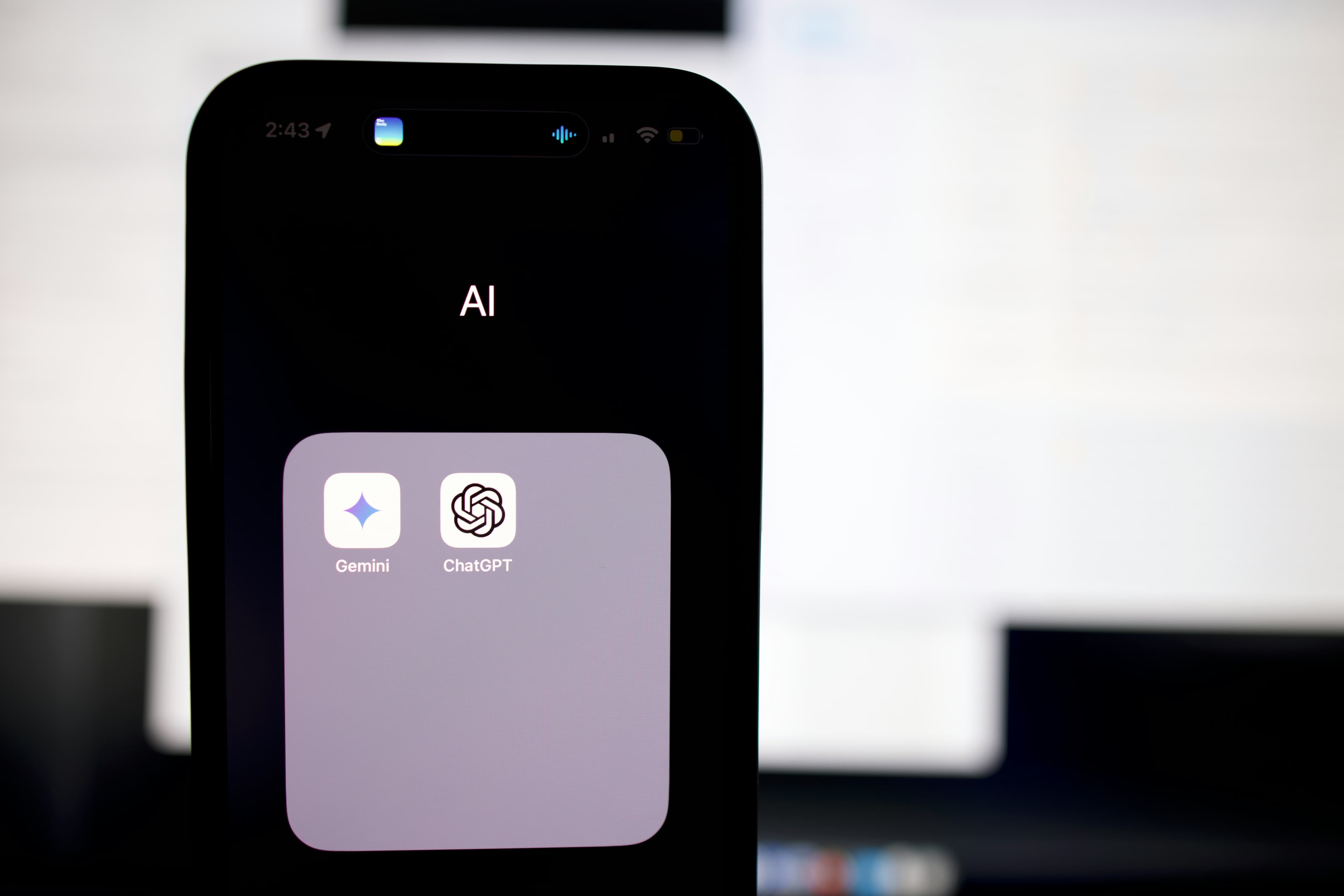
The Numbers: ChatGPT vs. Google Usage
A recent use-case survey by Search Engine Journal reveals some interesting insights into how users are interacting with ChatGPT and Google.
While Google remains the go-to platform for search, 20% of respondents reported that they now turn to ChatGPT instead of Google for certain queries. Notably:
- 19% of users use ChatGPT to find answers to questions they’d typically Google.
- 28% said they use ChatGPT to gather content inspiration or generate ideas.
- 15% prefer ChatGPT for learning purposes, such as research and studying.
These insights reveal that while Google continues to dominate traditional search, users are increasingly exploring AI-powered tools like ChatGPT for more specialised tasks.
For example, users turn to ChatGPT for content creation, brainstorming ideas, and answering niche questions that require conversational responses. This experimentation stems from ChatGPT’s ability to generate unique, tailored results quickly, offering an alternative to Google’s more structured search experience.
While Google’s traditional link-based results remain a key feature, its introduction of AI Overviews has begun to reshape how search results are delivered. These AIOs offer conversational, context-rich answers similar to ChatGPT, often appearing above traditional search results.
Though not yet present for all queries, Google’s growing AI capabilities indicate a clear response to the rising demand for dynamic and personalised search experiences.
For right now, the scope of ChatGPT usage remains specific, as users still rely on Google for broader searches, accurate real-time information, and tasks requiring comprehensive indexing across the web - at least, that's the case in America. What does usage look like more locally?
Keep Reading: SearchGPT - What We Know So Far
APAC Insights: Is ChatGPT Gaining Ground?
Findings from Australia (a market similar to New Zealand in terms of digital trends) offer a more regional perspective, showing increasing awareness and use of ChatGPT.
According to recent studies, while overall usage in Australia remains lower compared to the US, there are clear trends among younger demographics driving its adoption. Notably, less than half of Australians are aware of ChatGPT, with younger users (18-34 years old) being the most engaged, often leveraging it for productivity, learning, and creative tasks.
These insights suggest that, while ChatGPT is not yet mainstream across all age groups, its growing adoption in markets like Australia - and, by extension, New Zealand - indicates shifting attitudes toward AI-powered tools for search and problem-solving.
According to studies from Fifth Quadrant and YouGov:
- 41% of Australians are aware of ChatGPT, but actual usage is lower, particularly among older demographics.
- Younger users are leading the charge, with 18-34 year olds being the most comfortable using tools like ChatGPT for learning, fun, and productivity.
- Around 60% of Australians believe AI tools like ChatGPT are useful for generating content and ideas.
ChatGPT in New Zealand
While ChatGPT is gaining traction in APAC, its adoption remains in early stages, and Google still holds a firm grip on search behaviours in the region. Recent insights from New Zealand suggest similar trends to those seen in Australia, where awareness and adoption of ChatGPT are growing but remain far from mainstream.
According to a Waikato University report, New Zealanders are encouraged to use AI tools like ChatGPT, particularly for productivity and innovation, yet concerns around risks like data privacy and societal costs persist.
What's more, findings from the AI Forum NZ Business Productivity Report indicate that while businesses are exploring AI-powered tools, integration is gradual, with trust and reliability remaining key factors in adoption.
This reinforces the idea that ChatGPT is carving out a role for specific use cases - like content creation and problem-solving - but has yet to unseat Google as the dominant platform for broader search needs in the region.
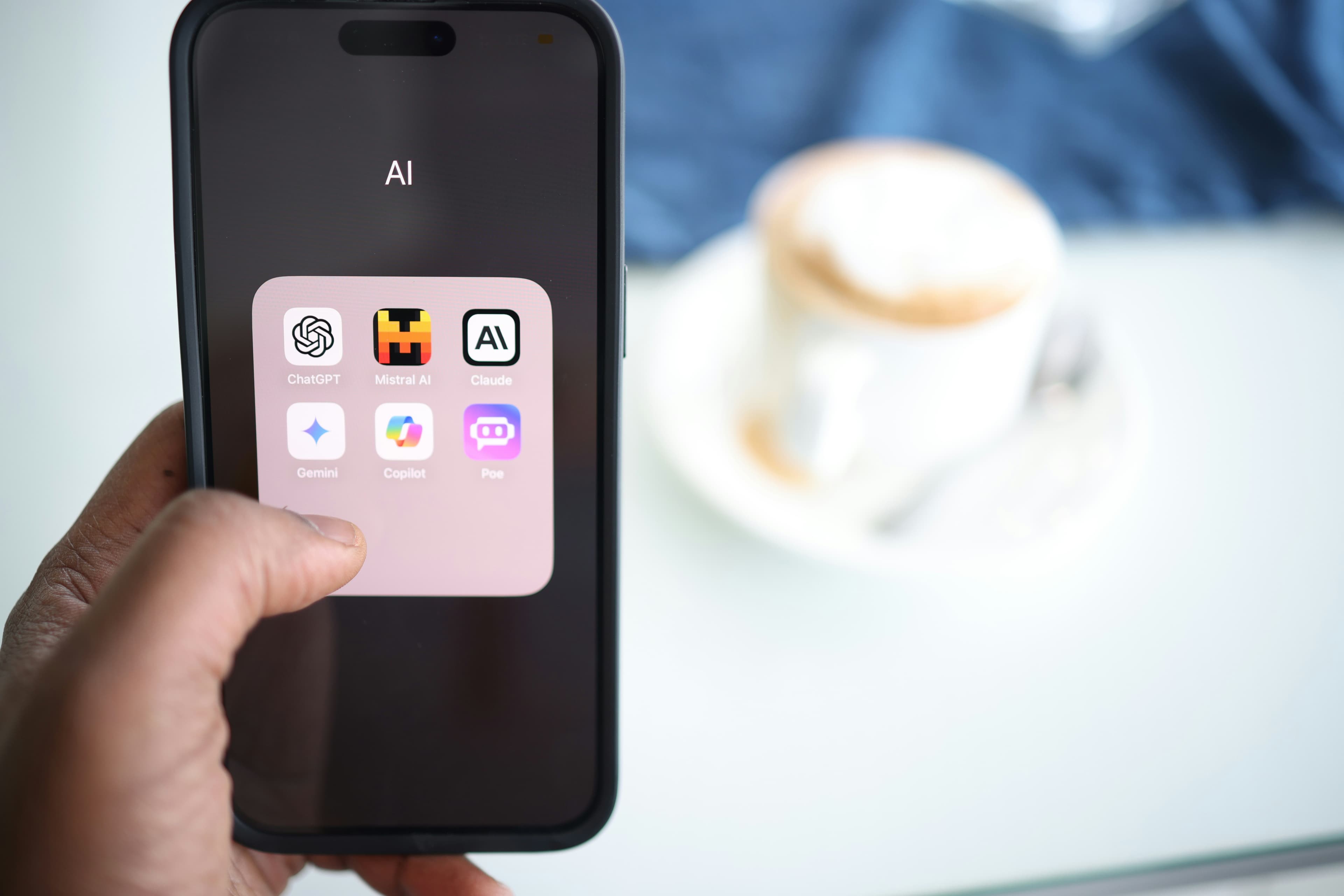
Bridging the Gap
Regional Trends and Global Behaviours
The adoption of ChatGPT varies noticeably across regions, reflecting both local behaviours and global trends. In the US, studies highlight how a significant portion of users experiment with ChatGPT for tasks like quick answers, creative brainstorming, and learning.
On the other hand, APAC markets like Australia and New Zealand show a slower but steady uptake, largely driven by younger generations and forward-thinking businesses exploring AI tools for productivity and problem-solving.
These differences offer an interesting perspective: people aren’t abandoning Google - far from it. Instead, they’re incorporating tools like ChatGPT to complement traditional search. While Google remains the go-to platform for reliable, indexed information, ChatGPT fills gaps by providing conversational, tailored responses that align with modern user expectations.
What Does This Mean for Ecommerce Brands?
For businesses, this signals a shift in how the search journey needs to be understood. Today’s digital users don’t stick to just one tool. A search might start on Google, expand to AI platforms like ChatGPT for specific answers, and even finish on social platforms like TikTok or Pinterest for product discovery.
These tools aren’t competitors - they coexist as part of a bigger, more fragmented search experience.
Understanding how these platforms complement each other creates a clear opportunity for brands. Businesses can stay relevant by meeting users across multiple touch points, whether through traditional SEO, optimised AI-driven content, or organic social search strategies.
The growing reliance on personalisation, speed, and flexibility highlights the need for brands to adapt to an ever-changing digital ecosystem: one where search is no longer linear, but dynamic and fluid.

Changing Search Behaviours: The Blurry Search Landscape
As the digital search landscape expands, it’s no longer a question of using one platform or tool.
Users are adopting a mix of search engines, AI tools, and social platforms, tailoring their approach based on their needs. This shift reflects the rise of fragmented, dynamic search journeys, where tools like Google, ChatGPT, TikTok, and Pinterest coexist in delivering information and discovery.
Multi-Device Journeys
Searches often begin on one device and end on another. A user might start their search on a smartphone, continue researching on a desktop at work, and finalise a purchase on a tablet at home.
This cross-device behaviour underscores the importance of creating a seamless experience across platforms and devices, ensuring users can easily find information no matter where they are in their search journey.
Social Media as a Search Tool
Social media platforms like TikTok, Instagram, and Pinterest have emerged as key tools for product discovery and brand searches, especially among younger generations.
Gen Z audiences, in particular, are redefining search by turning to visually rich, interactive content for lifestyle inspiration and recommendations that traditional search engines often lack.
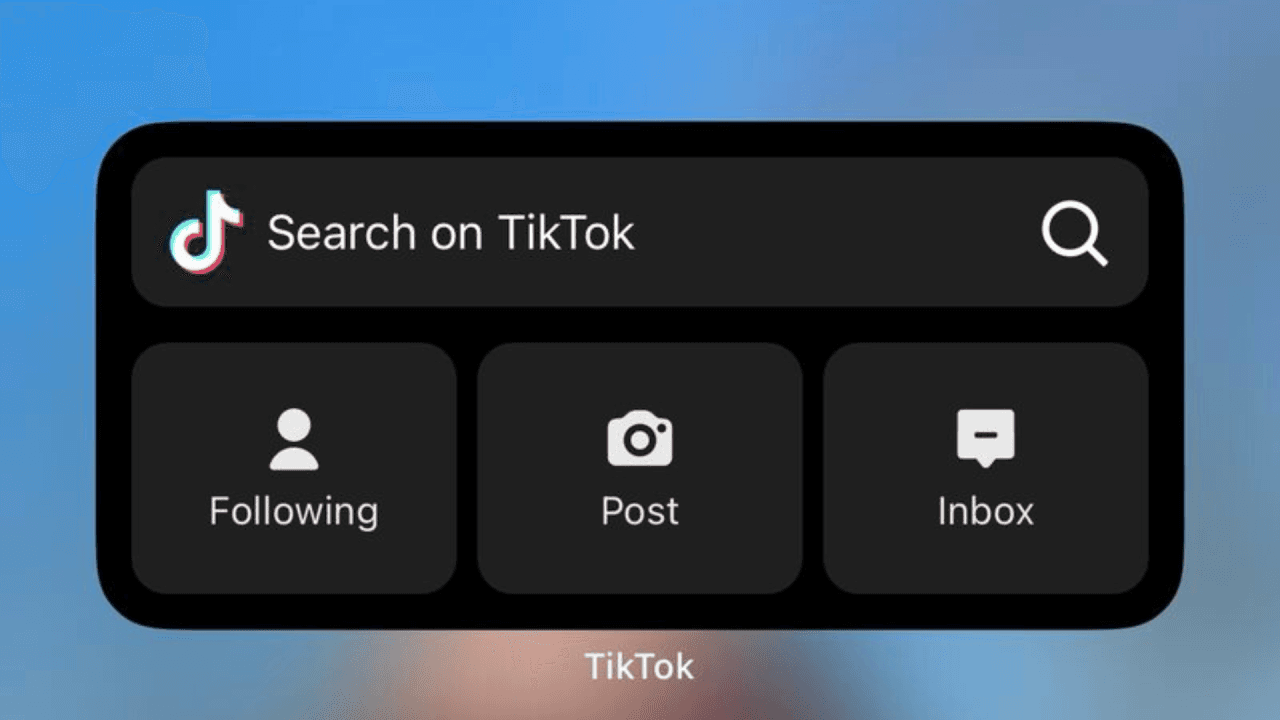
This new search widget allows Apple users to search for something on TikTok directly from their iPhone or iPad's home screen. Source: LinkedIn
The Role of AI Tools Like ChatGPT
Complementing traditional search, AI tools like ChatGPT are quickly gaining ground for niche use cases. Users are leveraging ChatGPT for quick problem-solving, creative idea generation, and conversational responses that feel more tailored than a list of links. While not a replacement for Google, tools like ChatGPT are carving out a valuable role in the broader search ecosystem.
This evolving behaviour, coupled with the growing popularity of alternative tools, highlights that search has become a multi-faceted experience. Yet, despite these changes, Google remains the cornerstone of search. According to Search Engine Journal, Google continues to dominate product and information discovery, outperforming other platforms, including Amazon.
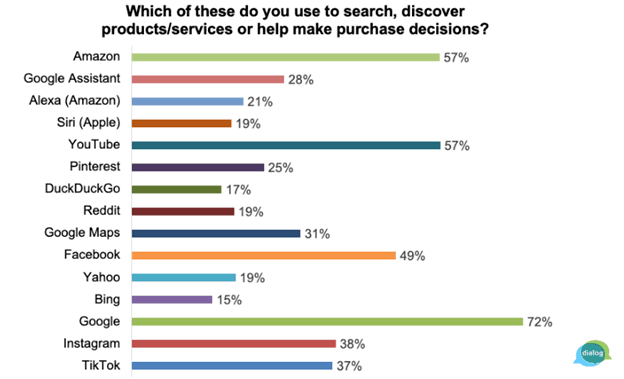
For businesses, this changing landscape presents a dual opportunity: maintaining visibility on traditional search engines like Google while also embracing emerging platforms where younger audiences are actively searching. By understanding and adapting to these trends, brands can stay ahead of the curve in an increasingly complex digital ecosystem.
What We Think: The Future of Search
The lines between traditional search engines, AI tools, and social platforms are blurring.
ChatGPT isn’t a direct competitor to Google - yet. Instead, what we’re seeing is a shift toward a more dynamic search experience, where users move fluidly between tools based on what they need.
Google continues to dominate when it comes to real-time information, indexing, and comprehensive search results, but tools like ChatGPT are creating new spaces for tailored, conversational, and creative answers.
Google itself is evolving in response to these trends. With its AI Overviews, Google is introducing a more conversational way to interact with search - a clear nod to the appeal of tools like ChatGPT. This demonstrates that search isn’t just shifting platforms; it’s branching out, becoming more contextual, personalised, and integrated across different tools.
For businesses, the message is clear: search is no longer confined to one place. A user might start their journey on Google, switch to ChatGPT for quick insights, and then turn to TikTok, Pinterest or Instagram for product discovery.
This evolving behaviour demands a broader strategy - one focused on Search Experience Optimisation (SXO). Brands must ensure they’re visible at every touchpoint, whether through traditional SEO, optimised, AI-friendly content, or social discovery.
Google may still dominate search today, but the way people find, discover, and interact with content is changing. At Blackpepper, we specialise in helping businesses navigate this evolving search ecosystem with strategies tailored to traditional search engines, AI platforms, and social discovery tools.
Let’s craft an SEO solution that ensures your brand thrives across every touch point!