LLMs Explained: Your Guide to Gemini, GPT & The New SEO
13 August 2025

Roberta Johnston
SEO Lead
I'm an SEO specialist with over 8 years of experience helping brands grow through strategic, data-driven search optimisation. I've worked with large e-commerce websites and niche brands alike, developing a deep understanding of ranking algorithms, generative AI, and LLMs like ChatGPT, Perplexity AI, and Gemini. My expertise spans technical SEO, ensuring sites - whether a few dozen pages or 100,000+ - are crawled and indexed effectively.
Tags
I have two Ragdoll cats that shed A LOT - and that hate being brushed. I've tried dozens and dozens of different grooming brushes, probably from about four different pet stores and at least two "we sell everything" sites, in the last six months.
You can't blame me for getting a little fed up.
After reaching new heights of desperation (read: there was cat hair everywhere and two very opinionated felines revelling in their fluff), I asked ChatGPT.
I shared the types I'd been using, asked it to find alternatives, to explain the differences and to make strong for-and-against cases for each product it recommended.
In minutes, it found a style I hadn't seen, found one in my price range, and sourced one I could get that day.
I bypassed Google, all pet store sites, and all of the online, pet-guide resources, and I got a brush my cats tolerate.
This isn't a one-off scenario. This is the reality of the new era of search.
Customers are no longer passively trawling through a list of links to find answers. They're engaging directly with AI to get a personalised, curated response to their specific problem. And if you're not factoring that into your marketing strategy, your brand may be missing from the conversation entirely.
This is why you need to understand what's happening behind the scenes with AI.

AI & LLMs 101: The New Engine of Search
So, what is AI and what's an LLM?
In simple terms, AI (Artificial Intelligence) is the broad field of creating machines that can think and act like humans. LLMs (Large Language Models), on the other hand, are a specific type of generative AI that have become surprisingly effective in many applications.
The secret behind their power is that they aren't just memorising facts; they're building a "mental model" of the world from vast amounts of text data.
Think of it like this: they break down your input text into thousands of tiny pieces called "tokens". Then, using their internal model, a prediction engine generates each word in turn. The result is a response that feels incredibly human, which is why it's so easy to engage with them.
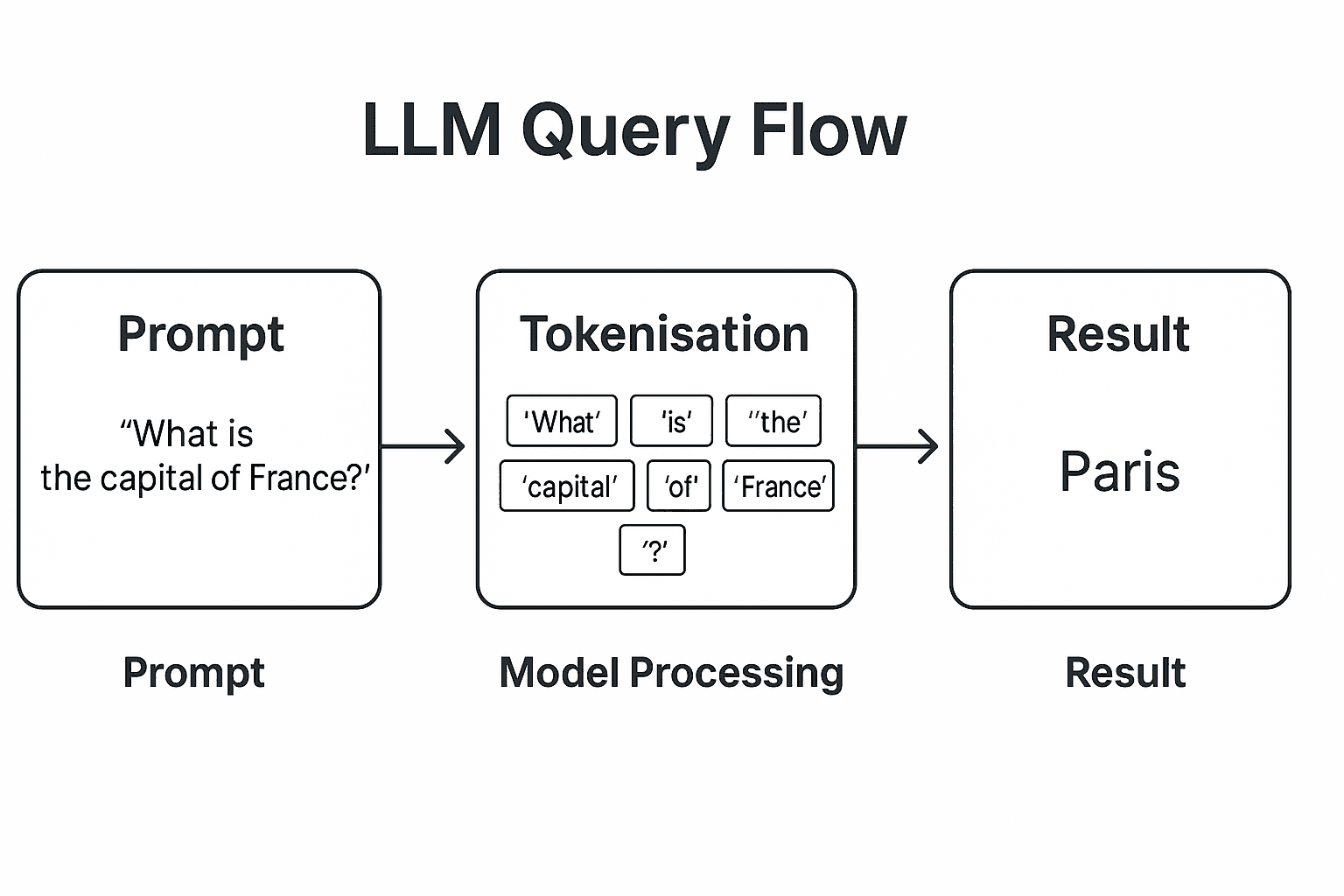
But where do they get all that knowledge?
LLMs are trained on truly massive datasets - essentially, an enormous snapshot of the internet, including books, Wikipedia, and countless websites. This training is a multi-stage process that allows the AI to learn patterns, grammar, and context, which is what enables it to generate human-like responses.
This is also why the quality of your content online has never been more important (just saying!).
So... Ranking Well on Search Engines = the Same on AI?
Not exactly, and here's the crucial nuance: it's no longer just about the signals.
A website that ranks well on Google is already doing a lot of things right, like having a fast site and high-quality content. These are still the foundational elements for being visible to AI.
But AI adds a whole new layer of complexity.
Traditional search engines are like a librarian who shows you a list of books based on your keywords. AI is a research assistant who reads all the books and gives you the answer in a single paragraph.
For a search engine, your website's job is to rank in the top 10. For AI, your job is to be so authoritative and easy to understand that you're the source it chooses to cite.
This is why traditional ranking signals are no longer enough - you need to build your strategy around being seen, understood, and trusted by AI itself.
The AI Arms Race
While ChatGPT may have kicked off the party, the AI race is far from over - and there are now multiple players you need to keep your eye on.
The new search landscape is not a simple competition; it's a strategic battle for user attention, and these are the main combatants.
OpenAI (GPT)
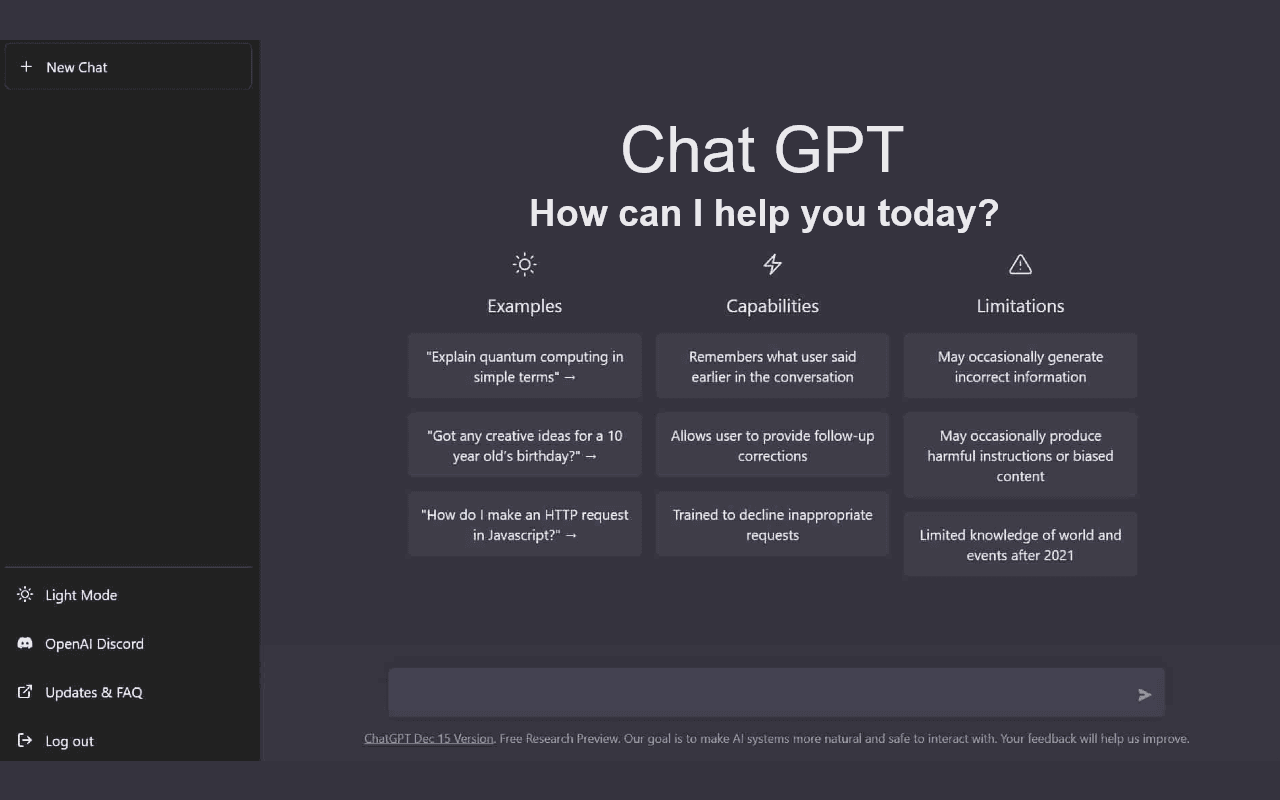
OpenAI, co-founded by Sam Altman and Elon Musk in 2015, is the one that kicked off the whole generative AI revolution with its ChatGPT chatbot in 2022.
Since then, it has released several models, with its latest, GPT-5, debuting in August 2025. Its core strategy has been a creative, consumer-first philosophy, making it a powerful tool for brands looking to engage with users in a more personal, creative way.
Key Features & Capabilities:
- Image Generation: Create and analyse images, with priority access for paid users.
- Advanced Data Analysis: Analyse data from uploaded files (like PDFs and spreadsheets) and create visualisations, primarily in the paid tiers.
- Custom GPTs: Paid users can create and share custom AI assistants for specific tasks.
- Web Browse: The paid version has an always-online connection, allowing it to search the web for up-to-date answers.
Google (Gemini)
Google wasn't about to be left behind.
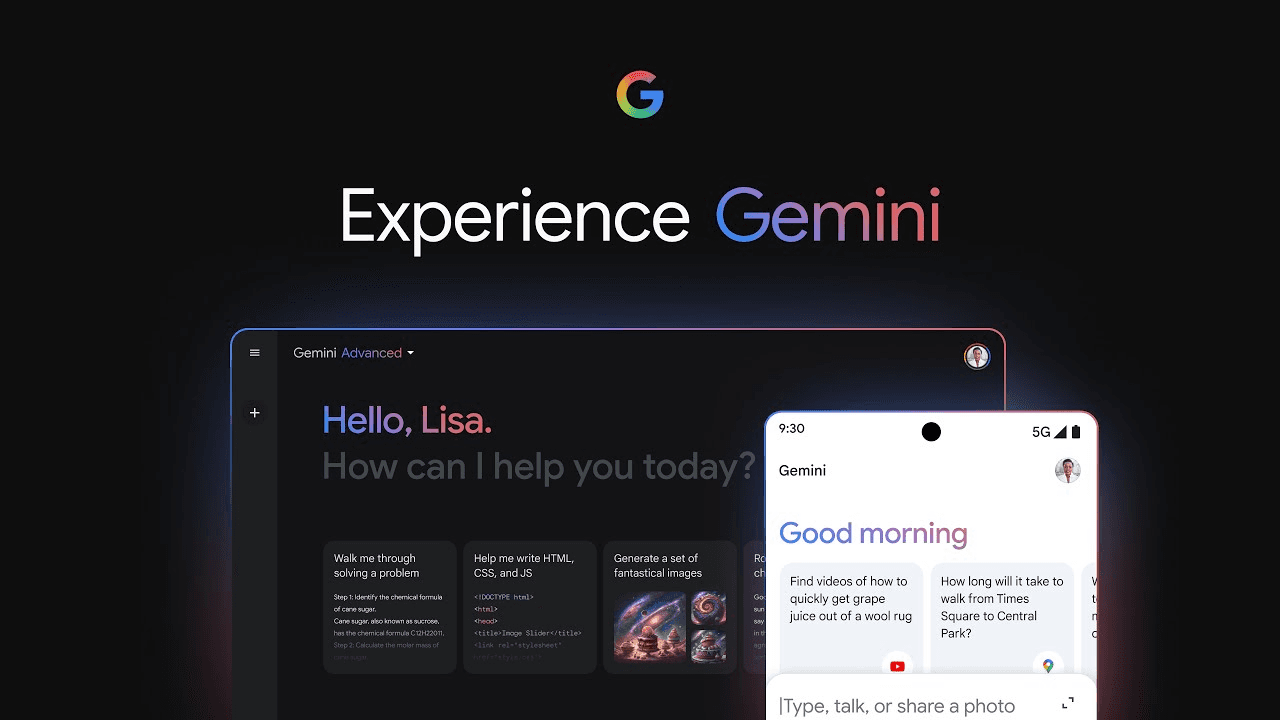
Developed by Google DeepMind, Gemini was first announced in December 2023, and its strategy is "AI as infrastructure". Think of it as a tool that's natively woven into the entire Google ecosystem you already use, from Search and Docs to Gmail and Drive.
With its native advantage in processing images, audio, and video, and its performance in some benchmarks for code generation, its integration into Google products makes it a dominant force for your business.
Key Features & Capabilities:
- Multimodality: Use text, voice, photos, and your camera to get help in new ways.
- Workspace Integration: Summarise emails from Gmail, create presentations in Docs, and analyse data in Sheets.
- Hands-Free Assistance: On Android, you can use Gemini as your mobile assistant to get help with what's on your screen.
- Research & Content Creation: Ask complex questions, get comprehensive reports, and create images and videos.
Perplexity
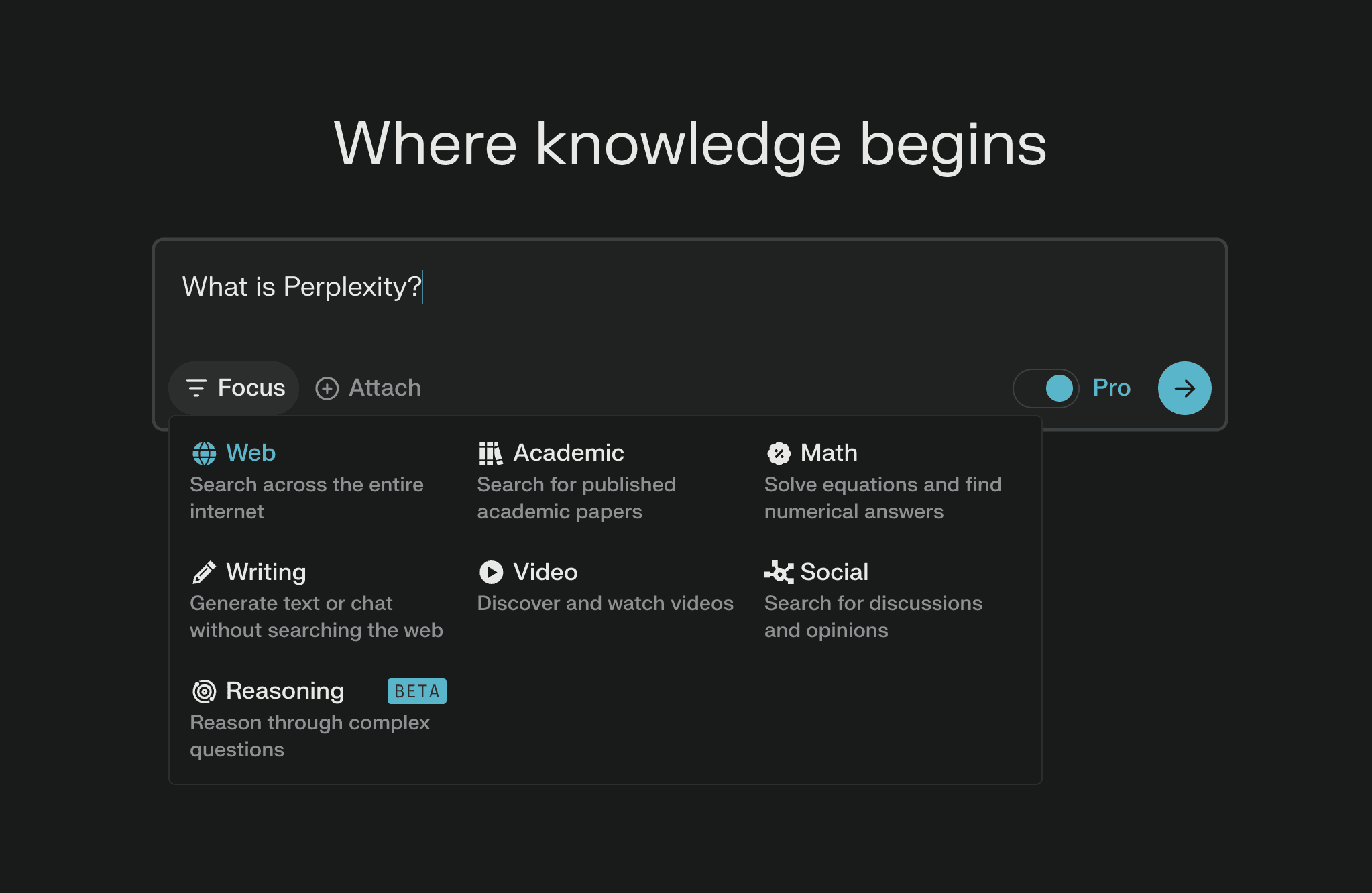
Founded in 2022, Perplexity is an AI-powered research engine with a clear goal: to provide synthesised answers with a list of citations and sources.
As of the first half of 2025, it had 22 million monthly active users and was valued at a cool $18 billion. For brands, being cited here is a powerful signal of authority, akin to a high-quality backlink.
Key Features & Capabilities:
- Transparent Sources: Every answer includes citations and links to the original sources, allowing users to verify the information.
- Real-time Search: Answers are generated from live web data, which means it can respond to current events and trending topics.
- Shopping Hub: In November 2024, Perplexity launched a Shopping Hub with Amazon and Nvidia, enabling users to search, discover, and purchase products directly through the interface.
CoPilot
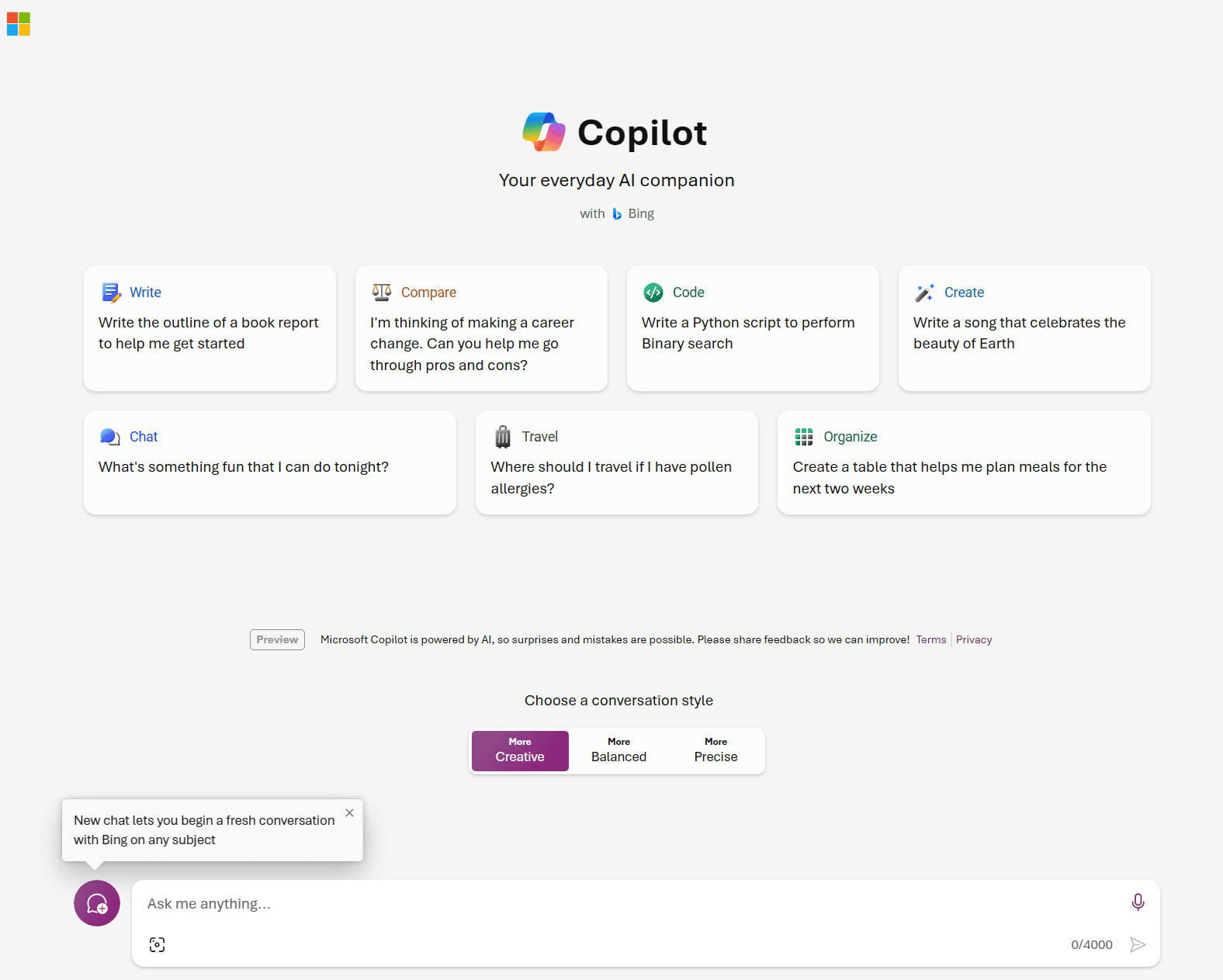
CoPilot is Microsoft’s AI assistant, initially launched as "Bing Chat" in February 2023 and based on OpenAI’s GPT-4 series. It’s now integrated into the Microsoft ecosystem, helping users with everything from writing emails to creating content.
Being present here could mean being part of the answers users get while doing their day-to-day work, right from their desktop.
Key Features & Capabilities:
- Microsoft 365 Integration: It assists in drafting emails in Outlook, creating presentations in PowerPoint, and summarising meetings in Teams.
- Data Analysis: In Excel, it can simplify data analysis by identifying trends and generating graphs.
- Custom Agents: Users can create custom agents to automate repetitive tasks and business processes.
- Research: CoPilot can conduct in-depth, multi-page research on any topic with its Deep Research feature.
The takeaway? These different platforms aren't just competing with each other; they're all vying for a place in your customer's journey. Your brand needs a strategy that ensures you're visible in all of them.
What Does This Mean for You?
Probably that your marketing strategy is a little out of synch, but that your SEO definitely is (unless we're doing it...).
While AI's influence is everywhere, from your social media feed to your paid ad campaigns, SEO is the hardest hit. The reason? It fundamentally broadens the landscape of what we consider to be "organic search."
A user's journey for a product, once a simple trawl through a list of links, is now a complex conversation with an AI assistant.
This has led to what's being called the "Great Decoupling".
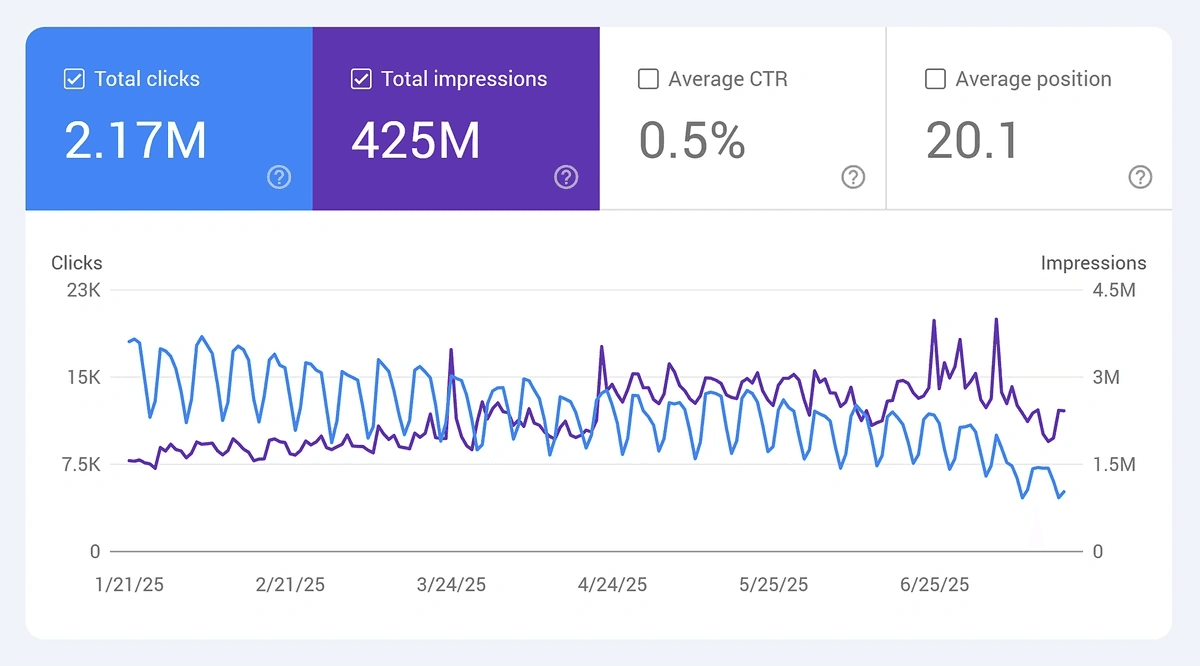
AI Overviews and LLM-powered answers are now absorbing valuable top-of-funnel traffic that once went directly to your website. It's a decoupling of impressions and clicks - a user can now see a brand mentioned in an AI summary without ever having to click on the website itself.
This proves how invaluable that top-of-funnel traffic has been all along, and it's also why broadening your SEO to include AI/LLMs (aka generative engine optimisation, or GEO) makes so much sense.
Your new goal isn't just to rank in the top 10; it's to ensure your brand is present in all the shiny new AI-summarised snapshots and in the one-on-one chats where users are getting their answers.
Cue the StarTrek Music
Because we're in a new frontier of search.
AI is not a trend, but a new and permanent layer in the search landscape. The rules have changed, and so must our strategies. The old playbook, which focused on a single-minded pursuit of rankings, is outdated. Today, success is about making your brand visible and authoritative wherever users are searching.
Don't let the new era of search pass you by. Talk to our experts today about building a future-proof SEO strategy that positions your brand for long-term growth and success.