Performance Killers, PT. 2: 5 PPC Mistakes That Drain Revenue
15 October 2025

Roberta Johnston
SEO Lead
I'm an SEO specialist with over 8 years of experience helping brands grow through strategic, data-driven search optimisation. I've worked with large e-commerce websites and niche brands alike, developing a deep understanding of ranking algorithms, generative AI, and LLMs like ChatGPT, Perplexity AI, and Gemini. My expertise spans technical SEO, ensuring sites - whether a few dozen pages or 100,000+ - are crawled and indexed effectively.
Tags
💡 These insights come straight from our in-house paid media specialists - the people working across ecommerce accounts every day, who’ve seen first-hand what separates the campaigns that scale from those that stagnate.
'Set & forget' is the most expensive decision you could make
AI has made paid media look deceptively simple.
Platforms like Google Ads and Meta promise that machine learning can handle audience targeting, bidding, and creative optimisation, all while you sit back and watch conversions roll in.
Sounds great, right? Until it isn’t.
While AI can certainly assist with optimisation, it can’t replace human strategy. The reality is that “smart” campaigns still fail when built on weak foundations - unclear goals, missing data, poor audience setup, and neglected landing experiences.
And when things do go wrong, AI rarely tells you why. You’re left flying blind, often burning through budget without realising how much potential growth you’re leaking along the way.
This week, our Performance Killers consider the most common - and often overlooked - issues that quietly wreck paid performance.
TL;DR – The PPC/SEM Performance Killers Hurting Your Revenue
Short on time? Here are the five silent killers we see most often - and why they matter. Click through to dive deeper into each one.
- Launching Without a Strategy - You can’t optimise what you haven’t defined. Every campaign needs a plan, not just a budget.
- The “Set & Forget” Campaign Mentality - AI can assist, not replace. Neglect erodes results over time.
- Broken Post-Click Experience - Great ads can’t save a bad landing page. Your UX earns the sale.
- Bad Data and Missing Tracking - Bad data in = bad performance out. Fix tracking before you scale.
- Mismanaging Audiences and Exclusions - Smart targeting means knowing who not to reach.
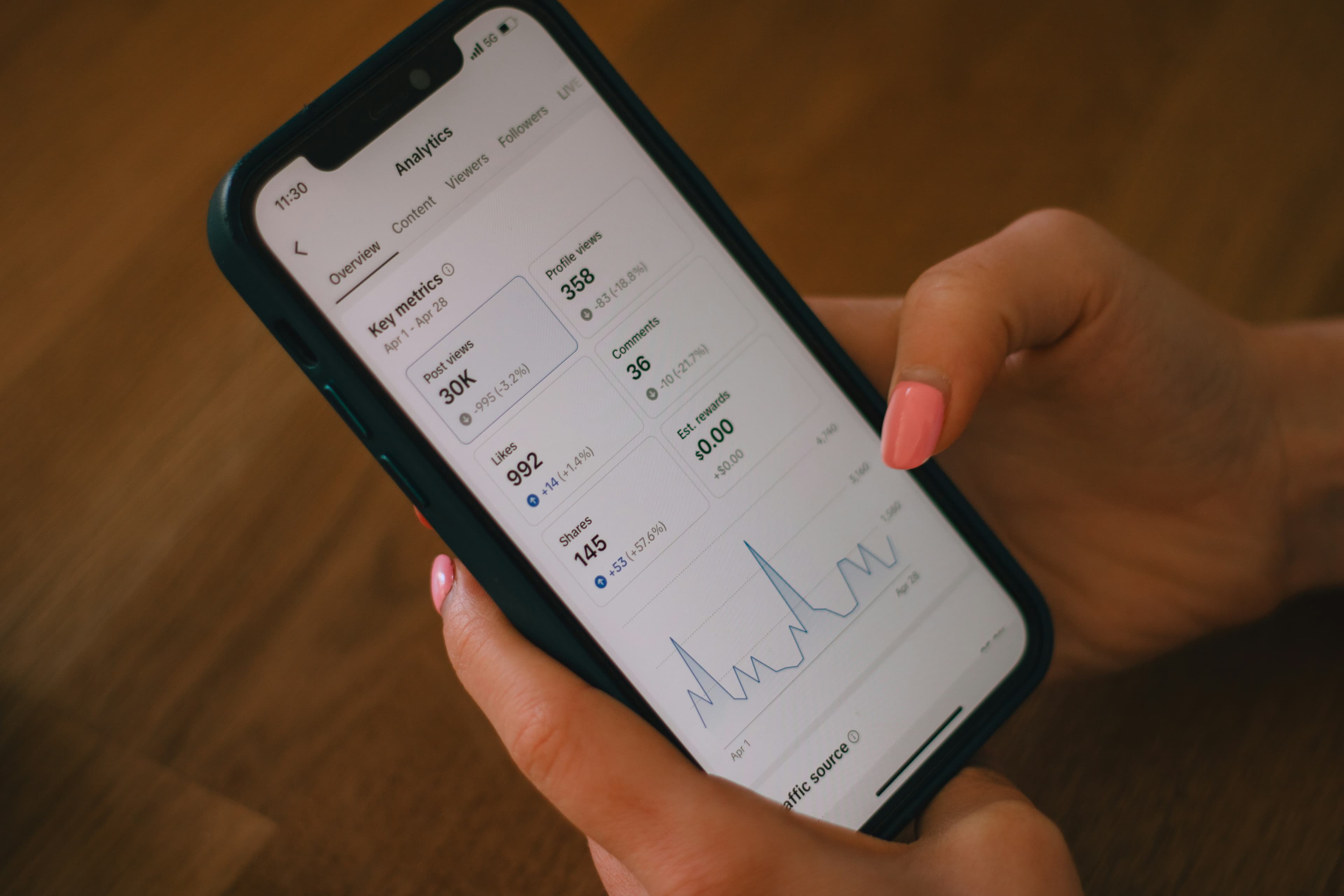
1. Launching Without a Strategy
If you don’t know your goal, the algorithm doesn’t either.
Paid media doesn’t start with a budget, it starts with a plan.
The most common (and costly) mistake brands make is jumping into campaigns without a clearly defined strategy. No matter how clever the ad copy, creative, or targeting, you can’t optimise what you haven’t defined.
Every campaign needs to start with a clear understanding of:
- Who you’re trying to reach
- What you want them to do
- How you’ll measure success
Running ads without this foundation is like setting a GPS to “somewhere profitable.” You might eventually get there, but you’ll burn a lot of fuel along the way.
Without measurable KPIs - like ROAS, cost per acquisition, or conversion value - performance reports mean little. And without knowing your audience, you risk attracting traffic that looks good on paper but does nothing for your bottom line.
Even AI-driven campaigns like Performance Max still rely on human inputs - the data, assets, and structure that teach algorithms what “good” looks like.
If you don’t set the goalposts, the platform will choose them for you.
Every dollar needs direction. Paid media success starts long before you hit “publish.”
2. The “Set & Forget” Campaign Mentality
AI can’t optimise what you neglect.
There’s a growing misconception around AI-powered campaigns - that once the setup is done, the algorithm will take care of the rest.
It’s an easy idea to buy into. Platforms like Google and Meta make automation sound effortless: plug in your assets, set a goal, and let machine learning do the heavy lifting.
But we'll say it again: AI can’t replace ongoing, human optimisation.
Left unattended, even the smartest campaigns start to drift, chasing cheap clicks, irrelevant audiences, or the wrong conversion signals. The algorithm is only as good as the data and direction you give it.
And because these platforms evolve constantly - new tools, new signals, new betas - the campaigns that stand still inevitably fall behind. It takes real insight and experience to adapt, and to keep adapting as the tools do. If you don't, you fall behind - and so will your revenue.
Neglect like this doesn’t just slow growth; it leaks performance over time:
- Ad fatigue creeps in when creative and copy never refresh.
- Budget waste grows as AI favours volume over value.
- Lost learning compounds as audiences and search behaviour shift.
Paid media isn’t fire-and-forget. It’s a living system that needs hands-on attention, curiosity, and refinement.
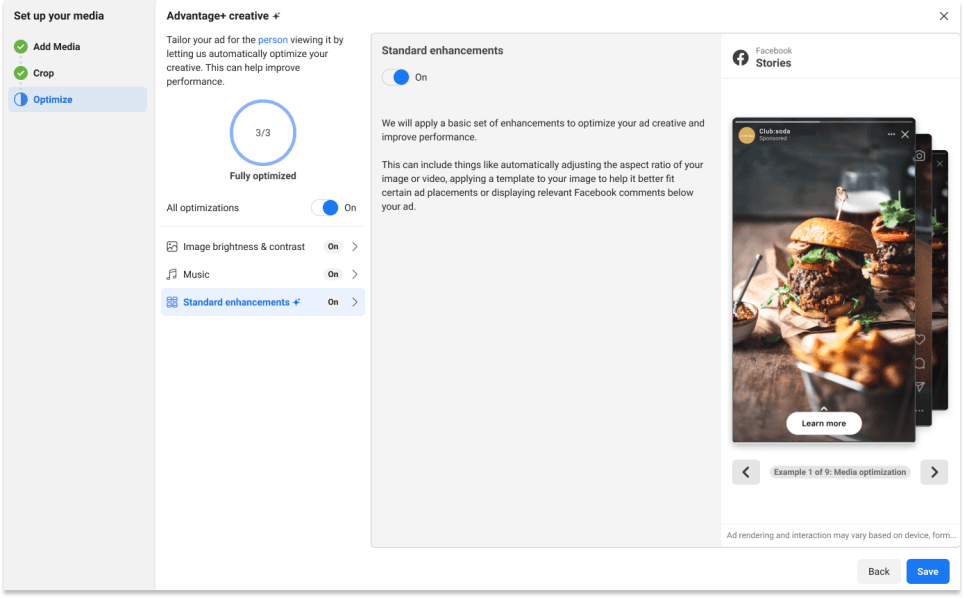
Setup screen showing how Meta can automatically optimise your campaign assets
3. Broken Post-Click Experience
Clicks don’t convert if the landing experience lets them down.
Getting the click is only half the battle. What happens after that click determines whether your budget drives revenue or just traffic.
You can have the perfect ad copy, the best audience targeting, and a beautifully optimised campaign… but if the landing experience falls flat, you’ve already lost the sale.
A weak post-click experience shows up in a few familiar ways:
- Slow page speed: Every extra second of load time drives potential customers away.
- Message mismatch: An ad promising “30% off winter jackets” that lands on a generic homepage creates instant frustration.
- Poor UX: Confusing layouts, irrelevant products, or intrusive pop-ups all disrupt the buying flow.
When your landing page doesn’t align with the ad’s intent, users drop off - and the algorithm learns all the wrong lessons. Google and Meta both use engagement metrics (like bounce rate and session duration) to gauge relevance. A poor experience sends those signals plummeting, making your ads more expensive to run over time.
Strong campaigns and smart creative can’t make up for a bad user journey. Paid media and UX go hand in hand - one drives traffic, the other converts it.
You've probably seen one of these before - for ad campaigns, 404 = lost revenue
4. Bad Data and Missing Tracking
Your tracking is only as strong as your data accuracy.
A simple (but not often discussed) fact is the that if your data is wrong, every decision that follows will be too.
Conversion tracking is the backbone of paid media - it’s how you know what’s working, what’s wasting spend, and what’s worth scaling. But it’s also one of the most commonly broken parts of an account.
We’ve seen it all: tracking tags placed in the wrong spot, missing purchase events, duplicate conversions, or analytics systems that don’t speak to each other. The result is campaigns that look like they’re performing well, but are optimising for the wrong outcomes.
And the thing is, it’s not just about human visibility.
The algorithm learns from the same data you do. If you’re feeding it inaccurate signals, it will optimise toward bad outcomes.
For example:
- If your purchase event isn’t firing, Google Ads will optimise for clicks instead of sales.
- If your tracking pixel is duplicated, conversions are inflated, and the algorithm will overspend chasing “phantom” success.
- If revenue values aren’t passed back, you’ll never know which products or categories truly drive return.
Clean, consistent data lets you make confident decisions and helps the machine make smarter ones, too.
Bad data in = bad performance out. Get your tracking right before you spend another dollar.
5. Mismanaging Audiences and Exclusions
Smart targeting is knowing who not to reach.
Paid media isn’t just about who you target - it’s about who you don’t.
One of the most overlooked aspects of paid campaign performance is audience management. Even the most beautifully optimised ad can fail if it’s shown to the wrong people, too many people, or the same people too often.
The balance is delicate:
- Over-segmentation spreads your budget too thin, making it hard for campaigns to gather meaningful data or exit the learning phase.
- Under-segmentation lumps too many audience types together, diluting relevance and driving up costs.
And then there are exclusions - arguably one of the smartest (and cheapest) optimisation tools available. Excluding irrelevant audiences keeps your ads from appearing in places where they’ll never convert.
For example:
- A jewellery brand’s YouTube ads showing on children’s channels.
- A homeware brand’s remarketing ads targeting users who already purchased.
- A retailer showing ads to out-of-market regions they don’t even ship to.
Every wasted impression or accidental click is money out the door - and worse, it sends bad engagement signals to the platform.
Audience precision doesn’t just protect your budget. It teaches the algorithm where your real customers are.
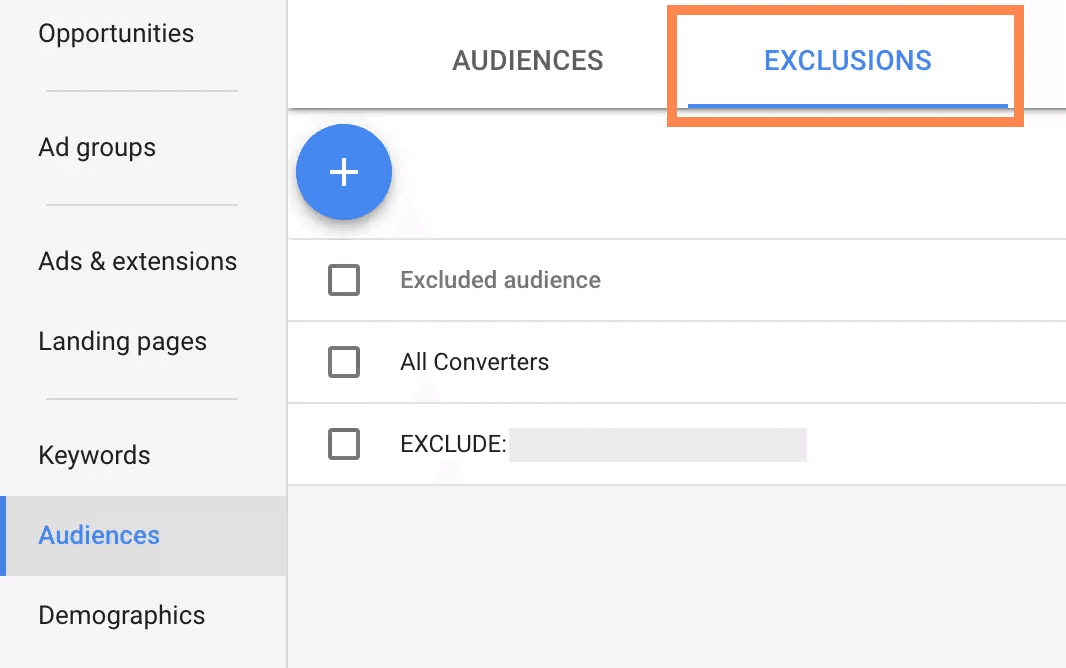
Exclude audiences in Google Ads
Precision Over Assumptions
Paid media can drive incredible results, but only when it’s built on clarity, consistency, and curiosity.
Campaigns fail not because of a single bad ad or keyword, but because of small cracks that spread: missing data, poor optimisation habits, irrelevant audiences, or landing pages that don’t hold up their end of the bargain.
The real performance killer isn’t the algorithm, it’s assuming the algorithm can do everything for you. AI can automate, predict, and even suggest, but it still needs human direction.
The difference between good campaigns and great ones isn’t budget - it’s the balance between automation and active strategy.
Our Paid Media specialists spend every day inside these platforms, optimising, testing, and learning what works across ecommerce brands large and small. Because we know that growth doesn’t come from shortcuts - it comes from precision.
Need help turning your paid media into a performance engine? Let’s talk strategy.
Did you read our last Performance Killers piece? Check it out here!