Pros and Cons of Google Analytics 4
29 November 2023

Roberta Johnston
SEO Lead
I'm an SEO specialist with over 8 years of experience helping brands grow through strategic, data-driven search optimisation. I've worked with large e-commerce websites and niche brands alike, developing a deep understanding of ranking algorithms, generative AI, and LLMs like ChatGPT, Perplexity AI, and Gemini. My expertise spans technical SEO, ensuring sites - whether a few dozen pages or 100,000+ - are crawled and indexed effectively.
Tags
The digital landscape is continually evolving, and so are the tools that help businesses understand their online performance. Google Analytics, the cornerstone of website analytics for many, underwent a transformative shift with the introduction of Google Analytics 4 (GA4).
Marking a departure from its predecessor, Universal Analytics (UA), GA4 presents a paradigm shift in how businesses track and interpret user behaviour. In this blog, we'll delve into the intricacies of GA4, exploring its nuances, comparing it to UA, and uncovering the pros and cons that ecommerce businesses should consider for a data-rich understanding of their online presence.

What is Google Analytics 4 and Why the Transition?
Google Analytics has been a quintessential tool for understanding website performance, offering invaluable insights into user behaviour and engagement. However, the digital landscape is continually evolving, prompting the need for a more comprehensive, user-centric approach to analytics. This ushered in Google Analytics 4 (GA4) as the successor to Universal Analytics (UA), aiming to provide a more holistic view of user interactions across various touchpoints.
GA4 represents a paradigm shift, moving away from traditional session-based tracking to a more dynamic event-based tracking system. Unlike its predecessor, GA4 places a heightened focus on capturing user interactions as individual events, offering a deeper understanding of user behaviour throughout the customer journey. The transition from UA to GA4 isn't merely an update but a reimagining of how we perceive and analyse user data in the digital age.
Related: Embracing Change: Transitioning to Google Analytics 4
At Blackpepper, we've embraced this transition and have delved into the realm of GA4, leveraging its capabilities to help ecommerce businesses unravel deeper insights and craft more effective digital strategies. While our experience with UA’s successor hasn’t been without its hurdles and learning curves, our experienced team has dived right into the tool to maximise its capabilities and uncover its limitations. Here’s what we’ve learned so far, starting with the key differences between the two tools.
Differences Between GA4 and Universal Analytics
Session-Based vs. Event-Based Tracking
In Universal Analytics, the tracking model primarily operates on session-based data, delineating user activity within specific sessions. This session-based approach captures interactions as a collective entity during a single visit, encapsulating multiple actions within a predefined timeframe.
However, Google Analytics 4 presents a significant departure from this methodology, shifting towards an event-based tracking system. In GA4, each user interaction, regardless of its occurrence within a session, is recorded as a discrete event. This pivotal change allows for a more nuanced understanding of user engagement, offering insights into individual actions and behaviours across multiple visits.
Keep Reading: The Future of Search: A Deep Dive into Google’s SGE
Redefining Bounce Rate with Engagement Rate
The conventional concept of "bounce rate" in Universal Analytics signified single-page sessions, where users exited without further interaction. Contrastingly, GA4 introduces a redefined metric termed "engagement rate," encompassing any session that exceeds a 10-second duration. This new approach broadens the scope by considering sessions with longer spans, presenting a different perspective on user engagement metrics.
Default Attribution Modelling Shift
Another significant alteration in GA4 lies in its default attribution modelling. Unlike Universal Analytics, which typically defaulted to "last non-direct click," GA4 adopts a data-driven attribution model by default. This modification reflects a more sophisticated approach, attributing conversions to multiple touchpoints within the user journey, offering a holistic view of the conversion path.
Enhanced Cross-Domain Tracking
Google Analytics 4 enhances cross-domain tracking capabilities, streamlining the process of monitoring user activity across different domains or subdomains. This improvement facilitates a more seamless tracking experience, crucial for businesses with multiple online properties seeking comprehensive insights into user behaviour across varied platforms.
Now that we’ve looked at the major differences between GA4 and Ua, let’s discuss the whole reason you’re reading this blog: the pros and cons of Google Analytics 4.
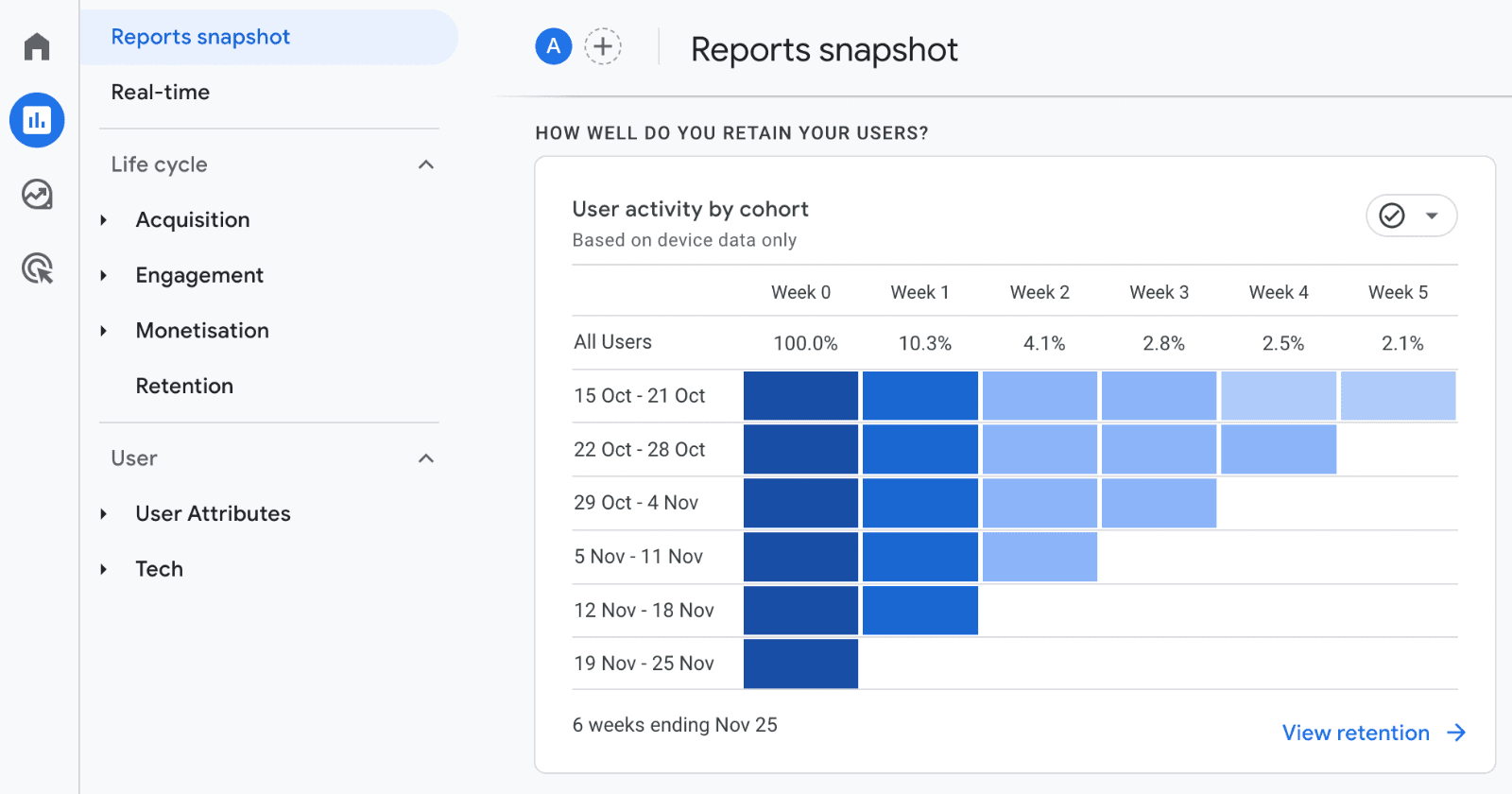
The Pros of GA4
Easy Implementation with Google Tag Manager
Google Analytics 4 integrates seamlessly with Google Tag Manager, simplifying the implementation process for businesses. This integration streamlines not only the deployment of GA4 property measurement IDs but also tag management, and enables the efficient deployment of tracking codes, allowing for swift setup and configuration.
Enhanced Event-Based Tracking for Conversion Optimisation
GA4's shift toward event-based tracking marks a significant advantage, particularly for ecommerce businesses. Event-based tracking offers a more refined and granular approach to understanding user interactions, optimising conversion tracking, and facilitating more precise measurement of critical metrics vital for ecommerce success.
Read More: Top 10 Analytics Metrics for Ecommerce Websites
Improved Functionality for Single Page Apps (SPAs)
Single Page Applications (SPAs) represent a modern web application architecture where the entire application operates within a single web page. Unlike traditional websites that reload entirely when navigating between pages, SPAs dynamically rewrite the current page instead.
Google Analytics 4 demonstrates enhanced capabilities in catering to SPAs. With an event-driven model, GA4 effectively captures user interactions within SPAs, providing more comprehensive insights into user behaviour within these dynamic web environments.
DebugView for Real-time Tag Firing Checks
The inclusion of DebugView in GA4 allows marketers to conduct real-time checks on tag firing and event tracking. This invaluable tool aids in troubleshooting and validating data collection, ensuring accurate and reliable tracking, and preventing potential discrepancies.
Advanced Funnel Creation and Analysis
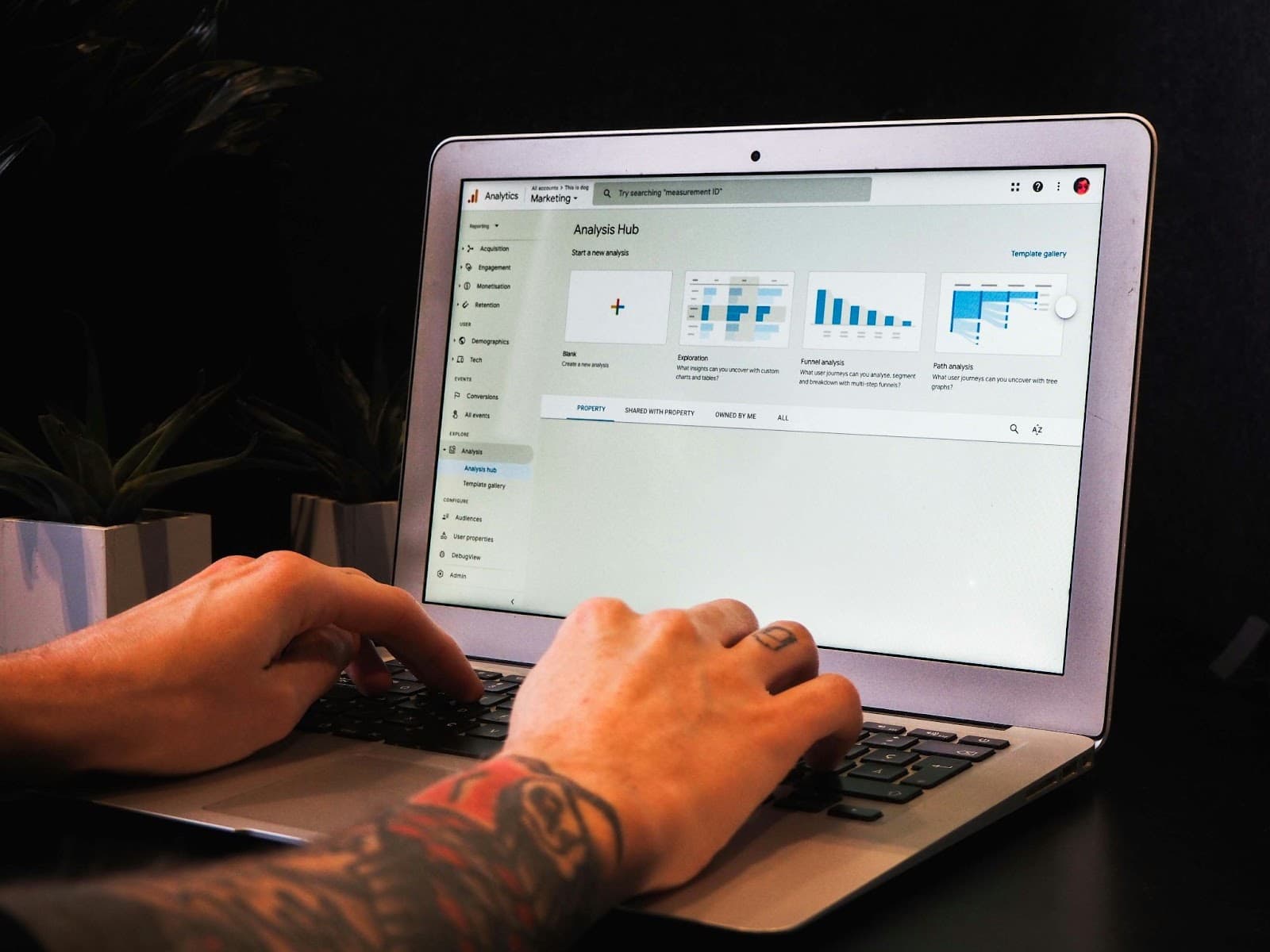
GA4 introduces a refined funnel analysis system, offering more advanced and customizable options. This feature enables businesses to create multi-step funnels with greater granularity, providing deeper insights into the user journey and identifying potential areas for improvement.
Enhanced Access to Integrated Features
Google Analytics 4 provides free access to several enhanced integrations like BigQuery, Google Optimise, and Google Merchant Centre. These integrations offer extended functionalities and data-driven insights, empowering businesses with valuable tools to enhance their online presence and marketing efforts.
Streamlined Audience Creation and Integration
The automation of custom audience creation within GA4 ensures seamless integration with other Google tools and third-party platforms. This simplifies the process of connecting audience segments to various marketing platforms, facilitating more targeted and impactful campaigns.
Integration with Google Adsense
GA4 integration with Google Adsense offers an added advantage, providing more comprehensive insights into ad performance and user behaviour within your website, facilitating data-driven decisions in advertising strategies.
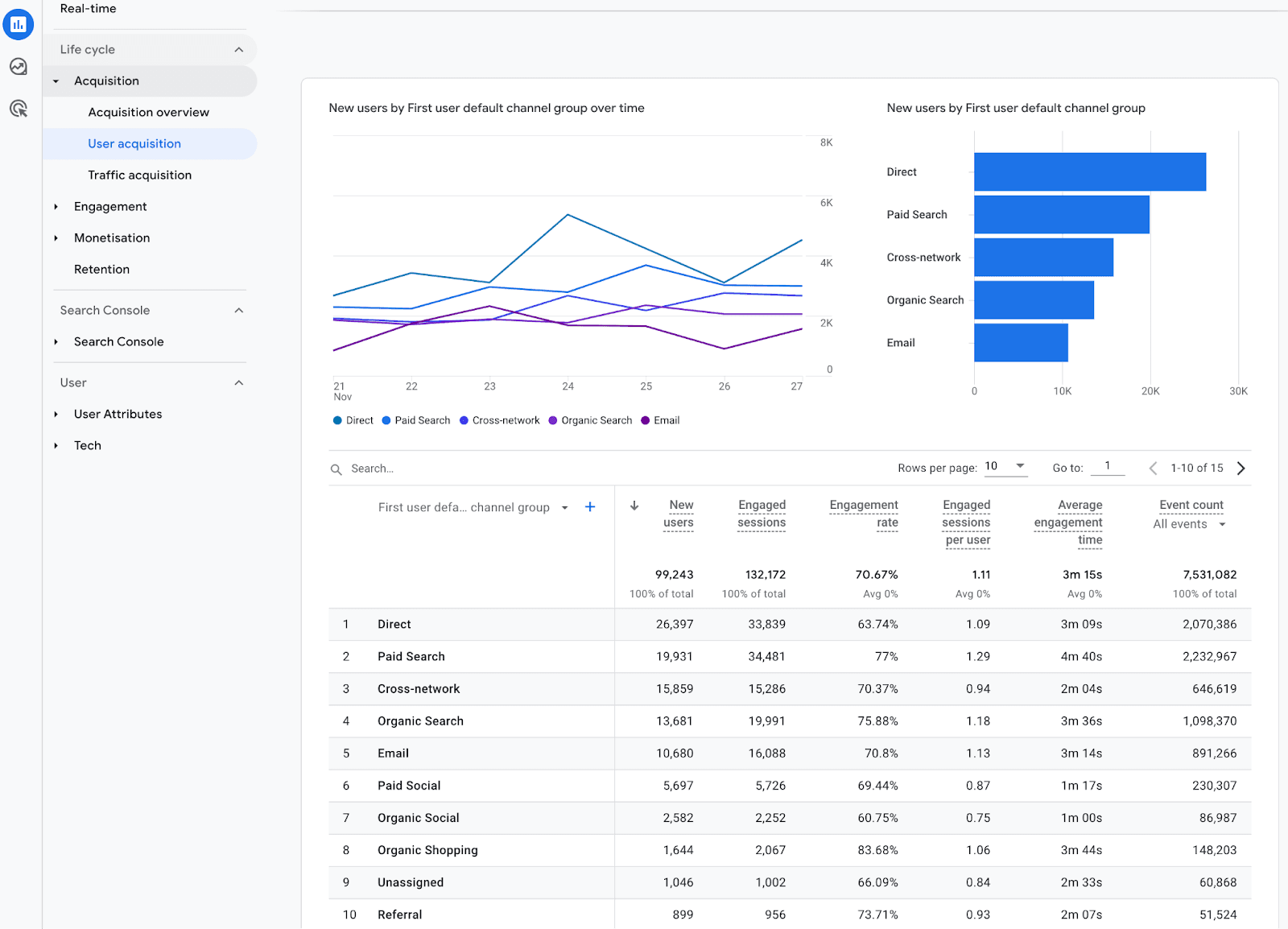
Cons of Google Analytics 4
Changed Interface and Learning Curve
Google Analytics 4 introduces a notably different interface compared to its predecessor, Universal Analytics, which might create a learning curve for even experienced marketers. Some users have found the newer interface less intuitive and more complex to navigate.
Limitations in Free Version
One notable limitation in the free version of GA4 is the inability to create multiple views. For website owners and webmasters, having multiple views was beneficial for testing and comparison purposes, which is currently limited in the free version of GA4.
Property Limits and Thresholding in Standard Reports
Similar to Universal Analytics, GA4 also has property limits, which can pose a challenge for organisations handling multiple websites or domains. Moreover, thresholding applies to standard reports, meaning not all data may be visible, especially for sites with higher volumes of traffic.
Challenges in Data Model Comparison
The shift in the data model from session-based tracking to event-based tracking makes direct comparisons between GA4 and Universal Analytics data more challenging. The change in metrics and measurement models might result in difficulties when comparing data between the two versions.

Why Embracing GA4 Matters for Understanding Site Performance
Despite the challenges marketers, website owners, webmasters and even our own team has faced in the migration to the new analytics, embracing GA4 is crucial for understanding site performance in today's dynamic digital landscape.
The event-based tracking system, improved conversion tracking, enhanced measurement for single-page applications, and integrations with various Google tools allow for a more holistic view of user interactions and site effectiveness.
Transitioning to Google Analytics 4 might present certain challenges, but the benefits it offers in terms of advanced tracking, comprehensive insights, and improved functionalities outweigh the initial learning curve. As digital landscapes evolve, GA4 becomes increasingly imperative for businesses aiming to understand and enhance their online performance and user engagement.
Struggling to understand how to maximise GA4 for your business? Let our experts handle the hassle for you!