Remarketing & Retargeting: Are They the Same Thing?
22 November 2023

Roberta Johnston
SEO Lead
I'm an SEO specialist with over 8 years of experience helping brands grow through strategic, data-driven search optimisation. I've worked with large e-commerce websites and niche brands alike, developing a deep understanding of ranking algorithms, generative AI, and LLMs like ChatGPT, Perplexity AI, and Gemini. My expertise spans technical SEO, ensuring sites - whether a few dozen pages or 100,000+ - are crawled and indexed effectively.
Tags
When it comes to digital marketing, terms like "remarketing" and "retargeting" often get tossed around interchangeably, leading to confusion among ecommerce aficionados. Are they the same, or are there nuances that set them apart, influencing your brand's online presence and customer engagement?
At Blackpepper, we understand that mastering the subtleties between these two strategies can significantly impact your ecommerce success. Keep reading to find out what each concept actually means and how they differ. By the end of this read, you'll not only differentiate between the two but also comprehend how ecommerce digital marketing experts like us can wield them to your advantage in the dynamic realm of online sales and customer conversions.

What is Remarketing?
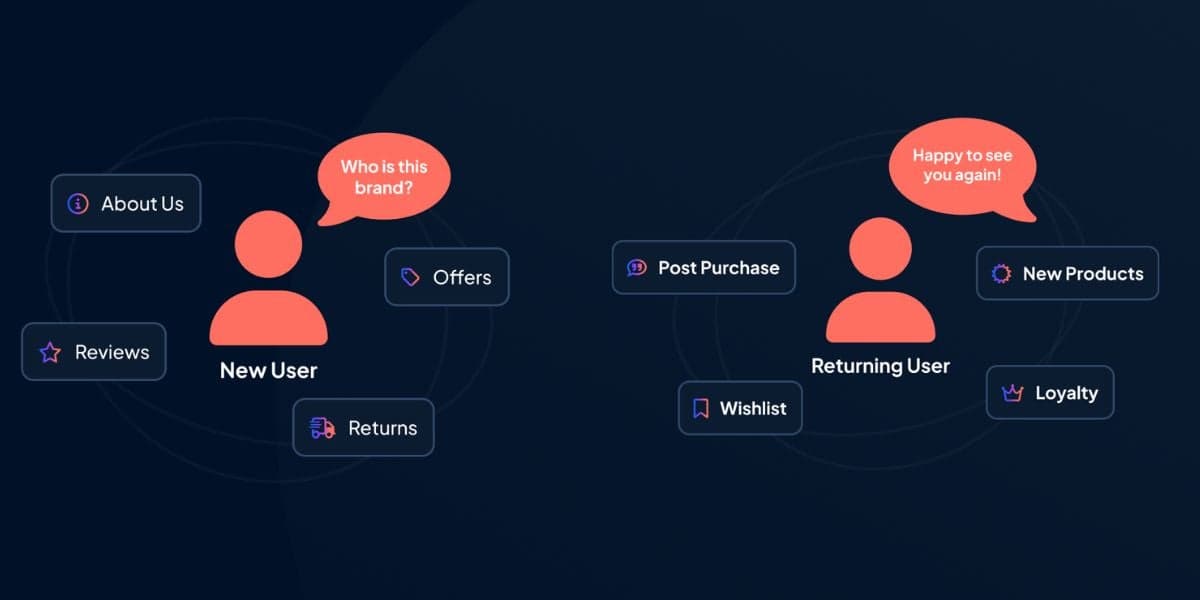
Remarketing is a strategic marketing technique that involves reconnecting with users who have previously interacted with your website or mobile app but haven't made a purchase or completed a specific action.
These interactions could include visiting certain product pages, adding items to the cart, or even initiating the checkout process without finalising the purchase. Remarketing allows you to re-engage these visitors by displaying targeted ads to encourage them to return and complete the desired action.
Understanding Retargeting
On the other hand, retargeting focuses on re-engaging users through the use of ads based on their previous online interactions. Unlike remarketing, which primarily uses email as a means of reconnection, retargeting employs online display advertising.
Retargeting ads are showcased to users as they browse other websites or social media platforms after visiting your site, subtly reminding them of products or services they viewed earlier. This technique aims to keep your brand at the forefront of their minds, prompting them to return and make a purchase or convert.
Read More: How to Improve Ecommerce Website Conversion Rates

Key Differences Between Remarketing and Retargeting
1. Method of Reconnection
Remarketing: Primarily involves re-engaging with users through email. It centres around sending personalised messages or targeted emails to encourage them to revisit your site and complete an action.
Retargeting: Utilises online display advertising to reconnect with users as they browse the web or social media platforms. Retargeting ads remind them of products or services they previously showed interest in.
2. Audience Targeting
Remarketing: Focuses on users who have previously engaged with your brand but may not have completed a purchase or another desired action.
Retargeting: Targets users based on their browsing behaviour on your website, displaying relevant ads to keep your brand visible to them as they explore other sites.
3. Platform Usage
Remarketing: Primarily occurs through email marketing campaigns.
Retargeting: Involves the use of online display ads across various websites and social media platforms.
Related: Top Social Media Platforms for Ecommerce Businesses
Understanding the Confusion: Retargeting vs. Remarketing
The confusion between retargeting and remarketing often stems from their similar objectives and methodologies. Remarketing, as a term, has evolved to encapsulate both strategies, leading to a blur in their distinction. Initially, "remarketing" referred to reconnecting with past visitors via email, emphasising re-engagement through tailored messages. Concurrently, "retargeting" specifically involved serving ads to users who've visited a website or interacted with a brand but didn't convert.
Over time, this terminology has merged due to shared goals: re-engaging potential customers and nudging them towards conversions. As a result, the industry now often uses "remarketing" as an umbrella term encompassing both retargeting and re-engagement strategies, contributing to the overarching confusion between the two concepts in the realm of digital marketing.
Understanding this amalgamation is crucial for navigating the nuances of these strategies and effectively utilising them in your ecommerce marketing efforts.

Platforms for Retargeting in Ecommerce
Reaching out to potential customers who have shown interest in your products or services is pivotal. Retargeting finds its power in reconnecting with those users who have interacted with your brand previously. Various platforms offer distinct opportunities for retargeting, enabling tailored ad placements aimed at reigniting their interest and boosting conversions.
Keep Reading: Why PPC Marketing is More Important Than Ever for Ecommerce Websites
Google Ads
Display Network: Shows ads to users who have previously visited your website while they browse other sites within the Google Display Network.
Search Network: Allows you to display ads to users who have previously visited your site when they perform subsequent searches related to your products or services.
Facebook Ads (Meta)
Facebook Pixel: A tracking tool enabling retargeting based on users' interactions with your website or specific products, allowing you to show them relevant ads on Facebook and Instagram.
Instagram Ads
Instagram Pixel: Similar to Facebook Pixel, this enables retargeting by tracking user behaviour on your site and displaying relevant ads on Instagram.
Pinterest Ads
Pinterest Tag: Allows tracking and retargeting users who have engaged with your site or specific products. You can create tailored ads to reach these users on Pinterest.
TikTok Ads
TikTok Pixel: Tracks user actions on your website and enables retargeting by showing relevant ads to users on the TikTok platform based on their previous interactions with your site.

Effectiveness and Application in Ecommerce
Each of these platforms provides unique opportunities for retargeting. Leveraging the right platform depends on your target audience's preferences and behaviour. At Blackpepper, we craft comprehensive retargeting strategies, analysing user behaviour and selecting the most effective platforms to reach and re-engage potential customers, driving them back to your ecommerce site for increased conversions.
Trust Blackpepper with Strategic Remarketing & Retargeting Campaigns
At Blackpepper, we understand the nuances between remarketing and retargeting and leverage both strategies to ensure comprehensive customer engagement for our clients. Our tailored campaigns harness the power of these techniques to re-engage potential customers, guiding them back to your site and boosting conversion rates.
Whether it's crafting purpose-built email sequences or creating eye-catching retargeting ads, we optimise each touchpoint to maximise your brand's visibility and encourage action.