Retail Innovation Conference & Expo: Key Insights
23 September 2024
Tags
This article has been written by our Client Service Account Director Stacie Croghan.
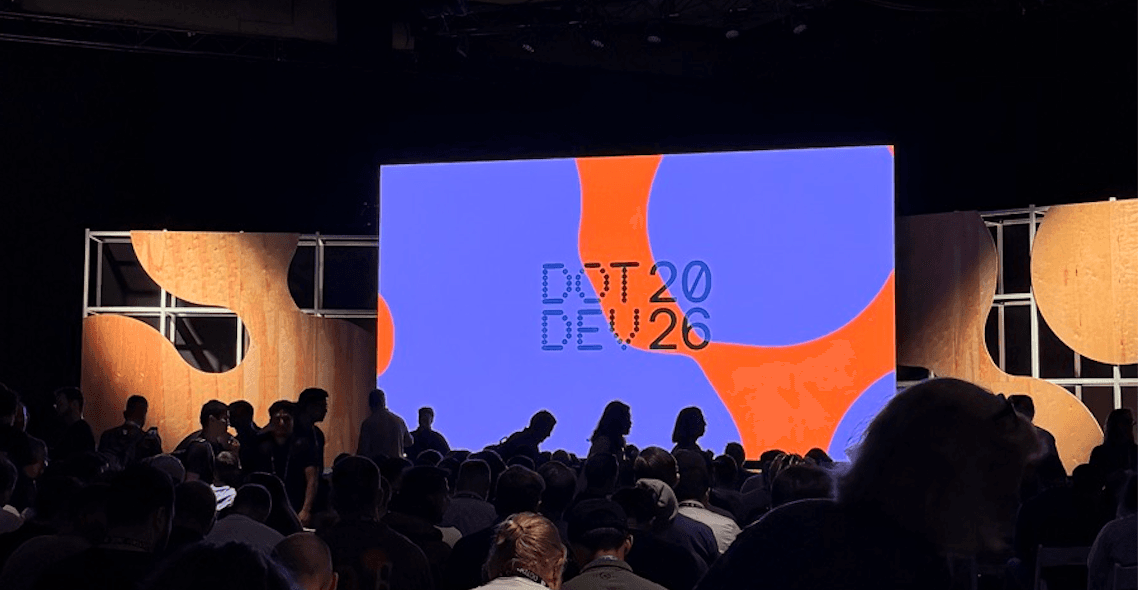
This year, our CEO Alain, Creative Director James, and I attended the Retail Innovation Conference & Expo - a gathering of industry giants discussing the cutting-edge trends and technologies reshaping the retail world.
With speakers from companies like Spotify, Reddit, Ikea, and even the NBA, the event offered a wide range of perspectives across industries, but one key theme resonated throughout: the power of AI and personalisation in shaping the future of retail.
As AI and personalisation is something we've been working on internally as an ecommerce agency, we were keen to learn what we could from these established brands - and share it with you! Here are our key takeaways from RICE 2024.
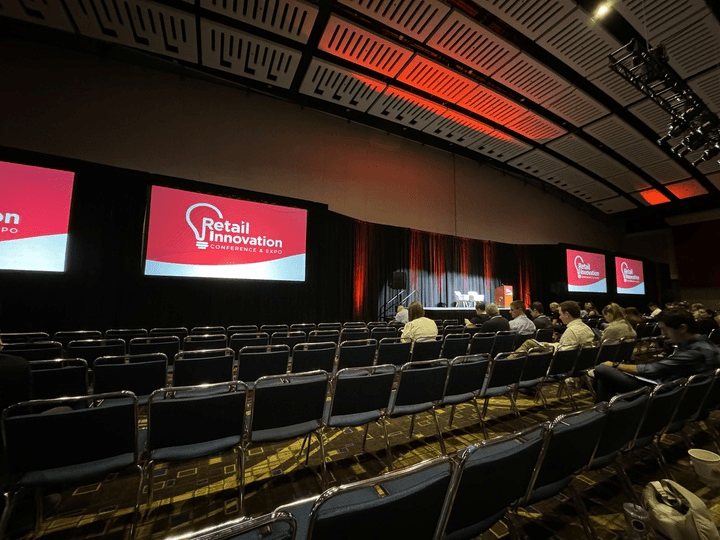
Embracing New Technologies & Customer-Centric Innovation
At the conference, one of the clear messages we kept hearing was how crucial it is for retail brands to embrace, experiment with, and measure new technologies to unlock their full potential. AI and personalisation were at the heart of many discussions, with leaders sharing how they’ve successfully implemented these cutting-edge solutions. But what really resonated with me was the idea that it's not enough to just follow trends.
The key takeaway? You need to first understand what aligns with your mission, values, and customer needs before jumping into new tech. New innovations can be exciting, but they should only be adopted if they genuinely complement your business strategy and drive meaningful outcomes.
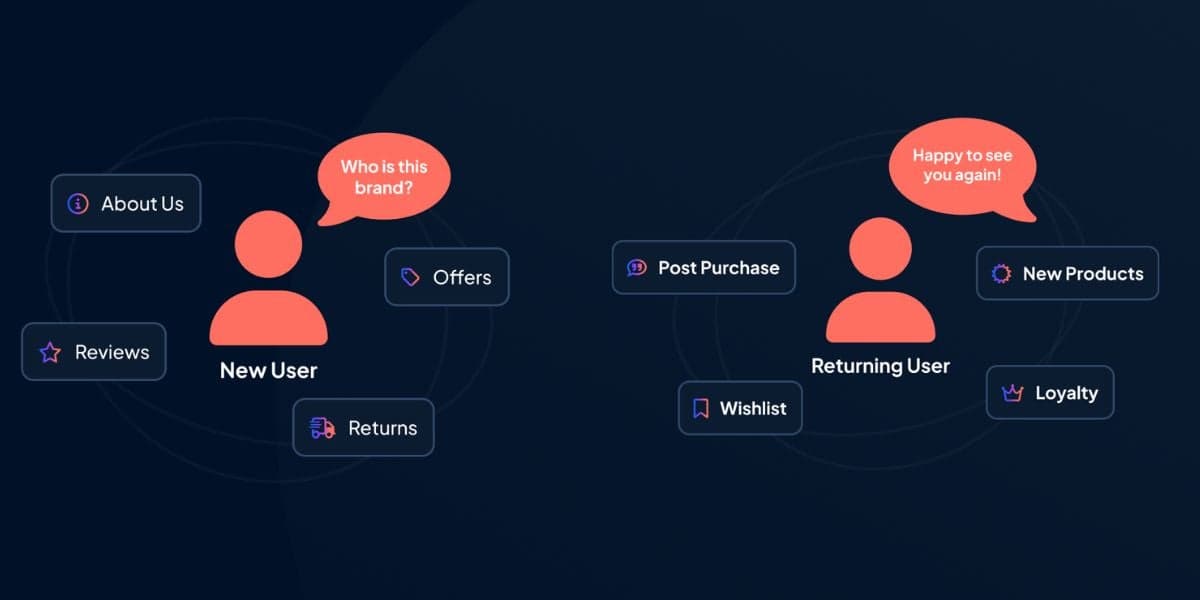
In fact, understanding your customers is at the core of these innovations. Several speakers emphasised the importance of knowing your audience deeply - whether that’s through AI-driven personalisation, omnichannel experiences, or new forms of engagement. The goal is always to connect with your customers authentically, meet their needs, and even deliver solutions they didn’t know they needed. When done right, technology should enhance customer engagement, create shared benefits, and foster long-term loyalty.
Read More: Driving Repeat Purchases - Loyalty Programs for Ecommerce

Meral Arik – Puller AI & Kenzi Inman – NBA
A perfect example of how technology can be used to enhance customer engagement came from a session with Meral Arik from Puller AI and Kenzi Inman from the NBA. One of the key points Meral made was about the importance of “knowing your business first and your audience second.” It can be easy to get distracted by every new technology or trend, but the reality is, anything you do should complement your core business focus.
Her insight really stuck with me:
“It’s your job to figure out the things that customers need and deliver them before they realise they need them. Rather than simply asking customers what they want, the real innovation comes from proactively discovering their needs and creating meaningful solutions."
Kenzi shared some fascinating examples of how the NBA is doing just that. One standout was their use of utility-based NFTs, which offer seat licenses for All-Star games before any logistics are even in place. They’ve also embraced mixed-reality experiences like NBA Space, allowing fans to engage digitally during live events - talk about enhancing the fan experience! These innovations go beyond gimmicks; they provide real value to customers while giving the NBA deeper insights into their behaviours.
Kenzi’s advice to brands was clear: keep innovating and experimenting, but always stay aligned with your brand’s direction. “Knowing yourself helps filter feedback,” she said. It’s a reminder that while innovation is key, it’s just as important to stay true to your brand identity.
The Evolving Customer Journey & Cultural Relevance
At the conference, there was a lot of emphasis on the evolving customer journey and how cultural relevance plays a pivotal role in driving consumer engagement. Retail is no longer just about selling products - it's about integrating content, community, and commerce into a seamless and meaningful experience that connects with customers on a deeper level.
Whether it's through AI-driven personalisation or cultural engagement, the goal is to create a customer journey that feels immersive and authentic.
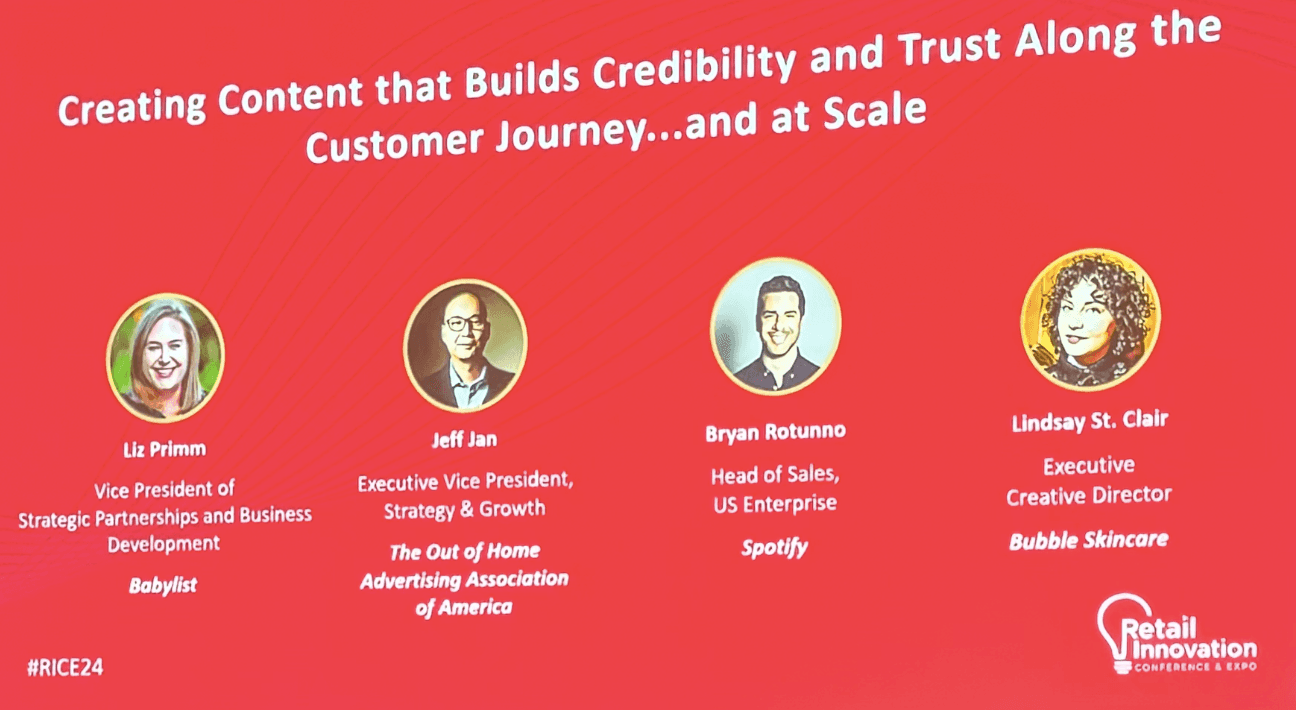
Bryan Rotunno – Spotify
A great example of this came from Bryan Rotunno of Spotify, who spoke about building trust, improving user experience (UX), and making a brand stand out in an increasingly crowded digital landscape. What really resonated with me was the focus on small but impactful moments that create surprise and delight for users.
Rotunno highlighted that while Spotify hasn’t changed its core offering much, they continuously look for fresh ways to deliver content that resonates with their customers. A brilliant example is their Wrapped feature, which includes personalised "thank you" videos from artists - something that not only surprised and delighted users but also deepened their connection with the platform. It’s these small moments of joy that can make all the difference in creating a standout customer experience.
When it comes to building trust and credibility, Rotunno’s advice was simple but powerful: offer unbiased advice and take the time to understand your customers as people, not just as data points. By meeting your audience where they are and using polls, surveys, and customer feedback to improve UX, you can deliver what customers need before they even realise they need it.
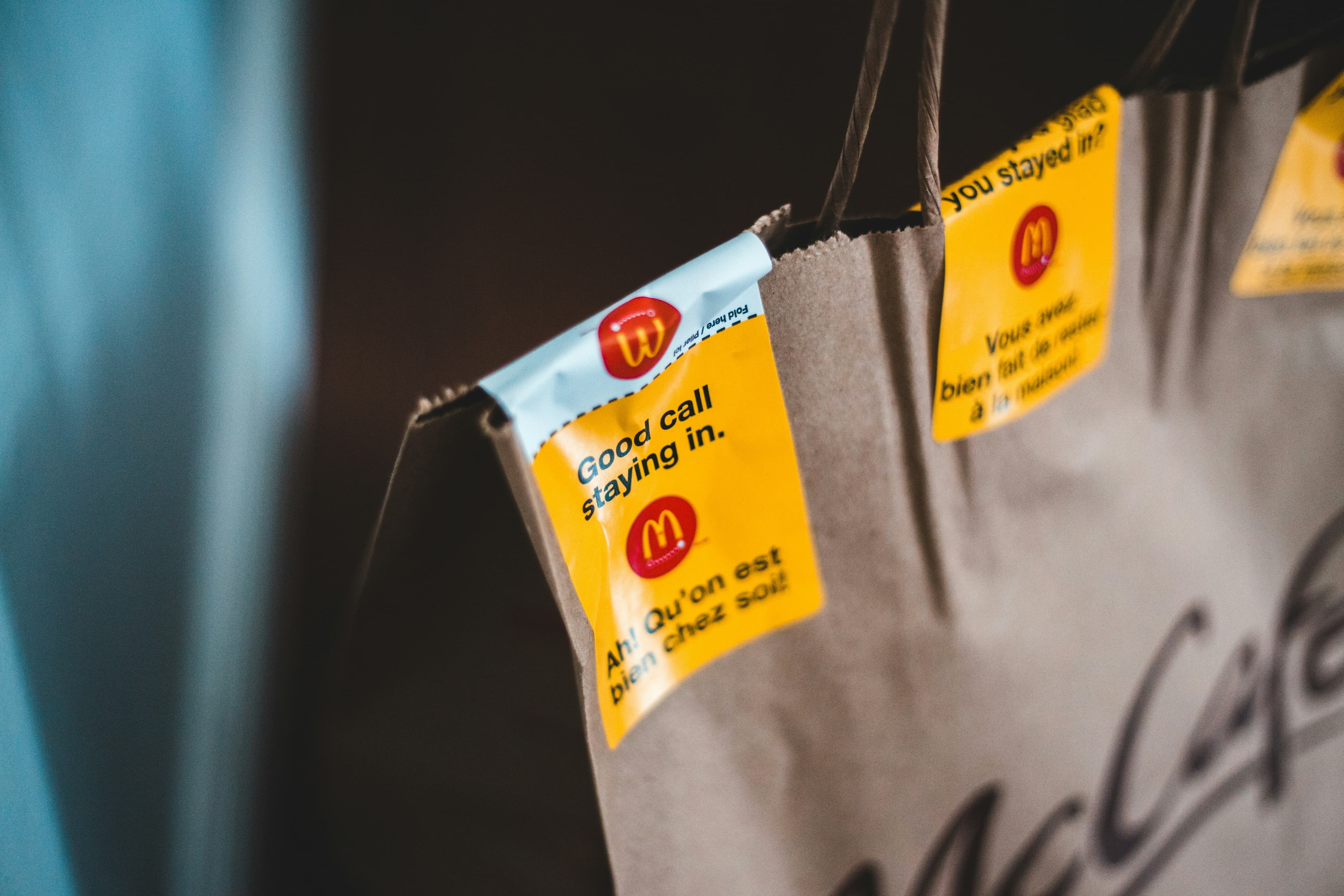
McDonald’s Approach to Cultural Relevance
Another standout session delved into how brands can tap into cultural movements to better understand their customers and resonate on a deeper level. The point that stuck with me was how McDonald’s shifted their marketing strategy to focus on loyal customers rather than trying to convert critics. Instead of pushing trends, they leaned into what their core audience already loved about the brand.
A great example of this is the Travis Scott Meal, which became a viral sensation because it celebrated what McDonald’s fans loved about the brand. By acknowledging their customers' preferences and culture, McDonald’s essentially said, “We see you and understand you” - a message that resonated far more than traditional marketing approaches.
What I found particularly interesting was the idea that we, as humans, “subscribe” to cultures based on our interests and experiences. Whether it’s being a vegan, attending a specific type of event, or even just supporting certain brands, we become part of communities that influence our behaviour. McDonald’s tapped into this idea beautifully, understanding that their core customers were more than just a demographic - they were part of a culture.
This session reminded me that cultural relevance isn’t about ticking boxes or following trends; it’s about truly understanding your audience’s identity and creating experiences that speak to who they are. In today’s world, cultural engagement is a powerful tool to build authentic connections with consumers.
In-Store and Digital Innovation
A significant focus at the conference was on how in-store and digital innovation are coming together to create seamless shopping experiences. The lines between physical and online retail are becoming increasingly blurred, with brands finding ways to enhance customer experience across both channels.
One of the key points emphasised was how retailers can leverage AI to support rather than replace human tasks. The idea isn’t about using technology to replace people, but to enhance the overall experience, both in-store and online.
Procter & Gamble (P&G) and Amazon Marketplace
During a session led by speakers from Procter & Gamble (P&G) and Amazon Marketplace, the focus was on enhancing organisational effectiveness by supplementing human tasks with AI, rather than replacing them. One of the strategies I found really interesting was using note synthesisers to streamline meeting insights, saving time and freeing up mental bandwidth for strategic thinking.
Another key takeaway was the importance of cultivating a workplace culture that fosters psychological safety and encourages employees to embrace “fast fails.” I loved hearing how Amazon even has an internal award to celebrate fast failures - reminding us that mistakes are part of the process and can often lead to valuable learnings. It’s about transparent communication, building resilient teams, and ensuring your employees have the emotional intelligence to navigate setbacks and bounce back stronger.
They also talked about carving out time for reflection and growth, which I think is so important. It’s easy to get caught up in the daily grind, but finding moments to ask new employees, “What surprised you?” helps bring fresh perspectives that can improve onboarding and integration into company culture.
Finally, I loved the reminder to bring fun into the workplace. Whether it’s encouraging team-building activities or shaking things up with something like a retail safari, it’s essential to keep the energy and creativity flowing.
Localised & Community-Centric Strategies
Some brands are going hyper-local, tailoring their offerings to specific communities. Companies like Rowan and Michaels are developing strategies that speak directly to local audiences, building brand loyalty through tailored experiences. By focusing on community engagement and leveraging local store concepts, brands are fostering deeper connections with their customers.
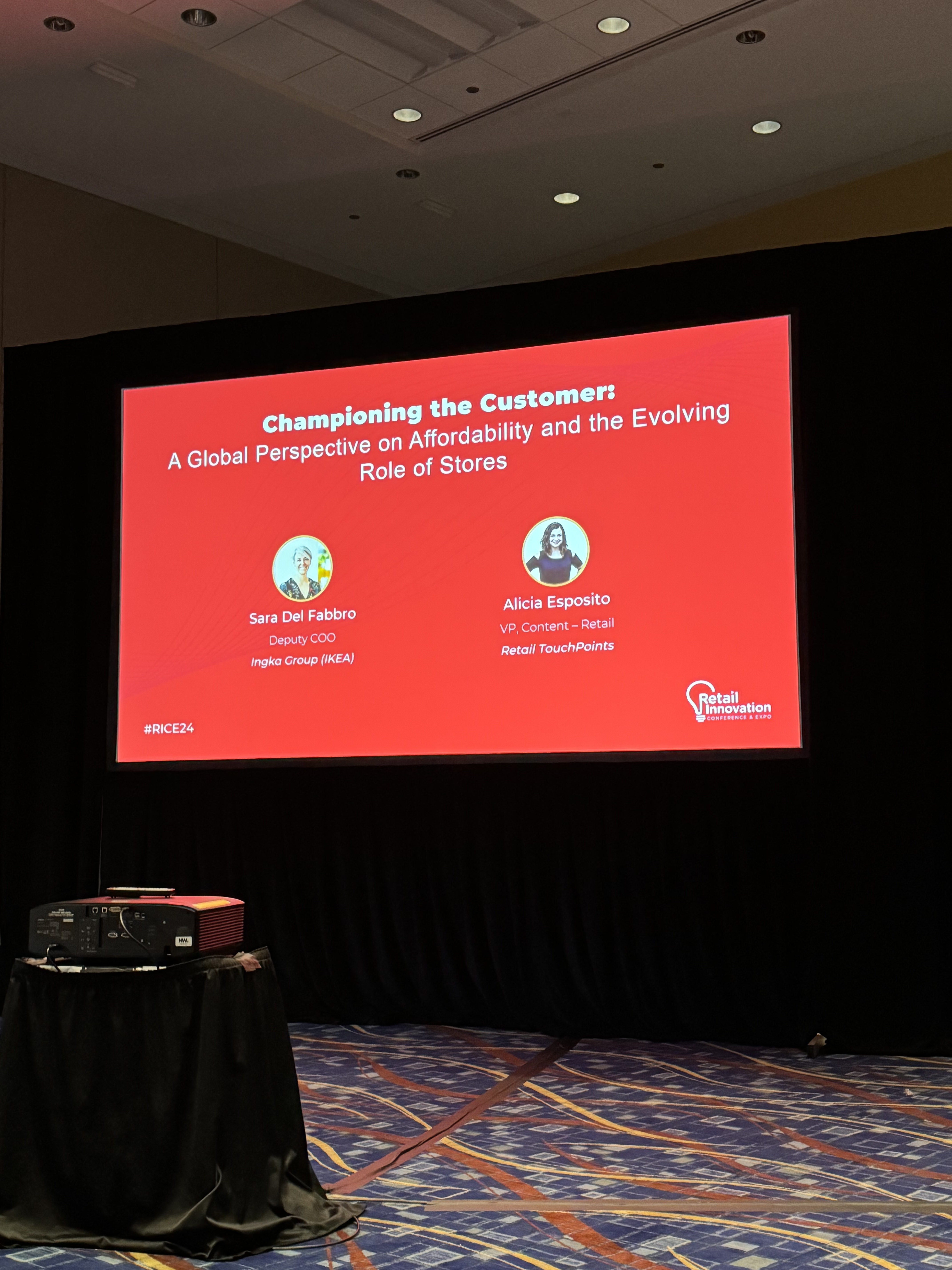
Sara Del Fabbro - Ikea
One of the standout talks came from Sara Del Fabbro, Deputy COO at Ikea, who shared how the global brand continues to prioritise customer experience across different locales. What really struck me was how Ikea manages to maintain a largely consistent brand experience worldwide while tailoring certain elements to meet local customer needs.
Del Fabbro explained how Ikea’s traditional store-based model had to adapt significantly when the brand entered the ecommerce space. In regions with lower car ownership, for example, they introduced “customer meeting points” - convenient locations where customers could pick up their orders. It’s these small but thoughtful adjustments that ensure customers, regardless of where they are, have a positive experience with the brand.
What I loved about Del Fabbro's approach was Ikea's mindset of "Test, Try, Innovate." She shared how the company isn’t afraid to make mistakes, learn from them, and continuously test new ways to better serve their customers, both in-store and online. This ongoing cycle of identifying problems and pushing the boundaries of innovation is what keeps Ikea at the forefront of customer-centric retail.
Sustainability & New Market Opportunities
Sustainability is no longer a trend - it’s a necessity. More than ever, consumers are demanding that brands adopt eco-friendly and ethical practices. At the conference, sustainability was a major talking point, not just in terms of environmental responsibility, but also from a business growth perspective. Aligning your brand values with sustainability can help build loyalty, tap into new market opportunities, and position your business for long-term success.
Sustainability goes hand in hand with innovation, and it was exciting to hear how brands are doing just that - by making conscious choices that not only benefit the environment but also meet the growing demand for ethical and sustainable products.
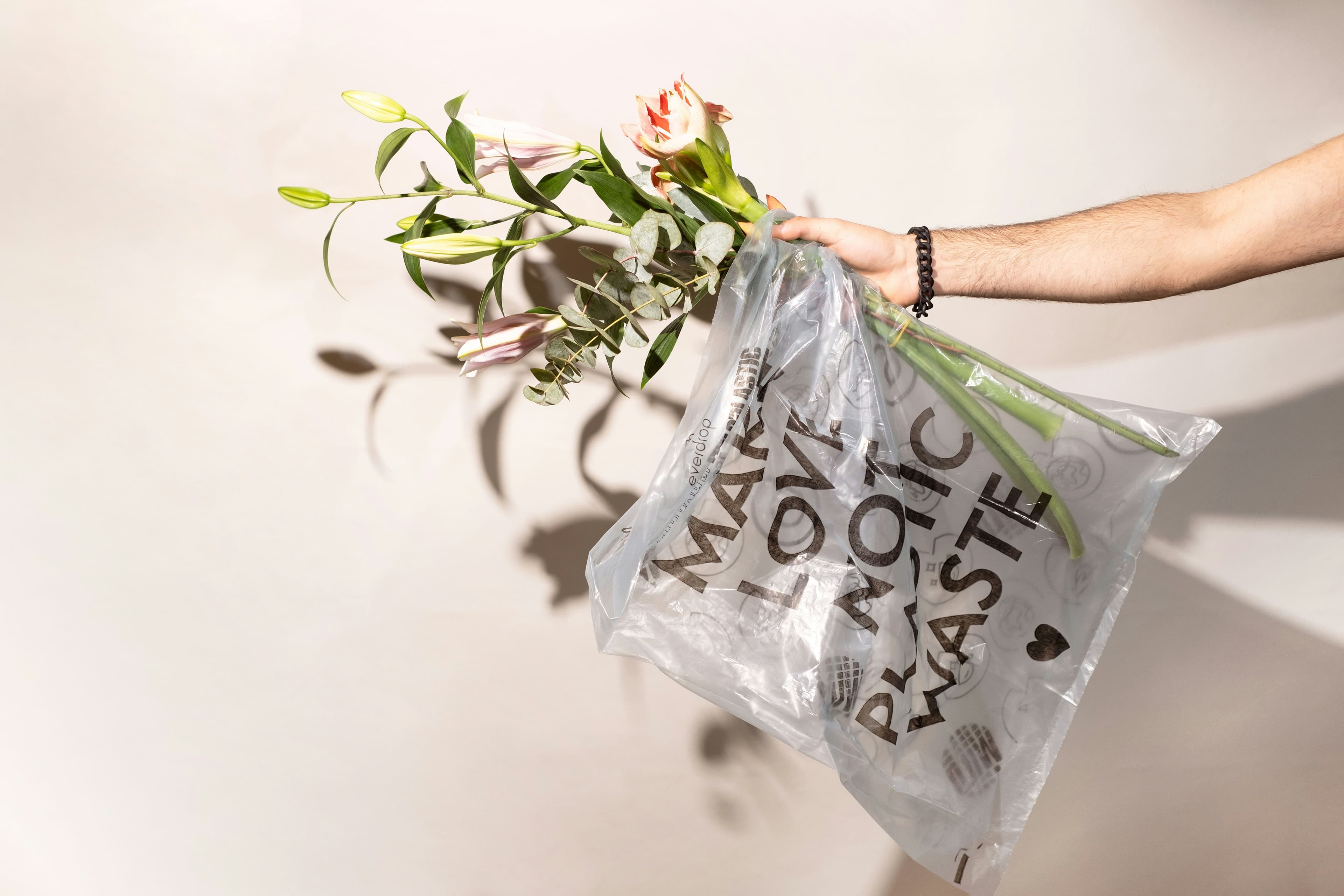
Toad&Co, Yerba Mate, and Branch Basics
One of the most insightful fireside chats featured representatives from Toad&Co, Yerba Mate, and Branch Basics, who emphasised the importance of transparency, education, and collaboration in driving sustainable retail practices. What really struck me was how each brand made sustainability a core part of their identity by educating customers - and not just selling a product.
For instance, Toad&Co prints “We hate this bag” on their plastic packaging, turning it into an educational opportunity to inform customers about reducing single-use plastics. It’s a small step, but it sparks conscious consumption. These brands are not just slapping “green” labels on their products; they’re actively working to reduce their carbon footprint and communicate these efforts to customers clearly.
They also discussed the rise of resale and rental programs, which are growing areas in the retail space. Consumers want flexibility, and programs like repair services, rental options, and buy-back programs are not only eco-friendly but also meet customers where they are in their journey toward sustainability.
One key point I loved was how sustainability and human health often go hand in hand. The healthier the product is for humans, the better it tends to be for the planet. It was a great reminder that by focusing on human health in their product development, brands are simultaneously contributing to environmental sustainability. The group stressed that brands must always educate first and sell second, spending more on content that informs customers and encourages conscious decisions.
Panel on Identifying Customer Needs & Building Communities
Another great session involved a panel discussion featuring founders from Nomadica, Brightland, and Jupiter, who shared how they built their brands by focusing on specific customer needs and building strong, relatable communities around their products.
Nomadica found a gap in the wine industry - people felt intimidated by wine and didn’t know where to start. They’ve simplified the wine journey for a new audience, using direct-to-consumer channels to test and learn from their customers. It was a fantastic example of using customer insights to shape your product and messaging.
I also loved hearing about Brightland’s journey, which started by the CEO just watching how customers shopped in supermarket aisles. No one could tell the founder where the products came from, so Brightland made it their mission to share the origin stories of their ingredients. They built a community by being transparent and active, both online and in-person. For them, the story behind the product is just as important as the product itself.
A similar story came from Jupiter, who entered a crowded market for scalp care products like Head & Shoulders. What they discovered was that they had been targeting the wrong audience - so they pivoted. Now, they focus on building a community around the idea that “we’re all in this together,” offering relatable products and messaging that address the frustrations their customers have with existing products.
All the panelists agreed on one thing: product excellence is essential. Having the best product will always be a priority, but it’s equally important to engage with customers, making them feel seen and heard. Whether it’s through personal notes in orders or meaningful customer engagement online, the connection with your community needs to be authentic to sustain loyalty.
Wrapping it Up: What We Learned at RICE 2024
Attending the Retail Innovation Conference & Expo in Chicago left us energised and inspired. From AI-driven personalisation to sustainability in retail, it was clear that the future is bright for brands that embrace innovation and stay aligned with their core values. One key takeaway we heard time and time again was that understanding your customer and embracing new technologies isn't just the way forward - it's the way to thrive in an increasingly competitive landscape.
Whether it was the NBA's creative use of mixed-reality experiences or Ikea's focus on adapting to local needs, the insights we gained are already shaping the way we approach our strategies back at Blackpepper. We're excited to continue exploring these trends and bringing them to our clients, ensuring we're always ahead of the curve.
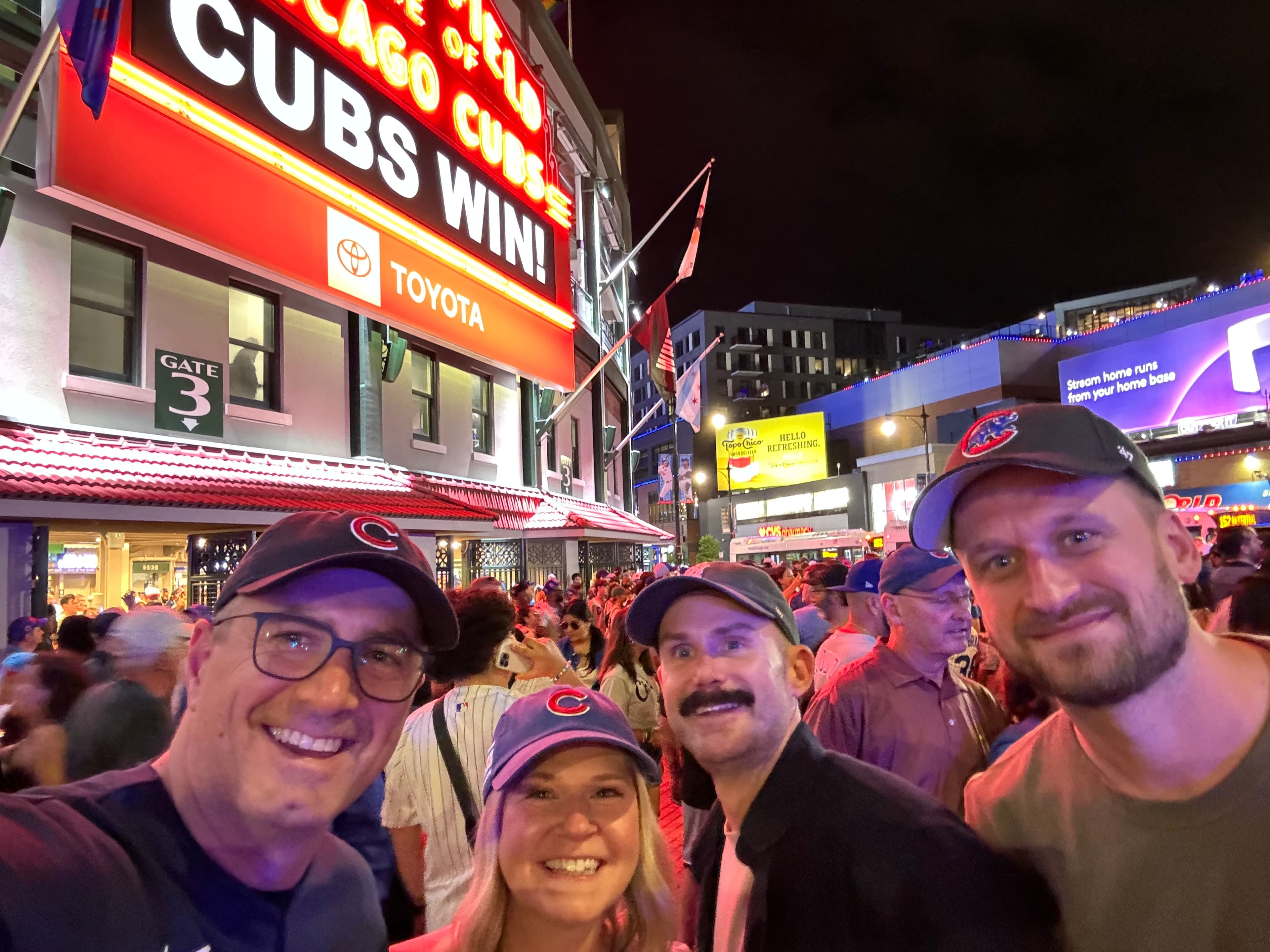
And of course, it wasn’t all work and no play! While we soaked up the retail wisdom during the day, we had the chance to catch a Cubs game at the legendary Wrigley Field in the evening. Not only did the Cubs win, but so did we, taking home a treasure trove of insights and memories. ⚾️