SearchGPT: What We Know So Far
7 November 2024

Roberta Johnston
SEO Lead
I'm an SEO specialist with over 8 years of experience helping brands grow through strategic, data-driven search optimisation. I've worked with large e-commerce websites and niche brands alike, developing a deep understanding of ranking algorithms, generative AI, and LLMs like ChatGPT, Perplexity AI, and Gemini. My expertise spans technical SEO, ensuring sites - whether a few dozen pages or 100,000+ - are crawled and indexed effectively.
Tags
It's happening - OpenAI has officially (finally?) released their own search engine. This means that, once again, the landscape of online search is being drastically revolutionised.
This new AI-powered search engine aims to provide a conversational search experience, blending generative AI capabilities with a robust knowledge base. And with ChatGPT already having a major user base - 180.5 million users as of 2024 - the general consensus is that its search engine counterpart is going to shake things up.
For ecommerce brands, it's crucial to understand how SearchGPT differs from traditional search engines and what opportunities and challenges it might bring. In this blog, we’ll take a look at what SearchGPT is, how it works, and what its implications could be for the future of online search.

What is SearchGPT?
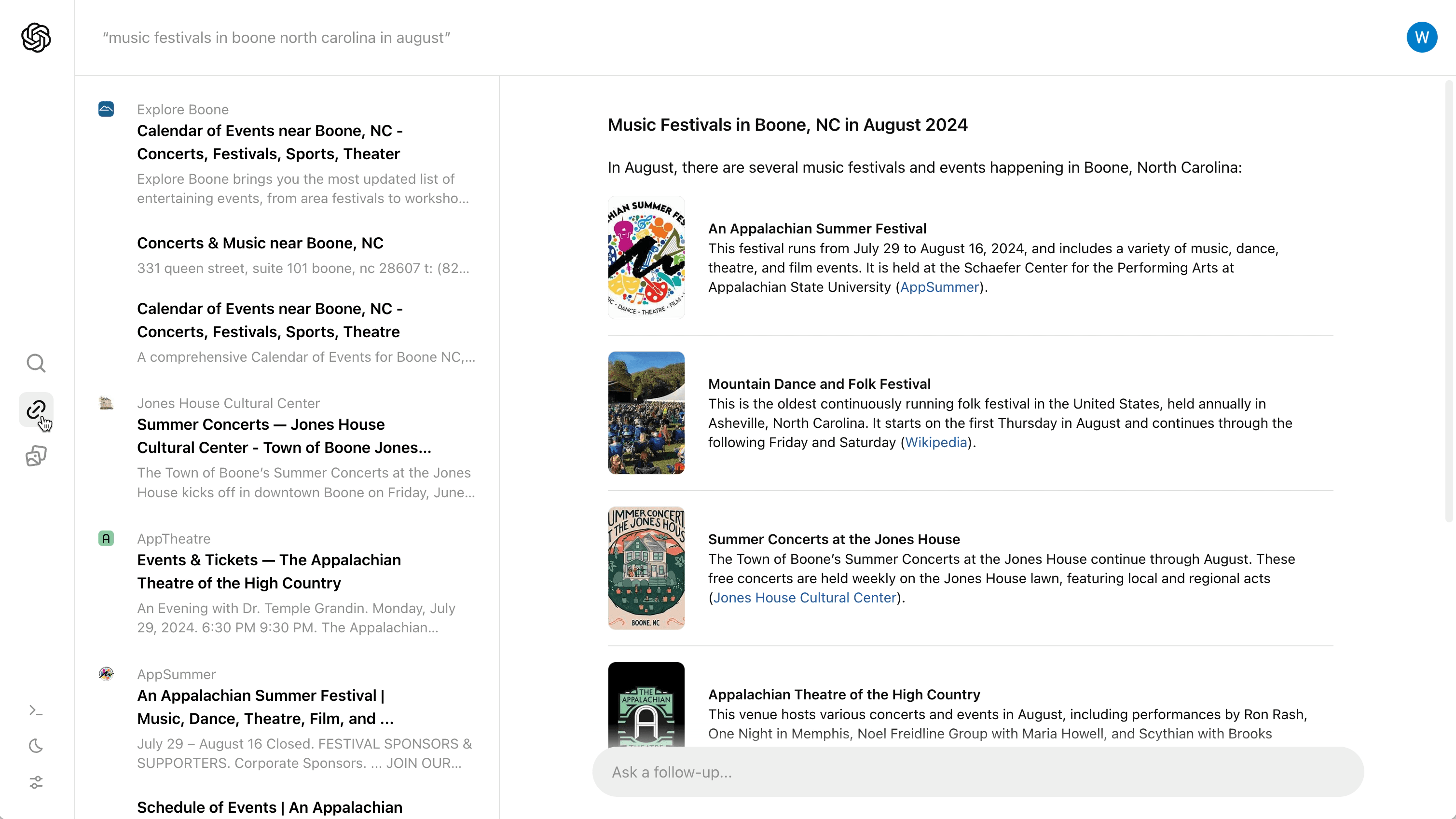
SearchGPT is OpenAI's latest venture into the world of search engines. Unlike conventional search engines like Google and Bing, which index pages and rank them based on complex algorithms, SearchGPT leverages conversational AI to engage users directly. It aims to provide answers to queries by understanding the context and the user's intent, rather than merely showing a "list of blue links". This allows for a more interactive and tailored experience.
SearchGPT isn't just designed to give you answers - it’s built to understand your questions, clarify ambiguities, and even suggest follow-up queries. Essentially, it's like having a conversation with an AI assistant rather than interacting with a static list of search results.
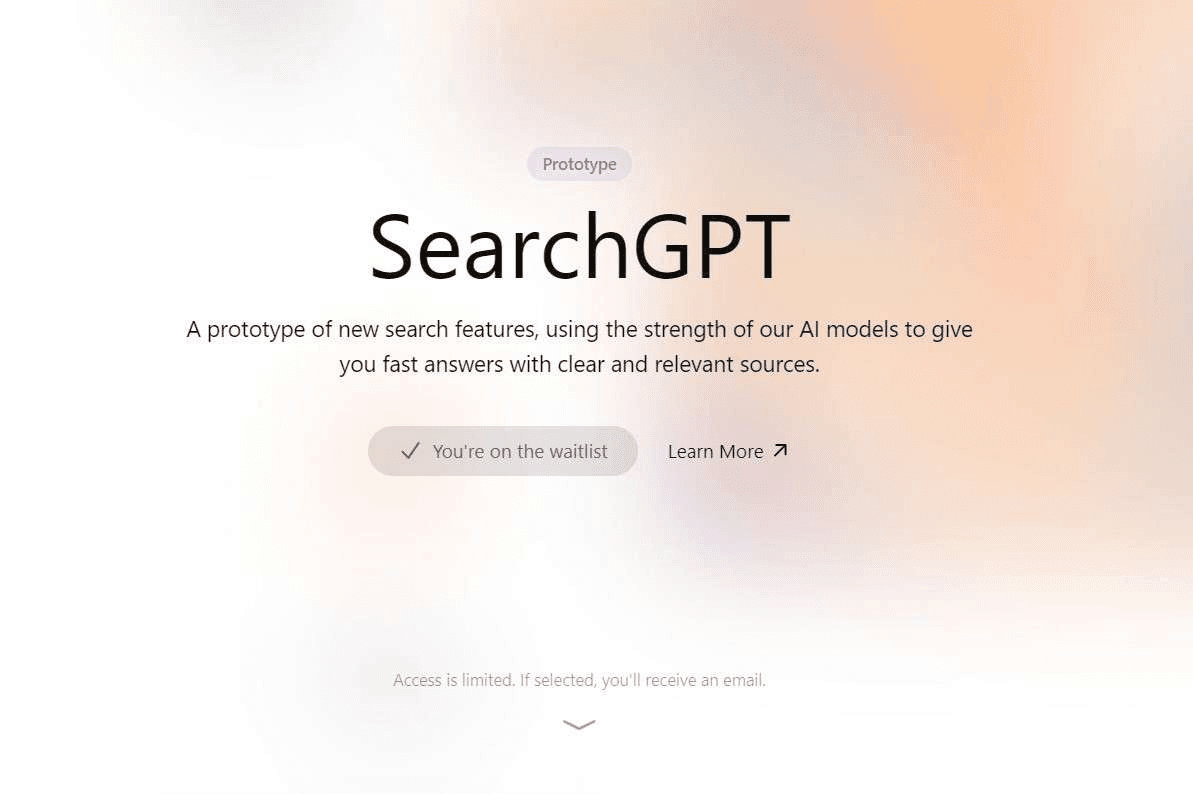
As of writing this blog, SearchGPT is currently only available to Business and Teams users, as well as a select few that opted in to the testing phase. OpenAI has plans to roll this out to all users in 2025.
How Does SearchGPT Work?
Conversational AI at Its Core
SearchGPT uses GPT-4, a generative AI model that is capable of understanding natural language, interpreting nuanced user queries, and delivering responses that feel human-like. It draws from an expansive language model that’s been trained on diverse data, covering general knowledge, niche topics, and the latest information available on the web.
The search process is fluid, meaning that users can ask follow-up questions or request clarifications seamlessly. The idea is to bridge the gap between search engines and chatbots, making search a more dynamic and conversational process.
Search Indexing and Relevance
While traditional search engines rely heavily on pre-built indices of the web, SearchGPT combines an index with the power of on-the-fly generation. According to OpenAI, SearchGPT indexes pages similarly to other search engines but also adds layers of semantic understanding, using deep learning models to match user intent more precisely with the content available.
Moreover, SearchGPT also incorporates data from Microsoft's Bing, which significantly enhances its ability to pull in real-time, up-to-date information. This collaboration with Bing provides SearchGPT with a broader and more comprehensive search index, improving the relevance and timeliness of the information it offers to users. Bing’s integration enables SearchGPT to pull in fresh web results, ensuring users receive current and contextually accurate responses.
A recent update from Search Engine Journal also highlights that SearchGPT has implemented a real-time indexing feature. This feature allows websites to get indexed almost instantaneously once they are updated or published, offering a faster way for new content to become searchable compared to traditional indexing methods.
If you’re a website owner, this shift to semantic indexing means that having well-structured, contextually rich content becomes more important than ever. In essence, SearchGPT rewards content that answers specific user needs directly and thoroughly, rather than merely stuffing in keywords.
How SearchGPT Might Change SEO
The rise of SearchGPT presents a unique challenge to the current SEO strategies that many of us rely on. Plus, being backed by Bing means that Google may finally have some real competition. Bing's global market share has remained relatively unchanged over the last decade or so, making this partnership with OpenAI one worth watching - and closely.
Regardless of the complexities of the relationship between these two tech companies, there are definitely some key strategy changes that many of us will need to look into adapting.
Rich, Contextual Content Is King
With SearchGPT’s focus on understanding user queries contextually, ecommerce sites should be focused on creating content that answers not only what a product is but also why someone would need it, how it benefits them, and when it might be used. In other words, instead of optimising for keywords alone, you should be aiming for highly informative, valuable content that is deeply relevant to user intent.
This is something we've discussed before and conveys an overarching shift in search: prioritising the user's intent over keywords and search volumes. And this isn't unique to OpenAI, either. From our blog on how Google uses AI in its search engine, we noted that Google has been increasingly favouring content that serves user intent well. SearchGPT intends takes this to the next level - it's no longer just about whether the content has keywords but how effectively it satisfies the user's question.
The integration with Bing also means that SEO strategies need to account for how both SearchGPT and Bing assess content quality. Rich, dynamic content that answers user queries comprehensively will be prioritised, making it crucial for ecommerce brands to provide value that is both current and well-researched.
Voice Search and AI Search Convergence
Much like Google's increasing focus on voice search, SearchGPT is naturally geared toward conversational search, emphasising the need for evolving SEO strategies to meet this shift.
Optimising content for voice search - using natural phrases, questions, and conversational language - becomes crucial for staying competitive. You need to think about how people actually speak when searching for products, not just how they type. This means anticipating and addressing natural language queries that align more closely with the way users talk, ultimately making content more accessible and relevant in this new landscape.
Real-Time Search Integration
One significant feature of SearchGPT, as reported by Search Engine Journal, is its real-time search capability, which is integrated into its core search process. Unlike traditional search engines, where indexing can take hours or even days, SearchGPT allows for instant indexing and retrieval of the latest information.
This shift emphasises the importance of up-to-date and frequently refreshed content, as businesses that actively update their websites can gain a competitive edge in appearing in relevant search results promptly.
SearchGPT vs Traditional Search Engines
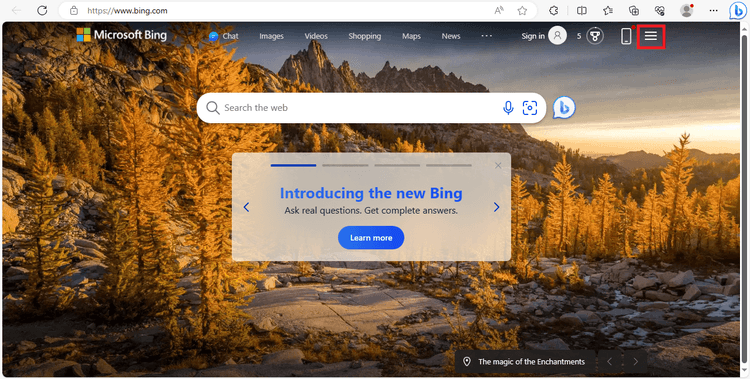
Google and Bing's Keyword-Centric Approach
In previous blogs, we've discussed Google's shift toward using AI more in search, specifically through features like MUM (Multitask Unified Model) and BERT, which aim to understand context rather than just keywords. However, Google’s model still relies on its traditional index - built and ranked based on a mix of keywords, site authority, and user engagement, to name a few.
By contrast, SearchGPT uses its AI conversational model to navigate user intent directly, offering answers and further questions rather than just listing sources. This direct answer format changes how you should think about your SEO strategy, focusing on depth and user engagement.
Expanding to Other Search Engines
In a recent blog, we examined how platforms like Bing, DuckDuckGo, and social media channels are useful for diversifying traffic. SearchGPT adds another layer to this conversation - rather than simply being an alternative, it represents a fundamental shift in how search itself can operate.
With SearchGPT, it’s all about being where the conversation is happening. Traditional SEO for search engines focused on getting in front of users. For SearchGPT, it’s about being relevant and ready when users ask questions, no matter how niche or specific.
Ad Model vs Subscription Model
Currently, SearchGPT is leaning towards a subscription-based model instead of relying on ads. This approach means businesses won’t have the option to pay for ad placement like they do with Google Ads.
This shift presents both challenges and opportunities: it may lower competition for top visibility, as quality and relevance - not budget - will determine what users see first.

What Does SearchGPT Mean for Ecommerce Brands?
The introduction of SearchGPT adds complexity for ecommerce brands that may already be optimising for Google and Bing. It’s crucial to decide whether being indexed by SearchGPT aligns with your overall SEO goals. While many of us are excited about the opportunity, others may prefer to take a more cautious approach, especially given the potential risks of spreading SEO efforts too thin. Maintaining high performance across Google, Bing, and now SearchGPT can be challenging, and focusing on too many platforms may dilute effectiveness.
What's more, SearchGPT's AI-first approach will require ecommerce brands to rethink how you balance optimisation efforts. Google’s complex, multi-signal and system algorithm remains powerful, but optimising for conversational AI like SearchGPT demands a shift toward more in-depth, intent-driven content. This might not align with every brand's strategy, particularly if your business relies on more straightforward, transactional searches.
If you do choose to optimise for SearchGPT, it's crucial to think about what questions users might ask about your products and provide comprehensive, in-depth answers. This could mean updating product pages with more descriptive content, creating blog posts that address common questions, and including rich snippets or structured data where possible to ensure that your content is easily understood by AI-driven search engines.
This is where we, as an agency, see a silver lining: Google's recent (and upcoming - AI Overviews!) changes to their search landscape, the introduction of a more marketplace-like shopping tab, and a growing focus on search intent means that there may be some potential similarities in ranking requirements down the line. As Google's use of AI means a more comprehensive understanding of intent, context and topicality, we anticipate seeing a similar shift in the way results are surfaced and served.
Are You Ready for SearchGPT?
SearchGPT is a major new player in the world of search, with the potential to change how people find information online. For ecommerce brands, this means it’s time to double down on creating content that is rich, detailed, and contextually relevant.
The future of search is clearly evolving towards a more interactive, AI-driven model. Brands that can adapt to these changes - by enhancing their content quality, focusing on user intent, and embracing conversational engagement - will be better positioned to succeed in this rapidly shifting landscape.
If you’re interested in exploring how to optimise your ecommerce site for AI-powered search engines like SearchGPT, reach out to us at Blackpepper. We're here to guide you through these changes and help you stay ahead of the curve!