SEO in 2025: The Future of Search & How Brands Can Stay Visible
5 February 2025

Roberta Johnston
SEO Lead
I'm an SEO specialist with over 8 years of experience helping brands grow through strategic, data-driven search optimisation. I've worked with large e-commerce websites and niche brands alike, developing a deep understanding of ranking algorithms, generative AI, and LLMs like ChatGPT, Perplexity AI, and Gemini. My expertise spans technical SEO, ensuring sites - whether a few dozen pages or 100,000+ - are crawled and indexed effectively.
Tags
SEO isn’t dead - but it’s evolving fast.
With AI-powered search engines, social discovery trends, and shifting user behaviour, the way brands achieve visibility and organic traffic is changing. Traditional SEO tactics - like keyword-stuffing and ranking-chasing - are no longer enough.
TL;DR - What’s Changing in Search?
- Google is prioritising search intent over keywords, context over word count, reshaping how businesses need to create and optimise content.
- AI-generated search results (Google’s AI Overviews, ChatGPT, Gemini, Perplexity) are reducing clicks to traditional web pages.
- Zero-click searches are increasing as users get instant answers from the likes of AI Overviews or within chats with GPT, Perplexity, Gemini and more.
- Social platforms like TikTok & Instagram are now search engines in their own right - especially for Gen Z shoppers.
📢 The big question: How can brands stay visible in an era where traditional SEO is being disrupted?
In this guide, we'll break down what we think are going to be the driving factors of a successful SEO campaign - but know this: SEO in 2025 isn’t just about rankings; it’s about adaptability, intent, and omnipresence.
The Biggest SEO Shifts in 2025
Search Intent is Replacing Keyword Rankings
In the early days of SEO, the strategy was pretty straightforward: identify high-traffic keywords and optimise your content around them.
However, as search engines have evolved, so has their ability to understand the nuances behind user queries.
Today, it's not just about the words people type, but the meaning and intent behind those words.
Search engines like Google have become adept at interpreting the context of a query, aiming to deliver results that best satisfy the user's underlying intent; are they looking for information? advice? the best place to buy kids' shoes within a 5km radius?. It's all about the need behind the search.
This means that simply matching keywords is no longer sufficient; your content must align with what the user is truly looking for.
Plus, with the rise of AI-powered search tools, built-in AI assistants on Android and iOS devices, and even voice assistants, understanding context and intent has become crucial. AI systems are designed to interpret the nuances of user queries, making intent-based optimisation essential.
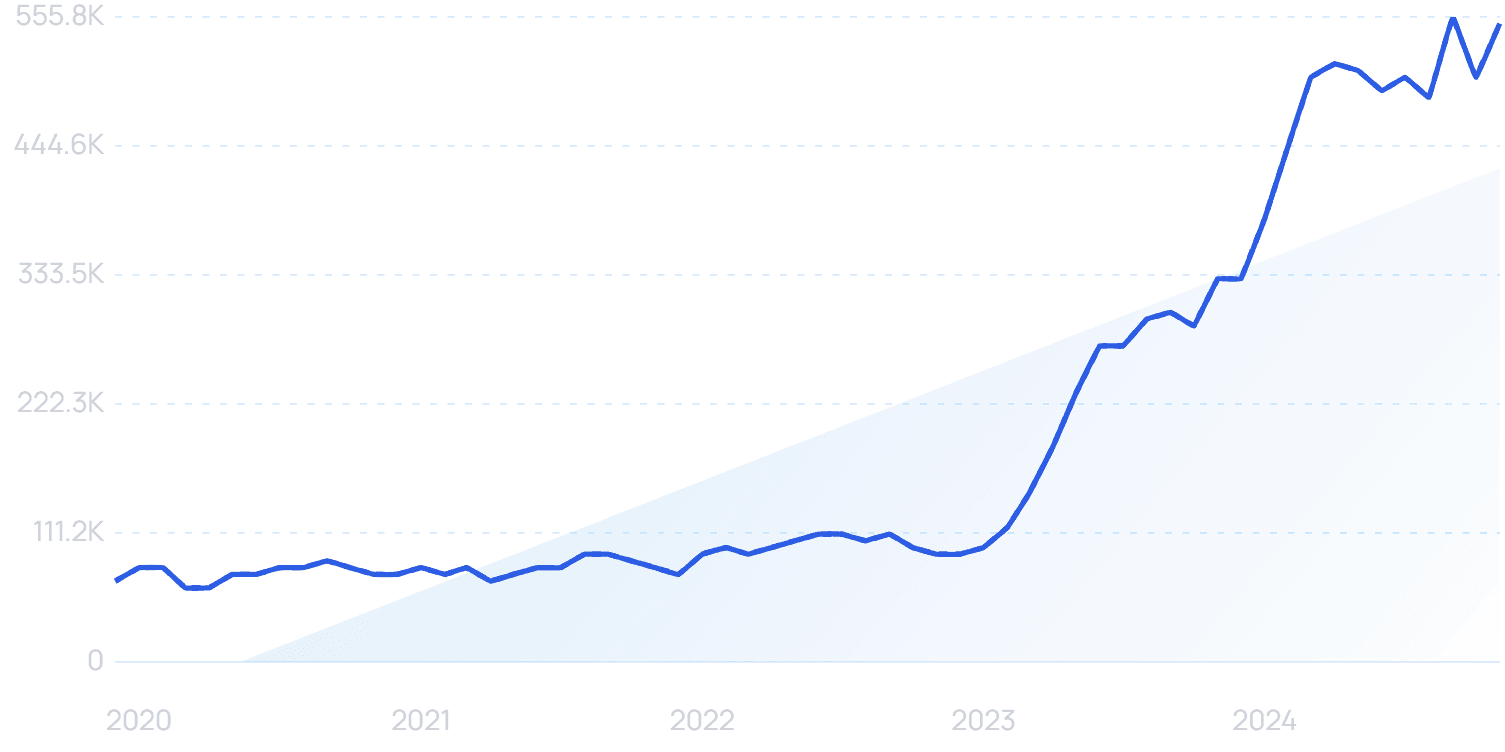
Take a look at this graph from ExplodingTopics showing the search interest in "LLMs" (large language models, AKA ChatGPT, Gemini, etc.) over the past 5 years - and it's up by 4,850%
Keywords Aren't Unimportant - Just Less Important
We're not saying keywords have no use in an SEO strategy anymore. Just the opposite.
Keywords should still be used in your content strategy, guide content creation and re-optimisation efforts, and inform cross-channel data-sharing, which can be a great way to maximise marketing budgets and reduce wasted sped.
However, rank tracking tools are facing a tough challenge scraping Google's search results after Google started requiring JavaScript to be turned on while browsing earlier this year. The effects of this were near-instant with just about all SEO tools reporting massive drops in the SERPs (and giving many businesses and SEOs out there a heart attack at the same time).
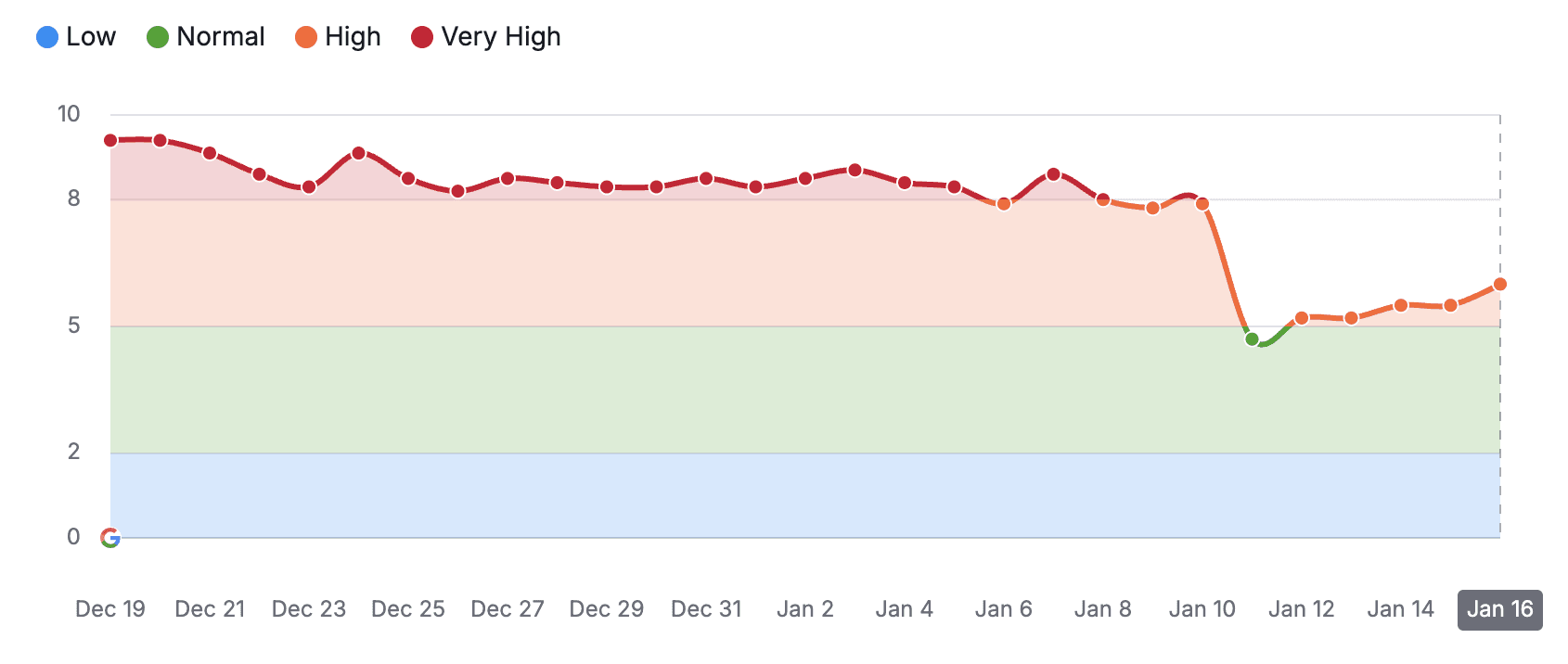
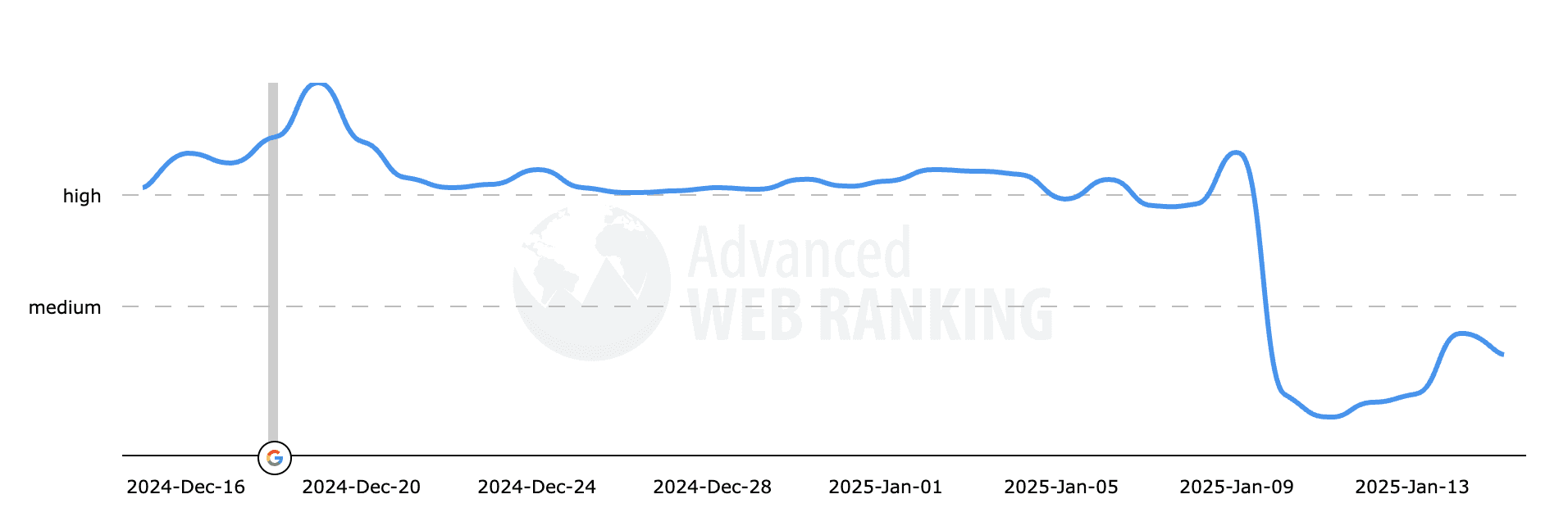
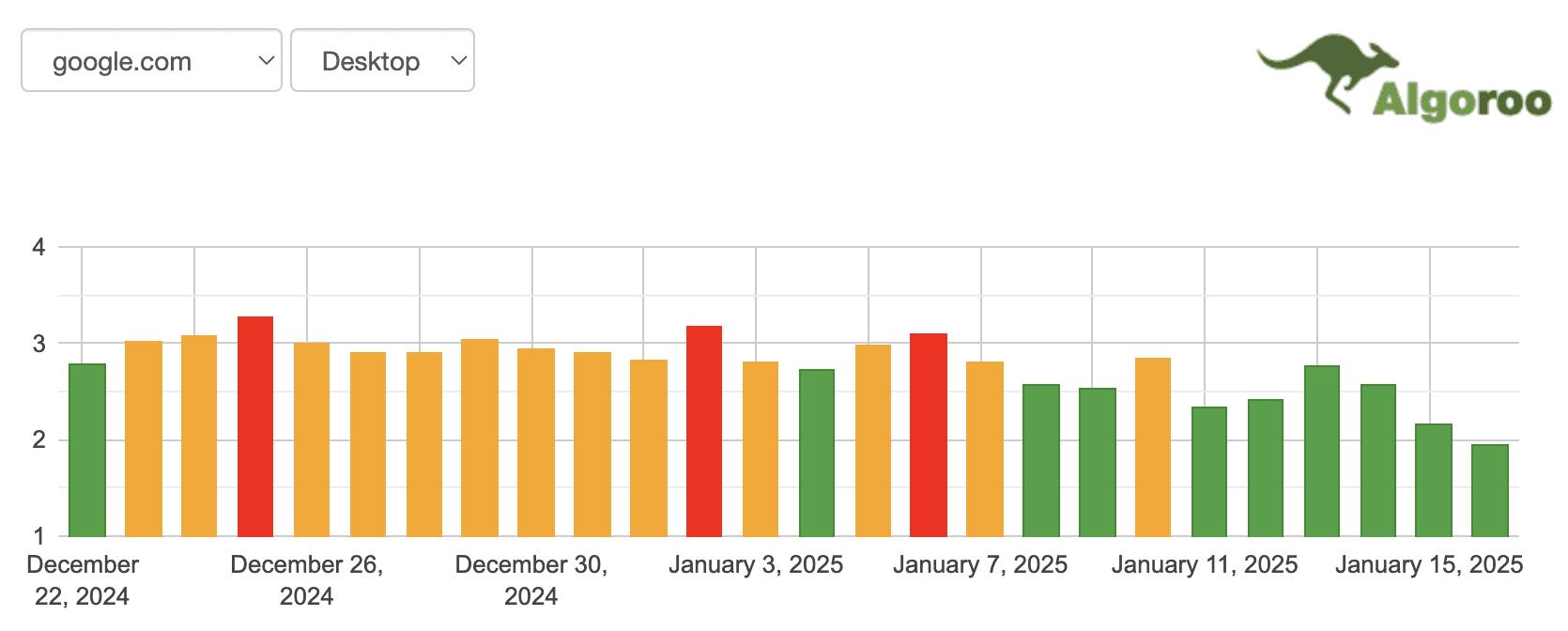
The trend was pretty consistent across these and other tools.
What does this mean?
This could see a change in how SERP rankings are reported on through tools like Ahrefs, Moz, and Ubersuggest - we'll have to wait and see. For now, there are other, arguably more important metrics to focus on, like traffic, new users, engagement rate, not to mention impressions, clicks and CTR.
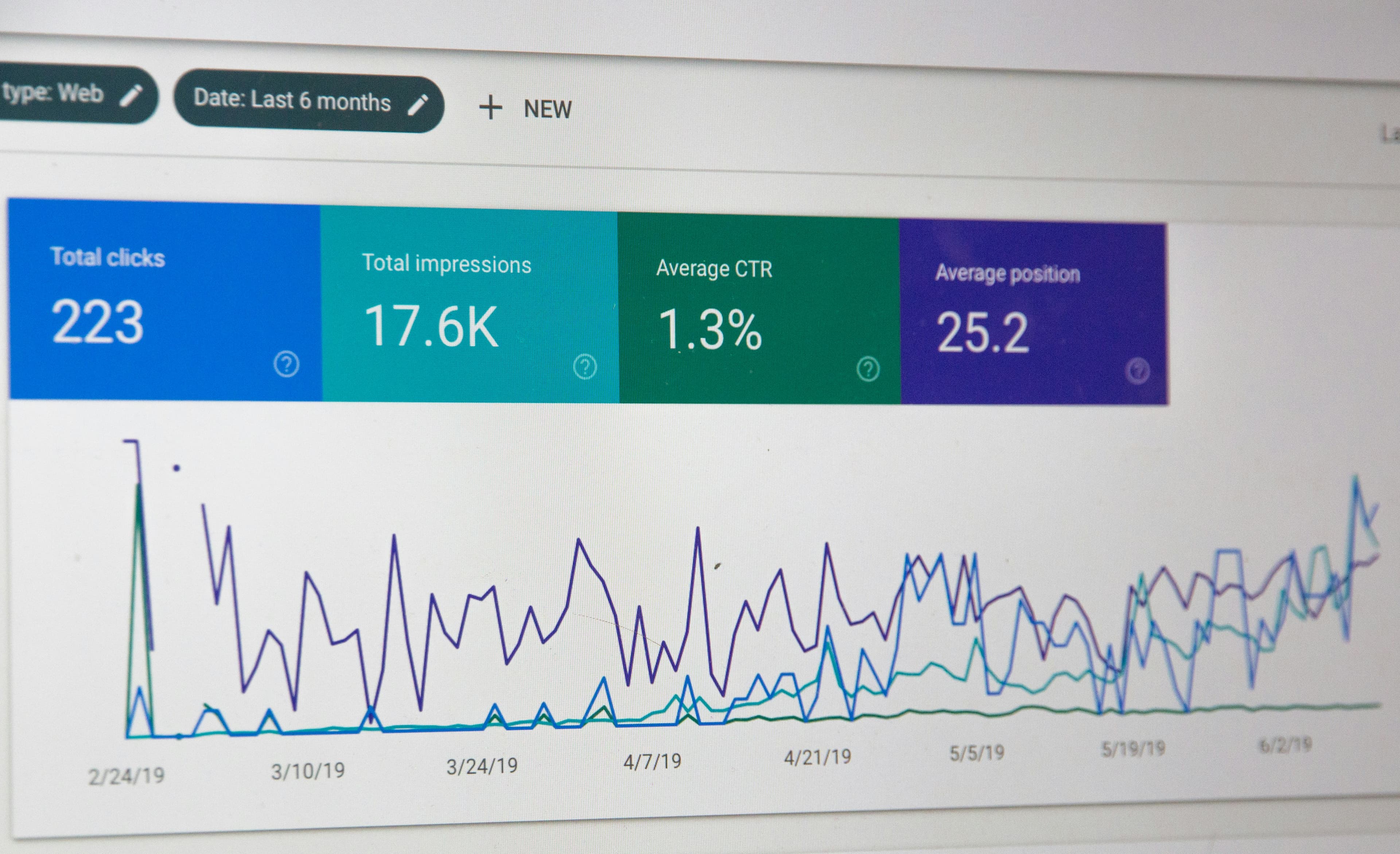
Google Keyword Planner and Google Search Console remain some of the best ways to understand the language people are using to find your website. Search Console in particular is invaluable in providing insights on and what search queries you show up well for, and which don't lead to clicks at all.
What Brands Should Measure Instead
If rankings alone don’t cut it, what should ecommerce brands track?
- Impressions: How often your brand appears in search results.
- Click-Through Rate (CTR): Are users actually clicking through, or just seeing your result and moving on?
- Queries With High Impressions & Low Clicks: These indicate potential optimisation opportunities - if people see your site but don’t click, something’s missing.
- Overall visibility trends (Are you showing up more often in search?)
- How AI-powered search tools are surfacing your content
- Changes in impression share across multiple search types (organic, image, featured snippets, video, etc.)
How to Adapt to Search Intent-Driven SEO
If keywords are less important but not irrelevant, how should brands approach SEO in 2025?
It all comes down to understanding intent - not just what users are searching for, but why they’re searching for it.
- Are they looking for product comparisons?
- Are they trying to solve a specific problem?
- Are they ready to buy or just researching?
Search engines are context-aware, meaning brands need to go beyond keyword targeting and create content that meets the full needs of the user - not just snippets of their query.
Instead of obsessing over single keyword rankings, businesses should focus on three key areas:
Content Depth & Contextual Relevance
Google prioritises content that covers a topic comprehensively - not just in isolated blog posts, but across an entire site.
Brands should structure content to cover multiple intent levels (informational, transactional, commercial investigation).
That means thin, surface-level content won’t cut it anymore.
Brands need to:
- Cover topics comprehensively - not just answering the first question, but the next three the user is likely to ask.
- Link related content together - a single page doesn’t have to do all the work, but a strong internal linking strategy ensures users (and search engines) can navigate deeper into your site.
- Structure content for AI-powered search - clear H2/H3 subheadings, bullet points, and summaries make it easier for Google (and AI assistants like ChatGPT) to extract answers from your pages.
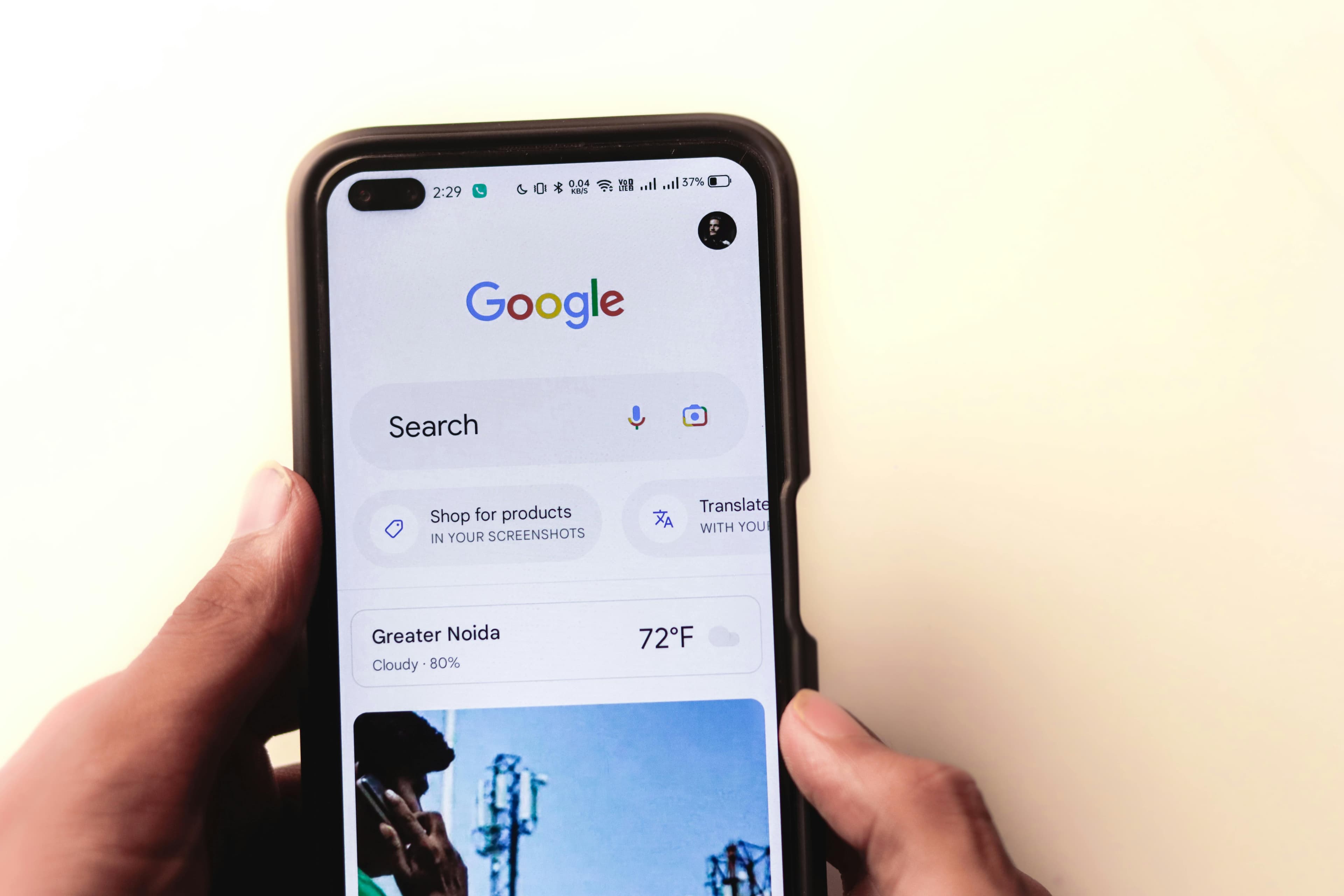
SERP Engagement vs. Traditional Rankings
Ranking #1 doesn’t mean much if nobody clicks.
Even Google’s own John Mueller has hinted that rankings aren’t static and can change based on user behaviour, personalised search history, and AI-enhanced results.
This is why focusing on metrics like the quality of your traffic often provides more valuable insights.
Engagement metrics are critical as they give you an understanding of how users are interacting with your site and its content.
- Are they engaged, clicking through multiple pages and spending time on the site?
- Are they completing key events such as scrolled a certain depth on a key page, added products to their baskets from a blog, or filled out a newsletter sign up form?
- Are you getting the share of clicks you should be? What are users seeing in the SERPs - or in the AI tool they're using?
Search engines like Google use engagement and user experience data in their algorithms, which is why it makes sense to align meeting search intent with serving the most helpful results.
Cross-Channel SEO Strategies
Google isn’t the only search engine that matters anymore.
Users are searching everywhere - on TikTok, Instagram, AI chatbots, voice assistants, and visual search tools like Google Lens.
This means brands need to think beyond traditional search rankings and ask:
💡 How can customers find us beyond Google?
💡 What types of searches are happening on social media, marketplaces, and AI platforms?
💡 How do we optimise content to be found across multiple touchpoints?
Zero-Click Searches & AIOs
What happens when people get their answers without ever visiting your site?
That’s exactly what zero-click searches - and AI-powered overviews - are doing to organic traffic.
In 2025, more searches than ever before will be answered directly within Google’s SERPs or AI tools like ChatGPT, Gemini, and Perplexity, without users needing to click through to a website.
For businesses that rely on organic traffic, this shift is a big deal.
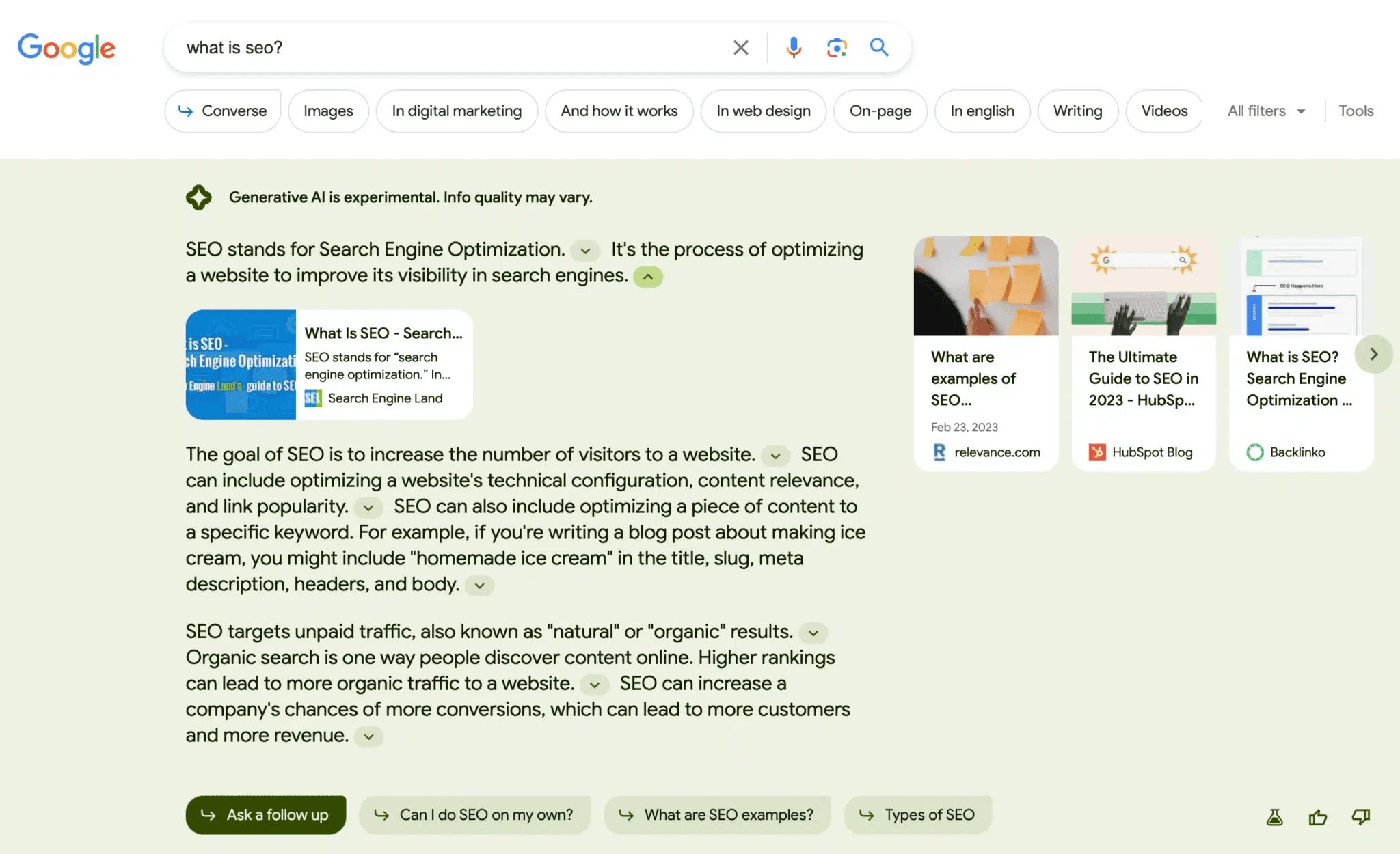
The Challenge
Reduced Organic Traffic: As search engines like Google enhance their AI capabilities, features such as Featured Snippets, Knowledge Panels, and AI-generated overviews provide users with immediate answers.
While this improves user experience, it can lead to a decline in organic traffic to ecommerce sites, as users find the information they need without visiting the source website.
The Opportunity
Enhanced Brand Visibility: Despite potential reductions in click-through rates, appearing in these search features can significantly boost brand visibility and authority.
For ecommerce brands, this means that even if users don't click through, your products and brand gain exposure, which can influence purchasing decisions down the line.
But, how do you stay visible when search engines are keeping users on the results page?
It comes down to three key factors:
1. AI Overviews Rely on Structured, Trusted Data
AI-powered search tools like Google’s AI Overviews, ChatGPT, Gemini, and Perplexity don’t just pull any content - they prioritise information from well-structured, authoritative sources.
- Structured data is non-negotiable – AI search tools extract product details, pricing, reviews, and availability directly from schema markup.
- Authoritativeness matters – Brands with high E-E-A-T signals (Experience, Expertise, Authoritativeness, Trustworthiness) are more likely to have their content featured in AI-generated search results.
- Content must be skimmable and clear – AI pulls concise, structured information, so bullet points, FAQs, and tables are more likely to be surfaced.
If AI is answering your customers' questions without them visiting your site, the question becomes: is it answering with your content or your competitor’s?
2. Product Descriptions & Customer Reviews Are More Visible Than Ever
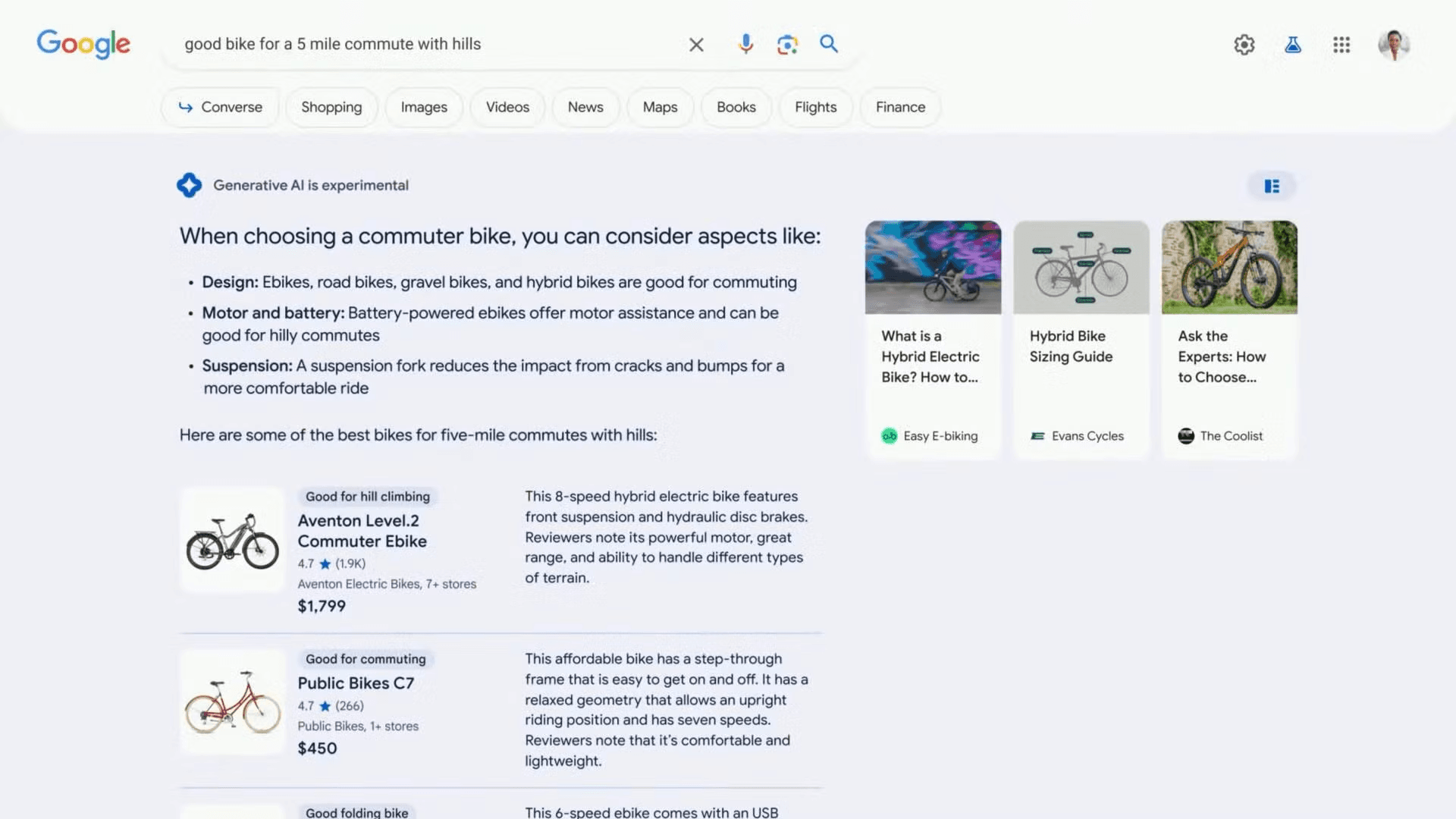
AI-powered search is reshaping how products appear in search results.
- Google’s AI Overviews are pulling product descriptions, specifications, and even customer reviews directly into search results.
- Incomplete or poorly structured product pages could mean your competitors’ content gets featured instead of yours.
- User-generated content (UGC), customer reviews, and testimonials are becoming key ranking factors - AI prefers authentic experiences over generic descriptions.
For ecommerce brands, this isn’t just about SEO anymore - it’s about controlling the narrative of how your products appear in AI-driven search results.
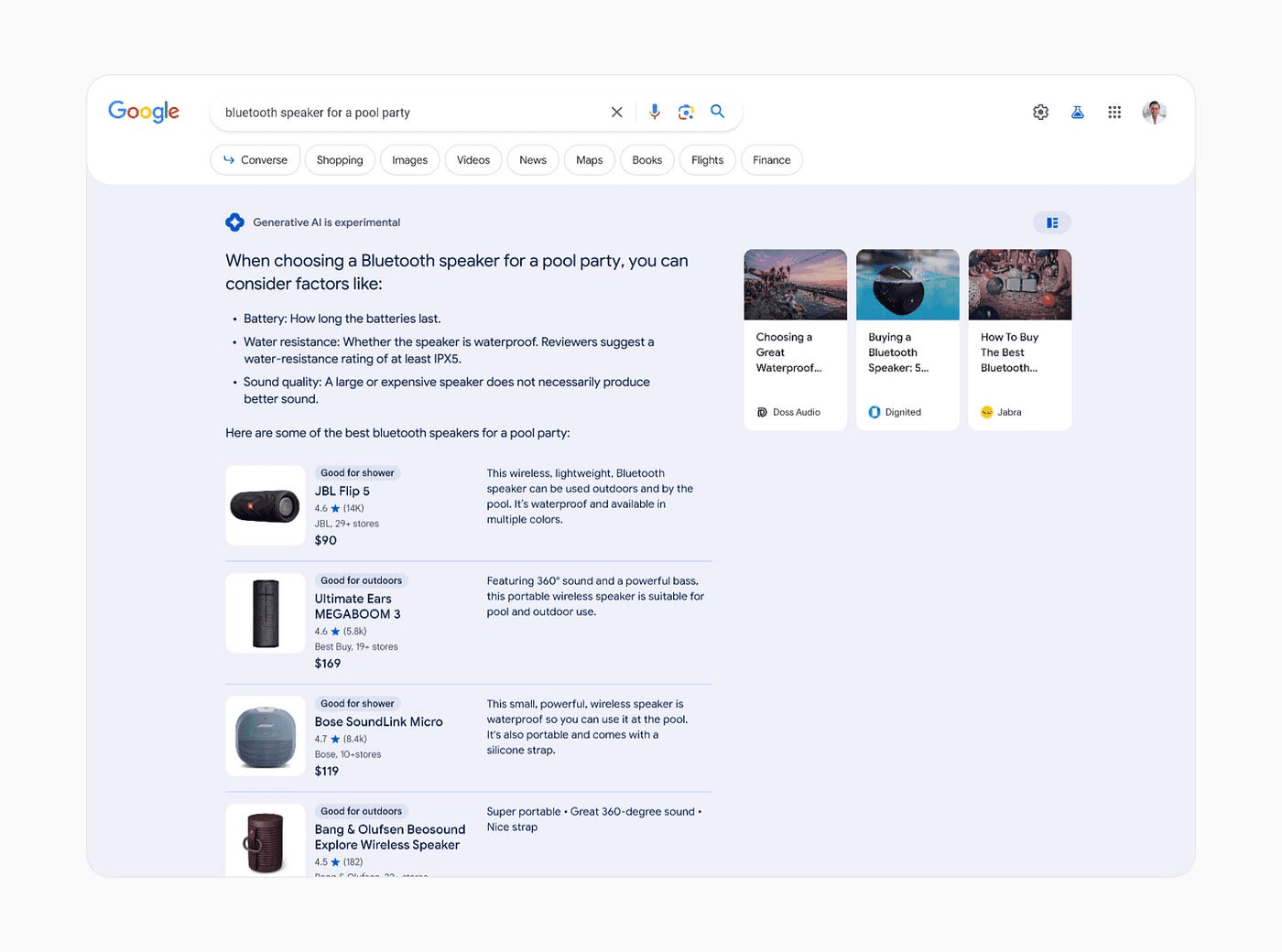
3. Search Visibility is No Longer Just About Google
In 2025, users are searching for products in more places than ever:
- TikTok & Instagram – Social platforms are becoming shopping search engines, with users bypassing Google altogether.
- AI Assistants – Voice search, AI-powered product recommendations, and chatbots like ChatGPT and Gemini are guiding buying decisions.
- Visual Search (Google Lens, Pinterest, TikTok Shop) – More users are searching by image instead of text, making image SEO and structured data more important than ever.
If you’re not optimised for multi-platform discovery, your customers might never find you at all.
Which brings us to our next point...
Social Search - and Commerce - is Here to Stay
Once, Google was the default search engine for product discovery.
Now? Not so much.
More and more users - especially Gen Z - are searching for products on TikTok, Instagram, and YouTube before even thinking about Google.
In fact, a survey from 2023 found that 74% of Gen Z uses TikTok Search - and of all respondents, 51% said they choose TikTok over Google as their search engine.
For ecommerce brands, this shift isn’t just a trend - it’s a fundamental change in how consumers find and buy products.
What’s driving this shift?
- Visual-first search habits → Users prefer videos and images over traditional text-based search results.
- Authenticity & Social Proof → People trust real reviews, influencer recommendations, and UGC (user-generated content) over branded advertising.
- Frictionless Shopping Experiences → Many platforms (TikTok Shop, Instagram Checkout, Pinterest Shopping) now let users buy products directly without leaving the app.

So, Should Brands Abandon SEO for Social?
No - they need both.
While social search is growing, it’s not replacing Google - it’s complementing it.
Google and social media are no longer separate ecosystems - they work together to shape how users discover brands online. Google now indexes and ranks social media content, meaning well-optimised TikTok and Instagram pages can appear in Google search results.
However, users search differently on each platform - Google remains the go-to for high-intent, ready-to-buy searches, while TikTok and Instagram dominate the discovery phase, where users explore trends, product recommendations, and peer reviews.
A strong cross-channel strategy maximises visibility, as users might first discover a brand on social, research it on Google, and eventually convert through a paid retargeting ad.
In 2025, your brand needs to be visible at every touchpoint, ensuring it shows up wherever your customers are searching - whether that’s Google, TikTok, Instagram or beyond.
How Brands Can Stay Visible in 2025
There’s a lot going on in the online world right now.
AI-powered search, multi-platform discovery, and intent-driven results are redefining how customers find and interact with brands.
For ecommerce businesses - especially SMBs - 2025 presents new challenges, but also new opportunities. The brands that adapt to these shifts will be the ones that maintain visibility and stay competitive.
Search is still an important part of the puzzle. SEO isn’t dead, but it is changing, and ecommerce brands need to take every advantage they can to claim their share of the SERP pie.
🔎 Build Stronger Brand Signals & E-E-A-T
Not all brands are created equal in Google’s eyes.
Search engines - and AI-powered search tools - are prioritising credible, authoritative sources.
That means businesses with strong brand signals and clear expertise are more likely to appear in AI Overviews, Featured Snippets, and search results.
Why This Matters
- Google uses E-E-A-T (Experience, Expertise, Authoritativeness, Trustworthiness) to separate real brands from everyone else.
- SEO alone won’t be enough. Sites with high organic traffic but little brand recognition have historically been hit hardest by Google updates.
- Brand presence beyond Google strengthens search visibility. Social platforms like YouTube, Instagram, and TikTok all feed into Google’s understanding of a brand’s relevance and authority.
Technical SEO: Your Website’s Foundation Still Matters
While search is evolving, some core fundamentals of traditional SEO still matter - and technical SEO is one of them.
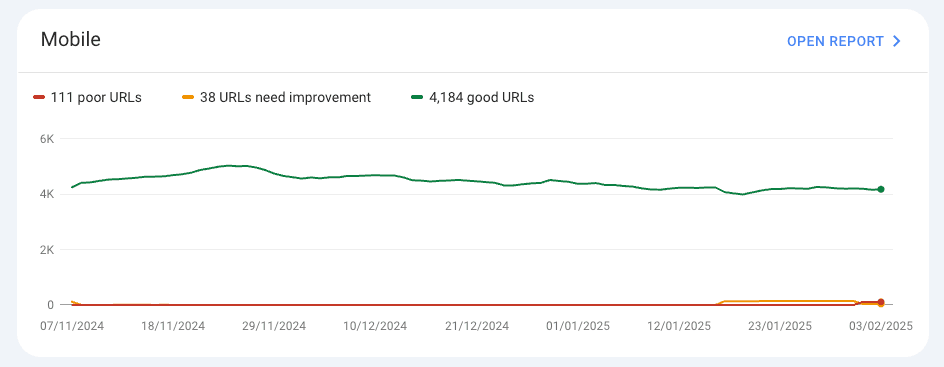
Google’s AI-powered updates may be shifting how content is ranked and displayed, but a slow site, messy code, or poor indexing signals can still hold your brand back.
Whether it’s traditional search results, AI-generated overviews, or voice search, Google still prioritises sites that load fast, provide a seamless user experience, and are structured for easy crawling.
In short? Even the best content won’t perform if your site’s technical foundation isn’t solid.
Why It Matters
A poor tech stack, slow site speed, or weak CMS doesn’t just impact rankings - it affects customer experience, conversion rates, and even how AI-driven search results pull in your content.
- Speed matters more than ever – AI-powered search tools favour fast-loading, easily digestible content, while Google’s Core Web Vitals update continues to reward sites that prioritise speed and stability.
- Structured data is critical – AI tools rely on structured data (schema markup) to extract key information, whether it’s product details, reviews, or business info.
- Bad user experience hurts everything – A slow, unresponsive, or poorly structured website doesn’t just drive users away - it also sends negative signals to search engines, reducing your chances of ranking in traditional search and AI-powered results.
What Technical SEO Matters Most?
Improve Core Web Vitals (Speed, Interactivity, Stability)
Google continues to emphasise page experience, meaning your site needs to load fast, feel responsive, and remain visually stable as users interact with it.
Slow, clunky websites lose rankings - and customers.
Ensure Structured Data & Indexability for AI Search
Structured data (schema markup) helps AI-powered search tools understand and feature your content correctly.
From product schema for ecommerce to FAQ schema for informational content, search engines favour well-structured data.
Use Server-Side Rendering & Clean Code for Fast Loading
Efficient, well-coded websites load faster and provide a better experience across devices.
Minimising unnecessary scripts, improving mobile usability, and optimising image sizes all contribute to better rankings and a smoother user experience.
🛍️ Leverage Google Shopping & Free Listings
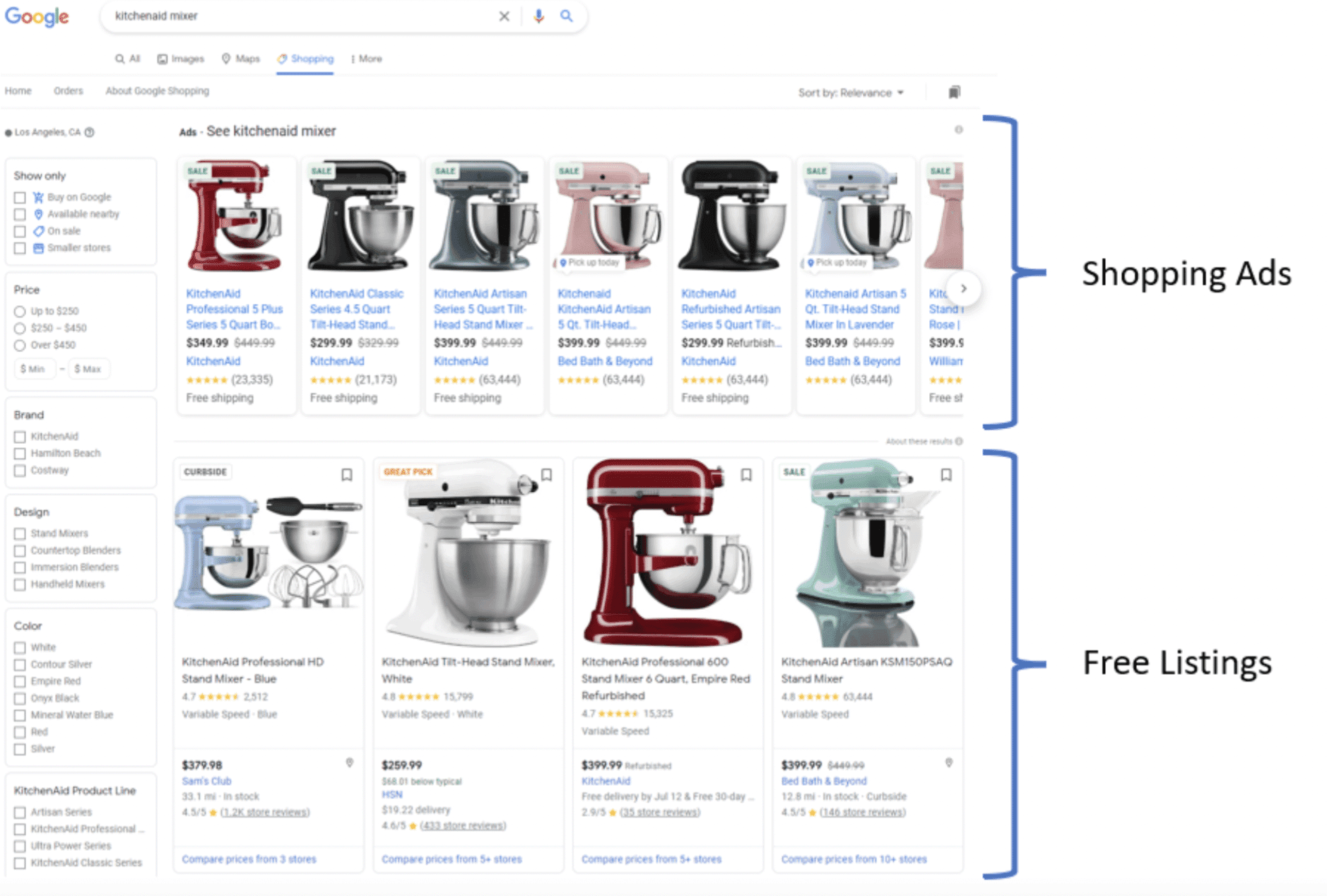
Organic search isn’t just about website rankings anymore - Google Shopping is a major traffic driver for ecommerce brands.
Google’s Free Shopping Listings allow businesses to showcase products without paying for ads—and while revenue per transaction is lower than Paid Shopping Ads, conversion rates are higher (2.07% vs. 1.70%)
Why This Matters
- Google’s Free Listings offer a no-cost way to drive product visibility in search results.
- SEO directly impacts Google Shopping results - structured data, product descriptions, and category pages influence rankings.
- Ecommerce brands should think of Free Listings as the “SEO” version of Google Shopping Ads - where rankings are based on relevance and optimisation, not bidding strategy.
📍 Manage Your Local Presence
Even for national ecommerce brands, local search visibility matters.
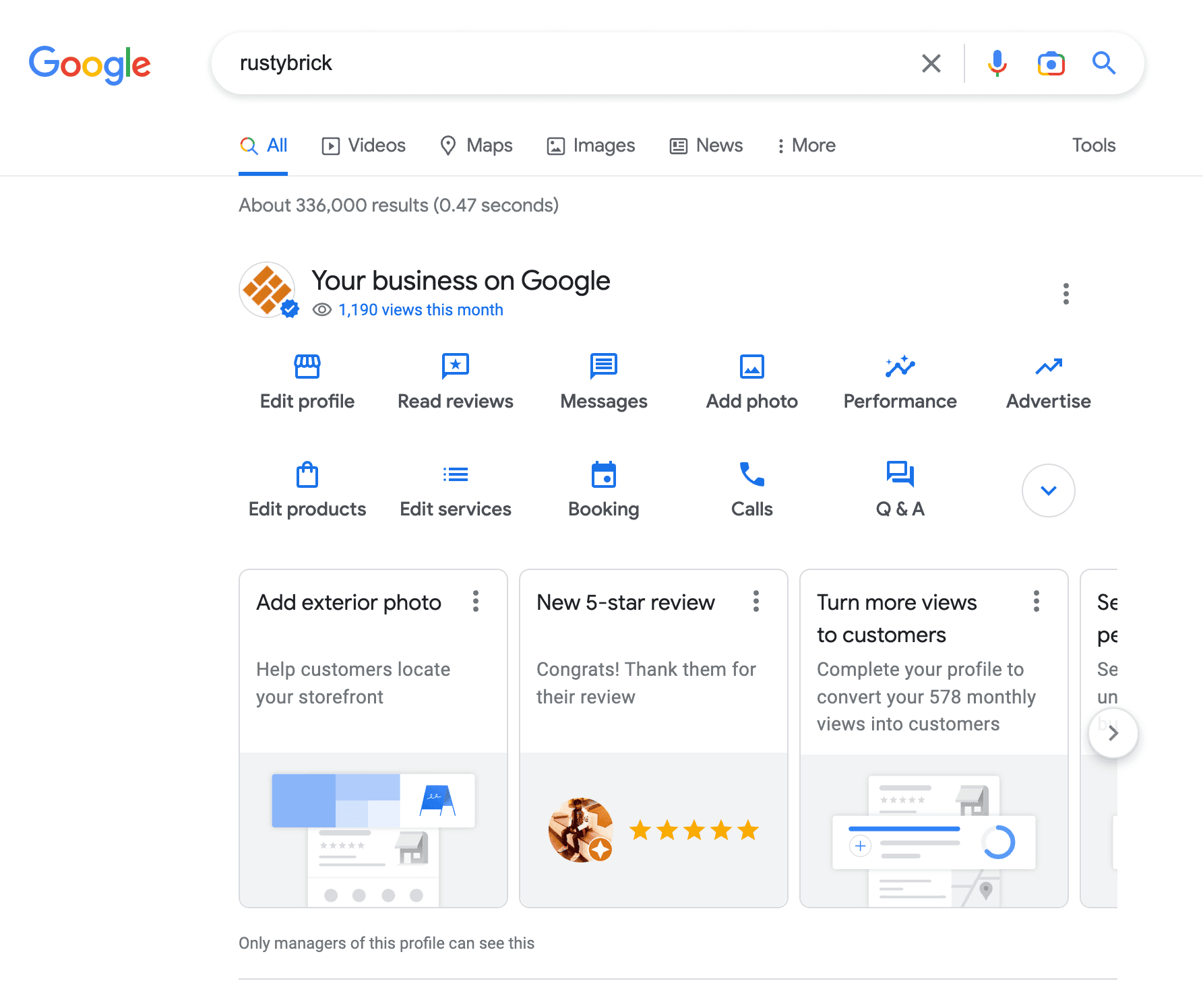
Google Business Profiles (GBP) are one of the most valuable real estate spots in search - and businesses that optimise them will have an edge in navigational and local search results.
Why This Matters
- Google prioritises businesses with complete, well-maintained GBP listings. If your listing is outdated or missing details, you’re at a disadvantage.
- Reviews impact rankings. High-quality, authentic reviews increase credibility and improve visibility in the local and maps pack.
- Shoppers want instant access to business info. A well-optimised GBP ensures users can find store hours, services, and FAQs at a glance.
✍️ Don’t Neglect Content Creation - But Make It Valuable
Ecommerce brands need to be publishing content regularly - but in 2025, the focus should be on value, not volume.
Why This Matters
- Google is prioritising content that actually helps users. AI-enhanced search tools reward informative, expert-driven content - but penalise sites that churn out fluff just to tick the "content marketing" box.
- The user experience matters more than ever. High-ranking pages need to be engaging, structured, and directly relevant to a user’s search intent.
- Brand-building through content is key to long-term visibility. Creating content that educates, informs, and builds trust helps brands stay relevant across multiple platforms.
🛒 Make Product Pages as Helpful as Possible
Your product pages aren’t just for selling - they’re an extension of your brand’s authority.
- Google and AI search tools are surfacing product descriptions directly in search results. If your pages lack detail, you’re missing a visibility opportunity.
- Helpful features like size guides, reviews, and comparison charts improve rankings**.** Search engines prioritise pages that provide complete, user-friendly experiences.
- User engagement is a ranking factor. The more time users spend on your product pages, the stronger the signal to search engines that your content is useful.
Master Search in 2025
So, what’s next for ecommerce brands?
SEO strategies need to evolve. AI search assistants, zero-click results, and multi-platform discovery mean that brands can’t just optimise for Google - they need to be found everywhere.
Brand signals and E-E-A-T are crucial. Search engines and AI models are rewarding real brands with credibility, authority, and trust.
Google Shopping is an organic search opportunity. Free Shopping Listings provide visibility without the ad spend - but only for brands that optimise their product data and structured content.
Product pages need to work harder. The more helpful, informative, and conversion-driven your product pages are, the better they will perform across search engines, AI search tools, and shopping platforms.
Content must be valuable, not just frequent. Search engines are getting smarter at filtering out fluff - brands that publish genuinely helpful, expert-driven content will come out on top.
In 2025, visibility is everything. The brands that embrace search everywhere, prioritise credibility, and optimise for AI-driven discovery will be the ones that lead.
🚀 Blackpepper can help you navigate these shifts. Let’s future-proof your organic search strategy and ensure your brand stays visible, competitive, and thriving in 2025 and beyond!