Should Ecommerce Websites Have a Sitemap?
2 October 2024

Roberta Johnston
SEO Lead
I'm an SEO specialist with over 8 years of experience helping brands grow through strategic, data-driven search optimisation. I've worked with large e-commerce websites and niche brands alike, developing a deep understanding of ranking algorithms, generative AI, and LLMs like ChatGPT, Perplexity AI, and Gemini. My expertise spans technical SEO, ensuring sites - whether a few dozen pages or 100,000+ - are crawled and indexed effectively.
Tags
Picture this: you’ve invested time, money, and effort into creating an incredible ecommerce store. You’ve got a killer product lineup, a beautifully designed site, and marketing campaigns in full swing. But there's one problem - your customers can’t find you in the search results. What gives?
Here’s where a sitemap comes in. Think of it as the blueprint for your site, specifically for search engines (like Google) to make sense of your site's content, its pages and how they relate to each other, and more. Without one, your website is essentially a maze for search engines to navigate. Important pages could get missed, and your shiny new product listings might not even show up in search results!
For ecommerce businesses, a sitemap is not just a nice-to-have - it's an absolute necessity. It's the foundation of your site’s visibility on search engines. And when search engines can easily crawl your site, you’re far more likely to show up in front of your target audience when they’re searching for what you offer. In short: no sitemap, no visibility, no traffic.
Today, we’re diving into what a sitemap actually is, why your ecommerce business needs one, and how it can transform your site’s SEO game. Let’s break it down!

What is a Sitemap?
At its core, a sitemap is like a digital map of your website - created specifically to help search engines like Google crawl and understand your site more efficiently. In the world of ecommerce, where you likely have hundreds (if not thousands) of products and categories, a sitemap is a vital tool to ensure all your pages are easily discoverable by search engines.
Now, sitemaps come in two main types: XML and HTML
What is an XML Sitemap?
This is the one that’s most important for search engines. It’s essentially a behind-the-scenes file that lists all the important URLs on your website and tells search engines when each page was last updated, how often it changes, and how important it is in relation to other pages.
Think of it as a cheat sheet for Google to quickly find and index your content. For an ecommerce site, this is critical because you’re frequently adding new products or making updates - without an XML sitemap, search engines might not even know about these changes.
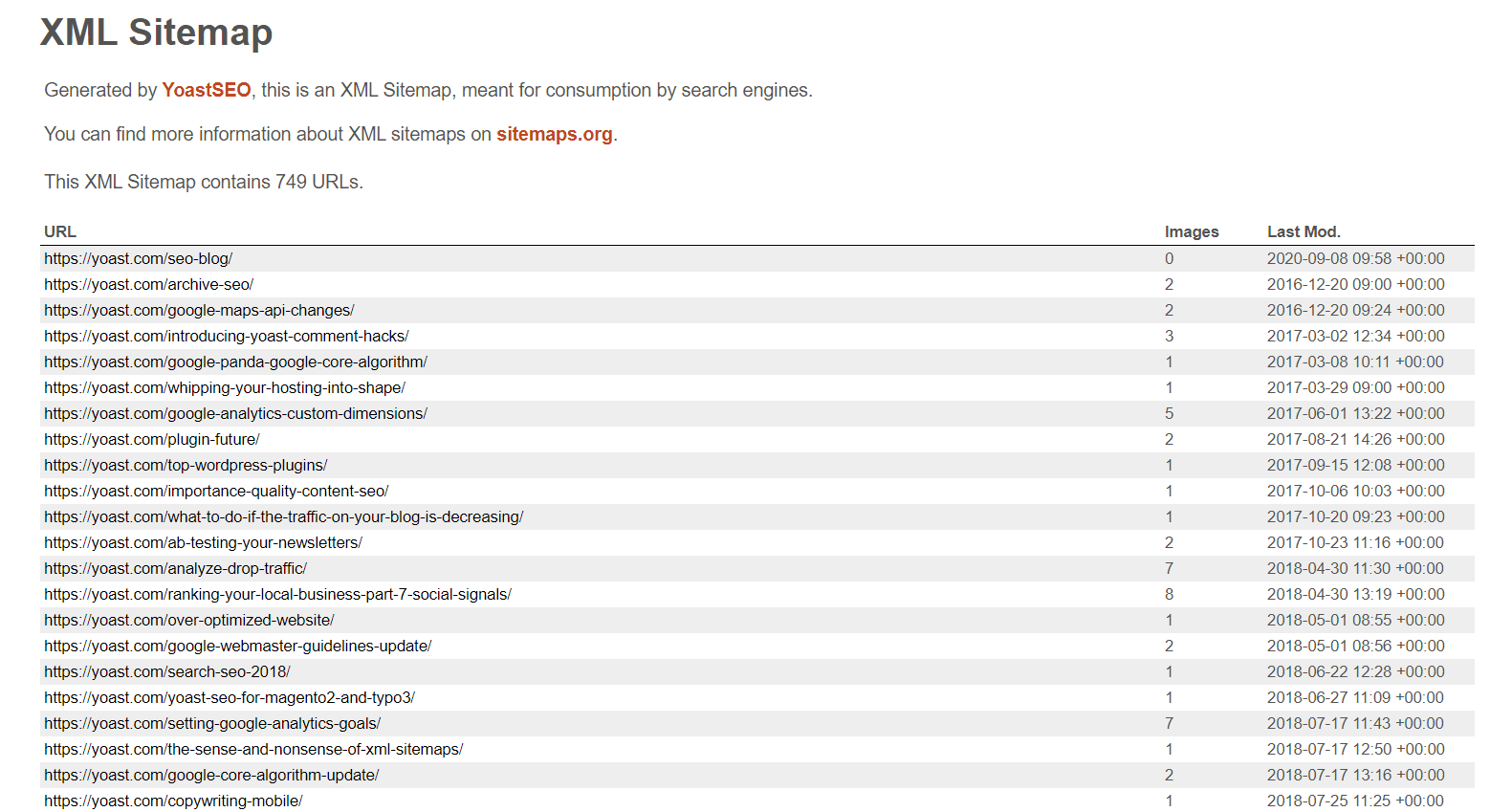
Example of an XML sitemap generated by Yoast.
What is an HTML Sitemap?
This one is designed more for human visitors. It’s a page on your website where users can see a simple, clickable list of all the pages on your site. While it's not as crucial for search engine crawling as the XML sitemap, it can still help visitors (and sometimes bots) find what they’re looking for, especially on larger websites.
Sometimes, websites link to important pages in the footer, providing a smaller version of a "sitemap" that helps users find key pages more quickly. Take a look at Apple's website footer, for example:
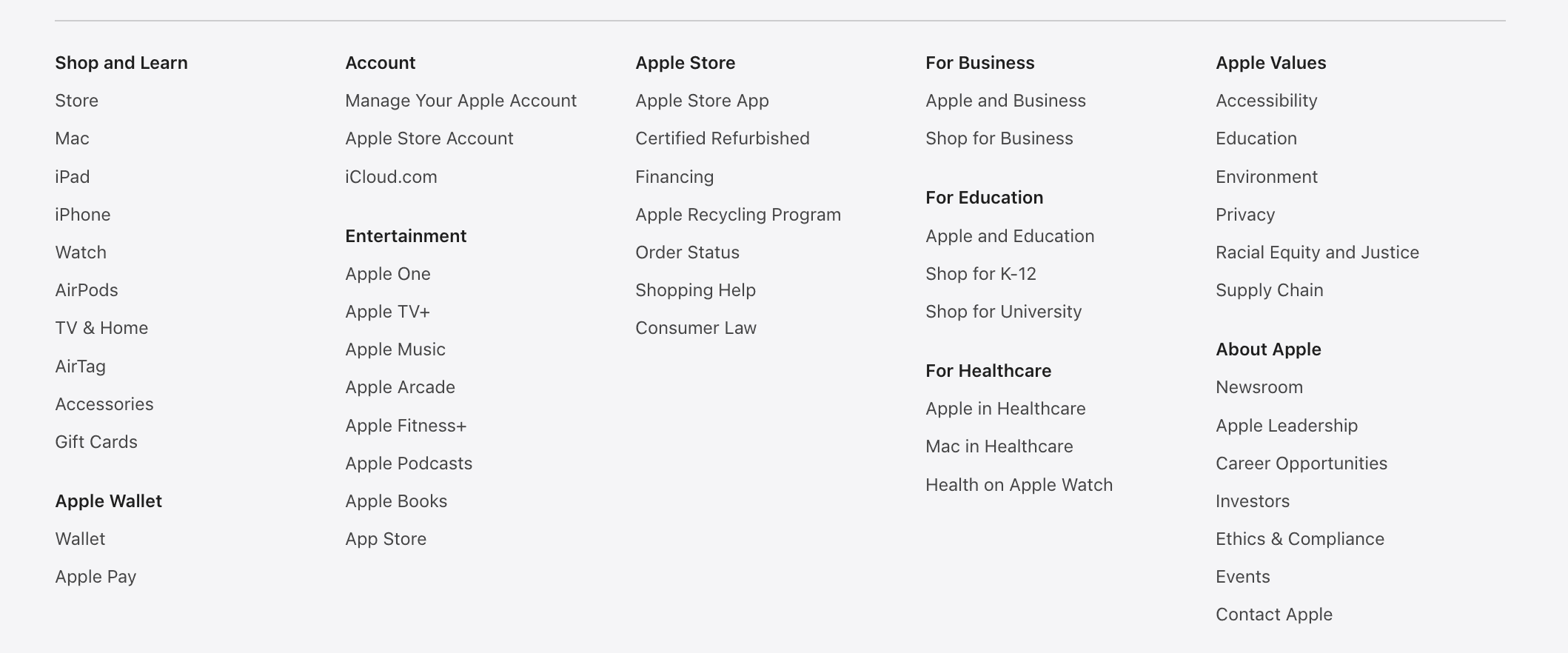
In short, your XML sitemap is the MVP here, making sure Google and other search engines can quickly understand your site’s structure and content - without having to work too hard to find all your important pages. For any ecommerce business, that means better visibility, more indexed pages, and a greater chance of ranking for relevant searches.
Why Do Ecommerce Websites Need a Sitemap?
For ecommerce websites, sitemaps shouldn't be optional. They’re an essential part of keeping your site visible and competitive in search engine rankings. But why exactly is a sitemap so important for ecommerce?
SEO Benefits of Ecommerce Sitemaps
A sitemap helps search engines like Google discover your important pages. For ecommerce sites, especially those with large product catalogues, it’s critical. When Google crawls a website, it uses internal links to find new pages, but this process can take time and might miss certain pages. An XML sitemap acts as a shortcut, giving Google a complete list of your most important URLs right away.
If you regularly add new products, update descriptions, or launch seasonal collections, your sitemap ensures that these changes get noticed quickly. Essentially, it tells Google, “Hey, we’ve got new content - come check it out!” Without it, your latest updates could go unnoticed for weeks or even months, meaning missed opportunities for organic traffic.
In addition, sitemaps can help index pages that might not be linked as easily within your website’s structure. For example, if you have orphaned pages (pages that aren’t linked anywhere on your site but are still important), they might not get crawled at all without a sitemap.
Related: How to Get Your Website Indexed
How Sitemaps Help with Large Product Catalogues
When it comes to ecommerce websites with hundreds or thousands of product pages, things get a bit trickier. Large product catalogues, frequent updates, and complex site hierarchies can make it harder for search engines to crawl every page effectively. This is where a sitemap truly shines.
Imagine an online retailer that frequently adds new products, adjusts pricing, or removes out-of-stock items. Without a sitemap, Google might take its sweet time figuring out what’s new or what’s changed, if it does at all. But with a sitemap in place, Google knows exactly where to look, and your newest pages can get indexed faster, helping your products show up in search results sooner.
Sitemaps also allow you to highlight specific pages - like best-selling products or seasonal promotions - that might be buried under layers of categories. This gives you more control over what gets indexed and ranked, ensuring that your most important products are always visible to potential customers.

Sitemap vs. Multi-Channel Navigation: How Sitemaps Differ from Internal Site Navigation
It’s easy to confuse a sitemap with the standard navigation menus you see on a website, but in reality, they serve two very different purposes. While internal navigation helps your customers find what they need, a sitemap is designed to help search engines do the same.
Sitemaps: Built for Search Engines
A sitemap (specifically an XML sitemap) is a tool designed to help search engines like Google crawl and index your website more efficiently. It’s a behind-the-scenes roadmap that lays out all the important URLs on your site, including pages that might not be easy to find through internal links or your site's navigation. Think of it like a cheat sheet for search engines - it gives them a clear path to all your key pages without having to figure it out through regular crawling.
For example, on an ecommerce site, not every product might be linked directly from the homepage or category menus. In fact, some products could be buried deep in subcategories. Without a sitemap, Google may struggle to find and crawl those pages, leading to missed opportunities for those products to rank in search results.
A sitemap, on the other hand, provides a complete index of all the products you want Google to see, regardless of how complex your site structure might be.
Internal Site Navigation: Built for Users
In contrast, your site’s internal navigation - those categories, menus, and product filters - is designed to help users find their way around. It’s meant to guide your customers from the homepage to specific products or categories as easily as possible, improving the user experience. While internal links like these are important for SEO, they don’t serve the same purpose as a sitemap when it comes to helping search engines understand and crawl your site.
Your site’s navigation is focused on user experience, while a sitemap ensures your content is visible to search engines. Together, they work to improve both your SEO and the overall usability of your website.

Sitemaps and Search Engine Indexing
When it comes to search engine optimisation (SEO), sitemaps are undeniably - although often unappreciated! - the backbone of your site's organic success. While many focus on keywords and content, the way search engines crawl and index your site plays a huge role in determining your rankings. For ecommerce sites with large inventories or deep category trees, sitemaps are a must-have for maximising visibility.
Better Crawlability and Indexing
Search engines like Google use bots to crawl through websites, but they don’t always see things the way a user does. Especially for ecommerce sites with deep product categories, subcategories, and pages that constantly update with new items, ensuring that search engines can efficiently crawl your entire site is essential.
This is where a sitemap steps in. By providing search engines with a clear map of your website’s structure, you’re making it easier for them to find and index important pages. For instance, an ecommerce store with hundreds of product categories might bury some pages too deep for Google’s bots to find through normal crawling. A sitemap cuts through that complexity, ensuring that every category, subcategory, and product page is visible to search engines.
Without a sitemap, you’re relying solely on internal linking and the search engine’s ability to find its way through your site. This can lead to missed opportunities - especially for pages deep within your site’s hierarchy.
Avoiding Duplicate Content Issues
One challenge many ecommerce sites face is duplicate content. With multiple product variations, categories, and filters, it’s common for the same content to appear on multiple URLs. This can confuse search engines, leading to cannibalisation and lower rankings.
A sitemap can help mitigate this by giving search engines a clear path to the most important URLs, ensuring they index the correct version of each page. Instead of search engines crawling every variant and potentially flagging duplicate content, your sitemap highlights the essential pages, helping you avoid the SEO pitfalls of duplicate content. This can significantly improve your site’s overall SEO health.
Supporting Rich Snippets and Structured Data
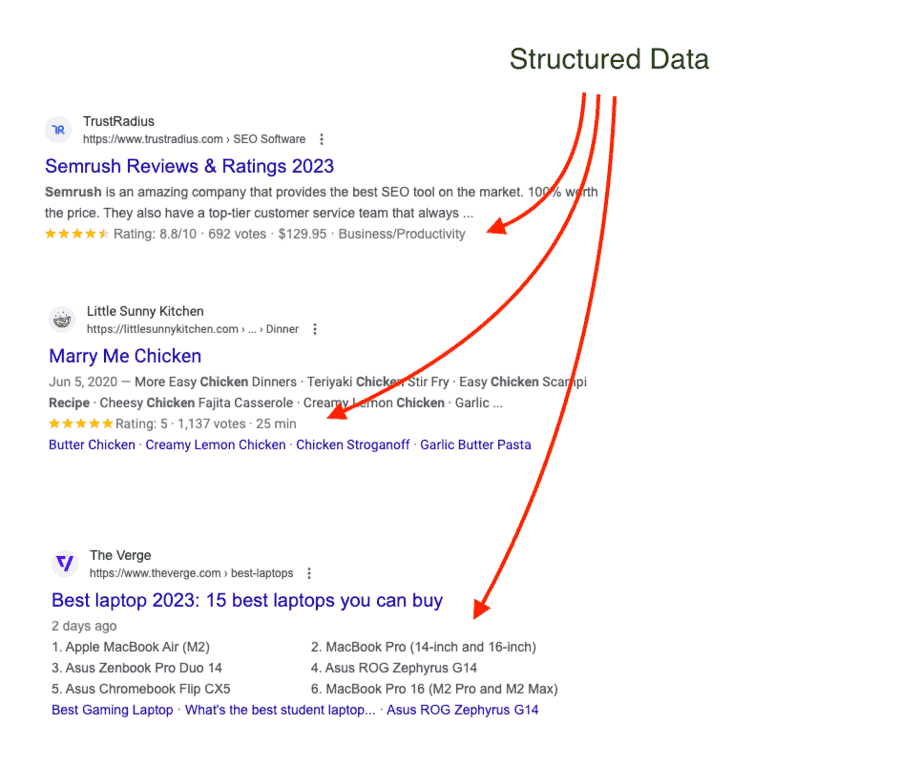
Sitemaps can work hand-in-hand with structured data (like schema markup) to enhance how your site appears in search results.
When search engines can easily index the most relevant pages via your sitemap and read your structured data, you're more likely to see rich snippets (such as star ratings, prices, availability, etc.) in search results, which can improve your click-through rate (CTR).
Faster Discovery of New Pages
Sitemaps help search engines discover new or recently updated pages more quickly, especially for ecommerce sites that frequently add new products. Without a sitemap, new pages might take longer to appear in search results since search engines primarily rely on external links and internal navigation to discover them.
Improved Visibility for Non-Linked Pages
Sometimes, pages on your website may not have direct links from other pages, making them "orphaned" from an internal navigation standpoint. This is common for ecommerce stores with seasonal product pages or limited-time offers.
Including these in your sitemap ensures that search engines can still find and index these pages, despite their lack of internal links.
Prioritising Important Pages
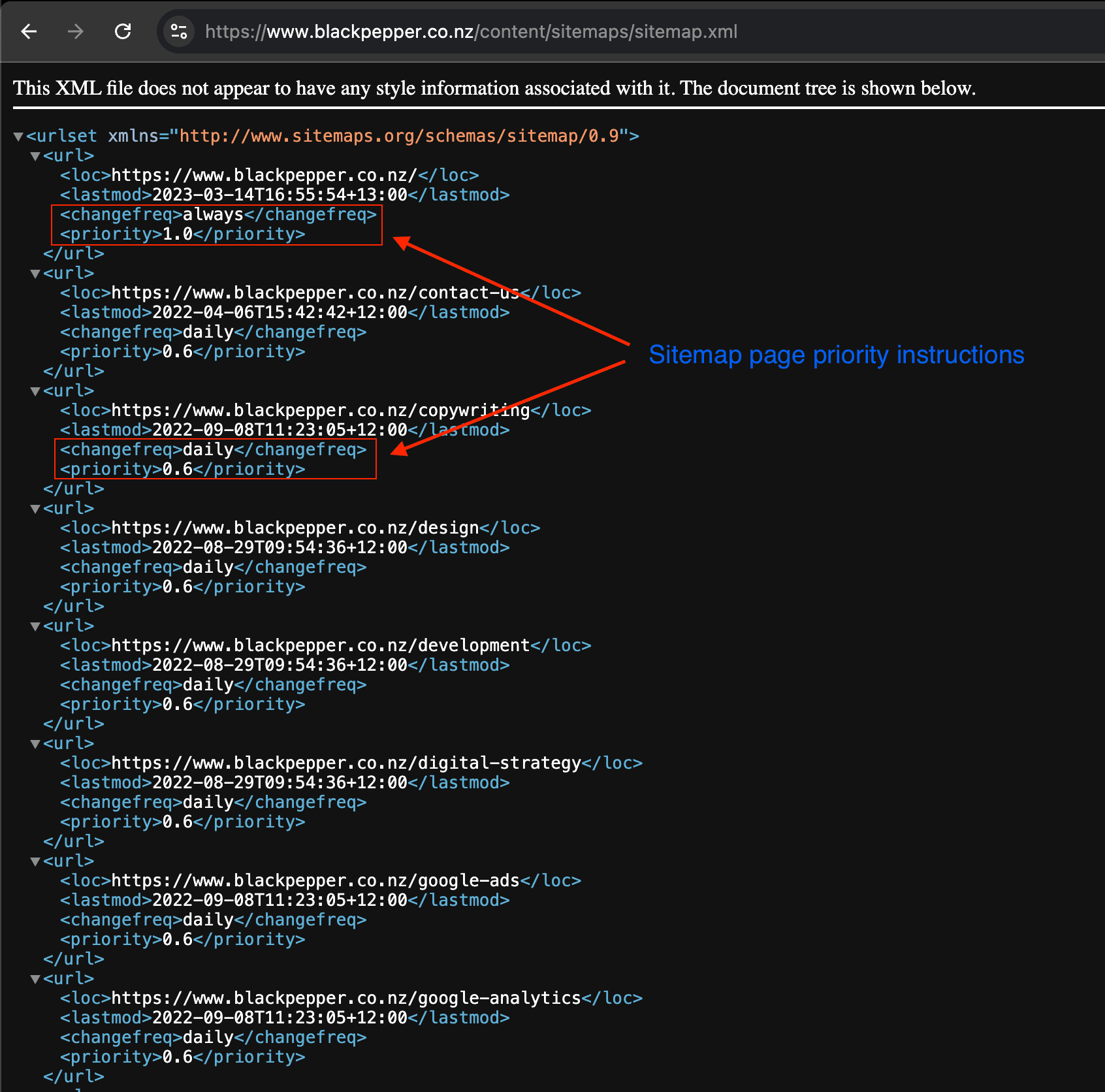
Sitemaps allow you to give search engines clues about which pages are most important by assigning them priority levels. For example, you might set your homepage or key product category pages with higher priority so that Google pays more attention to them during indexing, potentially leading to better rankings for these crucial pages.
Handling Pagination Effectively
Ecommerce sites often rely on pagination for category and product listing pages. Sitemaps help search engines understand and crawl through these paginated sections more efficiently, ensuring that no pages are left unindexed or pushed too far down in the crawl queue due to pagination complexities.
Improving Indexing of International or Multi-Language Pages
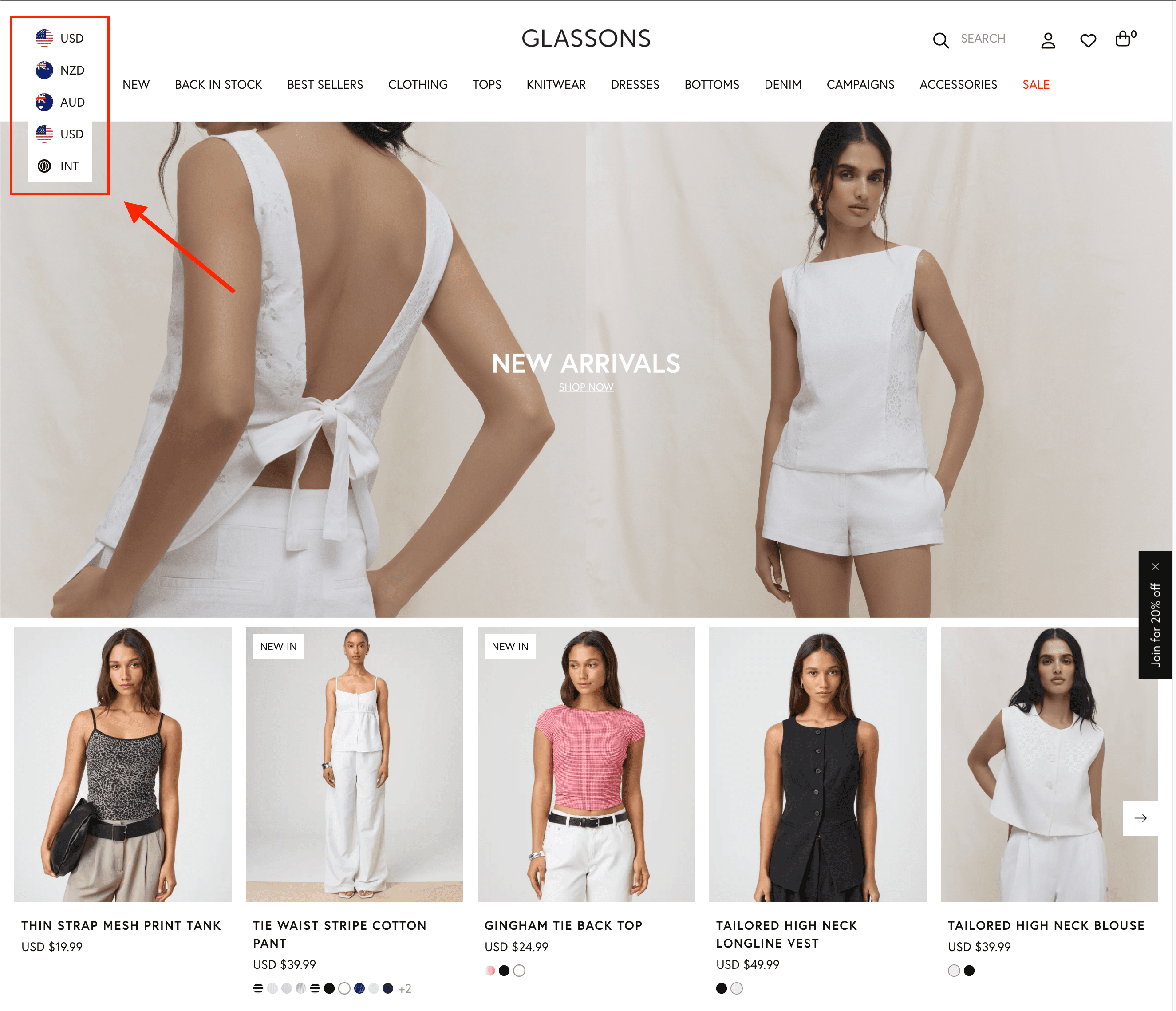
If your ecommerce store serves multiple regions or languages, sitemaps (particularly hreflang sitemaps) help search engines identify the correct version of your pages for different users based on their location or language preference. This can ensure better indexing for your international audience and prevent duplicate content issues across different language versions.
Real-World Example: How a Sitemap Transformed an E-Commerce Site’s SEO
To illustrate the power of a well-structured sitemap, let's look at the case of a large, renowned book and hobby retailer based in New Zealand who partnered with our agency for SEO. With a vast product catalogue and hundreds of content pages, this retailer was experiencing a major indexing issue when they first onboarded for SEO.
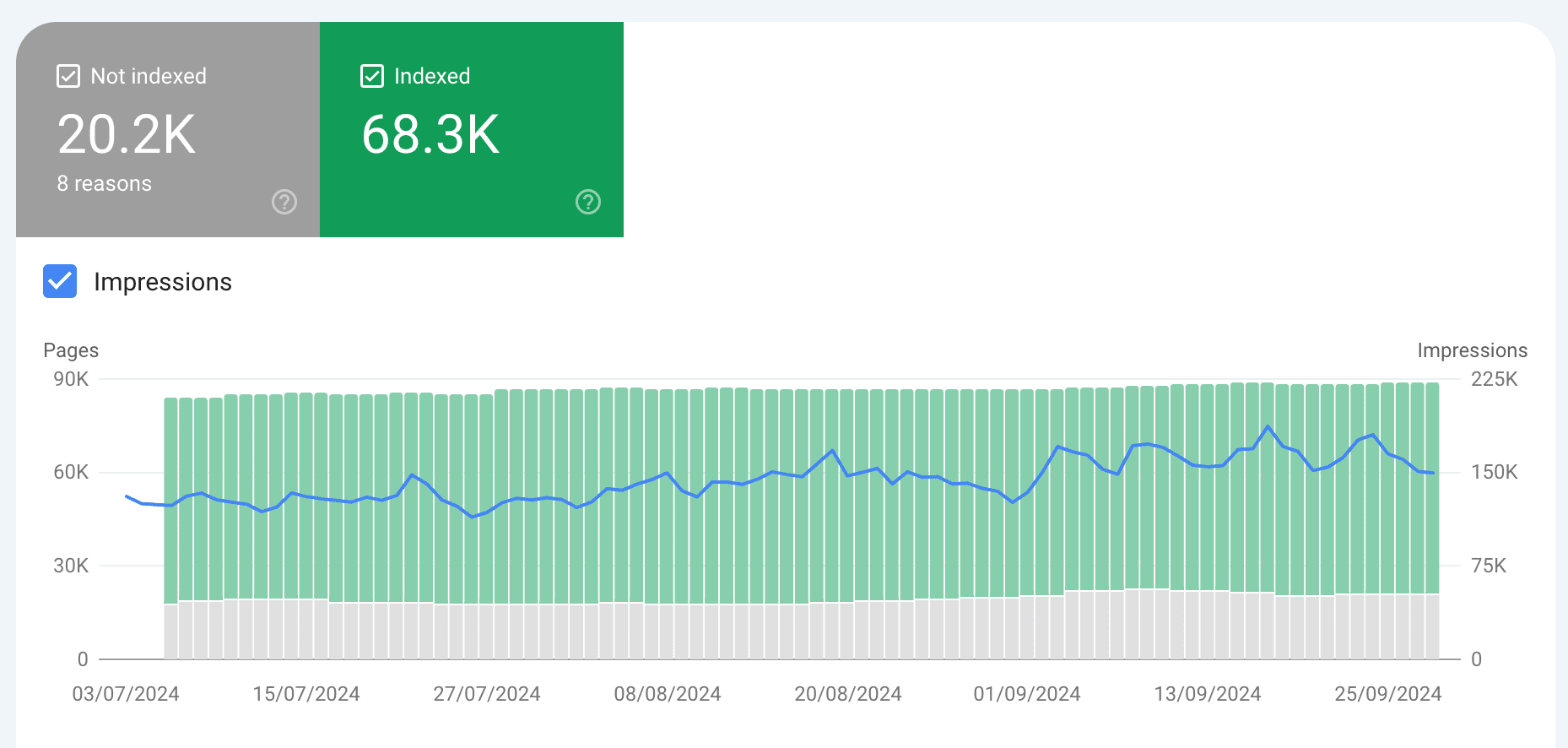
Despite having over 73,500 URLs on their website, only about 1,400 were indexed by search engines. This limitation had a clear impact on their search visibility, restricting them from ranking for many of their product pages and category pages. The underlying issue? An XML sitemap that wasn’t functioning properly due to the sheer volume of URLs being displayed.
The Sitemap Fix
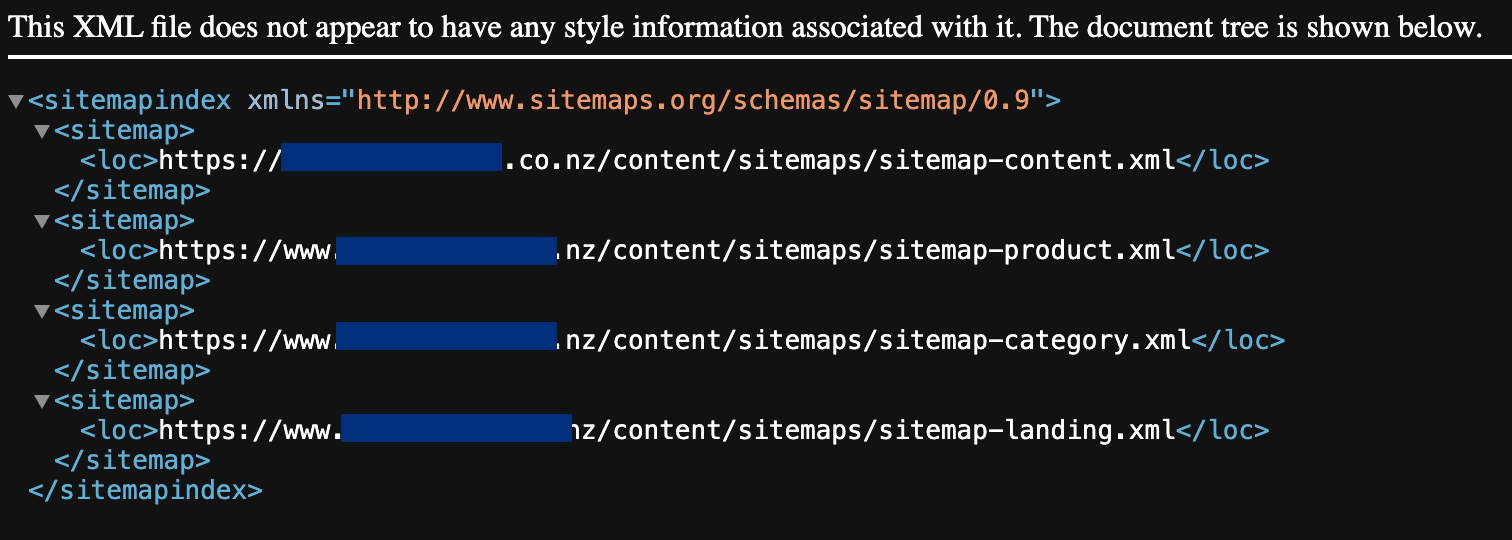
To address this, we implemented a sitemap index file that contained individual, segmented sitemaps. Instead of cramming thousands of URLs into one giant sitemap, we created dedicated sitemaps for each type of page on their site, breaking it down into product, category, landing, and content pages. This helped search engines more easily crawl and index the site’s key pages.
The results were transformative. As of writing this blog, they now have 68,000+ out of 88,000+ URLs indexed in Google’s search results. That’s an enormous increase from the original 1,400 indexed pages and has directly impacted their organic visibility.
The Impact
Since restructuring the sitemap and improving the crawlability of their pages, the site has seen significant growth. Over the last four months compared to the same time last year, the retailer achieved 20,000 more clicks and over 1.2 million more impressions.
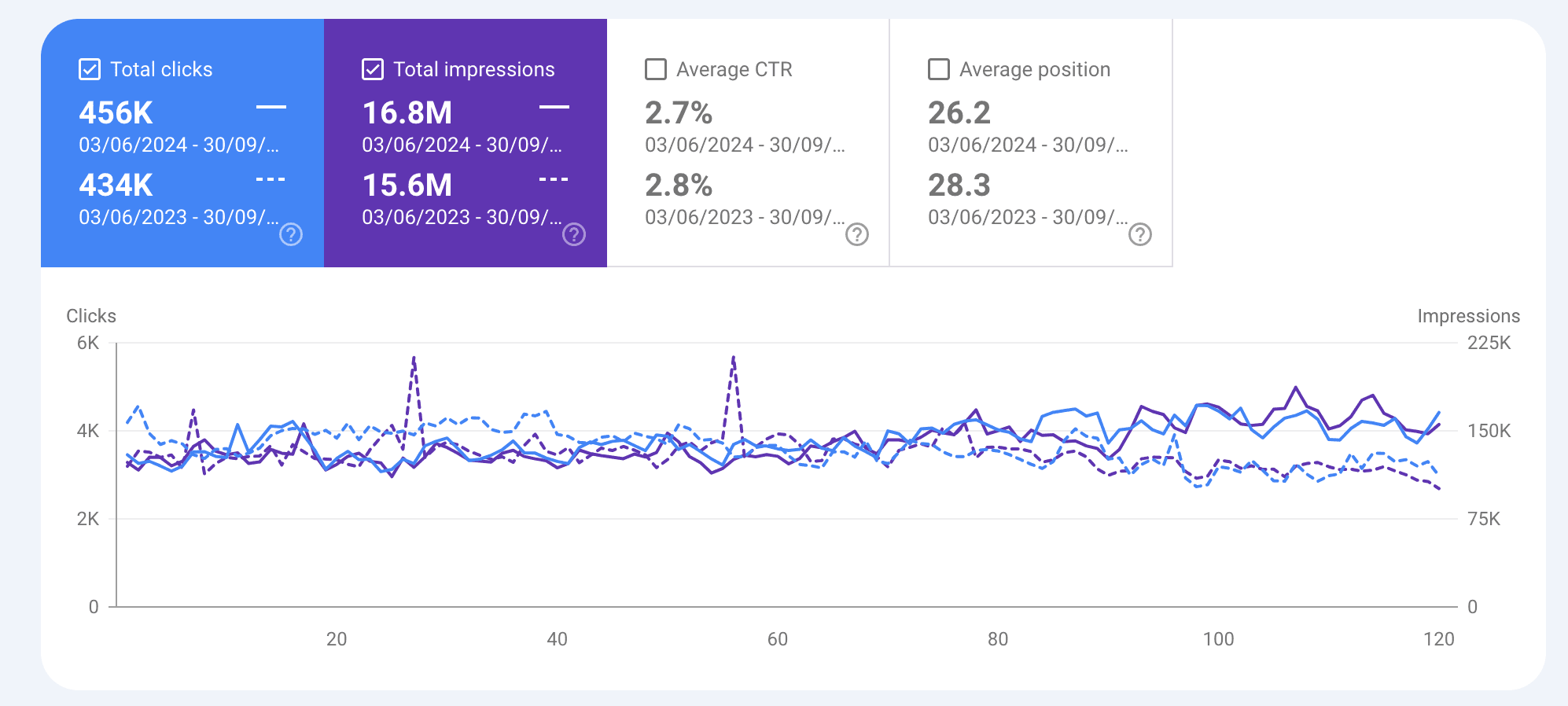
This example proves that no matter how large or complex your ecommerce site is, a well-structured sitemap can be the difference between ranking on the first page of Google and being lost in the shuffle. For businesses with large catalogues, frequent product updates, or deep category trees, a sitemap is more than just a technical tool - it’s the key to better search visibility, more traffic, and higher conversions!
Don’t Overlook the Power of a Sitemap
In the fast-paced world of ecommerce, visibility is everything. Whether you're a small business or managing a vast catalog of thousands of products, a well-structured sitemap is a crucial tool for boosting your site's SEO and ensuring that search engines can efficiently crawl, index, and rank your content.
Without a sitemap, you’re leaving it to chance whether Google and other search engines can find and prioritize your pages. With it, you’re putting your best foot forward, ensuring that both new and existing content is consistently discoverable, even as your site grows.
For ecommerce businesses, especially those with large, ever-evolving product ranges, a sitemap is your foundation. It’s a simple yet effective way to enhance your site’s visibility, ensuring your customers can find you at every touchpoint.
Need help setting up a sitemap for your ecommerce site? Reach out to us at Blackpepper - our team of SEO experts is here to make sure your website is fully optimised and ready to rank!