Should You Be Advertising on YouTube?
21 May 2025

Roberta Johnston
SEO Lead
I'm an SEO specialist with over 8 years of experience helping brands grow through strategic, data-driven search optimisation. I've worked with large e-commerce websites and niche brands alike, developing a deep understanding of ranking algorithms, generative AI, and LLMs like ChatGPT, Perplexity AI, and Gemini. My expertise spans technical SEO, ensuring sites - whether a few dozen pages or 100,000+ - are crawled and indexed effectively.
Tags
YouTube isn’t just for cat videos anymore
YouTube isn’t a social media platform. It’s a search engine - the second biggest in the world after Google.
And while it might’ve started as a place for vlogs and viral hits, it’s now one of the most influential touchpoints in the customer journey. People head to YouTube to compare products, watch reviews, check sizing, understand how something works, or see it in action - often before they’ve even clicked on a product page.
If you’re in ecommerce, that matters. Because when someone’s searching “best running shoes NZ” or “how to use a lash growth serum,” and your product’s nowhere to be seen... You’ve missed the moment.
YouTube advertising gives you the chance to show up at the top of that journey - to get seen, remembered, and trusted before someone hits Google Shopping, clicks your Meta ad, or finds your competitors.
It’s not just about views. It’s about visibility. And it might be the missing link in your performance strategy.
TL;DR - Skip to What You Need to Read
Want to cut to the chase? Jump to the section that fits your goals:
What Is YouTube Advertising (and How Does It Work)?
A clear breakdown of ad formats, how they appear, and how YouTube fits into the Google Ads ecosystem.
Does Performance Max Include YouTube?
Yes - but it’s not a true strategy. Find out what you’re really getting.
Why It Matters for Retail & Ecommerce Brands
Why YouTube is a game-changer for brand visibility, consideration, and driving influence across the funnel.
Who Should (and Shouldn’t) Be Advertising on YouTube?
Not every brand needs to be here. We help you self-assess before you commit spend.
Don’t Forget About the Free Side of YouTube
How Shorts, organic videos, and YouTube SEO can help you grow visibility without a dollar spent.
Conclusion: It’s Not About Vanity Views - It’s About Visibility
Our final word on why YouTube is worth serious consideration in your 2025 growth strategy.
What Is YouTube Advertising (and How Does It Work?)
YouTube ads run through the same Google Ads platform you might already be using for Search, Shopping, or Display.
But unlike those formats, YouTube lets you show up visually - in the feed, in front of videos, and in the moments people are actively exploring or deciding what to buy.
You get access to the same targeting engine:
• Audience signals (in-market, affinity, custom intent)
• First-party data (Customer Match, remarketing)
• Demographics, interests, behaviours - all powered by Google
What makes YouTube different is that it's video-first. You're showing up where people are watching content, researching products, or scrolling through Shorts - not just searching.
And while YouTube’s targeting capabilities are powerful, the ad format you choose is just as important. Here’s a quick breakdown of the formats:
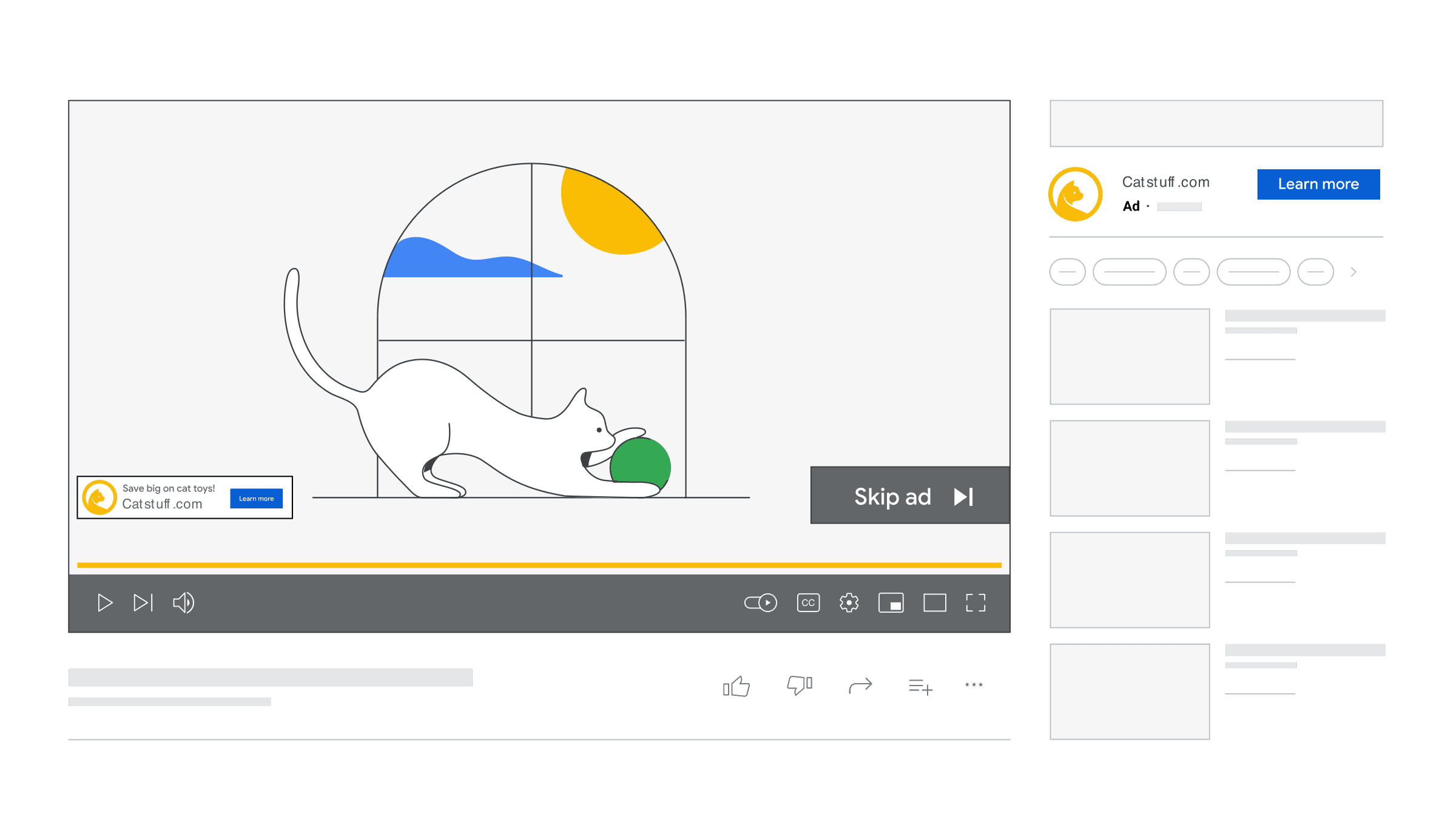
Skippable In-Stream Ads
These are the ads you see before, during, or after a YouTube video - with the “Skip” button appearing after 5 seconds.
They can be as short as 12 seconds or as long as 3 minutes, but unless your creative grabs attention fast, most people won’t stick around.
Best for: Storytelling, new product launches, educational content - as long as you front-load the value.
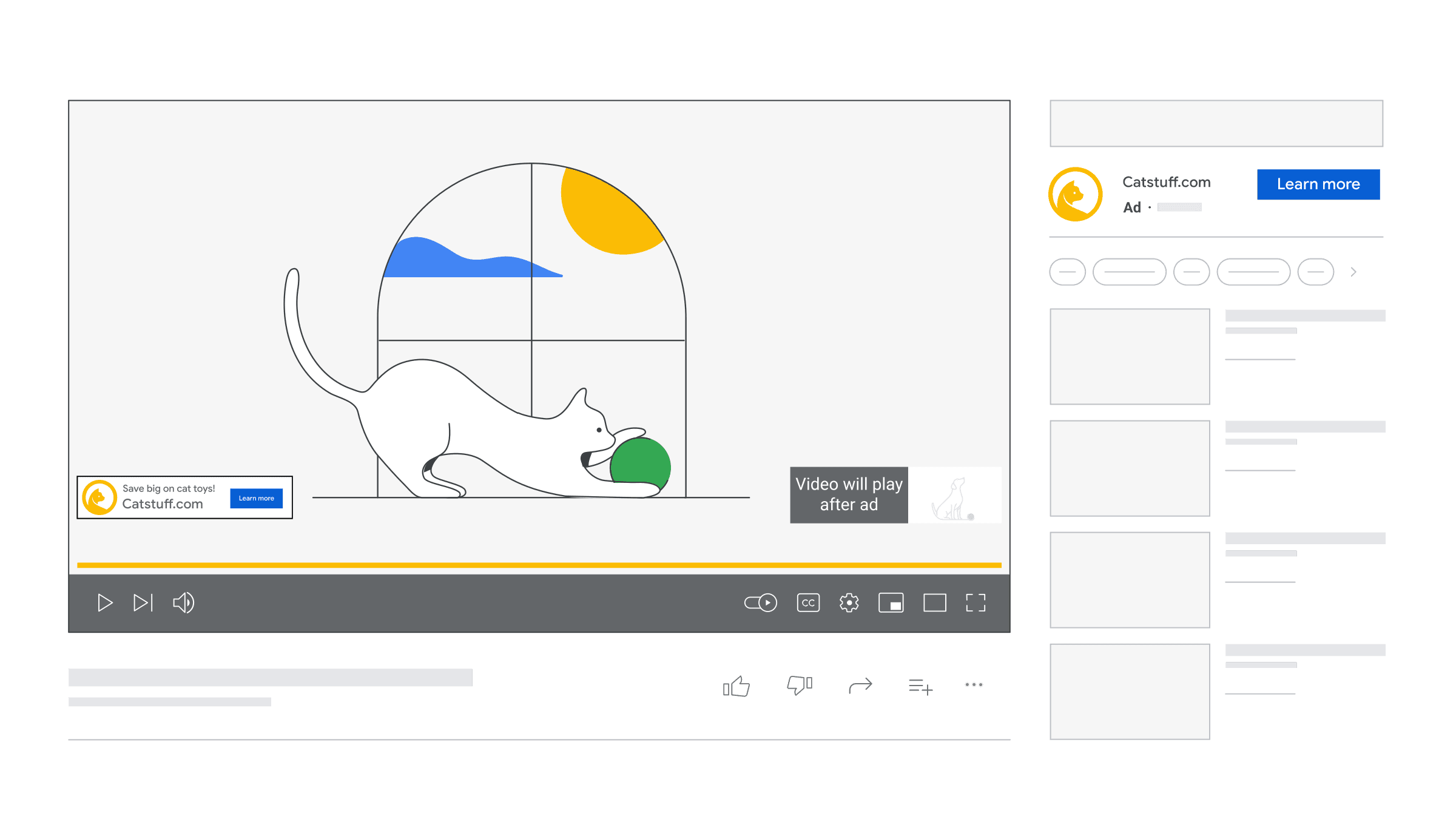
Non-Skippable In-Stream Ads
These ads run for up to 15 seconds and must be watched in full before the video continues. They’re shown to people who’ve opted into ad-supported content and are billed on impressions, not clicks.
Best for: High-impact awareness plays or hero campaigns - short, sharp, brand-first messaging that doesn’t rely on interaction.
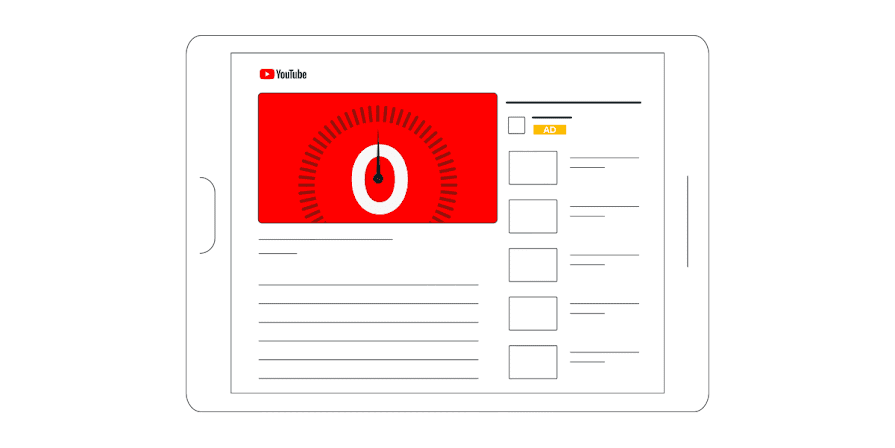
Bumper Ads
6-second, non-skippable video ads. You can’t say much, but you can still make an impression - especially if you’re reinforcing a message from a longer campaign.
Best for: Retargeting, brand recall, or slicing up longer creative into snackable assets.
In-Feed Video Ads
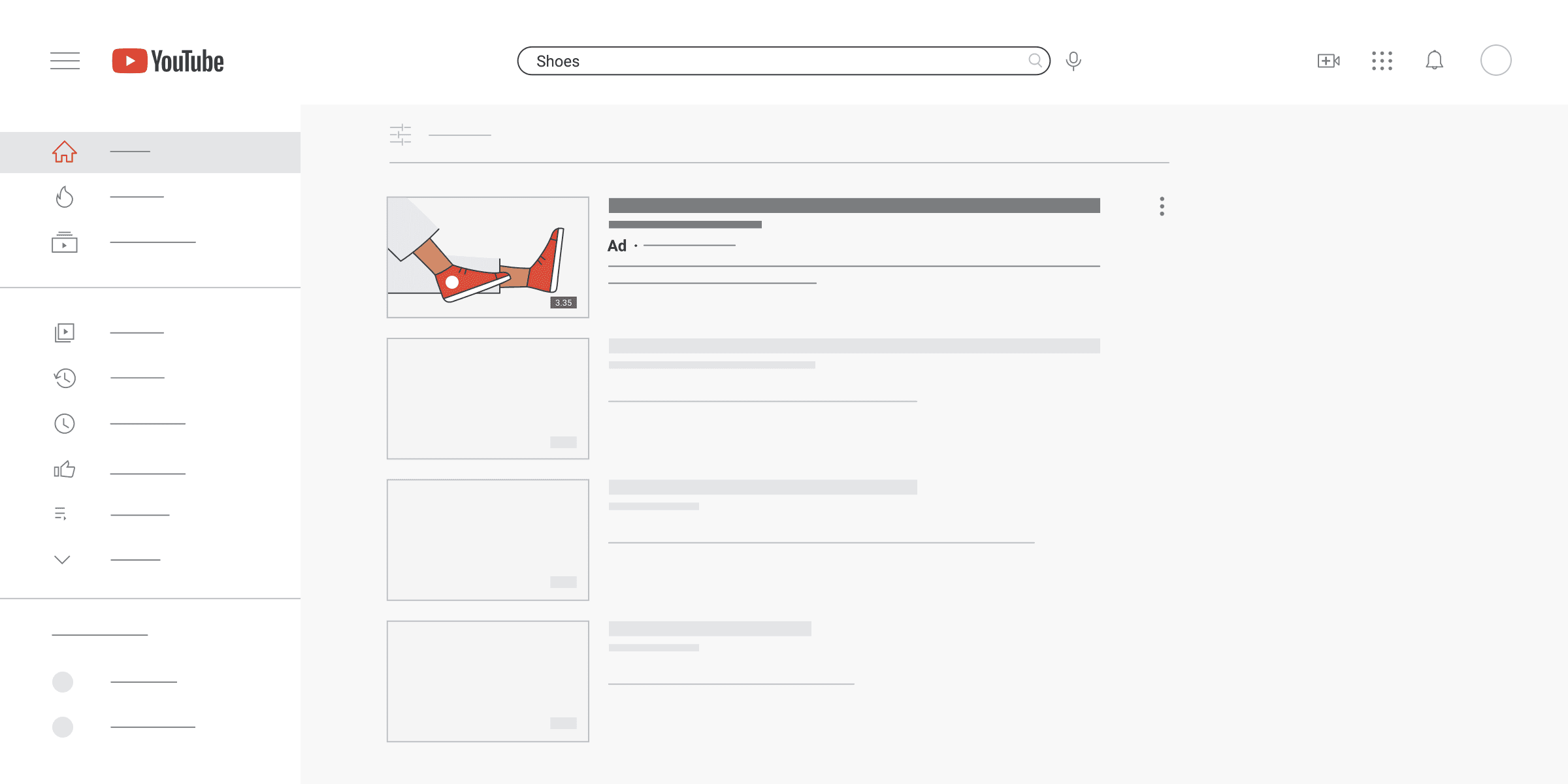
These appear in YouTube’s search results, related video recommendations, and homepage feed - basically, anywhere users browse content. The user has to choose to watch, making these closer to Search ads in terms of intent.
Best for: Mid-funnel discovery - like when someone’s comparing products or researching a solution. Think: “best travel pram NZ” or “how to use a gua sha.”
YouTube Shorts Ads
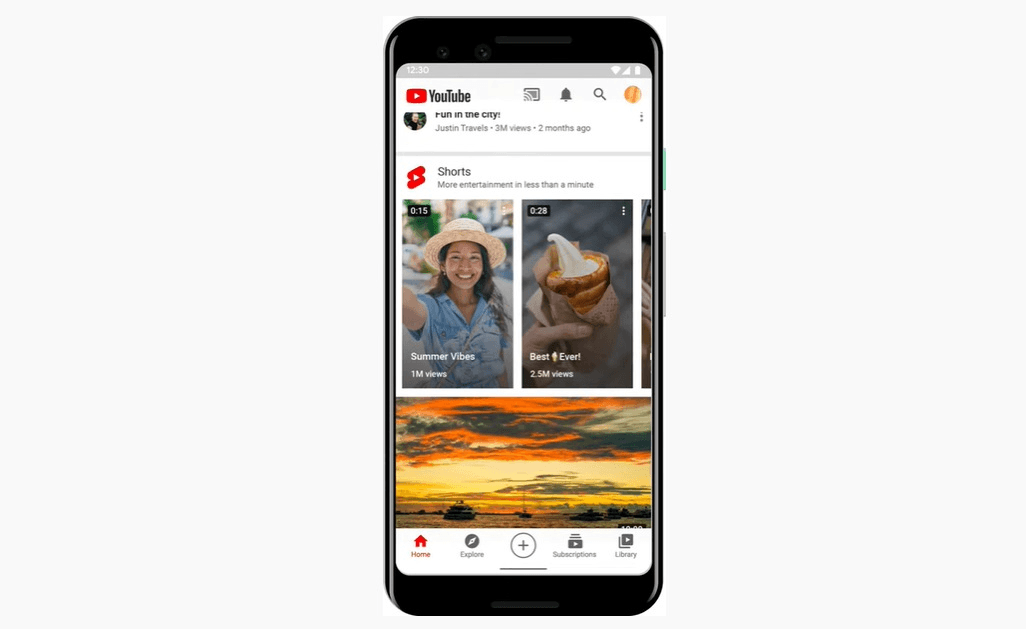
These show up in the Shorts feed and are designed for vertical, mobile-first viewing. They blend in with organic Shorts but are marked as ads.
Best for: Attention-grabbing creative that looks native in the feed - especially for younger or mobile-first audiences.
Does Performance Max Include YouTube?
Yep - if you’re running Performance Max campaigns and you’ve uploaded video assets, there’s a good chance Google is already placing them across YouTube.
But here’s the catch: you don’t get to choose how, where, or to whom those ads are shown.
YouTube placements inside PMax are fully automated. You can’t control the ad format, targeting, or sequencing. You might show up in Shorts, in-stream, or even as in-feed - and you won’t know which.
So yes, Performance Max includes YouTube. But if you’re not steering the creative, audience, or placement, are you really running a YouTube strategy?
Not quite. And definitely not one you can optimise for performance.
Why & How YouTube Matters for Retail and Ecommerce
Ecommerce success doesn’t just hinge on the click anymore. It starts way earlier - in the scroll, the search, the “just looking” phase.
YouTube is where people go to explore, learn, compare, and decide. For product-led brands, that makes it one of the most influential platforms you can show up on.
People Don’t Shop in Straight Lines anymore
We all know this - but many brands still market like it’s 2015.
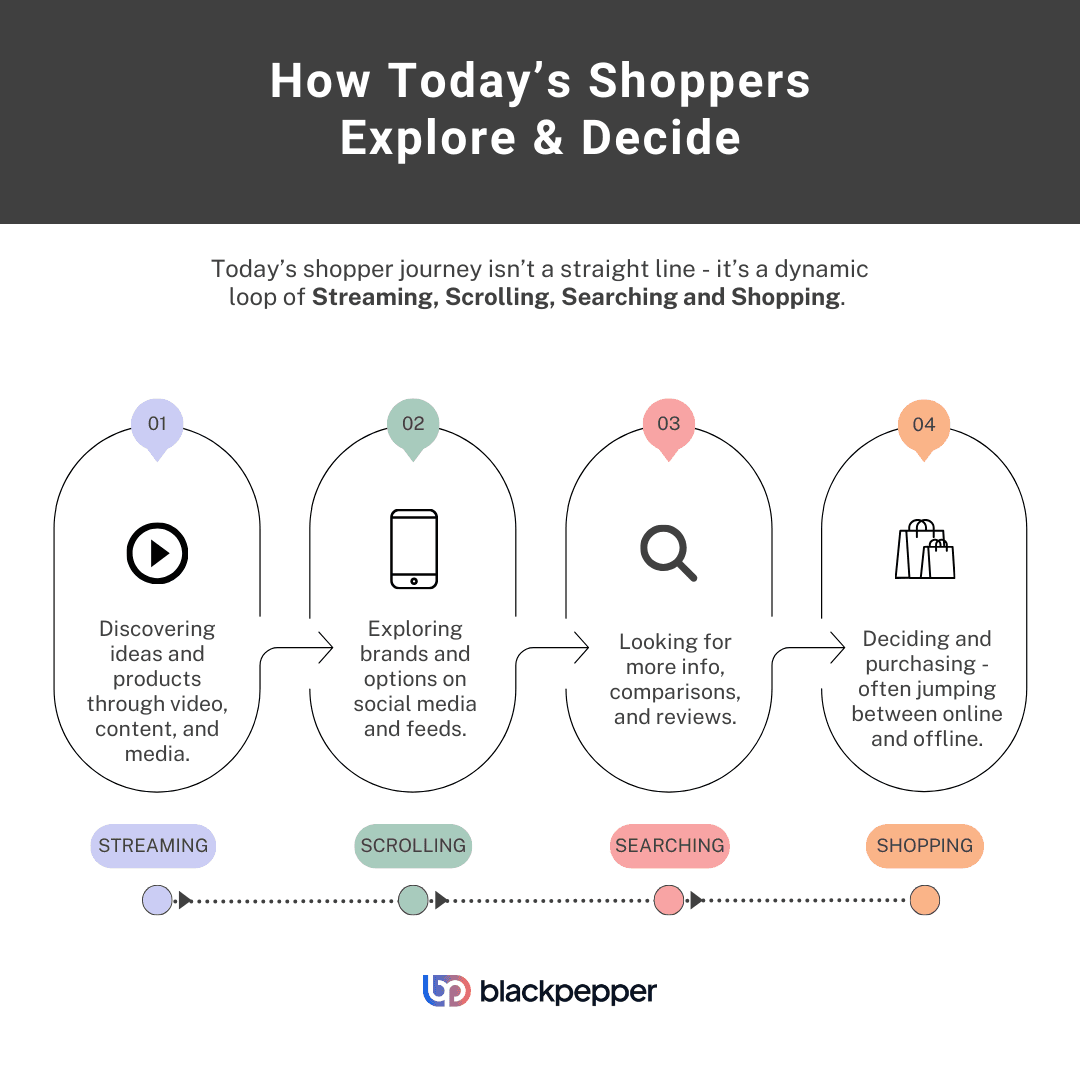
Your customer doesn’t go from “Google search” → “product page” → “buy.” They browse on TikTok, research on YouTube, check reviews, ask ChatGPT, get retargeted on Meta, then maybe convert after Googling you later.
YouTube plays a crucial role in that messy journey - especially for:
• Product reviews and unboxings
• Side-by-side comparisons (e.g. “best running shoes for flat feet”)
• Explainer or how-to videos that demonstrate value
If you’re not there, your competitors probably are.
Visual Storytelling Builds Trust
YouTube lets you show, not just tell. That’s huge for:
• Products with unique features or functionality
• Fashion or beauty brands where colour, texture, or fit matters
• Lifestyle-led brands with a story to tell
The right 15-second video can answer a question, overcome a hesitation, or create a “this is the one” moment in a way static ads just can’t.
Google Search and YouTube are Deeply Connected
YouTube is owned by Google, which means YouTube activity can (and often does) influence how users engage with your brand across the entire Google ecosystem.
It’s not always direct. Someone might see your YouTube ad and not click. But then they search your brand name later. They see your Shopping or Search ad (or, at no cost to you, your organic listing, if your SEO is up to scratch...) and click that. Boom - a sale that looks like Search, but was actually sparked by video.
Just because YouTube didn’t get the “last click” doesn’t mean it didn’t do the heavy lifting.
If you’re only measuring performance by final-touch conversions, you're missing half the picture - and probably undervaluing your top-of-funnel efforts.
Someone sees a YouTube ad, later searches your brand - your search or Shopping ad gets clicked. Did the video “convert”? Technically, no. But did it drive the conversion? You bet.
Who Should (and Shouldn’t) Be Advertising on YouTube?
YouTube advertising isn’t for every brand, and that’s okay.
If you’re purely bottom-of-funnel, margin-stretched, or don’t have the creative (yet), it might not be the right time. But if your product needs to be seen, explained, or remembered, YouTube can be a game-changer.
YouTube Does Make Sense If:
Your product is visual
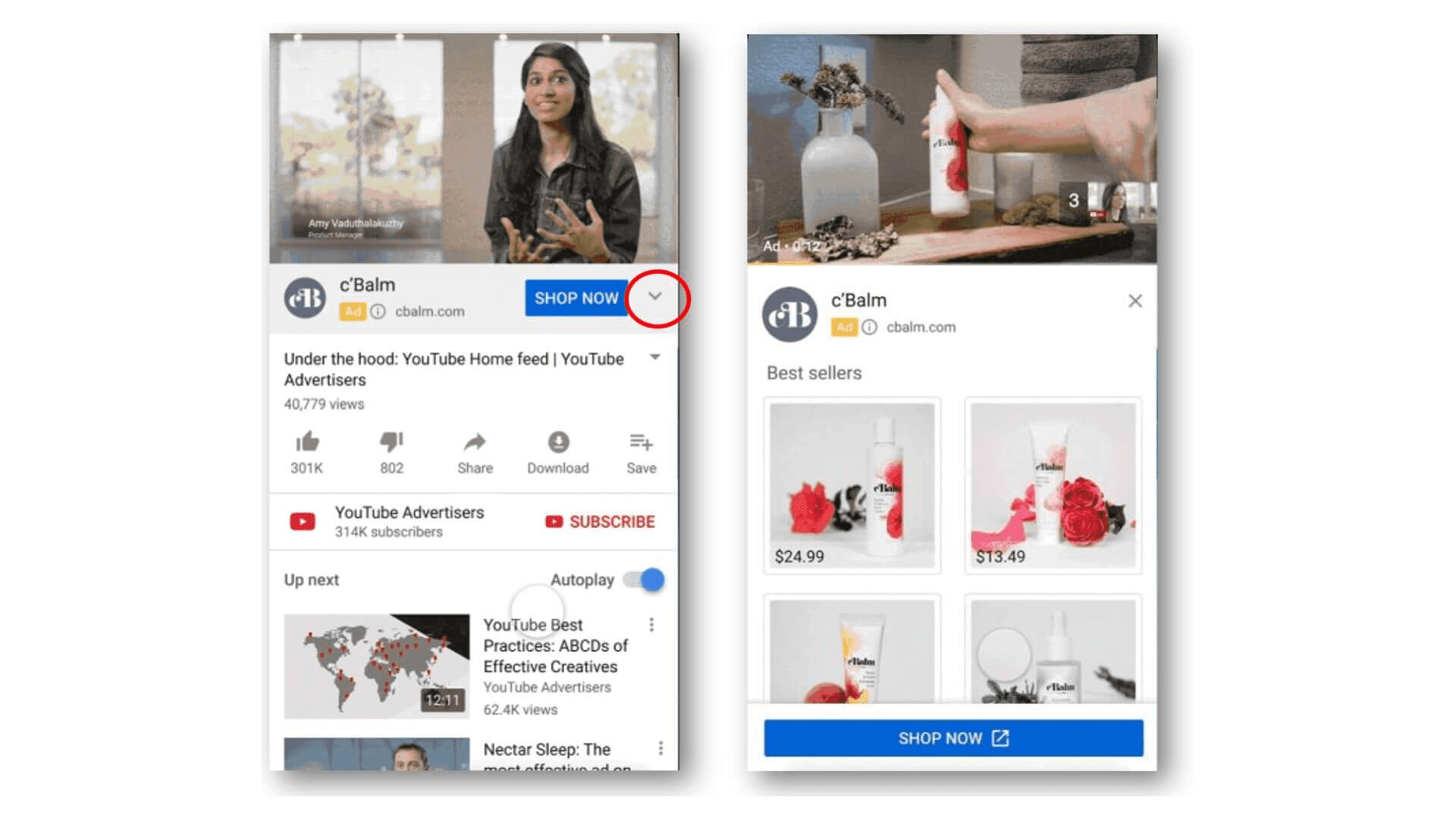
Skincare, apparel, fitness gear, homeware, tech - if someone needs to see it in action to understand why it’s better, YouTube is your platform.
You have a consideration phase
Not every product is an impulse buy. If your customer needs time to research, compare, or build trust, YouTube gives you that early window to influence the decision.
You want to grow brand demand
Most performance marketing focuses on harvesting demand - people already searching. YouTube lets you create that demand earlier in the journey.
You’ve got video content already
If you’re producing Reels, TikToks, or video for Meta, you’re most of the way there. Repurpose that content for YouTube ads and amplify your reach.
Search Engine Land
YouTube Might Not Be Right If:
You don’t have any creative (yet)
No product footage, no founder story, no UGC? You’ll need at least something to work with. (But we can help you figure out how to get started.)
You’re only looking at last-click ROI
If you expect YouTube to deliver direct purchases the way a Shopping ad does, you’ll probably be disappointed. It’s a visibility and influence channel - and the impact often shows up later.
You need conversions now
Launching a flash sale tomorrow? YouTube isn’t a quick conversion engine. It’s a longer play - and more powerful when layered with Search, Shopping, and Meta.
💡 Want a middle ground?
Try YouTube Shorts retargeting. It’s low-cost, fast-moving, and a smart way to re-engage warm audiences - even if you’re not ready for a full YouTube funnel.
Don’t Forget About the Free Side of YouTube
Not every brand is ready to jump into paid YouTube campaigns. That’s fine - but it doesn’t mean you shouldn’t be using the platform at all.
There’s a side of YouTube that costs nothing but time and consistency. And if you’re already creating content for Instagram, TikTok, or your website, you’ve got more to work with than you think.
YouTube SEO = Organic Visibility
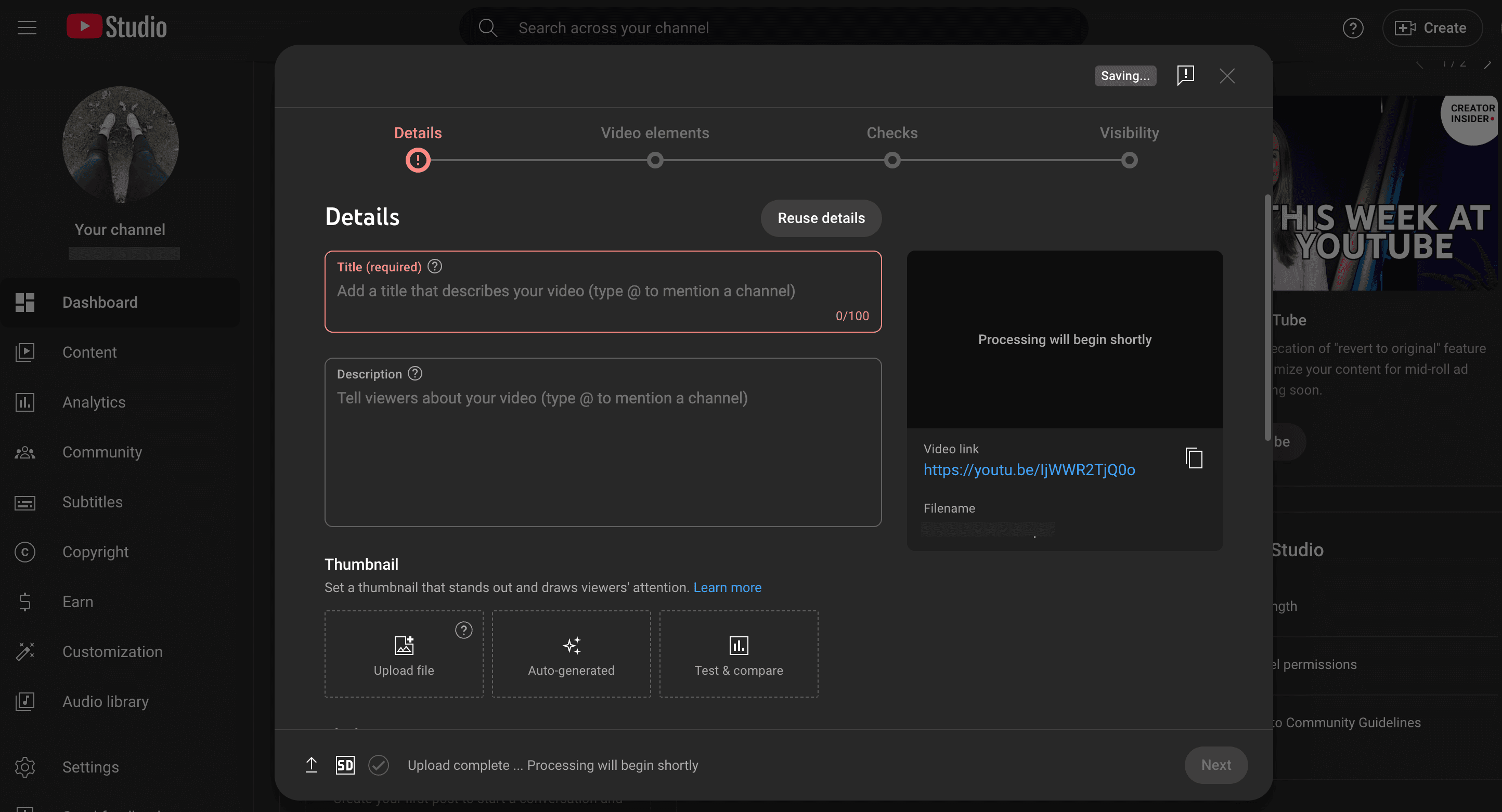
Yes, YouTube is a search engine. And that means your videos can show up in both YouTube search and Google search if they’re optimised properly.
What that looks like:
• Clear, keyword-focused video titles
• Descriptions that explain what the video covers
• Tagged product names, ranges, or relevant search terms
• Strong thumbnails that get clicks
This is a long game, but it works - especially for brands in niche, high-consideration, or tutorial-friendly spaces.
YouTube Shorts = Fast, Free Exposure
Shorts are YouTube’s answer to TikTok and Reels - and they’re growing fast.
They’re mobile-first, vertical, and designed for quick consumption. If you’re already making short-form video content for social, this is a no-brainer repurpose. And because Shorts live in a separate feed, you’re not competing with long-form videos for visibility.
Shorts are great for:
• Product teases or drops
• Tips, how-tos, or “before and afters”
• Behind-the-scenes or packaging moments
• User-generated content or reviews
Community + Consistency = Momentum
You don’t need a million subscribers to get value from YouTube.
What you do need is consistency - showing up regularly, sharing relevant content, and treating your channel as a searchable extension of your brand.
Brands that do this well tend to:
• Show up in more searches
• Build trust with repeat visitors
• Improve performance when they do run ads
• Boost branded search demand and send strong engagement signals back to Google - which could even help with Organic Search performance over time
Brands that combine regular organic content with paid campaigns often see stronger results on both sides - more engaged audiences, higher watch time, and better ad performance.
The more you show up with helpful, relevant content, the more search engines understand who you are, what you sell, and why people trust you. And that matters - paid or not.
It’s Not About Vanity Views - It’s About Visibility
If you’re thinking about adding YouTube to your paid strategy, here’s the bottom line:
It’s not a silver bullet. It won’t deliver bottom-funnel results overnight. And it’s not where you go just to “get views.”
But if you want to build brand recognition, show up early in the buying journey, and influence the decision before your competitors even get a look in - YouTube should absolutely be on your radar.
Especially now.
Because attention is fragmented. Trust is harder to earn. And the brands that win are the ones that don’t just show up in the Shopping tab - they show up everywhere people are making decisions.
And if you’re not sure where to start, we can help. From creative advice to campaign setup to knowing what to track and how to scale, we know what works.
Let’s make sure your brand gets seen.