Top 7 SERP Features to Know About
5 June 2024

Roberta Johnston
SEO Lead
I'm an SEO specialist with over 8 years of experience helping brands grow through strategic, data-driven search optimisation. I've worked with large e-commerce websites and niche brands alike, developing a deep understanding of ranking algorithms, generative AI, and LLMs like ChatGPT, Perplexity AI, and Gemini. My expertise spans technical SEO, ensuring sites - whether a few dozen pages or 100,000+ - are crawled and indexed effectively.
Tags
It’s one thing to be indexed on Google, but staying ahead of the curve (and your competition) means understanding not just how to rank on the first page of Google, but also how to capitalise on the various features that the search engine results pages (SERPs) offer. These SERP features can significantly enhance your visibility, drive more traffic to your site, and ultimately boost your business.
But what exactly are these features, and why should you care about them?
SERP features are the additional elements on the search engine results page that go beyond the traditional blue links. They can include anything from ads and images to local business listings and rich snippets. These features are designed to provide users with quick answers, improved search experiences, and more engaging content. For businesses, appearing in these features can mean the difference between being noticed or getting lost in the sea of search results.
Let’s take a look at seven key SERP features that could make all the difference to your business’s presence on Google.
What are SERPs?
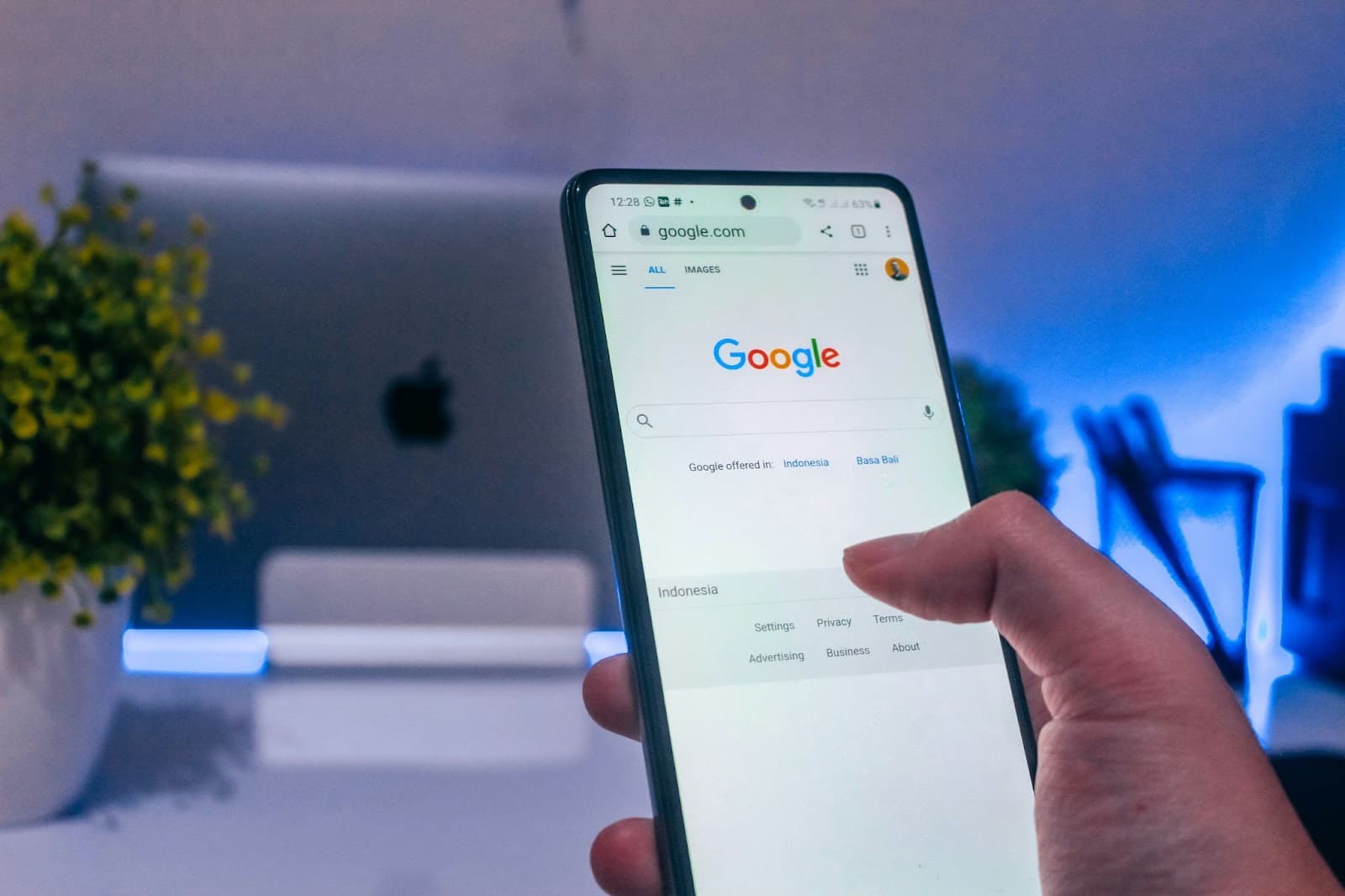
Search Engine Results Pages (SERPs) are the pages that search engines display in response to a user's query. When you enter a search term into Google, Bing, or another search engine, the resulting page of links, images, and information snippets is called the SERP.
These pages contain a mix of organic results (unpaid listings) and paid advertisements, as well as various SERP features that enhance the user experience by providing quick, relevant information.
Related: How Do Search Engines Work?
Why is it Beneficial to Hold SERP Features on Google?
Holding a spot in SERP features can dramatically boost your online visibility and credibility. Here's why:
Increased Visibility: SERP features like the Knowledge Panel or Featured Snippets appear prominently at the top of search results, often above the top organic links. This means they are more likely to be seen and clicked by users.
Enhanced Credibility: Being featured in a SERP feature positions your business as an authority on the subject, increasing trust among potential customers.
Higher Click-Through Rates (CTR): SERP features are designed to catch the user’s eye and provide quick answers, leading to higher CTRs compared to regular organic results.
Improved User Experience: These features provide users with relevant information quickly, improving their search experience and potentially increasing the likelihood of them choosing your business over competitors.
1. Knowledge Panel
The Knowledge Panel is a box that appears on the right side of the search results page on desktop (or at the top on mobile). It provides a snapshot of information about a specific entity, such as a business, person, place, or event. This panel pulls data from various sources, including Google's own Knowledge Graph, Wikipedia, and other authoritative websites.
Why It Matters: The Knowledge Panel is a prime spot for visibility, presenting critical information about your business directly in the search results. It helps build trust and credibility by showcasing key details like your business name, logo, location, contact information, and even reviews. This immediate access to important information can drive more traffic to your site and increase customer engagement.
Related: E-E-A-T in SEO: What is it, and Why is it Important?
How to Optimise for the Knowledge Panel:
1. Create and Verify Your Google Business Profile: Ensure your business profile is up to date with accurate information.
2. Structured Data Markup: Implement schema markup on your website to help Google understand your content better.
3. Build Authority: Maintain a strong presence on authoritative sites like Wikipedia and ensure your business details are consistent across all platforms.

2. People Also Ask
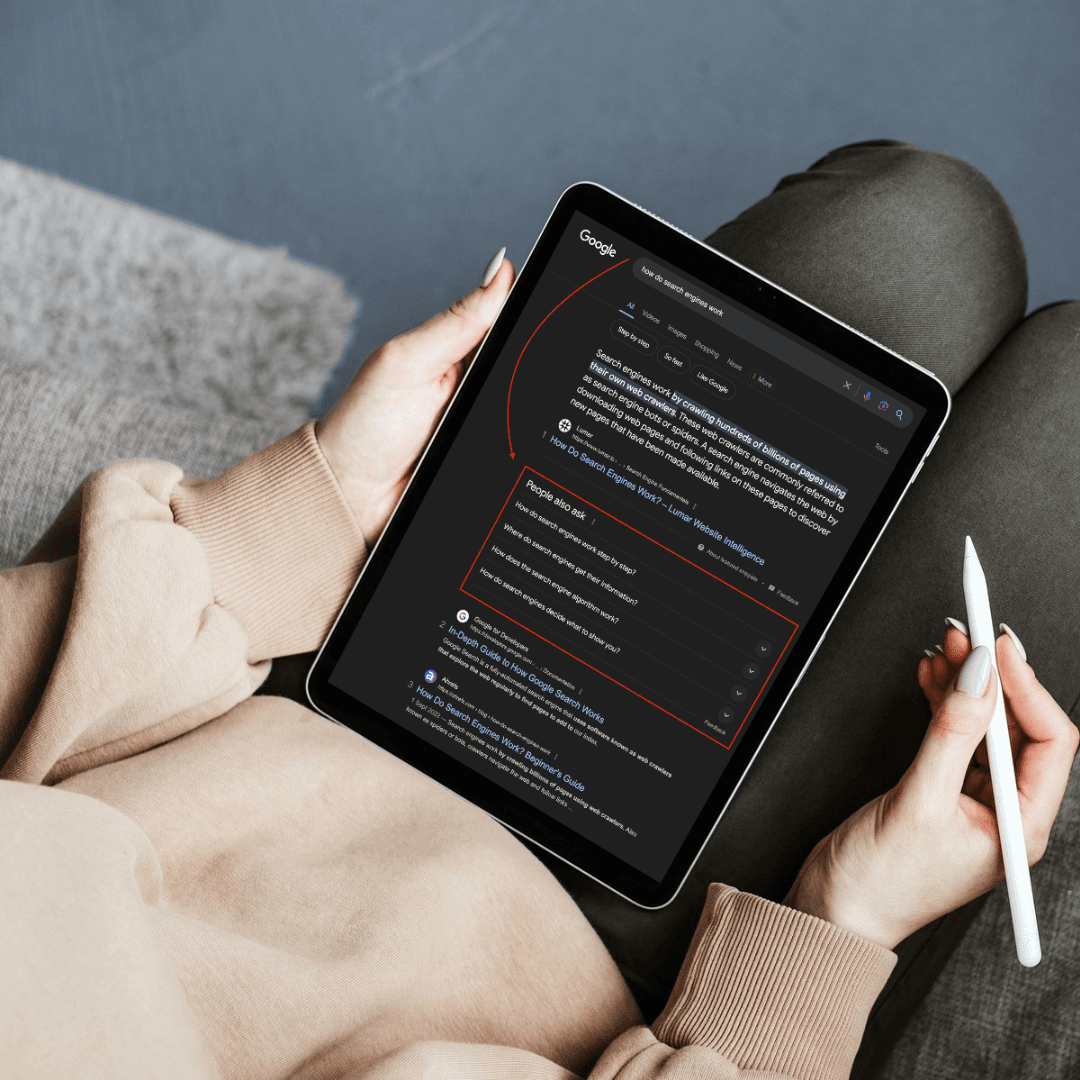
The "People Also Ask" (PAA) box appears in the search results as a series of expandable questions related to the user's query. Each question reveals a brief answer, often pulled from a relevant webpage, along with a link to that page for more information.
Why It Matters: The PAA feature offers multiple opportunities for your content to be discovered. If your website provides clear, concise answers to common questions, you can earn multiple spots in the SERPs, driving additional traffic to your site. It also positions your business as an authority in your industry by addressing common pain points and questions from potential customers.
How to Optimise for PAA:
1. Answer Common Questions: Create content that answers frequently asked questions in your industry.
2. Use Structured Data: Implement FAQ schema on your relevant pages to increase the chances of appearing in the PAA box.
3. Monitor PAA Trends: Regularly check which questions are appearing for your target keywords and update your content accordingly.
3. Ads – Top and Bottom Results
Google Ads appear at the top and bottom of the search results page. These are paid placements that look similar to organic results but are marked with an "Ad" label. They can be text ads, shopping ads, or even local service ads.
Why It Matters: Ads are a guaranteed way to get your business in front of potential customers. By bidding on relevant keywords, you can ensure your site appears at the top of the SERPs, driving immediate traffic and potential conversions. Ads can be particularly useful for competitive keywords where organic ranking is challenging.
How to Optimise for key Ad placements:
1. Keyword Research: Use tools like Google Keyword Planner to identify and bid on relevant keywords.
2. Quality Scores: Optimise your ad copy, landing pages, and keyword relevancy to improve your Quality Score and reduce costs.
3. A/B Testing: Continuously test different ad copy and strategies to find what works best for your target audience.
Keep Reading: 5 Reasons Your Google Ads Campaign Isn’t Working

4. Featured Snippet
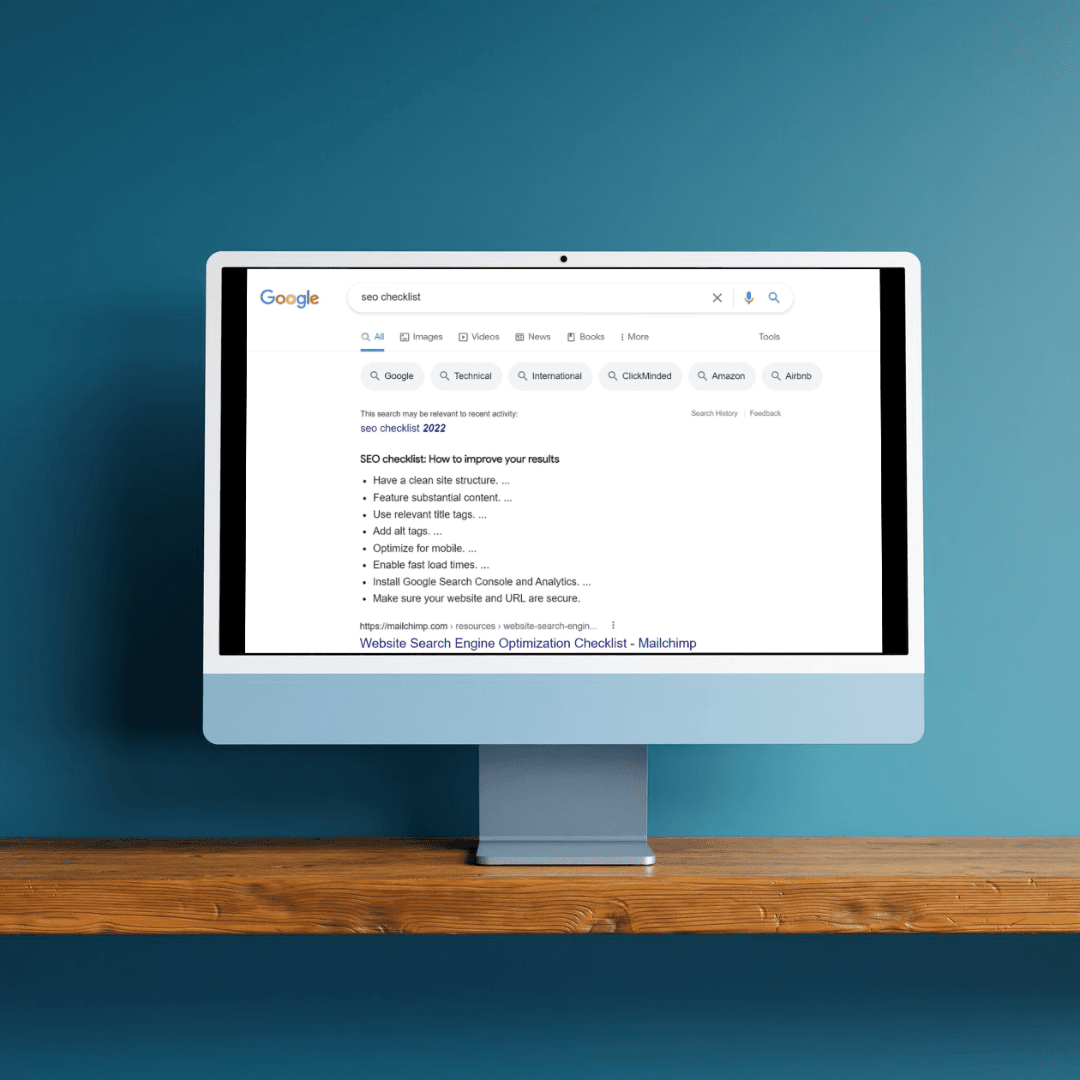
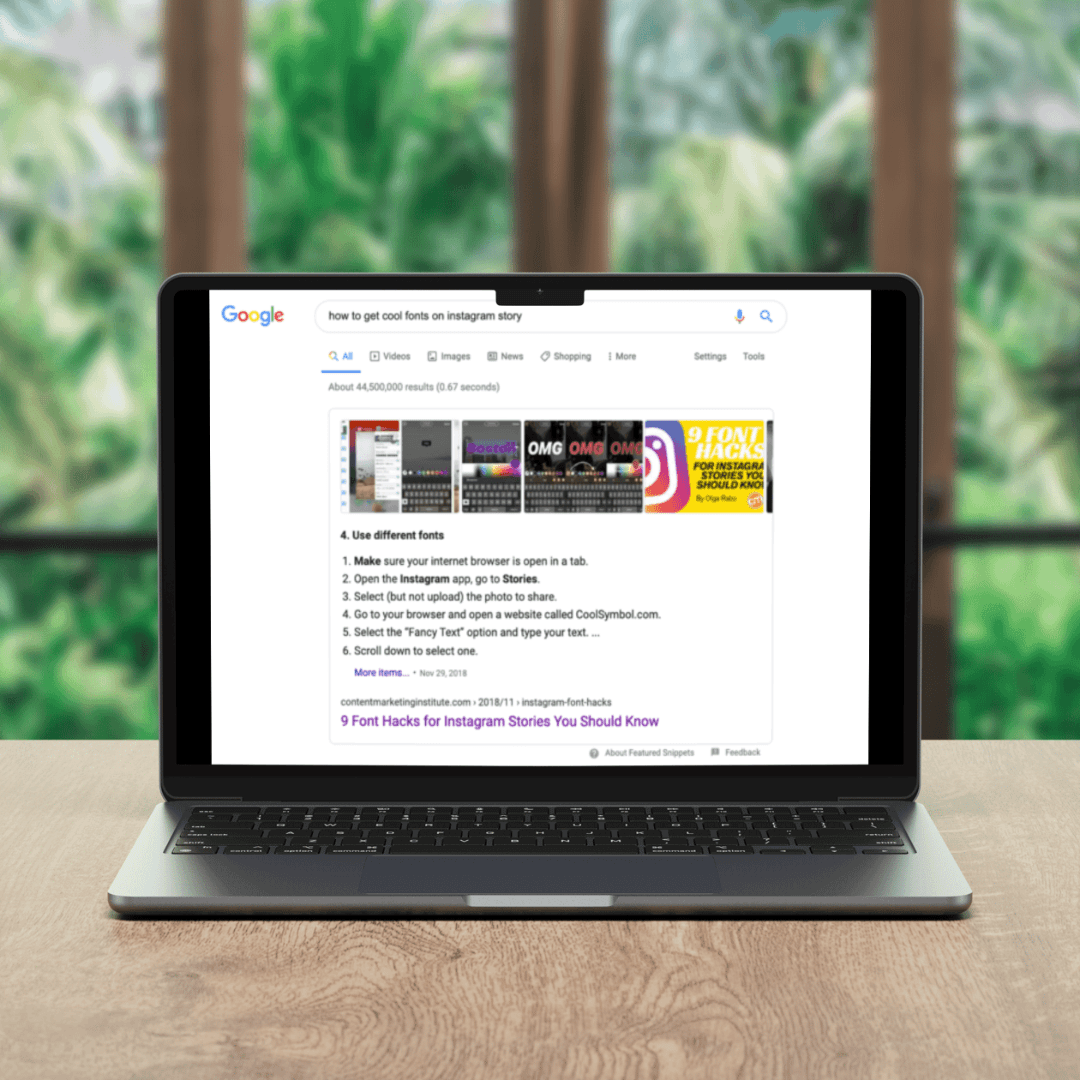
The Featured Snippet is a highlighted search result that appears at the top of the SERP, often referred to as "Position Zero." It provides a direct answer to the user's query, pulled from one of the top-ranking pages.
Why It Matters: Featured Snippets can significantly increase your visibility and traffic, as they are prominently displayed above the regular search results. They also enhance your credibility by positioning your site as the go-to source for quick, authoritative answers.
Read More: SEO in 2024 - is Content Still King?
How to Optimise for Featured Snippet:
1. Identify Snippet Opportunities: Use tools like Ahrefs or SEMrush to find queries where your site is already ranking on the first page and optimise for those.
2. Concise Answers: Provide clear, concise answers to potential snippet queries within your content.
3. Use Lists and Tables: Google often prefers structured formats like lists and tables for Featured Snippets.
5. Image Pack
The Image Pack is a horizontal row of images that appears in the SERPs, usually in response to queries with a visual component. These images link to the corresponding web pages.
Why It Matters: Visual content can drive significant traffic, especially for businesses where visuals play a crucial role, such as fashion, travel, and food industries. Appearing in the Image Pack can enhance your visibility and attract users who prefer visual information.
How to Optimise to appear in the Image Pack:
1. Optimise Images: Use relevant, high-quality images and optimise them with descriptive file names and alt text.
2. Schema Markup: Implement image schema to help search engines understand the context of your images.
3. Compress Images: Ensure images are optimised for fast loading times without compromising quality.
6. Local Pack
The Local Pack appears for queries with local intent, displaying a map and a list of three local businesses related to the search. This feature is crucial for brick-and-mortar stores looking to attract nearby customers.
Why It Matters: Appearing in the Local Pack can drive substantial foot traffic to your physical location. It highlights your business to local customers actively searching for your products or services.
Related: Do Ecommerce Businesses Need Local SEO?
How to Optimise for the Local Pack:
1. Google Business Profile: Ensure your profile is complete and up to date.
2. Local Keywords: Optimise your website and content for local keywords.
3. Customer Reviews: Encourage satisfied customers to leave positive reviews on your Google Business Profile.

7. Shopping Results
Shopping Results showcase products related to the user's query, displaying images, prices, and links to purchase directly from the search results.
Why It Matters: For eCommerce businesses, Shopping Results can drive targeted traffic directly to product pages. They provide users with immediate purchasing options, increasing the chances of conversions.
How to Optimise your Shopping Results:
1. Product Feed: Ensure your product feed is accurate, complete, and regularly updated.
2. Google Merchant Center: Use Google Merchant Center to manage your product listings and optimise for visibility.
3. High-Quality Images: Use clear, high-quality images and accurate descriptions to attract clicks.

Additional SERP Features
Knowledge Card
A compact version of the Knowledge Panel, providing brief information directly in the SERP.
Top Stories
Displays recent news articles related to the user's query, often appearing for timely or trending topics.
Thumbnails
Small image previews that accompany search results, providing a visual element to enhance click-through rates.
Tweets Box
A carousel of recent tweets related to the user's query, offering real-time updates from Twitter.
Videos
Video results are displayed prominently, often with a thumbnail and a link to watch directly on YouTube or other platforms.
Key Criteria to Meet for SERP Features
While each SERP feature has its own requirements, there are some basic site optimisation criteria you should strive to meet to give your website the best chance at nabbing these coveted spots in the search results. Here are some of the most important:
Structured Data:
Schema Markup: Implement schema markup to help search engines understand the content on your pages. This can include product details, business information, reviews, FAQs, and more.
JSON-LD: Use JSON-LD (JavaScript Object Notation for Linked Data) for adding structured data to your website. It’s the preferred method for Google.
Read More: What is Structured Data Markup?
Accessible and Optimised Pages:
Mobile-Friendliness: Ensure your website is mobile-friendly. Google primarily uses the mobile version of your content for indexing and ranking.
Page Speed: Optimise your page load times. Fast-loading pages provide a better user experience and are favoured by search engines.
Secure Website: Use HTTPS to secure your website, which is a ranking factor for Google and builds trust with users.
Optimised Web Content:
High-Quality Content: Create comprehensive, high-quality content that answers common questions and provides value to users. This can help you capture Featured Snippets and People Also Ask spots.
Relevant Keywords: Use relevant keywords naturally within your content. Focus on long-tail keywords that match user intent.
Multimedia: Include high-quality images, videos, and infographics to enhance your content and increase the chances of appearing in image packs, video carousels, and other multimedia features.
Clear and Concise Answers: For features like Featured Snippets and People Also Ask, provide clear and concise answers to common questions within your content.
User Engagement:
Internal Linking: Use internal linking to guide users to related content on your site. This helps search engines understand the structure and importance of your content.
Social Proof: Display customer reviews, ratings, and testimonials to build trust and improve your chances of appearing in review snippets.
Upcoming Changes to the SERPs: Google's Search Generative Experience
As we navigate the dynamic world of search engine optimisation, it's essential to stay ahead of the curve with upcoming changes. Google is continuously evolving its SERPs, and one of the most significant upcoming changes is the introduction of Google's Search Generative Experience, now known as AI Overviews.
What is AI Overviews?
AI Overviews leverage advanced AI technology to provide more comprehensive, contextually relevant information directly within the search results. This feature aims to offer users a more enriched search experience by summarising key points from various sources, delivering deeper insights without needing to click through multiple links.
Why Should You Care?
Enhanced User Experience: AI Overviews are designed to answer complex queries more effectively by synthesising information from different sources. This can improve user satisfaction and retention.
Shift in SEO Strategies: With AI Overviews, traditional SEO strategies might need to adapt. It’s crucial to focus on creating high-quality, well-structured content that AI can easily interpret and summarise.
Increased Competition: As AI Overviews provide detailed summaries, competition for appearing in these features will be high. Businesses need to optimise their content rigorously to maintain visibility.
For a more detailed exploration of Google's Search Generative Experience and how to prepare for it, check out our comprehensive blog on the topic here.

Grab Your Spot in the SERPs
Navigating the intricate landscape of Google's SERP features can seem daunting, but understanding and leveraging these elements can significantly enhance your online presence and drive more traffic to your site. From Knowledge Panels and Featured Snippets to local packs and image packs, each feature offers unique opportunities to boost your visibility and credibility.
As you optimise your site for these features, remember to focus on high-quality content, structured data, and a user-friendly experience. Additionally, stay informed about upcoming changes like Google's AI Overviews to ensure your strategies remain effective in the evolving search landscape.
At Blackpepper, we specialise in helping businesses like yours thrive in the digital world. Our team of SEO experts is ready to guide you through the complexities of search engine optimisation, ensuring your business captures those coveted SERP spots.
Contact us today to learn how we can help elevate your online presence!