Video SEO: How YouTube's Recommendation System Works
20 August 2025

Roberta Johnston
SEO Lead
I'm an SEO specialist with over 8 years of experience helping brands grow through strategic, data-driven search optimisation. I've worked with large e-commerce websites and niche brands alike, developing a deep understanding of ranking algorithms, generative AI, and LLMs like ChatGPT, Perplexity AI, and Gemini. My expertise spans technical SEO, ensuring sites - whether a few dozen pages or 100,000+ - are crawled and indexed effectively.
Tags
If you're on YouTube - and you probably are, as nearly 80% of New Zealand's population uses the platform as of early 2025 - you've likely wondered how it seems to know exactly what you want to watch. From your favourite "stars" and personalities to DIY guides and "unboxings," YouTube seems to know exactly how to keep you watching.
How? A really, really smart algorithm system that learns from how you engage with content.
Your customers are no different.
TV apps have made YouTube as commonplace in our lounges as couches, with more and more users opting for streaming over traditional TV broadcasts.
Cross-device capabilities mean a user can start something on their TV, pick it back up on their lunch break with their mobile, and fall asleep to it later that night on their iPad. There's no friction, just a platform that's dedicated to showing them exactly what they want.
This means unprecedented potential to reach your customers organically. The only catch? It takes a little bit of work and a whole lot of what's known as Video SEO.
What is Video SEO?
Video SEO is the process of optimising your video content and YouTube channel to increase visibility and attract your target audience.
Think of it as the strategic work you do to help YouTube's incredibly smart algorithm understand what your video is about so it can recommend it to the right people.
But here’s the bigger picture: your video content should not be limited to YouTube.
A comprehensive video SEO strategy is a two-pronged approach that draws direct parallels to traditional SEO:
- On-Page Optimisation: On YouTube, this involves optimising your title, description, tags, and thumbnail - just as you would for a blog post.
- Technical Optimisation: This is the work you do to help Google’s main search engine understand and rank your video content. With the right optimisation, your video content can earn a spot directly in Google's search results, which can be a huge driver of brand awareness and traffic.
So, while YouTube is the primary home for your video, your SEO efforts can - and should - extend far beyond the platform itself.
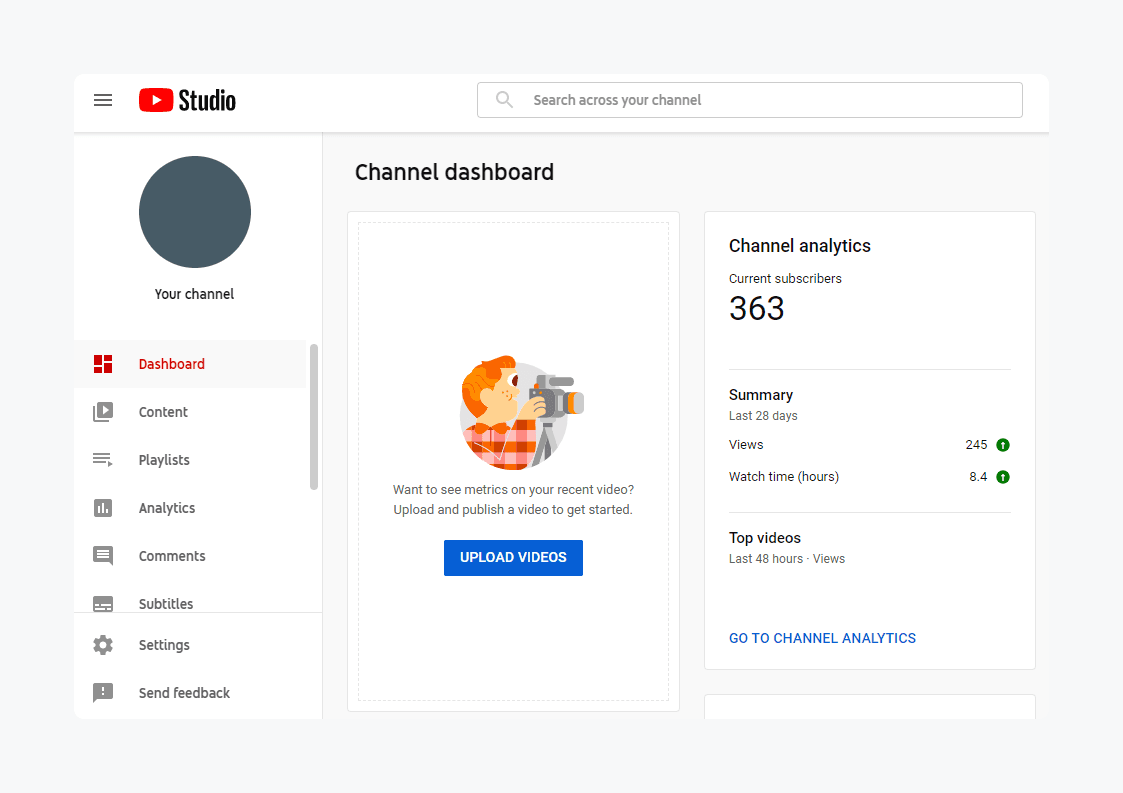
How YouTube's Recommendation System Works
So, with all that in mind, how does YouTube's recommendation system actually work?
Its algorithm has two main jobs: to help viewers find videos they’ll love, and to keep them on the platform for as long as possible. To do this, it uses a complex web of signals to decide what to serve up next.
Here are the key ranking signals the algorithm uses to determine your video's visibility:
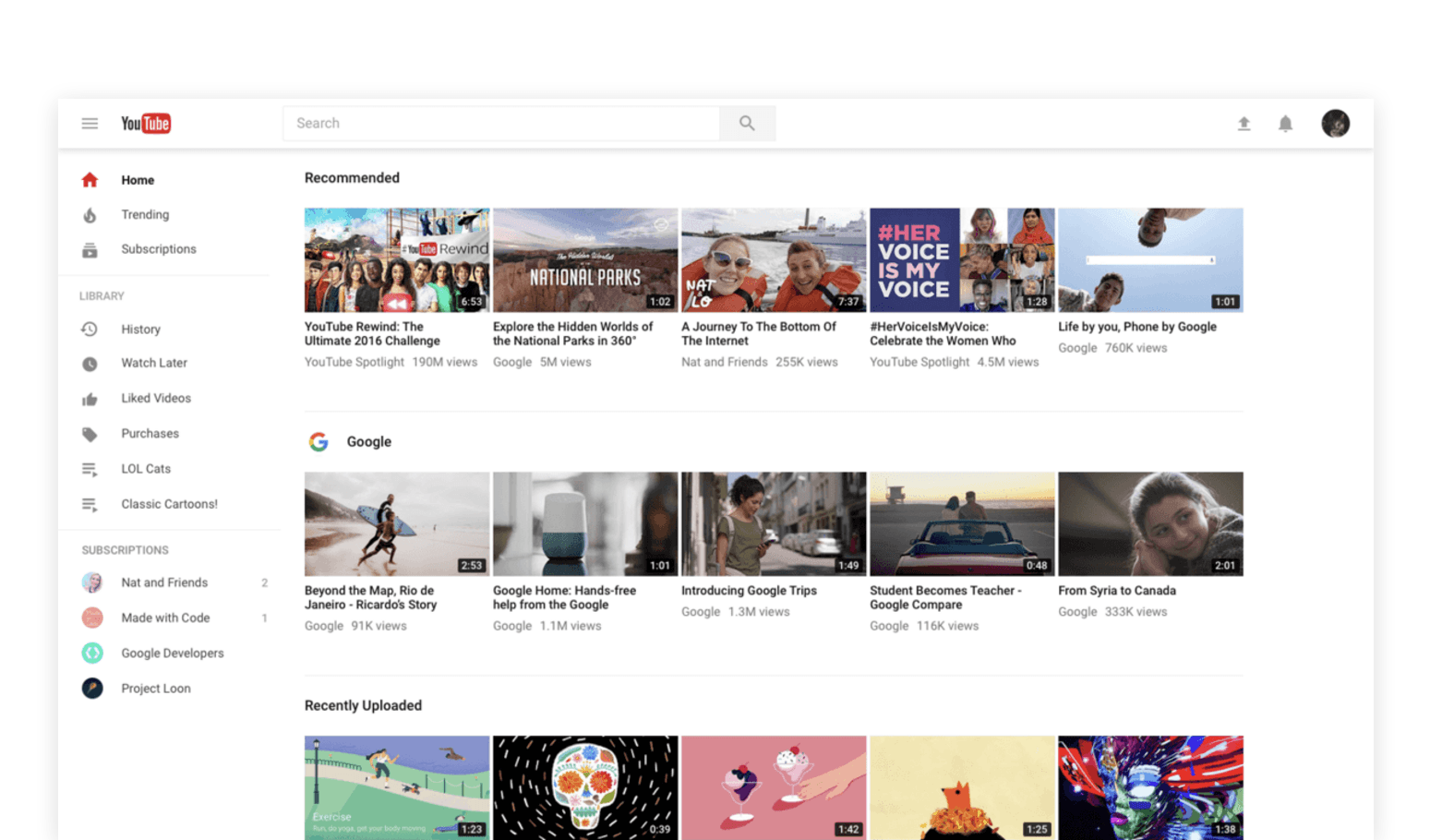
- Watch Time & Session Time: This is a crucial signal. The algorithm rewards videos that keep viewers engaged and on the platform for longer.
- Engagement: A video is more likely to be pushed out to a broader audience if it has a high number of likes, comments, and shares. These are all positive signals that tell the algorithm people are enjoying the content.
- Click-Through Rate (CTR): A high CTR tells the algorithm that your thumbnail and title are compelling and relevant to a user's interests.
- Relevance: The system uses the video's title, tags, description, and transcript to understand its content and match it to a user's interests.
Subscribers also play a powerful role here.
While a video's success isn't solely dependent on subscriber count, it acts as a powerful catalyst for a video's initial success. Your video is more likely to be shown to your subscribers when it's first uploaded. If that initial audience of subscribers is highly engaged (they watch for a long time, like, and comment), that sends a strong signal to the algorithm.
This signal tells the algorithm, "Hey, this video is really good!" It then acts as a launchpad, causing the algorithm to recommend the video to a much broader, non-subscribed audience with similar viewing habits and interests.
So, while subscribers are not the only factor, their engagement can be the powerful catalyst that pushes your video out to a wider audience.
Gtricks
The Short & Long of It: Optimising for Different Video Formats
The introduction of YouTube Shorts completely changed the game for the platform.
For years, YouTube was defined by its long-form video content - deep dives, tutorials, and extended series. Shorts introduced a new format and a new type of user engagement, forcing YouTube to create two distinct experiences, each with its own recommendation algorithm.
This means the strategy that works for a 10-minute deep-dive video won't necessarily work for a 60-second Short.
YouTube Shorts
We've covered this in a separate blog on advertising on YouTube, but it's worth saying again that Shorts are a massive, free opportunity.
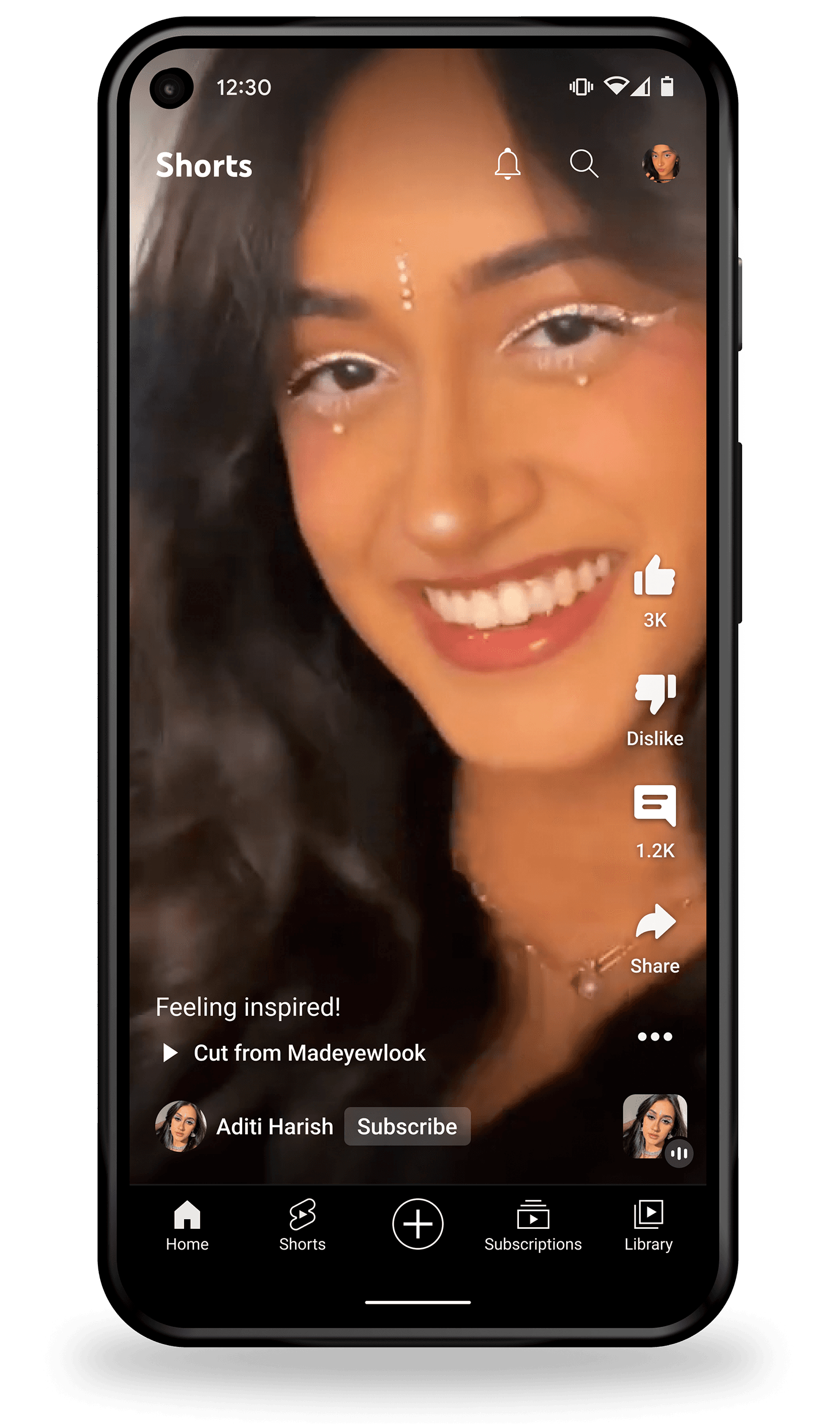
The algorithm for Shorts is highly focused on "scannable" content. It's designed to push out quick, engaging content that keeps users scrolling through the Shorts feed.
The key signals for success here are re-watches and quick engagement, which tell the algorithm that your video is worth pushing out to a broader audience.
Long-Form Videos
These videos still rely on a more traditional set of signals.
The algorithm focuses heavily on watch time, user history, and the channel's overall authority. While a 10-minute video might not have the same instant engagement as a Short, a high watch time on a long-form video sends a powerful signal that the content is valuable and authoritative.
Go Beyond YouTube: Maximising Visibility Across the Web
The power of video SEO isn't just limited to YouTube. You can earn visibility outside of YouTube's platform when your video is indexed and ranks on Google's traditional search results, too.
But how does a video on one platform make its way to another? It's all about how well you've optimised it.
Here are the key factors that help a video rank in the SERPs:
- Video Schema: This is a crucial piece of code that helps Google understand your video's content, duration, and topic, making it eligible for rich snippets in the search results.
- Content & Context: Much like the normal search results, your video must directly and accurately answer a user's search query. Google’s algorithm prioritises videos that provide the most relevant and helpful information for a given search.
- Channel Authority: The authority of the channel and the video's engagement signals, like views and likes, also play a role in its ability to rank in the SERPs.
- The AI Connection: Google is now using AI to analyse video content, transcripts, and audio to determine its topic without a human ever watching it. This is why optimising all metadata - from your title to your description and tags - is more crucial than ever.
Beyond building a comprehensive video SEO strategy for YouTube, you can also repurpose what you create for other channels.
A powerful video created for YouTube can be edited into shorter clips for Instagram Reels or TikTok, allowing you to master different algorithms and reach a wider audience for maximum brand awareness and ROI.
We Know You're Already Doing So Much...
But video content is pretty critical to remaining visible, relevant and seen.
Video content isn't just a powerful tool - it’s the most powerful tool for a reason. It builds brand awareness, fosters trust, and directly influences purchasing decisions.
But it’s not just about serving up more ads. It's about serving up value.
Here's why video content is so critical today:
It Builds Trust & Credibility
Video adds a human element that static images and text can’t. It allows you to build a genuine connection with your audience, fostering trust and a stronger brand relationship.
It Solves Problems
Your customers are using video to find solutions. Whether it's a tutorial on how to use a product, a detailed review, or an "unboxing" video, this content is a key part of the customer journey, helping them make informed purchasing decisions.
It Drives Unparalleled Recall & Awareness
Video is a powerful medium for building brand recall. A well-made video can leave a lasting impression on a customer, making your brand top-of-mind when they're ready to make a purchase.
It's the Answer to Ad Fatigue
In a world of constant ads, a brand that provides genuine value through video content stands out. It's a strategic choice to build a relationship with customers through valuable content, which ultimately leads to a stronger brand and more sales.
Simply put, a modern marketing strategy without a strong video component isn't a strategy that's missing out on an audience. It's a strategy that's missing out on your customers.
From Upload to Authority
Video is a crucial medium, and success today depends on more than just great content. It depends on understanding the recommendation system and strategically optimising for it.
The good news? It's not a secret.
By focusing on key signals like watch time, engagement, and click-through rates, you can give your videos a powerful launchpad. And by paying attention to the specific needs of different platforms - from YouTube's long-form videos to its quick-hit Shorts - you can get maximum value from every piece of content you create.
At Blackpepper, we can help you optimise every element of it to ensure it gets seen, gains traction, and builds authority for your brand.
Ready to start a video SEO strategy that drives real results? Talk to our experts today!