What are Google's Algorithm Updates?
4 September 2024


Roberta Johnston
SEO Lead
I'm an SEO specialist with over 8 years of experience helping brands grow through strategic, data-driven search optimisation. I've worked with large e-commerce websites and niche brands alike, developing a deep understanding of ranking algorithms, generative AI, and LLMs like ChatGPT, Perplexity AI, and Gemini. My expertise spans technical SEO, ensuring sites - whether a few dozen pages or 100,000+ - are crawled and indexed effectively.
Tags
As an SEO-focused ecommerce agency, we often hear questions from our clients about Google’s algorithm updates - what they are, why they happen, and how they affect websites. If you’ve ever noticed a sudden drop or spike in your site’s rankings or organic traffic, it’s likely due to one of these updates. But what exactly is Google’s algorithm, and why does it keep evolving?
Google continuously refines how it ranks websites in its search results. These refinements, known as algorithm updates, are aimed at improving the quality of search results, ensuring users find the most relevant and useful information. For businesses, staying ahead of these updates is critical because they can dramatically impact your website’s visibility on Google. Virtually overnight, a top-ranking site can tumble down to the bottom of page 2 - and as we all know, most users don’t bother to look beyond the first page of search results!
If organic traffic is a key driver for your business (and it really should be!), this blog is for you. Let’s dive into the world of Google’s algorithm updates and explore how they work, why they matter, and what you can do to stay on top.
What Does Google’s Algorithm Do?
At the core of Google’s search engine lies a complex algorithm that determines which websites appear in response to a user’s query and in what order. This algorithm is a sophisticated set of rules and calculations that evaluates countless factors to rank billions of web pages. But what exactly does it do, and why is it so important?
Keep Reading: How Do Search Engines Work?
Google’s algorithm sifts through the vast amount of information available on the web to present the most relevant and useful results to users. It analyses everything from the words on a page to the website’s structure, its loading speed, and the quality of its links. The goal is to understand the intent behind a user’s search and then match that intent with the best possible results.
In practical terms, Google’s algorithm acts as a decision-making process that scores and ranks pages based on various criteria. It considers factors such as keyword relevance, the quality and quantity of inbound links (which signal authority and trustworthiness), and user experience metrics like mobile-friendliness and page load speed. The algorithm also takes into account newer elements like user search history, location, and even the context of the search query to provide more personalised results.
This algorithm isn’t static; it’s constantly evolving to improve accuracy and keep up with changes in how people search and use the internet. This is why staying informed about Google’s updates is crucial for anyone who relies on search engine visibility.

How Does Google Decide What Results to Show You?
When you type a query into Google, the search engine doesn’t just randomly display results; it carefully analyses your query and decides which websites to present and in what order. This decision-making process is guided by a multitude of factors, all of which are weighed and evaluated by Google’s algorithm. But what exactly influences these rankings?
1. Relevance of Content
The first thing Google looks at is the relevance of the content on a webpage to your query. This involves analysing the keywords you used in your search and matching them with the content on websites. Google’s algorithm scans the text on the page, looking for keywords and related terms that indicate the page is about the topic you’re interested in.
2. Quality of Content
Once relevance is established, Google considers the quality of the content. High-quality content typically means it’s well-written, informative, and trustworthy. Factors like the length of the content, the inclusion of images or videos, and the use of citations or references can all signal higher quality. Additionally, Google assesses the expertise, experience, authority, and trustworthiness of the content (often referred to as E-E-A-T).
Read More: SEO in 2024 - Is Content Still King?
3. User Experience
Google also places a strong emphasis on user experience. This includes how quickly the page loads, whether it’s mobile-friendly, and how easy it is to navigate. A website that is well-designed, fast, and accessible on all devices is more likely to rank higher than one that isn’t.
4. Backlinks and Authority
Another critical factor is the number and quality of backlinks (links from other websites) pointing to a webpage. Backlinks act as votes of confidence from other sites, signalling to Google that the content is valuable and trustworthy.
However, it’s not just about quantity; the quality and relevance of the linking sites are crucial. Google values backlinks from authoritative sites within the same or related industry more than random links from unrelated sources.
Related: What is Domain Authority?

5. Personalisation and Context
Google also personalises search results based on individual user data, such as search history, location, and previous interactions with certain websites. This means that two people searching for the same term might see different results, depending on their personal browsing history and preferences.
Additionally, Google uses context, understanding whether a query is related to recent events, specific locations, or ongoing trends, to deliver the most relevant results.
6. Freshness of Content
The timeliness of content is another factor. For queries related to current events, news, or rapidly changing topics, Google’s algorithm prioritises more recent content. This is why you’ll often see the latest news articles or blog posts appear at the top of search results for time-sensitive queries.
By considering all these factors, Google’s algorithm strives to provide the most relevant, high-quality results for any given query. It’s a constantly evolving process, designed to enhance the user experience and ensure that the best possible content is delivered in response to a search.
What are Google’s Algorithm Updates?
Google’s search algorithm is not a static entity; it’s continually evolving to improve the quality of search results. These changes, known as algorithm updates, are essential to how Google delivers the most relevant and useful content to users. But what exactly are these updates, and why do they matter so much?
Definition and Purpose
Algorithm updates are modifications made to Google’s search algorithm. These updates can range from minor tweaks to major overhauls, all designed to refine how the algorithm evaluates and ranks websites in search results. The primary goal of these updates is to improve user experience by ensuring that the most relevant, high-quality content is displayed in response to a search query.
For businesses and website owners, these updates are significant because they can dramatically alter search rankings. A site that ranks highly today might see its position drop after an update if the new algorithm deems it less relevant or lower quality based on the revised criteria. Conversely, sites that better align with Google’s updated priorities might see an improvement in their rankings.

Types of Updates
Google’s algorithm updates can generally be categorised into three main types:
Core Updates
What They Are: Core updates are broad changes to Google’s algorithm that impact how search results are ranked across a wide range of queries. These updates don’t target specific issues but rather aim to improve the overall search experience by refining the factors that Google considers when ranking websites.
Impact: Core updates can lead to significant fluctuations in rankings for many websites. They’re typically rolled out a few times a year, with Google often announcing when a core update is happening, although the specifics of what has changed are rarely disclosed.
Minor Updates
What They Are: Minor updates are more frequent, often occurring daily or weekly. These updates typically involve small adjustments to the algorithm that fine-tune the way certain factors are weighted or how specific types of content are handled.
Impact: While individual minor updates might not cause noticeable changes in rankings, their cumulative effect over time can be significant, especially if a site is consistently impacted by several minor updates.
Specific Updates
What They Are: Specific updates target particular aspects of the search experience, such as spam, mobile usability, or local search. These updates address specific problems or improve the search experience for particular types of queries or devices.
Examples:
Spam Updates: Target low-quality, spammy content that tries to manipulate search rankings.
Mobile Usability Updates: Focus on improving the experience for users on mobile devices, such as the Mobilegeddon update that prioritised mobile-friendly sites in search results.
Local Search Updates: Adjust how local search results are generated, such as the Pigeon update that improved local search accuracy and consistency.
Is Google’s Algorithm a Secret?
When it comes to Google’s search algorithm, there’s often a mix of curiosity and mystery surrounding how it works. The short answer is that while Google provides some guidance on how to optimise for its algorithm, the intricate details remain closely guarded. This balance between transparency and secrecy is key to maintaining the integrity and fairness of search results.
Transparency: What Google Shares
Google understands that webmasters, SEOs, and businesses need a certain level of information to improve their website’s visibility in search results. To this end, Google provides extensive guidelines on what it considers good SEO practices. These include best practices for creating high-quality content, ensuring mobile usability, and improving site speed. Google also offers tools like Google Search Console to help site owners monitor their site’s performance and identify areas for improvement.
In addition to these resources, Google publicly announces and explains major algorithm updates, particularly those that are likely to have a significant impact on search results. For instance, when Google releases a core update, they typically inform the public through their official channels, explaining the focus of the update and sometimes offering general advice on how to respond if your site is affected. This level of transparency helps webmasters adjust their strategies and better align their websites with Google’s expectations.

Secrecy: What Google Keeps Private
Despite this openness, Google’s algorithm is not an open book. The specific details, such as the exact ranking factors, their weighting, and the precise mechanics of the algorithm, are not disclosed. There are several reasons for this:
Preventing Manipulation: If the exact workings of the algorithm were fully disclosed, it would be easier for some individuals or businesses to game the system. This could lead to a rise in manipulative tactics, like keyword stuffing or building low-quality backlinks, all aimed at artificially boosting rankings. By keeping the details private, Google helps ensure that search results remain as fair and unbiased as possible.
Maintaining Competitive Advantage: Google’s search algorithm is a critical part of its competitive edge. The algorithm’s complexity and effectiveness are key reasons why Google remains the dominant search engine. Keeping the algorithm’s specifics under wraps helps Google maintain this advantage in a competitive market.
Constant Evolution: Google’s algorithm isn’t static; it’s constantly evolving with hundreds of minor tweaks and updates each year, in addition to the more significant core updates. Even if the algorithm’s details were public, they would quickly become outdated as Google continuously refines its processes to improve search accuracy and user satisfaction.
The Ten Major Algorithm Updates
Over the years, Google has rolled out several significant algorithm updates that have drastically shaped the SEO landscape. These updates were designed to improve the quality of search results by addressing various issues like content quality, backlink manipulation, user experience, and more. Here’s a brief history and explanation of ten of the most impactful algorithm updates:
1. Panda (2011)
The Panda update marked a major shift in how Google evaluated the quality of content. It was primarily focused on reducing the visibility of sites with low-quality content, such as thin content, duplicate content, or content farms.
Panda introduced the concept of quality as a ranking factor, forcing website owners to prioritise well-written, valuable content that truly serves user intent. Sites that had previously ranked well due to keyword stuffing or excessive ads suffered significant ranking drops.
2. Penguin (2012)
Penguin took aim at manipulative link-building practices. Before this update, many websites used black-hat SEO tactics like buying links or participating in link schemes to artificially boost their rankings.
Penguin’s introduction meant that sites with spammy or low-quality backlinks would be penalised, leading to a major shakeup in the search results. The update encouraged a shift towards earning high-quality, relevant backlinks from reputable sources.
3. Pirate (2012)
The Pirate update was introduced to combat the proliferation of sites involved in online piracy. Specifically targeting sites that hosted or linked to pirated content like movies, music, and software, Pirate aimed to reduce the visibility of these sites in search results.
This update made it more difficult for users to find illegal content through Google, emphasising the importance of adhering to copyright laws.
4. Hummingbird (2013)
Hummingbird was a comprehensive overhaul of Google’s core algorithm, aimed at improving the way the search engine understood and processed search queries. This update placed a greater emphasis on understanding the intent behind a user’s query, rather than just matching keywords.
Hummingbird enabled Google to deliver more relevant results for complex and conversational searches, paving the way for advancements in voice search and natural language processing.
5. Pigeon (2014)
The Pigeon update was a game-changer for local search results. It aimed to bridge the gap between local and traditional web search, tying local ranking factors more closely to Google’s core algorithm. This update improved the accuracy and relevance of local search results, boosting the visibility of local businesses in search and map results.
Pigeon also refined how location data was processed, enhancing local search experience for users.
6. Mobile (2015)
Also known as “Mobilegeddon,” the Mobile update was a clear signal from Google that mobile usability was now a crucial ranking factor. With the rise of mobile internet usage, Google began prioritising mobile-friendly websites in its search results. Sites that were not optimised for mobile saw significant drops in rankings, while those that offered a seamless mobile experience gained a competitive edge.
Related: What is Mobile-First Indexing?
This update underscored the importance of responsive design and fast loading times on mobile devices.
7. RankBrain (2015)
RankBrain was Google’s first foray into incorporating artificial intelligence into its search algorithm. As a machine-learning system, RankBrain helps Google understand the meaning behind search queries, especially those that are ambiguous or new.
By learning from past searches and user interactions, RankBrain continuously refines its understanding of search intent, leading to more accurate and relevant search results over time. This update highlighted the growing role of AI in search.
8. Possum (2016)
Possum was another update focused on local search, refining how Google processed location-based queries. This update aimed to diversify local search results by filtering out duplicate listings and improving the visibility of businesses located just outside major cities.
Possum also made it more challenging for spammy local businesses to dominate search results, ensuring that users received more accurate and varied options when searching for local services or products.
9. Fred (2017)
Fred targeted websites that prioritised ad revenue over user experience, particularly those with low-quality, ad-heavy content. Sites affected by Fred often featured excessive ads, minimal original content, or content designed primarily to drive affiliate revenue rather than provide value to users.
This update reinforced Google’s focus on user-first content, penalising sites that neglected the user experience in favour of aggressive monetisation tactics.
10. Helpful Content Update (2022)
The Helpful Content Update was introduced to emphasise the importance of content that is genuinely helpful to users. This update targeted websites that produced content primarily for search engines rather than for human readers.
Sites that relied on clickbait, keyword stuffing, or content automation without delivering real value to the user were negatively impacted. The update pushed website owners to focus on creating people-first content that answers user queries effectively and provides a better overall user experience.
Why Does Google Update Its Algorithm?
Google’s algorithm updates are crucial to maintaining the quality and relevance of its search results. These updates serve several key purposes, each aimed at improving the overall search experience for users while ensuring that the best content rises to the top. Let’s explore the primary reasons behind Google’s continuous algorithm updates.
1. Improving User Experience
At the heart of Google’s mission is the goal of providing users with the most relevant and high-quality content in response to their search queries. Every update is designed to enhance the user experience by refining how search results are generated. Google wants to ensure that when you search for something, the results you see are not only accurate but also useful and trustworthy.
For instance, updates like Panda and the Helpful Content Update focus on content quality, rewarding sites that provide valuable, well-structured, and informative content. This ensures that users are more likely to find the information they need quickly and efficiently.
Similarly, updates like Mobile and Core Web Vitals emphasise the importance of a seamless, user-friendly experience, particularly on mobile devices, reflecting the growing trend of mobile search.
2. Adapting to Changing Search Behaviour
Search behaviour and patterns are constantly evolving. With the rise of voice search, mobile search, and increasingly complex queries, Google needs to adapt its algorithm to keep up with these changes. For example, the Hummingbird update was introduced to better understand the context and intent behind user queries, allowing Google to deliver more accurate and relevant results, even for conversational or long-tail searches.
As users increasingly rely on voice assistants like Google Assistant, Alexa, and Siri, the nature of search queries has shifted toward more natural language. Google’s algorithm updates help it adapt to these new search behaviours, ensuring that the search engine remains effective and relevant in delivering the best possible results.
Read More: The Future of Search - Google's AI Overviews
3. Fighting Spam and Low-Quality Content
Google’s ongoing battle against spammy and manipulative content is another major reason for its frequent algorithm updates. The internet is filled with low-quality content, black-hat SEO tactics, and spammy practices designed to manipulate search rankings. Left unchecked, these tactics would clutter search results with irrelevant or misleading content, diminishing the quality of the user experience.
Updates like Penguin, Pirate, and Fred were specifically designed to target and penalise sites engaging in these unethical practices. By demoting or removing spammy sites from search results, Google helps ensure that only the most authoritative, relevant, and trustworthy content is visible to users. This ongoing effort not only improves search quality but also encourages website owners to adopt white-hat SEO practices and focus on creating genuine value for their audience.

How Do Algorithm Updates Impact Websites?
We've covered the why, when and how of it, but the result or impact of an algorithm update is the most important for businesses.
Google’s algorithm updates are designed to refine and improve the search engine’s ability to deliver relevant, high-quality content to users. However, these updates can have significant consequences for websites, particularly in terms of their search rankings and visibility.
Fluctuations in Rankings
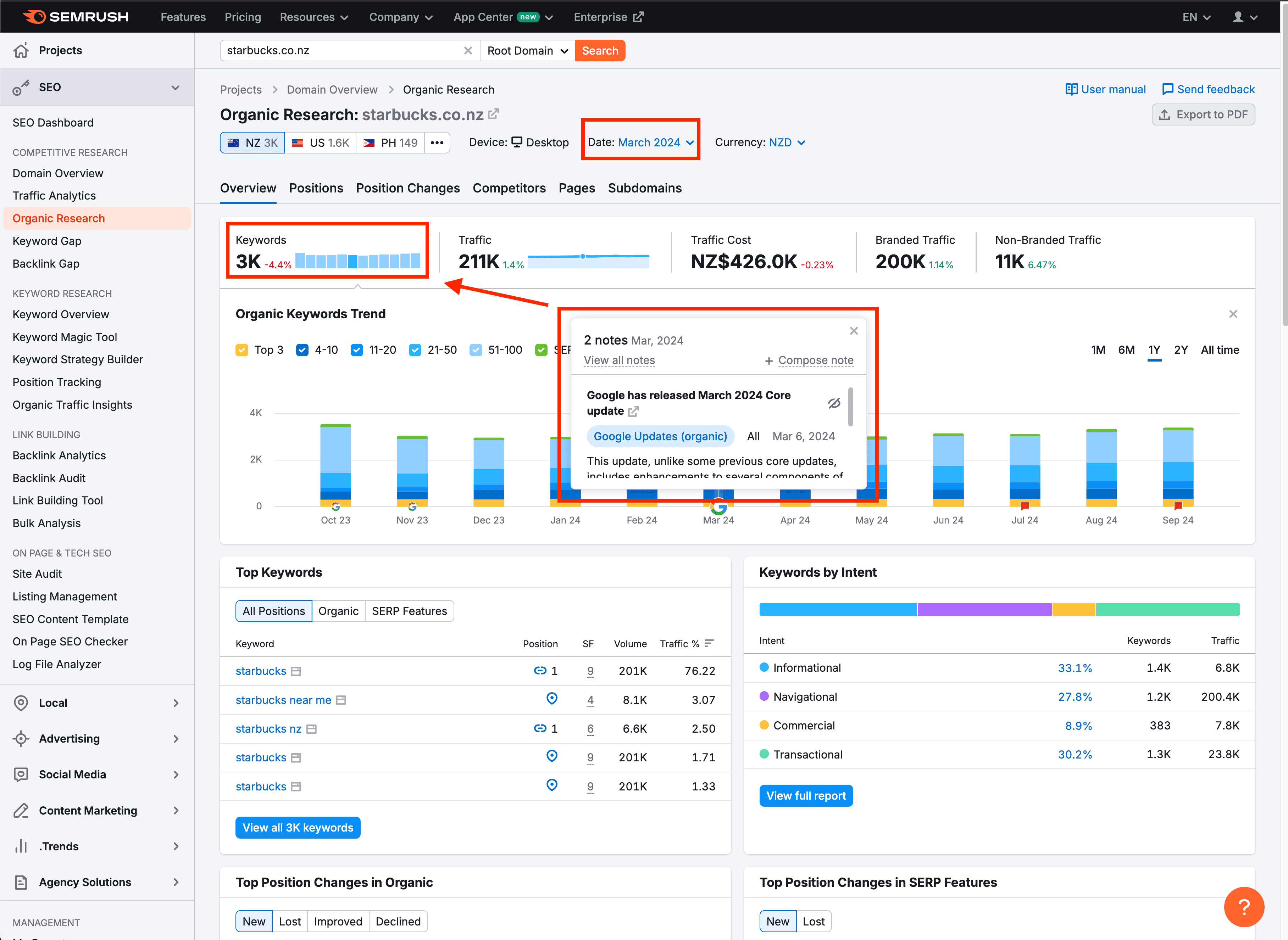
One of the most immediate and noticeable impacts of a Google algorithm update is fluctuations in search rankings, or keyword rankings - the terms for which your site ranks, and what ultimately delivers the traffic to your site.
When an update is rolled out, it can lead to significant changes in where a website appears on Google’s Search Engine Results Pages (SERPs). These fluctuations can be both positive and negative, depending on how well a website aligns with the new criteria set by the update.
It’s important to note that a change in your site’s organic performance following an algorithm update doesn’t necessarily mean something is wrong. Google’s documentation emphasises that these fluctuations often result from revisions in their internal systems rather than issues with your site. However, if your site has been negatively impacted, it’s always worth reviewing your compliance with Google’s recommended SEO practices. This might involve making adjustments to your content, improving technical SEO, or refining your overall strategy. Some sites may be hard hit simply because an algorithm update now favours something that it didn’t prioritise before.
For instance, a website that previously ranked highly for a particular keyword might see its position drop if the update places more emphasis on factors like mobile-friendliness or content quality - areas where the site might be lacking. Conversely, websites that have been diligently following SEO best practices, such as creating high-quality content and earning authoritative backlinks, might see a boost in their rankings.
These fluctuations can affect a website’s visibility, traffic, and ultimately, its business performance. A drop in rankings can lead to a decrease in organic traffic, which might affect sales, lead generation, or other key metrics. On the other hand, an increase in rankings can provide a significant boost to a website’s visibility and user engagement.
The Importance of Quality Content
Google’s algorithm updates consistently emphasise the importance of quality content. Over the years, updates like Panda, Hummingbird, and the more recent Helpful Content Update have reinforced the need for websites to prioritise creating valuable, relevant, and well-structured content.
Quality content is content that meets the needs of users, answers their queries effectively, and provides a positive user experience. This includes not only the accuracy and depth of the information provided but also factors like readability, layout, and the inclusion of multimedia elements such as images and videos.
Adhering to Google’s quality guidelines is crucial for maintaining and improving a website’s rankings. Websites that focus on creating content that is genuinely helpful to users are more likely to be rewarded by Google’s algorithm. Conversely, sites that engage in practices like keyword stuffing, producing thin content, or relying on clickbait are likely to be penalised, resulting in lower rankings.
Examples of Recent Updates and Their Impact
One of the most recent examples of a significant algorithm update is the August 2024 Core Update. Like previous core updates, this one aimed to refine how Google evaluates and ranks websites, with a focus on improving the relevance and quality of search results. The update led to noticeable fluctuations in rankings across various industries, with some websites experiencing gains and others seeing declines - this is something we've witnessed for ourselves through the lens of our SEO clients.
Another example is the Helpful Content Update (2022), which targeted websites that produced content primarily for search engines rather than for users. Websites with content that was overly optimised for keywords but lacking in value saw significant drops in their rankings. This update highlighted the importance of creating content with the user in mind rather than trying to game the algorithm.
These examples illustrate that while Google’s algorithm updates can cause fluctuations in rankings, the best strategy for long-term success is to focus on creating high-quality, user-centred content. By adhering to Google’s quality guidelines and staying informed about upcoming updates - or getting an experienced SEO agency like us in to help - website owners can better navigate the changes and maintain strong search engine performance.
How to Recover from an Algorithm Update
Experiencing a drop in your website’s rankings after a Google algorithm update can be frustrating, but it’s important to remember that recovery is possible with the right approach. Whether the update favoured new ranking factors or penalised previously acceptable practices, taking proactive steps can help you regain lost ground.
Here’s a guide to recovering from a negative impact due to an algorithm update:
1. Conduct an SEO Audit
The first step in recovering from an algorithm update is to conduct a comprehensive SEO audit. This audit should assess every aspect of your website, from content quality to technical performance, to identify areas that may have contributed to the decline in rankings.
Analyse Content Quality: Review your content to ensure it meets Google’s quality guidelines. This includes checking for thin, duplicate, or outdated content that may have been devalued by the update. Focus on improving or removing content that doesn’t add value to users.
Check Technical SEO: Use tools like Google Search Console and other SEO auditing tools to identify any technical issues that could be affecting your site’s performance. Common issues include slow page load times, mobile usability problems, broken links, and crawl errors. Fixing these issues can help improve your site’s overall health and rankings.
Related: Why Regular Technical Audits are Crucial
Evaluate Backlink Profile: Examine your backlink profile for low-quality or spammy links that may have triggered a penalty. Disavow harmful links and focus on building high-quality, relevant backlinks from authoritative sources.
2. Improve Content Quality
Content is at the heart of most algorithm updates, so it’s crucial to ensure your content is up to par. Google rewards content that is relevant, informative, and valuable to users. Here’s how to improve your content:
Update Old Content: Refresh outdated content by adding new information, updating statistics, and improving the overall readability and user experience. This can help re-establish the relevance and authority of your older pages.
Focus on User Intent: Make sure your content aligns with the intent behind users’ search queries. Content that directly answers questions and solves problems for your audience is more likely to perform well.
Enhance Content Depth: Go beyond surface-level information. Provide in-depth analysis, insights, and practical advice that demonstrate your expertise and authority in your industry.
Use Multimedia: Incorporate images, videos, infographics, and other multimedia elements to enhance the user experience and make your content more engaging.
3. Fix Technical Issues
Technical issues can significantly impact your site’s performance and rankings. Addressing these issues is a key part of recovery:
Improve Page Speed: Ensure that your website loads quickly on all devices. Slow-loading pages can lead to higher bounce rates and lower rankings. Use tools like Google PageSpeed Insights to identify areas for improvement.
Enhance Mobile Usability: With mobile-first indexing, it’s essential that your site is fully optimised for mobile users. Check that your site is responsive, easy to navigate, and fast on mobile devices.
Resolve Crawl Errors: Use Google Search Console to identify and fix crawl errors. This includes addressing issues with broken links, redirect chains, and other factors that might prevent Google from properly indexing your site.

4. Rebuild Lost Rankings
Recovering from an algorithm update is a gradual process, and rebuilding lost rankings requires ongoing effort:
Optimise Existing Content: Revisit your top-performing pages and optimise them further for SEO. This includes refining meta tags, improving keyword targeting, and enhancing internal linking to boost their relevance and authority.
Create High-Quality Content: Consistently produce new, high-quality content that aligns with your audience’s needs and interests. This not only helps regain lost rankings but also builds long-term authority and trust.
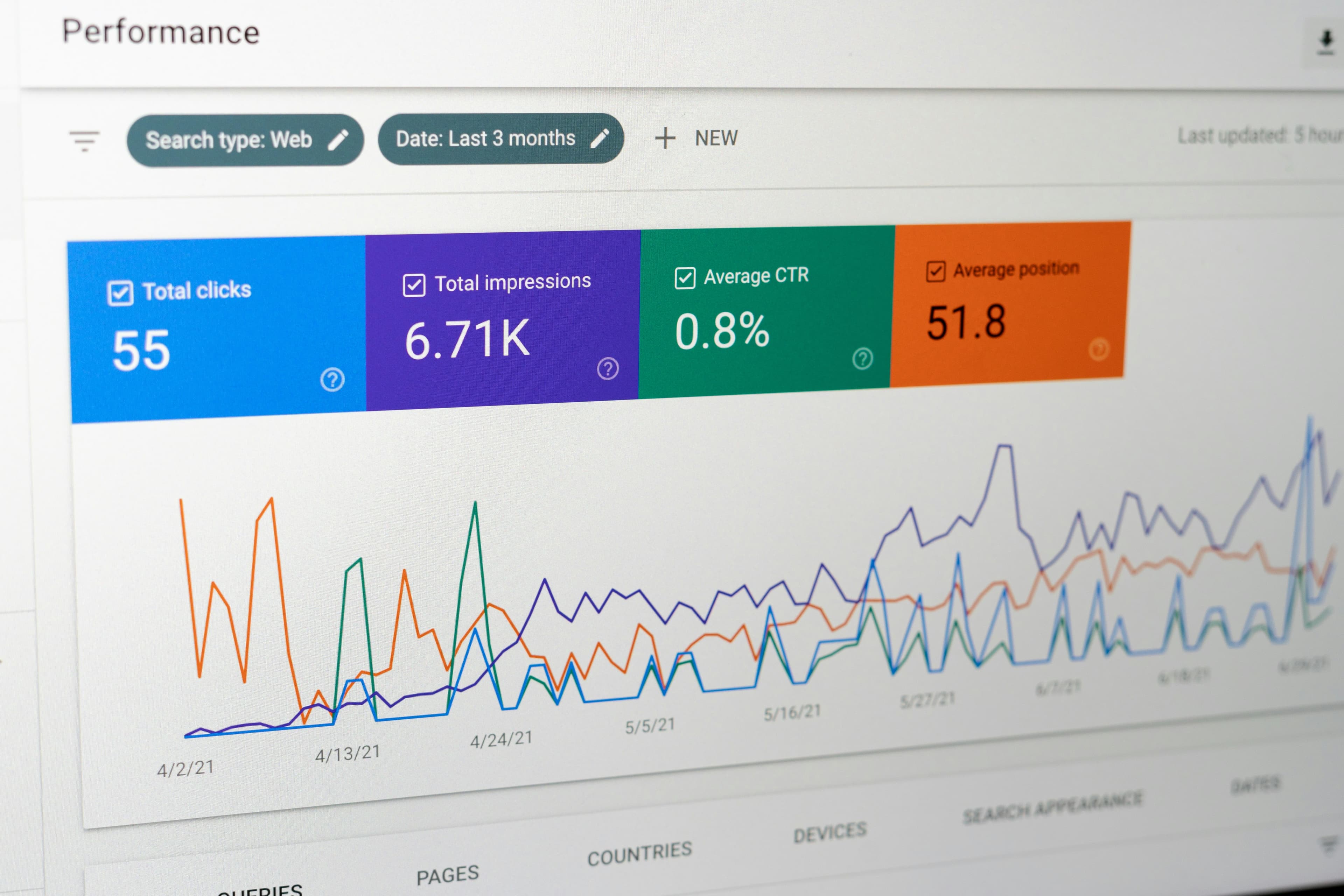
Monitor Performance Regularly: Keep a close eye on your site’s performance in the aftermath of an update. Use tools like Google Analytics and Search Console to track changes in rankings, traffic, and user engagement, and adjust your strategy as needed.
Focus on Long-Term SEO Best Practices: While recovering from an update, it’s essential to stick to long-term SEO best practices rather than trying to find quick fixes. This includes building a strong backlink profile, maintaining high content quality, and continuously improving the user experience.
5. Stay Informed and Adapt
Finally, recovery from an algorithm update requires staying informed about future updates and being willing to adapt your strategies as needed. Google’s algorithm is constantly evolving, and what works today may not work tomorrow. By staying updated on SEO trends and continually refining your approach, you can better protect your site from future fluctuations and maintain strong search performance.
Don't Let Algorithm Updates Get You Down!
SEO can feel like an overwhelming process on its own, especially when you're focused on building your brand, attracting traffic, and driving conversions. Throw in Google’s ever-evolving algorithm updates, and it can seem like the goalposts are constantly shifting. With each new update, there’s a possibility of rankings fluctuating - sometimes dramatically - and it can be difficult to know exactly how to respond or recover when things don’t go as planned.
That’s where Blackpepper comes in. Our SEO experts are here to take that weight off your shoulders. With years of hands-on experience navigating algorithm updates, optimising websites to rank higher, and working within Google’s guidelines, we know how to minimise the impact on your rankings. And if your site has been hit hard by an update, we can help with strategies to recover, rebuild, and grow.
From conducting thorough SEO audits to improving your site’s content, addressing technical issues, and staying on top of the latest trends, we’ve got you covered. So, whether you’re looking to bounce back from a recent drop or prepare for the future, our team has the expertise and tools to guide your site to long-term success.