What are Meta Tags and Why are They Important?
17 January 2024

Roberta Johnston
SEO Lead
I'm an SEO specialist with over 8 years of experience helping brands grow through strategic, data-driven search optimisation. I've worked with large e-commerce websites and niche brands alike, developing a deep understanding of ranking algorithms, generative AI, and LLMs like ChatGPT, Perplexity AI, and Gemini. My expertise spans technical SEO, ensuring sites - whether a few dozen pages or 100,000+ - are crawled and indexed effectively.
Tags
The first place people tend to look when searching for something - be it a recipe, a DIY guide, a new pair of shoes - is Google. And as Google’s knowledge stores are built up, this digital marketplace and library becomes a very crowded place. The solution? Meta tags.
Imagine them as signposts in the vast realm of the internet, guiding search engines and, in turn, potential visitors to your virtual storefront. Today, we unravel the mystery behind these digital signposts – meta tags – and explore why they play a crucial role in the success of your online presence.
In this blog, we'll break down what meta tags are, understand their types, and unveil the integral role they play in elevating your website's visibility.

What are Meta Tags?
When you're navigating the bustling aisles of Google's search results, think of meta tags as the trusty signposts strategically placed to guide you through the digital megastore. These aren't just ordinary signs; they're like secret messages coded into the DNA of your webpage.
Meta tags are snippets of HTML code embedded in your webpage. These snippets communicate with search engines, revealing essential information about your content. The meta tags are digital storytellers, providing crucial details about your webpage's title, description, and more.
Meta tags tell search engines where to find the most captivating parts of your digital store. Title tags, for instance, serve as the beacon, announcing the essence of your page, while meta descriptions offer a sneak peek, enticing visitors to explore further.
Related: How Do Search Engines Work?
Most Common Types of Meta Tags
Now that we know more about what meta tags are, let's take a closer look at the different types that make them the superheroes of the digital realm.
Title Tags
Imagine title tags as the catchy headlines of your webpage, luring in potential visitors from the vast Google aisles. They're your first chance to make a great impression.
Meta Description Tags
These tags are like the enticing blurbs on the back of a book cover. They provide a sneak peek into what your page is all about, encouraging users to click and explore.

Meta Keywords Tags
While not as prominent today, think of these tags as the keywords that whisper secrets to search engines, helping them understand your content better.
Canonical Tags
This tag ensures that search engines understand the preferred version of a page, especially in cases of duplicate content.
Robots Meta Tags
This tag directs search engine bots on what to crawl and index. For instance, you can use it to prevent certain pages from appearing in search results.
Just like different characters play unique roles in a story, these meta tag types work together to tell search engines the captivating tale of your webpage.
Why HTML Meta Tags are Crucial for SEO
Now that we've introduced the characters in our meta tag saga, let's unfold the plot and understand why these digital cues are the linchpin for a successful SEO performance.
1. Meta Tags as SEO Ambassadors
Consider meta tags as your website's ambassadors to the digital world. Crafted thoughtfully, they communicate essential information to search engines, conveying the core themes and offerings of your web pages.
2. Enhancing Search Relevance
Search engines, much like diligent librarians, strive to provide the most relevant information to users. Meta tags play a pivotal role in this process by offering concise details about your content. Title tags set the stage, while meta descriptions provide a snapshot, collectively enhancing your page's relevance in search results.
3. CTR Boosters
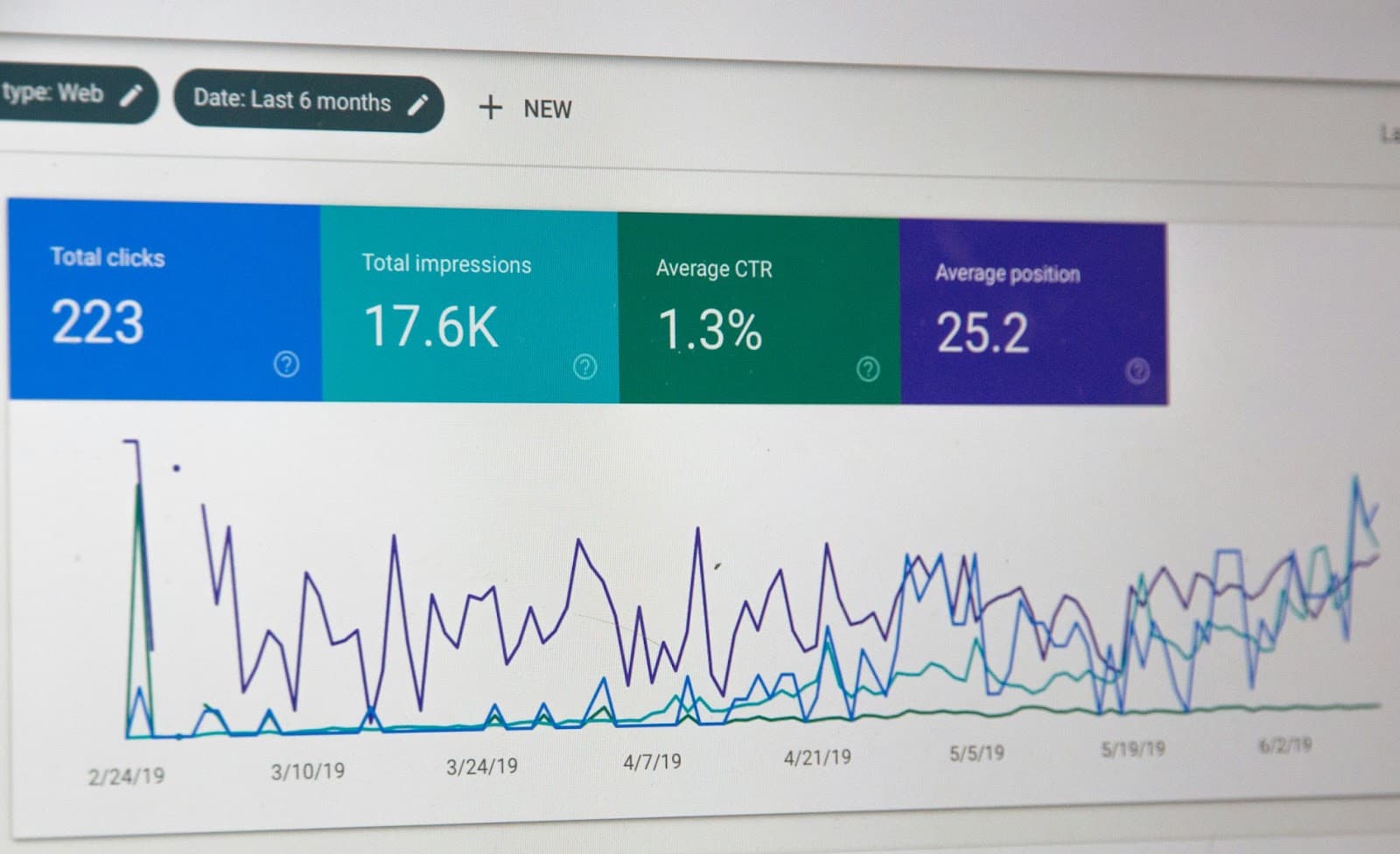
Click-through rates (CTRs) are the applause in the SEO theatre. Well-optimised title tags and engaging meta descriptions act as the showstopper, enticing users to click on your link rather than others. A higher CTR signals to search engines that your content resonates with users, positively influencing your search visibility.
Related: How to Improve Ecommerce Website Conversion Rates
4. Canonical Tag: Taming Duplicate Content
Duplicate content is the unruly antagonist in the SEO storyline. The canonical tag steps in as the peacemaker, guiding search engines to the preferred version of your content. This not only avoids confusion but also ensures that the right pages take the spotlight.
5. Robots Meta Tag: Directing the SEO Symphony
In the grand symphony of SEO, the robots meta tag conducts the orchestra. It directs search engine bots on how to crawl and index your site, ensuring a harmonious exploration that enhances overall visibility.
A Unified Impact
Collectively, meta tags contribute to the harmony of your SEO strategy. They are the silent influencers, shaping how search engines perceive, categorise, and present your website to the digital audience.
Do Ecommerce Websites Need Meta Tags?
In the expansive world of ecommerce, where online storefronts are as diverse as the products they showcase, the question arises: Do ecommerce websites really need meta tags?
1. The Digital Shopfront Signage
Imagine your ecommerce website as a vibrant storefront in a bustling shopping district. Just as you'd adorn your physical store with enticing signage, meta tags serve as your digital shopfront signage. They inform search engines about your products, categories, and special offerings.
Read More: Is Brand Awareness Important for Ecommerce Websites?
2. Product Pages and SEO Magic
Each product page is a unique chapter in your ecommerce story. Title tags and meta descriptions on these pages become the plot summaries that lure potential buyers. Well-optimised meta tags elevate individual product pages in search results, ensuring they shine brightly amid the vast online marketplace.
Related: Best-Practices for Writing Purchase-Worthy Product Descriptions

3. Category Pages: Organising the Shelves
For ecommerce websites with an array of product categories, meta tags act as the organisers of virtual shelves. Title tags clearly define the essence of each category, while meta descriptions provide a sneak peek into the treasures awaiting visitors. This organisational prowess enhances the overall user experience and contributes to improved search visibility.
4. The SEO Checkout
Even the checkout process, the final act in the ecommerce journey, benefits from meta tags. Crafting an enticing meta description for the checkout page can instil confidence in users, encouraging them to complete their purchase.
In the dynamic realm of ecommerce, meta tags play a multifaceted role. They're not just digital adornments but integral tools that enhance visibility, attract customers, and contribute to the success of your online business.
Choose Blackpepper's Ecommerce SEO Expertise
Crafting effective meta tags requires a nuanced understanding of your business, products, and target audience. Blackpepper's seasoned experts specialise in tailoring meta tag strategies that align with your ecommerce goals. From captivating title tags to engaging meta descriptions, we ensure that each digital cue contributes to your online success.
Beyond meta tags, our expertise extends to a holistic approach to SEO. We delve into every aspect of your online presence, optimising not just for search engines but for an exceptional user experience. Our comprehensive solutions cover technical SEO, content optimisation, and strategic digital marketing to amplify your ecommerce success.
Partner with Blackpepper, and let's work to not just meet but exceed your ecommerce goals. Enhance your online presence with a team dedicated to unlocking the full potential of your digital storefront!