What is a "Good" Conversion Rate for an Ecommerce Website?
17 October 2024

Roberta Johnston
SEO Lead
I'm an SEO specialist with over 8 years of experience helping brands grow through strategic, data-driven search optimisation. I've worked with large e-commerce websites and niche brands alike, developing a deep understanding of ranking algorithms, generative AI, and LLMs like ChatGPT, Perplexity AI, and Gemini. My expertise spans technical SEO, ensuring sites - whether a few dozen pages or 100,000+ - are crawled and indexed effectively.
Tags
When you’re running an e-commerce store, conversion rate is everything. It’s the difference between someone just browsing your website and actually making a purchase. But here's the million-dollar question: What exactly is a good conversion rate for an e-commerce website? Is 2% good enough? Or should you be aiming for 10%?
Well, the truth is, there’s no one-size-fits-all answer. Conversion rates vary depending on your industry, target market, and a bunch of other factors. But that doesn’t mean you’re in the dark. In this blog, we’re going to break down what conversion rate really means, how it’s calculated, and, most importantly, what you can do to bump those numbers up.
From personalisation (spoiler alert: it’s a game changer!) to user experience, we’ll cover the key strategies that can take your conversion rate from so-so to stellar. And if you’re curious about benchmarks, don’t worry - we’ve got that covered too.

What is a Conversion Rate?
Before we dive into the benchmarks and tactics, let’s make sure we’re on the same page about what conversion rate actually is.
Simply put, your conversion rate is the percentage of visitors to your website who complete the action you wanted them to complete. Most of the time, in e-commerce, that desired action is making a purchase - but it could also be signing up for your newsletter, downloading a guide, or filling out a contact form.
Conversion Rate = (Conversions / Total Visitors) x 100
For example, if 1,000 people visit your website and 20 of them make a purchase, your conversion rate would be:
(20 / 1,000) x 100 = 2%
Now, it might sound small, but in the world of e-commerce, even a 1-3% conversion rate is pretty common. But the key is making sure that your conversion rate works for your specific business. And this is where the fun begins: once you know your baseline, you can start improving it.
Keep in mind that your conversion rate should be measured based on your specific goals. If your focus is purely sales, then your conversion rate will reflect completed purchases. But if you're running a lead-gen campaign or aiming to build your email list, you'll want to look at conversions in terms of sign-ups or inquiries. Either way, the principle stays the same.
How is Conversion Rate Calculated and Measured?
The formula to calculate conversion rate is simple but powerful:
Conversion Rate = (Conversions / Total Visitors) x 100
Let’s break it down with an example: if your website gets 1,000 visitors in a given time period, and 50 of them make a purchase, your conversion rate would be:
(50 / 1,000) x 100 = 5%
That means 5% of your website visitors are completing the action you want them to—making a purchase, signing up for a newsletter, or whatever your goal may be.
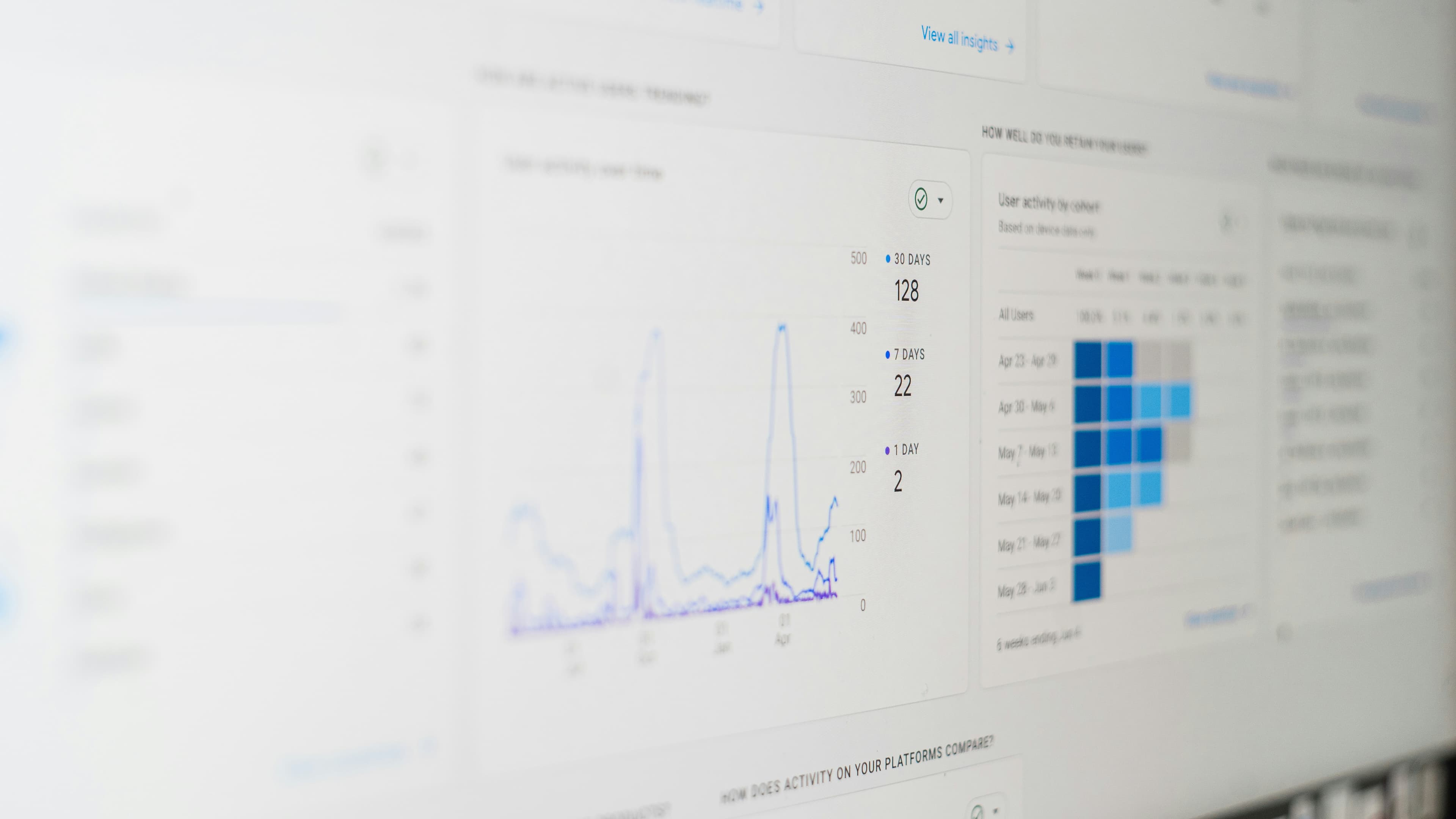
But how do you actually track this? Tools like Google Analytics****4 make this process a breeze. In GA4, for example, allows you to set up “Events,” which track specific actions you define as conversions - whether that’s filling out a contact form or clicking “Buy Now.”
Google Analytics offer insights into more than just your conversion rate. It gives you a full picture of what’s working and what isn’t. For instance, Google Analytics can show you whether certain traffic sources (like social media or email campaigns) are driving better conversion rates than others, helping you optimise your marketing efforts.
Ultimately, tracking your conversion rate is not just about knowing the percentage - it’s about understanding how each touchpoint in your customer journey impacts the likelihood of a conversion.
Industry Benchmarks for Ecommerce Conversion Rates
While there's no one-size-fits-all answer, research suggests that ecommerce conversion rates typically average between 2-3%. However, there’s plenty of variation based on industry, customer demographics, and even the platform you’re using. For example, Adobe reports that conversion rates for mobile users tend to be lower than those for desktop users, but with the rise of mobile shopping, that gap is slowly closing.
Here’s a quick look at some industry-specific benchmarks based on recent data:
- Fashion & Apparel: This industry generally sees conversion rates of around 1-2%. However, with personalised shopping experiences, well-curated recommendations, and targeted marketing, fashion brands can push those numbers higher.
- Beauty & Health: The beauty industry averages slightly higher conversion rates, usually around 3-4%. Brands with strong loyalty programs or subscription models often see even better results.
- Electronics & Gadgets: Conversion rates for electronics are typically lower, around 1.4-2%, as customers tend to spend more time researching before making a purchase.
- Home & Garden: This category tends to perform well, averaging around 2-3%, with seasonal promotions often driving higher conversions.
- Food & Beverage: There is some nuance to this industry but, typically, conversion rates hover between 1-2%.
It’s also worth noting that higher conversion rates don’t necessarily mean better overall performance. A luxury brand might see lower conversion rates but significantly higher average order values, whereas a fast-fashion retailer might see higher conversion rates with smaller purchases. That’s why it’s so important to compare your numbers to your specific niche and business goals rather than general averages.
Conversion Rates by Platform
Ecommerce conversion rates can vary significantly depending on the device your customers use to browse and shop. While industry benchmarks are a useful starting point, breaking them down by platform can provide even more actionable insights.
Desktop vs Mobile Conversion Rates
Historically, desktop users have shown higher conversion rates than mobile users, often between 2.5-3.5%. Desktops offer a more complete browsing experience, making it easier for users to navigate websites, view product details, and complete purchases.
However, mobile usage is on the rise. Mobile users account for the majority of web traffic, yet their conversion rates tend to be lower, typically around 1.2-1.8%. This is often due to factors like smaller screen sizes, less user-friendly navigation, and slower load times. Still, brands that focus on mobile optimisation -like simplifying checkout processes and improving mobile UX - are steadily closing this gap.
Tablet Users
Conversion rates for tablet users typically fall between desktop and mobile users, with an average of around 2-3.5%. The larger screen and ease of use make tablets a valuable platform for ecommerce, especially in the home and lifestyle sectors.
Why Platform Matters
Understanding how your customers convert based on the device they're using is critical. Optimising your site for mobile can make a huge difference in overall conversion rates, especially as more users turn to mobile shopping.

Conversion Rate by Channel
Much like devices, different marketing channels have varying conversion rates based on how users engage with them.
Here’s a breakdown of the typical conversion rates for some of the most common ecommerce channels:
Organic Search (SEO)
Organic search tends to have strong conversion rates because users actively searching for products or services are often already interested. On average, conversion rates from organic search typically range from 2% to 4%, depending on the industry
For ecommerce sites, optimising content and product pages for relevant keywords can attract high-intent visitors who are ready to purchase.
Search Engine Marketing (SEM/PPC)
Paid search ads, or SEM, offer businesses a way to appear at the top of search engine results for targeted keywords. The conversion rates for SEM usually fall between 1.4% and 2.5%, with the exact figure depending on factors like ad relevance, landing page experience, and industry
Retailers with well-structured campaigns can see better results when they invest in optimised ad copy and landing pages tailored to specific search terms.
Social Media
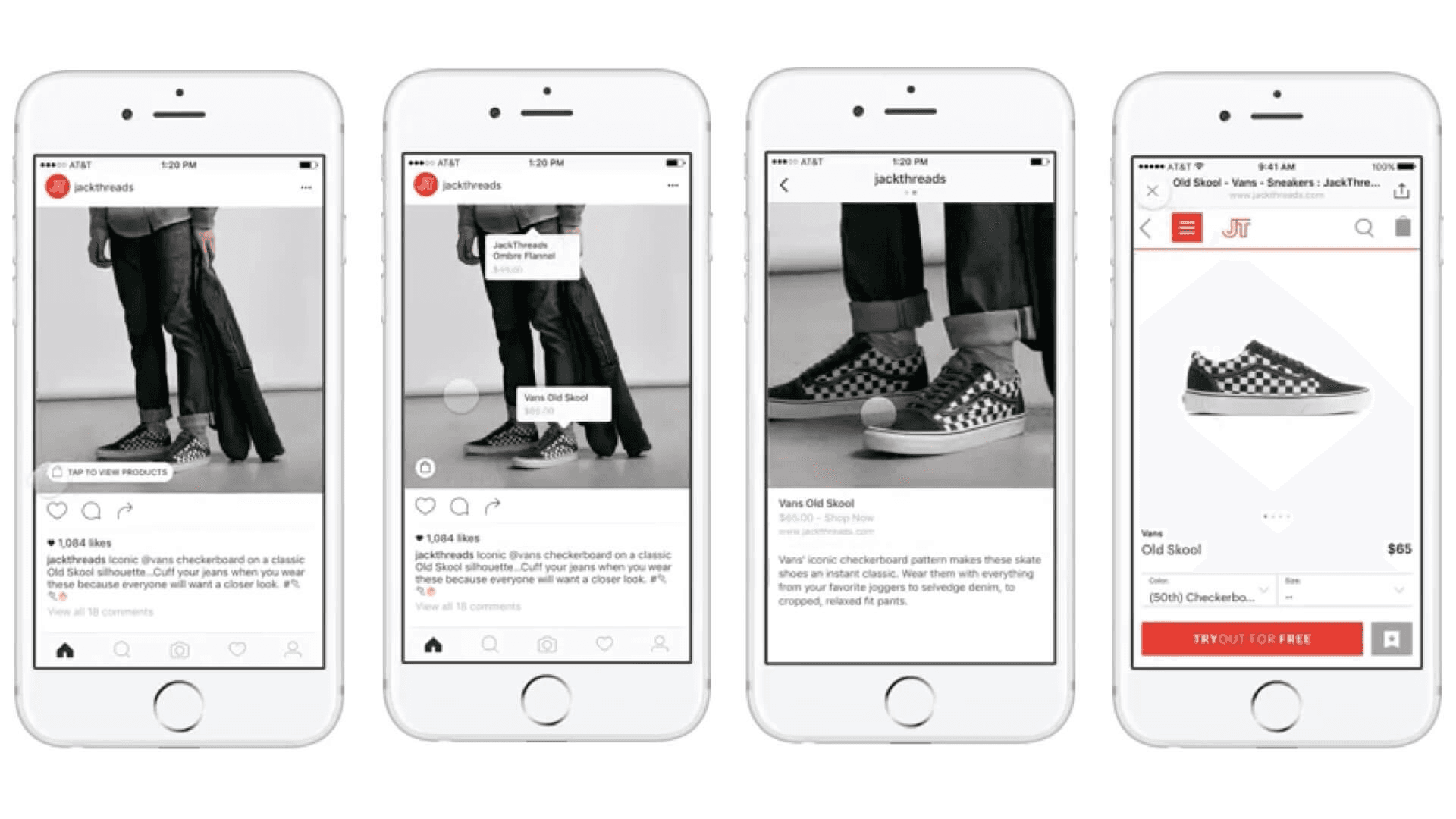
Social media platforms, such as Facebook, Instagram, and Pinterest, can be powerful traffic drivers for ecommerce brands, but conversion rates from social tend to be lower, typically around 0.71% to 1.5%
While social channels are excellent for brand discovery and engagement, they may not always result in immediate conversions, as users are often "window shopping" rather than actively looking to make a purchase. However, visual platforms like Instagram tend to perform better for industries like fashion and beauty, which rely heavily on aesthetics and lifestyle branding.
Email Marketing
Email marketing is one of the most effective channels for driving conversions, often achieving conversion rates between 3% and 5%
This is largely due to the ability to target customers with personalised content and promotions, whether through abandoned cart reminders, tailored product recommendations, or seasonal deals. Engaging customers directly in their inbox with the right message at the right time can make all the difference in closing a sale.
At the end of the day, benchmarks can give you an idea of what’s typical, but personalisation and optimising the customer experience are what help businesses break free from the average and push towards better results.
The Role of Personalisation in Improving Conversion Rates
When it comes to conversion rates, personalisation is a game-changer. According to insights from the RICE expo our team attended, 71% of customers now expect personalised experiences when they shop online.
If you're not offering a tailored experience, you could be missing out on huge conversion opportunities. The key to unlocking better conversions is to meet your customers where they are and anticipate what they’re looking for before they even ask.
Related: What is Omnichannel Marketing?
What is Personalisation?
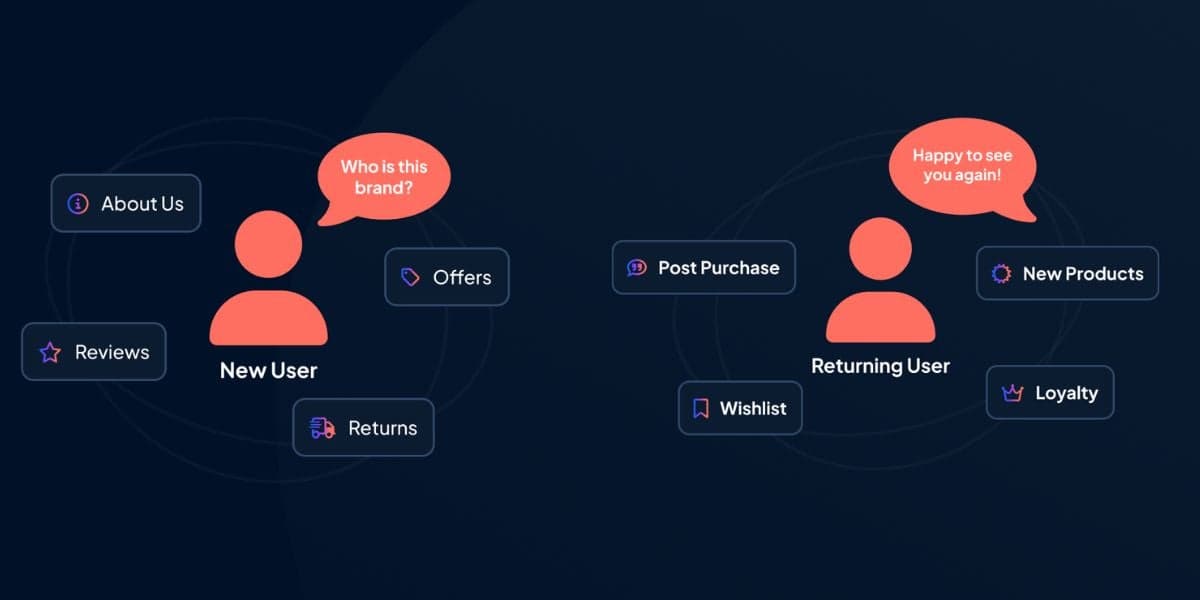
Personalisation in ecommerce refers to the process of tailoring the shopping experience to meet the specific needs, preferences, and behaviours of individual customers. Instead of offering a one-size-fits-all experience, personalisation helps create a unique journey for each customer, making their interactions with a website more relevant and engaging.
At its core, personalisation can take many forms, including:
- Dynamic product recommendations based on previous browsing or purchase history.
- Customised content that changes in real-time based on the visitor's behaviour, preferences, or location.
- Personalised emails and marketing messages that target users with specific offers, product recommendations, or updates that are highly relevant to them.
The main goal of personalisation is to improve the customer journey by anticipating what the customer wants, showing them the right products at the right time, and ultimately leading them down the path to conversion.
Why does this matter? Well, personalisation drives conversions and customer loyalty. For example:
- 63% of consumers are more likely to shop with brands that provide relevant offers and recommendations tailored to them.
- 80% of shoppers are more likely to make a purchase when brands offer a personalised experience.
- Personalised homepage promotions influence 85% of shoppers to make a purchase.
For ecommerce businesses, the benefits are clear: personalisation increases engagement, improves customer experience, and directly impacts the bottom line by driving more sales.

How Does Personalisation Help?
Tailored Product Recommendations
When customers see recommendations that are relevant to them, like items they’ve previously shown interest in or similar products to what they’ve already browsed, it encourages them to explore more and make quicker purchase decisions.
Dynamic Content
Imagine landing on a homepage that highlights products or offers based on your previous interactions with the site. Whether it’s showing relevant categories or spotlighting your favourite brands, dynamic content adapts in real time, making the shopping experience feel more personalised.
Personalised Emails
Sending personalised email campaigns based on customer preferences, past purchases, or browsing history can significantly increase engagement and, by extension, conversions.
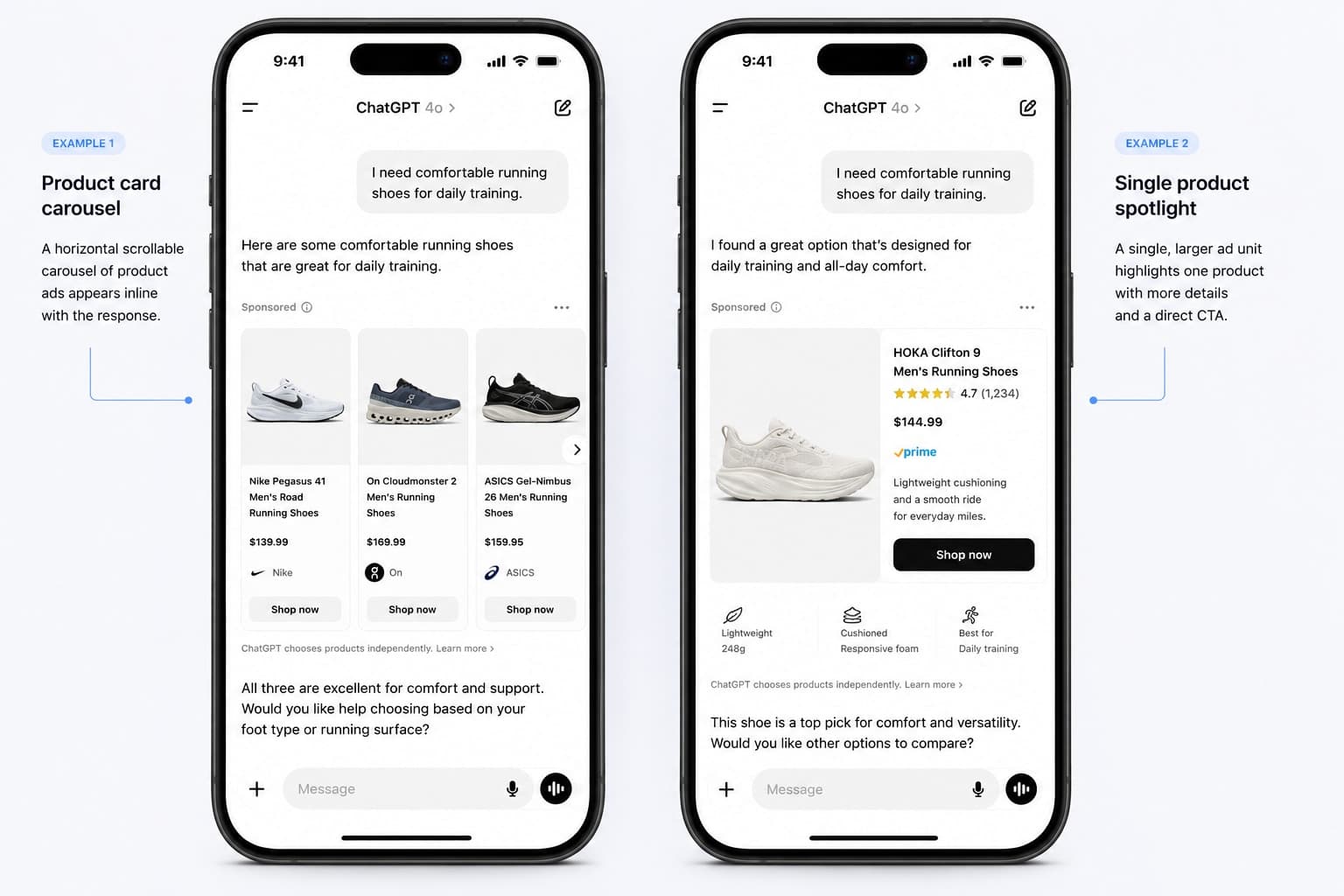
At Blackpepper, we understand the power of personalisation. Our proprietary platform Cody leverages advanced AI to offer tailored shopping experiences to customers. From personalised product recommendations to dynamic content, we help businesses deliver the right message at the right time, leading to improved engagement and higher conversion rates.
For example, we implemented the “You Might Also Like” feature on Torpedo7’s new ecommerce website, driven by Cody’s AI API. By using advanced algorithms to recommend relevant products based on previous customer behaviour, we were able to increase engagement and improve their conversion rate. This kind of personalisation makes a huge difference - customers appreciate when their shopping journey feels intuitive, making it easier for them to discover exactly what they’re looking for.
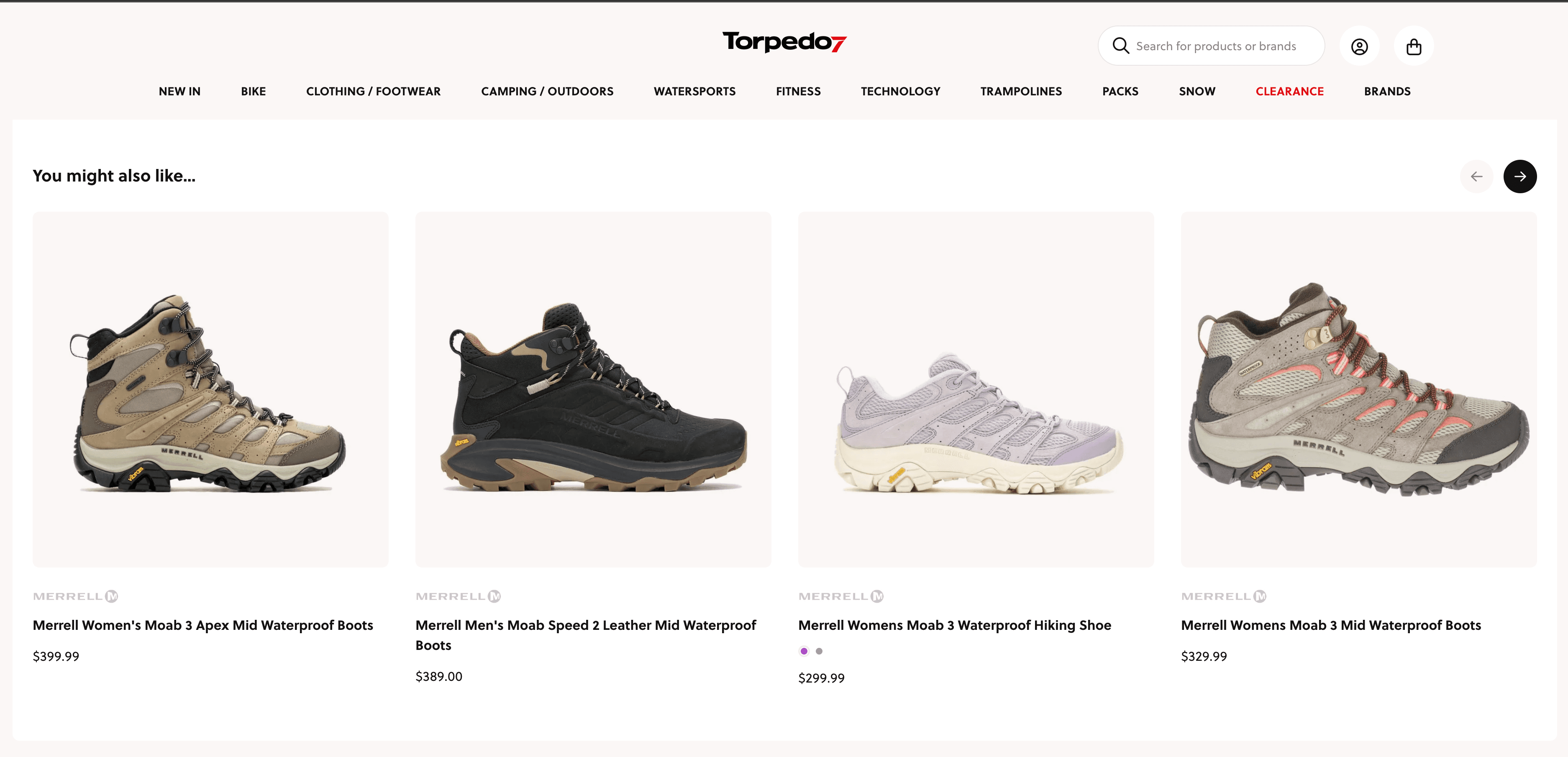
torpedo7.co.nz
Personalisation is no longer optional - it’s expected. As ecommerce brands embrace these strategies, conversion rates naturally follow suit, offering both a better customer experience and a stronger bottom line.
Other Factors that Influence Conversion Rates
While personalisation plays a huge role in improving conversion rates, it’s not the only factor to consider. A number of other elements can make or break an ecommerce site's conversion success.
User Experience (UX)
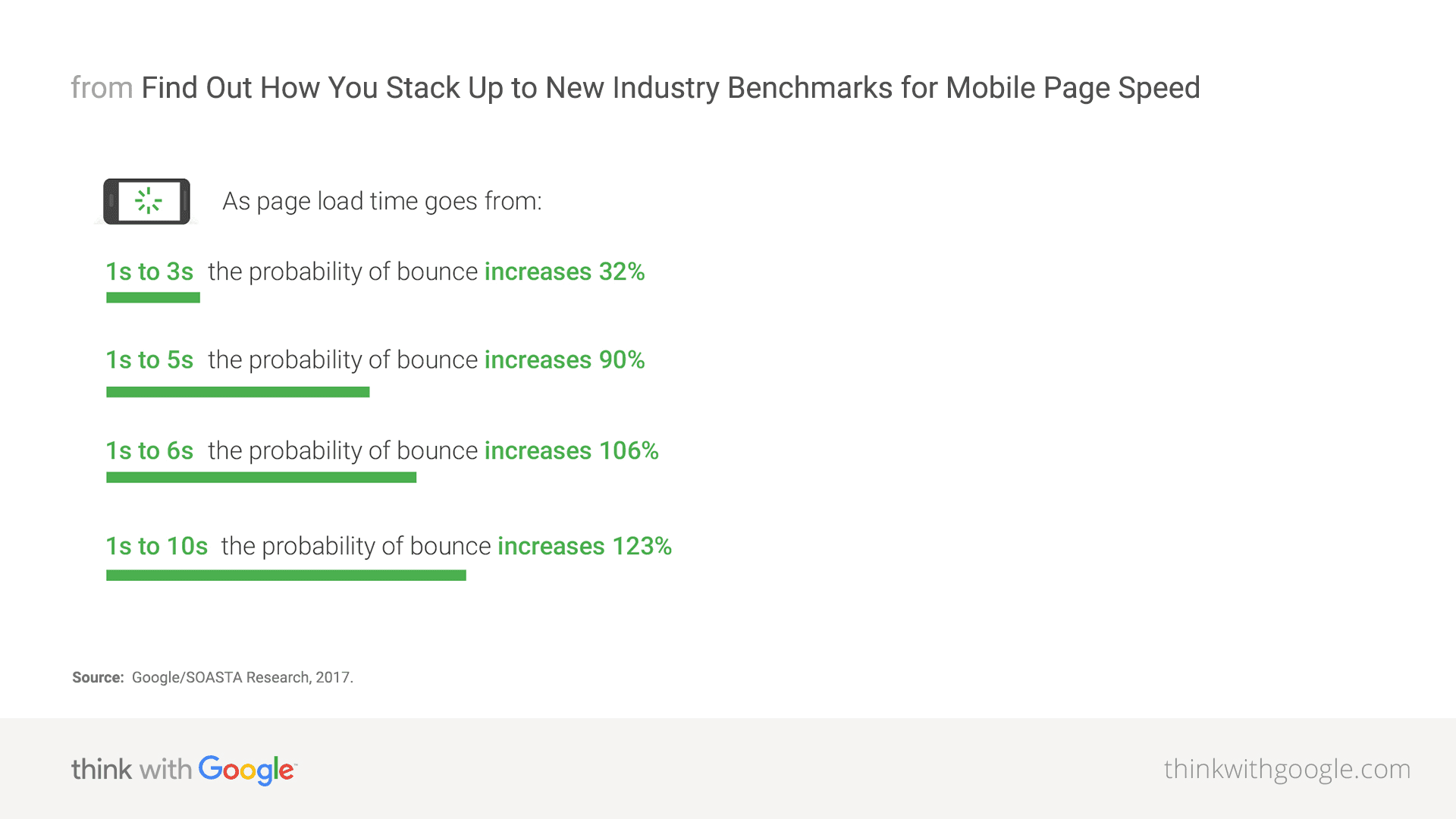
A well-optimised user experience is key to keeping customers engaged and moving through the purchase funnel. Slow-loading pages, confusing navigation, or complex checkouts are all major friction points that can lead to users abandoning their carts or leaving the site altogether.
In fact, 53% of mobile users will leave a site that takes more than 3 seconds to load. Mobile responsiveness is critical here too, with mobile shopping growing exponentially; 69% of users are more likely to purchase from a site that's optimised for mobile, and people who have had a poor experience on mobile are also 63% less likely to make a future or repeat purchase. Ensuring a seamless, fast, and easy-to-navigate UX will encourage users to complete their purchase.
Cart Abandonment
Cart abandonment is a pain point for most ecommerce sites, but it's not inevitable.
Reducing friction at checkout is a major way to improve conversion rates. Streamlining the checkout process by reducing the number of steps, enabling guest checkout, and providing clear payment options can reduce cart abandonment significantly.
In fact, 70% of carts are abandoned, but when friction is minimised, conversion rates rise. You can read more about strategies for reducing cart abandonment in our dedicated blog here.
Trust Signals
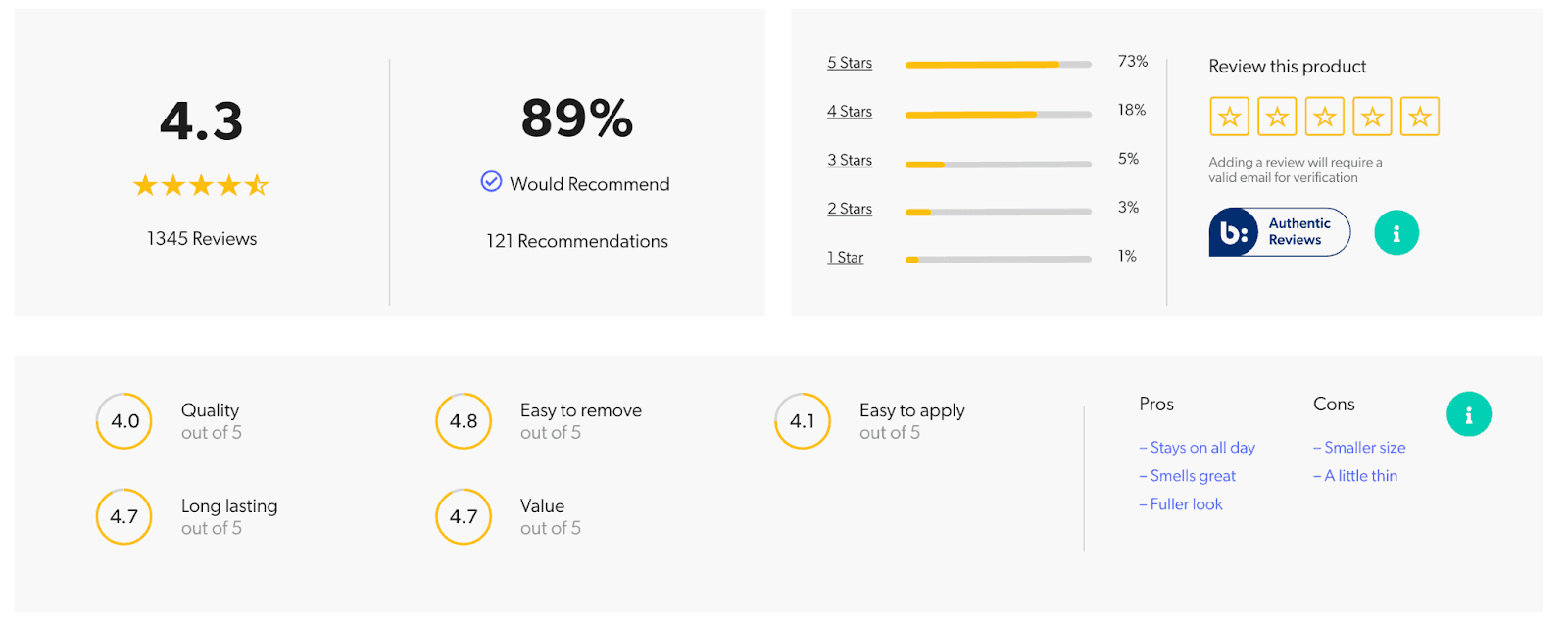
Building trust is crucial for convincing users to complete a purchase. Trust signals like reviews, secure payment badges, and certifications create a sense of credibility and security.
93% of customers say that they read online reviews before making a purchase, and 83% of customers trust brands with positive user-generated content. Adding visible, well-placed trust signals throughout your site – especially on product and checkout pages – helps reassure customers that their information is safe, and that they’re making the right decision.
Read More: How to Build Trust with Online Shoppers
Poor Product Descriptions
The content on your product pages is often the first interaction potential buyers have with your items, and it can make or break a conversion. A poorly optimised product description not only affects your chances of showing up in organic search results but also fails to engage customers effectively. If descriptions are unclear, lack relevant details, or are riddled with errors, potential buyers may click away in frustration.
Additionally, product images are just as critical. Low-quality images or a lack of variety (such as multiple angles or close-ups) can significantly reduce the likelihood of a conversion. Shoppers rely heavily on visuals to assess product quality and suitability, so this element should never be forgotten.
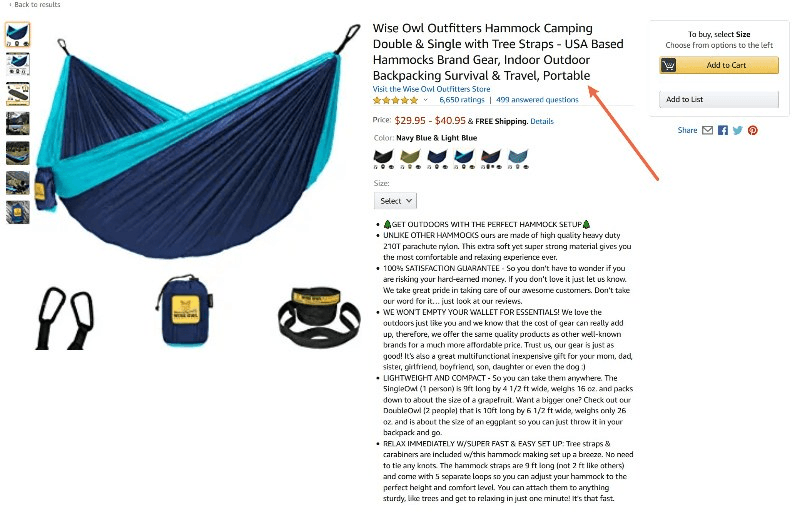
Amazon
Checkout Issues
The checkout process is the final, crucial step in converting visitors into customers. If the payment gateway fails, is difficult to use, or doesn’t offer secure and trusted options, customers are more likely to abandon their carts. Offering trusted payment methods, such as Visa, Google Pay, or Buy Now Pay Later options, reassures buyers that their personal data is safe.
Likewise, a lack of transparency around shipping costs, return policies, or long, confusing forms can also lead to cart abandonment. Simplifying the checkout process and ensuring it functions smoothly across devices can significantly improve conversion rates.
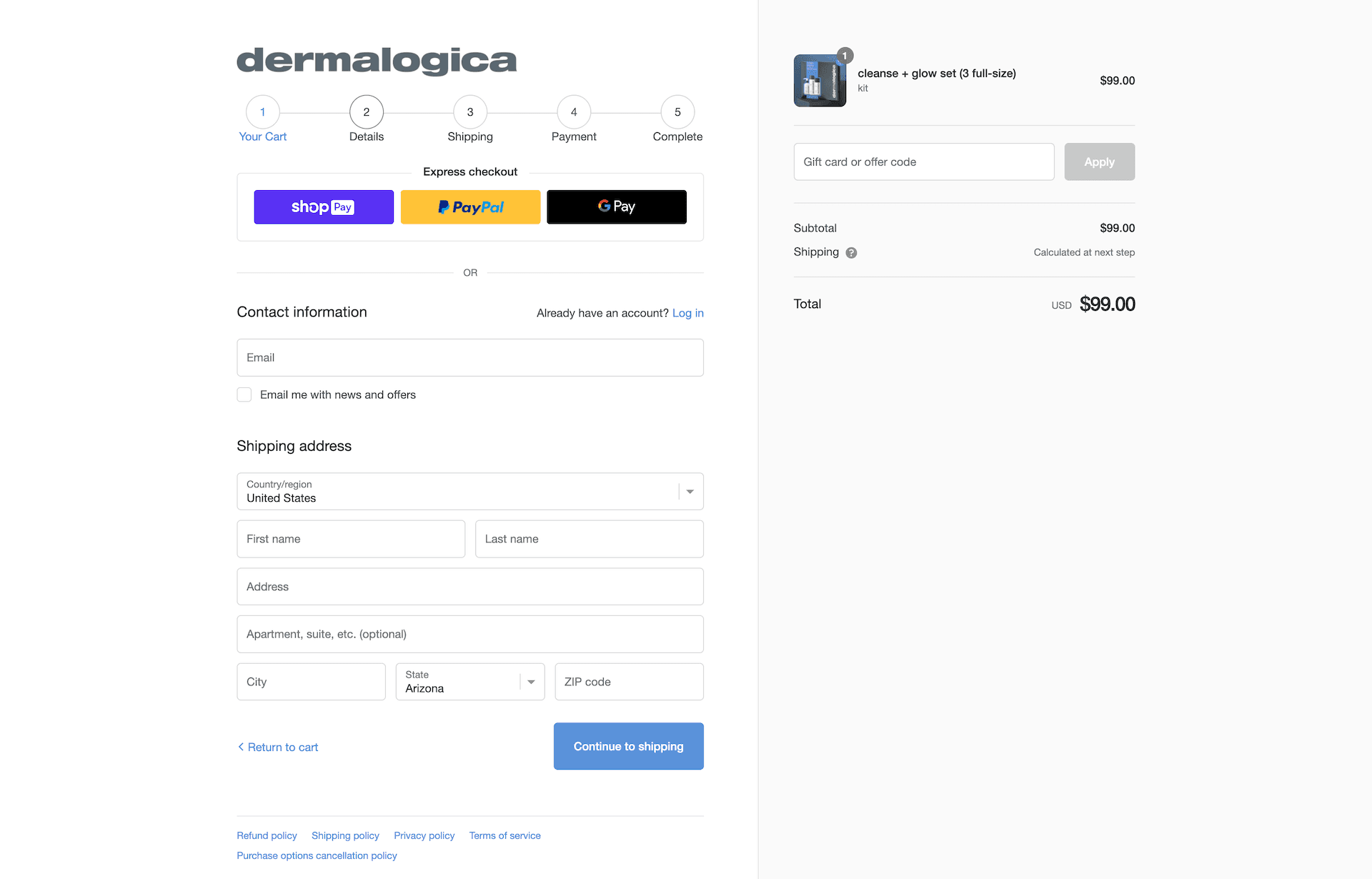
demalogica.com
Better Value Elsewhere
Value isn’t just about price. It’s about the entire package a business offers, and sometimes shoppers abandon your site because they believe they’re getting better value somewhere else. That might mean lower prices, better loyalty rewards, exclusive discounts for signing up, or a more appealing product selection.
To compete, ecommerce sites should consider offering perks like free shipping, loyalty programs, or exclusive discounts for first-time buyers. Additionally, maintaining a high standard of product quality, backed by strong reviews and endorsements, can help retain customers who might otherwise be tempted by a competitor’s offerings.
Conversions Are More Than Just Numbers
Your conversion rate is a crucial indicator of how well your business is resonating with customers. While benchmarks vary across industries, the truth is that what’s considered a "good" conversion rate depends on more than just the numbers. Personalisation, user experience, trust signals, and even product descriptions all play a significant role in turning browsers into buyers.
At Blackpepper, we’ve seen first-hand how tailored experiences - like those driven by Cody - can transform not only conversion rates but overall customer satisfaction. By paying attention to these critical elements, and continuously optimising based on data, you can ensure that your ecommerce site delivers the seamless, personalised experiences today’s shoppers demand.
Keep in mind, increasing your conversion rate isn’t an overnight achievement. It’s a process of constant refinement, where even small changes can lead to big results. As long as you’re actively monitoring, testing, and improving, you’ll see your conversion rates - and your bottom line thrive. And if you need help, you know where we are!