What is Domain Authority?
3 July 2024

Roberta Johnston
SEO Lead
I'm an SEO specialist with over 8 years of experience helping brands grow through strategic, data-driven search optimisation. I've worked with large e-commerce websites and niche brands alike, developing a deep understanding of ranking algorithms, generative AI, and LLMs like ChatGPT, Perplexity AI, and Gemini. My expertise spans technical SEO, ensuring sites - whether a few dozen pages or 100,000+ - are crawled and indexed effectively.
Tags
When it comes to SEO, there's a metric that's often thrown around but not always fully understood: Domain Authority (DA). If you've ever wondered why some websites consistently rank higher on search engine results pages (SERPs) than others, DA might just be part of the answer. But what exactly is Domain Authority, and why should you care about it?
One thing is for certain: understanding how to measure and improve your website's performance is crucial for standing out from the competition. Gaining insight into Domain Authority, what your website’s DA is, and how this metric impacts SEO is a critical step in outshining them.
Let’s take a closer look at what Domain Authority is.
What is Domain Authority (DA)?
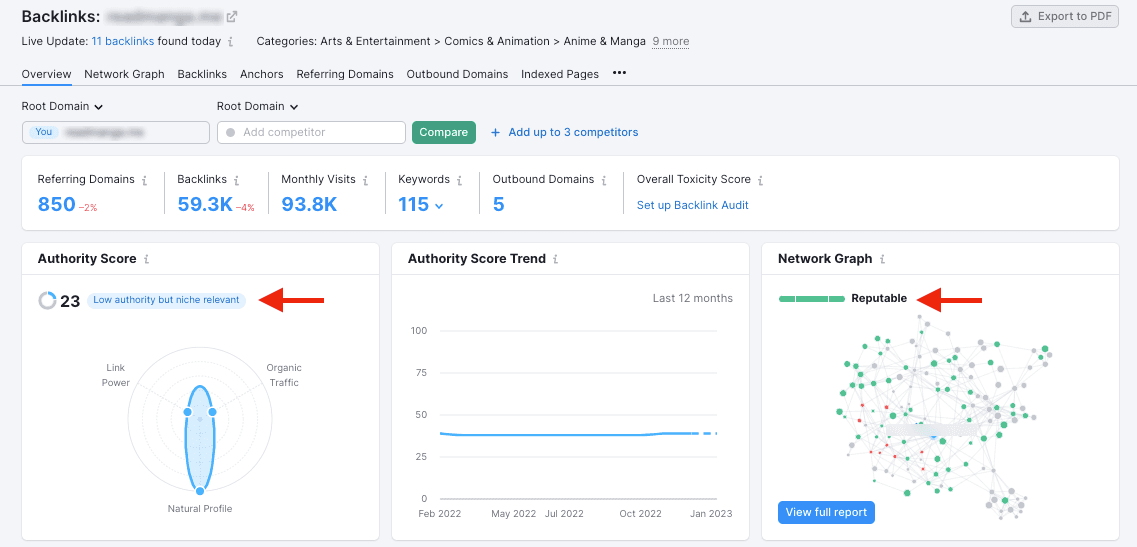
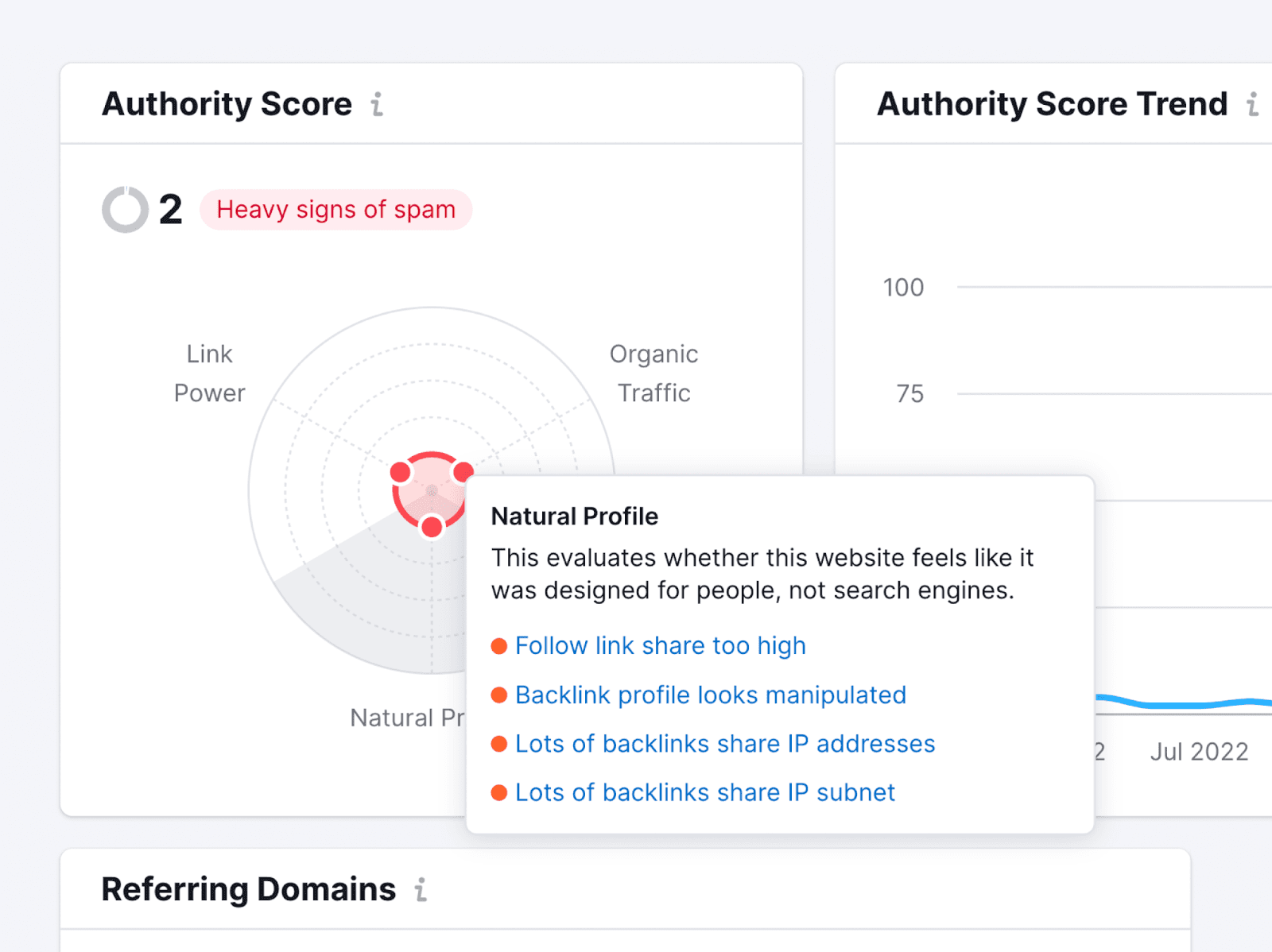
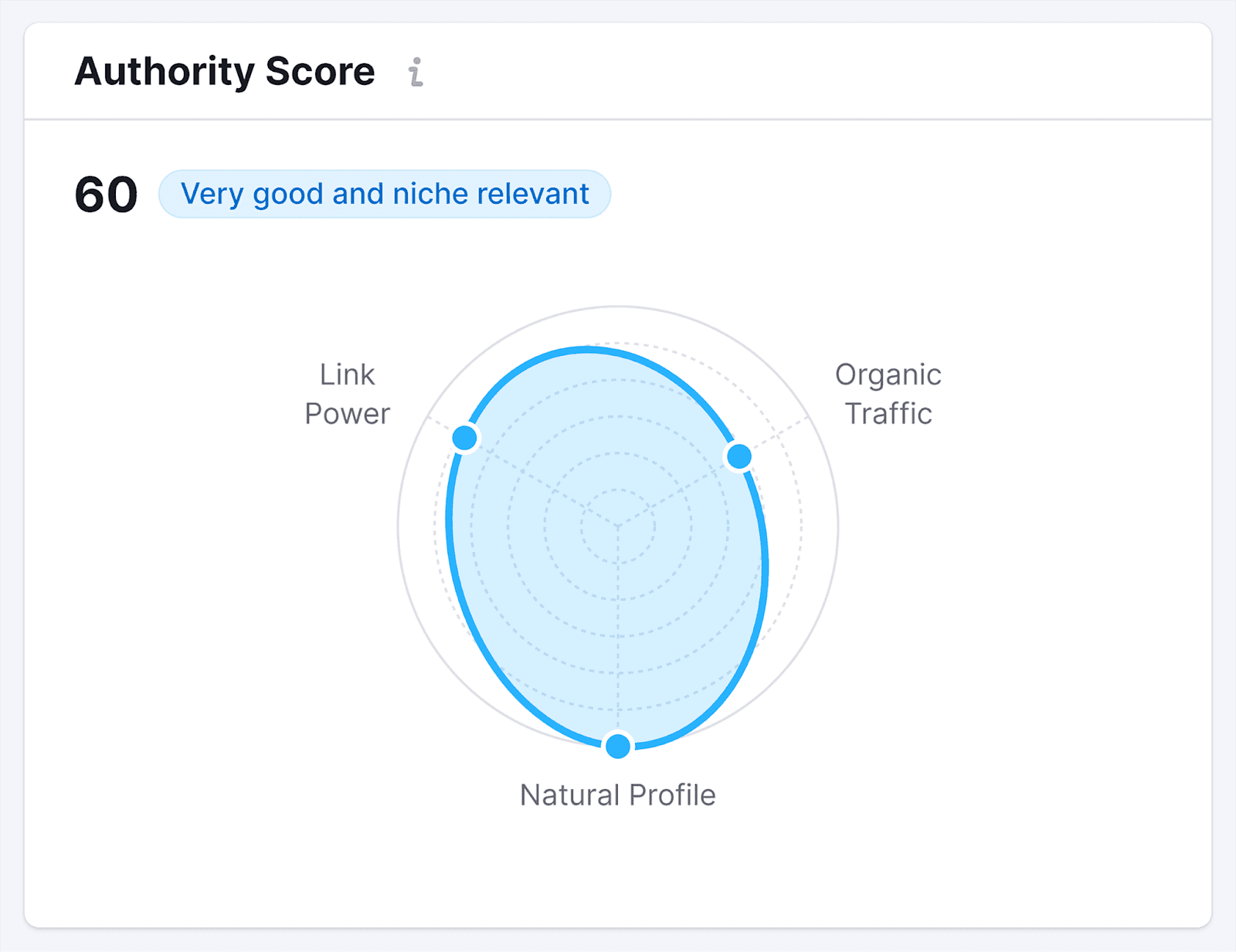
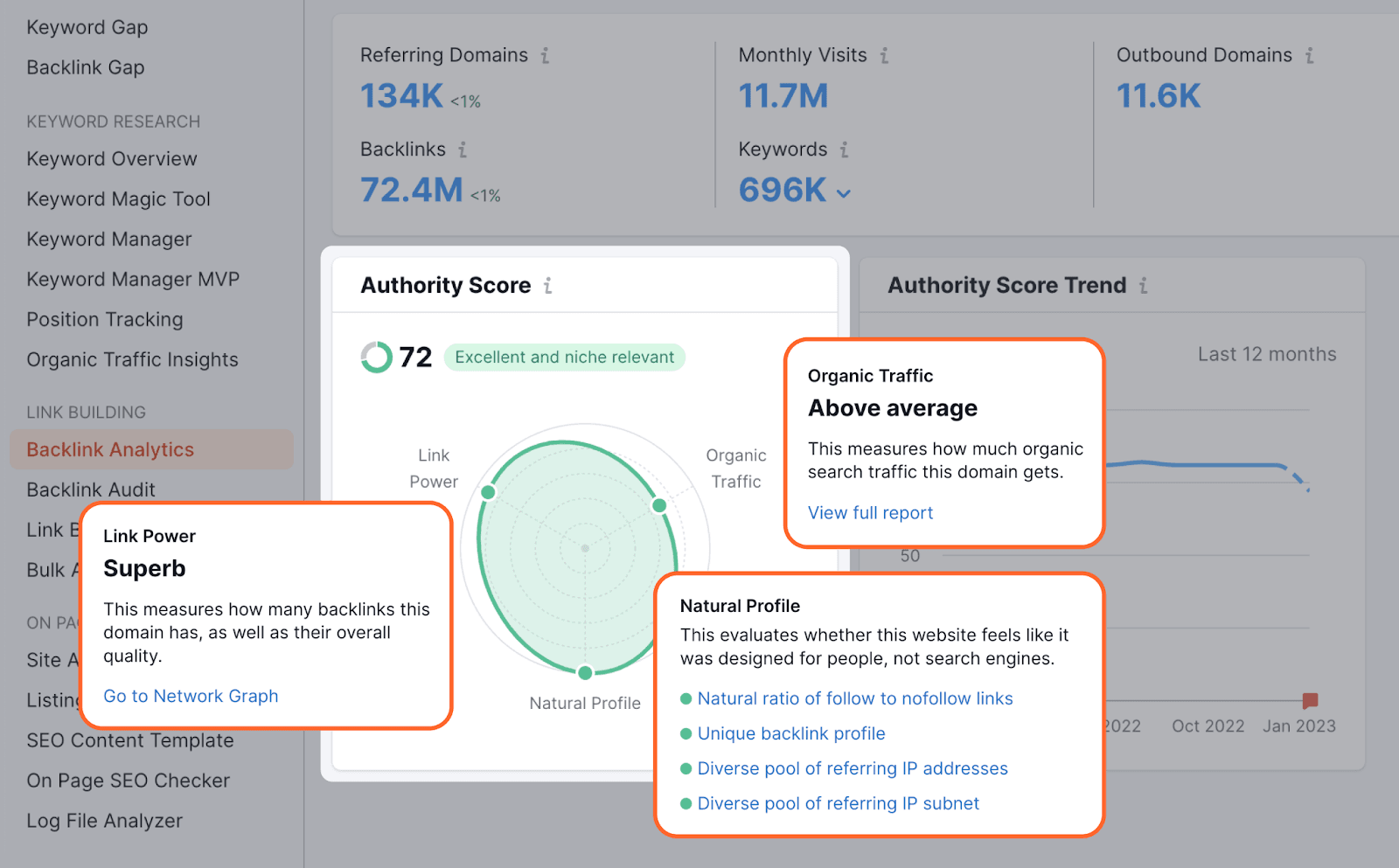
Domain Authority, commonly referred to as DA, is a metric developed by Moz that predicts how well a website will rank on search engine results pages (SERPs). It's a score that ranges from 1 to 100, with higher scores indicating a greater ability to rank. Essentially, DA is a way to gauge the overall strength of your website in terms of SEO. Other marketing tools and SAAS services have since developed their own versions of DA, such as SEMrush’s Authority Score metric.
DA is calculated based on multiple factors, including the quality and quantity of backlinks pointing to your site. It's a comparative metric, meaning that your DA score is relative to other websites. Therefore, even if your score improves, it doesn't guarantee higher rankings unless your competitors' scores remain static or decline.
How is DA Calculated?
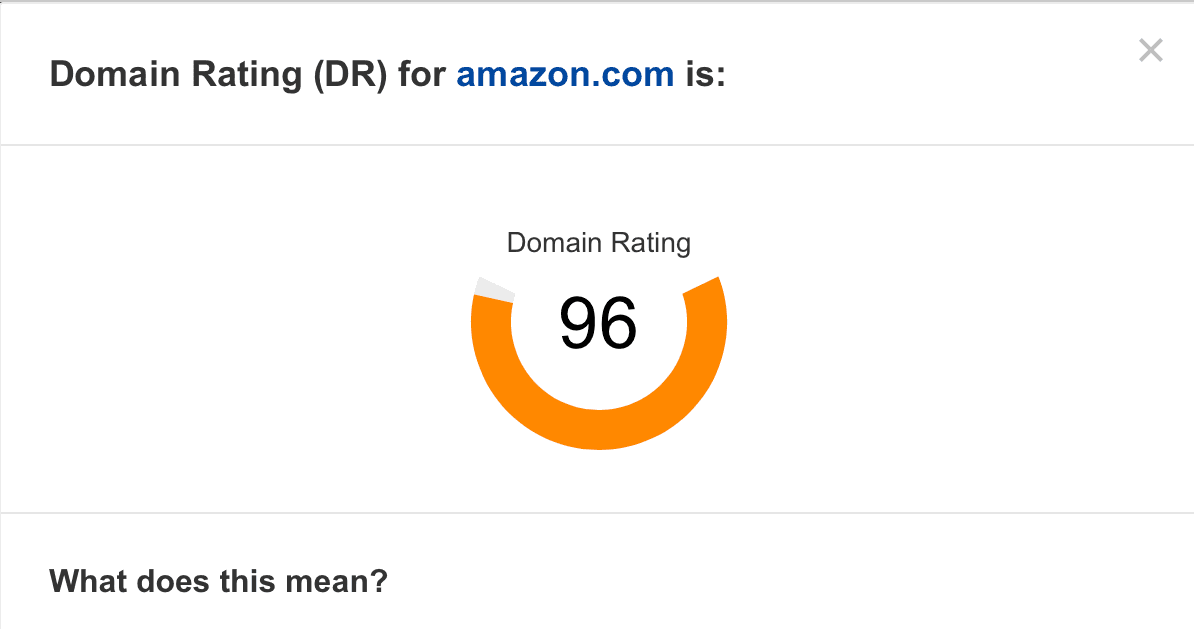
DA is a metric initially defined by Moz to predict how well a website will rank on SERPs. However, many other SEO tools, such as SEMrush and Ahrefs, have their own proprietary versions of DA. While the exact algorithms differ, they generally use similar factors to calculate a site's authority.
Here are the key components influencing DA and its equivalents across different SEO tools:
1. Linking Root Domains: The number of unique domains linking to your website. A higher number of quality, relevant sites linking to you can significantly boost your DA or equivalent score.
2. Total Number of Links: The total quantity of links pointing to your website. While quality is paramount, a higher quantity of quality links generally leads to a higher score.
3. Quality of Links: Links from high-authority sites are more valuable than links from low-authority sites. The relevance and trustworthiness of the linking site play a crucial role.
4. Site Performance and Trust Metrics: Tools like Moz use metrics like MozRank and MozTrust, while SEMrush uses its Authority Score, and Ahrefs has its Domain Rating (DR). These metrics assess link popularity, site performance, and trustworthiness based on backlink profiles.
Each tool uses a machine learning model to predict the likelihood of a website ranking for specific keywords and then assigns a DA score (or its equivalent) based on this prediction. It's important to note that DA is not a static metric; it can change over time as algorithms are updated and as your backlink profile evolves.
How to Check Your Site’s DA
Checking your website's DA can provide valuable insights into its SEO health and competitive standing. Here’s how you can easily check your site's DA:
- Use Moz's Free Tools: Moz offers a free browser extension called MozBar, which allows you to see DA (and other metrics) for any website as you browse. You can also use Moz's Link Explorer tool on their website to get a comprehensive DA score.
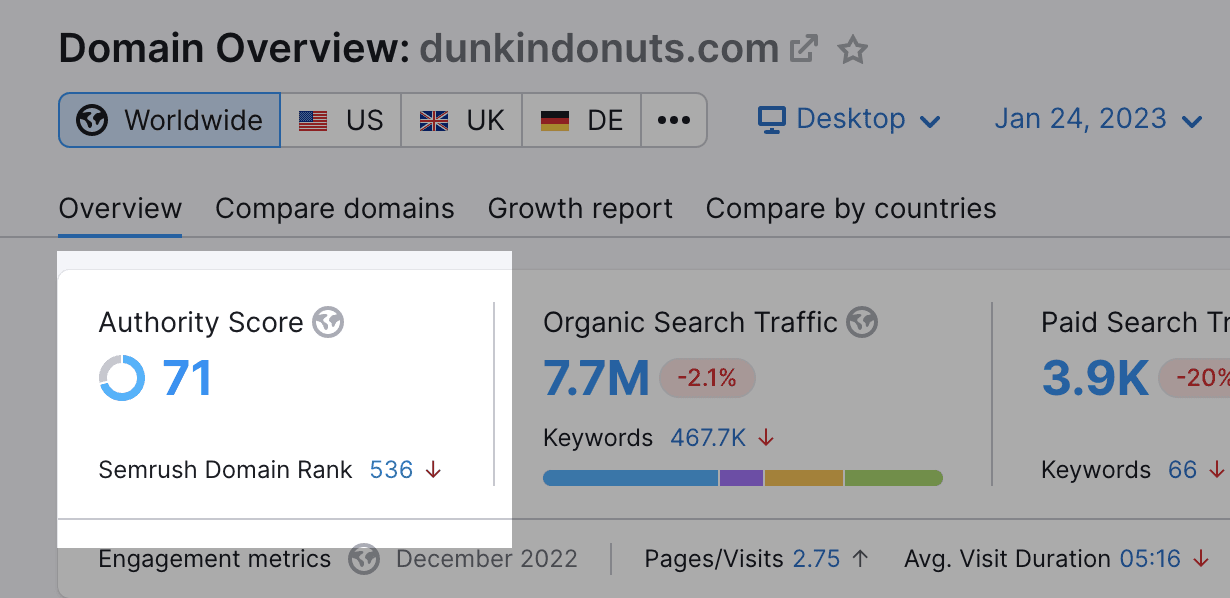
- SEMrush: SEMrush provides an Authority Score that serves a similar purpose to Moz's DA. It's accessible through their Site Audit tool and Competitive Analysis reports.
- Ahrefs: Ahrefs offers Domain Rating (DR), which is their version of DA. You can check your DR using their Site Explorer tool.
- Google Search Console: While not providing a direct DA score, Google Search Console offers valuable insights into your site’s performance in Google search results, including impressions, clicks, and keyword data, which indirectly affect DA.
- Other SEO Tools: Many other SEO tools like Majestic, Raven Tools, and SEOProfiler also provide their own authority metrics that can be used for comparison and analysis.
Why Different SEO Tools Differ on DA
Domain Authority and its equivalents, such as SEMrush's Authority Score and Ahrefs' Domain Rating (DR), can vary across different SEO tools. This variation arises due to the distinct algorithms and data sets each tool employs to calculate these metrics.
Algorithm Variations
Each SEO tool uses its proprietary algorithm to determine DA or its equivalent:
Moz's Domain Authority: Moz calculates DA based on numerous factors like linking root domains, total number of links, and link quality. It uses machine learning to predict a website's ranking potential.
SEMrush's Authority Score: SEMrush's Authority Score also considers backlink profile quality and quantity, but its exact calculation may incorporate different data points and weighting compared to Moz.
Ahrefs' Domain Rating (DR): Ahrefs evaluates DR based on the strength of a website's backlink profile. It emphasises the number and quality of referring domains and their authority.
Data Sets and Index Sizes
Another factor contributing to variations in DA scores is the size and freshness of the data sets each tool uses. For instance:
-
Moz regularly updates its index of the web, which influences how it calculates DA.
-
SEMrush and Ahrefs also maintain their own extensive databases of backlinks and other SEO metrics, which may differ in coverage and update frequency.
Related: MozCon 2024 Key Insights & Takeaways
Methodological Differences
Moreover, methodological differences in how each tool interprets and weights factors like link equity, domain authority, and trustworthiness contribute to score discrepancies. These differences can result in varying DA scores for the same website when analysed across different SEO tools.
Understanding these variations is crucial because they highlight the importance of using multiple tools to gauge your site's overall authority and SEO performance comprehensively. While the specific DA score may differ, the underlying principle remains consistent: a strong, diverse backlink profile from reputable sites is key to improving your site's authority and search engine rankings.
Domain Authority vs Page Authority
Definition of Page Authority (PA)
Page Authority (PA) is a metric developed by Moz that predicts how well a specific page is likely to rank in search engine results. It is based on a similar scale to Domain Authority but applies specifically to individual pages rather than entire domains.
Key Differences between DA and PA:
Scope:
Domain Authority: Measures the overall authority of an entire domain, predicting its ability to rank on SERPs. It considers factors like the quality and quantity of backlinks pointing to the entire domain.
Page Authority: Focuses on the authority of a single webpage, predicting its ranking potential based on its own backlink profile and other SEO factors.
Application:
DA: Used to assess the strength of an entire website in relation to search engine rankings. Higher DA indicates greater potential for all pages on the domain to rank well.
PA: Helps understand the ranking potential of individual pages within a domain. Pages with higher PA are expected to rank better for specific queries.
Granularity:
DA: Provides a broad view of domain-level authority, useful for evaluating overall SEO strategy and competitiveness against other domains.
PA: Offers a more focused assessment of specific pages, aiding in optimising individual pages for targeted keywords and topics.
Importance of Understanding Both Metrics
Understanding both DA and PA is crucial for developing a holistic SEO strategy:
Strategic Insights: By analysing DA, you can gauge the overall strength and authority of your domain compared to competitors. This informs strategic decisions on content creation, link building, and website architecture.
Page-Level Optimisation: PA helps identify which specific pages have higher potential to rank for targeted keywords. This allows for targeted optimisation efforts to improve rankings and organic traffic for individual pages.
Balanced Approach: Integrating insights from both metrics ensures a balanced approach to SEO, where domain-level authority goals align with page-level optimisation efforts. This approach maximises overall search engine visibility and competitiveness.
Is DA a Google Ranking Signal?
Domain Authority is not a direct ranking factor used by Google. Google's algorithm, which determines the position of web pages in search results, relies on numerous factors, including relevance, quality of content, user experience signals, and the authority of individual pages rather than entire domains.
However, while DA itself doesn't directly impact Google rankings, it plays a crucial role in SEO strategy and decision-making:
Benchmarking: DA serves as a comparative metric to assess the relative strength of one domain against others in terms of authority. This helps SEO professionals prioritise efforts to improve domain-wide SEO health.
Link Building: High DA domains are more likely to attract quality backlinks, which are a known ranking factor for Google. Therefore, improving DA indirectly supports link-building efforts aimed at enhancing organic search visibility.
Competitive Analysis: Understanding competitors' DA scores provides insights into their SEO strategy and competitive landscape. It informs strategic decisions on content creation, link acquisition, and overall SEO tactics.
Trust and Credibility: A high DA score can enhance a website's perceived trust and authority in its niche or industry, potentially attracting more referral traffic and improving conversion rates.
While not a direct ranking signal, Domain Authority remains a valuable tool for SEOs and website owners alike to gauge domain strength, inform strategy, and improve overall website performance in search engine results.
What is Considered a "Good" DA?
Determining what qualifies as a "good" DA score involves understanding its relative nature and how it compares within specific industries and competitive landscapes.
Domain Authority scores range from 1 to 100, with higher scores indicating stronger authority and potential for better search engine rankings. While what constitutes a "good" DA score can vary based on industry benchmarks and competitive analysis, generally:
Low Authority: Scores below 20 are typically indicative of new or less established websites with minimal authority in their niche.
Moderate Authority: Scores between 20 and 40 suggest a moderate level of authority, suitable for smaller businesses or those in less competitive markets.
Strong Authority: Scores above 40 are considered strong, indicating significant authority and competitiveness in their respective fields.
Relative Nature of DA
It's important to note that what qualifies as a "good" DA score varies significantly across industries and competition levels. For instance:
Highly Competitive Industries: Sectors like finance, healthcare, and legal services often require DA scores in the higher range (50+) to compete effectively due to intense competition and established authority of existing players.
Niche Markets: In less competitive niches or local markets, achieving a "good" DA score may require scores as low as 30 or even less, depending on the specific context and competition.
Examples of Typical DA Ranges
To provide a clearer perspective:
Small Websites: A small business or startup might aim for a DA score between 10 and 30 initially, focusing on building quality content and acquiring relevant backlinks to establish authority.
Medium-sized Websites: Established businesses with moderate competition might target a DA score ranging from 30 to 50, aiming to strengthen their online presence and compete more effectively within their market.
Large Websites: Corporations or enterprises in highly competitive industries often strive for DA scores above 50 or even higher, reflecting their extensive authority, brand recognition, and robust SEO efforts.
Understanding these ranges helps businesses set realistic goals for improving their DA scores, tailoring strategies to their specific industry and competitive landscape.
How to Build Your Site's DA
Building and improving your DA requires a strategic approach focused on enhancing your website's overall authority and relevance in your industry. Here are key strategies to effectively boost your DA:
High-Quality Content Creation
Focus on Relevance and Value: Create content that addresses your audience's needs and interests, providing insightful solutions or information.
Consistency is Key: Regularly update your website with fresh, engaging content that encourages repeat visits and attracts natural backlinks.
Keep Reading: SEO in 2024 - is Content Still King?
Acquiring High-Quality Backlinks
Natural Link Building: Earn backlinks from authoritative websites within your industry through guest blogging, partnerships, or content collaborations.
Avoid Low-Quality Links: Prioritise quality over quantity to avoid penalties and ensure links are from reputable sources.
Read More: Building Backlinks for SEO - Quantity vs Quality
Optimising On-Page SEO Elements
Keyword Optimisation: Strategically use relevant keywords in your meta tags, headers, and content to improve visibility and relevance.
Technical SEO: Ensure your website is technically sound, including fast loading times, mobile-friendliness, and secure HTTPS protocols.
Role of Social Signals and User Engagement:
Social Media Integration: Foster engagement on social platforms to drive traffic and increase brand visibility, which can indirectly impact your DA.
User Interaction: Encourage comments, shares, and interactions on your content, signalling relevance and authority to search engines.
Consistent Website Maintenance and Updates:
Regular Audits: Conduct periodic audits to identify and fix issues such as broken links, outdated content, or technical errors that may affect user experience and SEO.
Stay Updated: Keep abreast of algorithm updates and SEO best practices to adapt your strategies accordingly, ensuring sustained growth in DA.
Implementing these strategies consistently over time will not only improve your Domain Authority but also enhance your website's overall SEO performance and credibility within your industry.
Why and When Does DA Matter? When Doesn't It Matter?
Domain Authority serves as a valuable comparative metric in SEO, providing insights into a website's authority relative to its competitors. Here's why DA matters and when it may be less relevant:
Importance of DA as a Comparative Metric
Competitive Analysis: DA helps benchmark your website against competitors, highlighting areas where you can improve authority and visibility.
Link-Building Insights: Higher DA often correlates with better link-building opportunities, as authoritative sites are more likely to link to high-DA websites.
Assessing Site Strength: Businesses can use DA to gauge the overall strength of a website, influencing decisions on partnerships, collaborations, and content strategies.
Situations Where DA Might Be Less Relevant
Specific SEO Goals: When focusing on specific SEO metrics like organic traffic growth, keyword rankings, or user engagement metrics, DA alone may not provide a comprehensive view.
Local SEO: In local search optimisation, factors like Google My Business optimisation and local citations may hold more significance than DA.
Niche Markets: In highly specialised industries or niche markets, relevance, expertise, and user trust might outweigh general DA considerations.
Emphasis on a Holistic SEO Approach
Comprehensive Strategy: Effective SEO strategies integrate multiple metrics and considerations, including user experience, content quality, technical SEO, and social signals.
Long-Term Focus: While DA offers valuable insights, sustainable SEO success requires ongoing efforts across various fronts to enhance overall website authority and relevance.
Understanding Domain Authority in Your SEO Strategy
DA plays a pivotal role in evaluating website authority and competitive positioning in SEO. As a metric developed by Moz, it offers valuable insights into how likely a website is to rank in search engine results pages. While not a direct Google ranking factor, DA influences SEO strategies by guiding link-building efforts, competitive analysis, and overall site optimisation.
It's crucial to remember that DA is relative and varies across industries and competition levels. A "good" DA score depends on your specific context and goals, making it essential to interpret and utilise it alongside other SEO metrics like traffic, keyword rankings, and user engagement.
At Blackpepper, we specialise in optimising websites to enhance Domain Authority and overall SEO performance. Whether you're looking to improve your DA, increase organic traffic, or refine your digital strategy, our team is here to help you achieve your goals effectively!