What is Interaction to Next Paint?
7 March 2024

Roberta Johnston
SEO Lead
I'm an SEO specialist with over 8 years of experience helping brands grow through strategic, data-driven search optimisation. I've worked with large e-commerce websites and niche brands alike, developing a deep understanding of ranking algorithms, generative AI, and LLMs like ChatGPT, Perplexity AI, and Gemini. My expertise spans technical SEO, ensuring sites - whether a few dozen pages or 100,000+ - are crawled and indexed effectively.
Tags
User experience has never been more important than it is today. Search engines like Google have ways of analysing how users interact with a website, and negative experiences can directly impact your organic performance in the search engine results pages (SERPs).
We've all been there — eagerly clicking a link, only to be met with sluggish load times and unresponsive interfaces. It's the digital equivalent of waiting in line at a coffee shop; patience wears thin, and frustration brews.
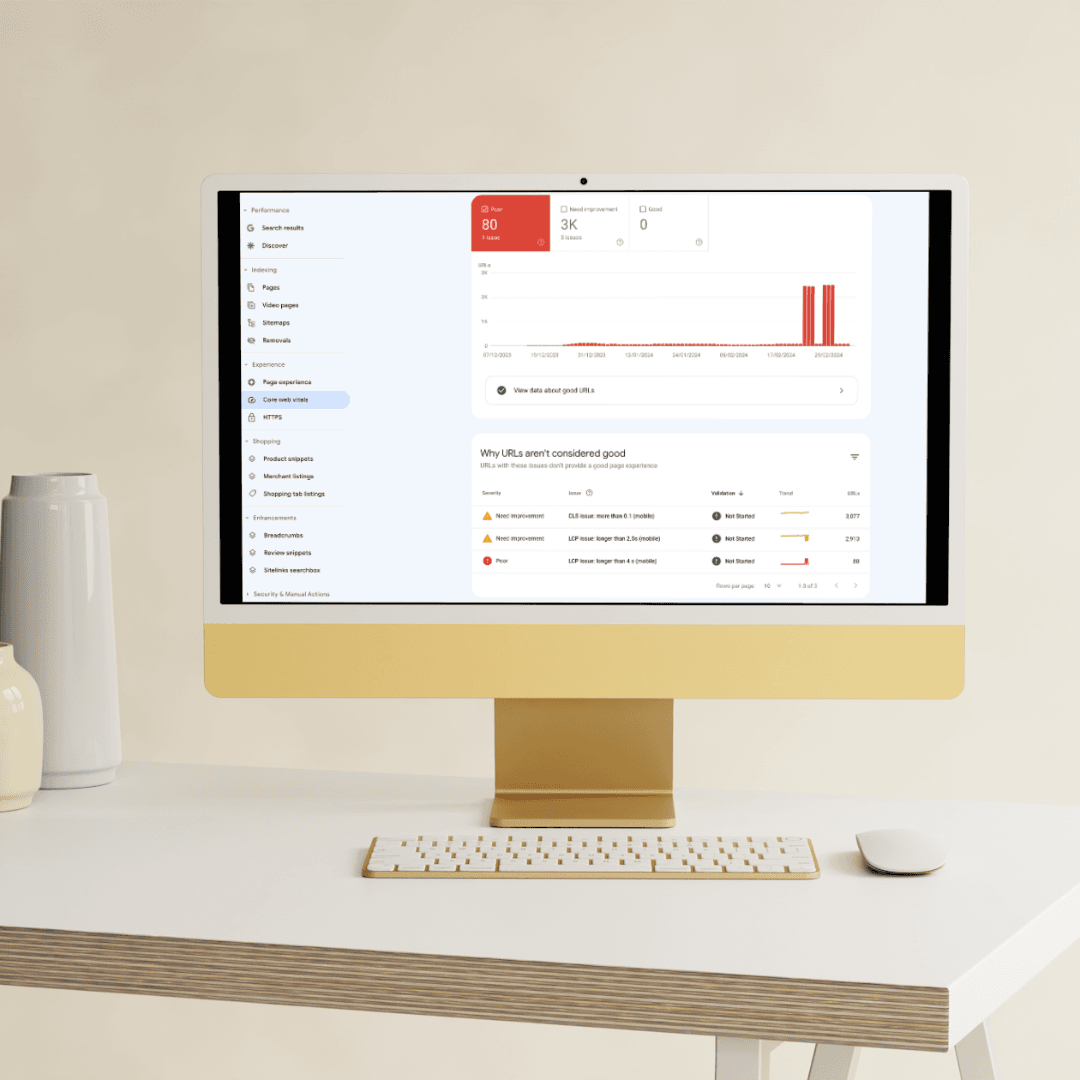
To help website owners combat this, Google introduced its Core Web Vitals - a set of important metrics that look at various factors to determine how response your site is, its page performance, and, most importantly, a user’s experience of the page they access.
Most website owners are already familiar with CWV metrics, available in Google Search Console, and as of March 2024, Google has introduced an entirely new metric called Interaction to Next Paint (INP), which will replace the familiar First Input Delay (FID) as part of the Core Web Vitals — a trio of metrics deemed crucial by the digital gods at Google for determining the overall health of a website.
What does this change mean and how can website owners address INP issues? Let’s find out!
So, What Exactly is INP?
Interaction to Next Paint (INP) is a new critical metric in Google's Core Web Vitals, representing the time it takes for a webpage to respond to a user's input, such as a click or tap, and begin rendering the next visual change. In simpler terms, it measures the delay users experience from interacting with your site to seeing the subsequent visual response.
Unlike First Input Delay (FID), which INP replaces, this metric offers a more comprehensive view of the user experience. It considers not only the delay in response but also how quickly the page starts visibly updating. INP directly impacts the perceived interactivity of your website; a lower INP score indicates a more responsive and user-friendly experience, contributing positively to your overall Core Web Vitals performance.
Related: The Impact of Website Speed on User Experience and SEO
So, why the switch from FID to INP? The digital world is dynamic, and Google, in its quest for a better user experience, aims to encompass a broader spectrum of user interactions. With INP, the focus extends beyond the first click, capturing a more comprehensive picture of how users engage with a website. It's about ensuring that every click, scroll, or swipe is met with a prompt and visually satisfying response, transforming the user's journey into a seamless, frustration-free experience.
What are Core Web Vitals?
Before we delve deeper into the intricacies of Interaction to Next Paint (INP), let's take a step back and revisit the concept of Core Web Vitals (CWV). Think of CWV as the health checkup for your website, conducted by the discerning eyes of Google's algorithms. These are a set of three essential metrics that provide insights into crucial aspects of user experience:
Largest Contentful Paint (LCP)
The time it takes for the main content of a webpage to load. It's essentially the digital stopwatch measuring how quickly users can see and interact with your page.
First Input Delay (FID)
This now-retired metric gauged the delay between a user's first interaction and the browser's response. Enter Interaction to Next Paint (INP), the torchbearer of user interaction metrics.
Cumulative Layout Shift (CLS)
The measure of visual stability. It accounts for the unexpected layout shifts that can disrupt the user experience, such as buttons shifting position as a page loads.
These three metrics collectively provide a comprehensive view of your website's performance, ensuring that it not only loads swiftly but also responds promptly to user interactions while maintaining visual stability. Core Web Vitals are the benchmarks that, when met, contribute to a website's success in the eyes of search engines and, more importantly, the users.
Read More: Why Regular Technical Audits are Crucial for Ecommerce Websites

Why are Core Web Vitals Important to Monitor and Work On?
The internet is vast and users aren’t short of options. This is why user attention is a precious currency, and a slow, clunky website can quickly bankrupt your chances of retaining it. Monitoring and enhancing Core Web Vitals (CWV) is akin to fine-tuning the gears of your website's engine for optimal performance. Here's why it matters:
User-Centric Experience: Google, in its pursuit of an internet utopia, prioritises websites that prioritise users. CWV directly reflects the user experience — fast-loading pages, seamless interactions, and a stable layout.
SEO Boost: Google has explicitly stated that CWV is a ranking factor. Websites that ace the CWV test are more likely to find themselves on the podium of search engine results. It's the digital equivalent of a standing ovation from Google's algorithms.
Keep Reading: Why is a Responsive Website Crucial for Ecommerce?
Competitive Edge: In the race for user attention, a swift and responsive website is your secret weapon. By working on and improving your CWV, you not only meet the expectations of search engines but also outshine competitors with a user-centric, high-performing digital presence.
Reduced Bounce Rates: Users love speed. A website that loads quickly and responds promptly keeps visitors engaged. Enhanced CWV contributes to lower bounce rates, or exit rates in GA4, indicating that users are sticking around to enjoy what your site has to offer.
Adaptation to User Behaviour: The digital landscape is ever-evolving, and user expectations evolve with it. Monitoring and working on CWV is a proactive approach to aligning your website with the evolving behaviour and preferences of your audience.
In essence, prioritising Core Web Vitals is not just a task on your SEO checklist; it's a strategic move towards creating a digital space that users not only visit but also appreciate and return to.
What Happens if CWV Scores are Poor?
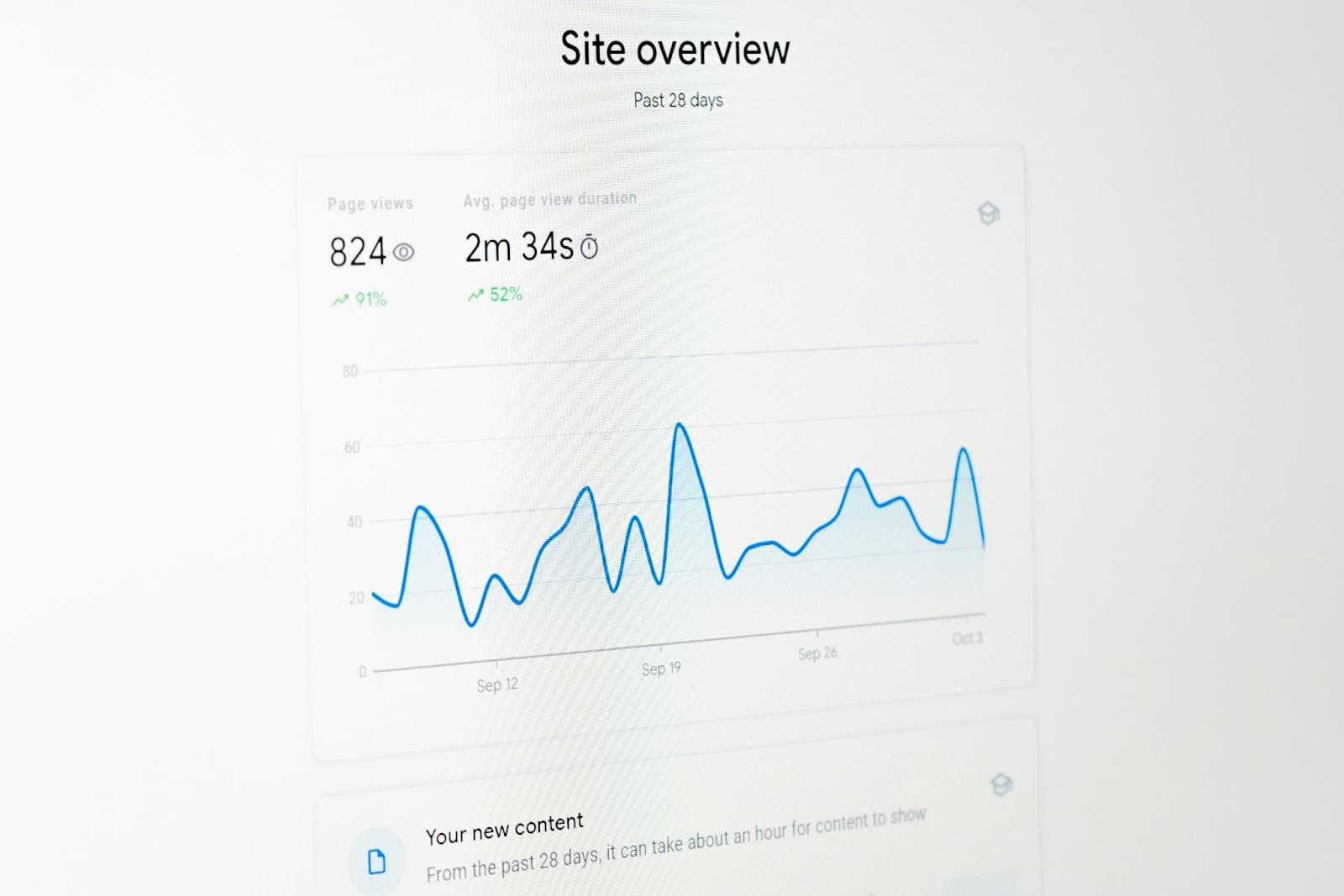
Let’s say you ignore your CWV report. You overlook all the red and warning flags of “poor URLs” - be they on desktop or mobile - and don’t prioritise addressing the issues. What could go wrong? Let's unravel the consequences of poor Core Web Vitals:
SEO Demotion: Search engines, particularly Google, take CWV seriously. If your scores are consistently poor, the digital gods might frown upon your website, leading to a drop in search engine rankings. A lower ranking means reduced visibility and, subsequently, fewer visitors.
User Abandonment: Picture this: a user finds your website through a search, clicks the link with anticipation, and then... frustration kicks in due to slow loading or unresponsive pages. The disappointed user hits the back button, waving farewell to your site. Poor CWV scores often translate to a higher bounce rate and a trail of abandoned virtual shopping carts.
Competitive Disadvantage: In the digital arena, users have options galore. If your website fails to deliver a swift and smooth experience, users won't hesitate to explore alternatives. Competitors with better CWV scores might become the preferred choice, leaving your digital presence in the dust.
Conversion Conundrum: Whether you're selling products, services, or ideas, conversions are the lifeblood of your online existence. Poor CWV can be a conversion killer. Users are less likely to complete transactions or engage with your desired call-to-action if the journey is marred by sluggishness and frustration.
Brand Perception Hit: Your website is often the first point of interaction between users and your brand. A poor online experience can cast a shadow on your brand's reputation. Users may perceive your brand as outdated, unreliable, or indifferent to their needs.
In essence, poor Core Web Vitals scores cast a gloom over your online presence, affecting everything from search rankings to user satisfaction and brand perception. It's not just about pleasing search engines; it's about creating a digital storefront that users willingly visit.

Don’t Ignore Your Core Web Vitals!
As the digital landscape evolves, website owners are faced with the crucial task of maintaining a seamless and engaging online presence. Poor Core Web Vitals scores, particularly INP, can be detrimental, leading to frustrated users and diminished search rankings. However, navigating the intricacies of these metrics doesn't have to be a solo effort.
With a wealth of experience and expertise, Blackpepper understands the nuances of Core Web Vitals, ensuring that your website not only meets but exceeds user expectations. By partnering with us, you're not just investing in a service; you're embracing a commitment to delivering exceptional user experiences and staying ahead in the digital race.
Reach out to our team today to find out how we can help you turn those Poor CWV scores into “Looking Good!”