What is Omnichannel Marketing?
25 September 2024

Roberta Johnston
SEO Lead
I'm an SEO specialist with over 8 years of experience helping brands grow through strategic, data-driven search optimisation. I've worked with large e-commerce websites and niche brands alike, developing a deep understanding of ranking algorithms, generative AI, and LLMs like ChatGPT, Perplexity AI, and Gemini. My expertise spans technical SEO, ensuring sites - whether a few dozen pages or 100,000+ - are crawled and indexed effectively.
Tags
The way customers interact with businesses has completely changed. Gone are the days when a customer would simply walk into a store, make a purchase, and that was the end of the journey. Now, the customer shopping experience can span multiple channels - social media, email, websites, apps, and even brick-and-mortar stores. This means businesses can’t afford to treat each channel as an isolated opportunity.
Enter omnichannel marketing. It’s more than just a buzzword - it’s an essential strategy that ties all these channels together to create a seamless and unified customer experience. Whether they’re scrolling Instagram, browsing on their desktop, or popping into a store, your customers expect a smooth, connected experience at every step. If you’re not using omnichannel marketing to meet them where they are, you’re already behind.
In 2024, omnichannel isn’t just a “nice-to-have” anymore - it’s a need-to-have. Let’s explore what omnichannel marketing really means, why it’s so crucial for your business, and how it can enhance the entire customer experience.
What is Omnichannel Marketing?
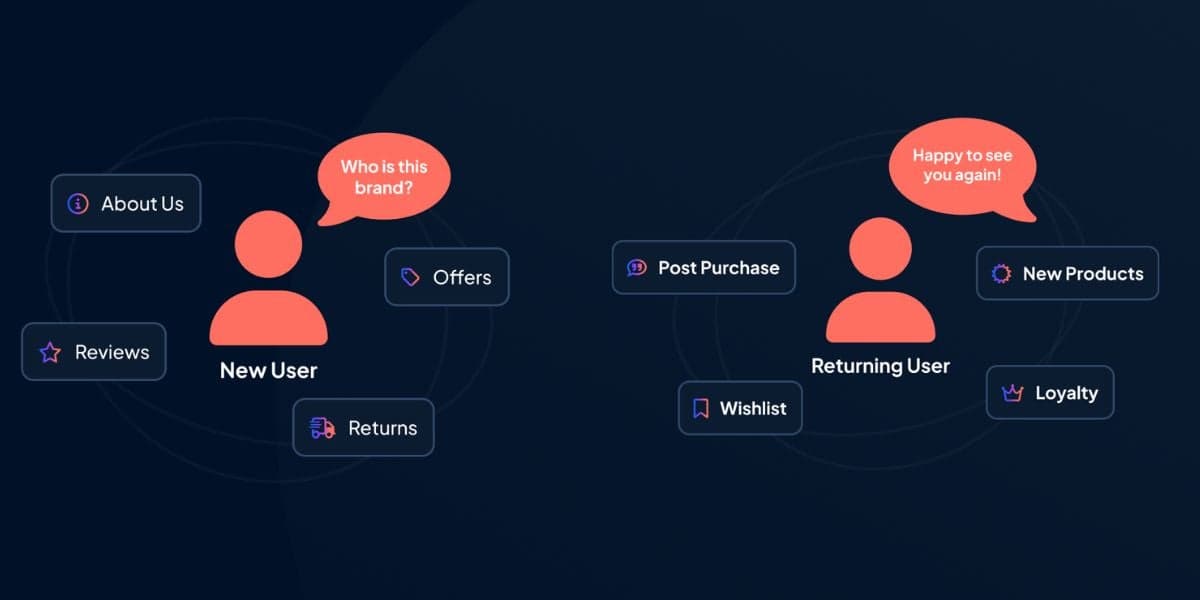
At its core, omnichannel marketing is all about delivering a cohesive and seamless customer experience across multiple platforms. Whether your customers are browsing your website, checking out your latest Instagram post, or visiting your physical store, they expect their journey to feel connected; they expect the same level of service no matter where or how they connect with your brand. Omnichannel marketing brings these channels together, ensuring that no matter where your customers are engaging with your brand, their experience remains consistent.
What sets omnichannel apart from multichannel marketing is integration. While multichannel marketing means being present on various platforms (think email, social media, and brick-and-mortar stores), omnichannel takes it a step further by creating a unified experience. For instance, a customer could begin browsing your products on their phone, add items to their cart on their desktop later, and complete the purchase in-store - without any friction or repetition in the process.
For ecommerce businesses, this approach isn’t just about convenience; it’s about staying competitive. Customers now expect a personalised, smooth experience that spans across all touchpoints. Whether it’s personalised recommendations, consistent messaging, or recognising past interactions, omnichannel marketing ensures your brand is meeting the customer exactly where they are in their shopping journey.
Why Omnichannel Marketing is Essential in 2024
The days of a straightforward, linear shopping journey are long gone. In 2024, customers are more empowered than ever, using a mix of online and offline channels to research, browse, and purchase products. This shift makes omnichannel marketing not just a bonus but a necessity for ecommerce businesses looking to remain competitive.
Why is this the case? Because customers no longer follow a predictable path to purchase. They jump between channels, engage with your brand in different ways, and expect a personalised experience at every step. A customer might discover your brand on social media, read reviews on a third-party website, browse your online store, and then complete the purchase in your physical store. Without an omnichannel approach, this fragmented journey could feel disjointed or confusing, potentially leading to lost sales and frustrated customers.
In 2024, it’s about being where your customers are - and they’re everywhere! Brands that master omnichannel marketing create a seamless experience that feels intuitive to their customers, no matter where or how they engage. If you can provide a unified experience that caters to this modern shopping behaviour, you’ll be better positioned to build loyalty and drive conversions.
How Omnichannel Marketing Differs from Multi-Channel Marketing
One of the most common misconceptions is that omnichannel and multi-channel marketing are the same. While both strategies involve multiple platforms, the execution and goals behind them differ significantly.
Multi-Channel Marketing: The More Channels, the Better?
In a multi-channel marketing approach, a business may be present on several platforms - social media, email, physical stores, and more - but these channels often work in isolation. Each platform operates as a standalone entity, with little or no integration between them. For example, your website might offer a completely different shopping experience than your physical store, and the promotions you offer through email might not be available on your social media platforms.
While this allows businesses to have a broad reach, it doesn’t provide the seamless, interconnected experience that today’s consumers expect. This is where omnichannel marketing steps in.
Omnichannel Marketing: A Seamless, Connected Journey
Omnichannel marketing, by contrast, focuses on delivering a cohesive customer experience across all platforms. The key here is integration. All customer touchpoints - whether online or offline - are connected. This ensures that the customer’s interactions with your brand are consistent and relevant no matter how or where they engage.
The Bottom Line
The customer journey isn't just about a single interaction - it's a series of touchpoints across various channels, both online and offline. A perfect example is shown in the GA4 snapshot below, where we can see how customers engage with multiple touchpoints before making a purchase.
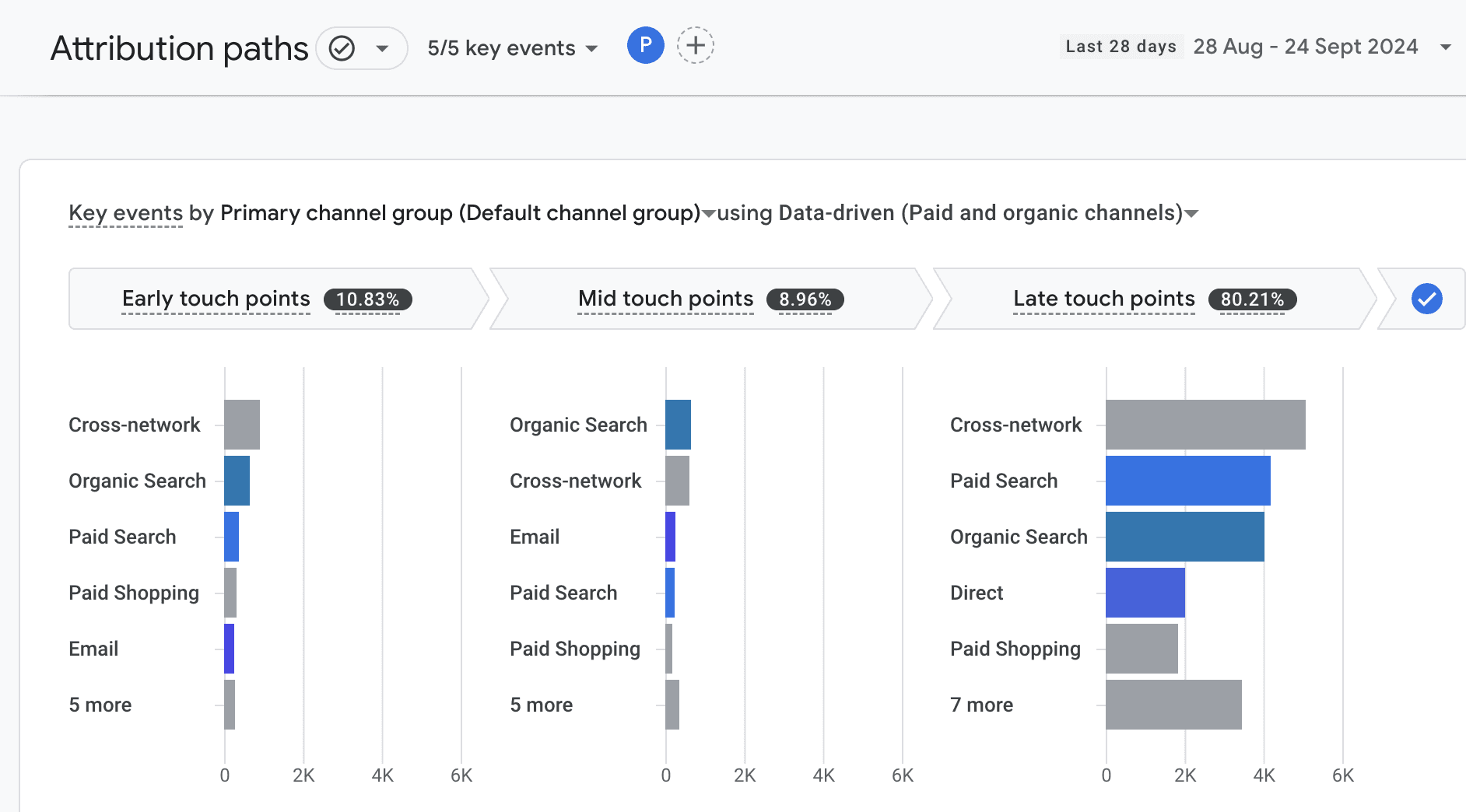
From early touchpoints like organic search and email to late-stage interactions through paid search and cross-network channels, each plays a crucial role in leading customers down the path to conversion. This kind of detailed insight proves that a well-executed omnichannel strategy should connect all these touchpoints - online ads, emails, organic search, and in-store experiences - into a cohesive narrative. It also demonstrates the importance of aligning all your marketing efforts to work together rather than in silos, as every channel serves a specific purpose in the overall customer journey.
While both multi-channel and omnichannel marketing involve multiple platforms, omnichannel marketing focuses on connecting those platforms to provide a more seamless and personalised customer journey. It’s not just about being everywhere - it’s about being everywhere in sync.
Omnichannel Marketing’s Role in SEO & PPC
But omnichannel marketing isn’t just about ensuring your brand is present everywhere your customer is - it’s also about making sure each channel works together to elevate the others. SEO and PPC, in particular, play crucial roles in this interconnected ecosystem.
SEO: Strengthening Organic Visibility Across Channels
Search engine optimisation (SEO) is at the heart of any good omnichannel marketing strategy. By ensuring your content is optimised for search engines across every platform, from your website to social media, you’re making it easier for potential customers to find you wherever they’re searching.
SEO isn’t just about ranking for search engines anymore - it’s about ensuring a seamless experience across channels. Optimising for the right keywords, creating quality content that answers user questions, and maintaining technical SEO health ensures that when your customer hops from one channel to another, they continue to find valuable, relevant information.
PPC: Driving Consistent Messaging Across Platforms
Pay-per-click (PPC) advertising is equally important in omnichannel marketing. PPC allows you to reinforce your organic messaging with paid visibility. Through platforms like Google Ads, Meta Ads, and even platforms like TikTok and Pinterest, you can engage users at various touchpoints in their journey - whether they’re searching for a product, browsing social media, or even just watching a video.
When SEO and PPC are aligned, they can work together to drive conversions. For instance, a customer might discover your product through an organic search result, interact with your content, and later be retargeted through a paid ad. This is omnichannel marketing at work - ensuring that whether organic or paid, each interaction with your brand builds on the last, pushing the customer closer to conversion.
Keep Reading: How Does PPC & SEO Work Together?
The added benefit? PPC can give you real-time insights into what’s working across different channels, allowing you to pivot your SEO efforts accordingly.

The Benefits of Omnichannel Marketing for Ecommerce
As a dedicated ecommerce agency, we focus on marketing efforts that make the biggest difference to retail brands - but these points are just as important for service-based businesses!
Omnichannel marketing doesn’t just provide a better experience for customers; it’s a powerful strategy for businesses too. When done right, it offers a range of benefits that go beyond just driving sales. Here are a few key advantages:
Increased Customer Engagement
With omnichannel marketing, you can interact with your customers across multiple platforms - whether they’re browsing your website, scrolling through social media, or visiting your physical store. This multi-platform approach helps boost engagement, making your brand more visible and accessible to a wider audience. The more touchpoints your customers encounter, the stronger your relationship with them becomes.
Improved Personalisation
Today’s consumers expect personalised experiences, and omnichannel marketing allows you to deliver just that. By collecting data from different customer touchpoints, you can gain valuable insights into their behaviour, preferences, and purchase history. This helps you create tailored experiences - whether that’s product recommendations, targeted ads, or personalised email offers - that speak directly to your customers’ needs.
Read More: Remarketing vs Retargeting - Are They the Same Thing?
Better Customer Loyalty
When customers have a smooth and seamless experience with your brand, no matter where they interact with you, they’re more likely to return. Omnichannel marketing helps to build trust and loyalty by ensuring that your customers feel valued at every touchpoint.
When you show customers that you’re consistent and reliable across different platforms, they’re more likely to stick around and become long-term advocates for your brand.
Increased Revenue
An omnichannel strategy has the potential to significantly boost sales. When your customers can seamlessly transition from one platform to another - like researching a product on their phone and completing the purchase on their laptop - they’re more likely to follow through with their purchase.
Studies show that omnichannel customers tend to spend more than single-channel customers - as much as 9.5% year-over-year increases - as they have more opportunities to interact with your brand and make purchasing decisions.
The Future of Omnichannel Marketing
As we look ahead, it's clear that omnichannel marketing is on the brink of yet another transformation. At Blackpepper, we believe that emerging technologies like AI, machine learning, and data analytics are not just trends; they're reshaping how businesses engage with their customers - and this evolution will only accelerate.
AI, Machine Learning, and Data Analytics: The Drivers of Tomorrow’s Personalisation
In our view, AI and machine learning are already making waves in how brands manage and personalise customer interactions. And this is just the beginning. We believe these technologies will become the backbone of omnichannel marketing, enabling businesses to deliver hyper-personalised experiences that feel intuitive, seamless, and genuinely useful to customers.
Keep Reading: The Future of Search - Google's AI Overviews
We’re not just talking about recommending a product based on a recent purchase. We're predicting a future where your customer’s next interaction is anticipated before they even know they need it. AI-driven insights will empower brands to fine-tune every aspect of their marketing efforts, from real-time campaign adjustments to automating personalised emails at scale. The brands that tap into these tools will be the ones offering customers the most relevant experiences, setting themselves apart in an increasingly competitive market.
Voice Search & Conversational Commerce: The Next Frontier
It’s no secret that voice search is changing the way consumers interact with brands, and we believe this will become a pivotal touchpoint in omnichannel strategies. With smart devices like Alexa and Google Assistant growing in use, optimising for voice search is going to be key for brands that want to stay ahead.
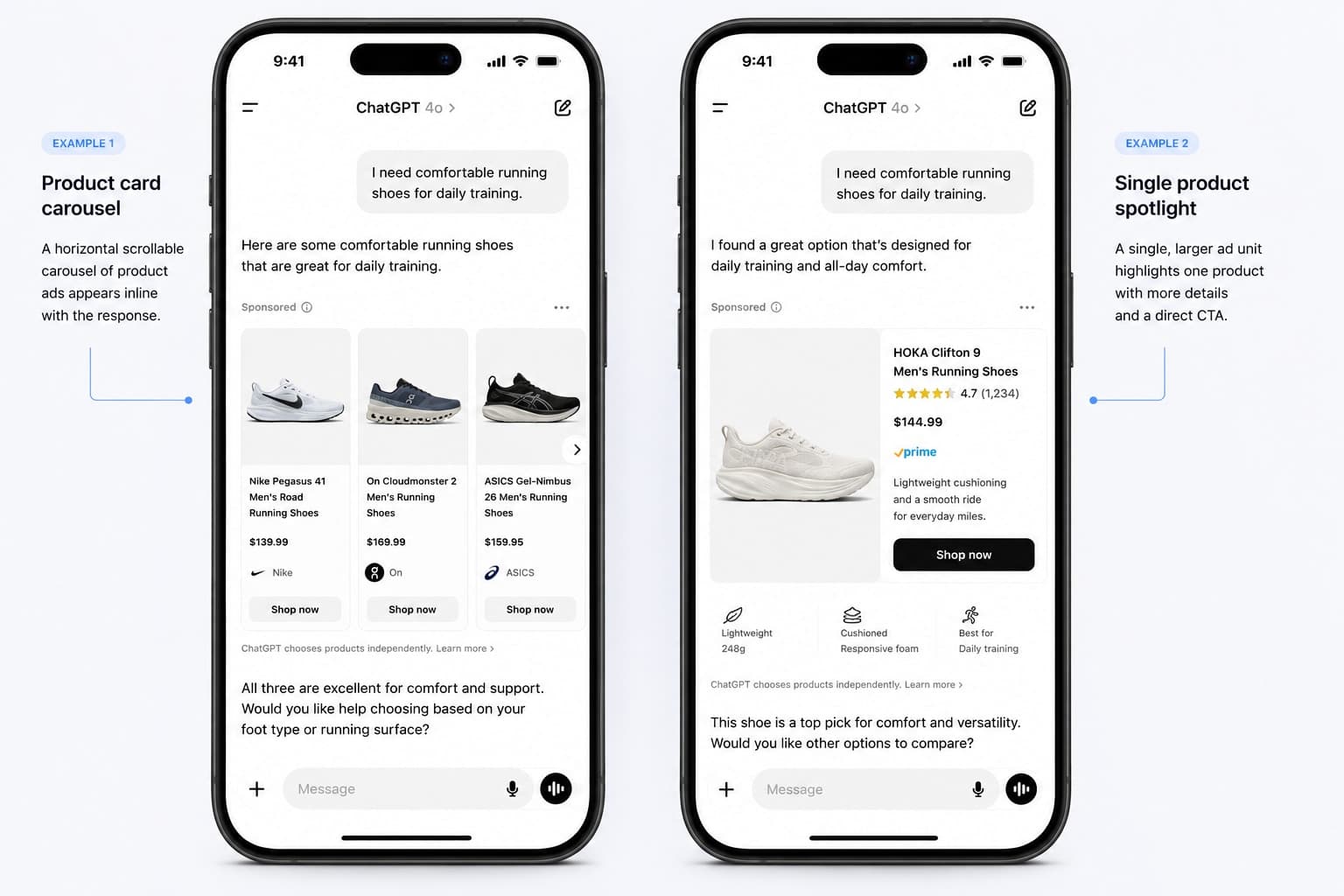
But we see it going further - conversational commerce is on the rise, and we believe it will revolutionise customer interaction. Chatbots and AI-driven shopping assistants will create smoother, faster shopping experiences, allowing customers to find what they’re looking for, ask questions, and make purchases all within a few quick exchanges. This kind of convenience will be integral to successful omnichannel strategies, especially as consumer expectations for efficiency and ease continue to grow.
As omnichannel marketing evolves, the brands that invest in these innovations today will be better positioned to lead tomorrow. At Blackpepper, we’re always keeping a pulse on these trends to ensure our clients are not just keeping up, but staying ahead of the curve.