What Keywords Should You Be Targeting?
24 January 2024

Roberta Johnston
SEO Lead
I'm an SEO specialist with over 8 years of experience helping brands grow through strategic, data-driven search optimisation. I've worked with large e-commerce websites and niche brands alike, developing a deep understanding of ranking algorithms, generative AI, and LLMs like ChatGPT, Perplexity AI, and Gemini. My expertise spans technical SEO, ensuring sites - whether a few dozen pages or 100,000+ - are crawled and indexed effectively.
Tags
Everyone is online nowadays. From competitors to customers and everyone in between, the digital marketplace is crowded. That’s why the importance of keywords is undeniable. Picture them as the roadmap guiding users straight to your virtual doorstep. In this blog, we're delving into the core of effective keyword usage – the linchpin of your online strategy.
Keywords, in essence, are the terms users type into search engines when seeking information. But, hold on, it's not just about finding any words; it's about choosing the right ones. These strategic keywords are the secret sauce that determines whether your business shines in the crowded digital marketplace.
Why is this so critical? Well, it's not just about visibility; it's about relevance. We're here to explore why using the right keywords isn't a mere strategy; it's a necessity for thriving in the digital arena. And as we unravel these insights, we'll showcase how Blackpepper seamlessly integrates this precision into our approach.
Ready to demystify the world of strategic keywords?

What are Keywords?
Keywords are the building blocks of communication between users and search engines. Think of them as the words and phrases users type into search bars when seeking information. These are the virtual handshakes connecting what your potential audience is looking for and what your business has to offer.
Understanding keywords involves identifying the terms most relevant to your business, products, or services. It's not just about using common phrases; it's about strategically selecting words that resonate with your target audience.
Related: What are Meta Tags and Why Are They Important?
Why Does Using the Right Keywords Matter?
Choosing the right keywords isn't a mere checkbox on your digital to-do list; it's a strategic decision that shapes your online presence. Here's why it matters:
1. Precision in Targeting
Strategic keywords act as laser pointers, guiding your content directly to the users genuinely interested in what you offer. Instead of casting a wide net, you're honing in on the audience most likely to convert.
2. Enhanced Visibility
The right keywords elevate your online visibility, ensuring your content appears in front of the right eyes at the right time. Increased visibility translates to more opportunities for engagement and conversions.
3. Improved Relevance
Users value relevance. Strategic keywords ensure that your content aligns with what your audience is actively searching for. This alignment enhances user experience and builds trust in your brand.
4. Competitive Edge
In the competitive digital landscape, using the right keywords sets you apart from the crowd. It's not just about being seen; it's about being seen by the right people ahead of your competitors.
In essence, using the right keywords isn't a vanity metric; it's the linchpin of a successful digital strategy. As we delve into the following sections, we'll see how this strategic choice becomes the catalyst for unlocking your online potential.

What is Search Intent?
In the vast landscape of online searches, understanding the motivation behind a query is the cornerstone of effective digital strategy. This brings us to the concept of search intent:
Search intent, or user intent, is the underlying purpose behind a user's online search. It categorises queries based on what the user aims to achieve with the information they seek.
Read More: How Do Search Engines Work?
Why Understanding Search Intent Matters
Relevance: Aligning your content with user intent ensures it directly addresses what the user is looking for.
User Satisfaction: Meeting user expectations enhances the overall experience, fostering trust and satisfaction.
Conversion Opportunities: Crafting content or ads that align with transactional intent increases the likelihood of conversions.
Related: How to Improve Ecommerce Website Conversion Rates
Optimising for Different Stages: Recognising various intents allows you to tailor content for users at different stages of the buying journey.
Keywords and Search Intent: Decoding User Expectations
Understanding the intent behind a user's search is pivotal in selecting the right keywords. Let's break it down:
Types of Search Intent
Navigational Intent
What it is: Users seeking a specific website.
Why it matters: Crafting keywords that lead users directly to your site.
Informational Intent
What it is: Users looking for information.
Why it matters: Choosing keywords that provide valuable answers and insights.
Commercial Intent
What it is: Users exploring products or services.
Why it matters: Opting for keywords that align with your offerings and prompt consideration.
Transactional Intent:
What it is: Users ready to make a purchase.
Why it matters: Using keywords that signal readiness for conversion.
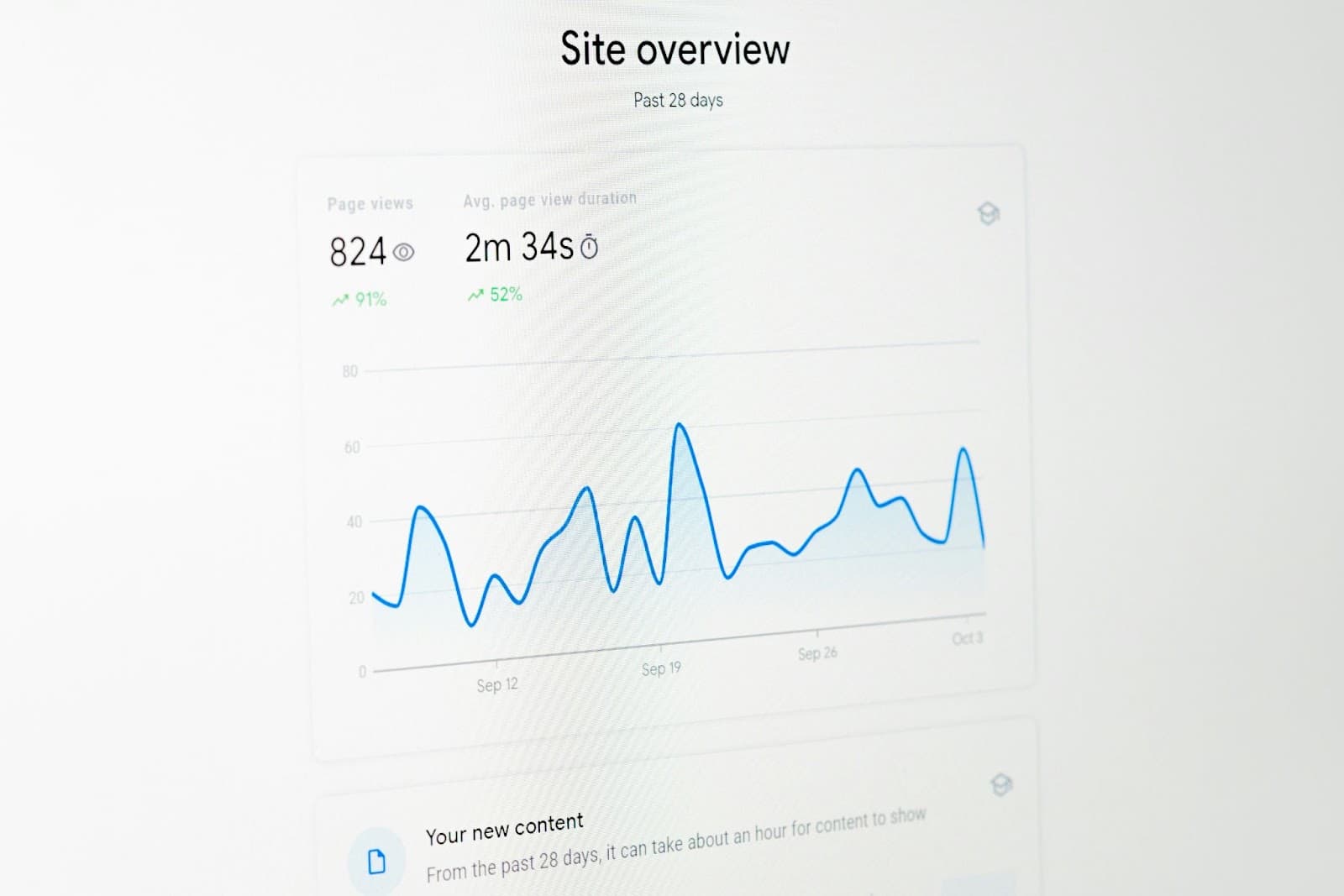
How Can Using the Right Keywords Help You Tap into Search Intent?
Aligning your chosen keywords with user intent ensures your content meets their expectations. This alignment not only boosts your relevance but also enhances the likelihood of conversion.
What Types of Search Intent is Best for Ecommerce Businesses?
For ecommerce, a blend of commercial and transactional intent is ideal. Crafting keywords that capture user interest, showcase products, and prompt action is the sweet spot for driving online sales.
Using the Right Keywords in Google Ads & SEO
In the dynamic landscape of online marketing, strategic keyword usage is a game-changer. Let's break down how it plays out in both Google Ads and SEO:
Strategies for Google Ads
1. Crafting Compelling Ad Copies
-
Choosing keywords that resonate with your target audience.
-
Crafting ad copies that align with user intent and drive engagement.
-
Ensuring relevance between your chosen keywords and the content of your ads.
2. Maximising Ad Relevance for Higher Quality Scores
-
Quality Scores influence ad rankings and cost-per-click.
-
Using highly relevant keywords improves your Quality Score, lowering your advertising costs and boosting visibility.
Strategies for SEO:
1. Infusing Your Content with Strategic Keywords
-
Identifying and integrating relevant keywords into your website content.
-
Creating high-quality, informative content that aligns with user intent.
2. Building Backlinks with Anchor Text Optimisation:
-
Using strategic keywords in anchor text when building backlinks.
-
Anchor text optimisation contributes to search engine understanding of your content's relevance.
In both Google Ads and SEO, the right keywords are the linchpin for success. Crafting a seamless blend of strategic keywords and compelling content ensures your digital presence is not just seen but leaves a lasting impact.
Keep Reading: How Does PPC and SEO Work Together?

With the Right Keywords, Customers Will Come to You!
Choosing the right keywords isn't just a strategy; it's the heartbeat of your online presence. It's about precision, visibility, relevance, and gaining that competitive edge in the bustling digital marketplace. Whether you're steering the ship of Google Ads or riding the waves of SEO, strategic keyword usage is the wind in your sails.
At Blackpepper, we don't just understand the nuances of keyword research; we elevate it to an art form. Our approach seamlessly integrates the science of strategic keywords into every facet of your online strategy. We don't just navigate the digital seas; we chart a course for your brand to stand out, be seen, and thrive.