Why is Google Cancelling Its Plans to Deprecate Third-Party Cookies?
25 July 2024

Roberta Johnston
SEO Lead
I'm an SEO specialist with over 8 years of experience helping brands grow through strategic, data-driven search optimisation. I've worked with large e-commerce websites and niche brands alike, developing a deep understanding of ranking algorithms, generative AI, and LLMs like ChatGPT, Perplexity AI, and Gemini. My expertise spans technical SEO, ensuring sites - whether a few dozen pages or 100,000+ - are crawled and indexed effectively.
Tags
If you’ve been following along with Google’s latest changes and products (and there have been a lot of them!) you probably know that third-party cookies have been a hot topic for a while now.
Google had big plans to phase them out, aiming to enhance user privacy and reshape how online advertising works. But recently, Google announced a major reversal of this plan, opting to keep third-party cookies around for a bit longer.
So, what’s behind this change of heart, and what does it mean for the future of digital privacy? Let’s dive in and explore why Google made this decision, how they came to it, and what’s next for all of us navigating the online landscape.
Background: The Role of Third-Party Cookies
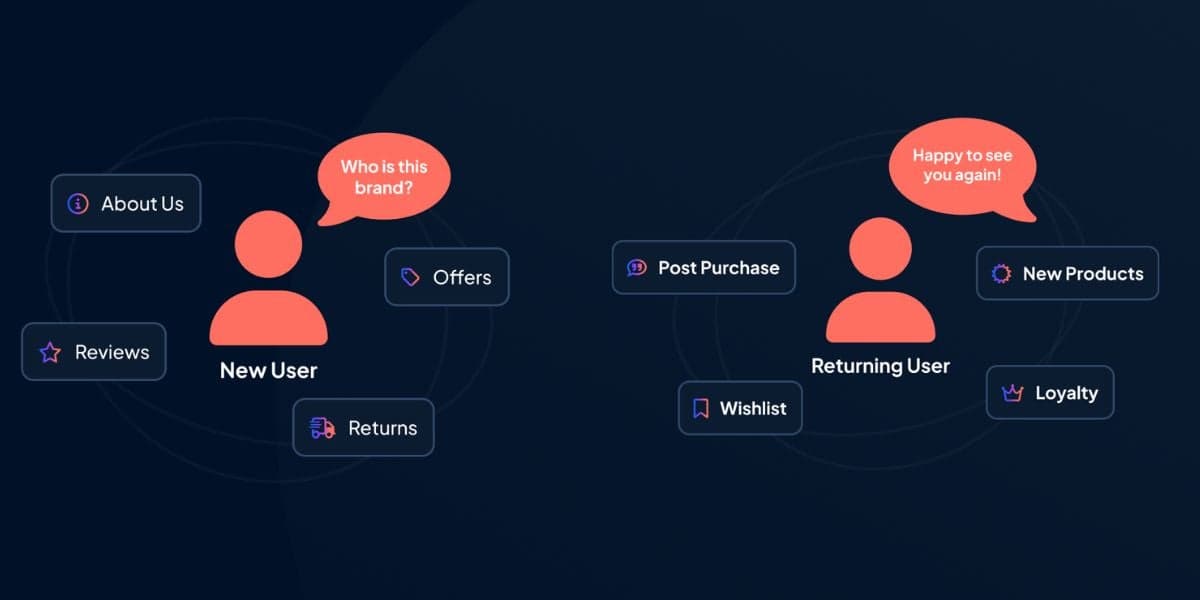
Before we get into the nitty-gritty of Google’s recent announcement, let’s take a step back and understand what third-party cookies are and why they matter. Third-party cookies are tiny pieces of data that websites place on your browser to track your online activity. They’re a cornerstone of digital marketing, allowing advertisers to create highly personalised and targeted ads based on your browsing history across multiple sites.
For years, these cookies have been essential for delivering the right ads to the right people, making them a key tool for marketers and businesses. However, they’ve also raised significant privacy concerns, as they can be used to track users without their explicit consent, leading to a growing demand for more robust privacy protections.
Keep Reading: What is Zero, First, Second and Third-Party Data?
Why Did Google Cancel Its Plans?
So, why did Google decide to keep third-party cookies around, at least for now? This decision wasn't made lightly and was influenced by several significant factors:
Industry Feedback
One of the main reasons Google hit the pause button on deprecating third-party cookies was due to feedback from various stakeholders in the digital advertising ecosystem. Advertisers, publishers, and developers expressed concerns about the readiness and effectiveness of the proposed alternatives.
They highlighted that the digital advertising ecosystem is intricate and deeply integrated with third-party cookies. The proposed replacements, such as the Federated Learning of Cohorts (FLoC), were seen as not fully matured or capable of providing the same level of functionality and reliability. The industry essentially asked for more time to adapt and find viable solutions.
Challenges in Developing Alternatives
Creating a suitable alternative to third-party cookies is no small feat. Google's attempt with FLoC faced significant challenges. Critics argued that FLoC, while designed to enhance privacy by clustering users into cohorts, still posed privacy risks and technical limitations.
Concerns about the potential for new forms of tracking and the effectiveness of these cohorts in maintaining ad performance were prominent. This complexity in balancing privacy with functionality proved to be a daunting task, prompting Google to reconsider its timeline.
Technical and Privacy Concerns
Implementing a large-scale change like this comes with numerous technical hurdles. Google's initial plans for privacy-friendly alternatives encountered various issues that needed more time and refinement to resolve. Ensuring these new technologies could operate effectively without compromising user privacy or the functionality of digital advertising was a significant challenge.
Google needed to ensure that these solutions would be robust and reliable before making a complete shift.
Regulatory Pressures
Another critical factor was the increasing scrutiny from regulatory bodies worldwide. Data privacy regulations, such as the GDPR in Europe and CCPA in California, impose stringent requirements on how user data is handled and protected. Google needed to ensure that any new solution would comply with these evolving regulations. This added another layer of complexity, as failing to comply could result in significant legal and financial repercussions.
How Did Google Make This Decision?
Google didn’t make this decision in isolation. They engaged in a thorough process of gathering feedback and assessing the feasibility of their plans:
Industry Collaboration: Google worked closely with advertisers, developers, and privacy advocates to understand their concerns and requirements. This collaboration was crucial in shaping their decision.
Testing and Pilots: Google conducted extensive testing and pilot programs for alternative solutions like FLoC. The results highlighted the need for further development and refinement.
Balancing Act: Google aimed to find a balance between enhancing user privacy and maintaining the functionality and effectiveness of digital advertising. This balancing act required careful consideration of various factors and inputs.
So, What's Next for Digital Privacy?
With the decision to maintain third-party cookies for now, it’s clear that the landscape of digital privacy is still evolving. But what does this mean for the future, and how can businesses stay ahead of the curve? Here’s a closer look at what’s coming and how Blackpepper can help you navigate these changes.
Privacy Sandbox Initiative
Google’s Privacy Sandbox is at the forefront of its efforts to create a more privacy-friendly web. This initiative aims to develop new technologies that both protect user privacy and enable effective online advertising. Key components of the Privacy Sandbox include:
Federated Learning of Cohorts (FLoC) and Its Successors: FLoC aimed to replace third-party cookies by grouping users into cohorts based on similar browsing behaviour, rather than tracking individuals. While FLoC faced criticism, Google is committed to refining this concept. Future iterations and alternatives are being explored to strike a better balance between privacy and ad performance. Keep an eye on developments like FLEDGE (First Locally-Executed Decision over Groups Experiment) and other privacy-preserving ad technologies.
Trust Tokens: This technology is designed to help combat fraud without tracking users. Trust Tokens allow websites to distinguish between bots and real users in a privacy-preserving way, enhancing security and trust.
Conversion Measurement: New APIs are being developed to measure ad conversions without compromising user privacy. These solutions aim to provide advertisers with the data they need to evaluate their campaigns while minimising user data exposure.
Holistic Browsing Privacy Settings
In addition to the Privacy Sandbox, Google is focusing on giving users more control over their data through comprehensive privacy settings. This includes:
Enhanced Transparency: Users will have clearer insights into how their data is being used, with straightforward options to manage their privacy settings. This transparency builds trust and empowers users to make informed decisions.
Granular Control: Users can expect more granular controls over what data they share and with whom. This could include options to disable certain types of tracking or customise ad preferences more precisely.
Implications for Advertisers and Publishers
For advertisers and publishers, these changes mean staying informed and adaptable. The transition from third-party cookies to new privacy-preserving technologies will require adjustments in how campaigns are planned, executed, and measured. Here’s how Blackpepper can help:
Expert Guidance: At Blackpepper, we stay on top of the latest developments in digital privacy and advertising technology. Our team can provide expert guidance on how to adapt your strategies to align with new privacy standards.
Customised Strategies: We’ll work with you to develop customised marketing strategies that leverage the latest tools and technologies while respecting user privacy. Whether it’s implementing new conversion measurement techniques or adjusting your targeting methods, we’ve got you covered.
Ongoing Support: As the digital privacy landscape continues to evolve, we offer ongoing support to ensure your business stays ahead of the curve. From regular updates on industry changes to hands-on assistance with new technology implementation, we’re here to help you navigate these changes successfully.

Stay Ahead of the Game & Keep Up with Google
Google’s decision has come as a bit of a shock for many of us in the digital landscape who’ve spent the last couple of months frantically searching for alternatives. As we move forward, the focus will be on creating solutions that enhance user privacy without compromising the functionality of online advertising. Google’s Privacy Sandbox and other initiatives are paving the way for a more privacy-conscious future, and staying informed is key to thriving in this evolving landscape.
At Blackpepper, we’re here to help you navigate these changes and ensure your business remains at the forefront of digital marketing innovation. Ready to adapt and thrive in this new era of digital privacy? Contact us today, and let’s chart the course together!