Why Multiple Payment Options is Crucial for Ecommerce
12 December 2024

Roberta Johnston
SEO Lead
I'm an SEO specialist with over 8 years of experience helping brands grow through strategic, data-driven search optimisation. I've worked with large e-commerce websites and niche brands alike, developing a deep understanding of ranking algorithms, generative AI, and LLMs like ChatGPT, Perplexity AI, and Gemini. My expertise spans technical SEO, ensuring sites - whether a few dozen pages or 100,000+ - are crawled and indexed effectively.
Tags
It used to be commonplace to head to a store, select your product, and hand over cash at the checkout. Fast forward to today, and the rise of digital technology and ecommerce has transformed how we shop. Online payments are now the quick, easy, and preferred way for many customers to complete a purchase.
For New Zealand businesses, ecommerce success hinges on delivering a seamless customer experience, and the checkout process is often the deciding factor.
Today’s consumers expect flexibility and convenience when completing their purchases, making multiple payment options a must-have for online retailers. Offering the right mix of payment methods not only boosts conversion rates but also builds trust and loyalty with customers.
Let's break down the payment methods shaping ecommerce success in New Zealand, from Buy Now Pay Later (BNPL) to secure transactions, and how they’re redefining customer expectations.
The Essential Payment Methods for Ecommerce
Not so long ago, shoppers had only a handful of payment options - cash or card. Today, the landscape has expanded, and customers expect a range of convenient and secure payment methods that suit their preferences.
Providing a range of payment options ensures that customers can shop how they prefer. Here are the essential payment methods every ecommerce site should offer:
Credit and Debit Cards
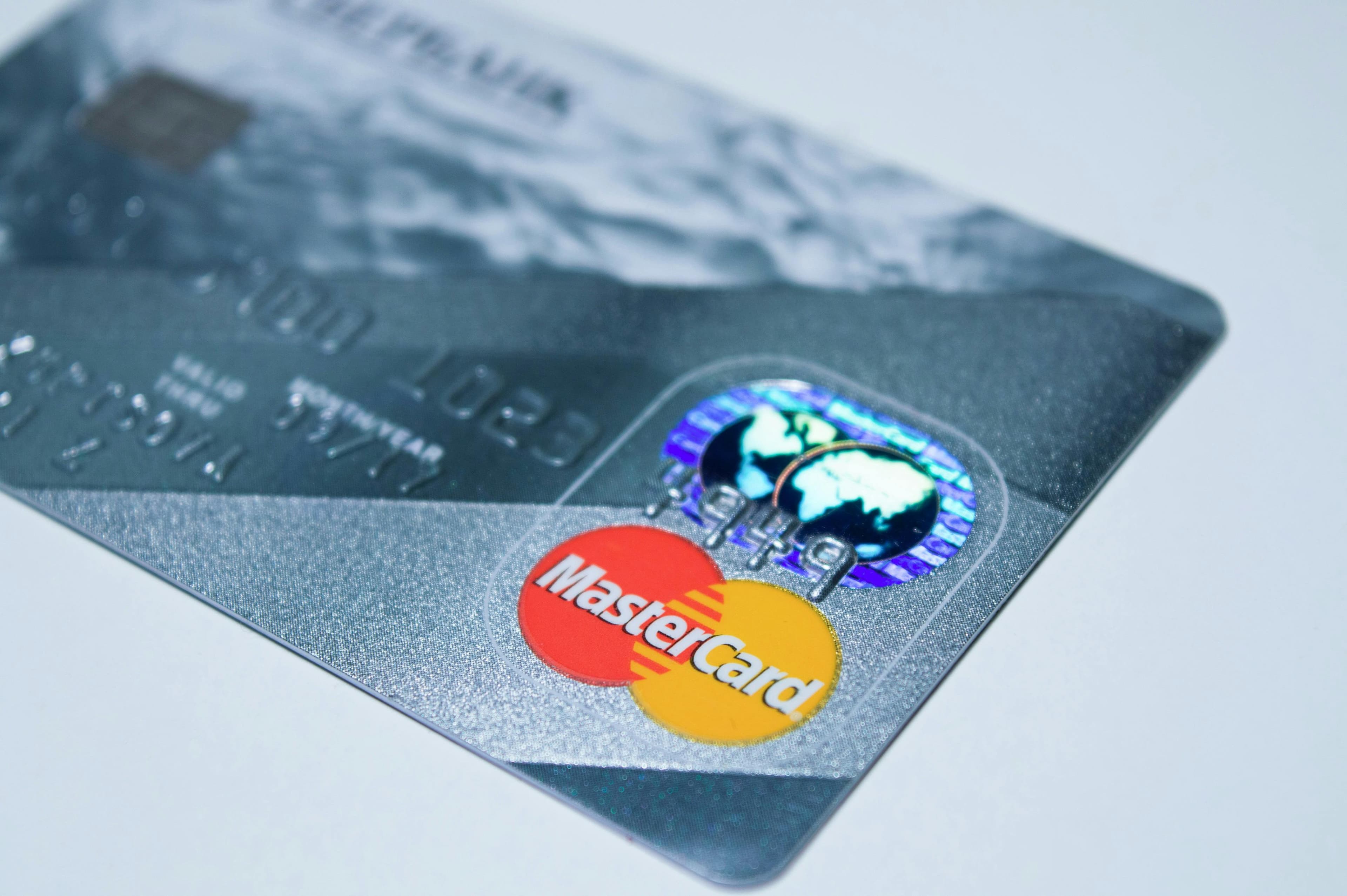
Credit and debit cards remain the most widely used payment methods globally. In New Zealand, Visa and Mastercard dominate the market, making them a non-negotiable inclusion for any ecommerce platform.
These payment methods are reliable, secure, and familiar to consumers, ensuring a frictionless checkout experience.
Windcave Payment Gateway
Windcave is one of New Zealand’s leading payment processing platforms, offering support for multiple payment types including in-store, online, and self-service terminals.
With 67% of New Zealanders using their cards for everyday purchases in 2024, Windcave is a trusted option for businesses looking to streamline transactions and improve payment reliability.
Digital Wallets
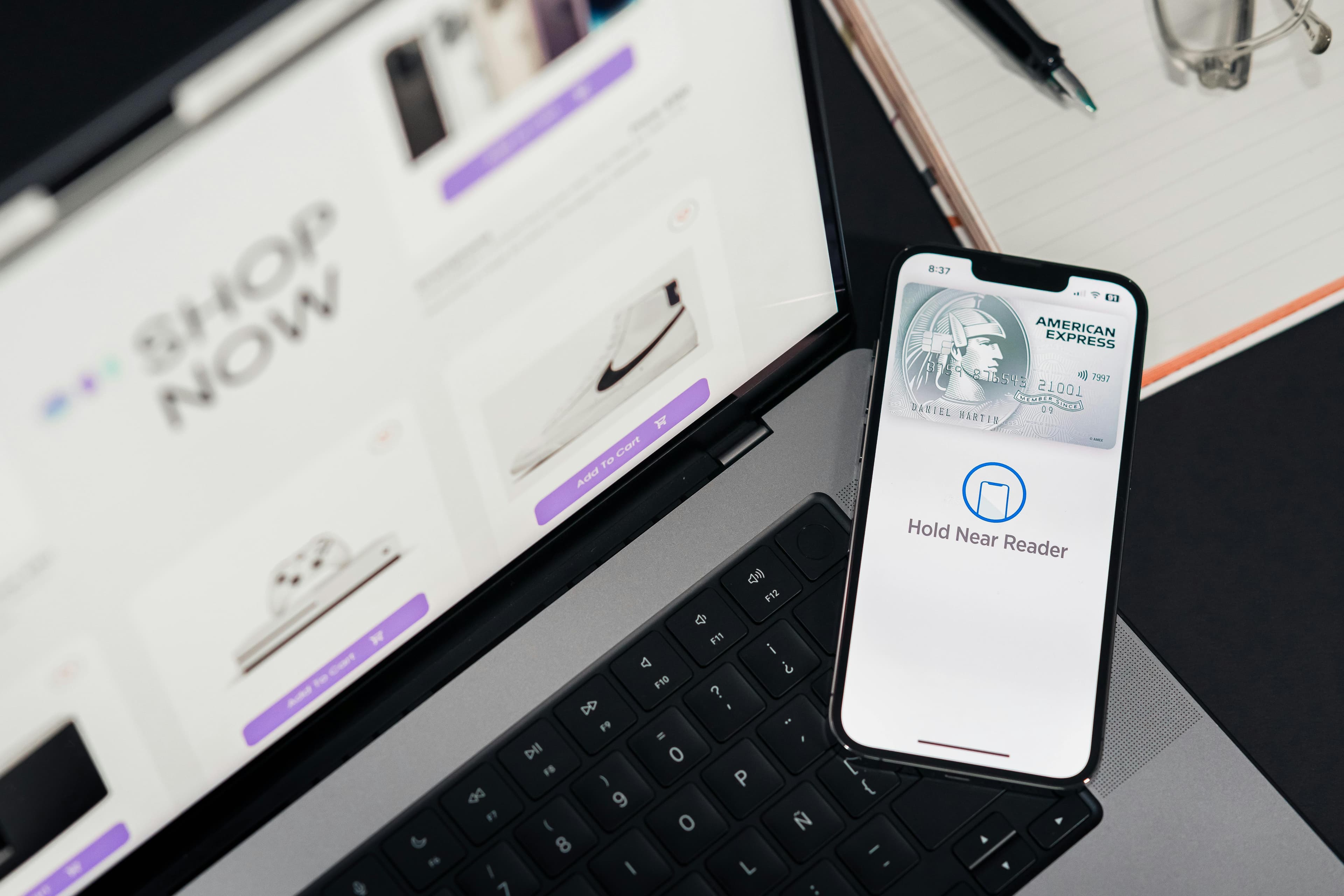
Digital wallets like PayPal, Apple Pay, and Google Pay are becoming increasingly popular for their speed and convenience.
Particularly valuable for mobile shoppers, these tools streamline the checkout process with fewer clicks, making them a must-have for ecommerce businesses targeting tech-savvy audiences.
Bank Transfers
While not as prevalent in some markets, bank transfer options like POLi in New Zealand provide a secure and direct way to pay. These appeal to customers who prefer not to use cards and value the added layer of security that comes with direct bank integrations.
For customers who prefer not to use cards, tools like Account2Account (hosted by Windcave) allow direct payments from a customer’s bank account to a merchant. These solutions offer an extra layer of security and cater to a growing audience seeking alternatives to traditional card payments.
Buy Now Pay Later (BNPL)
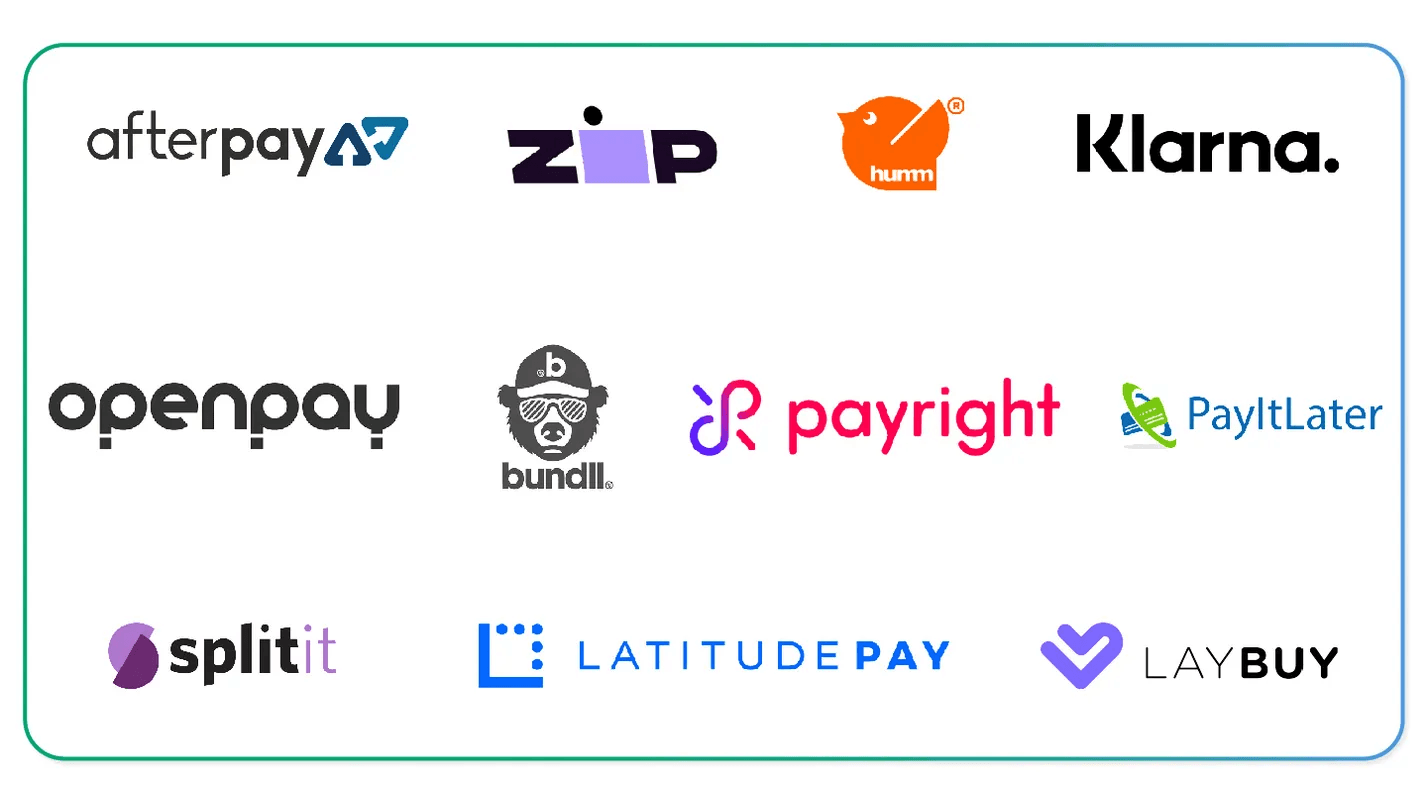
BNPL providers like Afterpay and Zip have gained massive traction in recent years. These services appeal to younger shoppers and those looking for flexible payment terms, allowing them to split payments into manageable installments.
For businesses, BNPL can drive higher average order values and improve customer retention rates.
The Epic Rise of BNPL in New Zealand
Buy Now Pay Later (BNPL) services have become one of the most popular ways to purchase online, offering significant benefits for both customers and retailers.
In the midst of a cost-of-living crisis, BNPL provides a lifeline for many shoppers, allowing them to make essential purchases now and pay them off over time, often with no interest if payments are made within the stipulated period.
This flexibility makes BNPL especially appealing to younger customers and those with limited or less-than-perfect credit histories. Reports indicate that over 60% of Millennials and Gen Z in New Zealand have adopted BNPL options.
BNPL services typically have less strict credit criteria, which has made them a popular choice for customers who may not qualify for traditional credit products. This includes younger demographics who are just starting to establish their credit. However, recent regulatory changes have begun to introduce stricter checks, ensuring these services remain sustainable and responsible.
For retailers, the benefits of BNPL are just as compelling. Because BNPL is seamlessly integrated into the checkout process, it reduces cart abandonment and makes completing a purchase easier for the customer.
Retailers also enjoy immediate payment, with BNPL providers taking on the responsibility for repayment, minimising risk. Moreover, businesses report higher average order values and improved customer loyalty when BNPL is available.
This purchase method appeals to cost-conscious shoppers and drives significant benefits for ecommerce businesses, including:
- Higher Conversion Rates: BNPL reduces upfront costs, encouraging hesitant shoppers to complete their purchases. Research shows that conversion rates can increase by up to 30% when BNPL is offered.
- Increased Average Order Value: Shoppers using BNPL tend to spend 20-30% more per transaction compared to traditional payment methods.
- Improved Customer Loyalty: By offering flexible payment terms, businesses can attract and retain a loyal customer base, particularly among younger demographics who prioritise convenience and affordability.
The appeal of BNPL lies in its ability to reduce upfront financial burdens, encouraging higher spending per transaction. Retailers offering BNPL options have observed increased average order values and improved customer retention rates.
In New Zealand, providers like Afterpay and Zip are leading the way, offering easy-to-use solutions that enhance the shopping experience. For ecommerce businesses, integrating BNPL isn’t just about keeping up with consumer preferences - it’s about positioning themselves as accessible, flexible, and customer-focused in a competitive market.
Are Online Payments Secure?
In short, yes. Online payment processing providers are generally secure, but their level of security depends on several factors, including the technology used and precautions taken by both the provider and the retailer. As ecommerce continues to grow, ensuring online payments are secure is a top priority for retailers and customers alike.
Encryption and tokenisation are two of the most effective methods for making data unreadable, thereby keeping payment information secure. Multi-factor authentication - such as combining a password or PIN with a one-time passcode sent to your phone or email - adds another layer of protection.
Biometric identification, like fingerprint or facial recognition, is also becoming more common as a security measure. Additionally, payment gateways and fraud detection systems provide further layers of defence, ensuring transactions are safe for both customers and businesses.
The Role of Payment Security in Building Trust
In an era where digital payments dominate, ensuring secure transactions is paramount for both customers and retailers. The trust customers place in your platform hinges on the protection of their financial data, making payment security a cornerstone of ecommerce success.
Research from 2024 reveals that 60% of respondents aged 18-34 and 44% of those aged 35-44 feel very comfortable sharing their banking data. However, concerns about hacking and data theft remain prevalent. This highlights the critical need for retailers to reassure their customers about the security and trustworthiness of the third-party providers they use.
Here are some critical methods for enhancing payment security:
- SSL Encryption: Encrypts sensitive data to keep it secure during transmission, ensuring a safe checkout process.
- PCI Compliance: Meeting the Payment Card Industry Data Security Standards (PCI DSS) is a fundamental step in safeguarding cardholder information and maintaining customer trust.
- Two-Factor Authentication (2FA): Strengthens security by requiring an additional verification step, such as a one-time code or biometric confirmation, reducing the risk of fraud.
By adopting these robust measures, retailers not only mitigate risks but also enhance their reputation as trustworthy providers. In an increasingly competitive market, a secure platform can be the key to earning customer loyalty and driving long-term success.
Emerging Payment Trends to Watch
As technology evolves, so do customer expectations. Here are some emerging payment trends shaping the future of ecommerce:
Cryptocurrency
While still niche, cryptocurrencies like Bitcoin and Ethereum are gaining traction among forward-thinking retailers. These digital currencies offer decentralised and secure payment options that appeal to tech-savvy and privacy-conscious consumers.
As blockchain technology evolves, businesses adopting cryptocurrency payments may position themselves as innovative leaders in the ecommerce space.
Subscription Payment Models
The rise of subscription-based payments is transforming how customers engage with ecommerce platforms. Services offering recurring billing for products or memberships provide convenience and predictability for consumers while ensuring steady revenue streams for businesses.
From subscription boxes to software services, this model is reshaping customer loyalty and retention.
Biometric Authentication
Biometric payment methods, such as fingerprint scans and facial recognition, are revolutionising ecommerce security and convenience. By eliminating the need for passwords, biometrics streamline the checkout process while offering unparalleled security.
As technology advances, expect to see biometric authentication become a standard feature in digital payment systems, catering to customer demand for faster and safer transactions.

At Blackpepper, we partner with leading payment providers to help businesses integrate seamless, secure, and customer-friendly payment solutions. Whether you’re looking to expand your options or optimise your current platform, we’re here to ensure your online store is set up for success.
Let’s collaborate to future-proof your ecommerce strategy and create a shopping experience your customers will love.