Why SEO is Key to Cross-Platform Visibility
13 November 2025

Roberta Johnston
SEO Lead
I'm an SEO specialist with over 8 years of experience helping brands grow through strategic, data-driven search optimisation. I've worked with large e-commerce websites and niche brands alike, developing a deep understanding of ranking algorithms, generative AI, and LLMs like ChatGPT, Perplexity AI, and Gemini. My expertise spans technical SEO, ensuring sites - whether a few dozen pages or 100,000+ - are crawled and indexed effectively.
Tags
Did you know your customers can search, scroll, shop and even - in some cases - stream, all in one app's ecosystem?
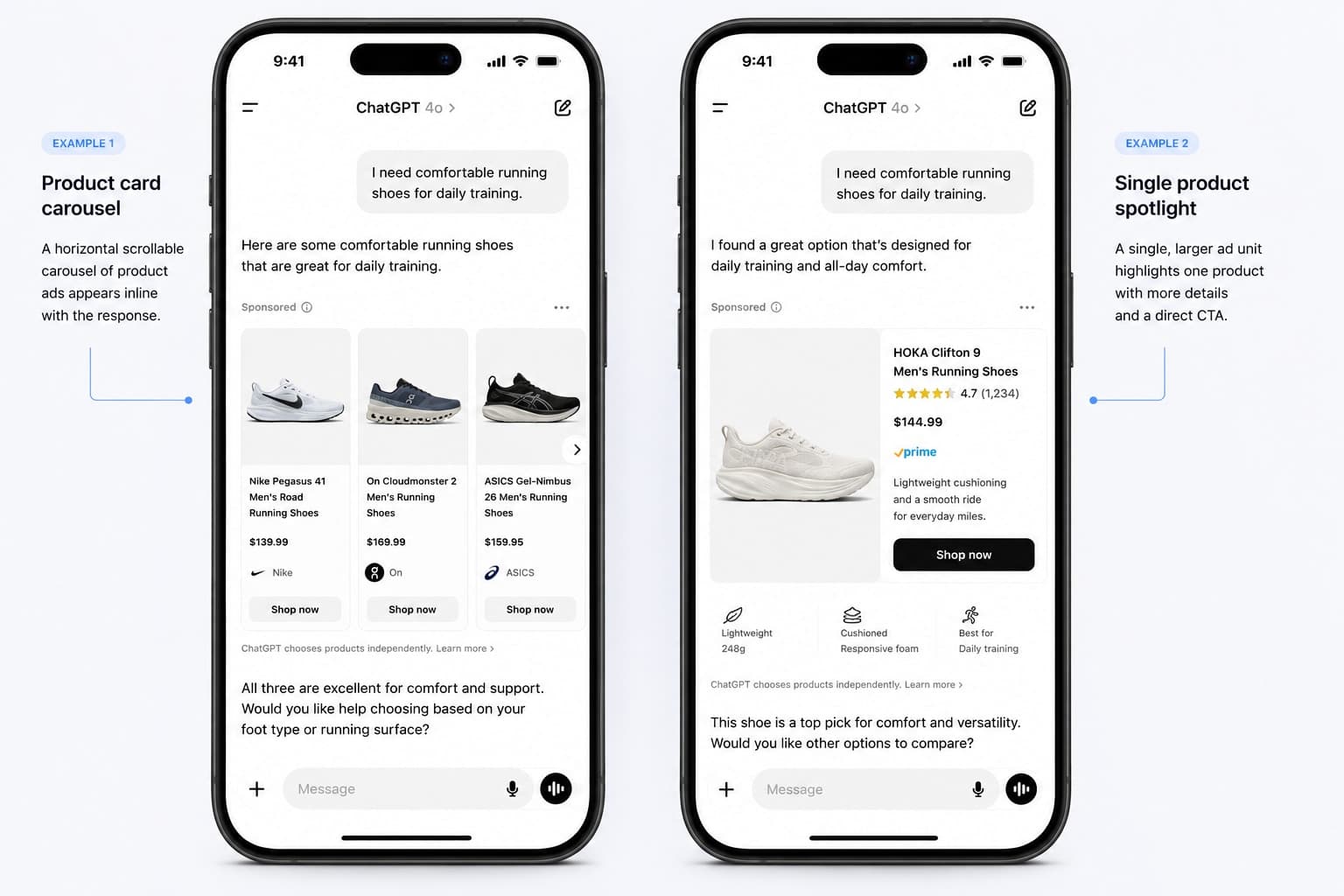
Curious about a brand you're considering shopping with? Easy - ask ChatGPT what customer experiences have been like historically. See an ad for smart-fabric activewear while scrolling Pinterest, that's just an absolute must for gym? No worries - tap the ad, add-to-cart and hit checkout. Heard about a new sports store in your area but aren't keen to try it just yet? Simple - have a look at what other users are saying about it on Instagram.
The point is: Why click away when an app has everything you need, in one place?
We're not saying it's a waste (of time, effort, budget) to try get people to your website - on the contrary. But you must be acutely aware of how real users actually behave.
Humans take the path of least resistance - it's in our nature - and when apps make it easy, enjoyable and personalised to stay put, it's highly unlikely even the most fantastic ads or content will earn you a site visit.
So what do you do? Search Everyone Optimisation - a form of SEO your brand absolutely needs.
Search Everywhere Optimisation: A New Way to Think About SEO
No, we're not making new words up.
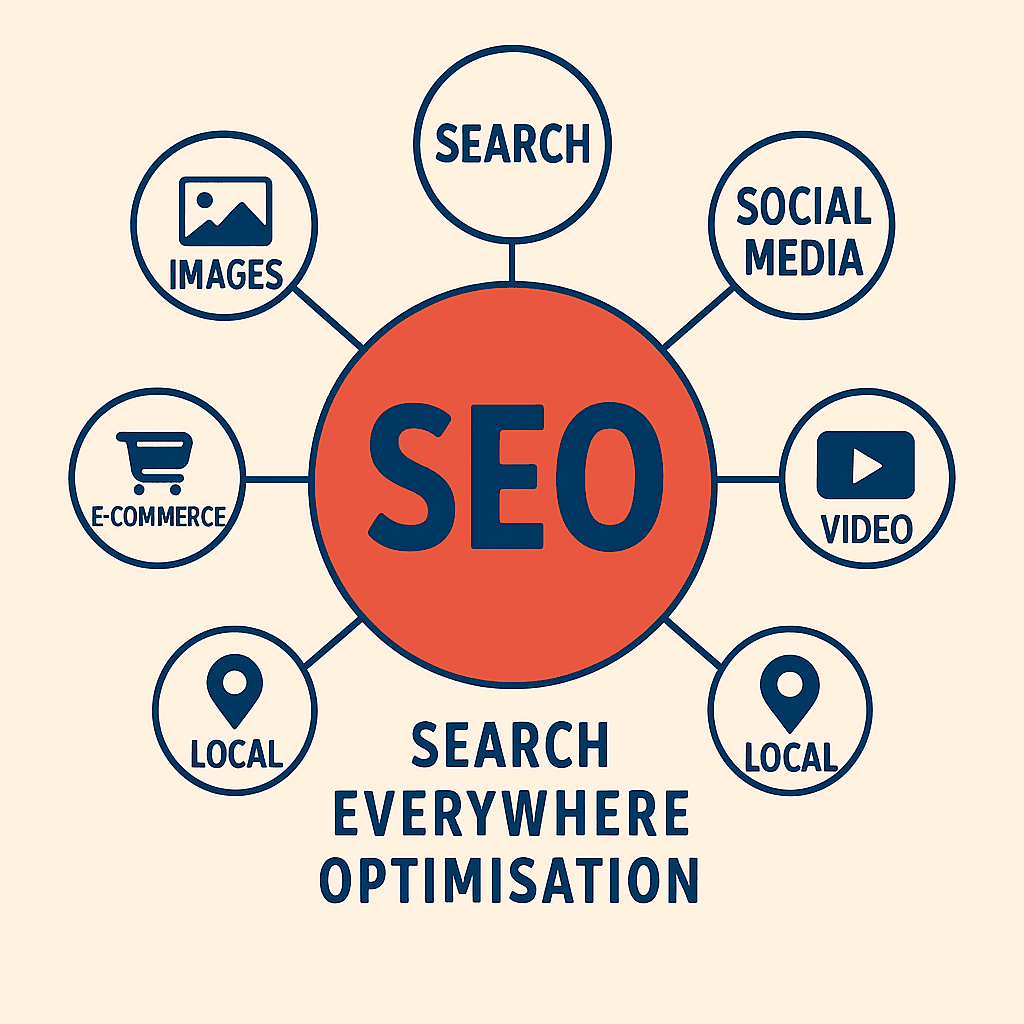
Search Everywhere Optimisation is the strategic discipline of owning visibility in every ecosystem your customer uses to search or discover products.
It is simply taking the fundamental methodology of SEO and applying it to every channel your customer is using to find answers.
Think of it this way:
- Search Engine Optimisation: Focused on making your website rank high on Google's blue links or in Bing's search results, aiming for the click-out.
- Search Everywhere Optimisation: Focuses on making your brand the cited source, the recommended product, and the authentic answer within the app itself, aiming for the stay-in transaction or discovery.
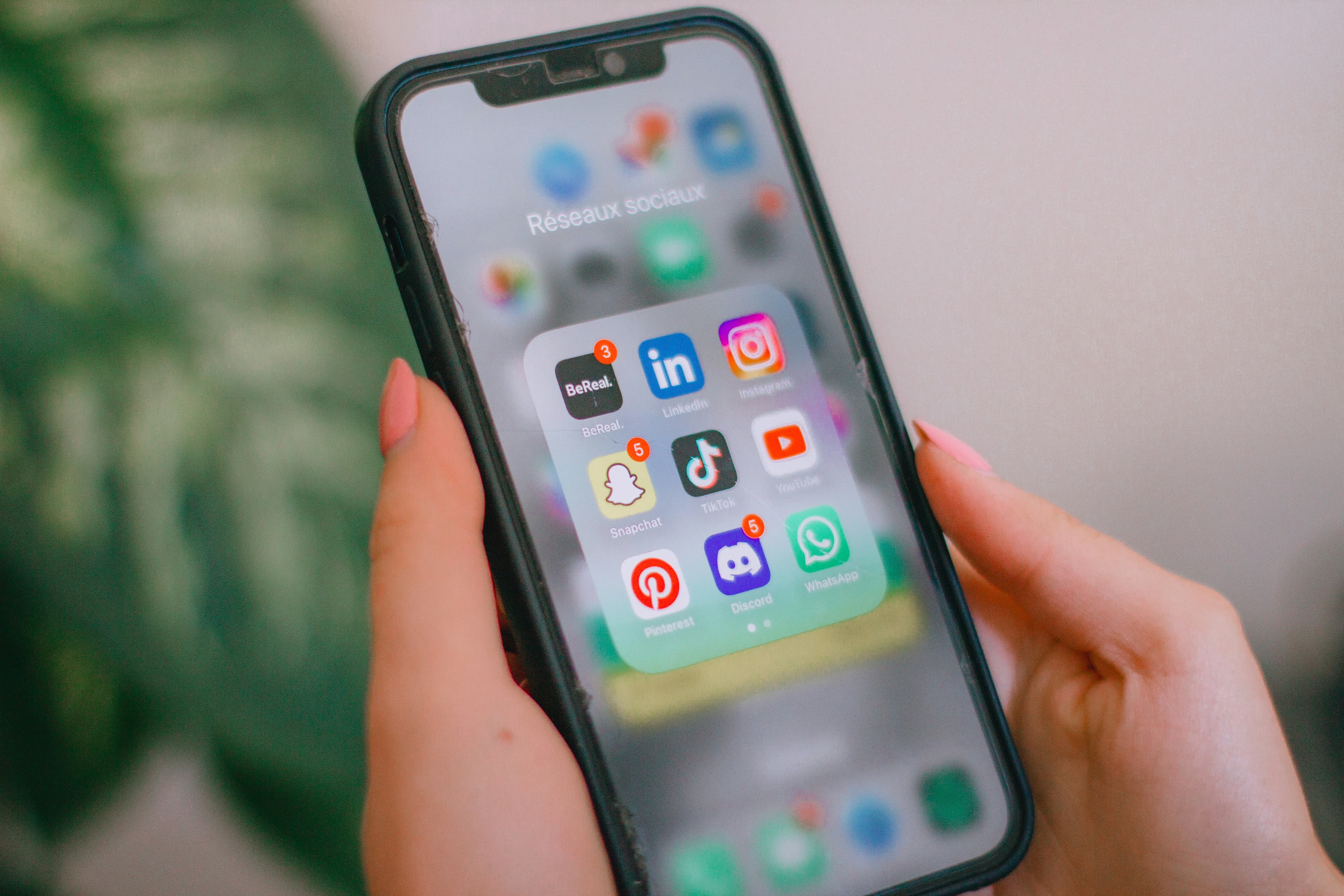
This means we treat Google's Gemini, TikTok's search bar, Instagram's Explore page, and YouTube's recommendations with the same level of strategic rigour as a traditional Search campaign.
They all use algorithms to connect users with answers; we just need to learn the specific language and content requirements of each one.
Why Users Stay in One App/Platform
That's the biggest question, isn't it? "Why would they stay in-app if we can show them something they want?"
The hard truth is that the internet has evolved from a series of destinations (websites) into a series of seamless, self-contained ecosystems. Your customer isn’t bored; they are simply too busy being served highly relevant, personalised content to leave.

Shop & Convert with Zero Friction
Once discovery is complete, the path to purchase has been reduced to a single tap within the same environment.
- Native Checkout: Users can browse dynamic Catalogue Ads or Collections on Instagram/TikTok/Pinterest, hit the "Add to Cart" button, and check out without ever loading your website. This eliminates the high-friction checkout flow we discussed last month.
- Immersive Try-On: Features like Snapchat's AR Lenses let users "try on" things like shoes or makeup virtually. This builds purchase confidence and eliminates guesswork, driving conversion without ever requiring a product page visit.
Scroll & Stream: The Perpetual Engagement Loop
Personalisation is key to keeping users captive for hours.
- Endless Content: Platforms like Instagram, YouTube and TikTok feed users an endless stream of algorithmically relevant video and long-form content. This highly personalised content prevents boredom and removes the impulse to go anywhere else.
- Attention Ownership: The ecosystem owns their time, their data, and their attention. They are immersed in the flow, making it increasingly unlikely that even the most fantastic ad or organic post will convince them to stop and click away to a third-party website. More so if they don't know the brand.
The Failure of Repurposed Content
Let’s talk about the biggest reason brands waste money: treating channels as if they're all the same.
Your content teams often work in silos, leading to a constant, lazy process of "repurposing." You grab a polished, professional image ad from Instagram and expect it to perform on a vertical, lo-fi TikTok feed. You take detailed, long-form SEO blog content and slim it down into a one-page infographic on Pinterest with no context.
It doesn't work.
The Algorithmic Rejection
Every single ecosystem speaks a different language, and they will instantly reject content that doesn't fit their culture and technical requirements.
- TikTok/Reels: They prioritise lo-fi authenticity, sound-on design, and rapid visual context. They will absolutely suppress a polished studio ad or post that feels corporate, if it's not in their users' best interests.
- Search Engines/AI: This algorithm wants structured, verifiable facts, clear schema, and E-E-A-T (Experience, Expertise, Authority and Trustworthiness). It will struggle to summarise a generic, promotional brand video into an authoritative answer.
- YouTube/Streaming: This channel rewards long-form, educational, and high-value content that holds engagement - the total opposite of a quick, swipeable ad.
The only thing that should be consistent across your entire operation is your brand voice and identity.
That’s the framework. Everything else - the format, the content length, the textual structure, and the overall aesthetic - must be custom-built to meet the unique algorithmic requirements of that specific platform.
When you force content created for one world into another, you are actively working against the algorithm.
The Universal Fix: SEO as Methodology
So, how does SEO (Search Everywhere Optimisation) fit in?
The short answer is that the underlying discipline of SEO - understanding how an algorithm or tool connects a user with an answer - is the only universal strategy that still works.
SEO isn't just about keywords anymore; it's about understanding your customers and making your content visible to them on any tool they might use to search for or discover products. It's about making your brand the authoritative source and the best answer across every single ecosystem.
But... How? SEO is Just for Search Engines, Right?
Nope!
The reason we rely on SEO methodology is that it forces us to ask the right questions about how any platform - from Google's AI Mode to TikTok's algorithm - chooses which content to serve. When you adopt this methodology, those long-term, compounding benefits kick in across every channel:
- Insight Goldmine: SEO is the best tool for uncovering genuine, unfiltered customer intent. By analysing what people search for on Google, Bing, and social search platforms, you get a clear view of their true pain points and needs. That deep audience understanding should program every piece of content you create.
- Platform Discipline: The SEO mindset requires creating content specifically for the platform. We know Google wants structured data for rich results, but the methodology also forces us to understand that TikTok wants sound-on, vertical video for engagement. This discipline ensures your content isn't immediately rejected by the platform's algorithms.
- Compounding Investment: SEO remains one of the best long-term investments a brand can make - and we're not just saying that because we're biased. We've seen it work for brands large and small. When you apply this rigorous, platform-specific methodology across all channels, those visibility and discovery benefits compound tenfold. You build genuine, lasting authority in all ecosystems, instead of just chasing short-term traffic spikes.
Where Does That Leave You?
Apps and platforms becoming entire, self-contained ecosystems isn't isolated to the ones we mentioned here; just the opposite. That means you need to treat each app or tool your customers use independently.
Many users - especially younger ones, like the infamous Gen Z - won't bounce from app to app, from app to site, from site to social. They'll get everything they need from a single space, a single app.
Any interaction they have with your brand, whether it's the first or the hundredth, should be as valuable and seamless as if it were the only interaction they’ll ever have with your brand.
SEO is the how - the rigorous methodology that defines the algorithmic requirements for visibility.
Your marketing partner is the who - the expert team that translates that methodology into actionable content strategy, customised for every single app, feed, and search bar your customers use.
If you don't have that strategic insight guiding your content and paid efforts... you'll be blindly hoping that your efforts to drive users to your website will cut through the noise of millions of users who are already determined to stay put.
If you're ready to make every touchpoint count, you know where to find us.